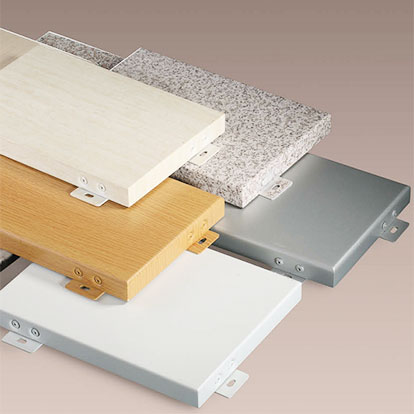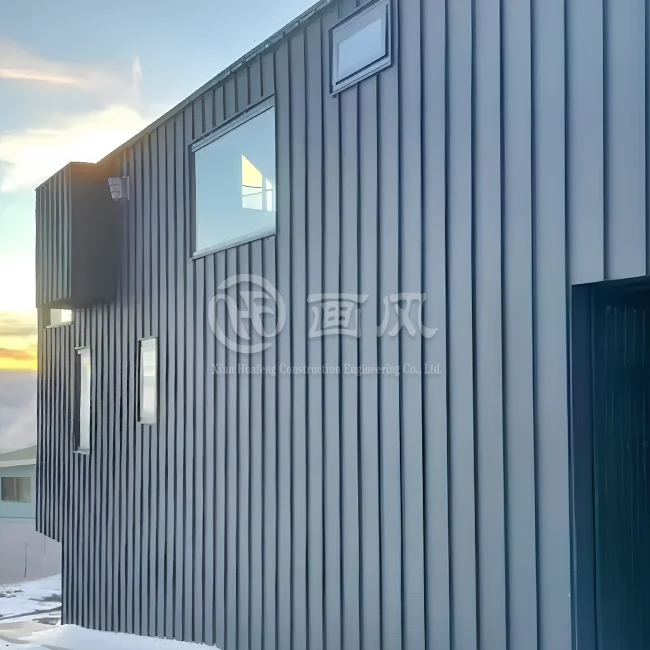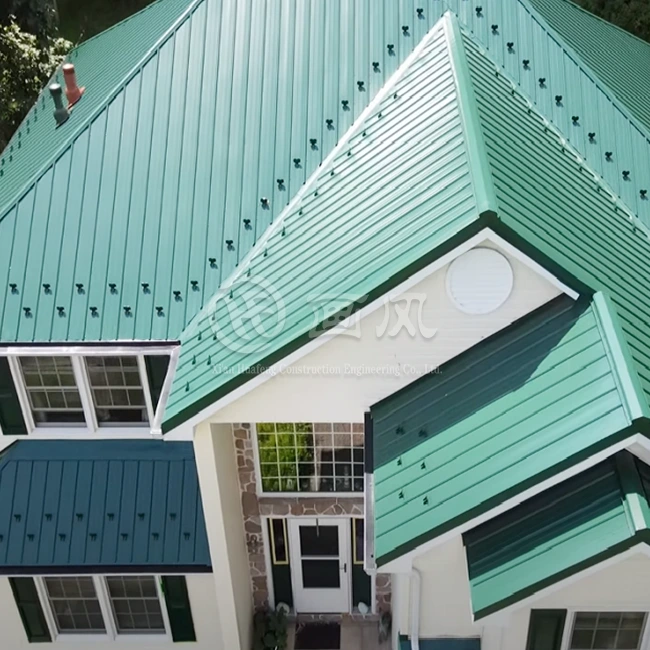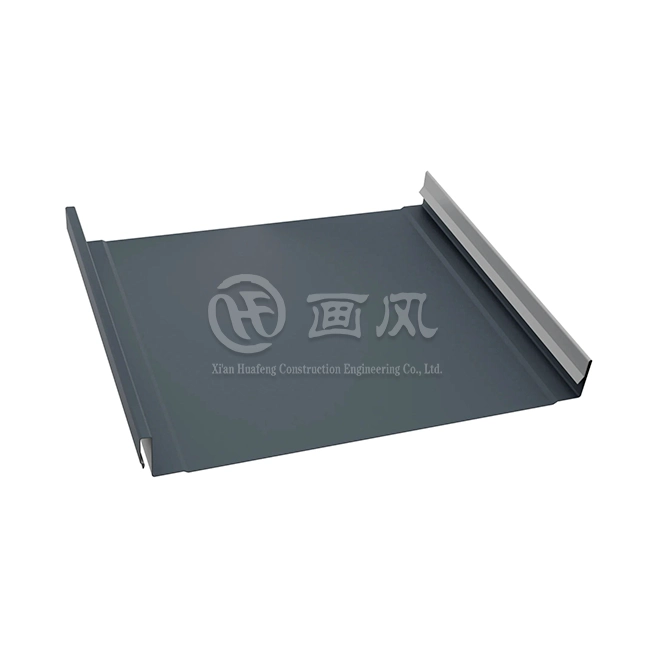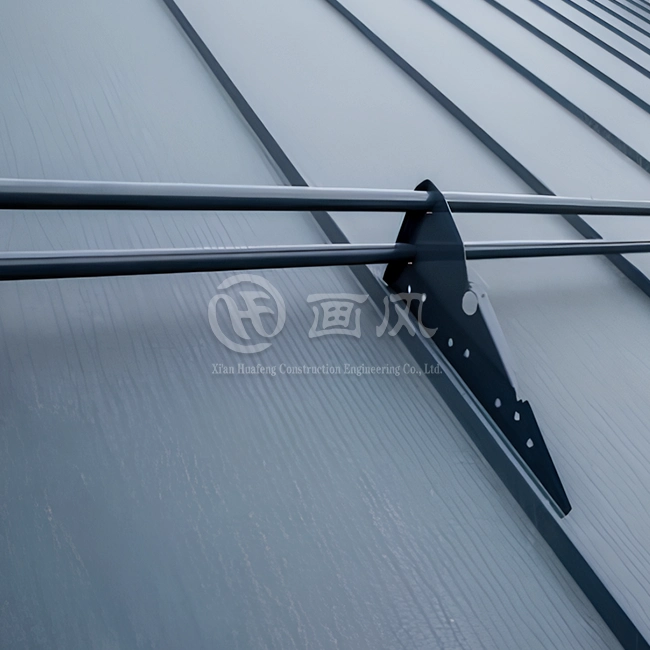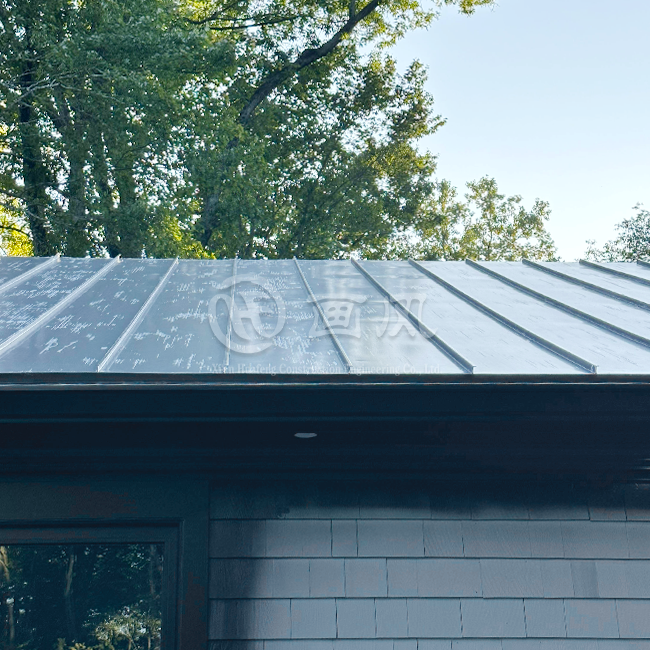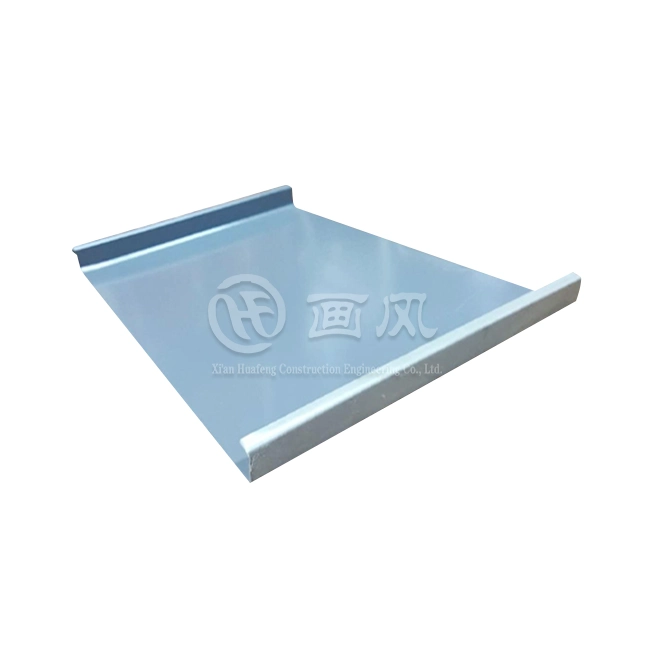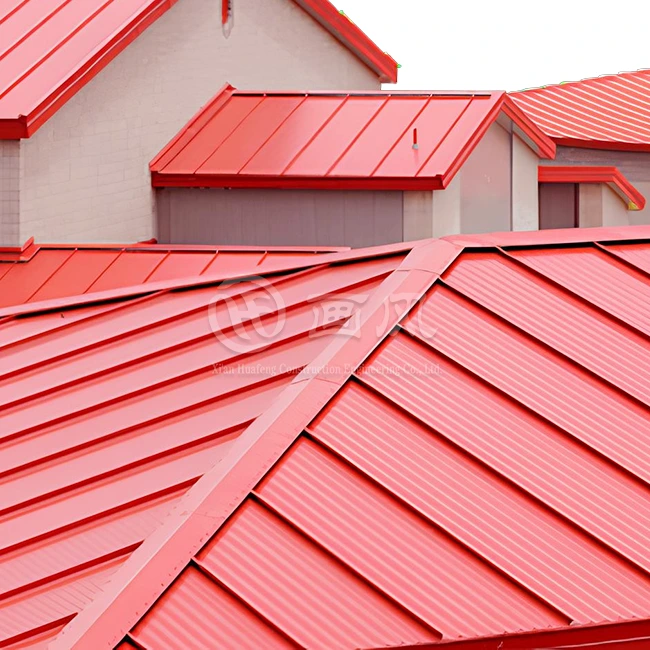
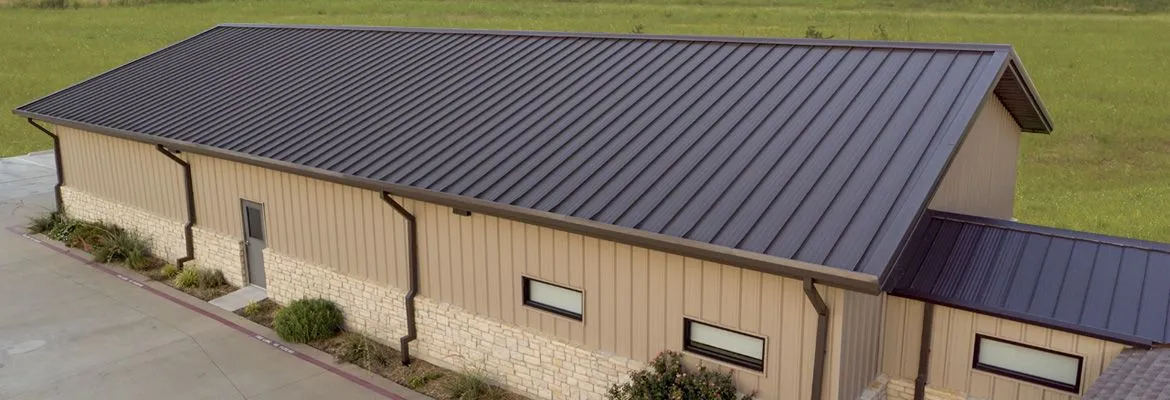
The answer is a clear winner when builders and procurement managers inquire about the energy efficiency of snap-on metal roofs compared to other forms of roofing. The Snap-on Metal Roof is a concealed-clip, snap-lock panel design with a natural air gap between the panel and the substrate. This gap limits heat transmission into the building below. Snap-lock systems, when combined with high-reflectivity PVDF or PE coatings, and Class A fire-rated materials, clearly meet or exceed measured thermal performance criteria of asphalt shingles, conventional screw-down metal panels and several standing seam alternatives.
Understanding Energy Efficiency in Roofing Systems
Before comparing roofing types, it helps to understand what actually drives energy performance in a roof assembly.
Key Metrics That Matter
Three numbers define roofing energy performance: R-value (resistance to heat flow), Solar Reflectance Index (SRI), and Thermal Emittance. The U.S. Department of Energy's Oak Ridge National Laboratory reports that cool metal roofs with high SRI values can reduce peak roof surface temperatures by up to 100°F compared to dark asphalt surfaces. That directly reduces HVAC load.
Why Reflectivity Changes the Equation?
A roof coating's capacity to reflect solar radiation instead of absorbing it is the quickest lever for cutting cooling expenses. PVDF-coated metal panels usually have a solar reflectance of 0.65-0.75, far higher than the 0.05-0.15 range of normal asphalt shingles. This difference immediately translates into lesser air-conditioning demand during hot months.
Ventilation and Thermal Mass
Convective airflow, facilitated by air gaps under metal roof panels, especially snap-lock profiles, removes absorbed heat before it enters the building interior. Low thermal mass implies that the panel does not retain heat overnight, like concrete or clay tiles which radiate stored heat in the evening hours.
Comparing Snap-On Metal Roofs with Other Common Roofing Types
Each metal roof is different in how well it keeps heat in or out, and how it was put on makes a big difference.
Snap-Lock vs. Asphalt Shingles
Many houses in North America still use asphalt shingles for roofing, but they aren't great at retaining heat. Their black surfaces absorb up to 80 to 90 percent of the sun's light. Otherwise they go apart every 15–20 years and have to be replaced. Snap-on metal roof panels made of aluminum pass AAMA 2605-22 color regularity and chalk protection tests. And they have a 30-year warranty and preserve their brilliant coating performance for decades when finished with PVDF.
Snap-Lock vs. Exposed Fastener Metal Panels
Screwed-down metal roofing is common on low budget commercial buildings. The problem is thermal bridge. This is where the metal fasteners enable heat to flow through the panel and into the structural deck. Snap lock systems with concealed flying clips prevent this heat route.
Snap-Lock vs. Mechanical Standing Seam
Metal-seamed standing seam profiles don't get blown around much, but you need to have a driven seaming machine on hand. About the same amount of energy is used by both methods, but snap-lock panels can be put up 20–30% faster, which keeps workers safer and speeds up projects. That efficiency has a direct effect on the cost of the project without changing how well it keeps heat in or out for workers who are working on multiple jobs at once.
Core Components and Installation Factors Influencing Energy Efficiency
The right panel material and covering do most of the work. How well they work, though, depends on how well they are put together.
Cool Roof Coatings and Finish Selection
HF snap-lock panels are offered in any RAL color and in a PVDF or PE (polyester) finish. PVDF fluorocarbon coatings with 8μm primer and 18μm topcoat have exhibited accuracy in color (ΔE < 0.3) and protection against chemicals as per AAMA 2605-22 in all the 13 performance categories. Naturally, with lighter RAL colors the SRI value rises, which allows specifiers to get higher energy ratings.
The Clip System and Air Gap Advantage
The hidden flying clip performs two things at once in a snap-on metal roof. The panel is free to move during thermal cycling. This prevents wear of the fasteners and prevents oil canning from building up. The deck and panel are maintained apart by a constant air gap. This space allows air to circulate without moving. This architectural element prevents heat from being left in the roof system so it doesn't cost extra to insulate.
Insulation and Underlayment Integration
Adding snap-lock panels with strong stiff insulation or reflective underlayment adds a lot more R-value to the system. In temperature zones 4 and above, most commercial buildings are required to have a minimum R-30 assembly. HF plates are available in copper, titanium zinc, aluminum alloy, coated steel, stainless steel and in a range of thicknesses from 0.4 mm to 1.2 mm. They are large enough to accommodate various types of padding and insulation.
Economic Benefits and ROI of Choosing Snap-On Metal Roofs
Energy efficiency is only valuable when it produces financial results that procurement teams can present to ownership.
Reduced HVAC Operating Costs
Cool roofs may save 10–40% of the yearly cooling energy usage in warm areas, depending on the kind of structure and the amount of insulation, according to the Lawrence Berkeley National Laboratory. For a 50,000 sq. ft. commercial warehouse operating on continuous HVAC, that savings may be in the tens of thousands of dollars per year. The savings over the 30-year life of the roof more than offset the extra cost over the asphalt choices.
Lifecycle Cost vs. Replacement Cost
Asphalt shingles typically require full replacement every 15–20 years. In the same period, a properly installed snap-lock metal roof requires no structural intervention—only periodic visual inspection and rain-washed cleaning. The 30-year warranty HF provides on its panels reflects a material durability backed by corrosion-resistant substrates and tested coatings, not marketing language.
Labor Efficiency as a Cost Driver
HF panels have a 15-20 day lead time and are wrapped so as not to distort in delivery. The panel-ready delivery and 50%-faster installation rate compared with typical metal tiles lowers crew time on site for contractors working on tight project timeframes. That labor save builds over a distributor’s yearly project volume.
Practical Considerations for Procurement and Implementation
Selecting the right snap-lock metal roofing supplier requires more than reviewing a spec sheet.
Verifying Compliance Documentation
For the North American market, procurement managers of snap-on metal roof systems should require ASTM E1592 structural performance test reports and wind uplift certifications before placing orders. HF's products have been independently tested and certified under SGS standards, including combustion performance (AS/NZS 1530.3:1999), EU RoHS compliance, and AAMA 2605-22 coating performance—13 tests passed across color uniformity, adhesion, chemical resistance, impact, and flexibility.
MOQ, Lead Time, and Color Consistency
HF's minimum order quantity is 500㎡ or 1 metric ton, with delivery in 15–20 days. Panels are available in any RAL standard color or custom specification. Batch color consistency is managed through roll-coating process controls, with ΔE values tested per ASTM D2244 to minimize the inter-batch color variation that causes visible mismatches on large roof areas.
Choosing the Right Substrate for Your Climate Zone
Coastal and high-humidity environments benefit from aluminum alloy or stainless steel substrates, which resist salt-induced corrosion without additional surface treatment. Inland commercial applications typically specify galvanized steel (AZ150 or G550) for cost efficiency. HF offers aluminum alloy, steel, stainless steel, copper, and titanium zinc—giving contractors and distributors the substrate flexibility to match local conditions precisely.
Conclusion
Snap-on metal roof systems always exceed the performance of asphalt shingles and visible fastener metal panels in sun reflection, temperature stability, durability and total cost of ownership. Used with appropriate PVDF coatings, the correct underlayment and a well-thought-out clip system, they reduce the demand for HVAC in commercial and industrial environments. Bulk-buying procurement workers may get energy efficiency gains in the final construction, but it's down to the compliance documentation, choice of material, color uniformity and reliable lead times.
FAQ
1. Does a snap-lock metal roof perform well in cold climates as well as hot ones?
Yes, snap-lock systems can work with insulation to keep heat inside when it's cold outside. They do this by leaving an air gap. It's very important to put the right amount of hard padding under the tile. Surfaces with a high SRI value let less sun heat into hot places.
2. Can snap-lock panels contribute to LEED certification?
They can, of course. LEED points can be earned for things like having a cool roof, recycled materials (metal panels can be recycled over and over again), and less construction waste in the Energy & Atmosphere and Materials & Resources categories. Specificators should check with their seller to make sure the SRI numbers are correct to show that they are in line with the rules.
3. What is the minimum slope for a snap-lock metal roof?
The least should be 3:12, as a general rule. Water could back up at the seams of the panels if the slope is less than this. HF panels can be used on slopes as low as 1:12 in some situations, but for most setups, a slope of at least 3:12 is best.
4. How does color choice affect energy performance?
More sun energy is reflected by lighter RAL colors, which raises the SRI value. Based on ENERGY STAR, a white or light gray PVDF finish can have an SRI number above 100. This means that the roof is cool. Dark colors keep heat in, but people who live in cold places may like them because they look good or because they help melt snow.
5. What is the difference between PVDF and PE finishes in terms of durability?
PVDF (fluorocarbon) coatings are the standard for long-term business uses because they are better at keeping colors and chemicals and UV light out. PE coats, which are made of polyester, are less expensive and work well in warm places with little UV light. HF gives you both options across all of its colors.
Get a Direct Quote from HF — Snap-On Metal Roof Supplier with 30-Year Warranty
At HF, they make snap-lock metal roof panels out of steel, copper, titanium zinc, stainless steel, aluminum alloy, and PVDF/PE finishes. They can be made to match any RAL color and are 0.4 to 1.2 mm thick. As a real maker of snap-on metal roofs, we work with contractors and wholesalers all over North America. Our tests are approved by SGS, and the wait time is between 15 and 20 days. To get prices and details for your project, email huafeng@hfmetalroof.com.
References
1. U.S. Department of Energy — Roofing Technologies Research and Development, Oak Ridge National Laboratory, 2021.
2. Lawrence Berkeley National Laboratory — Cool Roofs: Energy Savings and Urban Heat Island Mitigation, 2019.
3. Metal Construction Association (MCA) — Metal Roofing Systems Design Manual, 2020.
4. ASHRAE — ASHRAE Standard 90.1: Energy Standard for Buildings Except Low-Rise Residential Buildings, 2022.
5. National Roofing Contractors Association (NRCA) — The NRCA Roofing Manual: Metal Panel and SPF Roof Systems, 2023.
6. ENERGY STAR Program — Roof Products: Qualifying Criteria and Performance Standards, U.S. Environmental Protection Agency, 2022.