Snap Lock Standing Seam Roofing Installation Guide
2026-11-03 19:16:01
If you're managing residential or commercial roofing projects in the U.S., understanding how snap lock standing seam roof works—and how to install it correctly—can save your crew significant time and reduce costly errors. This guide walks through the system's core properties, step-by-step installation logic, procurement factors, and maintenance protocols. Whether you're a roofing contractor sourcing panels for the season or a distributor evaluating a new product line, this is the practical reference you need before the next job starts.

Understanding Snap Lock Standing Seam Roofing
What the System Actually Is?
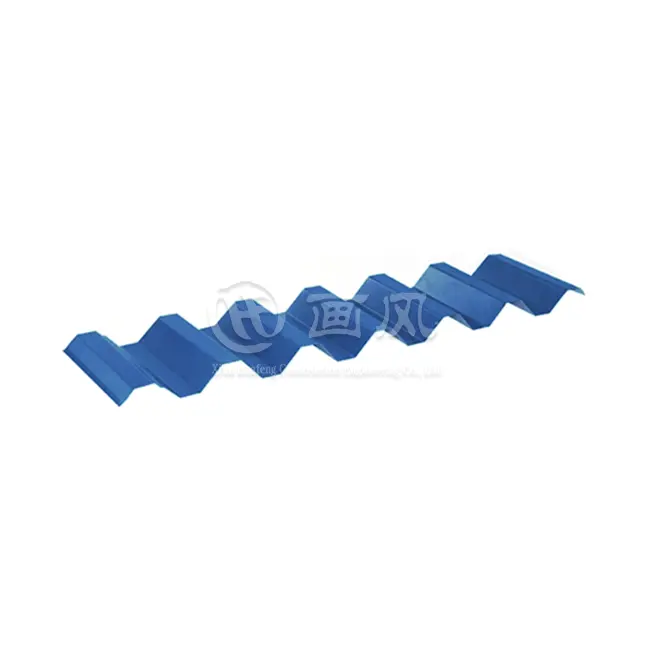
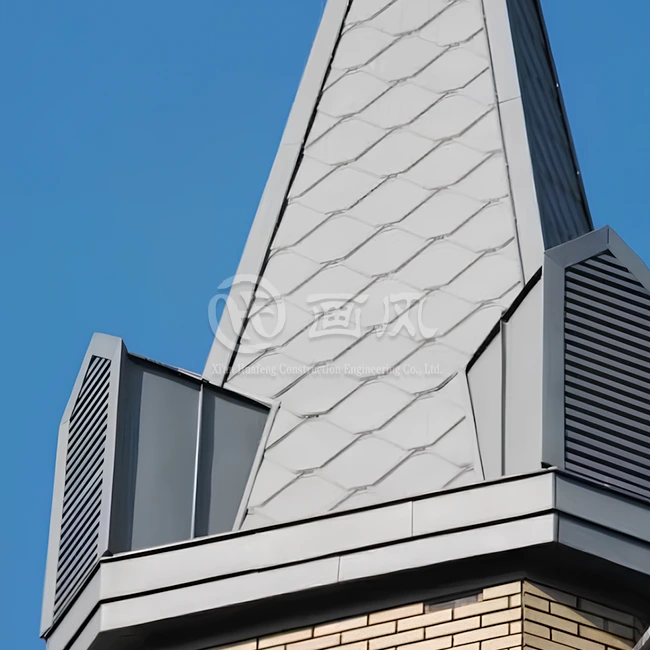
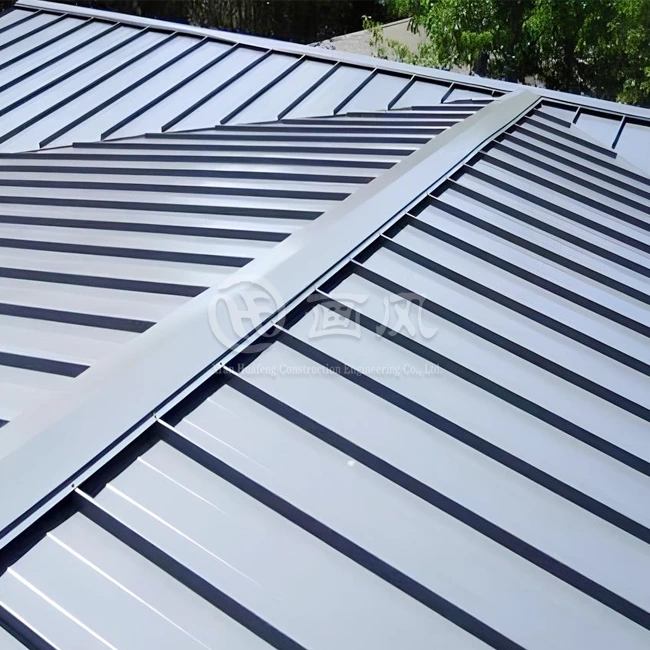
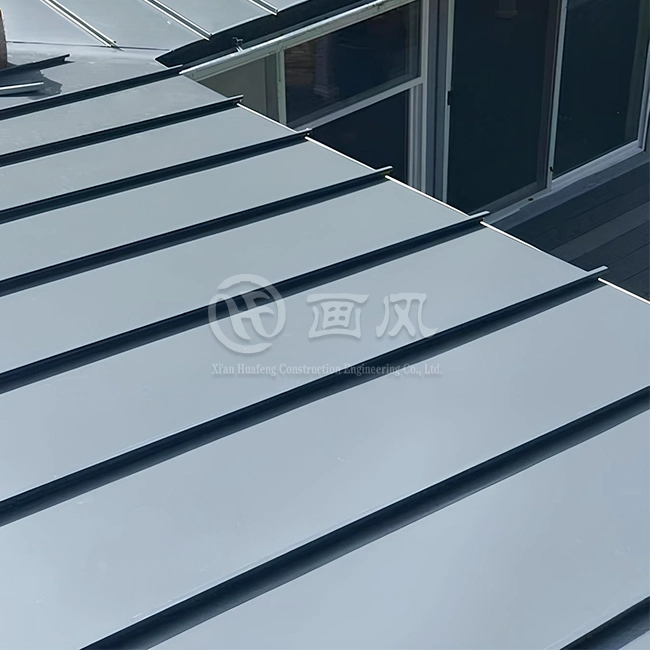
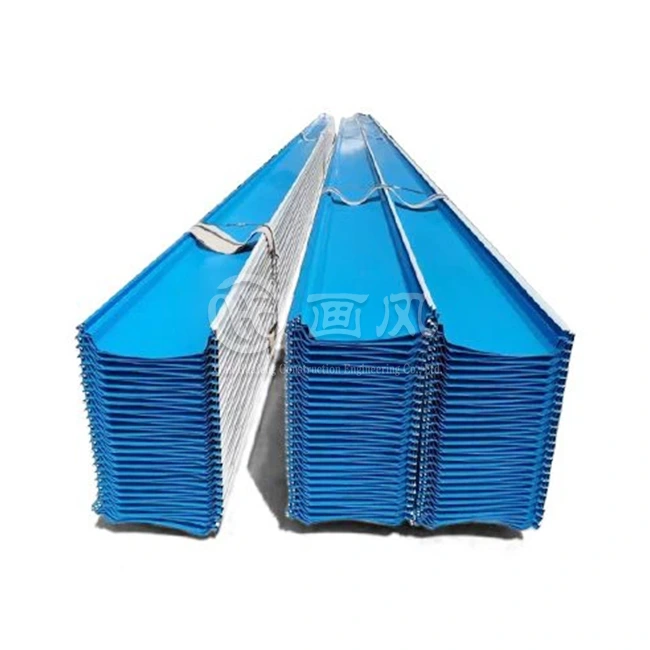
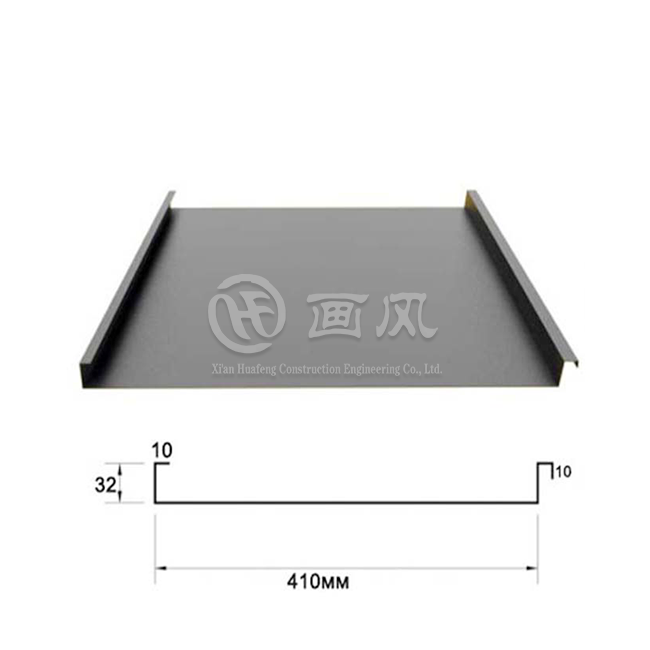
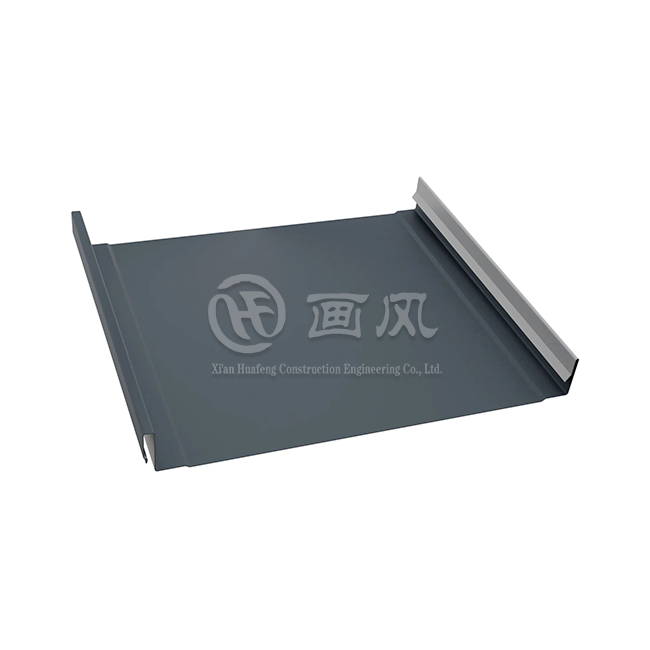
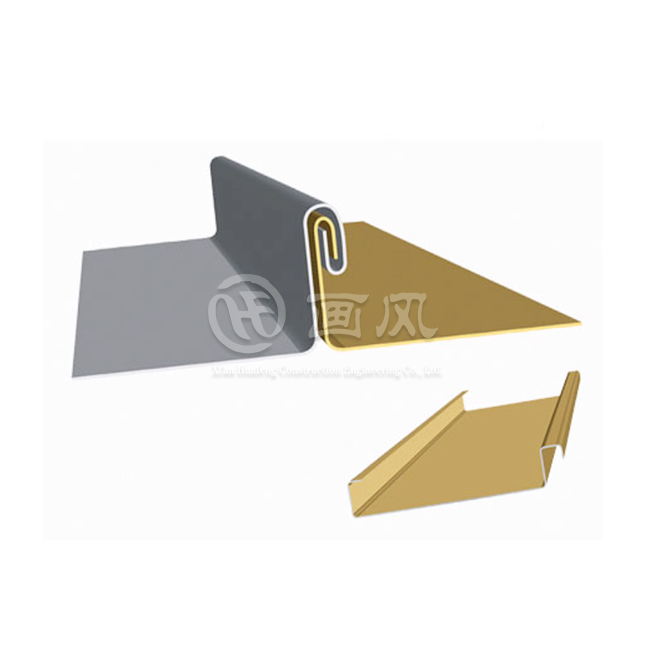
A snap lock standing seam roof is a concealed-fastener metal roofing system. The panels fit together by pressing the male leg into the female leg, so you don't need a seaming machine on-site. The 45mm seam height makes a ridge that doesn't let water in and drains well on slopes of 3:12 or more. Panels from HF come in aluminum alloy, Galvalume steel, stainless steel, copper, titanium zinc, and stainless steel. They are available in thicknesses from 0.5mm to 1.2mm.
How It Differs from Mechanical and Clip Lock Systems?
To fold the seam lines 90° or 180°, mechanical lock systems need a driven seamer. This makes them more difficult to install but better for areas with very little slope or a lot of wind. Clip lock panels have a separate clip that goes over the seam and snaps down. The snap lock design is in the middle when it comes to wind resistance and installation speed. It takes 30–50% less time to install than mechanical locks and can handle more wind than basic clip lock profiles.
Core Material and Coating Options
HF's snap lock standing seam roof panels come in either a PVDF or PE finish. PVDF fluorocarbon coatings, which SGS confirmed passed all 13 tests under AAMA 2605-22, keep their color for 20 years or more and don't break down in UV light. PE coats are a cheap option for places with less exposure. Also, aluminum alloy panels have SGS fire performance certification (AS/NZS 1530.3:1999), and all six samples that were tested got a score of 0 on the ignition index.
Snap Lock Standing Seam Roof Installation Process
Surface and Deck Preparation
Make sure the deck is flat before putting down a single panel. The difference in the substrate must not be more than ¼ inch for every 10 linear feet; any difference above that will show up as oil canning after installation. Cover the whole field with a self-adhesive underlayment that is allowed for metal roofs. Compare the purlin spacing to the engineering lifting report. For 0.7mm aluminum, a purlin center spacing of up to 600mm can handle live loads of up to 1.5 kN/m².
Panel Layout and Clip Placement
Start at the eave and work your way up to the top. Put secret fixed clips at the bottom of each panel run and moving (sliding) clips along the length of the field to let the heat move. HF screens can handle ±15mm of movement, which is important for long runs in places where temperatures change a lot from day to day. To keep wind resistance at or above 3.0 kN/m², clip spacing shouldn't go over 1.5m. To stop galvanic reactions, use pins made of zinc-alloy or stainless steel that won't rust to attach the clips.
Snapping Panels and Verifying Seam Engagement
Walk the male leg over the female leg of the panel next to it and press down hard along the whole length of the panel. There should be a steady click that lets you know the whole thing is engaged. Uplift force is lost when muscles aren't fully engaged, even for a short time. After snapping each panel together, check the seam by pulling it up every so often. Do not hit the PVDF coating directly with a rubber mallet. Instead, use a padded tapping block to keep the bend radius from getting micro-fractures that would break ASTM E1646 water penetration standards.
Comparing Snap Lock Standing Seam Roofing with Alternative Solutions
Installation Speed and Labor Cost
The snap lock profile doesn't need any rolling equipment to be set up on-site, which directly cuts down on the cost of mobilization. After one day of product-specific training, crews can usually finish installing the snap lock panels correctly and efficiently. Snap lock systems require a powered seamer and more skilled operators, but they cut field labor by about a third on standard residential projects.
Wind and Structural Performance
HF's snap lock panels are tested to withstand wind speeds of up to 60 m/s (216 km/h) under EN 15601 conditions when clips are spaced no more than 1.5 m apart. In places where UL 580 Class 90 ratings are required, like storm zones, mechanical lock double-seam methods are still a little better. Most residential and light business jobs in the U.S., on the other hand, can be easily met with snap lock profiles that have narrow panel widths (300–400mm) and close clip spacing.
Lifecycle Cost and Maintenance Access
One useful benefit that contractors often miss is that snap lock standing seam roof can be fixed. Unlike mechanical locks, which need to be repaired by cutting and re-rolling, snap lock panels can be taken off in parts without damaging the seams next to them. The ability to repair individual damaged panels without having to tear off the whole part cuts the long-term cost of ownership by a large amount over a 30–50 year service life (Galvalume substrate) or 50+ year service life (aluminum alloy).
Procurement Considerations for Snap Lock Standing Seam Roofs
Key Specification Checkpoints
When looking for panels for projects in the U.S., make sure the company you're buying from can give you ASTM E1592 structural performance test reports and ASTM E1646 water penetration data. These are both standard requirements for most places to get a permit. The ASTM, DIN, JIS, BS, and GB/T standards are all met by HF panels. For big roof fields, PVDF color batches should be compared to RAL codes with a Delta E range of ≤1.0 so that color differences between batches can't be seen.
Before you place an order, here are the most important things you should check with any snap lock panel supplier:
- Panel length tolerance: Custom lengths up to 13m per panel reduce lateral lap joints and site cutting waste.
- MOQ alignment: HF's MOQ is 500 m² or 1 metric ton—manageable for mid-size residential projects without excess stock.
- Lead time: Standard production and delivery runs 15–20 days, supporting tight project scheduling.
- Packaging integrity: Panels must arrive interleaved and strapped to prevent transit deformation, especially for PVDF-coated surfaces.
These things have a direct effect on both controlling project costs and increasing productivity on-site, so making sure of them up front keeps disagreements and delays from happening later.
Supplier Certification and Production Scale
HF runs three plants with more than 40 shearing, pressing, and bending tools and seven color finishing production lines. The monthly supply capacity is 1,000 metric tons. Fire performance (AS/NZS 1530.3:1999), EU RoHS hazardous substance compliance, and PVDF coating performance (AAMA 2605-22) are all covered by SGS endorsements. For procurement managers who are working on multiple projects at the same time, that level of production ensures a steady supply that doesn't stop.
Maintaining and Troubleshooting Snap Lock Standing Seam Roofs
Routine Inspection Protocol
Check the snap lock standing seam roof twice a year, once after winter and again after the stormy season. Check that the seams are engaged along the edges of the panels, that there is no buildup of debris at the clips and flashing transitions, and that the sealant stays intact at the endlaps and penetrations. PVDF-coated panels only need to be washed with a neutral soap under low pressure. Avoid using rough tools that could scratch the covering.
Addressing Common Field Issues
The three most prevalent difficulties with installed snap lock roofs are: 1. heat cycling, 2. surface corrosion at cut edges and 3. leaks at accessory penetrations owing to fasteners. Seam separation is caused most often by either incomplete initial engagement or missing floating clips on lengthy panel runs. To prevent cut-edge corrosion, paint any field cuts with touch-up paint rich in zinc before installation. Most of the time, penetration leaks come from pipe boots or curb flashing that aren’t flashed correctly, not the seams of the panels themselves.
When to Call a Professional
Replacing sealant and re-engaging minor seams are easy fixes that can be done by a crew. But if corrosion has gone through the coating and into the base, or if wind has moved several panel sections around, you should call a qualified metal roofing expert to look at the structure. If you try to re-attach the clips without checking to see if the deck can hold them, you could make the damage worse and lose the guarantee on the panel.
Conclusion
A snap lock standing seam roof, when fitted to specification, provides considerable benefits in installation speed, long-term weather resistance, and maintenance access. The method may be used on many residential and commercial applications across the U.S. if the criteria for slope, clip spacing, and substrate flatness are satisfied. HF’s product portfolio, with SGS certifications, ASTM compliance, and a 30-year guarantee, delivers a product that performs from the first panel to the final inspection for procurement managers and installation teams.
FAQ
1. What is the minimum slope for a snap lock standing seam roof?
The industry standard minimum is 3:12 pitch. Because snap lock is a hydrokinetic system that sheds water rather than containing it under pressure, installing below this threshold risks capillary migration through the seam under standing water conditions.
2. Can snap lock panels be installed over an existing roof?
Yes, provided the existing structure can support the added load and a proper underlayment and ventilation gap are incorporated. A structural engineer should confirm deck capacity before proceeding with any over-roofing project.
3. How does PVDF coating compare with PE on long-term color retention?
PVDF retains color for 20+ years with minimal chalking (Delta E ≤1.0 over time under AAMA 2605-22 testing). PE is more economical but shows measurable color shift in high-UV or coastal environments within 10–15 years.
4. What causes oil canning, and can it be prevented?
Oil canning is an inherent characteristic of light-gauge metal under stress. The floating clip system in snap lock roofs allows free thermal movement, which reduces stress-induced waviness. Narrower panel widths (300–400mm) and proper substrate flatness further minimize the effect.
5. Does HF offer custom panel lengths and colors?
Yes. HF produces panels up to 13m in a single length and matches RAL and custom color codes. PVDF and PE finish options are both available with a 15–20 day lead time from order confirmation.
Request a Quote from HF — Trusted Snap Lock Standing Seam Roof Manufacturer
If you are sourcing snap lock standing seam panels from a reliable snap lock standing seam roof supplier for a residential, commercial, or distribution project, HF can provide product specifications, panel profiles, coating options, certification documents, and production details for your review. Share your required panel length, material, thickness, color, project quantity, and delivery schedule with the HF team so the appropriate configuration and quotation can be prepared. For project-specific requirements or technical documentation, email us at huafeng@hfmetalroof.com and include your project details so the team can respond with the relevant information.
References
1. Metal Construction Association (MCA). Guide to Metal Roofing: Installation and Performance Standards. 2022.
2. National Roofing Contractors Association (NRCA). The NRCA Roofing Manual: Metal Panel and SPF Roof Systems. 2023.
3. ASTM International. ASTM E1592: Standard Test Method for Structural Performance of Sheet Metal Roof and Siding Systems by Uniform Static Air Pressure Difference. 2023.
4. American Architectural Manufacturers Association (AAMA). AAMA 2605-22: Voluntary Specification, Performance Requirements and Test Procedures for Superior Performing Organic Coatings on Aluminum Extrusions and Panels. 2022.
5. Sheet Metal and Air Conditioning Contractors' National Association (SMACNA). Architectural Sheet Metal Manual, 8th Edition. 2021.
6. Metal Roofing Alliance (MRA). Residential Metal Roofing: Best Practices for Design and Installation. 2022.





YOU MAY LIKE