Double Lok Roof Panel for Commercial Buildings: Benefits and Applications
2026-09-09 18:53:15
When we spec out roofing systems for warehouses, distribution centers, or retail complexes, we're not just picking materials—we're making decisions that affect wind ratings, insurance premiums, and maintenance budgets for decades. The double lok roof panel stands out as a mechanically seamed standing seam system engineered to handle low-slope commercial applications where snap-lock profiles often fall short. Its 360-degree Pittsburgh seam creates a continuous weathertight barrier capable of meeting UL 580 and FM Global wind uplift standards, making it a practical choice for projects where compliance isn't negotiable and long-term performance drives ROI.

Understanding Double Lok Roof Panels: Features and Functionalities
What Defines a Double Lok System
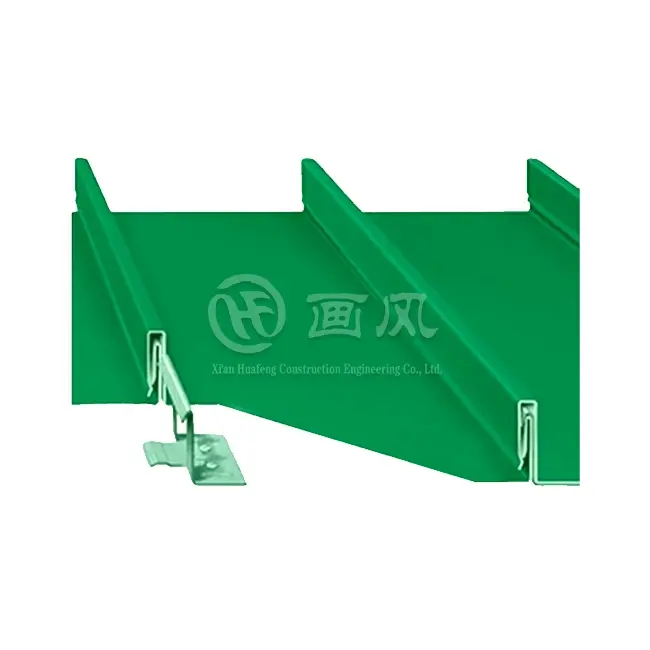
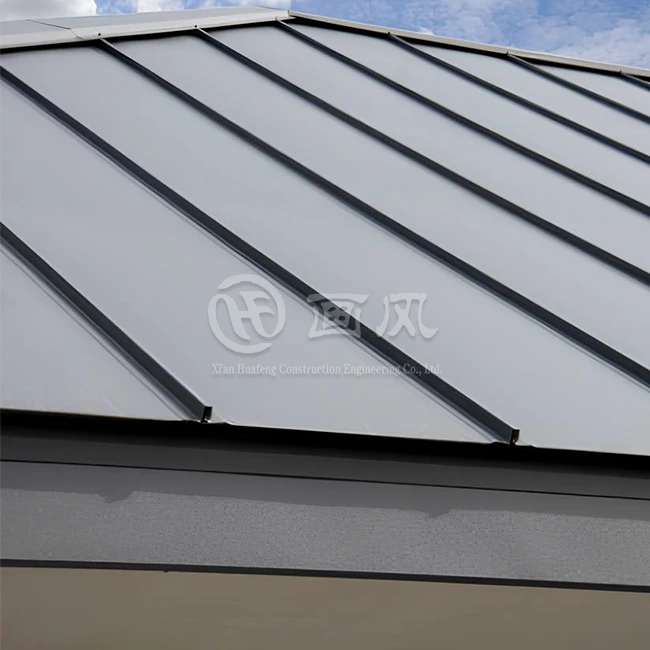
The field-seamed connecting system of the double lok roof panel makes it different from factory-sealed options. When the panels get to the job site, they come with a male and female leg profile. During installation, a portable electric seamer crimps these edges together by folding them twice in a row, making the signature double-lock shape. This mechanical seaming method creates a weatherproof joint that doesn't give in to hydrostatic pressure. This is very important for roofs with slopes as low as 1/4:12. According to the Metal Construction Association (2021), manually seamed systems are better at keeping water out than snap-together profiles in ASTM E1646 tests, especially when it rains steadily from the wind.
Core Material Specifications
HF can make these panels from aluminum alloy, coated steel, stainless steel, copper, and titanium zinc as substrates. The thickness of the material is between 0.5mm and 1.2mm, and the height of the panels is between 25mm and 65mm, or 1" to 2.55". Either PVDF or PE finishes are used by the company. PVDF coatings meet AAMA 2605-22 standards for chemical resistance and color retention. Their SGS-approved goods show a zero ignition index in AS/NZS 1530.3:1999 fire tests and full RoHS compliance, meeting the needs of both safety laws and environmental purchasing rules. These panels meet ASTM, DIN, JIS, BS, and GB/T standards, which gives estimators the multi-regional approval paperwork they need for a wide range of project requirements.
Thermal Movement Management
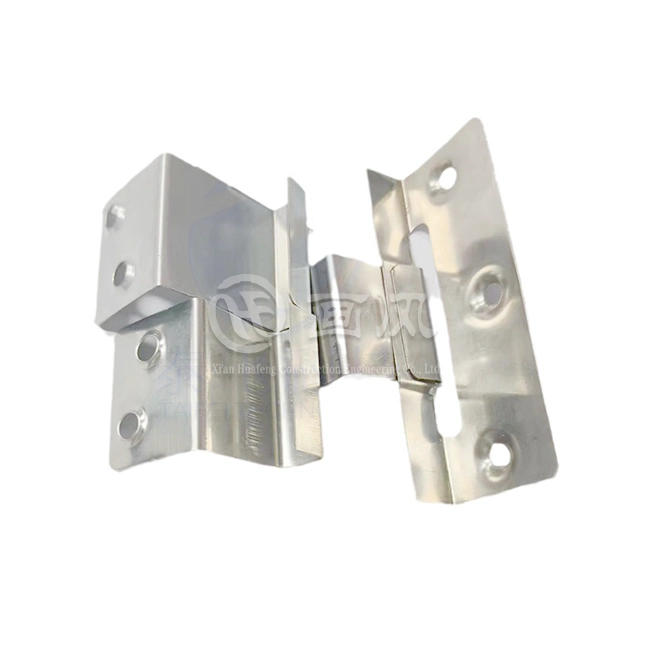
There are a lot of problems with thermal growth on commercial roofs, especially on big buildings with metal panels that can go over 100 feet long. This is taken care of by the floating clip system built into the double lok roof panel. It has two-piece fixing parts that hold panels to structural purlins while still letting them move longitudinally. Clips are designed to connect to the ground at specific distances, usually five feet apart. They get tighter around the edges and in corners, where wind uplift forces are strongest. This articulating connection stops the panel from buckling and fasteners wearing out, which can happen in rigidly attached systems. This design principle has been proven by ASTM E1592 structural performance testing (NRCA Technical Manual, 2022).
Benefits and Performance Advantages of Double Lok Roof Panels
Superior Weather Resistance and Structural Integrity
The engineering that went into making these panels gives them real benefits in tough business settings. Here are the main performance perks that have a direct effect on how the project turns out:
- Wind Uplift Certification: The mechanical seam achieves UL 90 and FM 1-90 ratings, qualifying for use in hurricane-prone coastal zones. The trapezoidal leg geometry increases the panel's moment of inertia, providing rigidity that resists deformation during sustained wind events. Projects in Florida and Texas requiring strict Department of Insurance approval consistently specify mechanically seamed systems for this compliance advantage.
- Low-Slope Capability: Factory-applied sealant combined with the double-fold seam of the double lok roof panel allows installation on slopes as shallow as 1/4:12, though 1/2:12 provides a practical safety margin against ponding. This capability opens up applications in retrofit scenarios where existing low-slope roofs need metal overlays without structural modifications to increase pitch.
- Corrosion Resistance: HF's PVDF finish passes all 13 AAMA 2605-22 coating tests, including boiling water adhesion, acid resistance, and impact tolerance. SGS testing confirms zero flame spread and heat release, with a 30-year warranty backing the material's service life. Galvalume substrates provide galvanic protection, making these panels suitable for coastal industrial facilities where salt air accelerates metal degradation.
These performance traits lead to lower insurance costs, fewer warranty callbacks, and longer replacement cycles. These are important factors that procurement managers look at when weighing starting costs against lifetime value.
Energy Efficiency and Maintenance Considerations
Metal roofing naturally reflects sunlight, which means that warehouses and distribution centers don't have to cool as much. When combined with the right shielding, these systems help meet LEED certification standards and lower running costs. Screw holes that cause heat bridges and leak points in exposed-fastener systems are not present in concealed-fastener systems. Maintenance is minimal because the coating is long-lasting and doesn't chalk or fade, so it doesn't need to be repainted often. Instead of checking the integrity of the panels, routine inspections focus on perimeter flashings and penetration seals. This lowers the long-term costs of facility management.
Comparative Analysis: Double Lok vs. Alternative Systems
There are different types of profiles for standing seam roofing, and each one is best for a certain job. Because they clip together, snap-lock panels can be put up more quickly and don't need any special tools for sewing, which makes them a good choice for steep-slope building uses. But their single-fold seam makes them less useful for low slopes and less able to handle wind uplift than options that are manually seamed. Traditional through-fastened panels (R-panel, PBR) are cheaper at first, but they need regular fastener maintenance because thermal cycling can loosen screws, which can lead to leaks and ongoing labor costs. In the middle, the double lok roof panel costs more up front than snap-lock systems but performs better in bad weather and structural situations, making it worth the extra money on high-stress commercial projects where failure could mean lost business, damaged inventory, or even insurance claims.
Installation Guide and Practical Considerations for Commercial Projects
Pre-Installation Preparation
Preparing the base and arranging the materials correctly are the first steps to a successful fitting. The roof deck needs to have enough air flow and a covering that is right for the slope. Synthetic materials that can handle high temperatures work well under metal panels. Make sure that the space between the structure purlins matches the engineered requirements. For normal loading situations, this is usually five feet on center. Panels are sent by HF within 15 to 20 days, and a 500 or 1-ton minimum order is required. Plan delivery times around project schedules to cut down on on-site storage. Long panels that are stored horizontally need enough support to keep them from oil-canning while they are being handled.
Mechanical Seaming Process
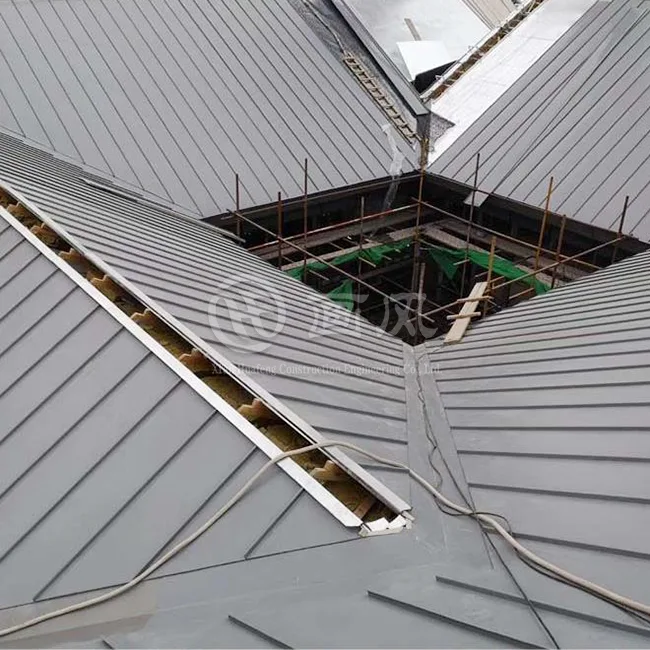
There is a set order to installing panels. First, the crews attach the two-piece drifting clips to the purlins and place them according to the engineering plans, which show where there should be more clips in areas with a lot of stress. The female leg of the first panel should be facing the rake edge as it slides over these clips. The pre-seamed connection is made when the male leg of the previous panel fits into the grooves of the next panel. The small electric seamer then moves along the seam and crimps the joint with two successive twists, creating a lock that goes all the way around. Correctly calibrating the seamer keeps the covering from getting damaged and makes sure that it engages completely. This is an important quality control point that installation teams must check each panel at a time.
Common Installation Challenges and Solutions
Long roof runs make alignment mistakes add up quickly, so it's important to get the plan right at the start. Before permanently attaching clips, use string lines and laser levels to make sure everything is lined up correctly. There are problems with sealing where panels end, where they go through the roof, and where they meet other roofing materials. These areas need careful planning and installation of flashing. Factory-applied sealant inside the female leg protects against weather the most, but sealant applied in the field at end laps and complicated features adds an extra layer of protection. When working on big projects, make sure that traffic doesn't go over finished parts. These panels can handle foot traffic for maintenance, but construction loads can dent the paint or bend the profiles before the building envelope is finished.
Procurement Insights: How to Choose and Source Double Lok Roof Panels
Evaluating Manufacturers and Certification Requirements
When buying commercial roofs, you need to look at more than just the base price. Check that the companies that make the products have the right certifications, such as UL 580 for wind uplift, UL 1897 or FM 4471 for fire and weather resistance, and AAMA 2605 for coating performance. Instead of taking claims at face value, you should ask for third-party test results. For example, HF offers SGS approval that proves combustion performance, RoHS compliance, and coating durability. Check the production capacity. HF can supply 1,000 tons per month, which means that big projects can go ahead without having to wait for long lead times that slow down building plans.
Cost Structure and Budget Planning
Pricing for double lok roof panel systems depends on a number of factors, including the choice of material (aluminum is more expensive than steel but is better at resisting corrosion), the type of finish (PVDF is more expensive than polyester), the panel gage (thicker material has higher uplift ratings but costs more), and the level of customization needed. Orders in bulk usually get discounts, and projects bigger than 10,000 square feet can often negotiate prices that make the return on investment (ROI) better than the per-square-foot rates that are given. Accessories like closing strips, trim pieces, and fastening systems can add 15 to 20 percent to the price of a panel. Labor rates, renting seaming equipment, and logistics all add up to the total cost of installation. Experienced contractors can give more accurate estimates by looking at project-specific drawings instead of using general square-foot assumptions.
Streamlining the Purchasing Process
To make the buying process go more smoothly, you need to be specific about the panel profile, material grade, thickness, finish type, color (RAL or custom), and total square footage. HF's 500 minimum order size is big enough for most business projects, and you can change the color more than what's normally in stock. Send specific project drawings along with your price request. This will help you choose the right accessories and find any unusual situations that need an engineering review. Make sure everyone knows what to expect when it comes to delivery. HF has a 15-20 day lead time that needs to be worked around building plans and on-site storage space. Set quality acceptance criteria right away, such as measurements of covering thickness, tolerances for size, and packing standards that keep panels safe while they're being shipped and handled.
Real-World Applications and Case Studies of Double Lok Roof Panels
Industrial and Distribution Facilities
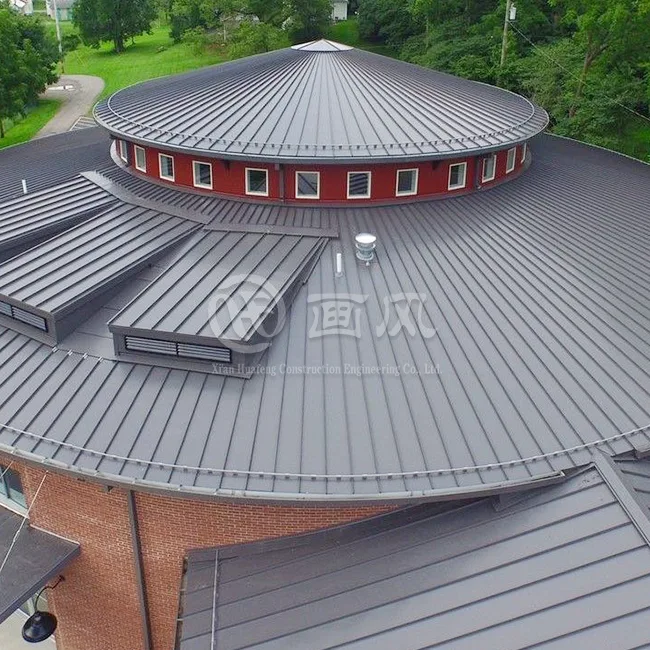
In transport and warehouses, where roof lengths often go over 100 feet without any supports in the middle, pre-engineered metal buildings are the norm. The double lok roof panel's structural strength lets it be installed directly over open purlins, which saves money on steel costs and creates a weathertight envelope. A recent job in the Midwest to build a distribution center called for 22-gauge steel panels with a Galvalume substrate and a PVDF finish. These panels met the FM 1-90 wind rates that the insurance company needed. The low-slope feature (1/2:12 installed pitch) increased internal clearance without needing expensive structural changes, and the 30-year guarantee matched the expected practical lifetime of the building. Based on measured energy performance, the new metal roof and better insulation integration led to a 12% drop in summer cooling costs compared to the old membrane roof.
Retail and Commercial Office Applications
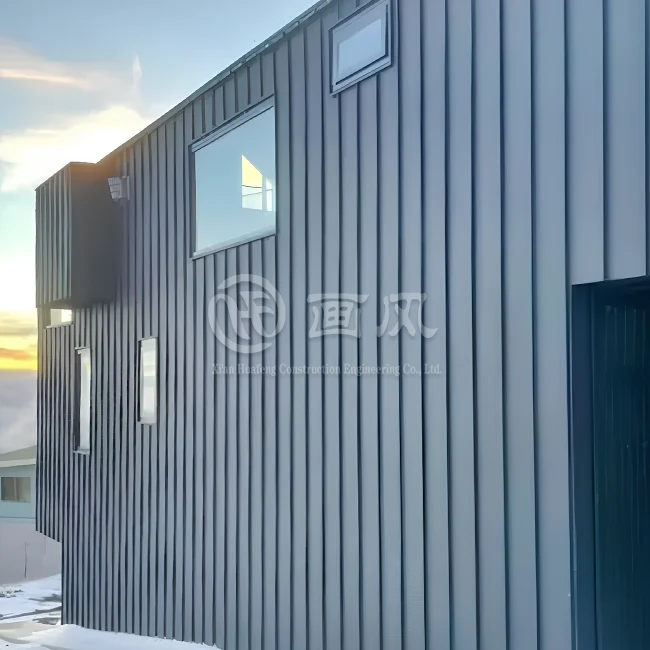
Standalone stores and office parks are using metal roofs more and more because they are durable and look good on a variety of buildings. An old built-up roof on a shopping center in the Southeast was rebuilt with double-lok panels, and a bronze PVDF finish was chosen to match the building's style. The hidden fastener method got rid of the industrial look of panels with visible screws, which was what the design review board wanted. Installation happened in stages during off-hours to keep business as usual. HF provided technical support by making custom trim for complicated parapet conditions and integrating skylights. Three years after installation, the facility reports no leaks and little upkeep needs. This is in sharp contrast to the old system, which had frequent flashing failures and membrane splits.
Emerging Trends and Future Innovations
Through material science and better production, the metal roofing business keeps improving the performance of panels. Solar-ready profiles with pre-engineered connection points make it easier to install solar panels without having to drill holes in the roof. Cool-roof coatings that reflect more infrared light are better than the bare standards set by Energy Star, which helps reach net-zero building goals. Digital manufacturing makes it possible to precisely profile panels with complex shapes, which cuts down on the time needed to make them in the field and makes transitions more weathertight. Metal Architecture (2024) says that these new ideas build on the well-known performance of mechanically seamed systems, making them more useful in more situations while keeping the main benefits that make business design decisions possible.
Conclusion
When picking metal roofing systems for commercial use, you have to think about how well they will hold up against the weather, how much they will cost over their lifetime, and how well they will meet regulatory requirements. The double lok roof panel meets these needs with its mechanically seamed structure, range of materials, and certified efficiency features. Its ability to work on low slopes, wind uplift rates, and hidden fastener design make it useful for warehouse, retail, and industrial jobs. The ability to manufacture, technical support, and quality certifications of HF give procurement workers the supply chain stability they look for when choosing important building envelope components. Knowing about these systems' features, how to install them, and how they work in real life helps you make smart decisions that will pay off in the long run.
FAQ
1. How long do these panels typically last?
While HF's panels come with a 30-year guarantee, most of the time they last 40 to 50 years with proper fitting and little upkeep. The PVDF layer doesn't break down when exposed to UV light or chemicals, and the Galvalume base protects against corrosion over time. Checking the flashings and seals around penetrations on a regular basis can help them last longer.
2. Can panels be customized for specific project requirements?
You can choose from aluminum alloy, steel, stainless steel, copper, titanium zinc, and steel in widths ranging from 0.5mm to 1.2mm. There are 25 mm to 65 mm of panel height. You can choose from the full RAL color range as well as unique matches, and the finish can be PVDF or PE. This gives specification teams the freedom to balance the need for performance, the desire for good looks, and the need to stay within budget.
3. How do these systems compare to traditional roofing in energy efficiency?
Metal roofing better reflects solar radiation than dark membrane or shingle materials, which keeps heated spaces from getting too hot. When these systems are used with the right shielding and airflow, they really cut down on cooling costs. The panel profile creates an air space that acts as a thermal break, making the performance even better than with direct-applied membranes.
Partner with HF for Certified Double Lok Roof Panel Supply
For commercial roofing jobs, standard materials aren't enough. They need fully integrated systems backed by technical know-how and reliable manufacturing. HF serves commercial contractors and subcontractors all over North America with three production facilities, quality standards that are certified by SGS, and full technical support. Our double lok roof panel manufacturer can handle large orders and deliver them within 15 to 20 days. They can also customize the panels from five different types of material and an unlimited number of colors. They can also provide project-specific engineering assistance from the specification stage all the way through installation. Estimators and purchasing managers can get detailed quotes and technical submittals by emailing huafeng@hfmetalroof.com or going to hfmetalroof.com, which has a lot of information about products and certifications.
References
1. Metal Construction Association. (2021). Guidelines for Mechanically Seamed Metal Roof Systems.
2. National Roofing Contractors Association. (2022). NRCA Roofing Manual: Metal Panel and SPF Roof Systems. Rosemont, IL: NRCA.
3. Building Design + Construction. (2023). Metal Roofing Systems: Specification Considerations for Commercial Projects.
4. Metal Architecture. (2024). Standing Seam Technology: Evolution and Performance Standards.
5. ASTM International. (2020). ASTM E1592 Standard Test Method for Structural Performance of Sheet Metal Roof and Siding Systems. West Conshohocken, PA.
6. FM Approvals. (2023). Approval Standard for Class 1 Panel Roofs (FM 4471).





YOU MAY LIKE