Flat Lock Seam Metal Buyer's Guide for Architects and Contractors
2026-09-09 18:53:18
Choosing the right cladding system for architectural facades demands careful evaluation of performance, aesthetics, and supplier reliability. Flat lock seam metal stands out as a premium solution that delivers both visual sophistication and long-term durability. This interlocking panel system, featuring 180-degree folded hems on all edges, creates a flush surface ideal for complex geometries while maintaining structural integrity. Whether you're specifying materials for a curved museum facade or a high-exposure coastal project, understanding the technical nuances and procurement considerations can significantly impact project outcomes and client satisfaction.

Understanding Flat Lock Seam Metal: Features and Applications
What Makes This System Architecturally Distinctive
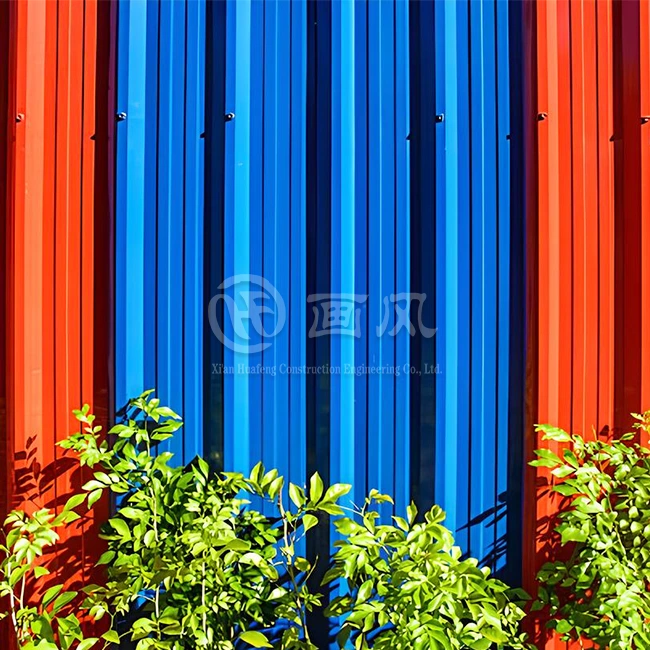
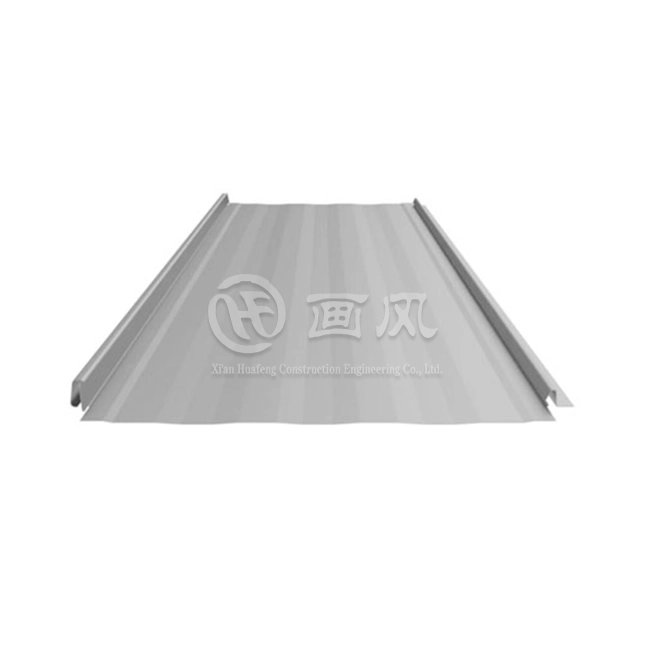
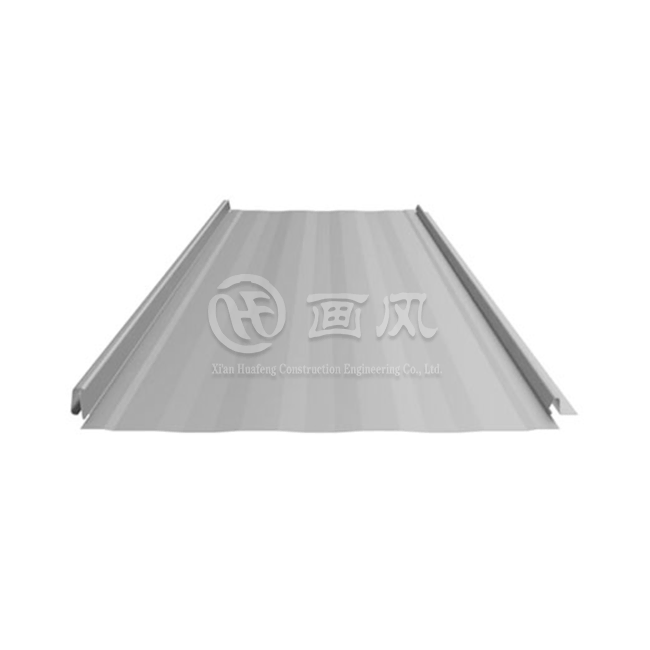
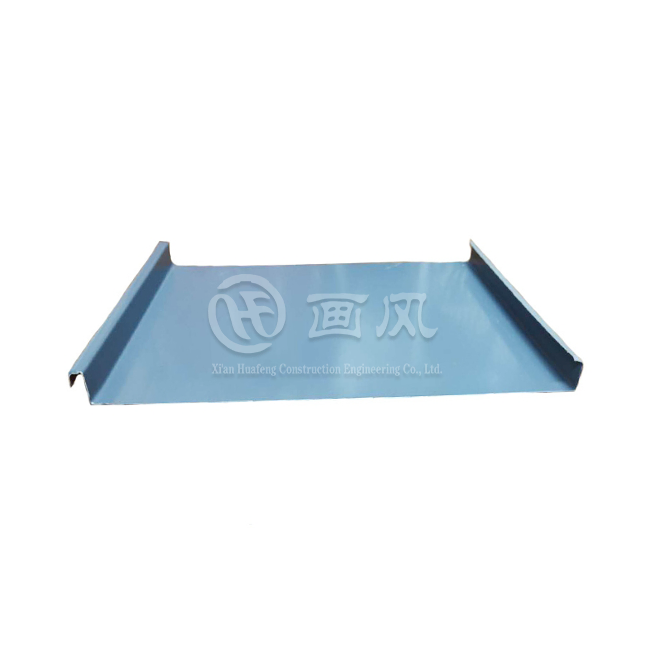
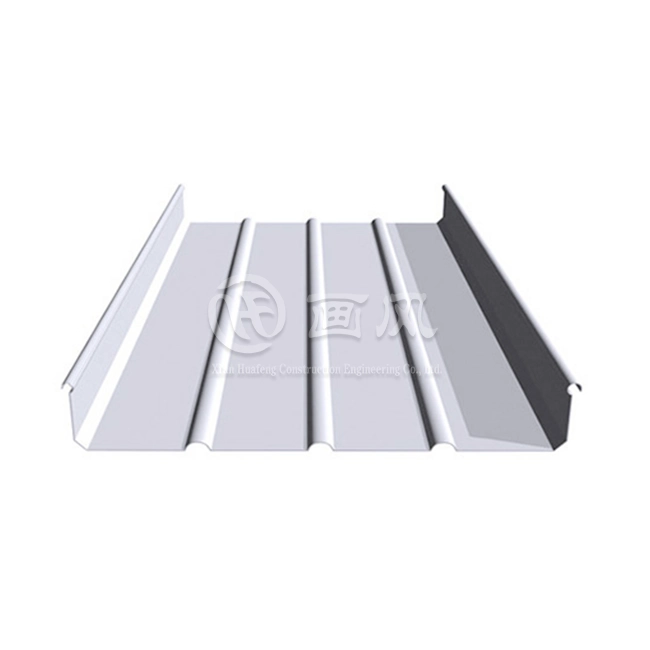
Flat lock seam metal has titanium zinc, copper, aluminium, or stainless steel panels. Hidden clips hold these panels together. Standing seam profiles protrude vertically, but these panels lay virtually flat, giving them a more polished appearance like tiles or shingles. Sheet Metal and Air Conditioning Contractors' National Association (2019) indicates thickness may be 0.4mm to 1.0mm and breadth from 300mm to 600mm to meet diverse design concepts.
This modular method overcomes key current architectural issues. Small-format flexibility allows curving walls, towers, and bridges that rigid panels can't. The movable clip design prevents material bucklement and twisting during thermal expansion and contraction. International construction regulations may be followed if the system fulfils ASTM, DIN, JIS, and BS requirements. Projects requiring EN standard documentation benefit from this.
Core Performance Advantages
The method has great wind uplift protection because the clips are close together, with two to four clips on each panel. This density, along with proper placement on substrates that meet planarity standards of ±6mm over three meters, gets rid of "telegraphing" flaws while keeping the surface smooth. Fire ratings go up to Class A, which means the material is not flammable. This meets the safety needs of business and educational buildings.
What material you use affects how resistant it is to corrosion. Titanium, zinc, and copper all form protective patinas that make them last longer than 80 years if they are properly aired. Aluminum alloys AA3003 and AA5052 with PVDF coatings come with 40–50 year warranties and don't need much upkeep. Grades 304 and 316 of stainless steel are strong enough to be used in marine settings. A organized ventilation layer between the metal and the base stops condensation on the sides, which is important for keeping the material's stability (Metal Construction Association, 2021).
Strategic Application Scenarios
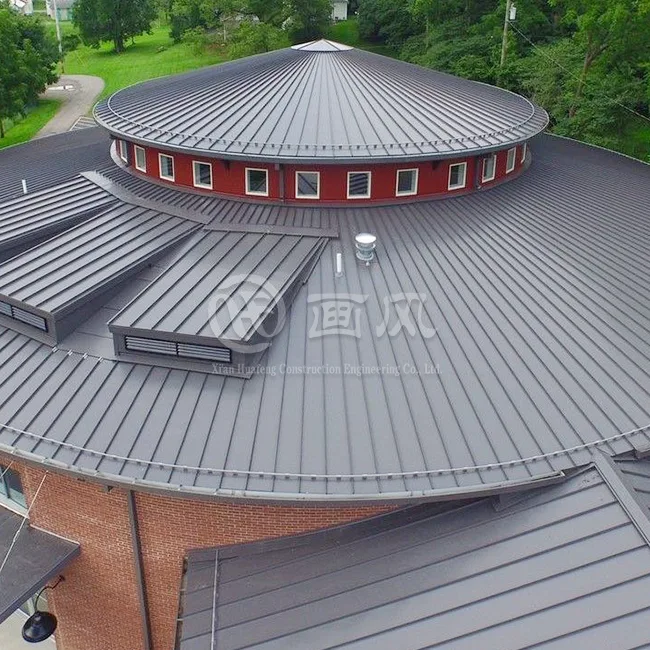
Commercially, complex facades with curves are the most common use. The panel can articulate compound curves where long-span alternatives fail, which is useful for museums, corporate headquarters, and performing arts centers that need organic double-curved surfaces. The system works like a metal skin that can be shaped to fit the needs of the architect without affecting its ability to keep out the weather.
High-exposure situations demonstrate system technological superiority. The interlocking system prevents wind from lifting goods and materials from breaking down in snowy mountains and salty coastal areas. Historic restoration projects like cathedral spires, domes, and mansard roofs employ this technology to seem hand-done while fulfilling watershed performance criteria. Copper's inherent oxidation provides dynamic visual effects in artistic ceiling installations.
Comparing Metal Cladding Systems: Performance and Economics
Structural and Aesthetic Distinctions
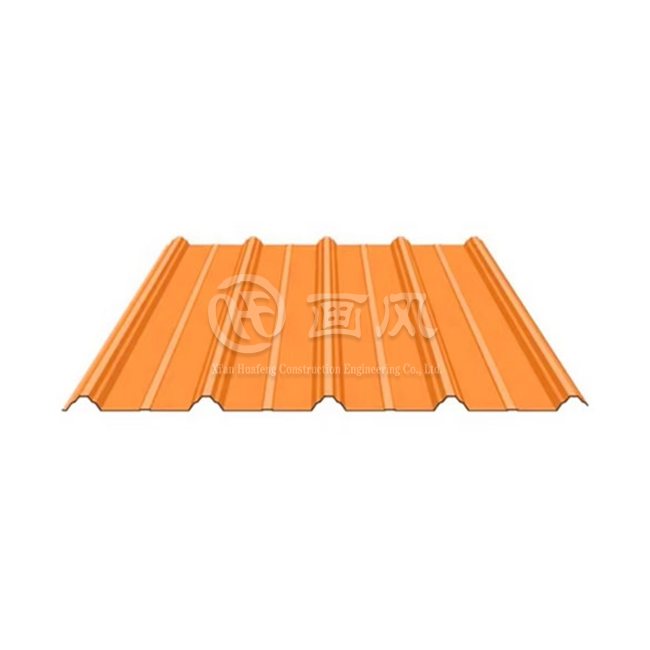
Standing seam systems have vertical ribs that stick out 25–50 mm above the panel plane. These ribs make shadow lines that draw attention to the height of the building. During installation, continuous panels are stretched across the length of the roof. This reduces the number of seams but makes replacement less flexible. Different types of snap locks make installation easier because they connect mechanically without the need for special tools. However, visible clips may make long-term weatherproofing less effective.
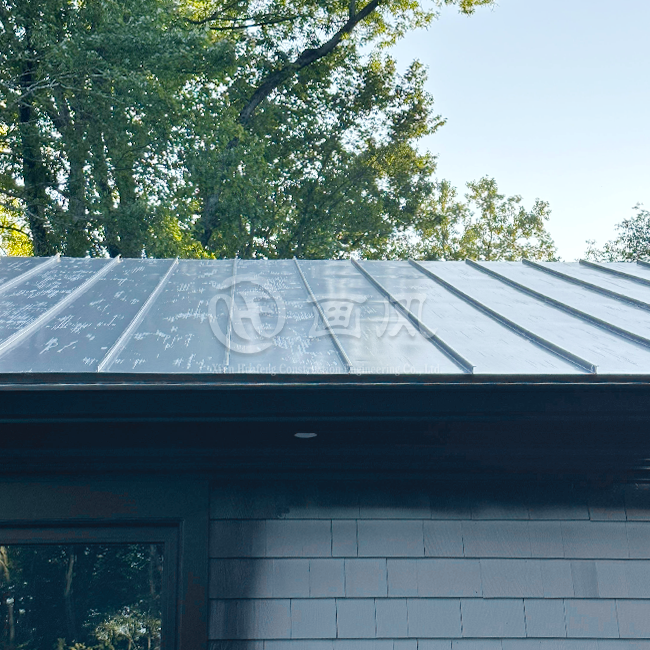
The flush shape of interlocked panels gives them a clean look that is popular in modern design. Panel sizes rarely go over 600mm x 1200mm, which means they can be installed in more than one direction (horizontally, vertically, or diagonally), which is not possible with standing seam configurations. Batten seam systems use raised battens to cover panel joints, which looks good and is good for traditional styles but uses more material and costs more.
Installation Complexity and Labor Considerations
For mechanically seamed joints in particular, standing seam construction needs special seaming tools and people who know how to use them, unlike flat lock seam metal which may have different installation demands. Smaller contracting firms face problems because they need to learn new skills and buy expensive tools. Snap lock systems have fewer technical requirements, but the substrate needs to be carefully prepared so that the clip doesn't come loose during thermal cycling.
When installing a flat lock, the hem must be carefully checked to make sure it engages—usually with 25mm folds—without being too tight, which would stop heat movement. The distance between clips is calculated by engineers using data on the wind load in the area, as required by ASTM E1592 testing guidelines. It's very important that the substrate is flat; plywood or metal deck surfaces that are too thick can send signals through thin metal that make waves that can be seen. Individual panel replaceability is a clear benefit that lets fixes be done in the field by unhooking panels around broken units without having to take the whole system apart (Construction Specifier, 2020).
Long-Term Performance and Maintenance Economics
Lifecycle cost analysis favors systems that need as little maintenance as possible. In high-movement situations, standing seam mechanical seams may need to be re-sealed every 20 to 30 years. To keep them weathertight, exposed fastener systems need to be inspected and gaskets replaced on a regular basis. The hidden clip design in flat lock systems keeps fasteners from being exposed, which lowers the number of corrosion spots and inspections that need to be done.
Choosing the right materials has a direct effect on upkeep funds. Zinc and copper are examples of natural metals that can develop self-healing patinas that don't need any coating upkeep. However, they cost more at first than painted steel options. PVDF-coated metal is affordable up front and comes with a 30-year coating warranty backed by data from enhanced weathering tests. Stainless steel works well in industry or sea settings where other materials break down quickly and need to be maintained.
Procurement Considerations: Supplier Evaluation and Material Selection
Assessing Manufacturing Capabilities and Certifications
A commitment to consistent production standards is shown by quality certifications. The ISO9001 quality management and ISO14001 environmental standards show that processes are controlled in a planned way. Suppliers with more than one production facility, like three factories with seven production lines and more than 40 specialized machines, offer capacity redundancy that makes sure deliveries don't stop during times of high demand. A monthly supply capacity of 1000 tons shows that the company can handle big tasks without affecting wait times.
Check to see if the materials meet regional standards. In North America, markets follow ASTM standards, while in the European Union, projects follow DIN standards. JIS compliance meets the needs of the Asian Pacific, and GB/T norms help Chinese projects that have relationships with other countries. Dual certification, which means meeting both ASTM and EN standards, makes it easier to meet the needs of multinational portfolios.
Material Selection Criteria for Project-Specific Demands
Titanium zinc is good for projects that want to last a long time and require little upkeep. It lasts 50–80 years and develops a patina over time, so there is no need to change the layer. Customizing the width from 300 to 600 mm allows for both large-format efficiency and small-format flexibility for complicated shapes. You can choose a thickness between 0.4mm and 1.0mm that balances weight loading and oil canning resistance. For standard panel sizes, 0.8mm gages usually stop optical waviness.
Copper's color changes are unmatched; it goes from bright orange to a brown patina and then to verdigris green. People who value original materials and classic style will like this live finish. Aluminum is cheap and easy to shape, and you can get it in any RAL color you want through PVDF finishing systems that keep 80% of their gloss after twenty years. Grades 304 and 316 of stainless steel are good for places where rust is a problem, but they cost 40 to 60 percent more than other options.
Cost Optimization and MOQ Considerations
To keep costs down and make sure the project can be done, the minimum order quantity is usually set at 500 square meters, which is three tons. This threshold can handle medium-sized exterior jobs and lets you shape panels in any shape you want, including rectangle, rhombus, trapezoid, or hexagon shapes, without having to pay a lot for extra tools. Once you go over 2000 square meters, you can save money by buying in bulk because the cost of each unit goes down as production runs are simplified and setup times are cut down.
When making a budget, you should include hidden extras like clip systems, starter strips, closure pieces, and flashing components that add 15 to 20 percent to the cost of the base materials. Delivery times of about 15 to 20 days mean that they need to be coordinated with building plans, especially for setups that are done in stages. Suppliers that can make sample panels in shorter time frames let architects approve and test mock-ups before committing to full production.
Installation Protocols and Quality Assurance Practices
Substrate Preparation and Structural Requirements
Verification of the base is the first step in a proper fitting. The plywood floor must be at least 19/32 inches thick, and the panel edges must be held up between the joists with H-clips. Metal deck supports need to have a structural review to make sure they have enough fastener pull-out strength. This is usually done with 20-gauge steel at a minimum. Moisture barriers, like self-adhered membranes or mechanically fastened underlayments, keep the weather out and make the work area safer for installation.
When flat lock systems are used as rainscreen cladding, drainage plane design is very important. Entangled mesh or drainage mat products keep a 6–8 mm gap between the metal and the moisture barrier. This lets the condensation evaporate and stops rusting on the backside. Vent holes in the top and bottom panel courses let turbulent air flow. This is especially important for copper and zinc uses that can rust on the bottom without enough air flow (Architectural Metals Magazine, 2018).
Panel Engagement and Clip Installation Techniques
The placing of concealed clips for flat lock seam metal systems is based on engineered spacing plans that are based on wind load calculations that meet ASCE 7 standards. In coastal areas with a lot of wind, you may need to use more clips than is normally recommended, placing fasteners every 300 mm along the edges of the panels. Choosing the right fastener depends on the material of the substrate. For example, ring-shank nails for wood decking provide withdrawal resistance, while self-drilling screws with EPDM washers work well with metal substrates.
In order to engage the hem, you must be able to see that the 25mm folds fully interlock with no gaps. When seams are over-tightened, they make it harder for heat to move, which could lead to panels buckleing when temperatures drop or rise. Installers should leave a little room between panels so that they can "float" within the clip restraints. Custom flashing solutions are needed for corner and termination details. For complete weathertightness at penetration points, soldered transitions are often used.
Post-Installation Inspection and Maintenance Protocols
Before the final acceptance, quality control checks make sure that the base is flat, that the clip spacing is correct, and that the seam engagement is complete. Assessing oil canning means looking at it from an angle and in direct sunlight. The accepted waviness limits are still up for debate, but in general, they need to be less than 3 mm of deflection over 600 mm of spans. Coating integrity checks make sure that protective films were taken off within the time limits set by the manufacturer, which are usually 30 to 60 days. This keeps adhesive etching from ruining the surface's appearance.
As part of routine upkeep, debris must be removed from drainage pathways once a year, and sealant joints at the ends must be visually checked. Natural metal patinas don't need any work, but clients may ask for cleaning instructions to keep the uniform look during the first stages of fading. To replace a damaged panel, you have to unhook neighboring units to get to the clip screws. This lets you replace just a few panels without causing major problems. Keeping accurate records of installation details like clip types, fastener schedules, and flashing configurations lets future maintenance teams fix things the same way they were built.
Building Partnerships with Reliable Manufacturers
Evaluating Supplier Track Records and Industry Standing
Reliable makers show that they can last for a long time by having project portfolios with a wide range of building styles. Companies that get high-tech enterprise recognition, like provincial-level certifications, show that they are investing in innovation and have the right technical know-how. Qualification credentials, such as first-level building curtain wall ratings and steel structure certifications, show that the person can handle complex facade engineering beyond just supplying materials.
Patent files with more than 20 recorded innovations show a commitment to ongoing research and development. Unique seaming systems, clip designs, or panel profiles set one provider apart from others by providing performance benefits that generic options can't match. Computer software certifications that allow parametric design integration make it easier for architects to work together, letting custom panel shapes be added directly to the BIM model.
Customization Capabilities and Technical Support Services
Standard products don't always meet the needs of unique projects. Suppliers with their own engineering teams can help with design by turning architectural ideas into panel configurations that can be made. Custom width fabrication between 300 and 600 mm allows modules to work together with window openings and grid spacing in the structure. Shape diversity, which includes shapes other than rectangles like rhombus, trapezoid, and hexagon, lets you make patterns and tell them apart visually.
Customizing colors through RAL system access gives you almost infinite finish choices that can match brand themes or the environment. Pre-weathered patina processes on copper and zinc speed up the look of certain oxidation stages, so you don't have to wait years for a natural patina to form. Technical help includes installation training, troubleshooting in the field, and handling guarantee claims. This makes sure that the project runs smoothly from the design stage to the occupancy stage.
Establishing Transparent Communication and Confidentiality
International purchasing can be hard to coordinate because of different time zones and languages. When reviewing specifications and confirming orders, suppliers who offer responsive contact channels and technical documents in multiple languages, such as email support at huafeng@hfmetalroof.com, help clear up any confusion. Exclusive design details and equipment investments are protected by non-disclosure agreements. This is especially important for signature wall projects where unique geometric shapes set them apart from competitors.
Long-term partnership value comes from working together again and again. Volume purchasing agreements that get you better prices are a reward for doing business with someone over and over again. Priority scheduling for production during busy construction seasons guaranties on-time deliveries when high demand in the market strains industry capacity. Support after the sale, including warranty claims, making new panels, and technical advice, keeps the system running smoothly throughout the lifecycle of a building. This protects architects' identities and clients' investments (Building Design + Construction, 2022).
Conclusion
When choosing flat lock seam metal for building facades, you have to make a smart choice that balances your desire for good looks with the need for performance and the ease of getting it. The system's modular flexibility lets it fit complex geometries that wouldn't be possible with rigid options. Its concealed clip engagement keeps out the weather and makes maintenance easier. Different types of materials, like titanium zinc and stainless steel, let you make specifications that fit your budget, the environment, and your design goals. To make a purchase go smoothly, you need to carefully look at each provider and make sure they meet all the requirements for manufacturing, licensing, and customization. Long-term performance depends on how well the installation was done, which means carefully preparing the base, placing the clips precisely, and making sure the hems connect. Architects and contractors can be sure that their projects will be successful and that they will have a steady supply of materials by working with well-known companies that offer technical support and open communication.
FAQ
1. What are the cost differences between flat lock panels and standing seam systems?
Material costs for flat lock panels are usually 10–15 percent higher than those for standing seam panels because they are harder to make and need more clips per inch. When you take into account that standing seam needs special tools for its seams and flat lock needs very precise substrate preparation, the installation work costs stay about the same. Lifecycle cost analysis often favors flat lock systems because the panels are easier to change and require less upkeep.
2. Can these panels accommodate tight radius curves on building facades?
As long as the panels are the right size and the base is shaped correctly, they can be installed on surface radii as small as three meters in diameter without kinking. When it comes to curves, smaller panel sizes (300mm x 400mm) are better than bigger formats. Talking to manufacturers while the design is being made makes sure that the panel specifications meet the geometric needs.
3. How does minimum order quantity impact small-scale projects?
Standard MOQ levels of 500 square meters or three tons are high enough for most business wall projects, but they may be too high for private ones. Some suppliers are flexible for big projects or when orders from more than one client are put together. Making sample panels without committing to a full MOQ lets architects and material testers get approval before buying enough for the whole project.
Partner with HF for Your Next Facade Project
With three factories, seven production lines, and more than 40 specialized machines, HF has a complete manufacturing infrastructure that makes us a reliable flat lock seam metal provider. We can supply 1,000 tons of metal every month and keep wait times between 15 and 20 days. We offer titanium zinc, copper, aluminum, and stainless steel in widths from 300mm to 600mm and thicknesses from 0.4mm to 1mm. All of our materials come with 30-year warranties and meet ASTM, DIN, JIS, and BS standards. Whether your project needs clean-lined modernist rectangular panels or pattern-rich hexagonal shapes, our engineering team can help with the design and keep things secret during the specification and manufacturing process. You can email our procurement specialists at huafeng@hfmetalroof.com or visit hfmetalroof.com to talk about material samples, custom color matching through RAL systems, and technical support that will make sure your architectural vision is perfectly carried out.
References
1. Sheet Metal and Air Conditioning Contractors' National Association. (2019). Architectural Sheet Metal Manual (8th ed.).
2. Metal Construction Association. (2021). Metal Roof and Wall Panel Systems Design Guide.
3. Construction Specifier. (2020). Metal Cladding Systems: Performance Comparison and Selection Criteria.
4. Architectural Metals Magazine. (2018). Best Practices for Ventilated Metal Facade Systems.
5. Building Design + Construction. (2022). Procurement Strategies for Architectural Metal Systems.
6. ASTM International. (2021). ASTM E1592 - Standard Test Method for Structural Performance of Sheet Metal Roof and Siding Systems.





YOU MAY LIKE