Best Standing Seam Metal Roof Sheets for Modern Homes
2026-11-17 20:02:59
The best standing seam metal roof sheets for modern homes combine concealed fasteners, a durable coated finish, and a profile that fits the roof slope and climate. Steel suits most budgets, aluminum suits coastal air, and mechanically seamed panels suit low slopes. Importers and distributors in the US also need a supplier with steady capacity, clear documents, and a written warranty. HF, a Xi'an-based roofing manufacturer, supplies standing seam metal roof sheets in 0.5–1.2 mm thickness, with PVDF or PE coating and a monthly capacity of 1,000 tons. This guide shows you how to compare options before you order.

What Are Standing Seam Metal Roof Sheets?
Concealed Fasteners and Raised Seams
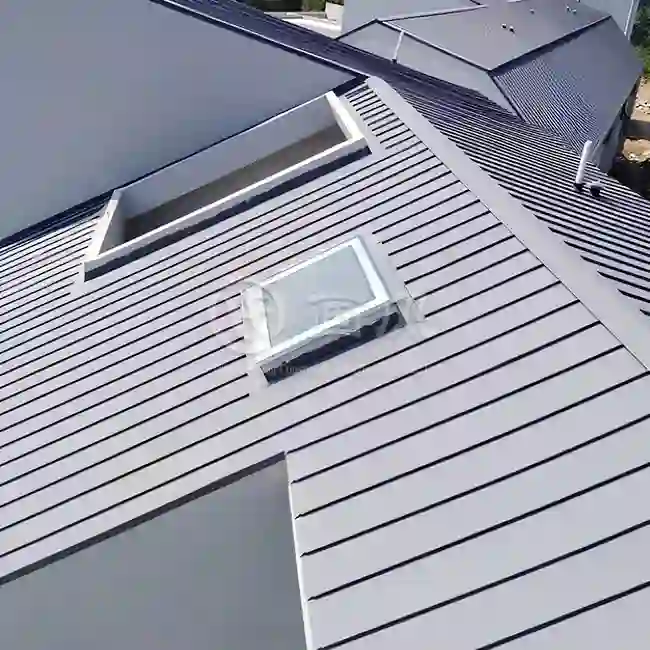
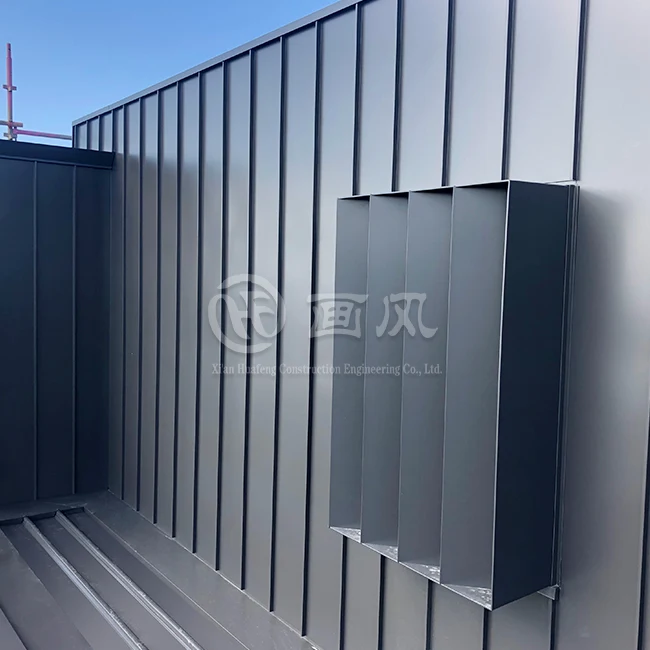
Standing seam metal roof sheets are made up of long pieces of metal that are joined together by deep, raised seams. The seam hides the clips that connect the purlins or deck, so the screws don't show on the outside. Due to changes in metal size, the screw holes in tops for visible fasteners can get bigger. Seams that are raised stay out of the way of water. This keeps the rain and snow off of them. Long runs of panels have horizontal joints that are cut down. This makes it more likely for water to leak. There should be clean lines on all sides of the house so that it can fit with modern, minimalist, industrial, or country styles.
What a Complete Roof System Includes
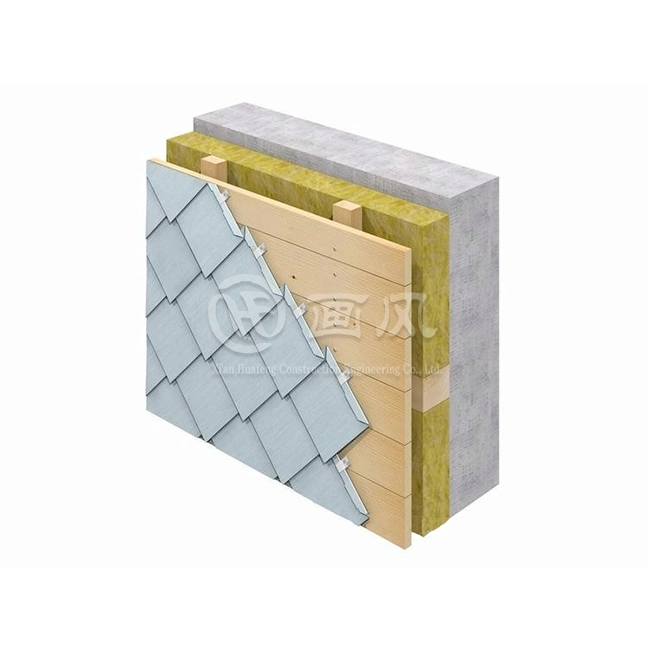
There are more than just screens on the roof. Floors, insulation, air, lights, trims, clips, bolts, and drains are all parts of a full system. For the roof to be good, all of its parts must work together. Each one has its own way of dealing with water, wind, or heat. The panels can move a little because they have clips on them. It lets the metal change shape as it warms up without putting too much stress on the nuts. The underlayment is another barrier that keeps water from getting under the metal. Cool and dry air moves through the area below it and keeps it that way. Put together quotes for panels, clips, and trims. Parts that don't fit together in the field cause a lot of trouble.
How Slope, Seam Engagement, and Flashing Affect Performance
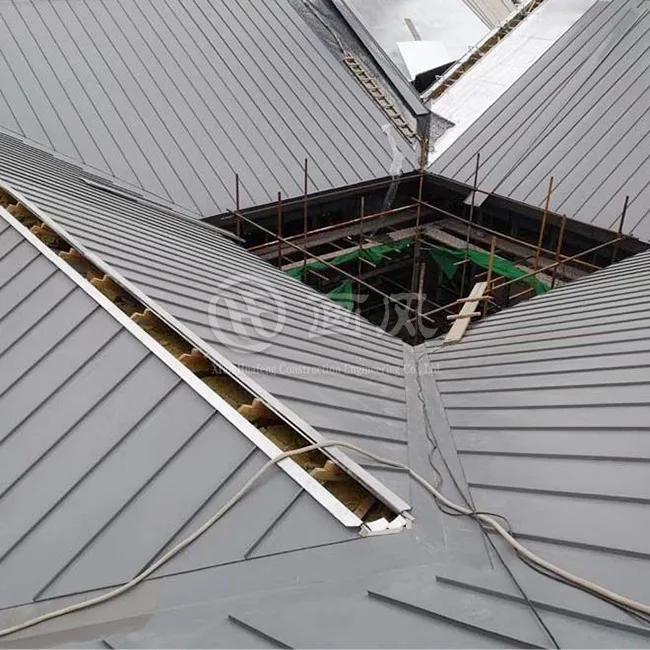
Based on the slope, you should use a certain kind of seam. For snap-lock panels, you usually need a pitch of at least 3:12. It depends on how well mechanically seamed panels do in tests like ASTM E1646 that check for water penetration. Sometimes they can go as low as 1:12 or even less. Engagement of the seams is also very important. In the wind, a zipper that doesn't lock all the way can come apart. ASTM E1592 is often used to see how well lifting works. When there are leaks, they often start at the eaves, valleys, ridges, and penetrations. Anyone who sells that model can tell you how steep it can go and how it did in tests.
Key Benefits and Types of Standing Seam Metal Roof Sheets
Benefits Modern Homeowners Notice
Lots of people like metal because it looks good and lasts a long time. If the roof is put on right, it should protect against wind, rain, snow, and UV light for many years. But the exact amount of time it will last depends on the material, coating, how it was installed, the weather, and how well it is taken care of. There is a 30-year warranty on standing seam metal roof sheets, so people who buy them should read the small print. Metal doesn't get mold, rot, or bugs, and the pieces can be used again and again. The system as a whole, with insulation, movement, and a mirrored finish, saves more energy than just the panel itself. Solar panels can be joined together without drilling through the metal if clamps are put on the seams. This protects the area that doesn't leak.
Steel, Galvalume, and Aluminum Compared
What you pick as a material determines how much it costs, how heavy it is, and how well it stops corrosion. People often use this steel as the base for big projects because it is strong, cheap, and easy to find. For homes near the ocean, aluminum is a good choice because it is lighter and doesn't rust. It can be between 0.5 mm and 1.2 mm thick if you cover HF with PVDF or PE. PVDF is the best material for long-lasting color. PE is the best choice because it costs less. ASTM D4145 and AAMA 2605 check to see if paint cracks when a panel moves. Make sure the coating, thickness, and alloy all match the test report.
Snap-Lock and Mechanically Seamed Panels
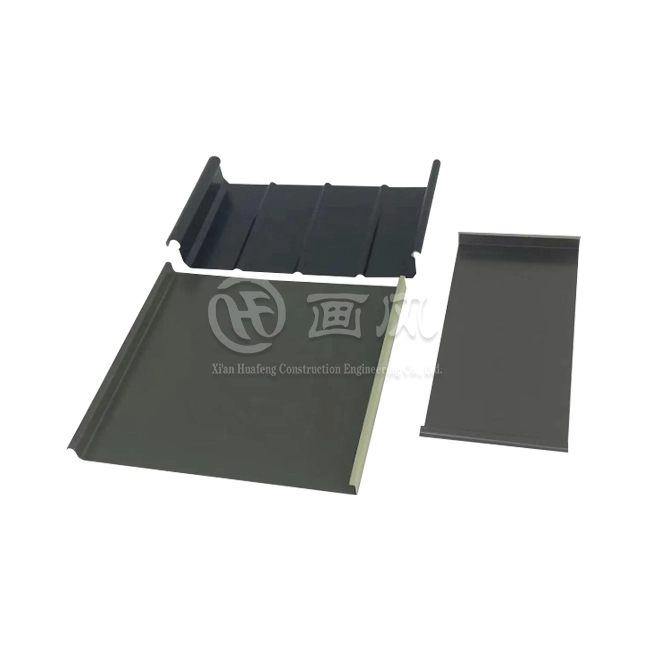
Because they just click together, snap-lock panels are easy for crews to put on home roofs with enough slope. This is what you need to fold the ends of panels that were put together by hand. That makes the lock tighter for places with low hills, a lot of wind, or business buildings that need to be safe. In some home building projects, you can find nail-lok styles. They connect with a nailing flange. For lines that are 25 to 65 mm wide, HF has styles like 25-330, 25-400, 25-430, 32-410, 45-400, 65-400, and 65-430. People in that group can choose from a lot of different shippers to meet their needs. Don't just think about how something looks. Also, look at the length, width, and slope limits of the seams.
How to Choose and Compare Standing Seam Metal Roof Sheets
Match the Panel to Building, Climate, and Roof Geometry
Start with the weather and the building. When people buy houses, they usually care about how they look and how little upkeep they need. Home builders and sellers need measurements, load data, and production that can be used over and over again. You need strong clips, taller seams, and knowledge of how to hold snow in place in cold and snowy places. Panels that are mechatronically seamed and have tried-and-true uplift rates are needed in places where there is a lot of wind. Gage shouldn't just be based on price; it should also take into account what the engineers need, how much space there is between the supports, and the shape of the panels. Most houses near the water need metal or steel that is covered that doesn't rust, as well as screws that don't rust when they get wet. Before you ask for samples, write these terms into the purchase order.
Standing Seam vs. Shingles, Corrugated, and Exposed-Fastener Panels
An important thing for people who want to know how much something will cost right away is to compare it to asphalt shingles. Metal is more likely to be worth more in the long run because it lasts longer, is lighter, and can be recovered better. In standing seam metal roof sheets, the screws are hidden, but in laminated or exposed-fastener panels, you can see them. This means that the washers and penetration points don't have to deal with the weather for as long. Even though they are cheap, corrugated panels are still a good choice for jobs that need to be done quickly. Before you choose which system to stock, you should think about the weather, the height of the roof, the operator's skill, the cost of maintenance, the way it looks, and the total cost of ownership.
Recommended Scenarios for Modern Homes
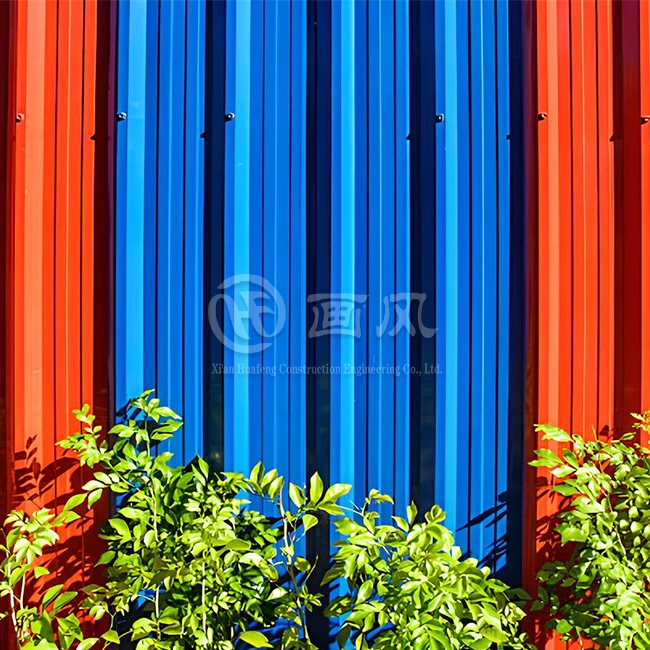
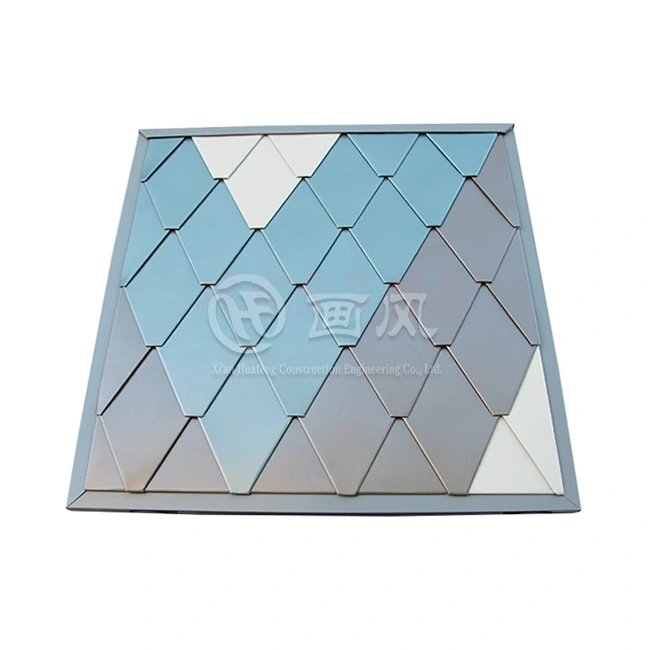
Steel or metal that is already finished, has thin, even seam lines, and can hold solar panels is often used to build smart city homes. It's good to use bright colors for country and industrial types. There are many RAL and Pantone colors at HF that can be used for these styles. For roofs with a low slope, you might need systems that seam themselves and a scientific study. It should be very important for big building projects to be able to make things over and over, get models accepted, use standard packaging, and be able to make things reliably. HF's claim that it can send 1,000 tons a month helps distributors plan orders that will come back in a number of different colors and profiles.
Cost, Sourcing, and Project Planning
What Drives the Price of Standing Seam Metal Roofing
A standing seam metal roof sheets cost different amounts depending on whether it is installed, fixed, or just the parts are sold. The gage, the coating, the profile, the amount, the freight, the labor, the flashing, and the extras all play a role. It also depends on how hard the roof is to fix. To make a good guess, you need to know the exact size and slope of the roof, as well as the lengths of the panels, clips, bolts, insulation, trims, and a Plan B. It is important to compare the supplier's takeoff with the approved plans if the roof is tricky. Make a list of the project's location, size, slope, needs, end goal, and any rules that apply. Also, let me know if installation is included. You can get a good price this way.
Direct Manufacturer vs. Local Distributor
A local distributor takes care of small or urgent jobs from stock. Stores, home builders, and other companies that need to make a lot of the same thing but also need to make each one unique can work with direct manufacturers. Make sure the company can make things, keep track of raw materials, roll-form correctly, coat regularly, pack well, and ship things before you hire them. HF owns three factories with more than 40 machines and seven service lines. Anhui has a plant for raw materials that is 200,000 square meters in size. The cities of Hangzhou and Xi'an both have processing plants. ISO 9001 and ISO 14001 set the rules that the company follows. It has more than 20 patents and makes products that meet ASTM, DIN, JIS, BS, and GB/T standards.
Order Terms, Lead Time, and Landed Cost
You should compare quotes for EXW, FOB, CIF, and DDP, and not just the plant price. You should also look at how much it costs to get the goods to your door. Freight, taxes, and port fees make the last price change. The least you can buy from HF is one ton, which is 500 square meters. In 15 to 20 days, it will get there. This helps the people who sell things keep track of their stock. Write down how to pay, how the panels will be packed, and whether extras can be sent with the panels. Before you place your first order, ask for samples and test results. After that, put them next to the International Residential Code and your project's needs.
Installation, Maintenance, and Final Checklist
Installation Details That Prevent Failures
It doesn't matter how good the panel is; what matters is how it's put in. There should be room for heat to move, clips and closures that work, and all seams sealed. The crews should also make sure that the panels are lined up. Things often break because there isn't enough room for expansion, the clips are too tight, or the parts don't fit together. For flashes, changes, penetrations, and layers, you need to pay close attention to little things. The NRCA Roofing Manual for metal panel systems is helpful for people who are putting it up because it has a lot of information. If you give people clear directions on how to set up everything they buy, they won't have to call you back.
Maintenance and Record Keeping
Metal roofs don't need much care, but it's still a good idea to have them checked out once a year. This is very important after a big storm: check for holes, rust, water pools, paint, trims, seals, drains, holes, and seams. Get rid of any trash that's in the gutters and dips so water can flow easily. Clean the surface with water and mild soap. The paint film will get scratched if you use rough things on it. You should keep all of your repair notes, drawings, photos of the installation, and product specs in one file. Getting things fixed in the future is easier when everything is in order, and insurance claims go more quickly.
Final Buying Checklist
Before you place your order, make sure you know how everything works. A few of these are the shape, the material, the gage, the finish, the type of seam, the clips, the edges, and the meeting of building codes. Then, agree on the business details, such as the price, the amount of trash that is allowed, the minimum order, the production schedule, the freight, the packing, the terms of payment, the warranty, and the support after the sale. In the end, look into the past of the provider. In HF's file, you can find test reports from SGS on aluminum alloy samples that cover AS/NZS 1530.3 combustion, RoHS compliance, and AAMA 2605-22 coating performance. You should look into the metal and thickness that you want to buy because studies have been done on them.
Conclusion
For modern homes with standing seam metal roof sheets, the fasteners should be hard to see, the coating should last, and the profile should fit the home's slope, climate, and budget. Steel is strong and doesn't rust near water, so it's a good choice. Plans that snap-lock or are sewn by hand can be used on a variety of slopes and in a variety of wind conditions. Metal roofs are more expensive at first, but they are worth more in the long run because they last longer. It's better than panels with exposed fasteners because it doesn't have the leaky spots that come from screws. Buyers should think about more than just the price per unit. They should also check the landing cost, the minimum order, the wait time, and the papers. It will work well for a long time if you install it properly and check it once a year. The test data, panels, and coatings are made sure to be right for the job by a business and science check list.
FAQ
1. What is the best standing seam metal roof for a modern home?
The choice, the weather, the slope, and your money will all last as long as the decision does. Almost all building projects near the coast should be done with steel. When it comes to places with low hills or rough terrain, aluminum is the best choice.
2. How thick should the panels be?
You need to use engineering and load-span graphs to figure out the thickness. HF sells panels that are between 0.5 and 1.2 mm thick. The gage should be checked by your expert to make sure it fits the supports, wind loads, and snow loads.
3. How long do these roofs last?
How long something works depends on how it's coated, where it's put, what it's in, and how well it's taken care of. Read the fine print before you buy because HF has a 30-year warranty.
4. What are HF's minimum order and lead time?
It costs about 1 ton and takes 15 to 20 days to get. You can buy as little as 500 square meters. Check the dates against the times you need to do things for your own projects or events.
Request a Quote for HF Standing Seam Metal Roof Sheets
Are you ready to do something? HF has three factories that can each take in 1,000 tons of standing seam metal roof sheets each month and start making them. The sheets are cover with PVDF or PE and come with a 30-year warranty. You can email huafeng@hfmetalroof.com with your profile, thickness, color, quantity, and the port where the metal will be sent. Then, someone from our team will get back to you with a price and some choices that are made just for your project. Your can also check out all of our goods at hfmetalroof.com.
References
1. National Roofing Contractors Association, The NRCA Roofing Manual: Metal Panel and SPF Roof Systems, 2019
2. International Code Council, International Residential Code, 2021
3. ASTM International, ASTM E1646 Standard Test Method for Water Penetration of Exterior Metal Roof Panel Systems by Uniform Static Air Pressure Difference, 2017
4. ASTM International, ASTM E1592 Standard Test Method for Structural Performance of Sheet Metal Roof and Siding Systems by Uniform Static Air Pressure Difference, 2005
5. ASTM International, ASTM D4145 Standard Test Method for Coating Flexibility of Prepainted Sheet, 2010
6. American Architectural Manufacturers Association, AAMA 2605 Voluntary Specification, Performance Requirements and Test Procedures for Superior Performing Organic Coatings on Aluminum Extrusions and Panels, 2022





YOU MAY LIKE