Best Ribbed Standing Seam Metal Roofing for Homeowners
2026-10-14 11:00:03
If you're searching for a roofing system that holds up against harsh weather, looks sharp, and lasts for decades, ribbed standing seam metal roofing deserves serious attention. This profile features vertical ribs pressed into each panel, which add structural rigidity, prevent the visual waviness known as oil canning, and allow the metal to expand and contract without warping. Whether you're a homeowner planning a renovation or a roofing contractor sourcing panels for multiple projects, understanding how this system works—and what separates a quality product from a mediocre one—can save you real money and headaches down the road.

Understanding Ribbed Standing Seam Metal Roofing
What Makes the Ribbed Profile Different?
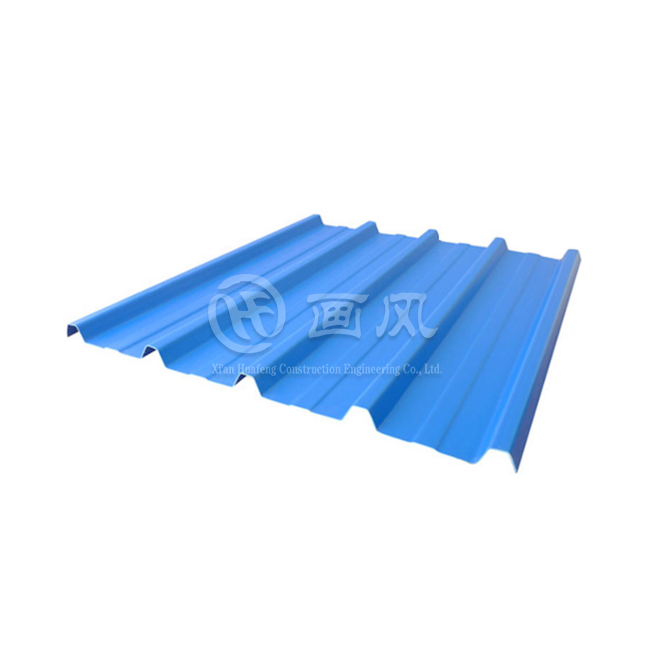
The flat pan between the seams is the only thing that makes smooth standing seam panels solid. When the roll is being made, a ribbed standing seam metal roofing profile adds longitudinal stiffening ribs, which are also known as striations or pencil ribs. These ribs work like small beams to make the panel stronger against thermal buckling and deflection under load. This makes the surface flatter and more even, which looks better from the street and works better when people are walking on it for roof upkeep.
How the Seam System Works?
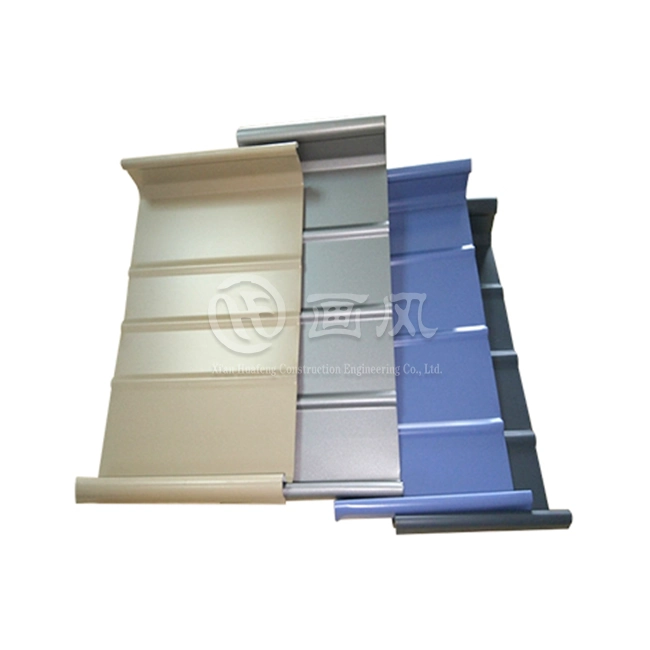
The name of this system comes from the seams that go straight up and down from the eave to the ridge, with no breaks in the middle. Panels can be joined together using mechanical seaming, in which a powered tool folds the seam in half, or a snap-lock profile, which is meant to make installation faster in the field. Both ways make a hidden fastener system, which means there are no screws that are out in the open that could come loose or leak over time. According to ASTM E1592 structural performance tests, standing seam panels that are placed correctly can withstand wind uplift forces of more than 90 psf.
Materials and Coating Options
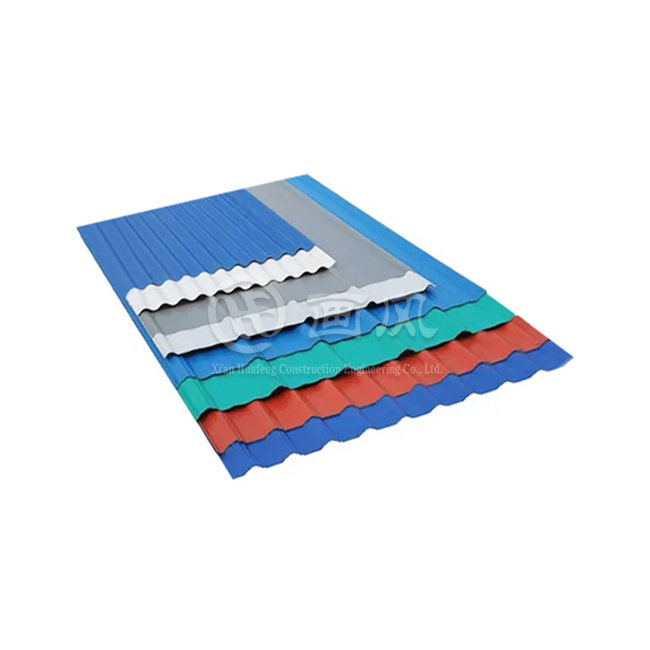
This panel is made by HF out of steel, copper, titanium zinc, aluminum alloy, and stainless steel. The panels are between 0.5 mm and 1.2 mm thick, and the seams are 25 mm to 65 mm high. PVDF (Kynar 500) and PE polyester coatings come in all RAL color ranges, and you can also ask for a custom match. Independent SGS testing showed that HF's PVDF coating met all 13 performance criteria under AAMA 2605-22. It got scores of 5B for both dry and wet adhesion and 0T for bend flexibility with no cracking. These results support the 30-year product warranty.
Comparing Ribbed Standing Seam Metal Roofing with Other Roofing Types
Against Smooth Standing Seam
Oil canning is more likely to happen with smooth panels, especially on wide-pan shapes over long runs. This is directly dealt with by the ribbed standing seam metal roofing option, which doesn't cost more because the ribs are formed during the same rolling process with the same coil width. When looks are important, like on big commercial roofs or noticeable home facades, the ribbed profile gives a much cleaner look without charging more.
Against Corrugated and Exposed-Fastener Profiles
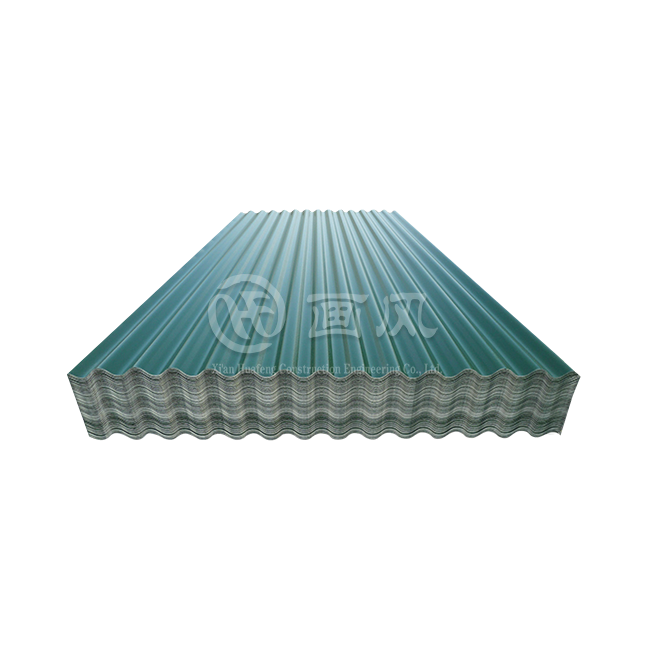
Corrugated and R-panel systems have screws that are visible and go through the metal face. Over a 20- to 30-year service life, every fastener could become a leaky spot, especially as the rubber washer wears down. With a concealed-clip standing seam method, that risk is completely gone. The roof can handle thermal movement along long panel runs—sometimes more than 40 feet—without fasteners getting tired. Maintenance costs go down.
Against Asphalt Shingles and Tile
Asphalt shingles are supposed to last between 20 and 30 years, but sometimes the tabs get cracked or blow off and need to be replaced. Clay and concrete tile is heavy and often needs to be reinforced in the structure. When it hits something, one tile breaks. If you put a metal standing seam roof correctly, it should last between 40 and 70 years with little care. Over the life of a building, which is 50 years, the total cost of ownership for metal is often less than the cost of several asphalt roof replacements.
Procurement and Cost Considerations for B2B Clients
Key Pricing Factors
There are several things that can change how much a ribbed standing seam metal roofing order costs. The biggest difference in cost is the type of substrate used: galvalume, aluminum, or stainless steel. The type of coating is as follows: PVDF costs more than regular PE polyester, but it makes the color warranty last a lot longer. Panel width and seam height also have an effect on the price per ton. B2B buyers who do several projects a year can protect their project margins from spot-market changes by locking in prices with a supplier who maintains a 1,000-ton monthly supply capacity.
Supplier Qualification Checklist
Before making a big order, buying managers should make sure of a few things that can't be changed. Here are some of the things that experienced workers look for in a standing seam metal roofing supplier:
- ASTM compliance documentation: Ask for test results that say the product meets ASTM A792 (Galvalume base) and ASTM E1592 (structural performance under wind uplift).
- AAMA 2605-22 coating certification: This shows that the PVDF finish meets standards for architectural-grade chalk and fade protection.
- Color consistency controls: Ask for ΔE tolerance requirements for each batch. The SGS test of HF's PVDF coating showed that the color uniformity was ΔEH = 0.3, which is well within the acceptable range for projects that need to match colors.
- Delivery and MOQ terms: HF's standard MOQ is 500 m²/1 ton, and they have three factories with more than 40 machines and seven production lines. Lead time is 15 to 20 days.
- Packaging for transit: Panels must arrive with their edges still straight. For sea freight, make sure the provider uses safe interleaving and edge bracing.
These requirements help lower the most common complaints from contractors, which are batch color changes, fails in dimensional tolerance, and panels that come damaged.
Warranty and After-Sales Terms
It takes 30 years for HF to cover its screens. When looking at a supplier's warranty, make sure it covers both the substrate and the coating and that it says a certified crew must install it. A guarantee that doesn't cover common installation situations doesn't offer much security.
Installation Process and Maintenance Best Practices
Pre-Installation Preparation
When using hidden fastener systems, it's more important to get the site measurements right than when using exposed fastener profiles, since panel length mistakes can't be fixed by combining rows. If possible, panels should be ordered to the exact length of the rafter. This way, there will be no need for field cuts and less waste. Before the panels come in, the state of the sub-deck should be checked. This includes the flatness tolerance and the fastener pull-out values.
Fastening and Seaming Sequence
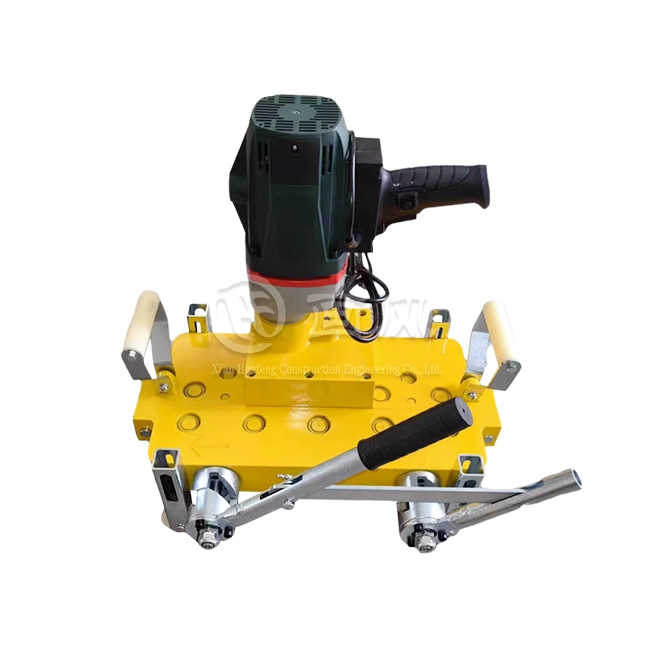
The floating clips connect to the deck and engage the panel leg without going through the face. For snap-lock profiles, installation can be done with only standard construction tools and no power tools. For mechanically seamed profiles, you need an electric seaming tool that works with them. Before placing an order, contractors should make sure that the tool will work with the specific seam geometry. Standard North American seaming tools are used all over the business, and HF panels are made to work with them.
Long-Term Maintenance Routine
Metal standing seam roofs don't need much upkeep, but an annual check will add years to their life. Check the condition of the sealant at penetrations and ridge caps, clean out the valleys and gutters, and look for any panel that has moved out of its clip engagement. The PVDF layer only needs to be washed with light soap every so often. This was proven safe by HF's SGS detergent resistance test, which showed no loss of adhesion or blistering.
Making the Right Choice: Final Considerations for B2B Clients
Matching System to Project Type
When continuous sealant is used inside the seam, mechanically seamed ribbed panels can be used in low-slope situations down to about a 1:12 pitch. Slopes of 3:12 or more are best for snap-lock systems. When building a house in an area with a lot of wind, making sure the panels are tested to UL 580 Class 90 wind uplift gives the proof that building offices and insurance companies need.
Balancing Performance Against Budget
PVDF-coated aluminum panels cost more up front than Galvalume steel with PE coating, but aluminum is the better choice near the coast because it doesn't rust when exposed to salt. Copper and stainless steel are good for heritage or high-end building projects where the extra cost is worth it because they last longer than 70 years. 24-gauge or 22-gauge Galvalume with a PVDF coating is the best value for money when it comes to most domestic and light business work in the continental United States.
Risk Management for Repeat Procurement
Contractors who buy between $500,000 and $3 million worth of panels a year benefit from a supply relationship that guaranties regular color batches, reasonable wait times, and quick technical support. HF has more than 20 approved roofing patents and is certified by ISO 9001 and ISO 14001, which show that they are serious about production and can come up with new products that help them keep suppliers for a long time.
Conclusion
For both residential and light commercial projects, ribbed standing seam metal roofing provides a long-lasting, low-maintenance, and stylish option. Real-world problems like oil canning, thermal movement, and wind uplift can be fixed with the ribbed profile without making the installation process more difficult. For contractors and wholesalers who care about batch color consistency, ASTM documentation, and on-time delivery, the easiest way to protect project margins and client relationships is to find a qualified seller whose production capacity has been checked and who has been certified by a third party.
FAQ
1. How long does a ribbed standing seam metal roof last?
A good metal standing seam roof will last between 40 and 70 years if it is installed correctly and checked every year. HF panels come with a 30-year warranty that covers the integrity of both the substrate and the coating.
2. Does the ribbed profile interfere with solar panel mounting?
No, solar and snow retention systems are attached to the standing seam with clamps that don't go through the seam leg. As long as the user chooses a clamp that is the right size for the seam height, the pan ribs won't affect how well the clamps connect.
3. What is the minimum roof slope for this system?
For snap-lock ribbed systems, the slope must be at least 3:12. Following the rules set by ASTM E2140, mechanically seamed systems with continuous sealant in the seam can go as low as 1:12.
4. Will the PVDF coating hold its color over time?
Yes, PVDF coats made from Kynar 500 resin are said to not chalk or fade for 30 to 40 years. The PVDF coating from HF passed all 13 AAMA 2605-22 tests, including being resistant to nitric acid (ΔEH = 0.3) and not cracking when hit.
5. Can I order custom panel lengths to reduce field cutting?
As long as the customer tells HF the exact length they need, they will make the panel. This saves workers time and money because they don't have to waste materials or labor on various job sites.
Get Your Custom Quote from HF — Trusted Ribbed Standing Seam Metal Roofing Supplier
HF offers ribbed standing seam metal roofing panels that are ASTM-compliant. These panels come with a 30-year warranty, a choice of PVDF or PE finishes, and a 15-to-20-day lead time. They are made in three factories that produce 1,000 tons of metal each month. No matter what size or length you need, our team can match colors by RAL code and give you full SGS test documentation. To get a model or project price right away, email us at huafeng@hfmetalroof.com.
References
1. Metal Construction Association (MCA). Metal Roofing Systems Design Manual. 2020.
2. National Roofing Contractors Association (NRCA). The NRCA Roofing Manual: Metal Panel and SPF Roof Systems. 2022.
3. American Architectural Manufacturers Association (AAMA). AAMA 2605-22: Voluntary Specification, Performance Requirements and Test Procedures for Superior Performing Organic Coatings on Aluminum Extrusions and Panels. 2022.
4. ASTM International. ASTM E1592: Standard Test Method for Structural Performance of Sheet Metal Roof and Siding Systems by Uniform Static Air Pressure Difference. 2021.
5. Sherwin-Williams. Kynar 500 PVDF Architectural Coatings Technical Guide. 2023.
6. RSMeans Data. Building Construction Cost Data: Roofing Systems. 2023.





YOU MAY LIKE
_1768552571575.jpg "Aluminium Fascias")