Why Is House Standing Seam Metal Roofing Worth Considering?
2026-10-14 11:00:03
If you build high-end custom homes, you already know that every material choice affects your final product's market value. House standing seam metal roofing has become one of the most requested upgrades among architects, design-build firms, and luxury home contractors across North America. With a 30-year warranty, concealed fastener systems, and matte color options that photograph beautifully on Houzz and Pinterest, it is not hard to understand why this roofing type keeps appearing on premium project specs. This article breaks down exactly what makes it worth the investment — and what to look for when sourcing it.

Understanding Standing Seam Metal Roofing
It's helpful to know what this system is and why the tech is important to your projects before you start comparing choices.
What the System Actually Is?
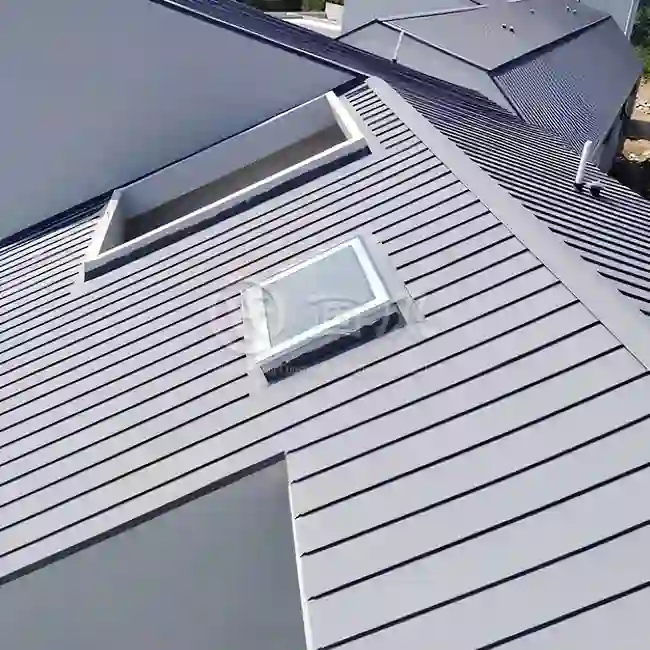
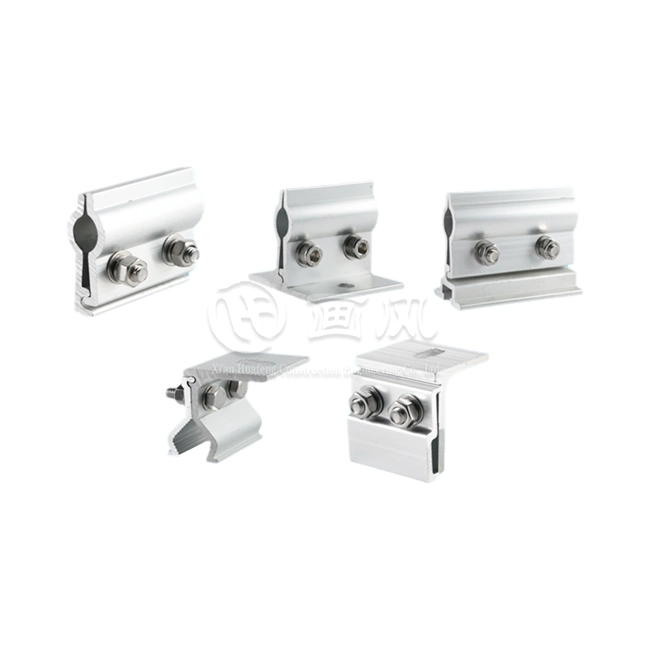
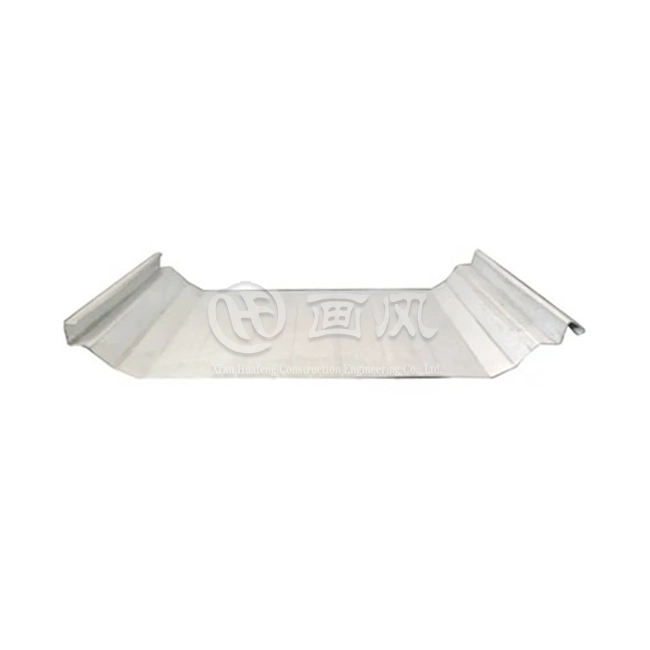
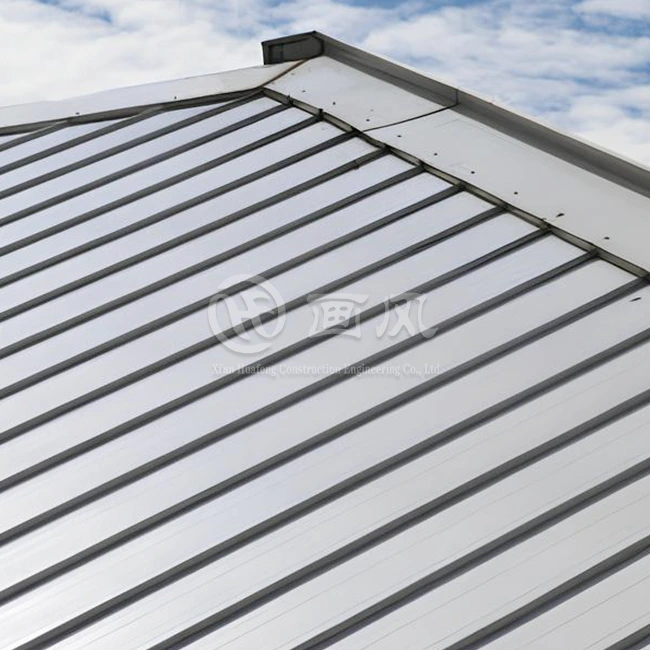
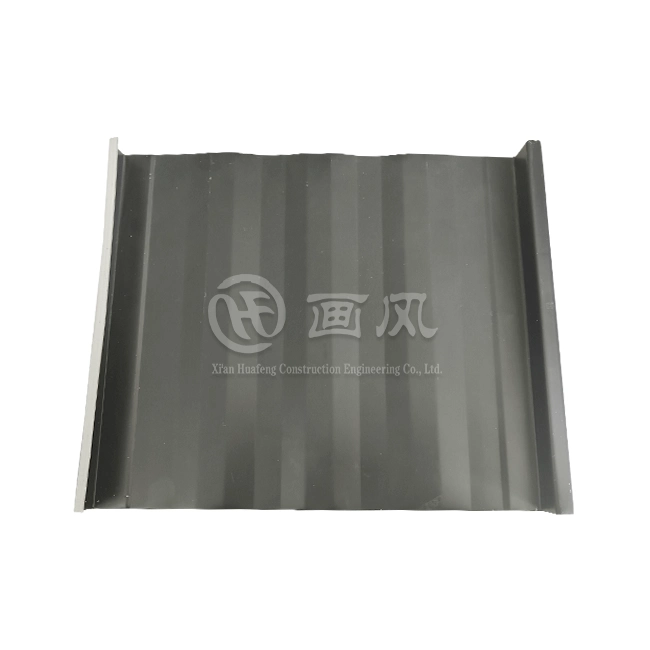
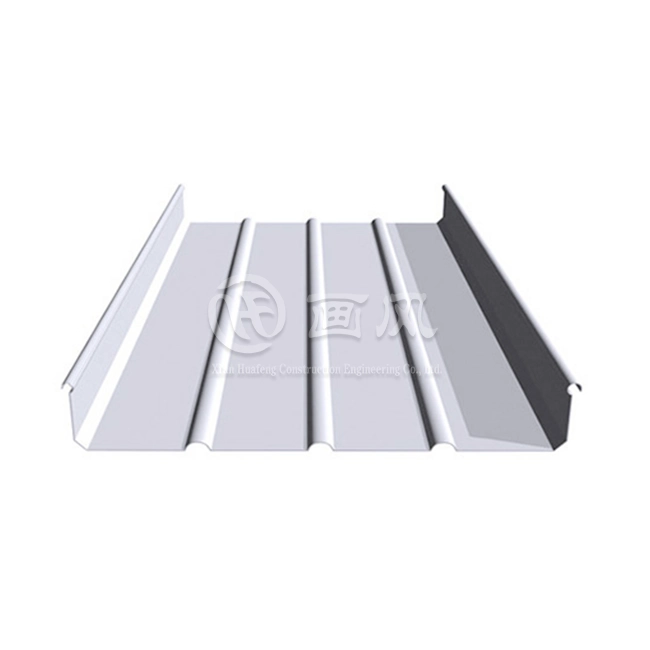
Standing seam metal roofing is made up of metal panels that run vertically from the top to the eave and are joined together by raised seams that fit together tightly. Hidden clips hold the panel legs to the roof deck and hide the fasteners that are under the panel legs. This design doesn't have any visible screws, which is a frequent place for leaks to happen in screw-down or corrugated systems.
Panel Types and Their Differences
There are three main ways to engage: the snap-lock, the mechanical lock, and the clip-lock. Snap-lock panels are faster to put up and work best for roof pitches of 3:12 or more. Mechanical seam panels need a crimping tool to put together, but they are better at keeping water out up to a 1:12 pitch, which makes them the best choice for current low-slope roof designs that builders often ask for.
Materials and Coating Options
Galvalume steel (AZ55), 3003/3004 aluminum alloy, copper, or titanium-zinc are often used to make panels. PVDF (fluorocarbon) finish is the standard for most home projects because it keeps its color for 20 to 30 years and doesn't chalk, fade in UV light, or react with chemicals. Polyester (PE) coating is a cheaper option that will keep its color for about 10 to 15 years.
Key Benefits of Standing Seam Metal Roofing for Houses
Picking the right roofing system for a high-end home is about more than just how it looks. Here are the main performance benefits of this system that make it stand out for home use.
- Exceptional longevity: Properly installed standing seam roofs last 40 to 70 years depending on material. Galvalume steel and aluminum panels carry corrosion resistance that asphalt shingles simply cannot match over the same period.
- Wind and weather resistance: The concealed clip system allows panels to "float" during thermal expansion. When tested under UL 580 protocols, properly clipped systems regularly exceed 140 mph wind uplift resistance — a critical spec for homes in storm-prone regions.
- Energy performance: PVDF-coated panels with cool-roof pigments can reduce attic temperatures by up to 34%, according to Oak Ridge National Laboratory research. This directly reduces summer cooling loads and supports LEED certification targets.
- Minimal maintenance cycle: Unlike screw-down metal roofs that require neoprene washer replacement every 10 to 15 years, standing seam systems have no exposed hardware to degrade. Occasional visual inspections are typically all that is needed.
Because of these benefits, custom home builders using house standing seam metal roofing have a better case for selling their homes. If a customer asks you why your roof costs more than a neighbor's, you should give them a reasonable explanation based on facts, not fancy words.
Comparative Analysis: Standing Seam vs. Other Roofing Options
Honest comparisons are needed to make choices about purchases. You can be sure of your specification when you know where this system leads and where it doesn't.
vs. Asphalt Shingles
When you first buy them, asphalt shingles usually cost $4 to $7 per square foot put, while standing seam roofing costs $10 to $16 or more. Asphalt roofs, on the other hand, usually last 20 to 30 years and need to be replaced every so often. Over the course of 50 years, metal roofing usually has a lower total cost of ownership, especially when labor costs for re-roofing are taken into account.
vs. Corrugated Metal Roofing
When fasteners on corrugated panels are left out in the open, they become weak spots over time as washers wear out. This risk is completely taken away by standing seam's hidden fastener method. There is a clear design benefit to using standing seam for high-end home projects that need to look good from the outside and keep their watertightness over time.
vs. Metal Shingles and Flat Seam Panels
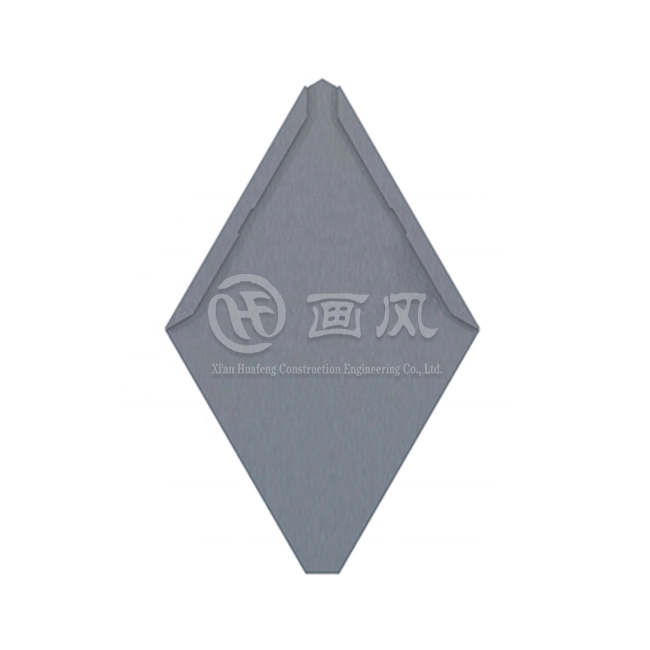
Metal shingles look like slate or tile, but there are more gaps and connection places on each square foot of metal shingles. Flat seam panels work well on very low slopes, but the gaps need to be soldered to keep water out. Standing seam strikes a useful middle ground, with its clean looks, proven ability to keep water out, and wide range of modern wall designs that can be used with it.
Installation and Procurement Considerations for B2B Clients
It's not enough to just use the right roofing material. When custom home builders buy in bulk, the consistency and dependability of the supplier are just as important as the panel specs.
Installation Precision Requirements
To install a standing seam, the panels must be lined up correctly, the clips must be spaced correctly, and the seams must be carefully engaged. A power seaming tool is needed for profiles that are sewn together mechanically. Crews with a lot of experience take thermal movement into account by only fixing one end of the panel and letting the other end expand and contract easily with moving clips.
Cost Structure and ROI
The cost of house standing seam metal roofing materials changes based on their shape, thickness, and finish. Panels with thicknesses between 0.4 mm and 1.2 mm can meet a lot of different performance needs and price points. Thicker gages (0.7mm to 1.0mm) lessen the "oil canning" effect that some people find unsightly on wide flat panels. This effect doesn't affect how well the panels work structurally, but it does bother people who care about design.
What to Look for in a Supplier
When a custom home builder buys something from a supplier, the supplier should be able to offer consistent batch colors, quick sample lead times, intellectual property protection for custom profiles, and compliance with well-known standards. Look for suppliers that are approved to meet ASTM, DIN, JIS, BS, and GB/T standards and have coating test reports from outside labs like SGS that can back them up.
Why Choose HF for Your Next Project?
As of 2018, Xi'an Huafeng Construction Engineering Co., Ltd., which does business under the HF brand, has provided metal roofing systems for projects in North America and Australia. They make standing seam metal roof house panels in three factories, which have a total of seven production lines and more than 40 specialized tools. This allows them to supply 1,000 tons of panels every month.
Based on the AAMA 2605-22 standard, HF's PVDF-coated panels met all 13 performance items for coatings. This was confirmed by SGS. They also have EU RoHS compliance and AS/NZS 1530.3 fire performance approval for their aluminum substrate goods, which is important paperwork to have when giving plans to architects or building departments.
Important information about the product for large-scale custom home builders:
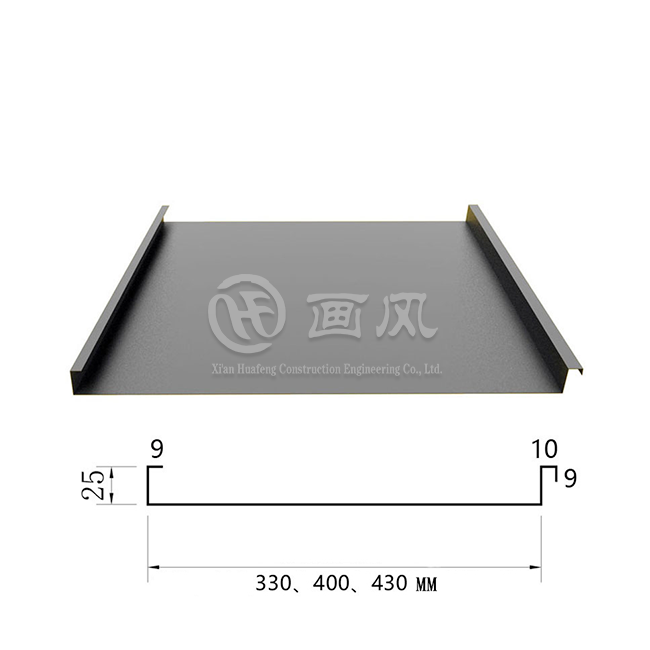
- Specifications: 25-330/400/430, 32-410, 45-400 profiles
- Thickness range: 0.4mm to 1.2mm
- Surface treatment: PVDF or PE coating
- Colors: Full RAL range plus custom color matching
- Standards: ASTM, DIN, JIS, BS, GB/T
- Minimum order: 500 square meters or 1 ton
- Delivery time: 15 to 20 days
- Warranty: 30 years
– Range of thickness: 0.4 mm to 1.2 mm
Conclusion
For custom home builders who want to give their clients a long-lasting, aesthetically pleasing roofing option, house standing seam metal roofing is a technically sound and commercially strong choice. It's better than asphalt or corrugated because it has a hidden fastener system, a PVDF finish that lasts a long time, and a wide range of profiles. When buying in bulk, protect your project plan and image by picking a seller with verifiable certifications, uniform color batching, and dependable wait times.
FAQ
1. How long does a standing seam metal roof last on a house?
Depending on the material they are built on and the covering they have, most standing seam systems last between 40 and 70 years. When used near the coast, aluminum panels work well, and when used inland, Galvalume steel does the job well with little upkeep over time.
2. Does a metal roof make more noise during rain?
No, there isn't much of a difference in sound quality between asphalt shingles and solid plywood decking with the right synthetic underlayment. Most people say they don't notice a rise in rain noise.
3. What is oil canning, and should I be concerned?
Oil canning is a term for the small waves that show up on flat metal walls. This is a normal property of light-gauge cold-formed metal, and it doesn't change how waterproof it is or how strong it is. It is harder to see if you choose thicker gages or panels with striations.
4. Can standing seam panels be installed over an existing roof?
Yes, standing seam panels can often be installed over an existing roof structure. This saves money on labor and disposal costs for tearing off the old roof. Before you start, you should do a structural assessment.
5. What is the minimum order for custom color panels?
For HF, the smallest amount you can buy is 500 square meters, which is equal to 1 ton. With standard wait times of 15 to 20 days, you can get custom RAL colors.
Get a Custom Quote from HF — A Trusted House Standing Seam Metal Roofing Manufacturer
HF sells house standing seam metal roofing panels with a 30-year guarantee, PVDF AAMA 2605-22 approved coatings, and the ability to change any color to any RAL color. Our team responds quickly and keeps your project specs safe, whether you need a sample run for a design review or a full order. To get a price right away, email us at huafeng@hfmetalroof.com.
References
1. Oak Ridge National Laboratory. Roof Savings Calculator and Cool Roof Research Data. U.S. Department of Energy, 2022.
2. Metal Construction Association. Guide Specification for Residential Standing Seam Metal Roofing Systems. MCA, 2021.
3. Underwriters Laboratories. UL 580: Tests for Uplift Resistance of Roof Assemblies. UL Standards, 2020.
4. American Architectural Manufacturers Association. AAMA 2605-22: Voluntary Specification, Performance Requirements and Test Procedures for Superior Performing Organic Coatings on Aluminum Extrusions and Panels. AAMA, 2022.
5. ASTM International. ASTM A792/A792M: Standard Specification for Steel Sheet, 55% Aluminum-Zinc Alloy-Coated by the Hot-Dip Process. ASTM, 2023.
6. Roofing Industry Alliance for Progress. Metal Roofing: Market Conditions and Performance Analysis for Residential Construction. Metal Roofing Alliance, 2023.





YOU MAY LIKE