5 Things Every Specifier Should Know About a Standing Seam Pitched Metal Roof
2025-12-31 19:00:31
Picture this: You're reviewing architectural drawings for a large-scale commercial project, and the client demands both exceptional weather protection and architectural elegance. Traditional roofing systems fall short on durability, while conventional metal panels compromise aesthetics. This is where the Standing Seam Pitched Metal Roof becomes the game-changer. Whether you're specifying for industrial facilities, public buildings, or high-end residential projects, understanding the critical performance factors of standing seam systems can mean the difference between a roof that performs flawlessly for decades and one that requires costly interventions. This comprehensive guide reveals five essential considerations that every specifier must evaluate when selecting a Standing Seam Pitched Metal Roof system to ensure optimal performance, longevity, and value for your projects.

Understanding the Mechanical Seaming Technology Behind Standing Seam Pitched Metal Roof Systems
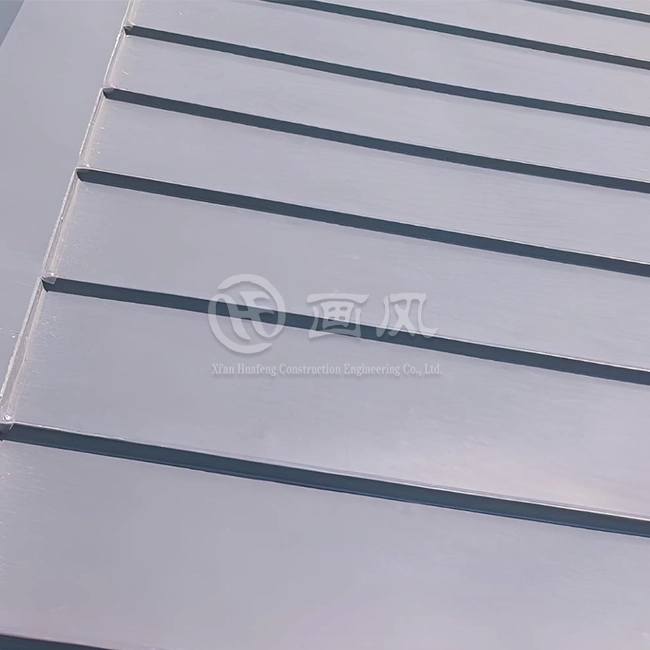
The foundation of any high-performance Standing Seam Pitched Metal Roof lies in its unique mechanical seaming technology. Unlike traditional roofing systems that rely on exposed fasteners vulnerable to weather penetration, standing seam systems utilize a sophisticated interlocking mechanism that creates a continuous, watertight barrier across the entire roof surface. This innovative approach eliminates fastener penetrations on the roof surface itself, dramatically reducing potential leak points and extending the system's service life.The mechanical seaming process involves specialized equipment that crimps adjacent panel edges together, forming either single-lock or double-lock seams. Double-lock seaming, where the metal is folded twice at 180 degrees, provides superior weathertightness compared to single-lock systems and represents the industry standard for demanding applications. For projects with slopes as low as 0.5:12, the incorporation of in-seam sealant with double-lock seaming creates an exceptional defense against water infiltration, making Standing Seam Pitched Metal Roof systems suitable even for challenging low-slope applications where hydrostatic pressure becomes a concern.
-
Panel Profile Specifications and Performance Characteristics
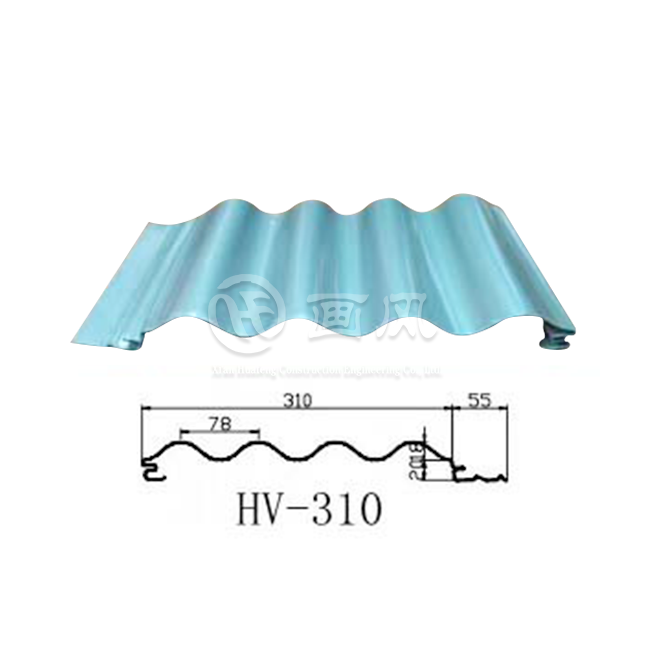
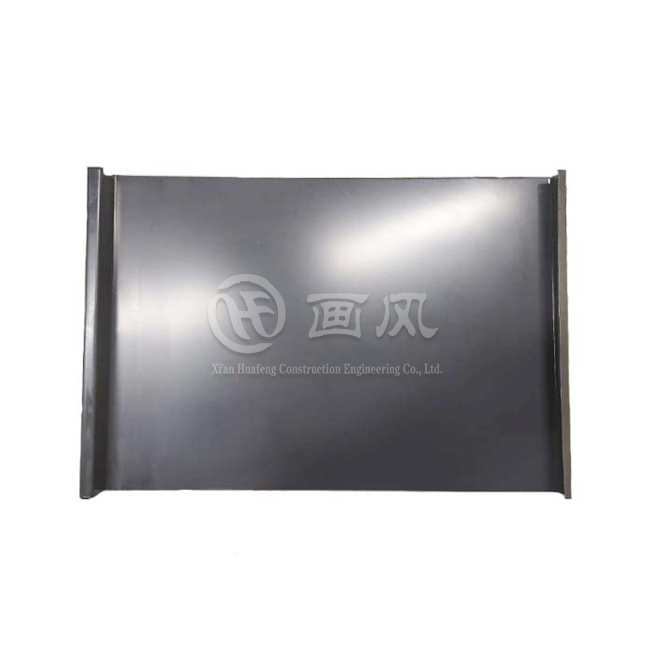
When specifying a Standing Seam Pitched Metal Roof, understanding panel profile dimensions directly impacts both structural performance and aesthetic outcomes. Panel widths typically range from 300mm to 600mm, with 400mm and 500mm being the most common specifications for commercial applications. The rib height—available in 25mm, 32mm, and 45mm configurations—plays a crucial role in determining the minimum allowable roof slope and the system's overall water-shedding capability.Higher rib profiles provide enhanced weather protection on lower-slope applications. A 45mm rib height standing seam system with double-lock seaming and in-seam sealant can be installed on slopes as low as 0.5:12, while maintaining exceptional weathertightness. Conversely, lower profile systems require steeper slopes to achieve comparable performance levels. The panel length is customizable and can extend tens of meters in continuous runs, eliminating horizontal seams that could compromise waterproofing integrity. This continuous panel design not only enhances weather resistance but also creates clean, uninterrupted sightlines that architects value for modern building aesthetics.Material thickness specifications for Standing Seam Pitched Metal Roof panels typically range from 0.4mm to 1.2mm, with the optimal thickness determined by factors including span capabilities, wind load requirements, snow load calculations, and the building's geographic location. Thicker gauges provide greater structural integrity and resistance to oil-canning, a visual waviness that can occur in flat areas of thinner metal panels. Quality manufacturers conduct rigorous testing to ensure their Standing Seam Pitched Metal Roof systems meet or exceed ASTM E2140 standards, which involve complete submersion under six inches of static water for approximately six hours to validate the system's water barrier performance.
Material Selection Criteria for Optimal Standing Seam Pitched Metal Roof Performance
Material selection represents one of the most critical decisions specifiers face when designing Standing Seam Pitched Metal Roof systems. The substrate material fundamentally determines the system's longevity, maintenance requirements, and overall lifecycle costs. Each material option offers distinct advantages suited to specific project requirements and environmental conditions. Aluminum-magnesium-manganese alloys have emerged as premium choices for Standing Seam Pitched Metal Roof applications, particularly for projects demanding exceptional corrosion resistance and lightweight performance. These alloys, typically specified in 3003, 3004, or 5052 grades, provide outstanding strength-to-weight ratios while maintaining superior formability for complex roof geometries. The inherent corrosion resistance of aluminum-magnesium-manganese alloys makes them ideal for coastal environments or industrial settings where chemical exposure occurs. Their natural oxidation layer forms a protective barrier that self-heals when scratched, ensuring long-term durability without the catastrophic failure modes associated with coated steel systems. Galvalume steel represents another excellent choice for Standing Seam Pitched Metal Roof systems, offering exceptional corrosion protection through its aluminum-zinc alloy coating. This material provides approximately four times the corrosion resistance of traditional galvanized steel while maintaining cost advantages over pure aluminum systems. The coating's combination of aluminum's barrier protection and zinc's galvanic protection creates a synergistic effect that extends the roof's service life significantly. For projects requiring the structural strength of steel combined with superior weather resistance, Galvalume-based Standing Seam Pitched Metal Roof systems deliver outstanding value.
-
Surface Treatment Technologies and Color Retention
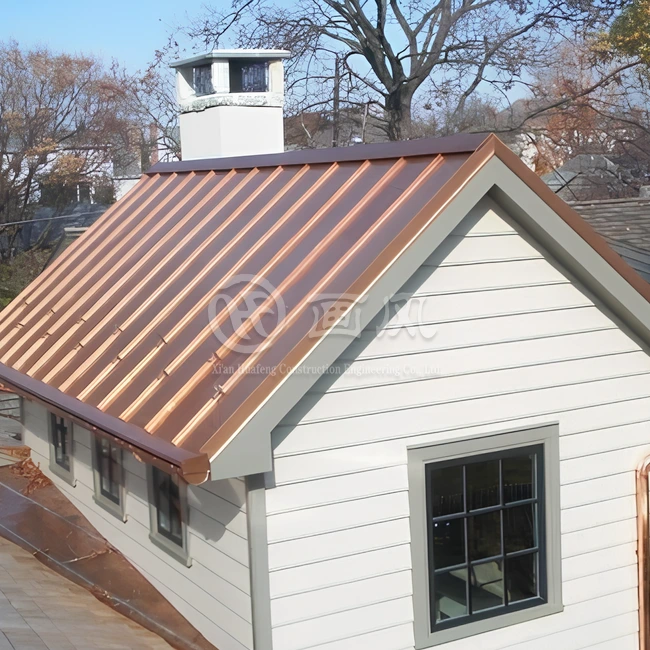
The surface treatment applied to Standing Seam Pitched Metal Roof panels dramatically influences both aesthetic longevity and functional performance. PVDF (polyvinylidene fluoride) coatings represent the premium standard for architectural metal roofing applications, offering exceptional color retention, chalk resistance, and chemical resistance over extended service periods. These fluoropolymer-based coatings maintain their appearance and protective qualities for decades, making them the preferred specification for high-visibility projects where maintaining architectural intent is paramount. PVDF-coated Standing Seam Pitched Metal Roof systems typically carry warranties of 30 years or more for color and chalk resistance, reflecting their superior performance in UV exposure and weathering conditions. The molecular structure of PVDF creates an extremely tight bond between coating layers and the metal substrate, preventing delamination and ensuring consistent protection throughout the roof's service life. Polyester (PE) coatings offer a more economical alternative suitable for projects where budget constraints take precedence over maximum longevity, though specifiers should understand that PE systems typically provide shorter warranty periods and may experience more significant color fading over time. Color selection extends beyond aesthetics to influence thermal performance. The availability of various RAL and Pantone colors enables specifiers to match Standing Seam Pitched Metal Roof systems precisely to architectural color schemes while optimizing solar reflectance characteristics. Light-colored finishes with high solar reflectance indices (SRI) can significantly reduce cooling loads in warm climates, contributing to building energy efficiency and potentially qualifying projects for green building certifications. Quality manufacturers maintain extensive color libraries and can provide custom color matching services to meet specific project requirements.
Critical Slope Requirements and Drainage Design for Standing Seam Pitched Metal Roof Systems
Understanding minimum slope requirements represents an essential specification consideration that directly impacts Standing Seam Pitched Metal Roof performance and longevity. Unlike traditional roofing systems with relatively straightforward pitch requirements, standing seam systems offer flexibility across a wide range of slopes when properly specified and installed. The relationship between panel profile, seaming method, sealant application, and minimum allowable slope creates a complex decision matrix that specifiers must navigate carefully. For mechanically seamed Standing Seam Pitched Metal Roof systems with double-lock profiles and in-seam sealant, manufacturers typically approve installations on slopes as low as 0.25:12 to 0.5:12, depending on specific panel configurations and environmental conditions. This exceptional low-slope capability stems from the system's concealed fastener design and the weathertight seal created by mechanical seaming combined with high-performance sealants. However, specifiers should recognize that low-slope applications exist in what building codes classify as "hydrostatic" conditions, where panels may experience water submersion during intense rainfall events. Snap-lock Standing Seam Pitched Metal Roof systems, while offering installation advantages and cost benefits, require steeper minimum slopes, typically 2:12 to 3:12, to perform reliably. The snap-together connection method, while creating a weather-resistant seal, lacks the absolute weathertightness of mechanically seamed systems. In regions experiencing heavy rainfall, severe weather events, or significant snow accumulation, mechanically seamed systems with appropriate slope specifications provide superior risk mitigation.
-
Drainage System Integration and Water Management
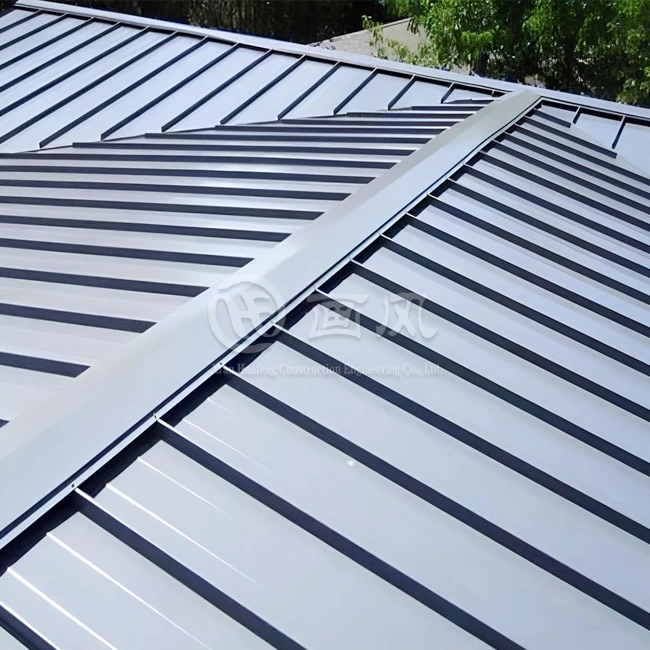
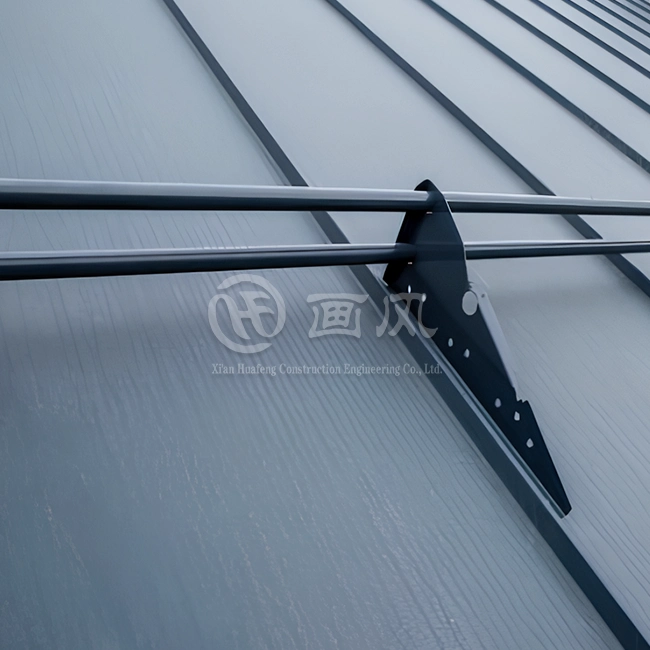
Effective water management extends beyond meeting minimum slope requirements to encompass comprehensive drainage system design. Standing Seam Pitched Metal Roof systems must integrate seamlessly with gutter systems, scuppers, and downspouts to ensure prompt water evacuation from the roof surface. Inadequate drainage design can lead to ponding water even on code-compliant slopes, potentially compromising long-term roof performance and voiding manufacturer warranties. Specifiers should carefully evaluate valley design when incorporating Standing Seam Pitched Metal Roof systems into complex roof geometries. Valleys concentrate water flow and require robust waterproofing details to prevent infiltration. Many quality installations utilize factory-formed valley pans beneath the standing seam panels, creating a secondary water barrier that provides insurance against potential seam failure at these critical junctions. Similarly, penetrations for mechanical equipment, skylights, and other roof appurtenances demand meticulous flashing design to maintain the roof system's water integrity. The thermal movement characteristics of Standing Seam Pitched Metal Roof systems must inform drainage design decisions. Metal roofing expands and contracts significantly with temperature fluctuations, with long panel runs potentially experiencing several inches of movement over seasonal temperature ranges. The concealed clip system that attaches panels to the roof deck accommodates this movement, but drainage components must account for these dimensional changes to prevent binding or separation at critical interfaces. Proper expansion joint placement, flexible flashing materials, and strategic attachment details ensure that the Standing Seam Pitched Metal Roof system can move freely without compromising waterproofing integrity.
Quality Manufacturing Standards and Installation Requirements
The performance of any Standing Seam Pitched Metal Roof system depends fundamentally on manufacturing quality and installation precision. Specifiers must evaluate potential manufacturers based on production capabilities, quality control systems, and demonstrated expertise in standing seam technology. The complexity of producing consistently high-quality standing seam panels demands sophisticated equipment, rigorous processes, and experienced personnel. Advanced manufacturers operate multiple color coating production lines, laminating capabilities, and precision roll-forming equipment that ensures consistent panel dimensions, uniform coating thickness, and proper edge preparation for seaming. The incoming material inspection process should include comprehensive testing of substrate materials, including verification of alloy composition, coating thickness measurements, adhesion testing, and surface preparation quality. Manufacturers following ISO 9001 quality management systems implement documented procedures for every production stage, from raw material receiving through finished product packaging, creating traceable quality records that provide project-specific assurance.
-
Technical Support and Engineering Services
Beyond manufacturing capabilities, leading Standing Seam Pitched Metal Roof suppliers provide comprehensive technical support throughout the project lifecycle. This engineering assistance begins during the design development phase, where manufacturers can offer structural analysis, thermal movement calculations, and connection detail optimization based on their extensive experience with standing seam systems. Computer-aided design services allow detailed 3D modeling of complex roof geometries, enabling specifiers to visualize the finished installation and identify potential constructability challenges before fabrication begins. The project drawing deepening process involves collaboration between the manufacturer's technical team and the project design professionals to develop detailed shop drawings that translate architectural intent into manufacturable panel configurations. This process includes comprehensive node detailing for transitions, penetrations, terminations, and accessory integration points. Each panel receives unique identification corresponding to its specific location on the roof plan, streamlining installation sequencing and eliminating field confusion that could compromise installation quality. Factory-produced samples based on confirmed specifications allow stakeholders to verify material quality, finish appearance, and dimensional accuracy before full production commences. These sealed samples establish the benchmark standard for subsequent production runs and provide a reference for field inspection and acceptance procedures. Quality manufacturers implement real-time quality control throughout production, with inspections at multiple process stages ensuring that every panel meets established standards before packaging and shipping.
Lifecycle Value Analysis and Long-Term Performance Considerations
While initial cost comparisons often focus on material and installation expenses, sophisticated specifiers recognize that Standing Seam Pitched Metal Roof systems deliver exceptional lifecycle value through their longevity, minimal maintenance requirements, and potential energy contributions. A comprehensive lifecycle cost analysis reveals the true economic advantages of quality standing seam systems over alternative roofing technologies. Standing Seam Pitched Metal Roof systems typically provide service lives extending 30 to 50 years or more when properly specified and installed, significantly exceeding the performance expectations of traditional roofing systems. This extended lifespan reduces the frequency of roof replacement cycles, minimizing disruption to building operations and avoiding the compounding costs associated with repeated re-roofing projects. The initial premium for standing seam systems amortizes favorably when evaluated over the building's lifecycle, particularly for institutional and commercial facilities planning long-term ownership. The maintenance requirements for Standing Seam Pitched Metal Roof systems remain minimal compared to alternative technologies. The absence of exposed fasteners eliminates the periodic fastener inspection and replacement cycles necessary with screw-down metal panel systems. The durable finish systems maintain their appearance and protective qualities with only periodic cleaning, avoiding the degradation patterns that necessitate recoating of lesser systems. This maintenance reduction translates directly to lower operating costs and fewer disruptions to building occupants over the roof's service life.
-
Sustainability and Environmental Performance
Standing Seam Pitched Metal Roof systems contribute meaningfully to building sustainability objectives through multiple pathways. The recyclability of metal roofing materials—with aluminum and steel maintaining full material properties through unlimited recycling cycles—reduces environmental impact at end-of-life while providing material recovery value. Many Standing Seam Pitched Metal Roof panels incorporate significant recycled content, further enhancing their environmental credentials without compromising performance. The thermal performance advantages of metal roofing, particularly when specified with high solar reflectance finishes, can reduce building cooling loads substantially in warm climates. This energy efficiency contribution extends throughout the roof's multi-decade service life, accumulating significant operational cost savings and reducing the building's carbon footprint. Some Standing Seam Pitched Metal Roof systems can accommodate photovoltaic panel integration through specialized mounting systems that attach to the standing seams without roof penetrations, enabling buildings to generate renewable energy while maintaining roof warranty coverage. The lightweight nature of Standing Seam Pitched Metal Roof systems compared to traditional roofing materials can provide structural advantages for retrofit applications or enable architectural designs that maximize usable space within height restrictions. This weight reduction may allow additional stories in height-restricted zones or reduce structural reinforcement requirements in seismic design zones, delivering project-level advantages beyond the roofing system itself.
Conclusion
Specifying a Standing Seam Pitched Metal Roof requires comprehensive evaluation of mechanical systems, materials, slope requirements, manufacturing quality, and lifecycle performance. These five critical considerations ensure optimal roof performance, exceptional longevity, and superior value delivery across diverse project applications.
Cooperate with Xi'an Huafeng Construction Engineering Co., Ltd.
Xi'an Huafeng Construction Engineering Co., Ltd. stands as a China Standing Seam Pitched Metal Roof manufacturer and China Standing Seam Pitched Metal Roof supplier delivering exceptional value through integrated design, manufacturing, and construction capabilities. Established in 2018 and recognized as a high-tech enterprise in Shaanxi Province in 2020, Huafeng operates comprehensive production facilities including a 200,000 square meter raw material plant in Anhui and specialized processing facilities in Hangzhou and Xi'an. Our seven color coating production lines, ten shearing production lines, and more than 40 precision machines ensure consistent quality for every Standing Seam Pitched Metal Roof project. As a trusted China Standing Seam Pitched Metal Roof factory, we provide High Quality Standing Seam Pitched Metal Roof systems with 30-year warranty coverage, demonstrating our confidence in material selection and manufacturing excellence. Our product range encompasses aluminum-magnesium-manganese alloys, galvalume steel, titanium-zinc, and stainless steel substrates with PVDF or PE surface treatments in various RAL and Pantone colors. With specifications including 25-330/400/430, 32-410, and 45-300/400/500 panel profiles and thickness ranging from 0.4-1.2mm, we deliver customized solutions meeting international standards including ASTM, DIN, JIS, BS, and GB/T requirements.
Our one-stop service model encompasses structural 3D modeling, load analysis, drainage system simulation, and material specification advisory during the design phase, followed by precision roll-forming manufacturing with real-time quality control and raw material traceability. On-site project management and safety compliance documentation ensure seamless installation with zero-leakage performance testing. Our Standing Seam Pitched Metal Roof wholesale capabilities support projects of all scales, with minimum order quantities of 500 square meters and monthly supply capacity exceeding 1000 tons, ensuring timely delivery within 15-20 days. Certified to ISO 9001, ISO 14001, and SGS standards with more than 20 registered patents, Huafeng collaborates with Fortune 500 companies delivering landmark projects including Xiongan Station, Xi'an International Convention and Exhibition Center, and Inner Mongolia Tongliao Art Museum. Our competitive Standing Seam Pitched Metal Roof price combined with uncompromising quality positions us as your ideal partner for demanding architectural projects. Whether you're seeking Standing Seam Pitched Metal Roof for sale for commercial, industrial, or institutional applications, our technical expertise and manufacturing capabilities deliver superior outcomes. Contact our team at huafeng@hfmetalroof.com to discuss your project requirements and discover how our engineering experience, production capacity, and comprehensive certifications create value for your next Standing Seam Pitched Metal Roof installation.
References
1. Metal Construction Association. Metal Roofing Systems Design Manual. MCA Technical Standards Committee, 2023.
2. Johnson, Robert T. and Williams, Sarah M. Standing Seam Metal Roofing: Installation and Performance Guidelines. Construction Specifications Institute, 2022.
3. American Society for Testing and Materials. ASTM E2140 Standard Test Method for Water Penetration of Metal Roof Panel Systems. ASTM International, 2021.
4. National Roofing Contractors Association. The NRCA Roofing Manual: Metal Panel and SPF Roof Systems. NRCA Publications Department, 2023.





YOU MAY LIKE