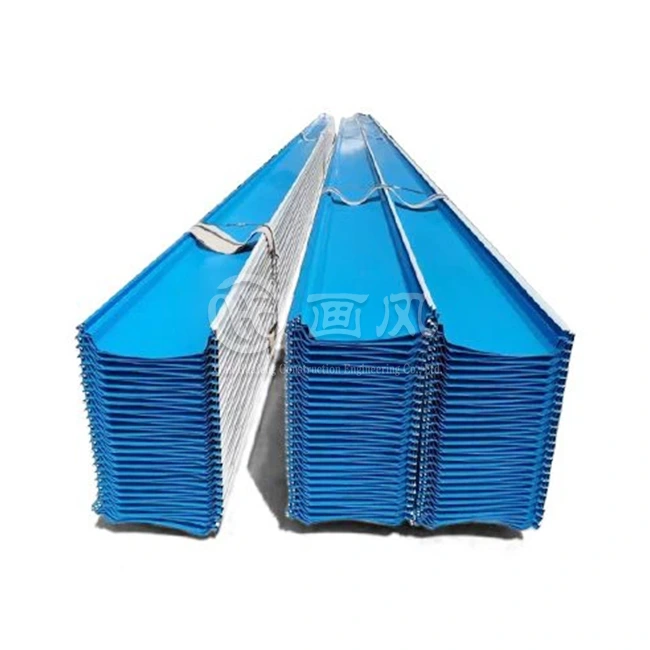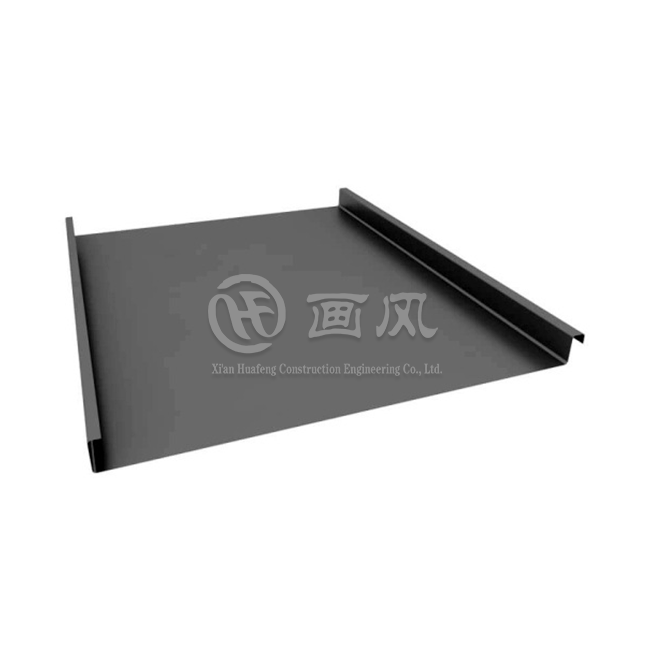
24 Inch Standing Seam Metal Roof Fire Rating: Safety Standards Explained
2026-11-19 18:24:08
A 24 inch standing seam metal roof does not carry a fire rating because of its panel width. The rating belongs to the complete roof assembly, which includes the panel, deck, underlayment, insulation, clips, and seams, tested together under ASTM E108 or UL 790. Steel and aluminum do not burn, yet a Class A, B, or C label applies only to the tested build-up. In this guide, I explain how the classes work, which documents to request, how installation affects results, and what contractors and distributors should check before they place an order.

What Fire Rating Does a 24 Inch Standing Seam Metal Roof Have?
Noncombustible Metal Is Not the Same as a Rated Roof
People often say that the roof has to be Class A since metal doesn't burn. That quick fix makes things worse. What's below parts made of steel, aluminum, copper, and zinc can start a fire, but those parts don't. In a lab test, the unit might not work as well if it has foam insulation, flammable underlayment, or wood decking. It goes over a tried-and-true structure with a named deck, underlayment, and way of attaching it. If any of those values are changed for the job, the first rate might not work anymore. Before you decide that the label is on the panel, you should always check to see what assembly the report covers.
How Class A, Class B, and Class C Differ
Roof paints are split into three groups by ASTM E108 and UL 790. Use Class A for very high fire risk. You can use Class B for moderate exposure. For light, you should use Class C. When contractors go to places that are likely to have wildfires, they first look for the Class A mark. You can be exposed to three types of fires: ones that spread, ones that come and go, and ones that land on the roof and catch fire. Stand-up-joint panels made well can reach Class A because they are metal. The lab has to show which layers were used.
Why Panel Width Does Not Set the Rating
The 24 inches number tells you how wide the coverage is between the seams. It doesn't say anything about putting out fires. Crews can cover more ground faster when panels are wider and stretched across a big roof. How the panel was put together does still affect how the fire turns out, though. Because each project has a different base or deck, the same 610 mm panel can hold a different class. I tell the people who buy things that the width is a matter of taste and the fire class is a matter of paperwork. Include both things in the order and the report's assembly number.
Fire Safety Standards and Testing for Standing Seam Roofing
ASTM E108 and UL 790 Test Methods
The steps for these two standards are very similar. Labs put a gas flame on the roof's deck and watch it go. After another test with a flame that comes and goes, a brand that is on fire is put on top. Technicians also keep an eye out for holes or burns in the deck and things that are falling and setting fire to the ground below. Roofs can only get a class if they always do well on the tests for that class. The report goes into detail about the deck, slope, floor, and how the pieces are put together. Because the grades are based on the list of work, the report notes are just as important as the class letter.
Building Codes, Insurers, and Wildfire Rules
Codes tell projects what kind of class they need. Chapter 15 of the International Building Code and the International Residential Code spell out the types of roofs that must be used on different types of buildings. These rules can become tighter if things change in the area. In places where flames often meet, Class A covers are needed. NFPA 1144 talks about how buildings near forest fuels can be damaged by sparks. There may be extra rules set by the insurance company, and FM Global approvals are necessary for some business roofs. It is best to find out early on who is in charge, since a late code finding can mean that a panel or flooring has to be changed after the materials have already been bought.
What HF's SGS Reports Show and What They Do Not
HF has SGS reports on aluminum alloy materials. The AS/NZS 1530.3:1999 ignition test (SGS Anji, September 2024) used a 3003H24 sheet that was 1.3 mm thick and had a starter 8 μm thick and a PVDF finish 18 μm thick. The firing index was 0, the flame spread index was 0, the heat release index was 0, and the smoke development index was 0–1. Six of them did not catch fire. That answer talks about the sheet that is covered, not a Class A roof itself. To set up ASTM E108 or UL 790, I ask each project team to name the deck and underlayment. After that, we all look over the paperwork that is out there.
Key Factors and Installation for Fire-Safe Performance
Materials, Thickness, and Coating
Any choice the group makes is still important, even though it is the only one. HF makes 24 inch standing seam metal roof panels out of steel, copper, titanium zinc, aluminum alloy, and stainless steel. It is between 0.5 and 1.2 mm thick and 25 to 65 mm high at the edges. In that range are steel gages like 24 gage (about 0.6 mm) and 22 gage (about 0.76 mm). You can choose between PVDF and PE for the finish. All 13 items in our AAMA 2605-22 test were passed, and the color uniformity was 0.3, and the dry adhesion was 5B. This was shown in the SGS coating report for a 3.0 mm 3003H24 sample.
Assembly Layers and Detail Areas
The underlayment, insulation, deck, clips, and fasteners are all tested parts of the job, so I never think of them as extras. Skielights, HVAC curbs, pipe penetrations, valleys, eaves, and wall transitions all have a lot of risk because the trim and sealant details are different from the main roof field. For example, gage, clip spacing, and span should all be chosen based on more than just fire class. You should also think about quake, wind, and snow loads. When builders use UL 580 ratings and ASTM E1592 test results, they should make sure that the fire documents are next to the reports so that each paper talks about the same panel, clip, and deck.
Installation and Maintenance That Protect the Rating
On the job site, fire-safe work starts. The crew should check the plan, slope, and condition of the deck before they get there. After that, they put in the right number of clips and fixings spaced out correctly and sew each seam all the way together. A big panel can move when the weather changes because it has floating clips. This protects the seams and buttons. The maker or expert must sign off on any changes to the field, like putting down a different underlayment. I think inspections should happen at least once a year and after bad weather after the handover. Checkers need to look for things like open seams, damage to the finish, drains that aren't working right, and devices that aren't allowed. To fix things, you should use the right panels, clips, sealants, and finishes.
Comparing 24 Inch Standing Seam Systems for Safety and Value
24-Inch Panels Versus 12-Inch and 16-Inch Panels
With a 24-inch panel, there are half as many joints in the same area as with a 12-inch panel. The crews don't have to deal with as many pieces and seams, which is helpful for warehouse, logistics center, and other large roofs. With wider flat pans, oil canning stands out more, so watch out for ribs that are getting stiff or thick. For long runs, you also need clips that can float and handle changes in temperature. The fire class won't benefit from the screen getting bigger. For each design, you need a separate set of tried-and-true instructions and parts.
Standing Seam Versus Exposed-Fastener and Shingle Roofs
Panels with a standing seam hide the screws and bolts under the seam. When washers wear out and fall out of screw-down ceilings, leaks can happen. A lot of those tracks are gone now. Standing seam and corrugated systems have different profiles, trims, and attachments, so fire rules for corrugated systems don't work for standing seam. This means that fire class alone doesn't tell them apart from metal asphalt shingles, which are also given Class A. It's clear from how often things break and how long they last. If you buy screens from HF, they will last for 30 years, and PVDF finishes that reflect light can cut down on the amount of cooling that needs to be done.
Common Fire-Rating Mistakes to Avoid
It seems like four mistakes are happening over and over again. People who are buying think that all metal roofs are Class A. When they choose 24 inch standing seam metal roof panels, they only look at price, width, or gage. They put panels, clips, and floors from different places together without checking the fit first. They also wait too long to check the insurance and building codes in their area. Each mistake can make the approval process take longer or force a change after the goods have been sent out. I believe that installation is a key part of fire safety. The fire report, product data, and installation directions are all kept in the same project file because I need to keep track of quality control.
How to Choose and Buy a Fire-Rated 24 Inch Standing Seam Metal Roof
Define the Project Before You Compare Quotes
Place, amount of people living there, slope, wind and snow loads, corrosion exposure, wildfire risk, and projected service life are all good places to start. After that, pick the metal. The air near the coast is good for aluminum. Galvanized steel and Galvalume are good for many low-cost projects. Copper or titanium zinc are best for high-end jobs. Someone who works with codes sets the fire target and a structural engineer sets the gage. Also, crews in the US and Canada want screens that work with the tools and methods they use to put things together and sew them. It saves time in the field to know ahead of time if the seam height and clip compatibility are correct.
Build a Precise Request for Quotation
Less email is sent when the RFQ is clear. Write down the panel's width and length, the metal it is made of, how thick it is, what color it is, how it is coated, how steep it is, what shape its seams are, what trims it has, how it should be fire-rated, where it should go, and how it should be packed. A lot of buyers are worried about color changes between batches, so find out about the length limit, sample approval, and way of matching colors. It's not enough to compare prices per square meter; you should also compare prices for everything: flashings, flooring, freight, taxes, and installation. Taxes and ocean freight rates change often, so get a written price that is good for a certain amount of time.
What HF Offers Contractors and Distributors
The HF name comes from Xi'an Huafeng Construction Engineering Co., Ltd., a company that was founded in 2018 in Shaanxi, China. The things we need to make things are more than forty tools, three plants, and seven production lines. They can make 1,000 tons of goods every month if they work together. PVDF or PE can be used to finish panels that are 610 mm (24 inches) wide. They can be any color, from RAL to your own choice. The MOQ is 500 ㎡ or 1 ton. It takes 15–20 days to send, and there is a 30-year guarantee. We use ISO 9001 to make sure that our goods meet the standards set by ASTM, DIN, JIS, BS, and GB/T.
Conclusion
When a roof is checked for fire safety, the fire rating goes to the whole roof, not just the 24 inch standing seam metal roof panel. Class A, B, or C standing under ASTM E108 or UL 790 rests on the deck, underlayment, insulation, clips, and other factors put down in the test record. Metal doesn't burn. The necessary class is set by codes, insurance, and wildfire rules, so projects should make sure of it early on. Long-term safety is affected by the type of material used, its thickness, the coating it has, and how well it was installed. Regular repair keeps it safe. On big roofs, bigger panels cut down on seams and work, but they need to be the right width and come with floating clips. Material-level data, like the SGS combustion report, backs up a standard but doesn't take the place of assembly paperwork.
FAQ
1. Can a 24 inch standing seam metal roof reach Class A?
Yes. The whole assembly has to be tested in a lab according to ASTM E108 or UL 790, and the report has to include information about your deck, underlayment, and panel profile. Before you place your order, ask for that report.
2. Do wider panels perform better in a fire than 12-inch panels?
No. It's not the fire class that changes, but the width that does. Each profile needs its own set of tested instructions and parts.
3. What documents should I request before ordering?
Ask for the fire test report with the test number, the product data sheet, the installation instructions, information on suitable underlayment, wind-uplift data, coating details, guarantee terms, and information on how the product will be packed.
4. What are HF's minimum order and lead time?
The minimum order quantity is 500 ㎡ or 1 ton, and the shipping time is 15 to 20 days.
Request a Quote for a Fire-Safe 24 Inch Standing Seam Metal Roof System
Looking for a 24 inch standing seam metal roof company that keeps records of how well their materials and coatings work? HF has RAL colors, 1000 tons of monthly capacity, a 500 ㎡ MOQ, and delivery times of 15 to 20 days. They also offer PVDF and PE finishes. You can email your plans, panel lengths, and fire-rating goal to huafeng@hfmetalroof.com, or you can go to hfmetalroof.com for more information.
References
1. ASTM International. Standard Test Methods for Fire Tests of Roof Coverings (ASTM E108), 2020.
2. Underwriters Laboratories. UL 790: Standard Test Methods for Fire Tests of Roof Coverings, 2004.
3. International Code Council. International Building Code, Chapter 15: Roof Assemblies and Rooftop Structures, 2021.
4. ASTM International. Standard Test Method for Structural Performance of Sheet Metal Roof and Siding Systems by Uniform Static Air Pressure Difference (ASTM E1592), 2005.
5. National Fire Protection Association. NFPA 1144: Standard for Reducing Structure Ignition Hazards from Wildland Fire, 2018.
6. American Architectural Manufacturers Association. AAMA 2605-22: Performance Requirements and Test Procedures for Superior Performing Organic Coatings on Aluminum Extrusions and Panels, 2022.





YOU MAY LIKE
(1)_1763110678300.webp "standing seam metal roof panels")