How Fire Resistant Double Lok Metal Roof Panels Improve Building Safety
2026-11-19 18:24:07
Double lok metal roof panels improve building safety by pairing a noncombustible metal skin with a mechanically locked seam and concealed clips. Aluminum and steel do not feed a fire, and the double-folded seam keeps the joint tight against wind, rain, and blowing embers. Still, fire safety belongs to the whole roof assembly, not to the panel alone. The deck, insulation, underlayment, and details at penetrations and edges all shape the result. I wrote this guide to show how the system works, what testing proves, and what your team should verify before you buy.

Why Fire Resistance Matters and How a Double Lok System Works
Why Fire Resistance Matters in Commercial Roofing
Fires in the nearby woods, electricity problems, hot industrial processes, and neighbors who are already on fire can all start fires on business roofs. If a roof starts to burn, the fire can quickly spread to other parts of the building or plant. The amount of time people and workers have is based on how quickly the flames spread and how much heat they give off. You also can't tell how well the fire works by looking at the panel alone. The seam, the underlayment, the insulation, the deck, the holes, and the details on the edges are all the same piece. In order to make sure the panel is strong, estimators and project managers need more than just a list of materials. They want proof that the panel is put together correctly.
How Double Lok Standing Seam Panels Work
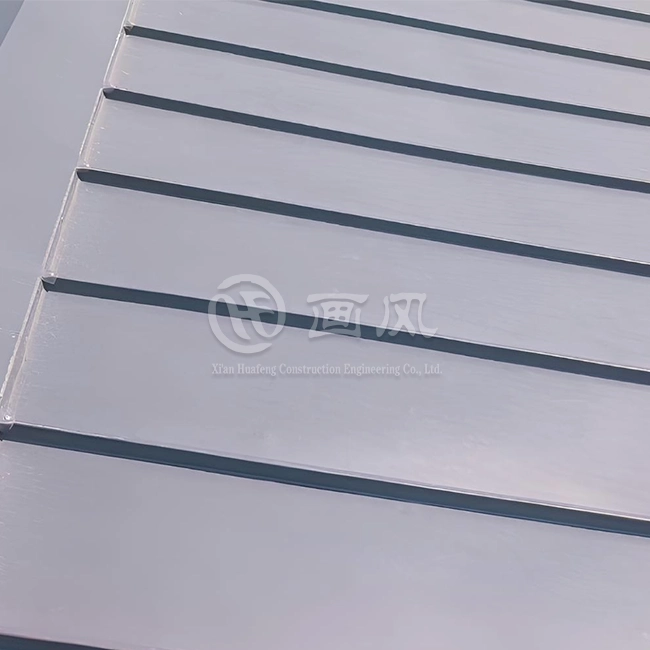
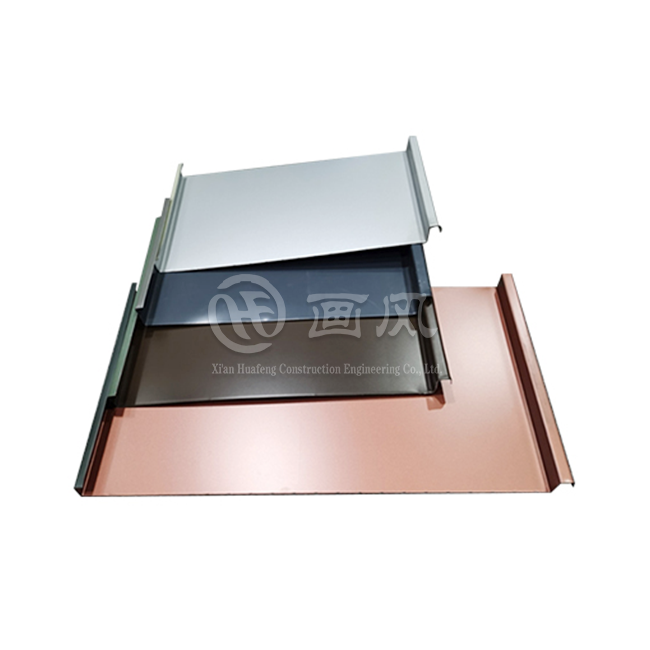
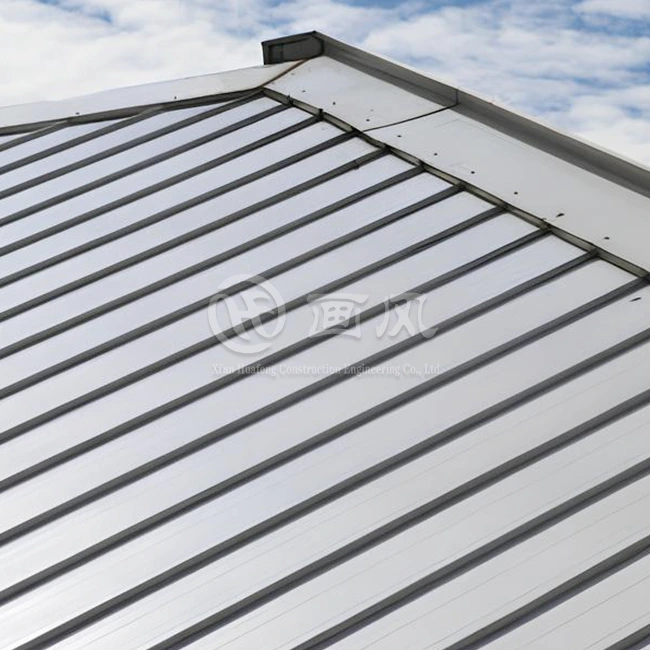
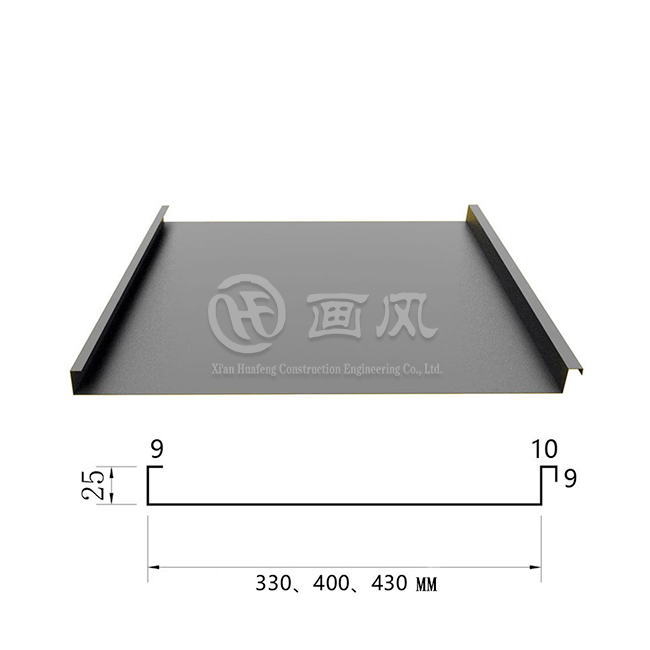
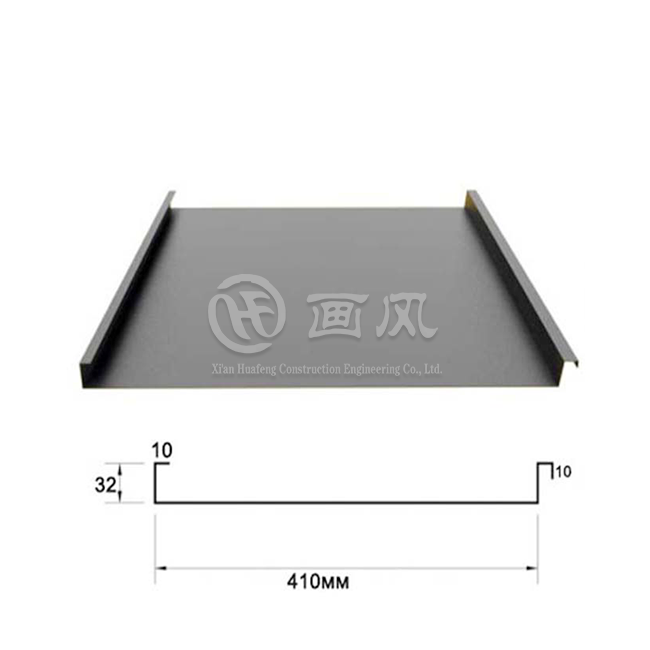
Standing seam panels with secret screws are known as Double-Lok metal roof panels. To make the double lock, a sewing machine folds those legs twice. This is done by having two panels meet at straight legs. The panels are attached to the frame with clips that are hidden. When the temperature changes, floating clips let the metal expand and contract without putting too much stress on the fasteners. You get the floor, insulation, flashing, trim, and parts for the ridge, eave, valley, and penetration as part of a full system. They prepare the substrate, put the panels in place, connect the clips, and seal the seam. If data from tested systems shows that it works, the system can be used on commercial, industrial, agricultural, and replacement roofs, even ones with low slopes.
HF Double Lok Product Data
This is HF's number for the roof panel. To choose from, you can get it in steel, copper, titanium zinc, stainless steel, and aluminum alloy. The edges are 25 to 65 mm (1 to 2.55 inches) high and 0.5 to 1.2 mm thick. You can get PVDF and PE finishes in RAL colors and other colors that you can order. There is a 30-year warranty on the panels, and they are made to meet ASTM, DIN, JIS, BS, and GB/T standards. They can make 1,000 tons of goods every month with three factories, seven production lines, and more than 40 machines. Five hundred naira, or one ton, is the least you can order and still get it in fifteen to twenty days.
How Fire-Resistant Double Lok Roof Panels Improve Building Safety
Noncombustible Metal Versus a Fire-Rated Roof Assembly
As you know, steel and metal don't catch fire. However, just because a panel doesn't catch fire doesn't mean it's fire-rated. Class A, B, and C roof coverings in the US are based on tests like ASTM E108, which is also known as UL 790. The International Building Code talks about roof covers in these groups. What the test showed only applies to the deck, flooring, insulation, and panel that were all put together. These seams don't need their own class because they keep the joint stable and hide parts that aren't needed. I tell people who are buying something to ask three different questions. Is the material flammable? What kind of roof covering is it? What part of the system was tested?
What the SGS Combustion Test Shows
As required by AS/NZS 1530.3:1999, HF has an SGS report from September 26, 2024, on a roller-coated 3003H24 aluminum sheet that is 1.3 mm thick and has a PVDF coating (8 μm primer, 18 μm finish). Six samples were looked at in the lab, and none of them caught fire. It didn't catch fire, the flame spread, or give off any heat. Indices for the growth of smoke went from 0 to 1. The lab only saw changes on the outside. Because it only checks the sheet material and not the whole roof, it can't be used instead of an FM, UL 580, or Class A grade. It gives your fire expert information about the specifics of the fire. Thicken it up, coat it, and use the right metal for what you're putting in.
Wind, Water, and Heat Benefits
It can also protect you from everyday threats that can weaken a building before a fire starts if you set it up right. The locked seam of double lok metal roof panels stops wind uplift and rain driven by the wind, which keeps insulation, decks, electrical equipment, and sprinkler pipes from getting damaged by water. The size, seam design, clip spacing, rivets, and edge-zone engineering of something determine how well it stands up to wind. Coasts and places that are likely to be hit by hurricanes need test data that has been checked. At SGS, 13 AAMA 2605-22 coating tests were done on HF's PVDF finish on 3.0 mm 3003H24 sheet and all of them passed. Chemical protection, adhesion, strength, impact, and flexibility were some of the things that were tested. What a great result! The coating really does work!
Comparing Double Lok With Other Roofing Options and Building Types
Double Lok Versus Snap-Lock and Exposed-Fastener Panels
Snap-lock panels are best for steep slopes because they have a joint that is pushed together. Based on the technical information, the joint in Double-Lok metal roof panels is folded twice by a seamer. This makes the joint more secure on low slopes and in strong winds. Mechanically seamed systems can be used on slopes as low as 1/4:12 if the manufacturer tests them to be able to. Usually, panels with fasteners that are visible cost less to buy. However, they need washers, fasteners, laps, and maintenance because every screw could be a leak point. With clips that are hidden, that risk is gone. It's not just the price of the panels that I compare when I bid. I also look at how much it will cost to install and test results.
Choosing Between Aluminum, Steel, and Premium Metals
Steel makes things stiff and strong. Aluminum doesn't rust and is lighter than steel, which is good for places near water or that are damp. For projects that need to look expensive or will be used in special situations, copper, silver zinc, and stainless steel are all good options. When you compare things, you should also look at the gage, finish, color, brightness, warranty, and how well they work with repairs. With our SGS combustion data, you can see that HF's double-lok shape works with all five metals. Let us know right away if your specification calls for steel or another metal. That way, we can make sure we have the right paperwork for that thing.
Matching Panels to Building Types
Offices and stores usually think about how the building looks, how well it blocks noise, how well it insulates, and what kind of equipment is on the roof. Some of the things that warehouses need to think about are uplift, sprinklers, smoke control, storage height, and roof area. In factories, parts and coatings may need to be able to handle heat, chemicals, and exhaust. Buildings used for farming have problems with ammonia, dust, moisture, and not enough air flow. Before you decide whether to overlay or tear off your old roof, you should check the current deck, the level of moisture, the slope, the building rules in your area, and the roof's structural capacity. The best method changes based on the type of building.
Technical Checks, Installation, and Maintenance
Documents to Verify Before Approval
Before you sign off on a system, I believe you should get fire test reports, rating sheets for roof coverings, product evaluation reports, installation guides, structural calculations, data sheets, and code statements. You need to make sure that every sheet fits the panel, gage, seam, deck, insulation, underlayment, clips, and other parts you want to buy. You can't use a report from one build to make another one. Make sure you check the minimum slope, drainage design, clip spacing, fastener type, panel span, and edge reinforcement as well. This is especially important in places where snow, ice, or water blocks could form. If the project manager finds a mistake while the entry is being made, it won't be turned down later.
Installation and Quality Control
Fire, weather, building, and warranty claims are all affected by how well the work was done. A group of people will get the deck ready, put down insulation and flooring, set the clips, line up the panels, finish the holes and flashings, sew the joints, and check the drains. They need to follow the rules for overlap, seam geometry, fastener specifications, and penetration details. The field shouldn't be changed. If you don't properly seal a seam, it makes the lock less strong, so you need to use tools that have been calibrated. If the job is hard or there is a lot of wind, hire people who know how to seam things mechanically. Choose early on who will be in charge of technical approval, local certification, guaranty registration, and the final inspection for a big project. Also, don't forget to keep images and records of the checks.
Maintenance and Inspection
It stays strong against weather and fire as long as it gets regular care. Every once in a while and after big storms, check double lok metal roof panels for damage to seams, flashings, sealants, coatings, drainage paths, penetrations, clips, rust, impact damage, and changes that aren't allowed. When you fix things like seams, replace panels, fix flashing, or touch up the coating, make sure they don't stop heat from moving or trap moisture. Someone should look at it if there are repeated leaks, wide-spread corrosion, deck damage, seams that don't hold together, or fire damage. People who own things should write down everything that is specified, including warranties, repairs, inspections, and spare parts.
Procurement Guide for Double Lok Metal Roof Panels
Start With a Detailed Project Brief
When there is a clear plan, quotes are right. Include the type of building, its location, the size of the roof, its slope, the wind and snow loads, the fire requirements, the metal, the gage, the finish, the accessories, the destination, the schedule, and the insulation type. You should ask suppliers for technical data, shop drawings, test reports, warranties, color samples, details about the structure, how to pack it, and how to fix things. Most of the time, big jobs are sent out all at once, so organize the delivery order by building or roof area. That helps the seller plan production and makes sure that the panels, clips, and trim get to your shop in the same order that your team puts them together.
Compare Total Installed Cost and Supplier Capacity
Panel price is one part of a bigger cash flow plan. The next things you need to add are clips, flashings, insulation, engineering, fabrication, freight, duties, labor, and upkeep. Lastly, find out how much the provider can produce, how much experience they have with exporting, how they handle quality control, how long the wait time is, how much they can adjust, and how many replacement panels they have on hand. It might cost you more on site if you buy a cheap panel without getting any trim or technical help right away. It's important to know how the seller deals guaranty claims and who can answer questions about the project after it's been delivered.
What HF Brings to Your Project
In 2018, the Xi'an Huafeng Construction Engineering Co., Ltd. company was set up in Shaanxi Province. Designing, making, selling, and building metal roofs is what it does for a living. Our plant in Anhui is 200,000 square meters and makes raw materials. Our plants in Hangzhou and Xi'an make screens and other parts. Every day, we follow ISO 9001's rules for quality, and we have seven color-coating lines. We also have more than 20 patents that have been filed. We sell roofing system parts along with the panels. One thousand tons can be sent every month, and it only takes fifteen to twenty days to do so. This helps us make big plans. You can send us your drawings, and we'll let you know how to set them up and what you can expect from us.
Conclusion
It is safer to build with double lok metal roof panels because they are made of metal that doesn't catch fire, have a mechanical seam that is folded twice, and have secret floating clips. Tests done on parts according to ASTM E108 or UL 790 give fire classes A, B, and C. This means that a test on the material itself, like the SGS AS/NZS 1530.3 report on coated aluminum, where six samples did not catch fire, can't be used instead of proof that the part was put together. Wind resistance, moisture control, temperature change, and the quality of the finish all make things safer in the long term. The type of building should also match the metal pick. As long as the paperwork is in order, the roof is regularly checked, and the total cost of installation is compared to what the provider can do, it should work as expected.
FAQ
1. Are double lok metal roof panels fireproof?
Steel and aluminum don't catch fire. In spite of this, fire ratings are only given to tested roof sections and not just panels.
2. What fire test data does HF have?
The 1.3 mm 3003H24 aluminum sheet we have meets the standards set by AS/NZS 1530.3:1999, according to an SGS study. It didn't catch fire in six of them. Talk to our staff about how to put together your project.
3. What slope can these panels handle?
Most of the time, mechanically seamed systems can handle slopes as little as 1/4:12. Compare the highest number to data from the system that was tested.
4. What are the order terms?
In order to get it, you must spend at least 500 naira, which is about 1 ton. It will be sent to you in 15 to 20 days.
Request a Quote for HF Double Lok Metal Roof Panels
Do you want to build a business roof with a low slope? Double lok metal roof panels are made by a company called HF. Every month, they can send out 1,000 tons of panels from their three plants, which have seven production lines. Email us at huafeng@hfmetalroof.com with the size, slope, metal, color, and schedule of your roof. We'll make you a quote that fits your needs. Your can see all of our goods at hfmetalroof.com.
References
1. International Code Council, International Building Code, 2021
2. ASTM International, ASTM E108 Standard Test Methods for Fire Tests of Roof Coverings, 2020
3. UL Standards, UL 580 Tests for Uplift Resistance of Roof Assemblies, 2006
4. UL Standards, UL 1897 Uplift Tests for Roof Covering Systems, 2015
5. American Architectural Manufacturers Association, AAMA 2605-22 Performance Requirements and Test Procedures for Superior Performing Organic Coatings on Aluminum Extrusions and Panels, 2022
6. Standards Australia, AS/NZS 1530.3 Methods for Fire Tests on Building Materials, Components and Structures: Simultaneous Determination of Ignitability, Flame Propagation, Heat Release and Smoke Release, 1999





YOU MAY LIKE