A Modern Take on Trapezoidal Standing Seam Metal Roofing
2026-11-19 18:24:06
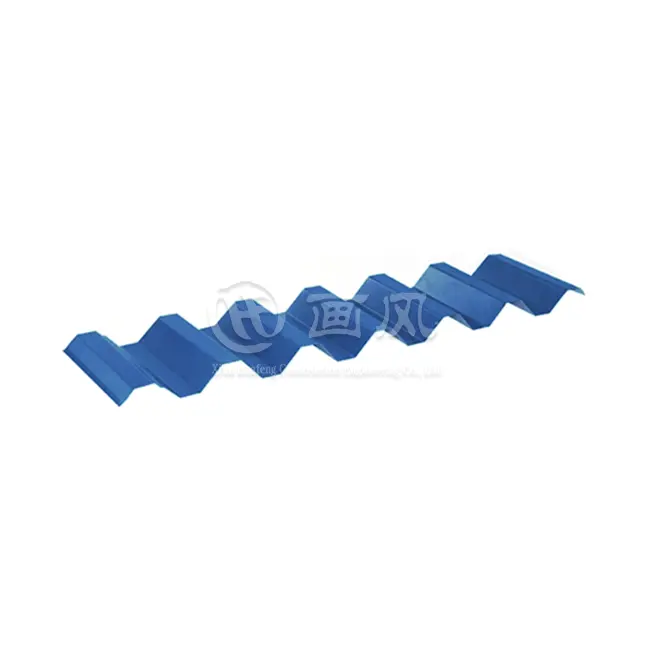
A modern take on trapezoidal standing seam metal roofing combines the stiff, wide-spanning ribs of an industrial trapezoidal profile with concealed clips and raised seams. The result is a roof that sheds water well, moves with temperature changes, and shows no rows of exposed screws. Contractors, engineers, and procurement teams now compare it with older screw-down panels because it can lower leak risk and long-term upkeep. Still, the panel is only one part of the assembly. Clips, flashings, insulation, and documents decide real performance. In this guide, I explain profiles, materials, benefits, applications, installation, and supplier checks before you order.

What Is Trapezoidal Standing Seam Metal Roofing?
A Raised-Rib Panel With Concealed Clips
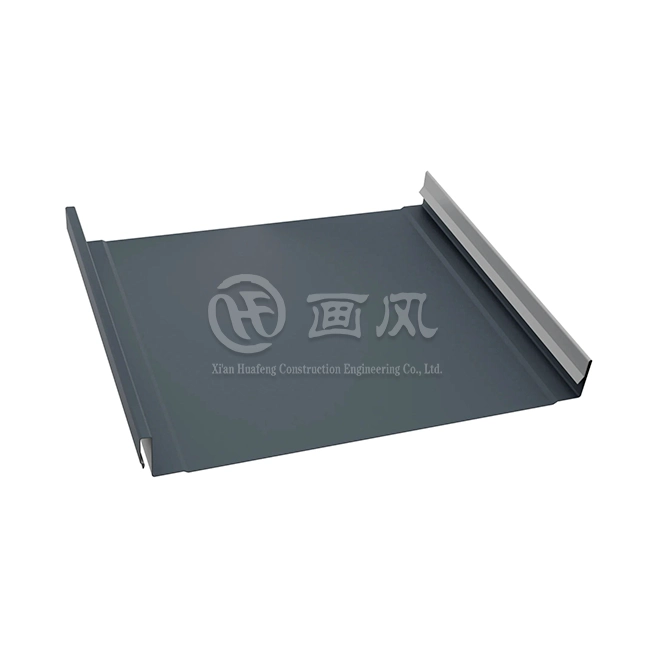
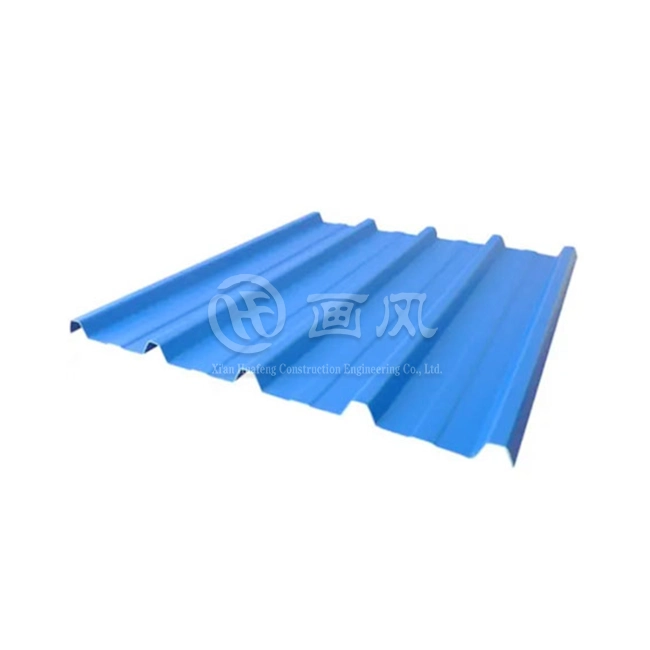
Trapezoidal standing seam metal roofing is made up of metal panels with raised trapezoidal ribs and a longitudinal seam. Hidden clips connect to the purlins or deck and then lock into the seam. The clip floats, which lets the panel move when the weather changes. This keeps the holes for the screws from getting too long and worn out. The trapezoidal shape of the panel gives it more section modulus, which means it can span more purlin spacing than a sheet that is flat or has shallow ribs. A lot of systems that are joined at the seams use sealant sprayed at the mill and a motorized seamer to close the joint. This helps water move away from places with a low slope. It is best to get it in writing because each maker sets its own minimum slope.
The Components Behind the Visible Panel
Putting a roof together is like putting together a puzzle. Not only do you need panels and clips, but you also need insulation, vapor-control layers, ridge caps, valleys, eave closures, flashings, sealants, and penetration accessories. The panel moves snow and wind into the clips, which then send them to the purlins. The ribs move water toward the eave. As you can see, the weight moves easily. If just one little thing goes wrong, like flashing that isn't joined right, a strong panel can leak. People often find leaks at edges and penetrations, so that's where I start when I look over a project.
How It Differs From Exposed-Fastener Trapezoidal Panels
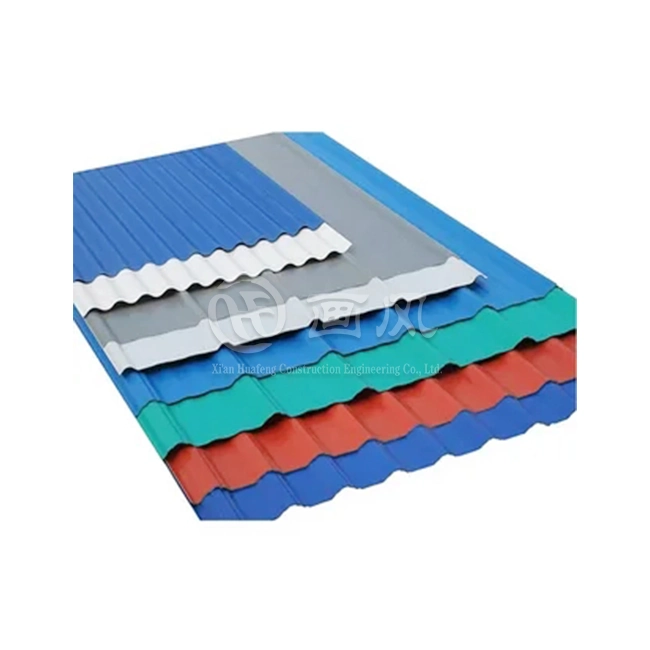
Trapezoidal sheets are usually screwed through the face and closed with nuts. These nuts can get worn down by UV light and changes in temperature. Long panels can also make screw holes bigger as they move. Most of the holes in the surface that faces the water are hidden by the seams of the standing seam panels, which hides the clips. It looks different now that the roof has clean lines instead of rows of fasteners. Crews no longer change or tighten face screws, which is another change. When money is tight, panels with visible bolts can still be used on utility buildings and sheds. But for big business roofs, the hidden method usually works better over time.
Panel Specifications, Materials, and Coatings
Dimensions Come From Drawings, Not Catalogs
From one manufacturer to the next, trapezoidal standing seam metal roofing lengths change. Different manufacturers and projects have different maximum panel lengths, effective cover widths, total widths, rib heights, seam types, and seam types. Any order number will work as a start. Then, match the tolerances, load-span table, and section drawing to the distance between your purlins and the loads that were planned. Also, US teams should ask for models in both metric and imperial units so that both the engineer and the field crew can read the numbers. Longer panels have fewer end laps, but the design has to account for how much they can move and how much heat they can move.
Steel, Aluminum, and Stainless Options
Stainless steel, galvanized steel, Galvalume steel, and galvanized steel are all kinds of steel. You could also use aluminum. ASTM A792 is what galvalume is based on. Numbers like AZ150 mean that both sides have 150 g/m² of aluminum-zinc finish. Steel usually costs less and lasts longer. At the same thickness, aluminum weighs about one-third as much as steel. It doesn't rust in coastal air, but when it gets hot, it expands about twice as much, so the clip and panel length are more important. Stainless steel costs more, but it's better for boxes that have a lot of rust on them. It's not enough to compare metals' prices per square meter. You should also look at how heavy they are, how exposed they are, how much weight they can hold, and how much the whole project will cost.
PE and PVDF Finishes, Warranty, and Test Reports
HF sells coats made of PE and PVDF. PE polyester is good for budgets and moderate exposure. PVDF fluorocarbon, on the other hand, works better in harsh sun, coastal air, or on roofs that people can see through. We stand behind our systems for 30 years. You should read it to learn what it says and how to put it correctly. A PVDF-coated 3003H24 aluminum sheet with an SGS report is in our certificate files. As per AS/NZS 1530.3, six samples did not catch fire, while one report says that all thirteen things passed AAMA 2605-22. Also, make a difference between the two types of builds: insulated sandwich panels have a core that is already bonded, while roofs that are put together on-site add insulation in layers.
Benefits and Comparison With Other Systems
Performance Benefits You Can Measure
Raised ribs make the panel stiffer and help water move through it more quickly. Deep holes are hidden by clips that can't be seen. They don't wear out too quickly because the moving clip lets the panels stretch and shrink along their length. Due to the fact that roll-formed panels always have the same shape, teams don't have to cut and throw away as much material. And when metal is no longer helpful, it can be recycled. Cool-roof coats can keep the sun off of roofs. Be careful, because the results will depend on the materials used, how they are put together, the weather, and how well they are cared for. If the flashing on your roof isn't good, even a good panel will leak.
Comparison With Corrugated, Snap-Lock, and Exposed-Fastener Systems
This kind of paneling is easy to put up and doesn't cost as much up front, but screws and nuts need to be checked every so often. Architectural vertical-leg or snap-lock standing seam panels can also hide fasteners, but they usually need a solid deck. On the other hand, trapezoidal ribs can fit between purlins. If your panels are mechanically sewn together, you can add a closed seam for bad weather and low slopes. When you think about how much they cost over time and how easy they are to fix leaks, hidden systems tend to be better than snap-lock and screw-down systems. Pick a roof that works with what the building is used for. The roof of a farm shed and the roof of a logistics center don't usually need to be the same.
Counting Lifecycle Cost, Not Just Price
A low price per square meter could be hiding extra costs like screws, sealer maintenance, fixing leaks, and finishing before it's ready. A concealed-fastener roof usually costs more. The gap isn't as big when you compare the prices of repair and inspection. Contractors also think about schedule risk, since a roof that isn't put on on time can lead to claims and hold up the exterior and internal trades. Everyone who bids should be given the same prices for things like panel thickness, coating, clips, accessories, packing, shipping, and other things. Next, check each line of the totals to see which ones are different. It is clear from each price what it does not cover, how long it will take (15–20 days), and how much it costs (500 m²).
Applications and System Selection
Warehouses, Factories, and Large Commercial Roofs
When the footprint is big and the span is long, trapezoidal standing seam metal roofing works well. In workshops, warehouses, delivery centers, offices, stores, and warehouses, this stuff is used. After engineers check the lengths, building costs can be lowered by putting purlins farther apart. Also, quick panel installation keeps them out of the weather longer. People who live in places that get hurricanes or typhoons can use panels with mechanical seams to protect themselves from the wind. All of them need uplift data that has been tried, though. In the US, engineers use ASCE 7 to figure out wind loads and ASTM E1592 or UL 580 data to make sure systems are safe.
Agricultural, Institutional, Reroofing, and Solar Projects
In farm stores and animal buildings, ventilation needs to be planned because chemicals and condensation can damage coats. Schools, sports facilities, and public buildings often need long-term maintenance plans and proof that they are following the rules. Before you put a new roof on an old low-slope roof, you should check the foundation, drainage, and strength of the structure. For solar panels, clamp-style mounts that grip the seam keep the roof from being broken. But both the roof manufacturer and a structural engineer should agree on the type of clamp and how it is set up. Our team can look at the shape of the seam to make sure it works with clamps before you move forward.
Choosing the Right System Step by Step
Some good places to start are with the type of building, the roof slope, the purlin spacing, the temperature, the wind and snow loads, the exposure, and the expected service life. Next, look at how much each metal and covering costs, how heavy they are, and how likely they are to rust. Then look at the rib shape, seam type, clip design, allowed lengths, uplift and water-tightness data, the amount of insulation needed, and how well the building fights fire. If the job calls for them, get ASTM E1646 results for air leaks and ASTM E1680 results for water leaks. Finally, talk about the warranty, any extras, shipping, packaging, and getting help with installation. You can change the style, color, and design on HF, so let them know right away what you need.
Installation, Maintenance, and Supplier Evaluation
Installation Sequence From Inspection to Quality Control
Before they start work, crews should check the structure's alignment, purlin spacing, slope, drainage paths, amount of materials, and condition upon delivery. Make sure the panels are dry, level, and have good air flow so water doesn't get stuck between them. This is the most important part of putting up the roof: be careful when you do it. Make sure the clips are spaced out correctly and are not too tight. Next, join and sew each panel together. Last but not least, finish the valleys, penetrations, ridge caps, eave and roof flashings, and eaves. I think it's best to take pictures of every step of a business project. These pictures can then be used to fill out the acceptance file.
Inspection, Maintenance, and Repair
Check the roof every once in a while and after bad weather. Make sure the valleys and gutters are open and free of leaves and other junk. Also, look out for loose flashings, failed sealants, scratched coats, rust at the edges of cuts, and panels that have been skewed by foot traffic. Rub things down with rough things instead of water and mild soap. Figure out what's leaking: the panel, the seam, the clip, the flashing, the substrate, or the drains. Sealant for the surface doesn't always work by itself. If the harm is bad, you should get the maker or an experienced contractor to help you match the base, coating, and accessories.
Evaluating a Manufacturer or Supplier
In addition to copies and product data sheets, you should ask for load-span tables, wind-uplift data, installation guides, warranty text, quality records, samples, and copies of the products. Then look at things like capacity, lead time, export packaging, communication between technical staff, and projects that are like the one you're working on. HF was set up in Shaanxi in 2018. As well as a 200,000 m² plant in Anhui for raw materials, it also has production plants in Hangzhou and Xi'an. We are a high-tech company in Shaanxi and have more than 20 patents for roofing systems. We are approved by ISO 9001 and ISO 14001 and are known for them.
A Specification Checklist and Logistics Plan
Use a different list for each buyer. Some of the things that make up a product are the thickness, color, coating, cover width, rib sizes, clip setup, allowable spans, and design loads. Flashings, seals, sealants, insulation, and air control are some of the things that are used for fitting. Valid quotes, minimum order quantities (MOQs), production schedules, container loading, Incoterms, inspection documents, and warranties are all things that are used in business. Agree on how the payments will be made and how the packages will be split up before you sign. For example, you could agree on a fee and regular payments. It costs a lot less to put gaps here than on site.
Conclusion
Trapezoidal standing seam metal roofing has hidden floating clips and a stiff trapezoidal rib. So, the roof is strong over a big area, it drains well, and it can move with the temperature without the need for face screws. The report showed that how well the panels, clips, flashings, insulation, and they were put together as a whole affect how well they work. Steel is the best choice because it is strong and doesn't cost much. When it comes to weight and ocean exposure, aluminum is better. When it comes to exposure, PE or PVDF coatings are better. Most of the time, the hidden system costs more than corrugated, snap-lock, and exposed-fastener panels, but it can lower the risk of leaks and need less maintenance. Re-roofing, solar projects, warehouses, factories, agricultural buildings, and testing loads and data are all things that it can be used for. Buyers can get the best deal when they compare sellers based on drawings, test reports, warranty terms, and shipping times.
FAQ
1. How does it differ from exposed-fastener trapezoidal roofing?
More screw holes don't have to go through the surface of standing seam panels because the clips are hidden under the seam. Washers that are used on panels with fasteners that are visible wear out over time.
2. Should I choose steel or aluminum?
Steel is less expensive and harder than other things. When you live near the coast, aluminum doesn't rust and is lighter. You should pick a metal that fits your price, loads, and exposure.
3. Do you offer insulation and customization?
Most systems that are put together on-site have insulation added as a separate layer. Send us your needs, and we'll make sure the build goes well. The style, color, and pattern are changed.
4. What are the MOQ and lead time?
You have to buy at least 500 m², and it takes 15–20 days to deliver. How much it costs in the end will depend on the job and the plan.
5. How much maintenance does the roof need?
Check it often and after bad weather. Take the trash and gutters out and check the flashings and seals.
Request a Quote for Trapezoidal Standing Seam Metal Roofing From HF
When you need trapezoidal standing seam metal roofing, do you need a company that can work with your schedule? Get in touch with our HF roofing experts to talk about custom trapezoidal standing seam roof panels, bulk orders, OEM needs, and ways to ship to other countries. We'll deliver it in 15–20 days if you buy 500 m² or more, and we can finish it in PE or PVDF. Send your ideas and roof area to huafeng@hfmetalroof.com by email, or visit hfmetalroof.com to learn more.
References
1. ASTM International, ASTM E1592: Standard Test Method for Structural Performance of Sheet Metal Roof and Siding Systems by Uniform Static Air Pressure Difference, 2017
2. ASTM International, ASTM E1646: Standard Test Method for Water Penetration of Exterior Metal Roof Panel Systems by Uniform Static Air Pressure Difference, 2017
3. ASTM International, ASTM A792/A792M: Standard Specification for Steel Sheet, 55% Aluminum-Zinc Alloy-Coated by the Hot-Dip Process, 2015
4. American Architectural Manufacturers Association, AAMA 2605: Voluntary Specification, Performance Requirements and Test Procedures for Superior Performing Organic Coatings on Aluminum Extrusions and Panels, 2022
5. American Society of Civil Engineers, ASCE/SEI 7: Minimum Design Loads and Associated Criteria for Buildings and Other Structures, 2022
6. Underwriters Laboratories, UL 580: Standard for Tests for Uplift Resistance of Roof Assemblies, 2006





YOU MAY LIKE
_1769761215912.webp "Ventilation noise reduction net")
_1757558889992.webp "Metal Roofing Snowguards")