Why Does a Standing Seam Pitched Metal Roof Resist Leaks?
2026-11-18 17:57:45
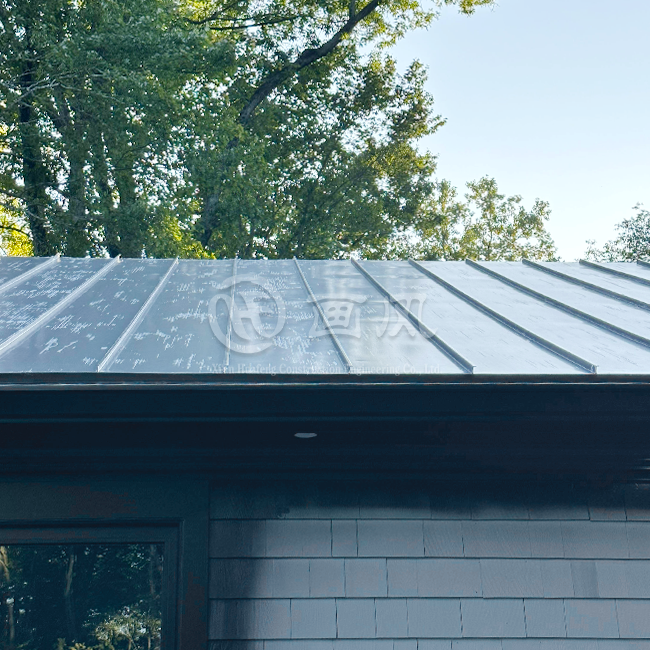
A standing seam pitched metal roof resists leaks because its raised seams sit above the water path, and its concealed clips remove screw holes from the exposed panel surface. Long panels cut down horizontal joints, and a slope of 3:12 or steeper moves water to the gutters quickly. Mechanical or snap-lock seams then close each joint along the full panel length. No roof is completely leak-proof, though. Flashing, underlayment, clip spacing, and workmanship decide how well the system performs. In this guide, I explain how each part works, and I share what contractors and distributors should check before placing an order.

How Standing Seam Design Keeps Water Out
What Is a Standing Seam Pitched Metal Roof?
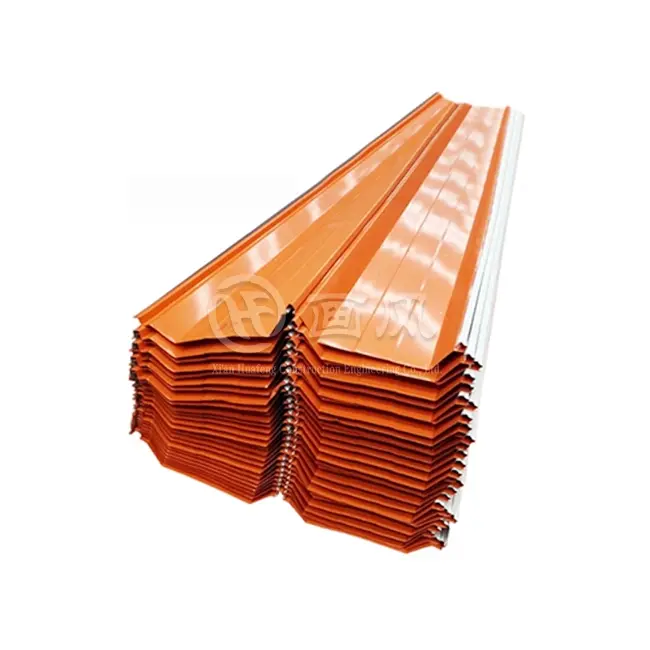
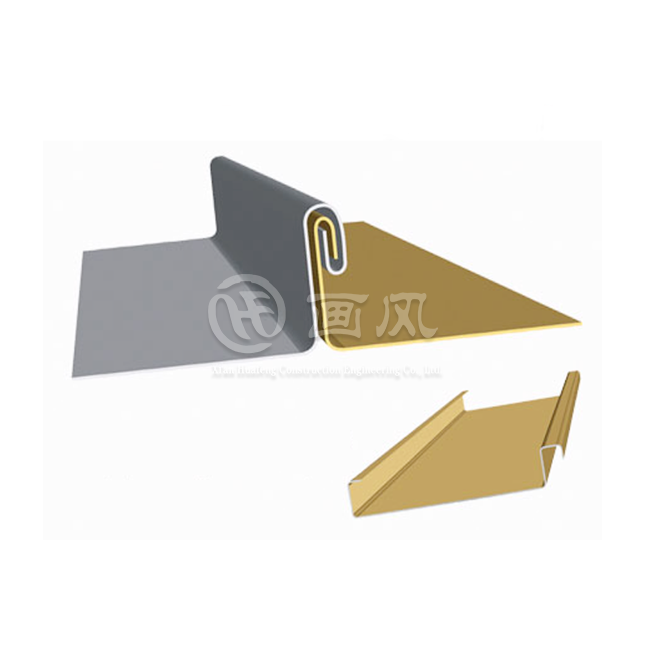
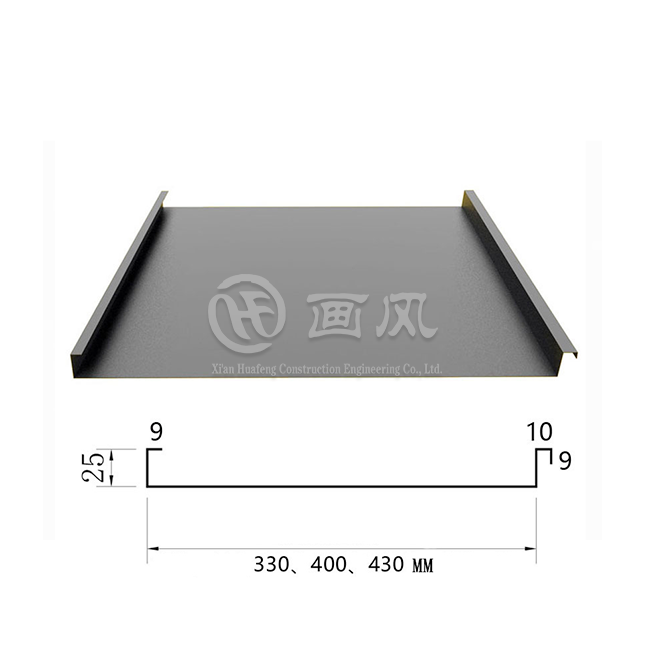
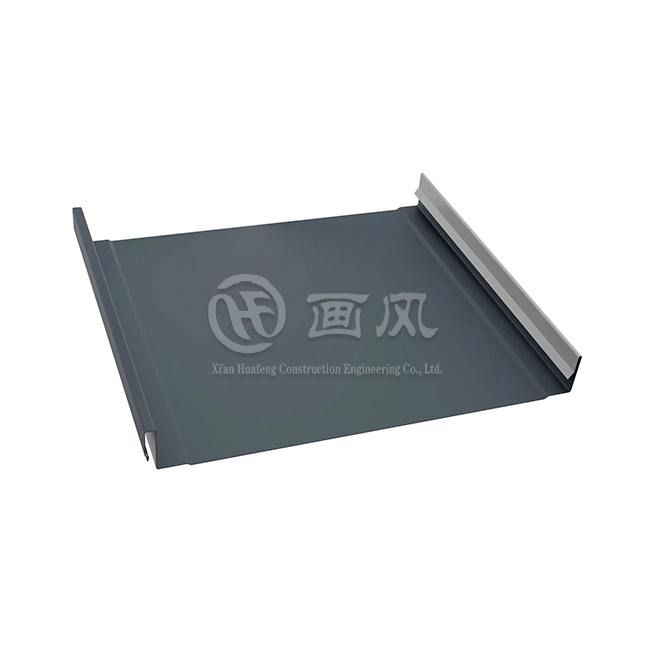
To make a standing seam pitched metal roof, long metal panels are laid out on top of a roof deck that has already been cut out. There is a high vertical rib on each side of each panel. When two ribs next to each other meet, they form a seam that makes the flat pan stand out and lets water flow through it. The panel is held in place by secret clips, so there are no screw heads showing in the field. There is also underlayment, closures, ridge caps, valleys, and flashing as part of the whole system. Home, church, building, and factory roofs all have this style. HF sells standing seam pitched metal roofs with rib heights of 25 mm to 65 mm, or about 1 to 2.5 inches.
Concealed Clips and Raised Seams
Panels with visible fixings use screws with rubber washers on them. Being out in the sun and heat for a long time can make them lose. Standing seam pitched metal roofs get rid of that weak spot. They screw clips to the deck or purlin under the edge of the panel and put them on. The clips are then shown in the next panel. The joint is higher than the pan because the seam is raised. This means moving water has to go up before it can get to the lock. They always tell me the same thing: fewer holes mean less harm to fix after a storm. Snap-lock seams work well for many home slopes. Mechanical seaming makes the lock stronger for designs that get a lot of wind or have a low slope.
Long Panels and Positive Drainage
That's right, panels can go from ridge to eave in one piece. But how they are shipped and handled is a big part of what limits this. That stops the horizontal end slips that short panels often have that lead to leaks. The smooth pan and tall ribs move water toward the gutter. Slope is important here. This is about 14 degrees, and a 3:12 pitch is often used to show a rise that's not too steep. Always look at the published minimum to make sure it fits your needs. It takes dirt and water less time to find a weak spot when the pitch is tougher. You can also change the ribs' height to suit your wind and drainage needs.
How Standing Seam Roofs Are Built for Leak Resistance
Deck, Underlayment, and Ice Protection
Stopping leaks starts below the metal. It is important that the deck is flat, dry, and strong enough to hold the planned loads. A rough surface can also make waviness, which is also called "oil canning," that can be seen. Standing seam pitched metal roofs show flaws in the deck. It's like making things safer by one more level. Because metal roofs can get hot, builders often choose high-temperature underlayment. The International Residential Code says that there must be an ice barrier along the eaves of places where ice often forms. To make sure they can make the right choice, installers should look at the local code before they order accessories. If you set up the deck correctly, the clips will be able to sit flat. This will keep the lines straight all the way along the run.
Clip Spacing, Thermal Movement, and Seaming
It's held in place by clips when the wind blows, but they also let it move. When metal is hot or cold, it moves. Over 100°F, a 40-foot aluminum panel grows about 5/8 inch, and a 40-foot steel panel grows about 5/16 inch. It's taken care of by floating clips, which keep the seam from getting stressed. The span, panel width, wind load, and snow load all affect how far apart the clips should be. The last number should depend on how the plan was made, but most ranges are between 300 mm and 1,500 mm. Gaps or clips that are too tight can make it impossible to move, damage the lock, and let water in.
Flashings and Penetrations
Most leaks don't start across the open panel; they start in the small stuff. Flashing that is shaped to fit the panel's profile is needed for valleys, eaves, rakes, ridges, sidewalls, and roof penetrations. This is what you need for solar mounts, skylights, vents, HVAC units, and HVAC units. Roof mounts called seam-clamps keep the rib in place without cutting into the pan. This keeps the wall against water in place. As sealants get older, I think they should only be used as a last resort. It's important to do a lot of the work by hand and in the right order. Standing seam pitched metal roofs and fittings are both sold by HF, so you can get the profile and the trim from the same place. Cuts and fits in the field will be less likely to go wrong that way.
Profiles, Materials, and Comparisons
Profiles and Materials
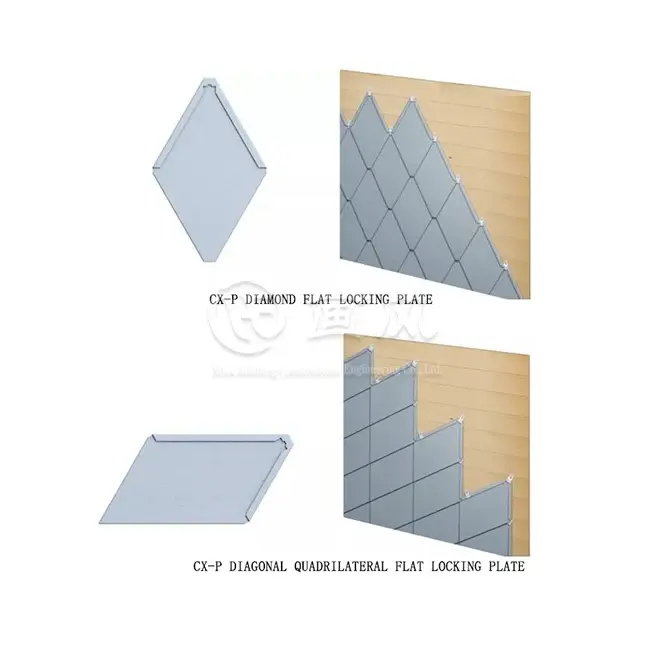
Most of the time, people want snap-lock, manually seamed, nail-strip, or structural shapes. Aluminum, zinc, copper, stainless steel, and steel that has been treated with galvalume are all base metals. Steel is less expensive and stronger. People who live near the coast often choose aluminum because it doesn't rust. Copper and zinc look good in fancy buildings. The metal is important, but the finish is even more important. People choose PVDF coats—often sold under the name Kynar 500—because they don't fade in UV light. The AAMA 2605 standard is the best way to make sure that organic coats on standing seam pitched metal roofs work well. Choose the type of exposure, such as direct sunlight, salty sea air, high humidity, or air from a factory. Next, don't just compare prices; also look at thickness, coating, warranty, and test results.
HF Standing Seam Pitched Roof Specifications
HF has standing seam pitched metal roofs with profile numbers 25-330/400/430, 32-410, 45-400, and 65-400/430. The rib height and cover width are given in millimeters for each code. It's between 0.4 mm and 1.2 mm thick. To give you an idea, 22-gauge steel is about 0.76 mm thick and 24-gauge steel is about 0.6 mm thick. You can treat the surface with PVDF and PE, and there are a lot of RAL and Pantone colors to choose from. In production, rules such as ASTM, DIN, JIS, BS, and GB/T are used. A lot of buyers are worried when the same batch has different colors. Once you're happy with a color sample, I think you should order all the panels for one roof at once.
Standing Seam vs. Other Roofing Systems
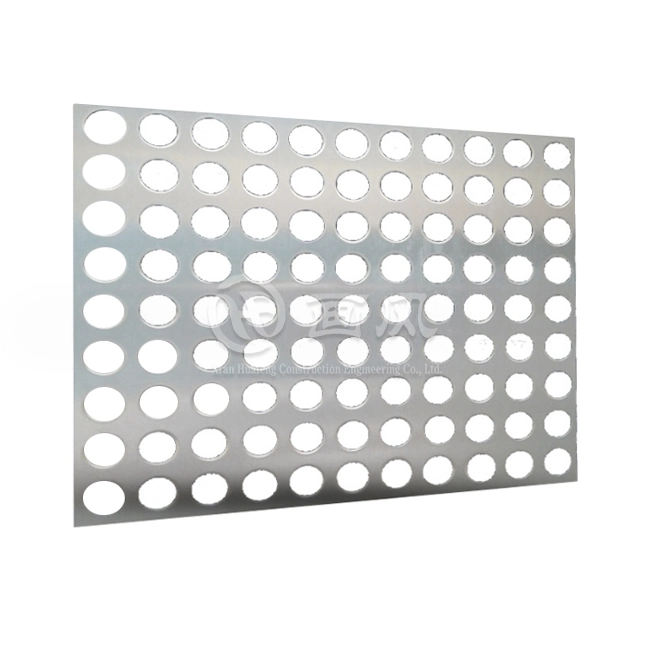
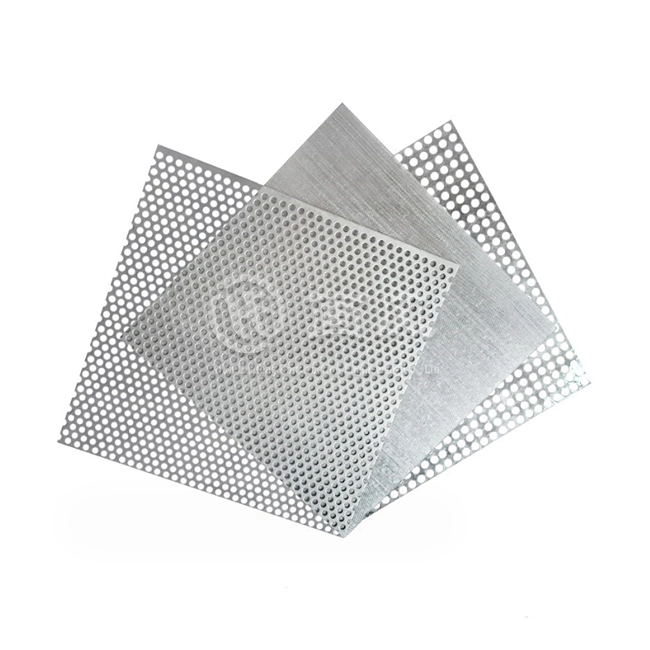
Compared to asphalt shingles, standing seam pitched metal roofs typically last longer and require less regular maintenance. Some perforated panels have a lot more holes in the roof field than this one does. This helps with both the look and stopping leaks. Tile makes it harder to place things and adds weight. With standing seam pitched metal roofs, the contractor has to do more as well. Crews need to be trained, have the right tools for seaming, and have a plan for how to deal with fixes, changes in temperature, and damp. Customers who buy an HF standing seam pitched roof should make sure they get a written copy of the rules for each job. The warranty lasts for 30 years. With lots of open space, church and home roofs with clean lines also look good.
Slope, Installation, and Maintenance
Low-Slope Suitability
Some shapes with a standing seam pitched metal roof can be used below 3:12, but only if the person who made the item agrees with the exact profile, seam, and details. Architectural panels that snap together and systems that are mechanically seamed to buildings work in different ways. The designers should check to see if a house has any slopes, gutters, places to hold snow, ice dams, or other places where water could gather. It might be that a membrane roof keeps water out better in this case. As a roofer, I tell people who have pitched roofs at church or home, stay at or above the required slope that is mentioned and keep written permission on file. A good roof engineer should also check the building rules in the area, the shape of the base, and how much wind and snow fall.
Installation Checklist
A good list should include the accepted shape, metal thickness, finish, accessories, deck condition, underlayment, clip layout, panel alignment, seam closing, flashing order, and the state of the deck. People often worry that the seamer won't be able to use the right tool for the job. Before the roofers start working, check the lock on a piece that was cut off. Please make sure that enough people are present to carry the long standing seam pitched metal roofs without damaging them when they arrive. Packaging that doesn't bend is important because a rib that is bent won't close right. Make sure the panels stay dry when you store them and that the trim's lengths and colors match the order.
Maintenance and Leak Repair
Every year to every two years and after big storms, each owner should check the roof's seams, penetrations, slopes, gutters, trim, and protection. Clear the drains of any snow, leaves, or sticks that are in the way. As long as you don't loosen any exposed fasteners on a standing seam pitched metal roof, it doesn't need much upkeep. You need to find the source of a leak if you see one. Most of the time, an inside stain is not near where the door opens. Often, it's because the pipe boots don't work, the flashing is broken, the trim is too loose, or the sealant doesn't stick to metal. Change the broken part instead of adding more sealer. If the repair is hard or covered by a warranty, only let someone who is trained do it.
Cost and Supplier Selection
What Drives Standing Seam Pricing
Prices depend on the metal type, its thickness, coating, profile, seam type, roof size, slope, geometry, flashing complexity, labor, delivery, and the rules set by the building code. A simple square roof costs less than a roof with slopes, dormers, skylights, and HVAC curbs. Ocean freight and duties can change the landed cost, so quotes should say how the goods will be delivered and whether duties are included. You should ask for separate lines for the materials, the extras, the shipping, and the packaging for your standing seam pitched metal roof. So it's fair to look at two deals side by side and see which one has clips and trim. A low panel price can go away when missing parts are added.
What to Include in an RFQ
A clear request for price cuts down on the time it takes to get quotes. Include the standing seam pitched metal roof profile, thickness, base metal, finish and color code, panel lengths, numbers, wind and snow requirements, location, packing needs, and date of delivery. Let me know right away if you need test data. When the air pressure stays the same, ASTM E1646 checks how much water gets through roof panel systems. The ASTM E1592 standard checks how well a building works when the air pressure inside it stays the same. Make sure the form, thickness, and layout of the clips match what's written in the report.
Choosing a Manufacturer or Supplier
Since 2018, the Xi'an Huafeng Construction Engineering Co., Ltd. company has been in business in Shaanxi, China. It plans standing seam pitched metal roofs, makes them, sells them, and puts them up. HF has more than forty machines and seven production lines spread out over three factories. They can give you 1,000 tons every month. Most of the time, shipping takes 15 to 20 days. You can buy as little as 500 square meters, which is about 1 ton. For contractors in the area who buy by the job, this is a good place to start. They use the ISO 9001 quality system and have been granted more than 20 patents for roofing systems. Ask each provider about their lead times, how they package their products, and how they set up the trimming. Don't just look at prices.
Conclusion
A standing seam pitched metal roof doesn't leak because it has long panels, raised interlocking seams, hidden clips, and flashing that is made to fit the shape. They cut down on the number of open penetrations, but the effects are still decided by the details at valleys, penetrations, and changes. Some of the things that affect performance are the fully sealed seam, the clip spacing, the thermal movement, and the prepared deck. If you check the work often, you can keep small problems from getting worse. When people compare prices, they should look at the test results, coating, thickness, and material all at the same time. They should also look at the delivered price, which includes all the extras, to figure out how much it costs. It works best when the supplier has clear specs, firm wait times, and colors that are always the same.
FAQ
1. Can a standing seam pitched metal roof still leak?
Yes. More often than not, leaks start in holes, valleys, transitions, or mistakes made during installation, not in the middle of a standing seam pitched metal roof panel that is still whole. The risk is lower if you use the right flashing and close all the seams.
2. What slope does a standing seam roof need?
A lot of standing seam pitched metal roofs start at 3:12. Before you place your order, check that the exact profile's minimum slope is correct.
3. Should I choose PVDF or PE?
PVDF is used because it doesn't fade in UV light. PE is best for projects when money is tight. Each finish for standing seam pitched metal roofs is in stock at HF.
4. What are HF's minimum order and lead time?
One ton, or 500 square meters, is what you need to order for a standing seam pitched metal roof. It will be sent to you in 15 to 20 days. Always look over the details of each sale.
Request a Standing Seam Pitched Metal Roof Quote from HF
Want a company that can deliver standing seam pitched metal roofs in 15 to 20 days, has PVDF or PE finishes, RAL and Pantone colors, and rib shapes that are 25 to 65 mm wide? Send HF an email at huafeng@hfmetalroof.com with your plans, how many of each item you need, and where you want the goods sent. We'll send you a line-item price and some examples of what you can choose from. Check out hfmetalroof.com to see what features and extras it has.
References
1. National Roofing Contractors Association, The NRCA Roofing Manual: Metal Panel and SPF Roof Systems, 2019
2. Sheet Metal and Air Conditioning Contractors' National Association, Architectural Sheet Metal Manual, 7th Edition, 2012
3. International Code Council, International Building Code, 2021
4. ASTM International, ASTM E1592 Standard Test Method for Structural Performance of Sheet Metal Roof and Siding Systems by Uniform Static Air Pressure Difference, 2017
5. ASTM International, ASTM E1646 Standard Test Method for Water Penetration of Exterior Metal Roof Panel Systems by Uniform Static Air Pressure Difference, 2017
6. American Architectural Manufacturers Association, AAMA 2605 Voluntary Specification for Superior Performing Organic Coatings on Aluminum Extrusions and Panels, 2022





YOU MAY LIKE