From Specs to Supply: 1 Inch Standing Seam Metal Roofing OEM Guide
2026-11-18 17:57:43
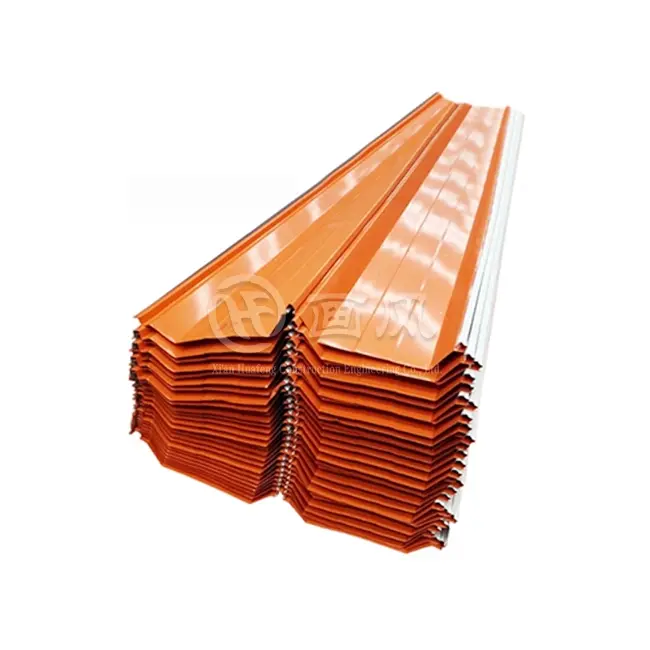
A clear path from specs to supply starts with a firm definition of 1 inch standing seam metal roofing. It is a concealed-fastener panel system with a 25.4 mm (1 inch) nominal rib, joined by clips and locked seams. A sound OEM process runs in order. Confirm the profile, metal, and coating. Verify test documents. Calculate material and landed cost. Approve samples before production. At HF, we supply this profile in 0.5–1.2 mm thickness, with PVDF or PE finishes, RAL colors, and a minimum order of 500 square meters or 1 ton. This guide shows what to check at each step.

What Is 1 Inch Standing Seam Metal Roofing and Where Does It Fit?
How the Profile Works
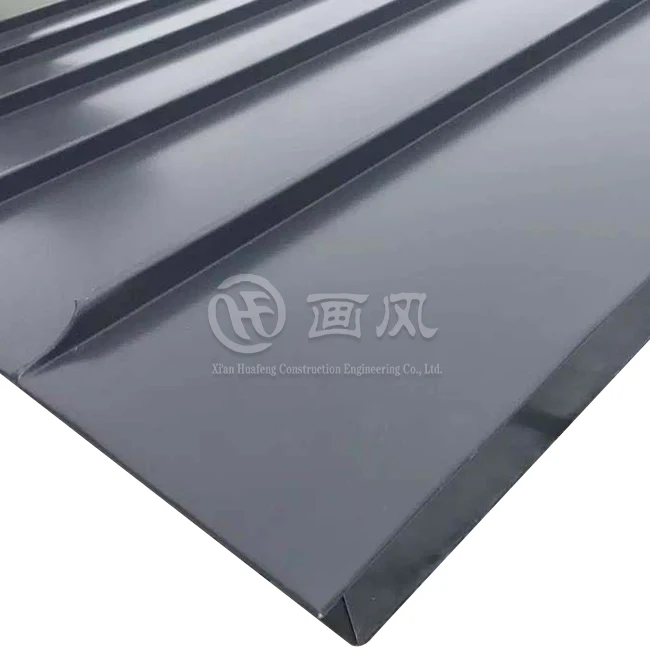
Most of the time, "1 inch" means the normal height of the vertical rib. There is a flat pan, two seam legs, and a locking edge on every piece of wood. There are clips on the ends of the panels that hold them to the deck. This keeps the screws from getting wet. To close a snap-lock profile, you can use your hand. Auto-seamed profiles have legs that are rolled shut by a machine. The HF product data says that hidden sliding clips allow the metal to change size based on temperature. A lot of pieces are cut down to 12 m or less in length to make them easy to move. Check to see what your crew's tools can do to lock up.
Common Applications
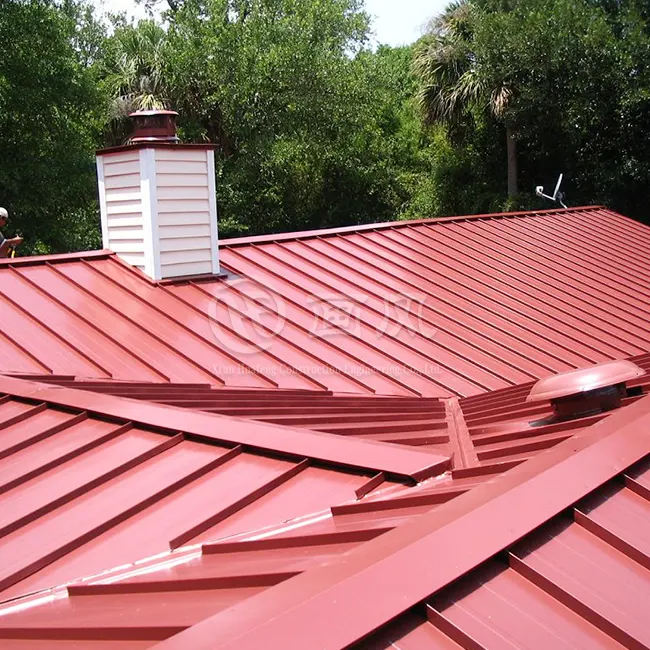
In the US and Canada, this profile is common on home fascias, small business fascias, canopies, and mansard sections. The low rib makes a clean shadow line on small structures. It can be bought at HF for use on factory roofs, public buildings, business buildings, and home renovations that need a flat, modern eave. Part of the reason distributors buy it is for private-label programs. A 1 inch standing seam metal roofing rib can hold clamps that don't go through the material, which is another use for sun projects. Before you order the clamps, make sure that the shape of the seam fits with the person who makes them.
Benefits and Limits
One of the best things about it is that it doesn't show any signs of being closed or weather-damaged. There is no wear and tear on panels that are screwed down over time with secret closures. Also, the limits are real. To put it together, you need flat decks, carefully placed clips, and seams that are fully engaged. It costs more at first than asphalt tiles and panels with open fasteners. For the system to work, it's also important that the parts fit together well. This means that all of the panels, clips, edges, and ends should be made to the same standard. An engineer needs to look at low-slope jobs because some designs are 1.5 or 2 inches bigger than a 1 inch rib. I don't want to avoid the profile because of these limits; I see them as signs.
1 Inch Standing Seam Metal Roofing Specifications and Materials
Core Dimensions to Confirm
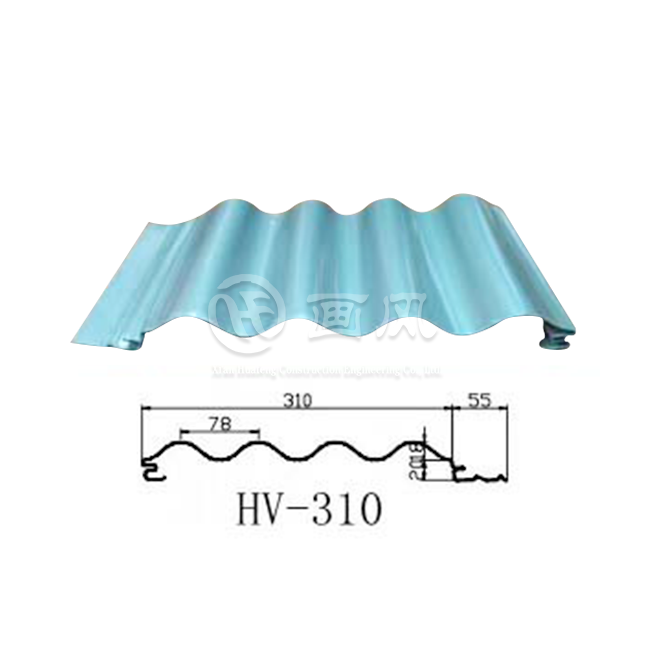
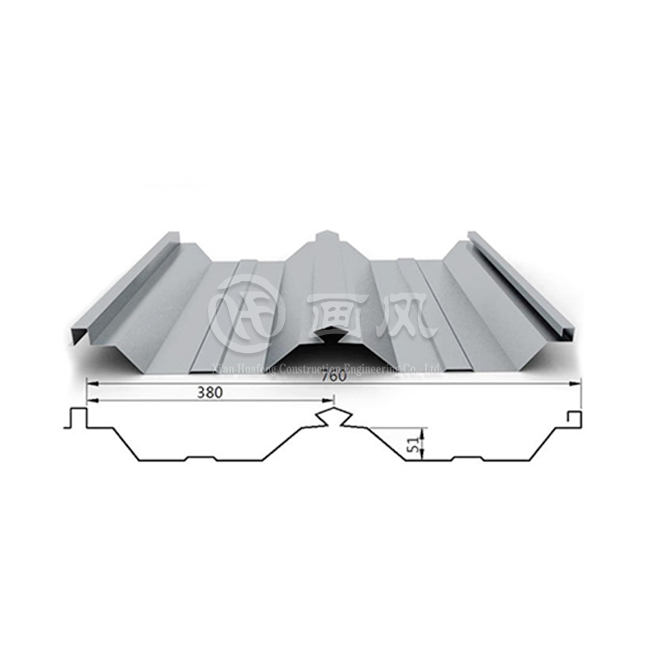
Check all the measurements, not just the hip height, before you sign off on a price. HF lists a 25.4 mm rib, 300 to 600 mm (12 to 24 inches) panel sizes, unique lengths of up to 12 m, and 0.5 to 1.2 mm (0.020 to 0.047 inch) thicknesses. This is our profile number range: 25-330, 25-400, and 25-430. Ask for the outline picture to be sure of how wide each code covers. Ask in writing for the shape of the seams, the distance between the ribs, and the maximum length. The length tolerance affects how well the ridge and eave fit together, so choose a good range before you start making the boards.
Gauge, Metal, and Coating
Because they depend on the metal and coating, gage numbers aren't always correct. A better way to compare is to use decimal thickness. Find out how thick it really is, how strong it is, and what class it is. Steels like copper, aluminum, covered steel, and stainless steel are all in this group. Most of the time, HF chooses between 0.5 mm steel and 0.7 mm aluminum. Paint from RAL or your own choice is used to paint the surface with PVDF or PE paint. When the project will be in direct sunlight or near the coast, PVDF is best. When the project will be in cooler weather, PE is better. Aluminum plates that are close to salt water need clips made of stainless steel or a material that doesn't rust when mixed with it. Always buy one coil lot at a time for a job and make sure you like a color sample first. 1 inch standing seam metal roofing follows the rules set by ASTM, DIN, JIS, BS, and GB/T.
Standards and Test Documents
All 13 of the items in our SGS reports on PVDF-coated aluminum passed an AAMA 2605-22 coating test with a score of 0.3 for color consistency. A separate SGS report under AS/NZS 1530.3 says that there was no spark, flame spread, or heat release, and none of the six samples caught fire. Ten chemicals aren't allowed, according to a RoHS study. You can use these reports to find samples like 3003H24 aluminum that are like the ones you have. People in the US should also ask for ASTM E1592 or UL 580 reports that show wind uplift data for their specific setup. Check the area number first before you bid.
Installing and Comparing 1 Inch Standing Seam Metal Roofing
Installation Planning
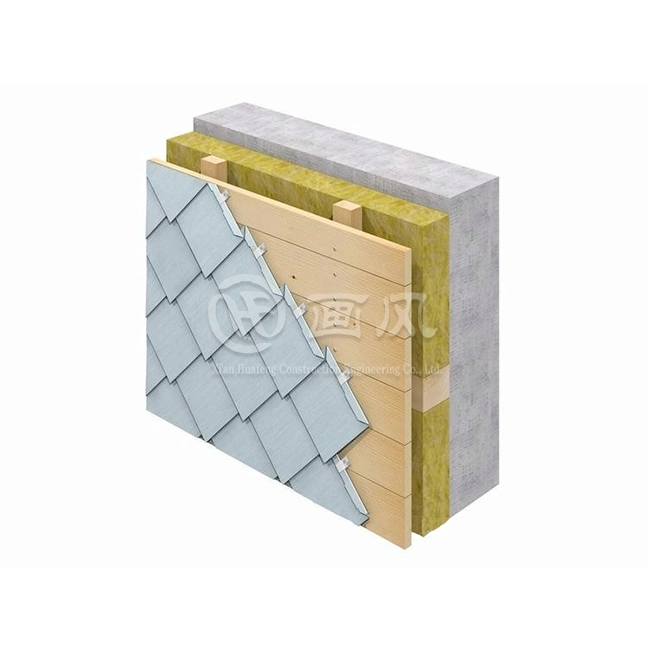
A good fit starts before the panels get there. Read the building rules in your area to make sure that the flooring, insulation, vapor control, ventilation, and slope of the roof all meet the standards. The HF product's specs say that the design slope should be at least 5 degrees so that water can drain. In North America, a lot of snap-lock profiles call for 3:12, which is about 14 degrees. If test results point to a lower number, use the tighter one. Put in fixed and floating clips based on the engineer's plan. How far apart they are will depend on how long the panel is, where the wind blows, and how the temperature changes. Every piece should be lined up, the seam should be fully engaged, and the coating should not be scratched. Make sure that the ridge, eave, valley, entry, and snow guard all work together as a single unit.
Wind, Energy, and Durability
The whole system, not just one panel, is responsible for how well the roof works. How much wind uplift there is depends on the metal, the design of the seams, the distance between the clips, the strength of the fasteners, the type of deck, and the condition of the edges. How long something lasts depends on how good the finish is and what else is used with it. A part that doesn't belong with the panel may rust before the panel itself. HF has PVDF finishes that don't fade in UV light and a promise that lasts for 30 years. They are written in the guaranty terms. Colors that reflect light lower the amount of heat that comes from the sun. But air barriers, insulation, and movement are just as important when it comes to energy. It is kept up with light maintenance. Once a year, clean up any trash on the roof and look for holes and drains. After a big storm, give it another look.
Compared With Other Roof Systems
The height difference between panels with exposed fasteners and taller systems that are mechanically seamed is 1 inch. These panels with exposed fasteners are less expensive and work well for utility and farm buildings. However, you need to check the screws and washers every so often. The ribs are stiffer and higher when the profiles are more than 1.5 inches wide. The expert might say that works well on shorter slopes, longer spans, or when there is a lot of snow. Iron shingles cost more than asphalt shingles at first, but they last longer. Panels may be better for long-term projects because they cost less overall. Pick the 1 inch standing seam metal roofing profile if you want a low line, a modern flat eave, or to use tools that your crew already has.
Choosing, Pricing, and Sourcing 1 Inch Standing Seam Metal Roofing
Selecting the Right Specification
Start with the type of building, the weather, how much snow and wind it gets, the amount of rust, and the fire safety rules. Then, use the technical data to choose the metal, thickness, coating, clip type, and way of attaching. Before you give a score, look at their paperwork, testing, capacity, tools, quality control, lead time, MOQ, packaging, warranty, and customer service. On a scorecard, the choice is based on how valuable the system is as a whole, not on the price. If you need to replace panels or the roof, make sure that the new 1 inch standing seam metal roofing panels have the same seam shape and clip type as the old ones. Keep some types on hand that your workers already know how to use so they don't have to cut and make changes on the job site.
Cost and Material Calculation
Base metal, coating, roll-forming, clips, fasteners, trims, packing, freight, duties, taxes, tests, labor, and more are all things that should be in a fair budget. Start with the roof area to get a number. After making those changes, add a waste allowance and check the end conditions, coverage width, panel length, valleys, hips, penetrations, and hips. For the material-only, delivered, and installed prices, ask for separate lines with the terms EXW, FOB, CIF, or DDP. Tell your customs broker about your goods if you want to know how they will be taxed. The minimum order quantity (MOQ) for HF is 500 square meters, which is 5,380 square feet, or 1 ton. Check the number against the size of your project before you ask for a quote.
What an OEM-Capable Manufacturer Offers
Make sure the person selling the items actually owns them and can back that up. The three factories that HF owns have more than 40 machines and seven service lines. In Anhui, there is a plant for raw materials that is 200,000 square meters big. It is possible to handle things in Hangzhou and Xi'an. One thousand tons can be delivered every month, and the delivery time is said to be fifteen to twenty days. Thanks to color sealing, cutting, and punching lines, we can control the coil, the color, and the shape all from one system. Because we care about quality, we follow ISO 9001 and ISO 14001, and we have more than 20 patents for roofs. We can talk about packing, colors, and technical specs that are made just for OEM and private-label programs.
Qualifying a Supplier Before Volume Orders
This is what you should ask: about the company, test results, warranty terms, references, records of logistics, coating reports, profile drawings, installation manuals, and copies of the company's paperwork. It's safer to do a controlled sample order or plant check before making a lot of things. Panels, clips, and trims that you get from different stores might not fit together. One OEM partner can handle all of the rules for parts, packing, repairs, and repeat sales. This helps with processing damage claims and making plans for stock. Start with a pilot order to see how well your seams fit, how well the colors match, and how fast you can work.
OEM Workflow, Common Mistakes, and Buyer Checklist
From RFQ to Shipment
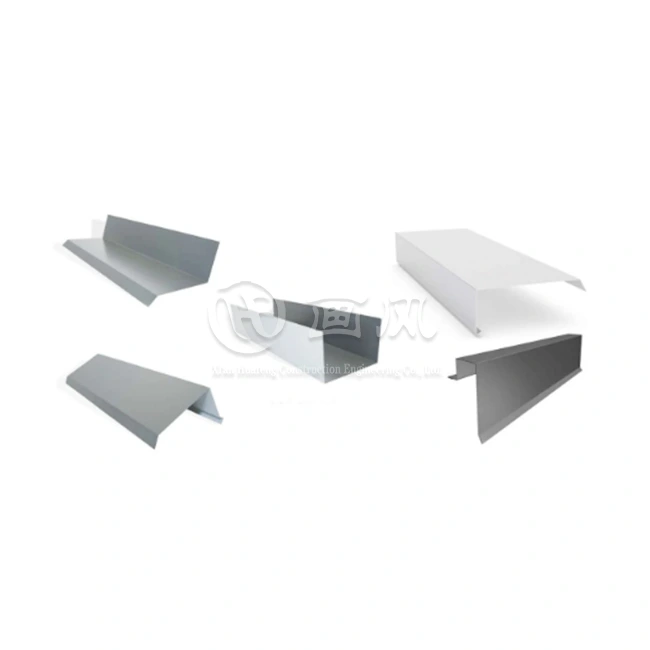
Along with the location of the project, roof drawings, profile, metal, coating, color, quantity, accessories, performance needs, packaging, and delivery terms, a good RFQ calls out these things. After that, you should accept samples and drawings and then try out prototype panels with clips and trims. Specifications, inspection standards, quantities, Incoterms, wait time, payment, guarantee, and claims steps should all be written down in the contract. During production, check the incoming coils, profile measures, state of the coating, panel length, seam shape, and packing. Ask for details about the packaging that won't bend or damage the edges. After the shipment, check the papers, look them over when they get there, and write down the batch and color codes for future orders.
Common Mistakes
The first mistake is thinking that "1 inch" means the whole thing. It's also important to make sure that the test results, coating, clips, and profile shape are correct. The second thing is that buyers normally use clip-spacing tables instead of layouts that have been designed. Third, they don't test the clips, latches, and trims from different brands to see if they work with each other. Long panels need to be able to move thermally, and the clip points need to be able to move and stay in place. Make sure that all of the quotes are the same when it comes to added costs, testing, packing, freight, and taxes before you compare prices. One last thing is that many buyers forget about batch records, color codes, and replacements until they need them. Those things should be in the deal for 1 inch standing seam metal roofing.
Final Buyer Checklist
Before giving the go-ahead, do this check. When it comes to the details, check the seam height, full profile drawing, covering width, panel length, real thickness, color, clip type, coating, and accessories. On the business side, make sure you agree to the MOQ, the wait time, the Incoterms, the packing, the guaranty, the payment terms, and the replacement supply. When looking for a provider, make sure you know about their production skills, inspection steps, certificates, experience with selling, ability to help OEMs, and quality contact. You shouldn't place the order until the supplier gives you more information in writing. These checks cover the main risks when you buy panels: having to redo work, getting the wrong color, and being late.
Conclusion
A 1 inch standing seam metal roofing system has a 25.4 mm rib, but rib height by itself does not make a specification. It's important for buyers to have outline models, decimal thickness, coating, clip type, and the ability to use different tools. Certain samples are talked about in test reports, and the wind uplift data has to match the real assembly. As much as panel quality, slope limits, clip layout, and heat movement all affect the chance of a leak. The 1 inch profile is best for projects that want a low visible line and secret fixings. It is better than exposed-fastener panels, bigger curves, and shingles. With a full RFQ, normalized bids, sample approval, and source scores, you can get offers that are more similar and with fewer surprises about color, fit, or freight.
FAQ
1. What does "1 inch" mean in 1 inch standing seam metal roofing?
It talks about the normal rib height, which is 25.4 mm. It doesn't say anything about the gage, coating, clip type, or wind rating, so you should ask for the full profile drawing and data sheet for your 1 inch standing seam metal roofing.
2. What thickness can I order?
Panels from 0.5 mm to 1.2 mm are available from HF. Don't just compare gage thickness; talk to your expert about the type of metal, wind, and snow when making your choice.
3. How should I set clip spacing?
Just follow the planned layout for your wind zone, deck, and panel length. Do not use a standard table.
4. What does an OEM RFQ need?
Send the location, roof drawings, profile, metal, thickness, coating, color, panel sizes, accessories, quantity, where the goods are going, and when they need to be delivered. HF's minimum order quantity is 500 square meters, which is equal to 1 ton.
Request a 1 Inch Standing Seam Roofing OEM Quote From HF
Send HF your profile, the metal, the thickness, the coating, the color, the number, the location, and the date of delivery. The idea will be looked over by our team, and models and drawings will be made. We give clear, comparable quotes because we are a maker of 1 inch standing seam metal roofing with three plants that can supply 1,000 tons of metal every month. To get a technical review or sample, email huafeng@hfmetalroof.com or go to hfmetalroof.com.
References
1. ASTM International, Standard Test Method for Structural Performance of Sheet Metal Roof and Siding Systems by Uniform Static Air Pressure Difference (ASTM E1592), 2012
2. AAMA (now FGIA), Voluntary Specification, Performance Requirements and Test Procedures for Superior Performing Organic Coatings on Aluminum Extrusions and Panels (AAMA 2605), 2022
3. NRCA, The NRCA Roofing Manual: Metal Panel and SPF Roof Systems, 2019
4. UL, UL 580 Tests for Uplift Resistance of Roof Assemblies, 2006
5. International Code Council, International Building Code, 2021
6. ASTM International, Standard Specification for Steel Sheet, Zinc-Coated (Galvanized) or Zinc-Iron Alloy-Coated (Galvannealed) by the Hot-Dip Process (ASTM A653/A653M), 2020





YOU MAY LIKE