DIY Standing Seam Roof Panels: A Complete Guide
2026-11-18 17:57:40
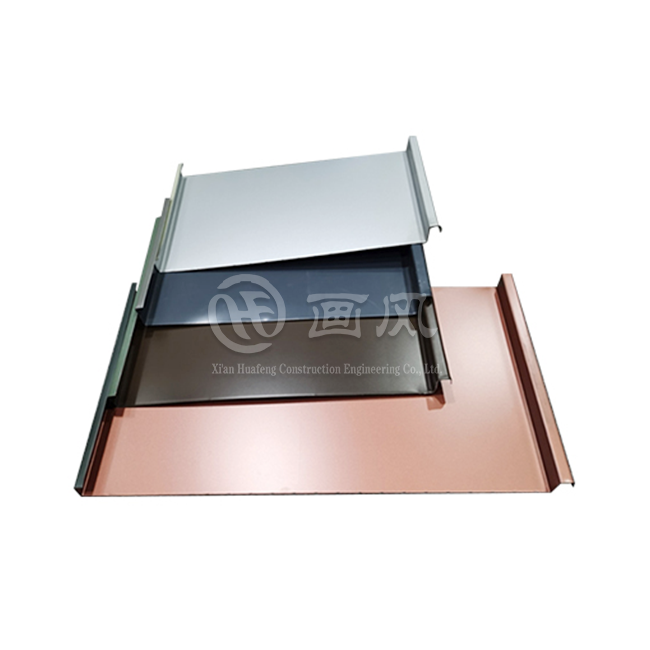
DIY standing seam roof panels are factory-formed metal panels with raised vertical seams that snap together and hide the fasteners, so a capable homeowner can install them without a professional seaming machine. They suit simple roofs with a slope of 3:12 or greater, such as houses, sheds, and garages. This guide covers how the system works, which materials and coatings to choose, how installation goes, what drives cost, and how retailers and e-commerce sellers can select a supplier. I write from the buyer's side, with returns, stock turns, and code questions in mind.

What Are DIY Standing Seam Roof Panels and How Do They Work?
Raised Seams and Concealed Fasteners
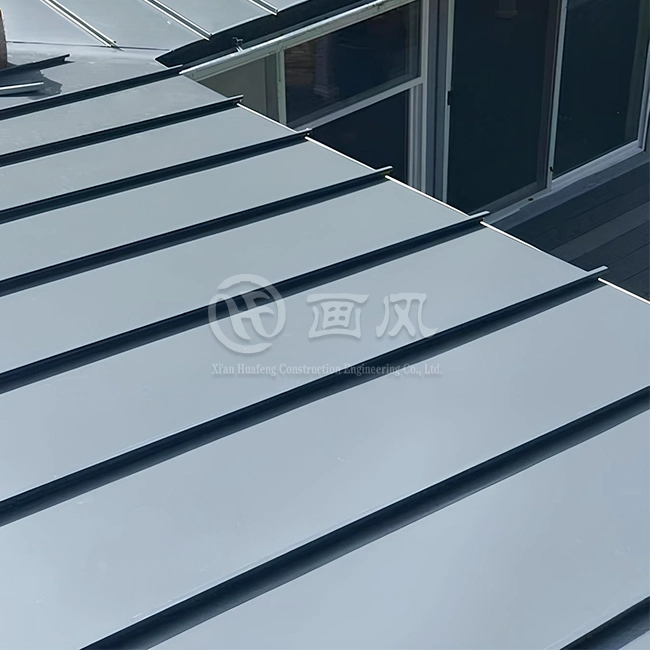
Raised ribs that run vertically from the eave to the ridge connect diy standing seam roof panels together. The panel is attached to the deck by clips or nail strips under each seam. The screws won't get wet when it rains this way. Panels with screws that can be seen have rubber washers that can leak and wear out. That isn't a weakness of panels with hidden fasteners. The water doesn't go across the joint; instead, it goes down the flat pan and away from it. Before I count the panels, I count the flashing, underlayment, and trim because they are also necessary for the whole system.
Snap-Lock and Mechanical-Lock Seams
You don't need a seaming machine to put together snap-lock seams. You can do it by hand or with a rubber hammer. To close mechanical-lock seams on an electric seamer, a single or double lock is often used. But only professional crews have the right tools and know-how to use them. They're stronger and better for lower slopes. Seams in our DIY range snap on, and there's a secret way to fix them. A slope of 3:12 or more is best for home use. The maker or the local code will tell you how steep the slope can be. Don't go over it.
Thermal Movement and Panel Length
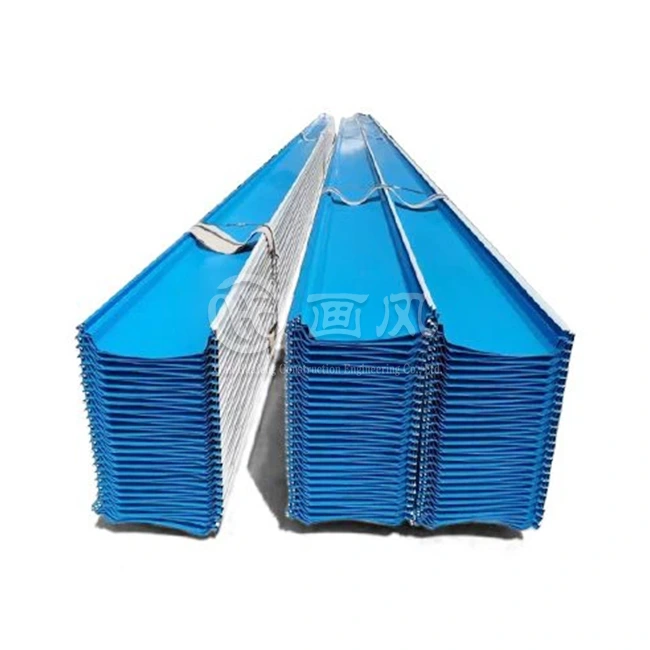
The size of steel and metal changes from big to small when they're hot. Slide clips or angled flanges let each panel move along its length without putting stress on the connection point. Glues or screws may break or tear if panels can't move. We can make them in any length you need, up to 12 meters (40 feet). You won't have to do as many field cuts and end laps. To make sure the panels are the right length for the crew and the roof, I measure them. Add the length of the trim to the two measurements you took from the eave to the top.
How to Choose Materials, Coatings, and Profiles
Galvalume, Galvanized Steel, and Aluminum
Our panels are 26 to 16 gauge, or 0.5 to 1.2 mm thick. Most of the time, ASTM A792 is the norm that most people follow. The aluminum-zinc layer on galvalume steel keeps it from rusting better than basic galvanizing. Aluminum is more expensive, but it can stand up to salt spray well. Copper is a high-end material that should only be used for unique projects. Thick metal stays flat and doesn't oil can as much as light-gauge metal does, which makes light-gauge panels look wavy. The weather tells me what kind of metal to use first, and then the load tells me how thick to make it.
PVDF and PE Coatings
PVDF or PE can be used to treat the surface. PVDF is a fluoropolymer finish that stays colored and doesn't stick well on garage roofs that get direct sunlight. It is cheaper to use polyester (PE), which can be used for budget lines, sheds, and other outbuildings. Groups in the industry often use AAMA 2605-22 to check how well PVDF finishes stick, how hard they are, and how well they resist chemicals. This place has a lot of RAL and Pantone colors. If you want to be sure of a color, ask for samples first. Screens and written catalogs don't always match painted metal. Also, make sure you like the color batch before you use it on a lot of things.
Profile Codes and Sizes
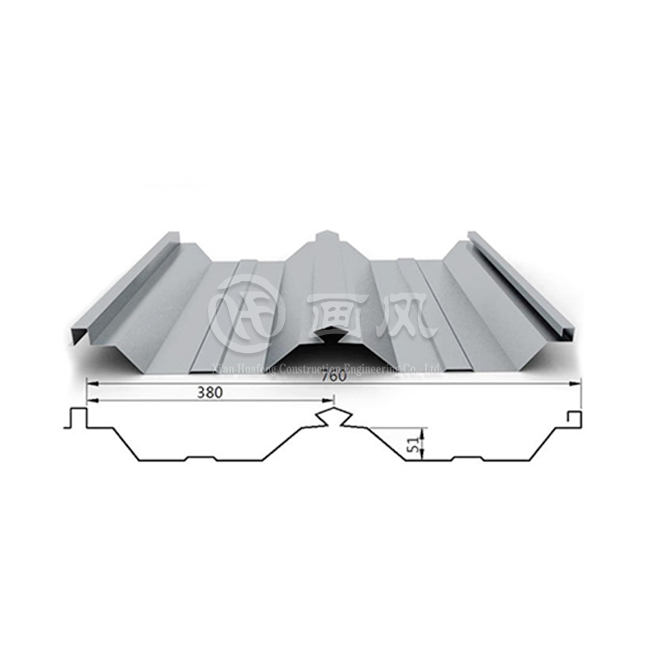
We have sizes 25-330, 25-400, 25-430, 32-410, 45-400, 65-400, and 65-430. The first number is the coverage width in millimeters, and the second number is the seam height in millimeters. The width varies from 300 to 500 mm (12 to 20 inches). When the seams are higher, it costs less to ship and is stronger. When the gaps are smaller, the shapes pack better and it costs less to ship them. You won't have enough for the order if you figure it out based on the useful area width instead of the total width. Check that the style you pick works with the trim and clips.
Standing Seam Roof Panels vs. Other Roofing Systems
Versus Corrugated and Exposed-Fastener Panels
Corrugated panels are easy to put up and don't cost much per square foot, but the screws go through the front of the panel. When the weather changes, their washers get bigger and smaller, which is often where leaks start. The job looks better with diy standing seam roof panels that hide the screws and bolts. The clip system controls how the heat moves. The costs that come with this are more expensive materials and stricter installation tolerances. Because it costs money to ship, inspect, and restock every roofing pallet that is returned, stores care more about having fewer leak complaints than having a lower shelf price.
Versus Asphalt Shingles
These shingles can last anywhere from 15 to 30 years, but it depends on the weather and how well they are aired. Standing seam metal usually lasts between 40 and 70 years, and we warranty our panels for 30 years. Metal sheets can be recycled and are lighter than most shingle systems. They can also shed snow. Roofs that can handle the weight and meet building code requirements for two layers can have panels put on top of existing shingles. This can be done with a plastic base or furring strips. Shingles are more popular and cost less up front, so the best choice relies on your budget and time frame.
Matching Systems to Applications
If the roof of a house, shed, or farm building slopes at least 3:12, snap-lock panels will work well. They can also be used for small business buildings, but a professional should make sure they can handle wind uplift and strong support. If your roof has a slope below 3:12, you will likely need mechanically seamed profiles and a roofer who knows how to deal with water. Aluminum is good for coastal homes because it doesn't corrode with salt. If you live in a place where wildfires are common, check the fire rating of the whole roof, not just the panel. The manufacturer sets limits for the project, which are met by making sure the system fits the roof.
Standing Seam Roof Panel Installation and the DIY Decision
Deck, Slope, and Safety Checks
The set-up starts with a flat sound deck. They can be put on top of wood boards, OSB, and roofs that are already there as long as the surface is dry and flat. First, make sure the slope is right, then lay a high-temperature synthetic underlayment and draw plan lines. Only then should you lift a panel. OSHA says that fall safety must be put in place at heights of six feet or more in home building. The risk is still the same for homeowners, even though OSHA doesn't cover them. Get a helper, a harness, and roof anchors. Metal roofs must follow the International Residential Code and any local changes that are made to it. Check the rules for the permit as well.
Step-by-Step Installation Sequence
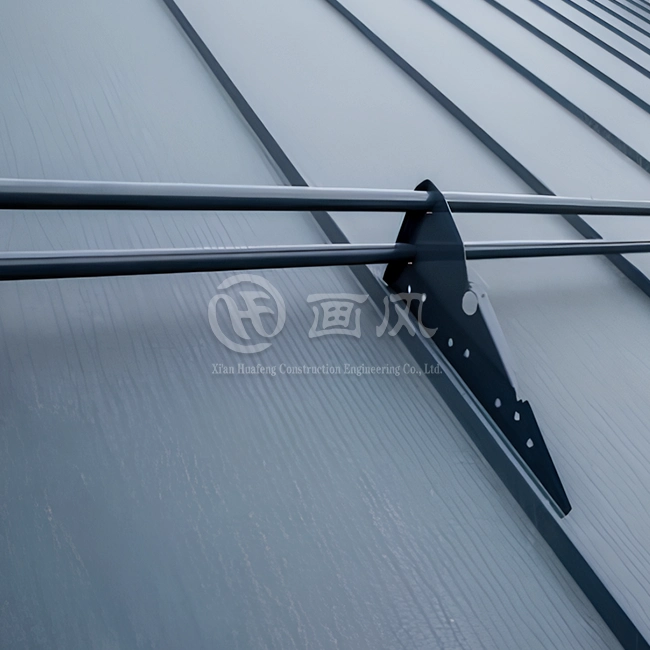
The sequence follows a clear pattern. Put up the drip edge and eave trim first. Make sure the first panel is square to the edge of the roof so that even a small mistake can be seen. Put it together with the clips or nail strip, and then from the eave to the ridge, snap each panel over the seam of the one before it. Every few panels, check to see if they are lined up right. Follow the instructions on the video to keep the clips sliding. Add a ridge cap, rake trim, and flashing where the roof goes through to finish. Your installation guide and video will help you understand each step. I suggest that you try out the snap on a spare piece first.
When to Hire a Professional
It takes more than average hand-on skill to install diy standing seam roof panels by yourself. For a smart owner, a simple gable or shed roof with a few holes would be enough. For jobs with valleys, hips, skylights, chimneys, HVAC curbs, steep pitches, and low slopes, you need crews with a lot of experience. Just like public buildings and seams that are locked with an electric seamer. For projects that depend on warranties, you should also have a trained installer. If you can't explain how the water leaves each area, you should usually get help from a professional. This advice can be put on cards that retail buyers can use as instructions. Making the rules clear helps people choose the right product.
Performance, Lifespan, and Maintenance
Service Life and Warranty
How long it lasts relies on the metal itself, the coating, the weather, how well it was installed, and how well water flows. Most standing seam metal lasts between 40 and 70 years, but we warranty our panels for 30 years. If something breaks, the warranty covers it under certain conditions. A service life, on the other hand, tells you how long something is supposed to last. It's important to read the warranty terms to know what is covered, like the coating and the base metal, and when. When I buy something, I look at both the warranty and the standards for testing the finish.
Energy Performance and Title 24
It's true that reflective finishes can make the roof's surface cooler, but color doesn't determine how well a building works on its own. Also, make sure you have good underlayment, insulation, and air flow in the attic. The building codes in California have rules about cool roofs in Title 24, Part 6. These rules cover topics such as thermal emittance and solar reflectance. A program run by the Cool Roof Rating Council rates certain colors and products. Before putting each color on the shelf, stores that ship to California should check to see what rate it has. Let us know early on if you need any tests, so we can work them into the plan.
Maintenance Checklist and Replacement Panels
One thing you should do every six months is check on your diy standing seam roof panels. They don't need much care. Clear the valleys and gutters of leaves and other junk, check the clips and seams, and see what kind of sealants and flashings are around the holes. If you see any scratches in the coating, fix them before they rust. Watch out for coming into contact with different metals, as this can cause galvanic corrosion. Make sure that the new panels are the same size, shape, weight, material, coating, clip design, and seam height when you get them. Record the color, number, and profile code as you set it up. Fixes will be done faster from now on.
Cost, Supplier Selection, and Sourcing Plans
What Drives Standing Seam Roof Costs
There is only one line in the price grid. The budget is based on the type of material, its thickness, coating, profile, custom length, order quantity, other items, freight, duties, labor, and the site conditions. Most of the time, it costs more for a customer to buy or return a cheaper panel that doesn't come with the same trim, clips, and fasteners. Because of this, I check more than just prices per square foot. I also look at prices per full roof area and prices per service year. At first, heavy gauges cost more, but they don't dent or oil can, so people may be less upset about them.
Questions to Ask a Supplier
It's important to find a supplier you can trust that writes down information about the material and coating, gives you profile drawings, keeps tolerances, packs panels to protect the finish, and can restock. Find out about the product's test results, lead time, warranty terms, samples, and any accessories that can be used with it. Xi'an Huafeng Construction Engineering Co., Ltd. (HF) was founded in 2018 and has three factories with more than 40 machines and seven production lines. We offer up to 1,000 tons of roofing per month and have more than 20 patents for roofing. We do things the way ISO 9001 and ISO 14001 say to. For our goods, we follow the rules set by ASTM, DIN, JIS, BS, and GB/T.
Planning Retail and Private-Label Orders
Your order needs to be at least 500 square meters, or 1 ton. It will be sent in 15 to 20 days. If you're a store buyer, I suggest that you test out two or three profiles and colors with your first order. Then, instead of having a lot of items on hand at first, restocking should depend on how quickly they sell. This method keeps money safe and keeps inventory moving. Some of the things you should bring us are color boxes, instruction cards, and barcodes. We'll go over them with you. A deal should be made on Incoterms, export packing, and customs papers before you start making things to send abroad.
Conclusion
A simple roof with a pitch of 3:12 or more and following safety rules are all that are needed to install diy standing seam roof panels. These panels give people a metal roof with hidden fasteners that they can do without having to use a professional seaming machine. Snap-lock seams are the best for work you do yourself. Professionals should use low slopes and joins that lock together mechanically. The material, thickness, coating, and shape should be chosen based on the environment and load. Aluminum will last against salt air, while PVDF will keep its color for a long time. Standing seam roofing costs more up front than shingles and corrugated panels, but it lasts longer and hides the screws. Terms of the warranty, Title 24 scores, and records of maintenance all have an effect on the results. Buyers should not only look at the price of a panel, but also the cost of the whole system, the paperwork from the supplier, and the terms of the order.
FAQ
1. Can I install DIY standing seam roof panels myself?
That's correct if the roof is simple, the deck is sound, and the slope is at least 3:12. You don't need a tool to make snap-lock seams. Roofs with skylights, valleys, and steep or low slopes should only be done by a professional.
2. What is the minimum order quantity?
Your order needs to be at least 500 square meters, or 1 ton. We'll bring it to you in 15 to 20 days. The delivery capacity each month is 1,000 tons.
3. Which thickness should I choose?
We can work with sizes from 0.5 mm to 1.2 mm. Thick metal is less likely to get dents and oil cans on it. Ask an engineer or building official in your area what to do if you're not sure. What you should choose will rely on how much wind and snow there is, how strong the deck is, and the building rules in your area.
4. Do the panels suit coastal projects?
If you spray salt on aluminum, it will be better than steel. Cover it with PVDF and keep it away from metals that could cause galvanic corrosion.
Request DIY Standing Seam Roof Panels Samples and a Quote from HF
Want to buy diy standing seam roof panels that you can put up yourself? Need a business that knows what both in-store and online buyers want? HF comes in RAL and Pantone colors and finishes in PVDF and PE. It also comes with a 30-year warranty and can deliver in 15 to 20 days. Send us an email at huafeng@hfmetalroof.com with your profile, thickness, color, quantity, and packaging needs, and we'll send you a sample plan and price. Go to hfmetalroof.com to learn more about the product.
References
1. International Code Council, International Residential Code, 2021
2. International Code Council, International Energy Conservation Code, 2021
3. California Energy Commission, Building Energy Efficiency Standards (Title 24, Part 6), 2022
4. Occupational Safety and Health Administration, Fall Protection in Construction (OSHA 3146), 2015
5. American Architectural Manufacturers Association, AAMA 2605-22 Voluntary Specification for Superior Performing Organic Coatings on Aluminum Extrusions and Panels, 2022
6. National Roofing Contractors Association, The NRCA Roofing Manual: Metal Panel and SPF Roof Systems, 2019





YOU MAY LIKE