12 Standing Seam Metal Roof Maintenance and Care Tips
2026-01-12 12:34:10
You've invested thousands in a beautiful 12 standing seam metal roof, only to worry about whether you're doing enough to protect it. Perhaps you've noticed minor discoloration after a storm, or you're simply unsure about the right maintenance schedule to maximize your roof's longevity. The good news is that proper care for your 12 standing seam metal roof doesn't require extensive effort or specialized knowledge. With the right maintenance approach, your roofing system can deliver its promised 50-plus years of reliable performance while maintaining its pristine appearance and protecting your investment against premature deterioration.
Understanding Your 12 Standing Seam Metal Roof System
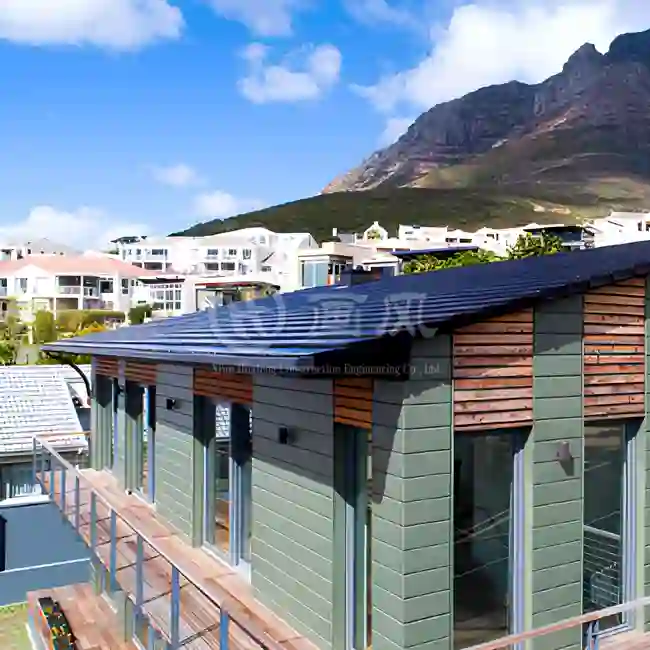
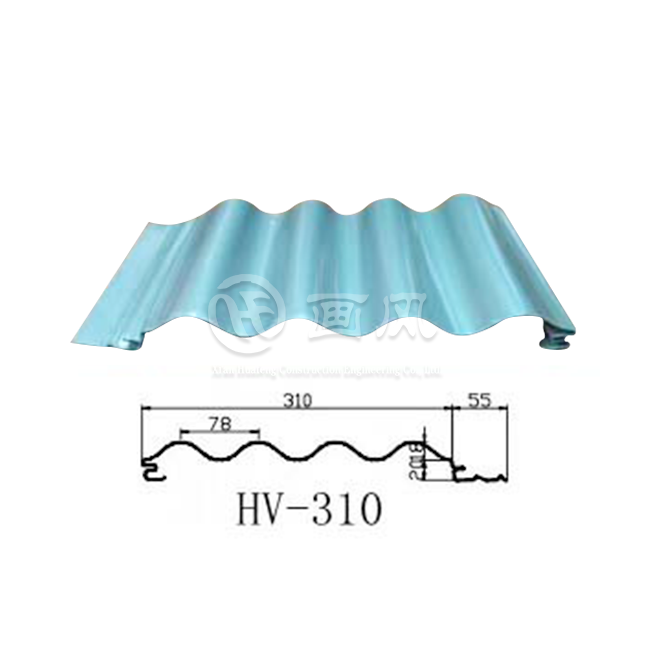
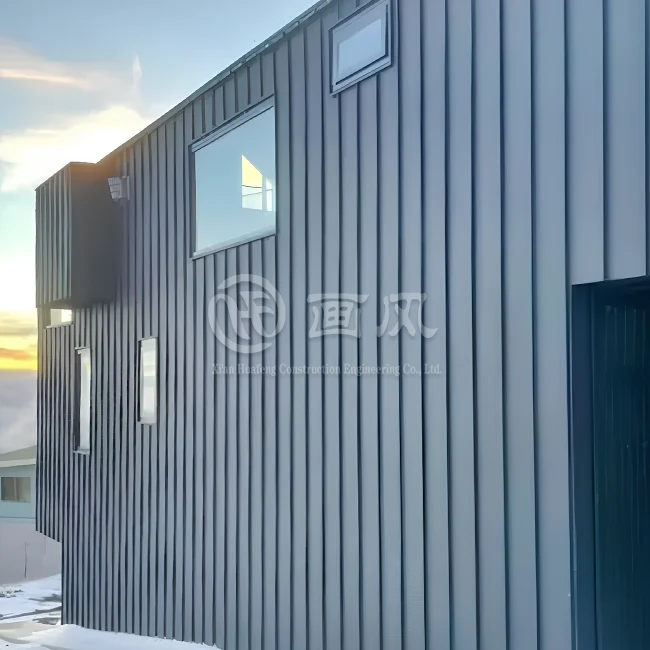
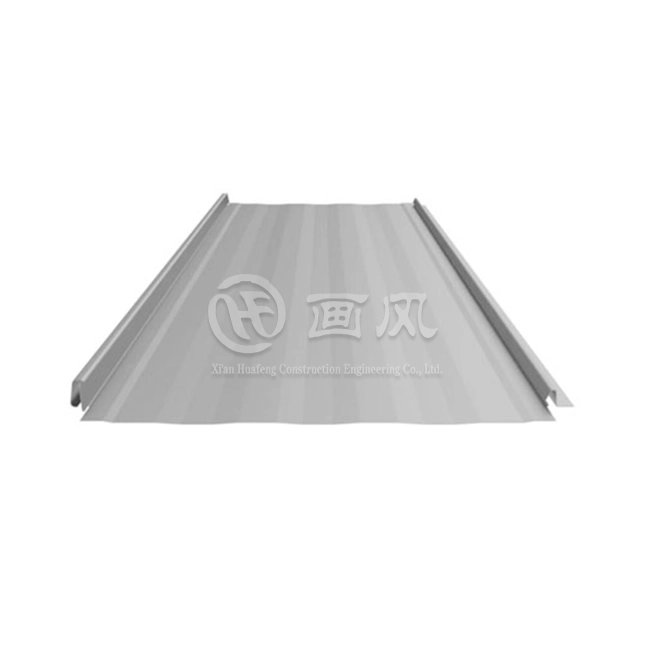
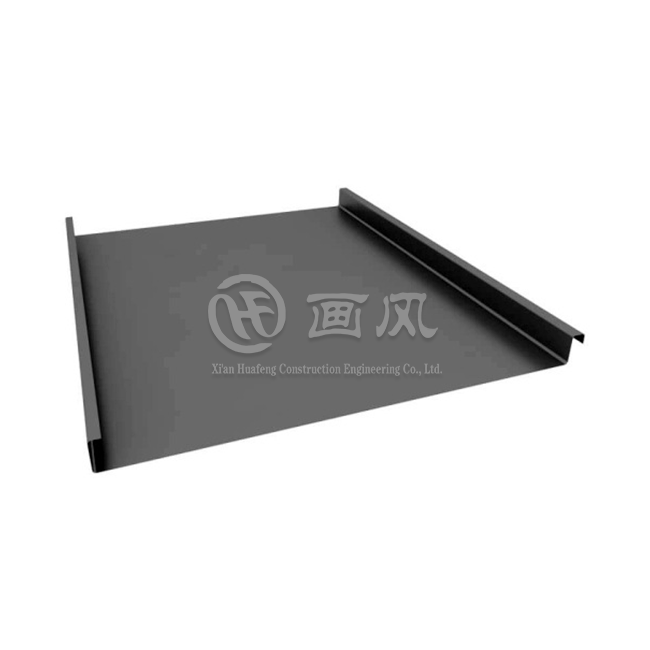
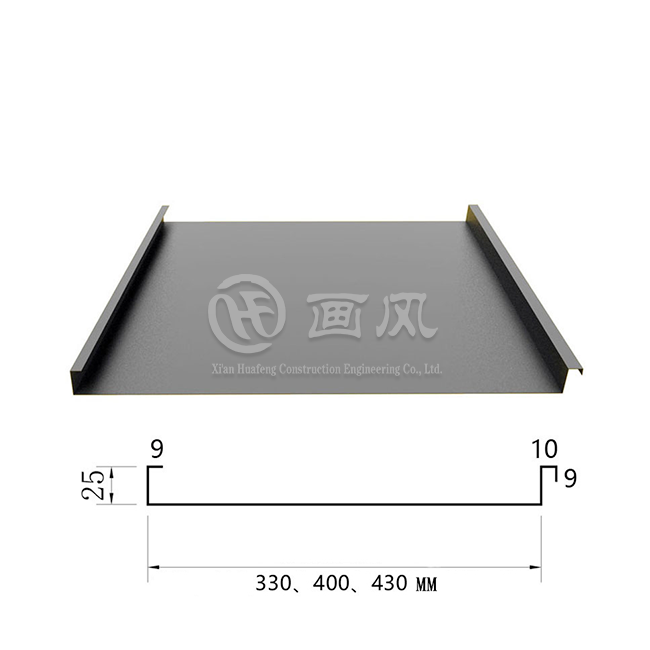
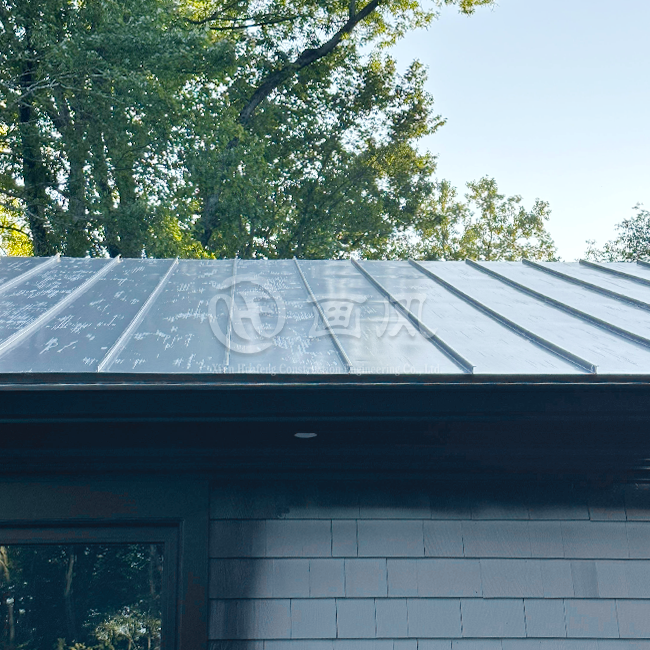
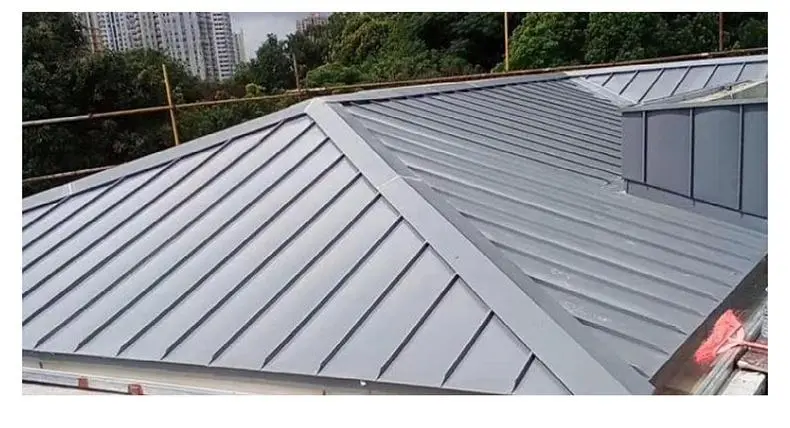
Before diving into maintenance practices, it's essential to understand what makes your 12 standing seam metal roof unique. This roofing system features vertical panels with raised seams spaced precisely 12 inches apart from center to center, creating a distinctive profile that's both functional and aesthetically pleasing. The "12" refers to the panel width coverage of approximately 12 inches (305mm), making it one of the most popular configurations in the metal roofing industry. The concealed fastener design of 12 standing seam metal roof systems sets them apart from exposed fastener alternatives. Hidden clips secure the panels beneath the seams, allowing the metal to expand and contract naturally with temperature fluctuations without compromising the roof's integrity. This engineering excellence contributes to superior weather resistance and dramatically reduces potential leak points compared to traditional screw-down systems. Modern 12 standing seam metal roof panels from manufacturers like Xi'an Huafeng Construction Engineering Co., Ltd. are available in various premium materials including aluminum alloy, galvanized steel, Galvalume, stainless steel, copper, and titanium-zinc. Each material offers distinct advantages: aluminum provides lightweight corrosion resistance ideal for coastal environments, steel offers cost-effective durability, while copper and zinc develop beautiful natural patinas over time. With thickness options ranging from 0.5mm to 1.2mm and heights between 25mm to 65mm, these systems are engineered to withstand extreme weather conditions while delivering exceptional longevity.
The Benefits of Regular Maintenance
Implementing a consistent maintenance routine for your 12 standing seam metal roof delivers multiple advantages that extend far beyond simple cleaning. Regular inspections allow you to identify minor issues before they escalate into costly repairs, potentially saving thousands in replacement costs. Even though metal roofing is renowned for its durability, environmental factors like UV exposure, thermal cycling, moisture accumulation, and debris buildup can gradually compromise performance if left unaddressed. Maintenance also preserves your roof's aesthetic appeal, which directly impacts your property's curb appeal and value. A well-maintained 12 standing seam metal roof retains its color vibrancy, remains free from unsightly stains, and continues to enhance your building's architectural character. For commercial properties, this professional appearance communicates quality and attention to detail to clients and partners. Perhaps most importantly, proper maintenance ensures your roof warranty remains valid. Many manufacturers, including those offering 30-year warranties on premium 12 standing seam metal roof systems, require documented regular maintenance as a condition of warranty coverage. Failing to perform recommended upkeep could void your warranty protection when you need it most.
Essential Maintenance Practices for 12 Standing Seam Metal Roofs
Conduct Biannual Roof Inspections
Scheduling comprehensive inspections at least twice annually represents the foundation of effective 12 standing seam metal roof maintenance. The optimal timing is spring and fall, as these seasons bookend the harshest weather conditions most roofs endure. Spring inspections reveal any damage sustained during winter storms, ice accumulation, or freeze-thaw cycles, while fall inspections prepare your roof for upcoming winter challenges. During each inspection, systematically examine all roof components with particular attention to vulnerable areas. Check the seam integrity carefully, ensuring panels remain properly locked together without gaps or separation. Inspect the seams for signs of stress, deformation, or loosening that could compromise the watertight seal. Look for any panel movement or displacement from the original installation position, which could indicate clip failure or improper fastening. Pay special attention to transition zones where your 12 standing seam metal roof meets walls, chimneys, skylights, vents, and other penetrations. These areas are most susceptible to leaks because they interrupt the continuous roofing surface. Examine all flashing components for proper positioning, adequate overlap, and secure attachment. Look for cracks, gaps, or deterioration in sealants used around penetrations. Additionally, inspect the roof surface for physical damage such as dents from hail or fallen branches, scratches that could expose bare metal to corrosion, or signs of paint finish degradation. Document your findings with dated photographs to track changes over time and provide evidence for warranty claims if needed. If you notice significant issues beyond your expertise, contact professional roofing contractors experienced with standing seam systems for thorough evaluation.
Remove Debris and Keep Surfaces Clean
Maintaining a clean surface on your 12 standing seam metal roof prevents numerous problems while preserving its appearance. Leaves, twigs, pine needles, and other organic debris accumulate in valleys, behind roof penetrations, and along seams where they trap moisture against the metal surface. This prolonged moisture contact accelerates corrosion, promotes biological growth like algae and moss, and can stain protective coatings. Establish a cleaning schedule based on your property's environment. Properties surrounded by trees require more frequent cleaning, potentially three to four times annually, while roofs in open areas may only need annual cleaning. After major storms or seasonal leaf drops, perform additional cleanings to prevent excessive debris accumulation. When cleaning your 12 standing seam metal roof, use gentle methods that won't damage protective coatings. Start with a soft-bristle broom or leaf blower to remove loose debris. For more thorough cleaning, mix mild dish soap with water and apply it with a soft cloth or mop, working in the direction of the panel seams. Rinse thoroughly with a garden hose using moderate water pressure. Never use pressure washers on your 12 standing seam metal roof, as excessive water pressure can damage the protective coating, force water beneath seams, or even separate panels. Avoid harsh chemicals, abrasive cleaners, wire brushes, or any cleaning tools that could scratch the surface. If you encounter stubborn stains, consult your roof manufacturer for approved cleaning products. Xi'an Huafeng Construction Engineering Co., Ltd. provides specific maintenance guidance for their PVDF and PE finished panels to ensure proper care without voiding warranties.
Maintain Proper Gutter and Drainage Systems
Your gutter system plays a critical role in protecting your 12 standing seam metal roof from water damage and premature deterioration. Clogged gutters prevent proper water evacuation, causing backup that pools on the roof surface or overflows onto walls and foundations. This standing water accelerates corrosion on even the most corrosion-resistant metal roofing materials. Clean gutters and downspouts at least twice annually, increasing frequency if your property has significant tree coverage. Remove all leaves, twigs, seed pods, and debris that obstruct water flow. Flush downspouts with water to ensure they're clear and draining properly. Consider installing gutter guards or leaf protection systems to minimize debris accumulation, though these still require periodic cleaning. During gutter maintenance, inspect for proper slope toward downspouts, secure attachment to fascia boards, and absence of sags or separations. Check that downspouts direct water at least five feet away from your building's foundation. Examine gutter seams and joints for leaks, and verify that end caps remain sealed. Address any issues promptly to maintain effective water management. Also inspect roof drains, scuppers, and other drainage components specific to your roofing design. Ensure these remain unobstructed and functioning properly. On low-slope applications, proper drainage becomes even more critical to prevent ponding water that could compromise your 12 standing seam metal roof system's integrity over time.
Monitor and Maintain Panel Seams
The raised seams that give standing seam roofing its name and performance advantages require special attention during maintenance. These mechanical seams create the watertight barrier that protects your building, so maintaining their integrity is paramount. While properly installed 12 standing seam metal roof panels from reputable manufacturers like Xi'an Huafeng rarely experience seam failure, environmental factors and building movement can occasionally affect seam performance. Carefully examine each seam for proper engagement along its entire length. Look for any sections where panels appear separated or the seam cap sits loosely. Check for signs of thermal stress at panel terminations, particularly at eaves, ridges, and around penetrations where expansion and contraction effects concentrate. Some modern systems include clips designed to accommodate thermal movement, and these should move freely without binding or showing signs of fatigue. If you notice seam irregularities, contact qualified metal roofing professionals immediately. Attempting DIY seam repairs without proper tools and experience often worsens problems. Professional roofing contractors have specialized seaming machines and technical knowledge to properly resecure or replace damaged seams while maintaining the system's weather-tight integrity. Seam maintenance also includes monitoring the concealed fastening system beneath. While you cannot directly inspect these hidden clips without disassembling panels, signs like panel movement, unusual noise during temperature changes, or visible seam separation suggest potential fastening issues requiring professional evaluation.
Address Corrosion and Surface Damage Promptly
Despite the excellent corrosion resistance of modern 12 standing seam metal roof materials, certain conditions can compromise protective coatings and expose bare metal to oxidation. Early detection and treatment of corrosion prevents small problems from spreading and causing extensive damage requiring panel replacement. Inspect your roof surface for any scratches, chips, or areas where the protective coating appears compromised. These vulnerabilities typically occur from impacts during installation, falling branches, or harsh weather events. Even small coating breaches deserve attention because they allow moisture to contact bare metal, initiating corrosion that spreads beneath intact coating areas. For minor surface scratches or coating damage, touch-up paint specifically formulated for metal roofing can provide temporary protection. However, consult your roof manufacturer first, as some warranties require specific repair products or professional application. Xi'an Huafeng Construction Engineering Co., Ltd. offers technical support to customers needing guidance on approved repair materials compatible with their PVDF and PE coating systems. If you discover active corrosion, rust stains, or white rust (zinc corrosion on galvanized surfaces), address it immediately. Small rust spots can often be treated with rust inhibitors followed by touch-up coating, but extensive corrosion may require panel replacement. Never allow corrosion to progress unchecked, as it compromises both aesthetics and structural integrity while potentially spreading to adjacent panels.
Manage Snow and Ice Accumulation
In regions experiencing significant snowfall, proper snow management protects your 12 standing seam metal roof from excessive weight loads and ice dam formation. While metal roofing's smooth surface naturally sheds snow more effectively than textured alternatives, heavy accumulations or rapid freeze-thaw cycles can still create challenges. Monitor snow accumulation on your roof after significant storms. Most residential structures can safely support typical snow loads, but prolonged accumulation, especially wet heavy snow, can exceed design limits. If accumulation exceeds 12-18 inches or shows no signs of natural shedding, consider removal using proper techniques. Use a roof rake with a long handle to carefully remove snow while standing safely on the ground. Work from the edges inward, pulling small amounts with each pass. Never use sharp metal tools, shovels, or ice chippers that could scratch panels or damage seams. Avoid aggressive scraping that might catch seam edges or dislodge panels. If you're uncomfortable performing snow removal or your roof design makes it impractical, hire professionals equipped with proper tools and safety equipment. Ice dams, which form when melting snow refreezes at eaves, can force water beneath roofing panels. The concealed fastener design of 12 standing seam metal roof systems provides excellent protection against ice dam leakage compared to other roofing types, but proper attic insulation and ventilation remain your best prevention strategies. Ensure adequate insulation prevents excessive heat loss through the roof deck, and verify attic ventilation systems function properly to maintain uniform roof temperatures.
Trim Overhanging Vegetation
Trees and vegetation surrounding your building directly impact your 12 standing seam metal roof's longevity and maintenance requirements. Overhanging branches pose multiple threats including physical damage from rubbing or falling limbs, increased debris accumulation, and accelerated biological growth due to persistent shade and moisture. Trim tree branches back at least six feet from your roof surface. This clearance prevents branches from rubbing against panels during windy conditions, which can wear through protective coatings over time. It also minimizes leaf and debris deposition directly onto the roof surface, reducing cleaning frequency and preventing organic matter accumulation that promotes algae and moss growth. Consider the seasonal growth patterns of nearby trees when planning trimming schedules. Fast-growing species may require twice-yearly trimming to maintain adequate clearance, while slower-growing varieties might only need attention every few years. Always follow proper arboricultural practices when trimming, or hire certified arborists for significant work. Beyond branches, address any vegetation attempting to grow on the roof itself. While rare on steep-slope metal roofing, moss, algae, and even small plants can establish themselves in valleys, behind penetrations, or in debris accumulations. Remove this biological growth promptly using appropriate cleaning methods and eliminate the conditions that allowed establishment.
Inspect and Maintain Sealants and Flashing
While your 12 standing seam metal roof panels provide the primary weather barrier, sealants and flashing components protect vulnerable transition zones. These supplementary weather barriers have shorter lifespans than metal panels and require regular inspection and maintenance to prevent water intrusion. Examine all sealant applications around chimneys, vent pipes, skylights, and other roof penetrations. Look for cracks, shrinkage, hardening, or separation from adjacent surfaces. Quality sealants typically last 10-20 years, but harsh UV exposure, extreme temperature fluctuations, and building movement can accelerate degradation. If sealants show signs of failure, carefully remove old material and reapply fresh sealant recommended by your roofing manufacturer. Inspect metal flashing components including counter-flashing, step flashing, and base flashing around chimneys and walls. Verify these remain properly positioned, securely fastened, and free from corrosion or damage. Check that flashing maintains proper overlap relationships with roofing panels to ensure water cannot infiltrate beneath the system. Pay particular attention to ridge caps, hip covers, and other accessory components. These trim pieces should remain securely fastened without loosening, gaps, or damage. Some systems use concealed fasteners for these components while others employ exposed screws that may require periodic inspection and tightening.
Perform Professional Maintenance Periodically
While property owners can handle routine cleaning and basic inspections, professional maintenance provides expertise and specialized equipment that enhances your 12 standing seam metal roof's longevity. Consider scheduling professional maintenance every three to five years, or more frequently in harsh climates or for commercial properties where roof failure consequences are severe. Professional roofing contractors bring specialized knowledge about standing seam systems that homeowners typically lack. They understand the specific requirements of different seam profiles, fastening methods, and panel materials. They can identify subtle issues that untrained eyes might miss, such as early-stage clip fatigue, minor seam separation, or coating degradation in its initial phases. Professionals also possess specialized tools for metal roofing maintenance and repair. They have seaming equipment to properly resecure panels if needed, specialized cleaning products approved for various coating systems, and diagnostic equipment like infrared cameras to detect hidden moisture issues. They understand proper safety protocols for working on metal roofing, which can become dangerously slippery when wet. When selecting a roofing contractor for maintenance, choose companies with specific standing seam experience and manufacturer certifications. Xi'an Huafeng Construction Engineering Co., Ltd. can provide references for qualified contractors familiar with their systems. Verify the contractor carries appropriate insurance and can provide documentation of completed maintenance for warranty purposes.
Document All Maintenance Activities
Maintaining detailed records of all inspections, cleaning, repairs, and professional maintenance serves multiple important purposes. Documentation proves you've met warranty requirements if you need to file a claim. It helps you track your roof's condition over time, identifying trends that might indicate developing problems. It also provides valuable information to future property owners if you sell. Create a simple maintenance log recording the date, activities performed, observations noted, and any repairs completed for each maintenance session. Take photographs during inspections showing roof condition, any issues discovered, and repairs made. Store copies of professional service invoices, inspection reports, and any correspondence with manufacturers or contractors. Digital documentation offers advantages including easy backup, searchability, and the ability to attach photographs directly to inspection records. Consider using a simple spreadsheet or specialized property maintenance apps to organize your records. Update your documentation promptly after each maintenance activity while details remain fresh. This documentation proves invaluable if problems develop. You can provide manufacturers with complete maintenance history when requesting warranty service. You can show insurance companies that you properly maintained your roof if filing a weather damage claim. You can demonstrate to home inspectors during property sales that your 12 standing seam metal roof received appropriate care throughout its service life.
Understand Material-Specific Requirements
Different materials used in 12 standing seam metal roof construction have unique maintenance considerations. Understanding your specific panel material's characteristics helps you provide optimal care tailored to its properties. Aluminum panels offer excellent corrosion resistance but can show scratches more readily than steel. They benefit from gentle cleaning methods and prompt attention to any coating damage. Aluminum's lower hardness means it's more susceptible to denting from hail or debris impacts, though modern alloys like 3003, 3004, and 5052 from suppliers such as Alucosuper, YATAI, and LIDAO provide good dent resistance while maintaining light weight. Steel panels, whether cold-rolled, galvanized, Galvalume, or color-coated, offer excellent strength and dent resistance. However, any coating breaches require immediate attention because steel corrodes rapidly when exposed to moisture and oxygen. Quality steel from manufacturers like BAOSTEEL provides reliable performance with proper coating maintenance. Stainless steel options like 316 and 304 grades provide superior corrosion resistance, particularly in harsh coastal or industrial environments. These premium materials require minimal maintenance but still benefit from regular cleaning to remove contaminants that could cause surface staining or pitting. Copper and titanium-zinc panels develop natural patinas that many consider aesthetically desirable. These materials require different maintenance approaches focused on ensuring even patina development rather than coating preservation. Copper from suppliers like Chinalco develops its characteristic green patina over years, while titanium-zinc from NedZink develops a matte gray finish.
Maintain Proper Attic Ventilation and Insulation
While not directly part of the roofing surface, attic conditions significantly impact your 12 standing seam metal roof's performance and longevity. Proper ventilation and insulation protect against moisture accumulation, ice dams, and excessive heat buildup that can stress roofing components. Verify adequate attic ventilation throughout all seasons. Proper ventilation requires balanced intake (typically soffit vents) and exhaust (ridge vents, gable vents, or powered ventilators) to create continuous airflow. This airflow removes excess heat in summer, reducing cooling costs and minimizing thermal stress on roofing materials. In winter, it maintains cold roof deck temperatures that prevent snow melting and refreezing as ice dams. Inspect insulation levels to ensure they meet current building codes for your climate zone. Proper insulation reduces heat transfer between conditioned spaces and the attic, improving energy efficiency while protecting against ice dam formation. However, avoid blocking ventilation paths with insulation at eaves or other critical air movement zones. Check for signs of moisture problems including water stains, mold growth, or musty odors that indicate inadequate ventilation or insulation gaps allowing warm, moist air into the attic. Address these issues promptly because prolonged moisture exposure can damage roof decking, compromise structural integrity, and reduce your metal roofing system's effective lifespan even if the panels themselves remain intact.
Conclusion
Maintaining your 12 standing seam metal roof through regular inspections, proper cleaning, and prompt attention to issues ensures decades of reliable performance and aesthetic appeal. With minimal investment of time and resources, you protect your significant roofing investment while maximizing its impressive longevity potential. Following these twelve essential maintenance tips helps your roof consistently deliver the weather protection, energy efficiency, and visual impact that made standing seam metal roofing your preferred choice.
Cooperate with Xi'an Huafeng Construction Engineering Co., Ltd.
Partner with Xi'an Huafeng Construction Engineering Co., Ltd., a leading China 12 standing seam metal roof manufacturer and China 12 standing seam metal roof supplier established in 2018. As a recognized high-tech enterprise with first-level building curtain wall qualifications and third-level steel structure qualifications, we deliver exceptional China 12 standing seam metal roof wholesale solutions. Our three factories spanning 200,000 square meters in Anhui, plus processing facilities in Hangzhou and Xi'an, feature seven color coating production lines and over 40 specialized machines producing premium 12 standing seam metal roof for sale.
We offer High Quality 12 standing seam metal roof systems with 30-year warranties, manufactured from aluminum alloy, steel, stainless steel, copper, and titanium-zinc in thicknesses from 0.5-1.2mm with PVDF/PE finishes. Our competitive 12 standing seam metal roof price reflects our integrated manufacturing capabilities, from raw materials to finished installations. Backed by over 20 patents, ISO9001, ISO14000, CE, and SGS certifications, we've successfully partnered with Fortune 500 companies on prestigious projects including Xiongan Station, Xi'an International Convention Center, and Inner Mongolia Tongliao Art Museum.
Experience our comprehensive one-stop service encompassing custom engineering design, precision manufacturing with real-time quality control, and seamless professional installation. Contact us at huafeng@hfmetalroof.com to discuss your project requirements and discover why discerning clients worldwide trust Xi'an Huafeng Construction Engineering Co., Ltd. as their preferred China 12 standing seam metal roof factory for superior roofing solutions.
References
1. Metal Construction Association. "Best Practices for Standing Seam Metal Roof Maintenance." Metal Architecture Technical Standards Manual, 2023.
2. Smith, Robert J., and Anderson, Michelle K. "Longevity Factors in Contemporary Metal Roofing Systems." Journal of Building Envelope Design, Volume 18, Issue 3, 2024.
3. National Roofing Contractors Association. "Metal Roofing Maintenance Guidelines for Residential and Commercial Applications." NRCA Technical Operations Manual, 2023 Edition.
4. Peterson, David L. "Corrosion Prevention and Surface Protection in Standing Seam Metal Roofing." Construction Materials Science Quarterly, Spring 2024.
5. American Society for Testing and Materials. "Standard Practice for Maintenance and Care of Metal Building Roof Systems." ASTM D7456-23, 2023.





YOU MAY LIKE