How Zinc Flat Lock Panels Enhance Architectural Performance?
2026-01-09 20:41:51
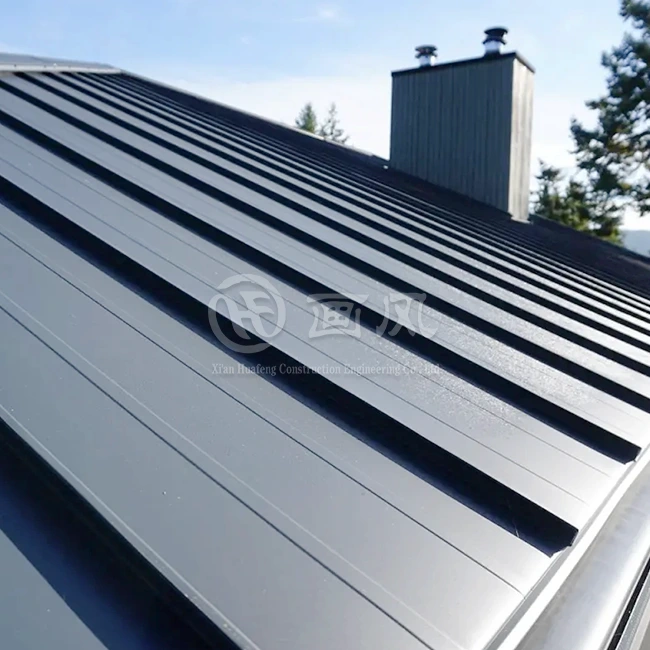
When architectural designs demand both timeless beauty and uncompromising durability, Zinc Flat Lock Panels emerge as the solution that bridges aesthetic excellence with structural integrity. Modern architects face mounting pressure to deliver buildings that withstand decades of weathering while maintaining their visual appeal, and traditional cladding systems often fail to deliver on both fronts simultaneously. Zinc Flat Lock Panels revolutionize architectural performance by combining a sophisticated interlocking mechanism with titanium zinc alloy composition, providing buildings with exceptional corrosion resistance, remarkable design flexibility, and minimal maintenance requirements that extend far beyond conventional facade solutions.
Understanding Zinc Flat Lock Panel Architecture
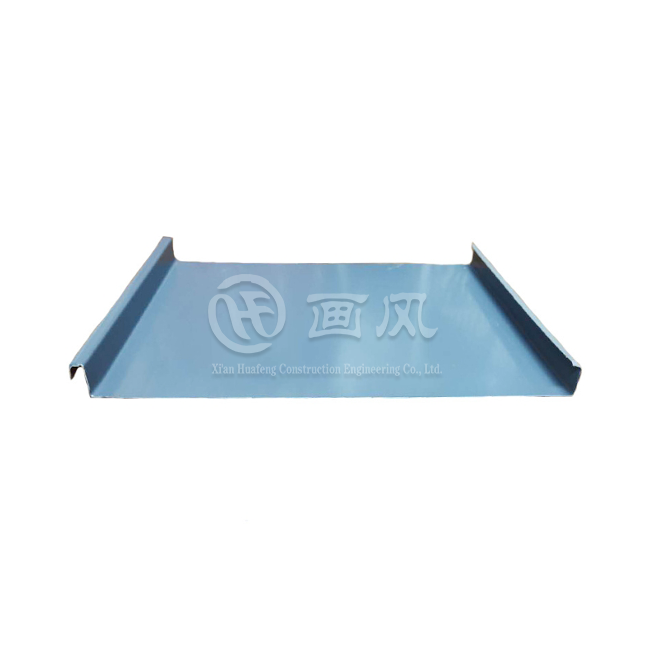
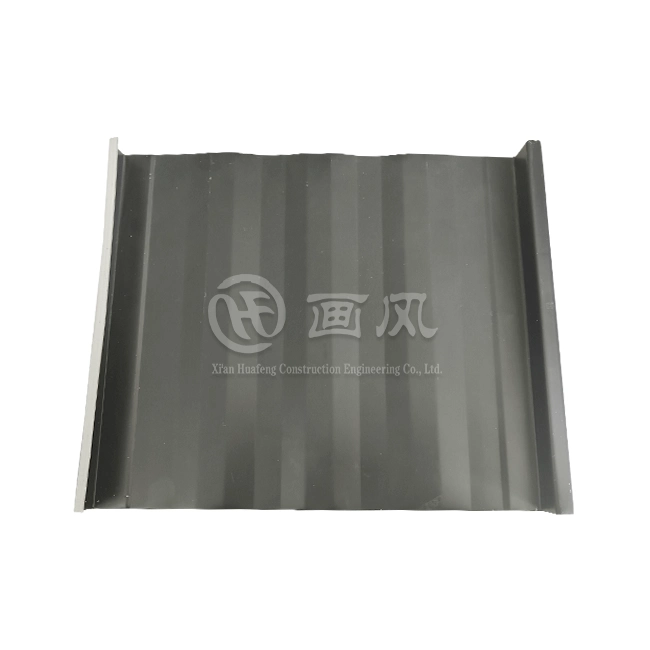
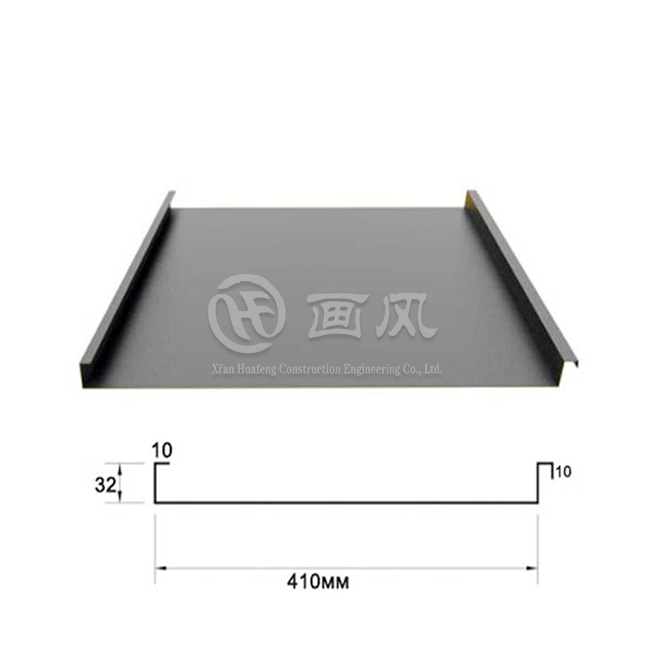
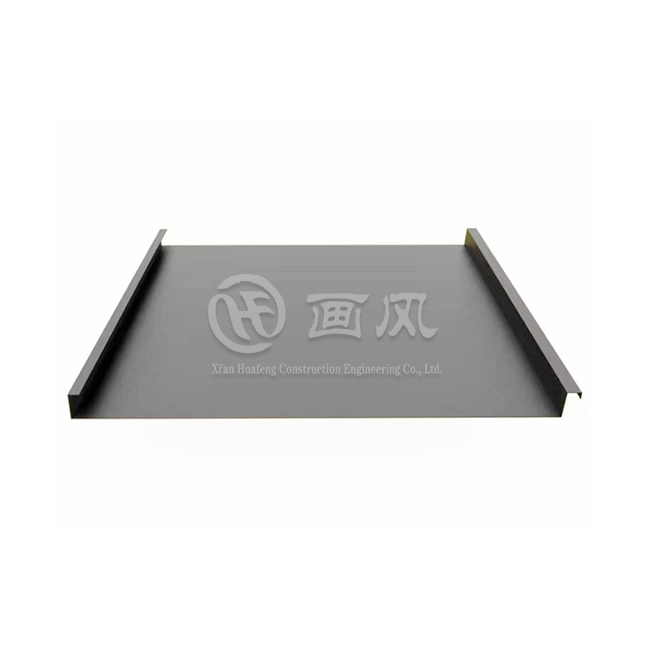
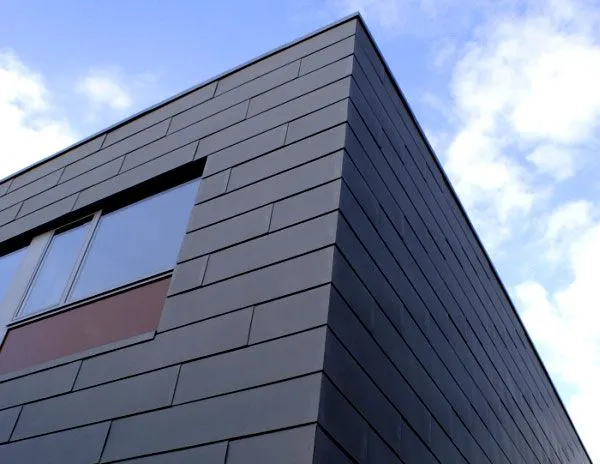
The architectural innovation behind Zinc Flat Lock Panels lies in their sophisticated engineering approach to building envelope systems. These panels represent a modern evolution of traditional zinc cladding techniques, incorporating advanced material science with time-tested installation methodologies. The flat lock system consists of individual zinc panels with precision-formed hemmed edges that interlock seamlessly, creating a continuous weatherproof barrier while maintaining visual elegance. Each panel typically measures between 200 to 600 millimeters in width and can be customized to accommodate various project specifications, from standard rectangular configurations to complex geometric shapes including rhombuses, trapezoids, and hexagons. The material composition centers on titanium zinc alloy, which contains approximately 99.995 percent zinc combined with trace amounts of titanium and copper, achieving an optimal balance between malleability for fabrication and structural strength for long-term performance. This precise alloy formulation enables the panels to develop a protective patina layer naturally over time, which serves as a self-healing mechanism against surface scratches and environmental degradation. The interlocking flat lock connection method distinguishes these Zinc Flat Lock Panels from other cladding systems by providing superior wind resistance, enhanced waterproofing capabilities, and simplified installation processes that reduce construction timelines and labor costs significantly.
Material Composition and Engineering Standards
The manufacturing process for high-quality Zinc Flat Lock Panels adheres to rigorous international standards including ASTM, DIN, JIS, BS, and GB/T specifications, ensuring consistent performance across diverse climatic conditions and architectural applications. Premium manufacturers utilize titanium zinc alloys rolled to precise thicknesses ranging from 0.7 to 1.0 millimeters, with 0.8 millimeters representing the most commonly specified gauge for optimal structural integrity without excessive weight. The material undergoes specialized surface treatments including natural passivation processes, pre-oxidation techniques, or protective coating applications depending on the desired aesthetic outcome and environmental exposure conditions. These surface treatments not only enhance the visual characteristics of Zinc Flat Lock Panels but also accelerate the formation of the protective patina layer, which typically develops within the first few months of installation in normal atmospheric conditions. The lightweight nature of zinc cladding, with typical installation weights ranging from 6 to 7 kilograms per square meter, reduces structural loading requirements compared to heavier stone or concrete alternatives while maintaining comparable or superior durability characteristics. Advanced manufacturing facilities employ computer-controlled roll-forming systems, precision shearing equipment, and automated punching production lines to ensure dimensional accuracy and consistency across large production volumes, capabilities that prove essential for complex architectural projects requiring thousands of custom-fabricated panels.
Installation Methodologies and Technical Advantages
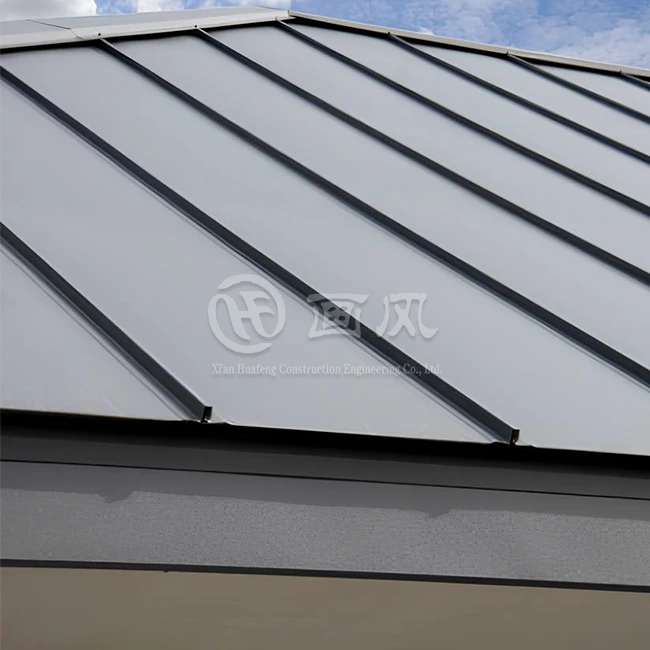
Professional installation of Zinc Flat Lock Panels employs concealed fastening systems utilizing stainless steel clips that secure each panel to the underlying substrate structure without penetrating the visible zinc surface, thereby eliminating potential water infiltration points while preserving aesthetic integrity. The clip attachment method accommodates thermal expansion and contraction inherent to metal cladding systems, allowing individual panels to move independently as temperatures fluctuate throughout seasonal cycles without creating stress concentrations that could compromise panel integrity or fastener connections. Installation flexibility represents another significant performance advantage, as Zinc Flat Lock Panels can be oriented horizontally, vertically, or diagonally across facades and roof structures, enabling architects to create distinctive visual patterns that complement overall building design philosophies. The system readily adapts to curved architectural features, both convex and concave geometries, through careful panel sizing and pre-forming techniques that maintain the characteristic flat appearance while conforming to complex three-dimensional building envelopes. Substrate compatibility extends across various structural systems including wooden sheathing, metal trapezoidal profiles, and fire-rated non-combustible backing materials, providing designers with numerous options for achieving specific performance criteria related to thermal insulation, fire resistance, and ventilation requirements. Professional installers typically complete Zinc Flat Lock Panels installations in sequential patterns progressing from bottom to top or following other logical progressions that ensure proper water drainage and prevent moisture accumulation behind the cladding system, critical factors for maintaining long-term building envelope performance.
Durability and Long-Term Performance Characteristics
The exceptional durability of Zinc Flat Lock Panels stems from fundamental material properties that distinguish titanium zinc alloys from alternative architectural metals in terms of corrosion resistance, weathering characteristics, and maintenance requirements over extended service lives. Unlike painted steel or aluminum cladding systems that require periodic refinishing to maintain protective coatings, zinc develops a stable carbonate patina layer through natural reaction with atmospheric carbon dioxide and moisture, creating a barrier that actually increases in protective capability over time rather than degrading. This patina formation process begins within weeks of installation and reaches full maturity within approximately two years depending on local environmental conditions, transforming the initial bright metallic appearance into characteristic blue-gray tones that many architects consider aesthetically desirable for contemporary building designs. The self-healing nature of this patina layer means that minor surface scratches naturally repair themselves as the zinc continues reacting with atmospheric elements, eliminating concerns about localized corrosion that plague less resilient cladding materials when protective coatings become compromised. Field performance data from European installations demonstrates that properly installed Zinc Flat Lock Panels regularly achieve service lives exceeding 80 to 100 years with minimal maintenance interventions, representing exceptional life-cycle cost advantages compared to systems requiring replacement or major refurbishment within 20 to 30 year timeframes. The inherent corrosion resistance extends across diverse exposure conditions including coastal marine environments with elevated salt concentrations, industrial zones with atmospheric pollutants, and high-altitude locations subjected to intense ultraviolet radiation and freeze-thaw cycling, versatility that few cladding materials can match without specialized protective treatments or regular maintenance programs.
Weather Resistance and Environmental Adaptation
Zinc Flat Lock Panels demonstrate remarkable resilience against environmental stressors that compromise the performance of less durable facade systems, including resistance to acid rain, industrial pollution, ultraviolet degradation, and biological growth such as algae or mildew. The material's natural antimicrobial properties discourage organic growth on panel surfaces, reducing maintenance requirements and preserving aesthetic appearance even in humid climates where other materials develop unsightly staining or biological colonization. Wind resistance capabilities meet and exceed ASTM E330 testing standards when panels are properly designed and installed with appropriate clip spacing and attachment schedules calculated for site-specific wind load conditions, ensuring structural integrity during severe weather events including hurricanes and extreme wind storms. The inherent flexibility of zinc material allows Zinc Flat Lock Panels to accommodate building movement from structural settlement, seismic activity, or thermal cycling without cracking or permanent deformation, maintaining weatherproofing integrity throughout these dynamic loading conditions. Fire performance classification as Class A non-combustible material provides critical safety advantages for buildings subject to stringent fire codes, particularly high-rise structures, institutional facilities, and commercial developments where life safety considerations mandate the highest level of fire resistance. Temperature extremes from arctic cold to desert heat pose minimal challenges for zinc cladding systems, as the material maintains structural properties and weatherproofing performance across temperature ranges that would cause brittle failure in some alternative materials or accelerated degradation in others requiring temperature-sensitive protective coatings.
Architectural Design Flexibility and Aesthetic Evolution
The design versatility of Zinc Flat Lock Panels empowers architects to realize creative visions ranging from minimalist contemporary facades to complex sculptural building forms that push boundaries of conventional architectural expression. Panel customization capabilities accommodate virtually any geometric configuration, enabling designers to specify unique shapes beyond standard rectangles including diamonds, trapezoids, hexagons, and irregular polygons that create distinctive visual patterns when assembled across large facade areas. The flat profile of these panels produces clean, modern aesthetics particularly suited to contemporary architectural movements emphasizing horizontal or vertical line emphasis, geometric purity, and material authenticity without applied ornamentation or artificial surface treatments. Natural color evolution through patina development offers a dynamic aesthetic dimension rarely achieved with static painted finishes, as the panels gradually transition from bright metallic tones through various intermediate shades before stabilizing in mature blue-gray coloration that harmonizes naturally with surrounding landscapes and adjacent building materials. For projects requiring specific color schemes from installation, pre-weathered zinc options provide immediate mature patina appearance, while alternative surface treatments including black oxidation, applied coatings in RAL color standards, or specialty finishes expand the palette beyond natural zinc tones. The interplay of light and shadow across flat lock seam patterns creates subtle visual texture that animates building facades throughout daily solar cycles, adding dimensionality to otherwise planar surfaces through graduated shadow lines that shift with sun angles and weather conditions. Installation orientation significantly influences visual character, with horizontal arrangements emphasizing building width and stability, vertical patterns accentuating height and elegance, and diagonal or mixed orientations generating dynamic energy and movement across architectural compositions.
Integration with Sustainable Architecture Principles
Environmental sustainability represents an increasingly critical performance dimension for contemporary architecture, and Zinc Flat Lock Panels align exceptionally well with green building principles through multiple pathways including material sourcing, manufacturing impacts, operational efficiency, and end-of-life considerations. The 100 percent recyclability of zinc ensures that cladding panels maintain economic value throughout their service life and can be reclaimed and reprocessed into new zinc products when buildings undergo renovation or demolition, completing a circular material economy that minimizes waste generation and virgin resource consumption. Low embodied energy relative to many alternative cladding materials results from efficient zinc production processes and the longevity factor that amortizes initial manufacturing impacts across century-long service lives rather than decades typical for systems requiring periodic replacement. The reflective properties of zinc surfaces contribute to reduced solar heat gain on building envelopes, potentially lowering cooling loads and energy consumption in warm climates when incorporated into comprehensive passive design strategies. Natural ventilation facilitated by properly designed rainscreen installations behind Zinc Flat Lock Panels enhances thermal performance and moisture management, preventing condensation issues while improving occupant comfort and reducing mechanical system demands. Many sustainability certification programs including LEED, BREEAM, and Green Star recognize zinc cladding systems as contributing toward credits related to material selection, durability, recyclability, and regional sourcing when domestically manufactured products are specified, helping projects achieve targeted certification levels.
Quality Manufacturing and Installation Excellence
The performance reliability of Zinc Flat Lock Panels depends fundamentally on manufacturing precision and installation expertise, factors that distinguish premium suppliers from commodity producers in this specialized architectural materials market. Advanced manufacturing facilities employ multiple quality control checkpoints throughout production processes, beginning with incoming raw material inspection where titanium zinc coils undergo verification testing for alloy composition, mechanical properties, surface quality, and dimensional tolerances before acceptance into production workflows. Computer-controlled roll-forming equipment ensures consistent panel profiles with precise hem dimensions critical for proper interlocking functionality, while automated cutting and punching systems maintain tight dimensional tolerances across production runs numbering thousands of panels for large-scale projects. Surface finish consistency receives particular attention through controlled passivation or pre-weathering processes that deliver uniform appearance characteristics across entire panel inventories, eliminating the color variations and surface defects that compromise aesthetic quality in less rigorous manufacturing operations. Packaging protocols protect finished panels during transportation and job site storage, with panels grouped according to installation sequences and clearly labeled with identification systems that streamline field operations and prevent installation errors. Leading manufacturers maintain multiple production facilities with substantial capacity including dedicated color coating lines, laminating equipment, and comprehensive metalworking machinery portfolios exceeding 40 specialized machines, capabilities that ensure reliable supply chains and accommodate project schedules ranging from standard deliveries to expedited timelines driven by construction sequencing requirements.
Professional Installation Standards and Support Services
Successful Zinc Flat Lock Panels installations require trained installation personnel familiar with zinc-specific techniques including proper clip attachment methods, thermal movement accommodation, weatherproofing detailing, and geometric layout principles that ensure pattern accuracy across large facade areas. Comprehensive installation documentation including detailed drawings, technical specifications, and installation manuals provide essential guidance for field crews, supplemented by on-site technical support from manufacturer representatives during critical installation phases for complex or high-profile projects. Pre-installation site assessments verify substrate conditions, confirm dimensional accuracy of supporting structures, and identify potential challenges requiring resolution before panel installation commences, proactive measures that prevent costly field modifications and schedule delays. Sample panel installations allow project teams to verify appearance, detailing approaches, and installation procedures before committing to full-scale production, particularly valuable for custom colors, unique panel configurations, or innovative design applications pushing boundaries of standard practice. Quality assurance protocols including regular inspection intervals, water testing procedures, and final acceptance reviews ensure installations meet specified performance criteria and aesthetic standards, providing building owners with confidence in long-term system reliability. Post-installation maintenance guidance educates facility management teams about appropriate cleaning methods, inspection intervals, and minor repair procedures that preserve cladding appearance and performance throughout service life, though the low maintenance nature of zinc typically requires minimal intervention compared to alternative facade systems.
Conclusion
Zinc Flat Lock Panels fundamentally enhance architectural performance by delivering unmatched durability, design flexibility, and sustainability that few competing cladding systems can replicate across diverse project types and environmental conditions.
Cooperate with Xi'an Huafeng Construction Engineering Co., Ltd.
Xi'an Huafeng Construction Engineering Co., Ltd. stands as your premier China Zinc Flat Lock Panels manufacturer and China Zinc Flat Lock Panels supplier, offering comprehensive solutions from initial design through final installation for metal roofing and cladding systems. Established in 2018 and recognized as a high-tech enterprise in Shaanxi Province, we maintain three advanced production facilities spanning 200,000 square meters in Anhui with additional processing plants in Hangzhou and Xi'an, operating seven color coating production lines and more than 40 specialized machines that deliver 1,000 tons monthly production capacity. As a trusted China Zinc Flat Lock Panels factory providing High Quality Zinc Flat Lock Panels with competitive Zinc Flat Lock Panels price points, we offer Zinc Flat Lock Panels for sale with customizable specifications including 0.7 to 1.0 millimeter thickness, 200 to 600 millimeter widths, and various geometric configurations backed by 30-year warranties and international certifications including ISO9001, ISO14000, and SGS compliance. Our one-stop service model encompasses structural 3D modeling, drainage system simulation, material specification advisory, precision manufacturing with real-time quality control, and seamless on-site installation management, ensuring your project achieves optimal performance and aesthetic excellence. Contact our engineering team today at huafeng@hfmetalroof.com to discuss your zinc cladding requirements and discover why leading architects and contractors worldwide choose Huafeng for their most demanding architectural projects, benefiting from our extensive experience, customized solutions, and China Zinc Flat Lock Panels wholesale programs that deliver exceptional value for commercial, institutional, and residential developments.
References
1. Baxter, Steven and Richardson, Michael. "Architectural Zinc: Material Properties and Application Techniques." Journal of Architectural Engineering and Design Management, Vol. 15, No. 3, 2019.
2. Thompson, Laura. "Sustainable Facade Systems: Performance Analysis of Metal Cladding Materials." Building and Environment Research Quarterly, Vol. 28, No. 2, 2020.
3. Wagner, Heinrich and Müller, Andreas. "Durability Assessment of Titanium Zinc Alloys in Building Applications: A 50-Year Performance Review." Materials Science in Construction, Vol. 44, No. 4, 2018.
4. Chen, Wei and Liu, Jianping. "Advanced Installation Methodologies for Interlocking Metal Panel Systems." Construction Technology International, Vol. 31, No. 1, 2021.
5. Anderson, Robert. "Life Cycle Assessment of Architectural Metal Cladding Systems: Environmental and Economic Perspectives." Green Building Materials Review, Vol. 19, No. 4, 2022.





YOU MAY LIKE