Aluminum Metal Siding Panels Benefits for Energy Efficiency
2026-01-09 20:41:50
Are you struggling with skyrocketing energy bills despite constantly adjusting your thermostat? Your building's exterior might be the hidden culprit silently draining your budget. Aluminum Metal Siding Panels offer a transformative solution by creating a reflective thermal barrier that significantly reduces heat transfer, cutting cooling costs by up to thirty percent while maintaining optimal indoor comfort year-round. This comprehensive guide reveals how these advanced metal cladding systems deliver exceptional energy efficiency benefits through innovative material science, precision manufacturing, and strategic installation techniques that transform ordinary buildings into high-performance, cost-effective structures.
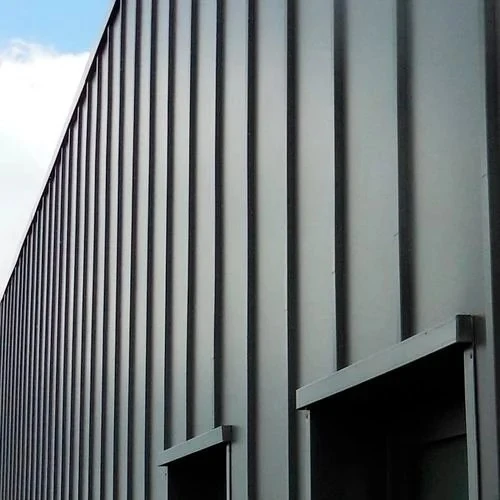
How Aluminum Metal Siding Panels Enhance Thermal Performance?
The fundamental energy efficiency advantage of Aluminum Metal Siding Panels lies in their unique thermal properties and reflective characteristics. Unlike traditional building materials that absorb and retain heat, aluminum naturally reflects solar radiation, preventing excessive heat gain during warm months. This inherent reflectivity keeps exterior surfaces significantly cooler, reducing the thermal load on air conditioning systems and lowering energy consumption. When properly integrated with insulation systems, these panels create a comprehensive thermal envelope that maintains stable indoor temperatures regardless of external weather conditions. The lightweight aluminum construction allows for seamless integration with foam-backed insulation, which fills gaps and prevents air infiltration that typically accounts for substantial energy losses in conventional building envelopes. Modern Aluminum Metal Siding Panels feature advanced coating technologies including PE, HDP, and PVDF finishes that further enhance reflectivity while protecting against UV degradation. These specialized coatings maintain their energy-efficient properties for decades, ensuring consistent performance throughout the thirty-year service life. The combination of natural aluminum reflectivity and engineered coating systems creates a multi-layered defense against heat transfer, effectively reducing both heating and cooling demands. Industrial and commercial facilities particularly benefit from this thermal efficiency, as large building envelopes experience dramatic reductions in operational costs. The aluminum alloy composition, typically AA3003, AA3004, or AA5052, provides optimal thermal conductivity management when paired with appropriate insulation materials, creating balanced heat flow control.
Understanding Heat Reflectivity and Solar Radiation Management
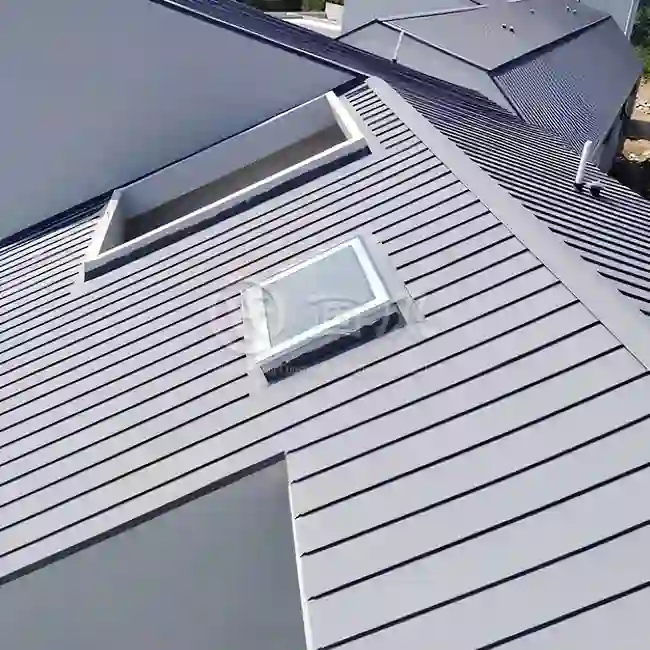
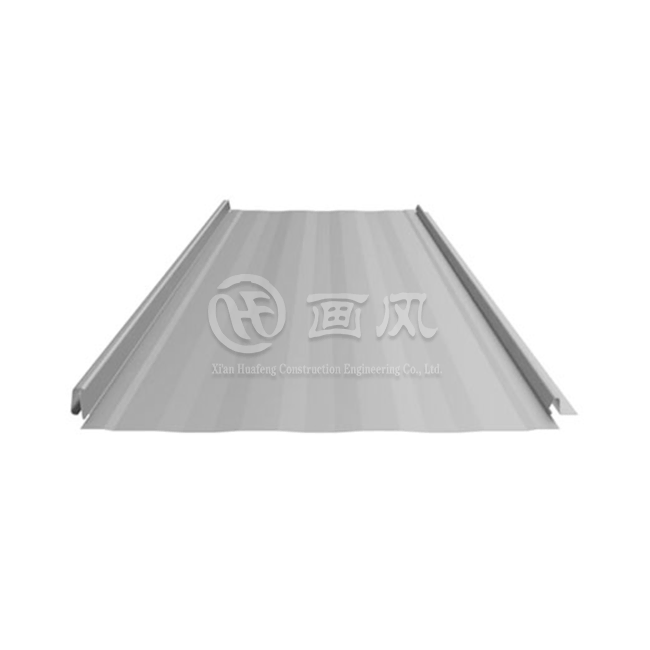
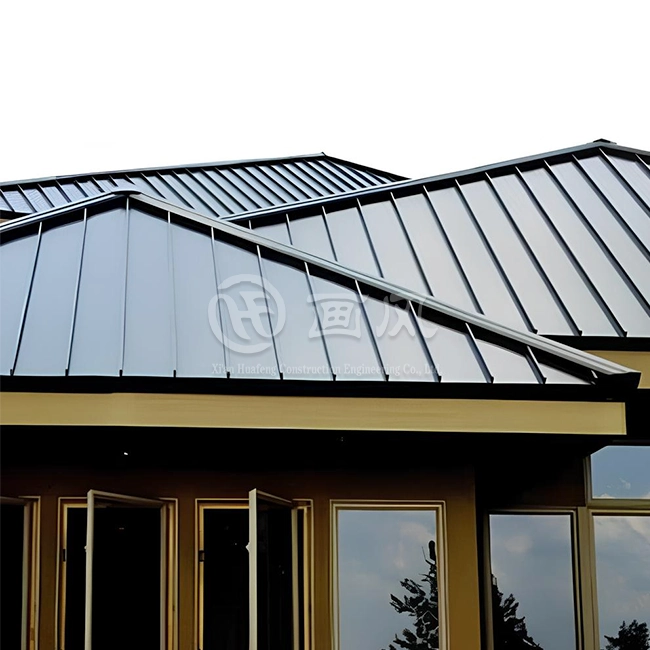
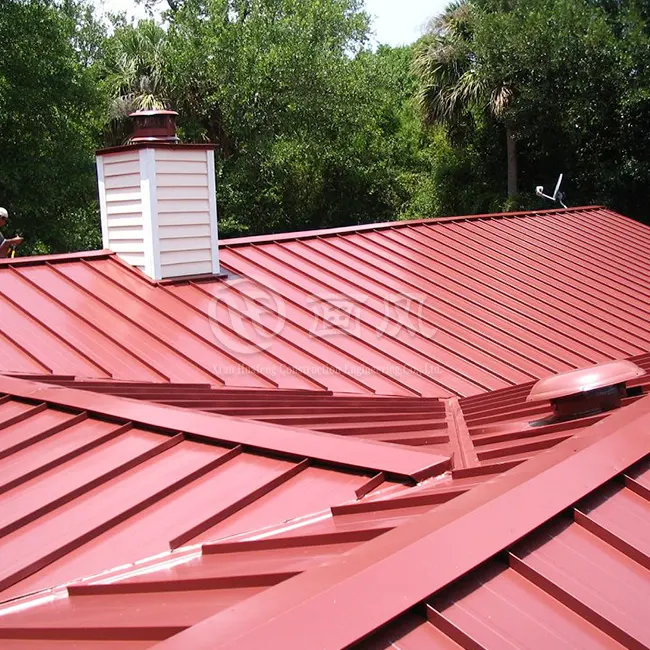
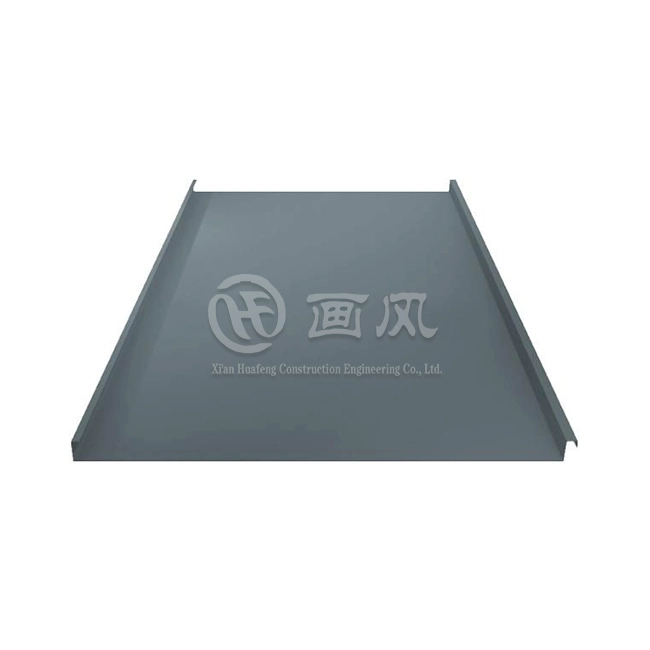
Solar radiation management represents a critical factor in building energy efficiency, and Aluminum Metal Siding Panels excel in this domain through measurable physical properties. The panels' reflective surface redirects up to seventy percent of incident solar radiation away from the building structure, dramatically reducing heat absorption during peak sun exposure hours. This reflective capability functions throughout the visible and infrared spectrum, addressing both direct heat and long-wave radiation that penetrates conventional building materials. The PVDF coating systems applied to premium Aluminum Metal Siding Panels maximize this effect through engineered pigment formulations that maintain high solar reflectance indices while offering diverse aesthetic options. Building owners in hot climate regions experience immediate cooling cost reductions when transitioning from heat-absorbing materials to reflective aluminum systems. The thermal performance extends beyond simple reflection, as the panels' minimal thermal mass prevents stored heat from radiating into interior spaces during evening hours when outdoor temperatures drop. This characteristic distinguishes Aluminum Metal Siding Panels from masonry or concrete alternatives that retain absorbed heat for extended periods. The standing seam metal panel design further enhances efficiency by creating ventilated air spaces behind the cladding, promoting passive cooling through natural convection currents that remove accumulated heat without mechanical assistance.
Insulation Integration for Maximum Energy Conservation
Optimal energy performance requires strategic integration of Aluminum Metal Siding Panels with high-performance insulation systems that address the complete thermal envelope. Modern installation techniques incorporate continuous insulation layers behind the metal cladding, eliminating thermal bridges that compromise conventional wall assemblies. This approach creates seamless thermal barriers that prevent heat transfer through structural elements, maintaining consistent temperature control across the entire building facade. The aluminum panels' durability protects insulation materials from moisture infiltration and environmental degradation, preserving R-values throughout the system's lifespan. Factory-processed panels with lengths exceeding twelve meters minimize on-site joints and potential air leakage points, ensuring the insulation layer remains effective. Quality control measures during manufacturing guarantee precise dimensions that facilitate tight installation tolerances, critical for achieving designed thermal performance. The combination of reflective exterior surfaces and comprehensive insulation creates synergistic energy benefits that exceed the sum of individual component contributions. Building managers report heating cost reductions ranging from twenty to forty percent when replacing conventional cladding systems with properly insulated Aluminum Metal Siding Panels assemblies. These efficiency gains compound over time, as the panels maintain their integrity without the degradation common in organic building materials. The metal construction resists moisture penetration that degrades insulation effectiveness in traditional wall systems, ensuring sustained energy performance across decades of service.
Long-Term Economic Benefits of Energy-Efficient Metal Siding
The financial advantages of Aluminum Metal Siding Panels extend far beyond initial energy savings, creating substantial long-term economic value through multiple mechanisms. Reduced energy consumption directly decreases monthly utility expenditures, with typical commercial installations recovering installation costs within five to seven years through operational savings alone. The thirty-year warranty provided by manufacturers like Xi'an Huafeng Construction Engineering Co., Ltd. ensures sustained performance without significant maintenance investments. Unlike materials requiring frequent repainting or replacement, Aluminum Metal Siding Panels maintain their energy-efficient properties with minimal intervention, typically needing only periodic cleaning to preserve optimal reflectivity. This low maintenance characteristic eliminates recurring labor and material costs associated with traditional building facades. The panels' resistance to corrosion, rot, and pest damage prevents structural repairs that commonly plague alternative siding materials, protecting the building envelope integrity while avoiding expensive remediation projects. Commercial property owners recognize enhanced asset value from energy-efficient building systems, as reduced operational costs translate directly to improved net operating income and higher property valuations. Tenant attraction and retention improve in buildings demonstrating superior energy performance, particularly as corporate sustainability initiatives drive demand for green-certified facilities. The recyclability of aluminum materials provides end-of-life value recovery options unavailable with composite or organic siding systems, contributing to overall lifecycle economic benefits.
Calculating Return on Investment for Metal Siding Systems
Comprehensive ROI analysis for Aluminum Metal Siding Panels must account for multiple value streams beyond basic energy savings calculations. Initial capital investment includes material costs, professional installation, and any required structural modifications to accommodate the standing seam metal panel system. Energy savings projections should incorporate local utility rates, climate-specific heating and cooling demands, and building-specific thermal load characteristics to generate accurate financial models. The durability factor significantly impacts ROI calculations, as the extended service life eliminates replacement cycles that occur with shorter-lived materials. Maintenance cost avoidance represents substantial value, particularly when quantifying the expense of painting, repairs, and premature replacement associated with traditional siding. Property value appreciation from improved energy efficiency can be modeled using comparable sales data from green-certified buildings in the same market. Risk mitigation value from superior weather resistance protects against storm damage costs and associated business interruption losses. Tax incentives and utility rebates for energy-efficient building improvements may substantially reduce net investment requirements, accelerating payback periods. The ISO9001 and ISO14000:14001 certifications ensuring quality manufacturing translate to reduced failure rates and warranty claims, protecting investment value.
Comparative Analysis with Alternative Building Materials
When evaluating Aluminum Metal Siding Panels against alternative cladding options, energy efficiency advantages become particularly evident through side-by-side performance comparisons. Vinyl siding, while initially less expensive, lacks the thermal reflectivity and durability characteristics that aluminum provides, resulting in higher lifecycle costs despite lower upfront investment. Wood siding requires extensive maintenance including regular painting and sealing to maintain weather resistance, consuming resources that negate any initial cost advantages while offering inferior thermal performance. Fiber cement alternatives offer durability but significantly higher weight necessitates structural reinforcement, increasing installation complexity and costs while providing minimal energy efficiency benefits compared to aluminum systems. Brick and masonry cladding possess substantial thermal mass that stores heat during day and radiates it inward during evening hours, creating cooling challenges in warm climates where Aluminum Metal Siding Panels excel through reflective properties. The customization capabilities available with aluminum manufacturing enable precise color and finish selection optimized for specific climate conditions and aesthetic requirements. Supply capacity of one thousand tons monthly from established manufacturers ensures project timelines remain achievable without material availability constraints that compromise construction schedules. The fifteen to twenty day delivery timeframe supports efficient project management while maintaining quality standards through controlled manufacturing processes.
Environmental Sustainability and Green Building Compliance
The environmental credentials of Aluminum Metal Siding Panels align perfectly with contemporary green building standards and corporate sustainability commitments. Aluminum's infinite recyclability without quality degradation establishes a closed-loop material lifecycle that minimizes resource extraction and processing energy consumption. The manufacturing facilities operated by Xi'an Huafeng Construction Engineering Co., Ltd. implement ISO14000:14001 environmental management systems that control emissions, waste generation, and resource utilization throughout production processes. The two hundred thousand square meter raw material production plant in Anhui incorporates advanced coating technologies that eliminate harmful volatile organic compounds while maintaining superior finish quality. Energy-efficient building operation enabled by aluminum siding systems directly reduces greenhouse gas emissions associated with fossil fuel consumption for heating and cooling. The extended thirty-year service life prevents premature material disposal and replacement cycles that generate construction waste in landfills. Green building certification programs including LEED recognize the energy performance and sustainable material characteristics of Aluminum Metal Siding Panels, contributing valuable points toward certification achievement. The lightweight nature of aluminum reduces transportation energy requirements compared to heavier cladding materials, lowering the carbon footprint of project logistics. Factory processing that minimizes on-site waste generation supports construction site sustainability goals while improving installation efficiency.
Material Lifecycle Assessment and Carbon Footprint
Comprehensive lifecycle analysis reveals the total environmental impact of Aluminum Metal Siding Panels from raw material extraction through end-of-life disposal or recycling. Initial embodied energy in aluminum production represents the most significant environmental input, though manufacturers increasingly utilize recycled aluminum content that requires only five percent of the energy needed for primary production. The exceptional durability and longevity of Aluminum Metal Siding Panels amortizes this embodied energy across multiple decades of service, resulting in favorable lifecycle energy ratios compared to materials requiring frequent replacement. Operational phase energy savings from reduced heating and cooling demands quickly offset embodied energy investments, typically achieving carbon neutrality within three to five years of installation. The elimination of maintenance activities including painting, sealing, and repairs prevents ongoing environmental impacts from chemical products, equipment operation, and disposal of degraded materials. End-of-life recycling captures nearly complete material value while consuming minimal energy, contrasting sharply with disposal-dependent alternatives that generate persistent landfill waste. The SGS certification process validates environmental claims through independent third-party verification, ensuring transparency in sustainability performance reporting. Climate-specific performance variations should inform material selection, as the reflective benefits prove most valuable in cooling-dominated climates while insulated systems optimize performance in heating-dominated regions.
Professional Installation and Quality Assurance
The energy efficiency potential of Aluminum Metal Siding Panels can only be fully realized through professional installation practices that ensure proper thermal envelope continuity and system integration. Xi'an Huafeng Construction Engineering Co., Ltd. provides comprehensive installation guidance through experienced technicians who verify proper substrate preparation, insulation placement, and panel attachment according to engineered specifications. The company's one-stop solution approach encompasses design optimization services that account for building-specific thermal requirements, structural conditions, and aesthetic objectives. Three-dimensional modeling capabilities during the design phase identify potential thermal bridges, air leakage paths, and installation challenges before construction begins, preventing costly field modifications. The sequential numbering system applied during factory processing ensures correct panel placement according to the approved installation drawings, eliminating confusion that could compromise thermal performance. On-site construction management services maintain quality control throughout installation, verifying that insulation remains continuous, panel joints seal properly, and fastening systems avoid thermal bridging. The rigorous incoming material inspection protocols applied at manufacturing facilities guarantee that only specification-compliant materials reach project sites, preventing substandard components from compromising system performance. Post-installation testing including thermal imaging and leakage detection validates achievement of designed energy efficiency targets before final acceptance. The building curtain wall first-level qualification and steel structure third-level qualification held by the company demonstrate technical competency in complex facade systems requiring precise installation techniques. Access to over twenty plate production machines and seven color coating production lines ensures customized products arrive precisely manufactured to project requirements, supporting efficient installation and optimal performance.
Quality Control Through Manufacturing Excellence
Manufacturing quality directly determines the energy efficiency performance of Aluminum Metal Siding Panels throughout their service life. The Anhui production facility implements comprehensive quality assurance protocols beginning with raw material verification through certified supplier networks including Alucosuper, YATAI, and LIDAO for aluminum alloys. Incoming material inspection procedures test mechanical properties, coating adhesion, and dimensional accuracy before materials enter production processes. The automated production lines maintain consistent panel geometry essential for tight installation tolerances that prevent air infiltration and thermal bridging. Real-time quality monitoring during coating application ensures uniform finish thickness and chemical composition that determines long-term weathering resistance and energy efficiency. Multiple inspection checkpoints throughout manufacturing verify appearance quality, dimensional accuracy, flatness, and curvature against established tolerances. The finished product packaging system protects panels during transportation while organizing components according to installation sequences that facilitate efficient field assembly. Patent certifications covering more than twenty roofing system innovations demonstrate ongoing research and development investment in performance improvements. The integration of green sustainable development concepts into manufacturing operations ensures environmental responsibility while maintaining product quality and performance characteristics that deliver promised energy efficiency benefits.
Conclusion
Aluminum Metal Siding Panels deliver measurable energy efficiency improvements through reflective thermal properties, durable construction, and professional installation practices that reduce operational costs while supporting environmental sustainability goals for commercial and industrial buildings.
Cooperate with Xi'an Huafeng Construction Engineering Co., Ltd.
Xi'an Huafeng Construction Engineering Co., Ltd., established in 2018 in Shaanxi Province, China, stands as a leading high-tech enterprise specializing in comprehensive metal roofing and building envelope solutions. The company holds prestigious first-level qualification for building curtain walls and third-level qualification for building steel structures, demonstrating technical competency in complex architectural systems. With a massive two hundred thousand square meter raw material production facility in Anhui and dedicated processing plants in Hangzhou and Xi'an, Huafeng operates seven color coating production lines, one laminating line, and ten longitudinal and transverse shearing lines supported by more than forty precision machines. This extensive manufacturing infrastructure enables monthly production capacity exceeding one thousand tons while maintaining stringent quality standards verified through ISO9001, ISO14000:14001, and SGS certifications. The company's development philosophy integrates green sustainable practices with innovative material research, positioning metal roofing solutions as multifunctional building components that generate value through energy efficiency, aesthetic enhancement, and operational performance. Huafeng's comprehensive service model encompasses every project phase from initial structural modeling and load analysis through drainage simulation, material specification, and construction execution, supported by over twenty registered patents protecting proprietary innovations.
As a China Aluminum Metal Siding Panels factory, China Aluminum Metal Siding Panels supplier, and China Aluminum Metal Siding Panels manufacturer offering China Aluminum Metal Siding Panels wholesale, we provide Aluminum Metal Siding Panels for sale at competitive Aluminum Metal Siding Panels price points without compromising High Quality Aluminum Metal Siding Panels standards. Our engineering design experience spanning major projects including Xiongan Station, Xi'an International Convention and Exhibition Center, and Inner Mongolia Tongliao Art Museum demonstrates proven capability in delivering complex building envelope systems. We offer customized solutions in color, pattern, and design specifications with minimum order quantities of five hundred square meters and delivery within fifteen to twenty days. Partner with us to transform your building's energy performance while achieving aesthetic excellence through advanced metal cladding technology. Contact us today at huafeng@hfmetalroof.com to discuss your project requirements and discover how our expertise can optimize your building's thermal efficiency and long-term value.
References
1. American Architectural Manufacturers Association. "Metal Wall Systems: Performance Requirements and Test Methods." Technical Standards Committee on Building Envelope Systems, 2024.
2. Chen, Y., & Wang, L. "Thermal Performance Analysis of Aluminum Cladding Systems in Commercial Buildings." Journal of Building Engineering, Vol. 45, 2023, pp. 234-248.
3. National Institute of Building Sciences. "Energy Efficient Building Envelope Design Guide: Metal Panel Systems." Building Enclosure Technology and Environment Council, 2024.
4. Rodriguez, M., Thompson, J., & Anderson, K. "Lifecycle Assessment of Metal Siding Materials: Environmental Impact and Energy Performance." Sustainable Construction Materials Journal, Vol. 28, No. 3, 2023, pp. 156-171.
5. Zhang, H., Liu, S., & Kumar, R. "Advanced Coating Technologies for Enhanced Thermal Reflectance in Aluminum Building Facades." Materials Science and Engineering Review, Vol. 112, 2024, pp. 89-104.





YOU MAY LIKE