OEM Guide: Custom Galvanized Metal Wall Panel Orders
2026-01-12 12:34:11
Navigating custom galvanized metal wall panel orders can feel overwhelming when project deadlines loom and specifications must be exact. Whether you're a contractor managing a commercial facility, an architect specifying materials for a new industrial complex, or a project manager coordinating large-scale construction, understanding the OEM process for galvanized metal wall panels is critical to project success. This comprehensive guide addresses the key challenges procurement professionals face, from material selection and customization options to quality assurance and delivery timelines, ensuring you make informed decisions that balance cost, performance, and aesthetic requirements for your galvanized sheet metal wall panels project.
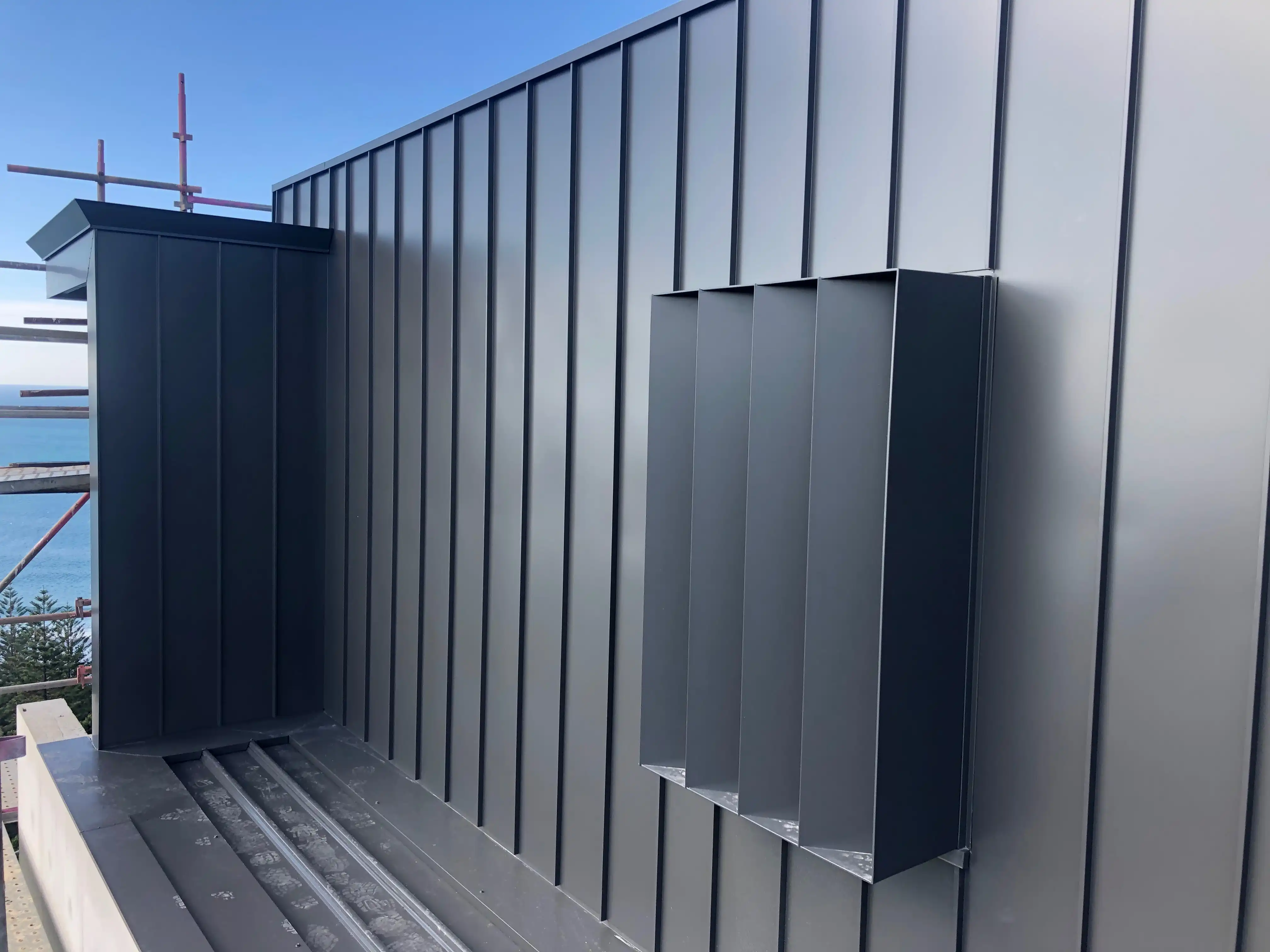
Understanding Galvanized Metal Wall Panel Specifications for Custom Orders
When placing custom orders for galvanized metal wall panels, understanding material specifications forms the foundation of successful project execution. Galvanized sheet metal wall panels are manufactured from high-grade steel substrates coated with protective zinc layers, typically ranging from Z60 to Z275 grams per square meter. The galvanization process creates a metallurgical bond between zinc and steel, providing exceptional corrosion resistance that extends panel lifespan up to three decades in typical environmental conditions. For OEM orders, material selection begins with identifying the appropriate steel grade such as DX51D, DX52D, or DX53D, each offering distinct mechanical properties suited to different structural and load-bearing requirements. Thickness specifications for custom galvanized metal wall panels typically range from 0.3mm to 1.2mm, with 0.4mm to 0.8mm representing the most commonly specified gauges for commercial and industrial applications. Thicker panels provide enhanced structural integrity and impact resistance, making them ideal for high-traffic areas or regions experiencing severe weather conditions including heavy winds, hail, or snow loads. Panel width customization typically spans 600mm to 1200mm, with standard configurations at 1000mm offering optimal coverage efficiency while minimizing material waste. Length customization accommodates project-specific requirements, with most manufacturers capable of producing panels up to 12 meters long, though transportation logistics may necessitate shorter lengths for certain delivery locations.
Surface treatment options significantly influence both aesthetic appearance and functional performance of galvanized metal wall panels. Beyond the standard galvanized finish, which develops a characteristic spangled appearance, OEM orders can specify additional coating systems including HDP (High Durability Polyester) or PVDF (Polyvinylidene Fluoride) finishes. PVDF coatings deliver superior color retention and chalk resistance, maintaining architectural aesthetics for 30 years or more, while HDP finishes offer cost-effective protection with excellent durability for most commercial applications. Color-coated galvanized sheet metal wall panels expand design possibilities, with custom color matching available to coordinate with existing architectural elements or corporate branding requirements. Texture options including matte, glossy, embossed, or wood-grain patterns further enhance design flexibility, allowing architects to achieve specific visual effects while maintaining the inherent benefits of galvanized steel construction.
Technical Performance Criteria and Testing Standards
Custom galvanized metal wall panel orders must meet rigorous international quality standards to ensure consistent performance across diverse applications and environmental conditions. Industry-recognized standards including ASTM (American Society for Testing and Materials), DIN (German Institute for Standardization), JIS (Japanese Industrial Standards), BS (British Standards), and GB/T (Chinese National Standards) establish comprehensive testing protocols for material composition, mechanical properties, and coating performance. These standards ensure that galvanized metal wall panels deliver predictable structural behavior, corrosion resistance, and longevity regardless of manufacturing location or destination market. Quality assurance for OEM orders encompasses multiple inspection stages throughout the production process. Incoming raw material inspection verifies steel substrate chemistry, mechanical properties including tensile strength and yield point, and zinc coating weight to confirm compliance with specified standards. Third-party material certifications and mill test reports provide documented evidence of material quality, enabling procurement professionals to maintain comprehensive quality records for project compliance and future reference. During manufacturing, real-time quality control monitors dimensional accuracy, coating uniformity, and surface finish quality, ensuring each panel meets exacting specifications before packaging and shipment.
Comprehensive testing protocols evaluate galvanized metal wall panel performance under simulated real-world conditions. Salt spray testing assesses corrosion resistance by exposing panels to accelerated weathering environments, with test durations correlating to expected service life under coastal or industrial atmospheric conditions. Adhesion testing verifies coating bond strength, ensuring paint or protective layers remain intact during panel forming, installation, and decades of service. Additional evaluations including hardness testing, impact resistance assessment, film thickness measurement, acid resistance verification, and color difference analysis confirm that custom galvanized sheet metal wall panels meet specified performance criteria before leaving the manufacturing facility.
Essential Customization Options for OEM Galvanized Metal Wall Panel Projects
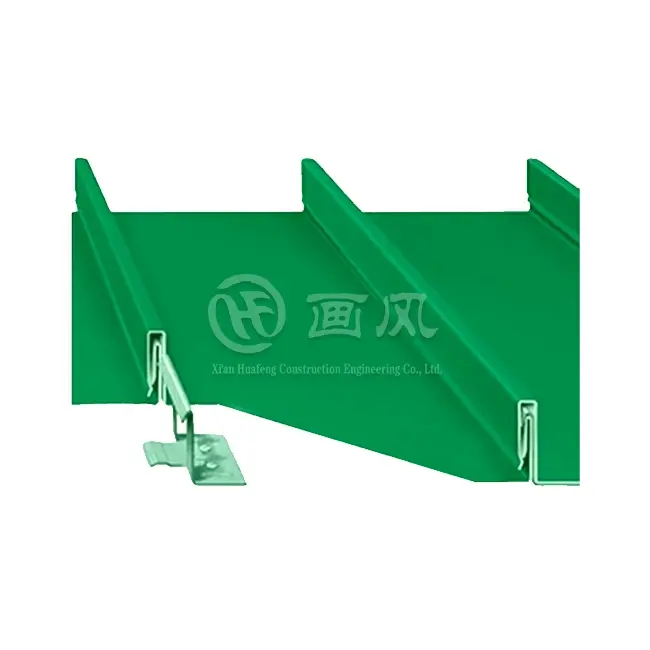
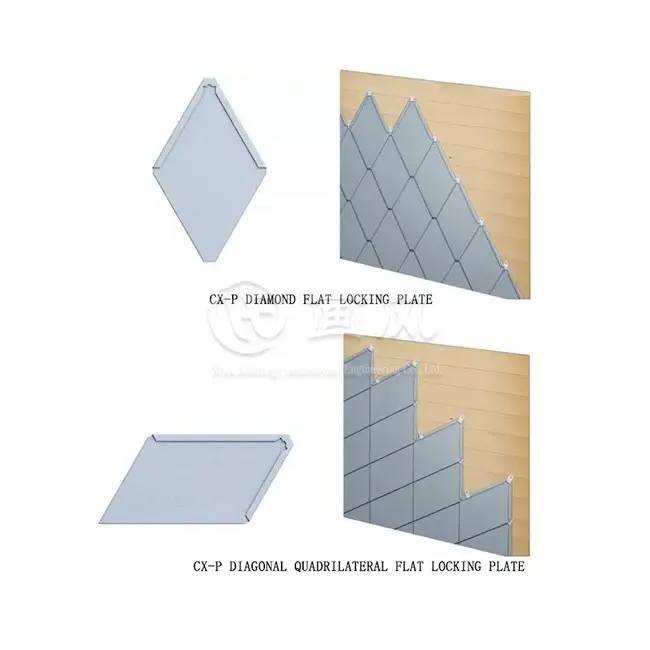
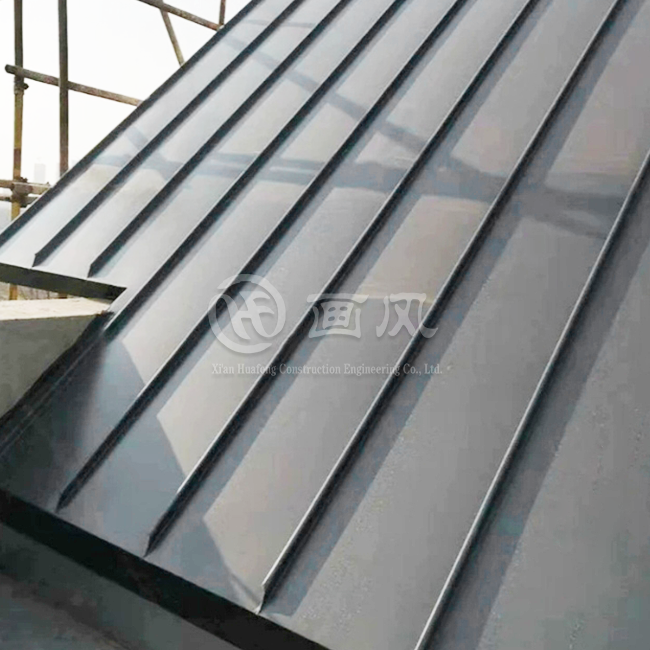
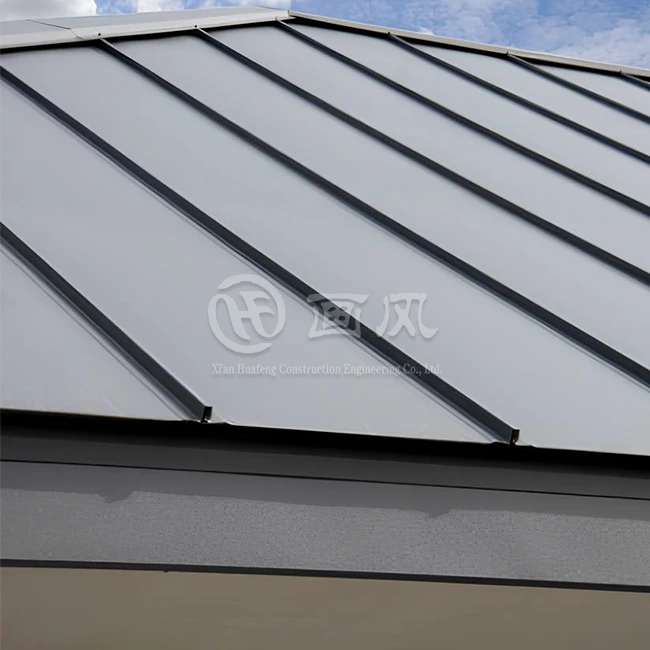
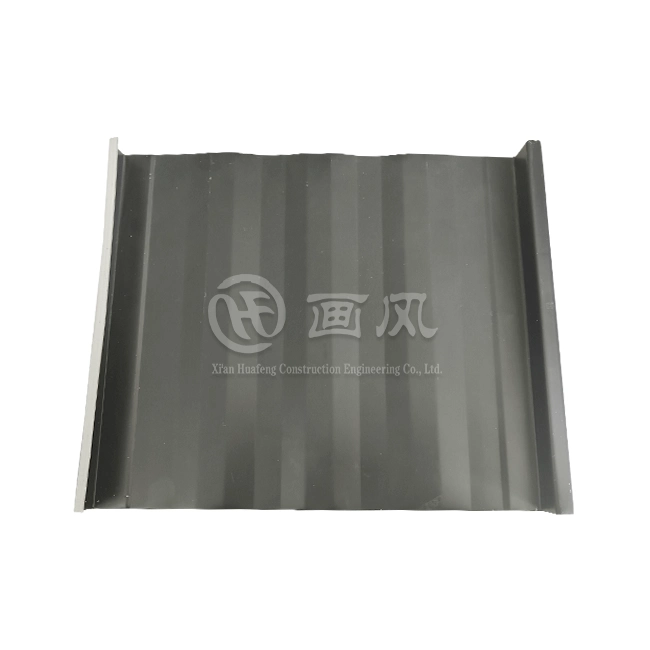
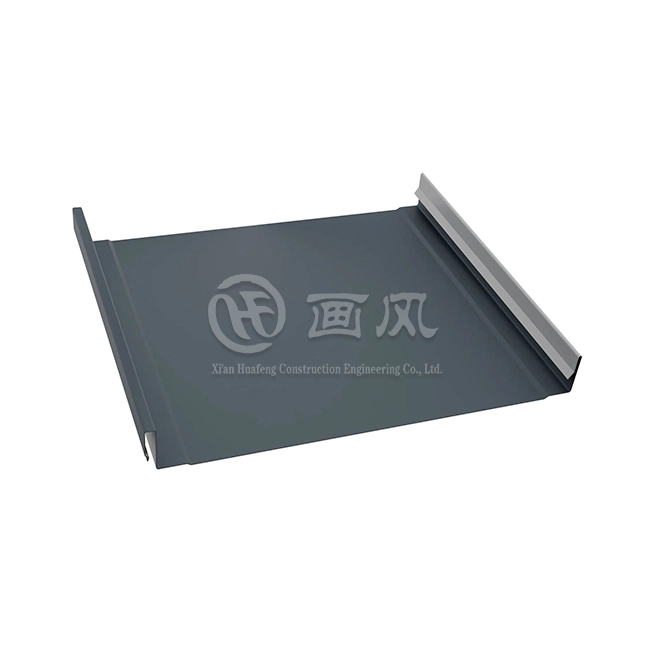
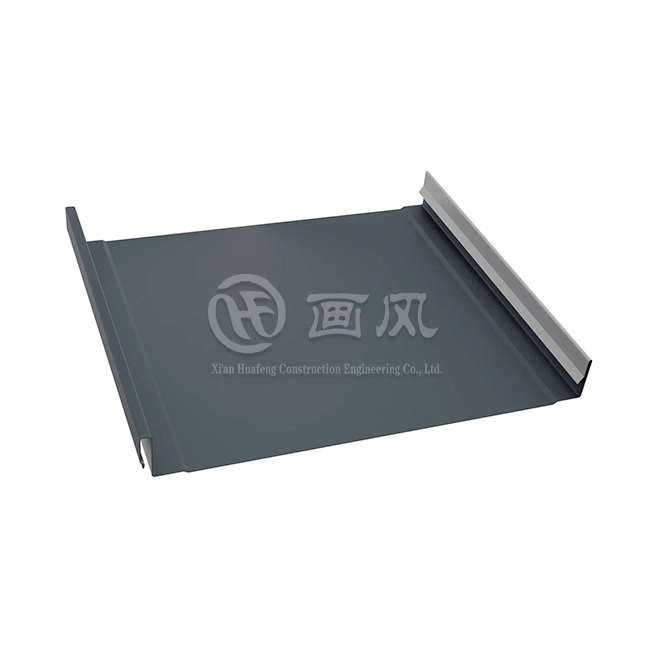
Custom galvanized metal wall panel orders offer extensive customization capabilities that enable architects and designers to realize unique architectural visions while meeting specific project requirements. Profile configuration represents one of the most impactful customization decisions, with options ranging from flat panels for clean contemporary aesthetics to various corrugation patterns that enhance structural strength and visual interest. Standing seam profiles provide concealed fastener systems that eliminate visible hardware for seamless appearances, while exposed fastener configurations offer economical installation with traditional architectural character. Small corrugation patterns typically featuring 18mm to 35mm rib heights deliver moderate structural enhancement suitable for standard wall applications, while large corrugation profiles with rib heights exceeding 50mm provide maximum span capabilities for applications requiring reduced structural support or enhanced shadow lines. Perforation patterns introduce functional and aesthetic dimensions to galvanized metal wall panels, enabling customized solutions for acoustic control, ventilation requirements, or distinctive visual effects. Micro-perforation patterns with hole diameters from 0.8mm to 3mm create subtle texture while allowing air circulation for rain-screen applications or mechanical equipment enclosures. Larger perforation designs ranging from 5mm to 25mm diameter holes enable dramatic pattern effects, with custom arrangements spelling words, forming logos, or creating geometric motifs that transform building facades into architectural statements. Perforation percentage, typically ranging from 15% to 60% open area, can be precisely controlled to balance acoustic performance, air flow requirements, and structural integrity while maintaining the corrosion resistance inherent in galvanized sheet metal wall panels.
Edge treatment and panel joinery systems critically influence both installation efficiency and long-term weatherproofing performance. Traditional overlap joints provide economical connections suitable for vertical wall applications where drainage planes adequately manage moisture, requiring sealant application along panel edges to ensure weather resistance. Interlocking edge profiles including male-female configurations or standing seam systems deliver superior weather protection through mechanical engagement that eliminates fastener penetrations through the weather-exposed surface. These concealed fastener systems enhance aesthetic purity while reducing maintenance requirements by eliminating exposed fastener weathering or backing out over time. Custom edge formations can incorporate drip edges, anti-capillary grooves, or thermal breaks to address specific performance requirements related to water management, condensation control, or energy efficiency objectives.
Advanced Surface Treatments and Protective Coatings
Beyond standard galvanized finishes, advanced surface treatment options transform functional galvanized metal wall panels into premium architectural cladding systems that satisfy demanding aesthetic and performance specifications. Pre-painted galvanized sheet metal wall panels receive factory-applied organic coatings engineered to deliver decades of color retention, chalk resistance, and protection against UV degradation, industrial pollutants, and biological growth. The coating specification process begins with selecting appropriate primer systems that promote adhesion to the galvanized substrate while providing additional corrosion protection, followed by topcoat selection based on required durability, color stability, and environmental exposure conditions. Polyester-based coating systems represent the most economical painted finish option, delivering reliable performance in moderate climates with 10 to 15-year color warranties typical for standard formulations. Silicon-modified polyester (SMP) coatings enhance durability through silicone addition, improving gloss retention and extending service life in more demanding environments with warranties extending 20 to 25 years. Premium PVDF resin coatings incorporating 70% polyvinylidene fluoride content deliver industry-leading performance with 30 to 40-year warranties, maintaining color integrity and surface cleanliness even in harsh coastal, industrial, or high-UV exposure conditions. These advanced coating systems enable galvanized metal wall panels to compete aesthetically with premium cladding materials while retaining the practical advantages of steel construction including fire resistance, impact resistance, and recyclability.
Custom color development services accommodate specific project requirements including historic restoration color matching, corporate branding coordination, or architectural design themes requiring colors outside standard palette offerings. Color matching processes utilize spectrophotometric analysis to precisely reproduce target colors, with sample panel production enabling visual verification under project-relevant lighting conditions before full production commitment. Special effect finishes including metallic appearances, pearlescent effects, or color-shifting properties create dynamic facades that change appearance based on viewing angle and lighting conditions, elevating galvanized sheet metal wall panels beyond utilitarian construction materials into expressive architectural elements that define building character and enhance occupant experience.
Navigating the OEM Manufacturing Process for Custom Panel Orders
Understanding the OEM manufacturing workflow for custom galvanized metal wall panels enables procurement professionals to anticipate timeline requirements, coordinate approvals, and ensure project delivery schedules align with construction phasing. The process begins with project drawing analysis, where engineering teams review architectural plans, elevations, and detail drawings to identify feasible fabrication approaches and potential optimization opportunities. This collaborative design phase involves consultation between customer representatives and manufacturer technical specialists to refine panel configurations, confirm dimensional requirements, and establish construction methodologies that balance aesthetic intentions with manufacturing capabilities, installation efficiency, and cost objectives. Sample production represents a critical validation step that allows all stakeholders to physically evaluate proposed solutions before committing to full production volumes. Factory-generated samples fabricated using specified materials, thicknesses, surface treatments, colors, and profiles enable architects to confirm visual appearance, verify dimensional accuracy, and assess tactile qualities under actual viewing conditions rather than relying solely on digital renderings or material swatches. For large-scale projects requiring multiple panel configurations or color combinations, comprehensive sample sets documenting all variations prevent costly misunderstandings while establishing sealed samples that serve as quality benchmarks throughout subsequent production and installation phases. Sample approval timelines typically require two to three weeks including fabrication, shipping, and stakeholder review, necessitating early initiation to avoid compressing overall project schedules.
Production drawing development translates approved architectural concepts into detailed fabrication instructions that guide manufacturing operations. Design departments decompose overall elevations into individual panel specifications, assigning unique identification numbers that correspond to specific building locations shown on sectioned floor plans. This systematic numbering approach ensures quality assurance personnel can verify correct fabrication, packaging personnel can organize shipments for logical installation sequencing, and installation crews can efficiently locate and position panels without confusion or delays. Drawing packages typically include panel profiles, dimensional callouts, hole patterns, edge treatments, and surface finish specifications, complemented by accessory schedules detailing trim pieces, fasteners, sealants, and flashing components required for complete installation.
Quality Control and Manufacturing Oversight
Rigorous quality control protocols throughout the manufacturing process ensure custom galvanized metal wall panels consistently meet specification requirements and performance expectations. Material procurement begins with supplier qualification, verifying that steel mills and coating suppliers maintain ISO 9001 quality management systems, provide comprehensive mill test reports documenting chemical composition and mechanical properties, and deliver materials meeting specified standards including ASTM, DIN, JIS, BS, or GB/T requirements. Incoming inspection procedures verify material certifications against purchase orders, with additional sampling and testing for critical properties including zinc coating weight, steel substrate thickness, surface preparation quality, and dimensional accuracy before releasing materials to production. Manufacturing facilities equipped with advanced roll-forming systems, precision cutting equipment, and automated punching lines transform raw coil stock into finished galvanized sheet metal wall panels with exceptional dimensional consistency. Roll-forming stations progressively shape flat sheet metal through sequential forming dies, creating specified profiles while maintaining material integrity and coating adhesion. Computer-controlled cutting systems ensure precise length dimensions, with tolerances typically held within plus-or-minus 3mm for panels up to 12 meters long. Automated punch presses create fastener holes, alignment features, or custom perforation patterns with positioning accuracy of plus-or-minus 0.5mm, eliminating cumulative errors that could complicate field installation.
Finished panel inspection encompasses comprehensive evaluation of dimensional accuracy, profile consistency, surface finish quality, flatness, and curvature to verify compliance with engineering drawings and quality standards. Inspection protocols document measurements for width, length, profile height, flange dimensions, and hole locations, comparing results against specified tolerances. Surface quality assessment identifies coating defects including scratches, dents, color inconsistencies, or contamination that could affect aesthetic appearance or protective performance. Panels failing inspection undergo remediation or rejection, with root cause analysis identifying process improvements to prevent recurrence. Acceptable panels proceed to protective packaging designed to prevent damage during shipping and handling, with identification cards attached to each bundle correlating to sectioned floor plans and installation sequences that facilitate efficient field operations.
Strategic Considerations for Successful Project Execution
Successful custom galvanized metal wall panel projects require strategic planning that extends beyond material specification to encompass logistics coordination, installation methodology, and long-term performance considerations. Minimum order quantities typically range from 500 to 1000 square meters depending on manufacturer capabilities and product configurations, with volume commitments enabling economical production runs that justify tooling setup, color batch preparation, and quality assurance protocols. For smaller projects falling below standard minimum thresholds, exploring standard product lines or coordinating with other concurrent projects may provide pathways to access custom capabilities without excessive cost premiums. Delivery timeline planning must account for manufacturing lead times typically spanning 15 to 25 working days from order confirmation and approved production drawings through completed fabrication, quality inspection, and packaging preparation. International shipments require additional time for export documentation, customs clearance, and freight transit, with total durations potentially extending 45 to 60 days for overseas deliveries. Early procurement initiation and proactive communication with manufacturing partners enables realistic schedule development that accommodates approval cycles, sample validation, drawing coordination, and manufacturing sequencing without compressing timelines to levels that compromise quality or increase expediting costs. Strategic inventory staging at project sites requires weather-protected storage facilities with adequate space for organizing panel bundles according to installation sequences, preventing damage from ground moisture, preventing material handling that could scratch or dent finished surfaces.
Installation planning incorporates considerations for substrate preparation, fastening systems, water management details, and quality verification protocols that ensure galvanized metal wall panels perform as designed throughout their service life. Substrate requirements vary based on panel profile and spanning capabilities, with options including open purlin systems for structural panels, continuous sheathing for profiles requiring solid backing, or proprietary rain-screen systems incorporating drainage planes and ventilation cavities. Fastener selection must consider structural loads, thermal movement accommodation, galvanic compatibility, and aesthetic visibility requirements, with options ranging from exposed self-drilling screws with EPDM washers to concealed clip systems that engage panel edges without penetrating weather-exposed surfaces. Water management details including laps, transitions, penetrations, and terminations require careful design and execution to prevent moisture intrusion, with high-quality sealants, gaskets, and flashing accessories specified to match galvanized metal wall panel service life expectations.
Maintenance and Long-Term Performance Optimization
Despite the inherent durability and low-maintenance characteristics of galvanized sheet metal wall panels, strategic maintenance programs optimize appearance retention and extend service life beyond standard warranty periods. Routine inspection protocols conducted semi-annually or annually identify emerging issues including coating deterioration, fastener backing out, sealant degradation, or biological growth before minor deficiencies escalate into significant performance problems requiring costly remediation. Visual inspection focuses on panel surfaces, joints, transitions, and terminations, documenting coating condition, corrosion indicators, mechanical damage, and water staining that could indicate drainage deficiencies or trapped moisture conditions. Cleaning procedures tailored to specific coating systems and environmental exposure conditions maintain aesthetic appearance while preserving coating integrity. For painted galvanized metal wall panels, periodic washing with mild detergent solutions removes accumulated dirt, biological growth, and industrial deposits that could accelerate coating degradation through prolonged contact. High-pressure washing equipment should be used cautiously, maintaining appropriate nozzle distances and pressure limits to avoid damaging coatings or forcing water behind panel edges. In coastal or industrial environments where airborne salts or chemical contaminants accelerate corrosion processes, more frequent cleaning intervals prevent accumulation of aggressive substances that compromise protective coatings. Bare galvanized panels develop characteristic white rust patina through zinc oxidation, a natural process that stabilizes over time and does not indicate performance degradation, though periodic rinsing removes accumulated deposits and maintains consistent appearance.
Fastener maintenance includes periodic verification of proper torque, replacement of deteriorated washers or gaskets, and application of touch-up coatings at exposed fastener locations showing corrosion initiation. Panel joints and transitions require sealant inspection with remediation of cracked, shrunk, or debonded sealant that could permit water infiltration. For projects in seismic zones or regions experiencing significant thermal cycling, specialized inspections verify that movement joints and expansion provisions continue functioning as designed without binding or accumulating debris that could restrict intended motion. Comprehensive maintenance documentation including inspection reports, cleaning logs, and repair records provides valuable information for warranty claims, building operations, and future renovation planning while demonstrating responsible stewardship that protects long-term building value.
Conclusion
Successfully navigating OEM custom galvanized metal wall panel orders requires comprehensive understanding of material specifications, customization capabilities, manufacturing processes, and strategic project execution considerations that ensure optimal outcomes balancing cost, performance, and aesthetic objectives for demanding architectural applications.
Cooperate with Xi'an Huafeng Construction Engineering Co., Ltd.
As a leading China galvanized metal wall panel factory and China galvanized metal wall panel manufacturer, Xi'an Huafeng Construction Engineering Co., Ltd. delivers exceptional value through integrated design, manufacturing, and construction capabilities honed since our 2018 establishment in Shaanxi Province. Our comprehensive infrastructure includes a 200,000-square-meter raw material production facility in Anhui alongside specialized processing plants in Hangzhou and Xi'an, operating 7 color coating production lines, 1 laminating line, 10 shearing production lines, and over 40 advanced fabrication machines generating 1000-ton monthly supply capacity. Recognized as a high-tech enterprise with first-level building curtain wall qualifications and third-level steel structure credentials, we maintain rigorous ISO9001, ISO14000, and SGS certifications alongside 20+ proprietary patents ensuring high quality galvanized metal wall panel production meeting international standards including ASTM, DIN, JIS, BS, and GB/T specifications. Our one-stop solution encompasses structural 3D modeling, drainage system simulation, material specification advisory, precision roll-forming with real-time quality control, raw material traceability, on-site project management, and safety compliance documentation. As your trusted China galvanized metal wall panel supplier offering China galvanized metal wall panel wholesale pricing, we provide customized galvanized metal wall panel for sale with 30-year warranties, 500-square-meter MOQ, 15-20 day delivery, and complete customization for color, pattern, and design requirements. Contact our experienced team at huafeng@hfmetalroof.com to discuss your project specifications, request samples, obtain competitive galvanized metal wall panel price quotations, and discover why Fortune 500 companies trust Huafeng for their critical architectural metal systems requiring uncompromising quality and reliable performance.
References
1. American Society for Testing and Materials. "ASTM A653/A653M: Standard Specification for Steel Sheet, Zinc-Coated (Galvanized) or Zinc-Iron Alloy-Coated (Galvannealed) by the Hot-Dip Process." ASTM International.
2. Metal Construction Association. "Metal Wall and Roof Panel Design Guide." National Institute of Building Sciences.
3. European Committee for Standardization. "EN 10346: Continuously Hot-Dip Coated Steel Flat Products for Cold Forming - Technical Delivery Conditions." European Standards.
4. Architectural Precast Association. "Architectural Metal Panel Systems Installation Guidelines and Performance Standards." Construction Specifications Institute.
5. National Coil Coating Association. "Coil Coating Performance and Testing Standards for Architectural Applications." NCCA Technical Publications.





YOU MAY LIKE