032 Aluminum Standing Seam Roofing: The Future of Sustainable Roofs
2026-05-26 18:15:02
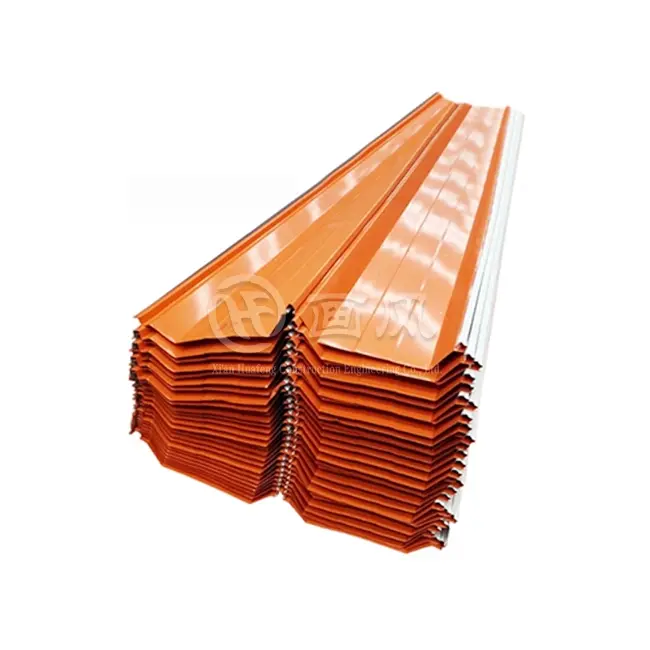
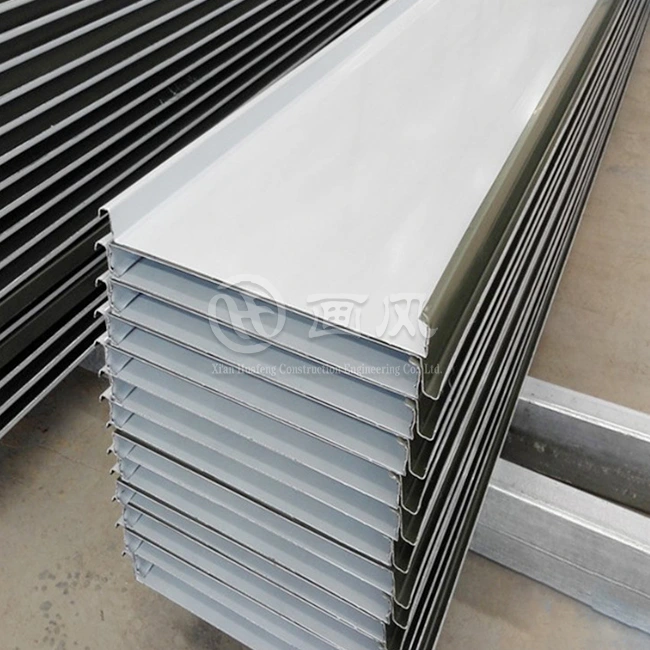
032 aluminum standing seam roofing is at the cutting edge of new ideas when it comes to the future of green building. This roofing option uses modern standing seam technology and aluminum alloy panels that are 0.032 inches thick to provide great weather resistance, durability, and environmental performance. This roofing system is a smart buy for construction companies, roofing contractors, and business property owners who want to use durable materials that meet green building standards and save money in the long run. Its lightweight design and exceptional durability meet important challenges in modern construction, such as coastal corrosion resistance and energy efficiency requirements. This makes it a more popular choice for projects that need to meet both structural integrity and sustainability standards.
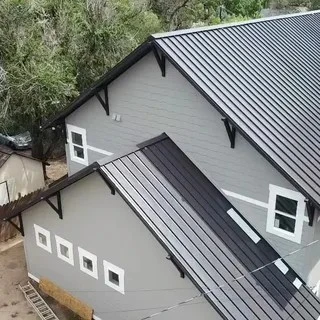
Understanding 032 Aluminum Standing Seam Roofing
What Makes This Roofing System Unique
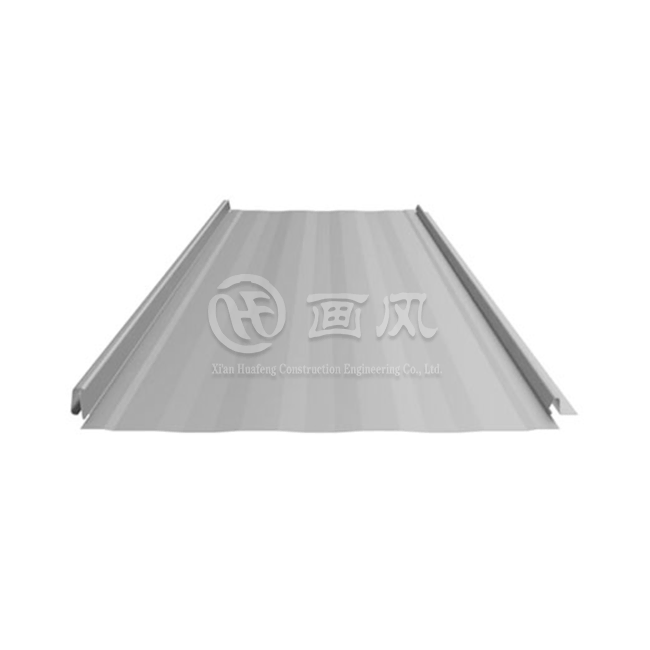
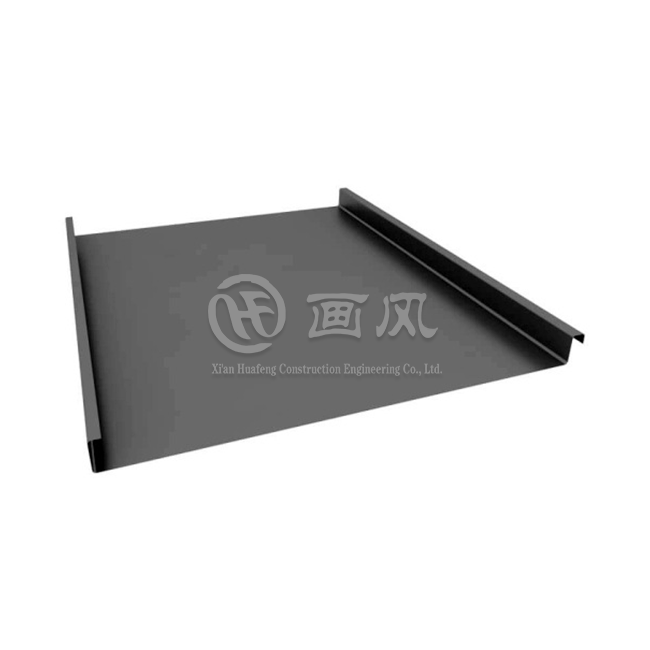
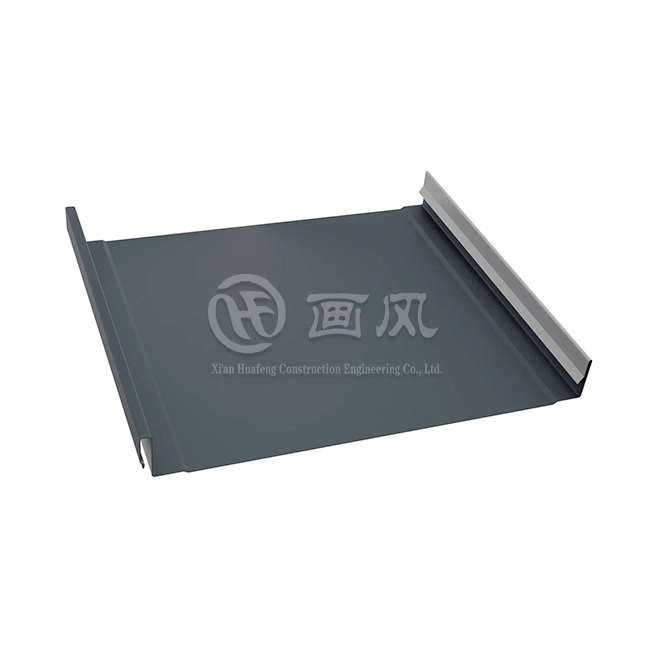
At its core, this roofing system is made up of 0.8mm (about 0.032 inches) thick aluminum alloy plates made from high-quality AA3003, AA3004, or AA3005 aluminum-magnesium-manganese alloys. It is important for challenging business and industrial uses that these alloys have the right amount of tensile strength and corrosion protection. The standing seam design has raised vertical bars that are 25 mm to 65 mm high and fit together firmly without any visible fasteners. This hidden clip method keeps water out while also allowing for thermal expansion, which is important to think about because aluminum has a higher rate of thermal expansion than steel.
Key Performance Characteristics
The material's natural qualities make it useful for big projects in measured ways. With a weight of only 3 kg per square meter, these panels put only a small amount of stress on the structure—about a third of what similar steel roofs does—so they can be installed on buildings that can't hold much weight without having to pay for expensive structural support. The naturally occurring aluminum oxide layer protects against corrosion and can fix itself. This is especially useful in harsh marine settings, since galvanized steel guarantees usually don't apply to areas less than 1,500 feet from salt water. When used with PVDF fluorocarbon finishes that meet AAMA 2605 standards, the color lasts longer than 20 years, even when exposed to UV light for a long time.
Mechanical and Environmental Benefits
This covering system does more than just protect against the weather; it also improves the speed of operations. A high solar reflectance index (usually above 80) makes business buildings much less likely to need to cool down, which helps them get LEED approval. The mechanical lock edge design can survive wind speeds of more than 60 meters per second, which is the same as a Category 5 storm, and still keep its waterproof integrity. Temperature performance ranges from -50°C to +120°C make sure that the device works reliably in a wide range of climates. With a 100% recycling rate and low upkeep needs over a 30 to 50-year service life, the total cost of ownership is comparable to traditional roofing materials, even though the original investment is higher.
Comparing 032 Aluminum with Other Roofing Materials and Gauges
Gauge Thickness Considerations
When making buying choices, it's common to have to compare different metal gauges. The 0.032-inch measurement is the standard in the industry for home and small business uses because it gives enough rigidity without being too heavy. Thicker 0.040-inch metal is better at resisting ice and less likely to oil canning (waviness on the surface), but it costs about 20–25% more and is heavier, which may mean that the structure needs to be changed. On the other hand, thinner 0.027-inch budget grades are less resistant to wind uplift and don't last as long. This is a waste of money for projects that need performance promises that last for decades.
When you think about application settings, the link between gauge selection and project factors becomes more clear. Coastal resort projects usually require a minimum thickness of 0.032 inches because of salt spray corrosion requirements. On the other hand, business buildings inland might look at thicker gauges for better impact protection in areas prone to hail. Knowing these trade-offs helps facility managers make sure that the material requirements are in line with the goals of risk management and the budgets for the whole lifecycle.
Aluminum Versus Steel and Other Metals
Comparing 032 aluminum standing seam roofing to 24-gauge steel ones shows that it has clear pros and cons. Steel is stronger in tension and less likely to get damaged by hail, and it usually costs less to make. But because steel is easily corroded, especially at cut edges, bolt holes, and covering flaws, it needs to be inspected and maintained more often. Galvanized steel coats break down quickly in places with a lot of pollution or near the coast. This means that the steel fails early and needs to be replaced, which costs more than the initial savings.
Copper standing seam roofing lasts a lot longer and develops a unique color over time, but the material costs three to four times more than aluminum. Copper is still only used as an accent in architecture for developers who are careful with their budgets and who are in charge of business companies. It is not used for whole-building roofing. Zinc roofing is a good compromise between price and performance, but it is heavy and easily corrodes when it comes into touch with metals that are not the same, which makes installation more difficult.
Functional and Aesthetic Comparisons
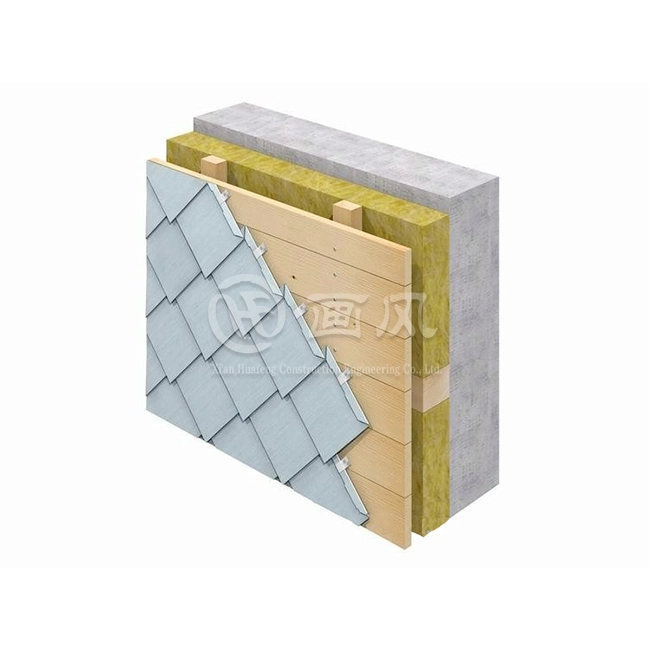
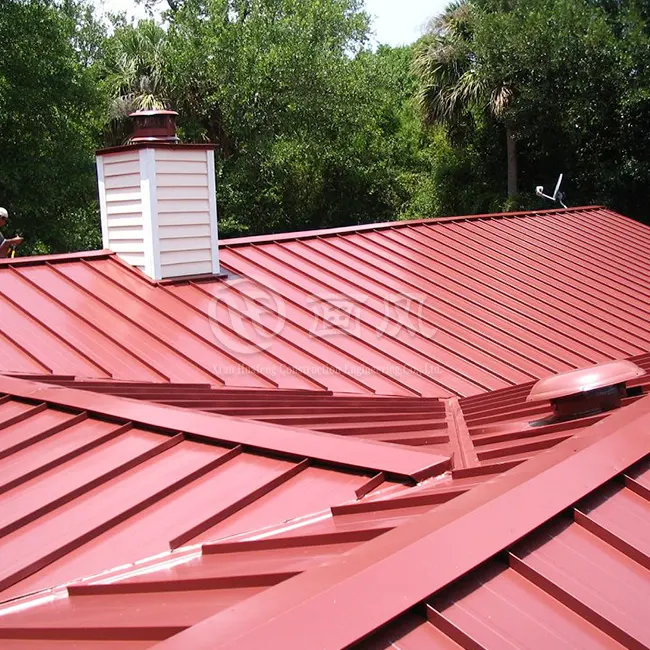
In addition to technical details, architects and building owners also look at how the building looks and how flexible the design can be. Standing seam profiles have a clean, modern look that works well in modern business buildings, airport terminals, and corporate sites. With RAL standards and unique color matching, you can choose from a large range of colors that can be used in a variety of building styles. Standing seam systems are different from metal shingles, which look like traditional roof profiles. They focus on horizontal lines that look good on big buildings and help water drain well on low-slope uses down to 1:12 pitch.
Installation Process and Maintenance Tips for 032 Aluminum Standing Seam Roofing
Professional Installation Requirements
Preparing the roof deck correctly is the first step to a successful installation. The base must have a smooth, clean surface. This is usually achieved with solid decking or properly spread purlins that meet engineering standards for the wind and snow load needs of the building. Choosing the right underlayment is important, especially for metal systems, because galvanic rusting can start when materials that don't work together do. High-temperature synthetic underlayments keep panels from breaking down during installation and during their service life.
Placing panels requires accuracy to make sure they are lined up correctly and that the seams stay together. Because aluminum expands, floating clip systems connected to the structure deck let the material move with the temperature without putting stress on the fasteners. The raised ribs are crimped together in a double-lock pattern by mechanical seaming equipment. This makes watertight joints that have been tried to survive wind-driven rain for a long time. Quality control checks make sure that the seam contact depth, clip spacing, and end lap details at the ends of panels are all correct.
Ongoing Maintenance Protocols
Even though they say they don't need any care, smart building management includes visual checks every six months to look for damage from things like foot traffic, falling branches, or installing equipment. PVDF-coated surfaces don't let dirt build up because they clean themselves, but sites in highly polluted industrial areas can benefit from light detergent solutions being used on a regular basis for low-pressure washing. Inspectors should make sure that the gutters and drains are still clear, because water that pools at the edges of panels, even on metal that doesn't rust, speeds up the coating's breakdown.
For isolated panel damage, the standard way to fix it is to replace the damaged parts instead of trying to patch them in the field. This keeps the system's integrity and protects the guarantee. Contractors should write down information about the installation, such as the panel maker, coating requirements, and clip types, to make sure that new materials will work with the originals. Setting up maintenance contracts with experienced metal roofers who know how to work with standing seam systems saves the owner's investment and makes sure the warranty is followed for the entire life of the roof.
Procurement Insights: Buying and Sourcing 032 Aluminum Standing Seam Roofing
Cost Analysis and Ordering Considerations
The prices of 032 aluminum standing seam roofing depend on a number of things that procurement workers have to look at. Base aluminum prices change with the price of other commodities, but long-term supply deals can keep prices stable for big projects. The choice of coating has a big effect on the cost per square foot. Standard polyester finishes are less expensive than special PVDF formulas, but the better weathering of the latter makes it worth the extra money for projects that need to last a long time. Panel width, rib height, and custom color requests all come with extra costs that need to be weighed against the need for good looks and function.
Another thing to think about when planning a project is the minimum order quantity. With HF's 500-square-meter minimum, medium-sized business projects can get professional-grade materials without having to pay a lot for storage. Large developments can get volume price benefits, which could cut the cost of materials by 10-15% compared to buying on a small lot. Usually, delivery takes 15 to 20 days after an order is confirmed. This means that building plans need to be coordinated to avoid costly delays.
Supplier Evaluation Criteria
When looking for trusted makers, you need to look at more than just price quotes. Quality certifications like ISO9001 and ISO14001, as well as meeting foreign standards like ASTM, DIN, JIS, BS, and GB/T, give you peace of mind about the stability of your manufacturing and your quality management systems. When projects have tight deadlines, production capacity is important. Manufacturers with multiple sites and specialized production lines show that they can handle big orders. The infrastructure needed for commercial-scale deployments can be seen in HF's three factories, seven production lines, and more than 40 specialized tools.
The warranty terms should be carefully read, especially the parts that say how to file a claim and how long the policy lasts. When compared to shorter covering periods, a 30-year guarantee on material performance and finish integrity reduces risk by a large amount. Checking a supplier's reputation by looking at project files and customer references shows how well they've done in the real world, which helps buying teams stay away from suppliers who have quality problems or delivery problems. Having access to technical help during the planning and building stages of a project adds value beyond the supply of materials, especially for roofs with complicated shapes or difficult site conditions.
Future Trends and Market Outlook for 032 Aluminum Standing Seam Roofing
Regulatory Drivers and Green Building Integration
As environmental rules tighten, more sustainable roofing materials are employed. Title 24 energy efficiency laws in California and equivalent rules in Europe and Asia mandate cool roof systems to reduce urban heat islands. Sun-reflective metal roofing systems naturally meet these specifications. Developers seeking LEED, BREEAM, or Green Globes accreditation should use aluminium standing seam. Another reason circular economy concepts are growing in company sustainability strategies is their capacity to be recycled.
Metal roofing systems may profit from building-integrated solar (BIPV) technology. Standing seam profiles are designed to connect solar panels using clamps. Producing green energy on-site maintains roof warranties. This roofing and energy production meets net-zero building criteria, adding value for forward-thinking developers and public property owners.
Market Growth Projections
Metal roofing will rise until 2030, according to industry assessments. Old industrial roofs will be replaced, and new structures will prioritise dependability above cost. Demand is high in North America, particularly around the coastlines, where improved performance justifies higher costs. Building goods that match international quality requirements are in demand as cities develop. This is faster in Asia-Pacific. Metal roofs are widely employed in European historical building retrofits that need lightweight, durable materials.
How producers, contractors, and marketers collaborate will shape the market. Strategic connections that enable for customised solutions for particular uses—such as complicated roof geometries on entertainment venues or curved surfaces on transportation facilities—set suppliers apart in competitive marketplaces. OEM-building company partnerships simplify material selection and installation training. Reduces project risks and boosts client satisfaction.
Conclusion
When choosing 032 aluminum standing seam roofing for business and industry jobs, it's important to think about how well they work, how much they cost, and how long they last. In many regions, 0.032-inch aluminium alloy plates used in metal standing seam systems stay long, consume minimal energy, and need little care. This corrosion-resistant, lightweight roofing alternative is ideal for long-term construction project managers since it matches many types. Materials that endure decades and are environmentally friendly provide firms an advantage as green construction rules tighten and lifetime cost analysis becomes more crucial in investment decisions. By understanding technical specifications, installation requirements, and the market, you may choose materials that meet your company's environmental and commercial efficiency objectives.
FAQ
1. How does aluminum roofing perform in coastal environments compared to steel?
The natural oxide layer on aluminum makes it more resistant to rusting in salty air, which is an area where steel guarantees often don't hold up. For coastal uses, the material doesn't need any extra protective coats, but PVDF finishes help the color last longer. When working on projects within five miles of the coast, aluminum is often chosen over coated steel because it doesn't rust as quickly.
2. What customization options are available for specialized project requirements?
Different design needs can be met by changing the panel width, rib height (25mm to 65mm), and color through RAL standards or custom matches. Aluminum is easy to shape, so it can be used to make complex roofs with curvy surfaces and conical parts. This is possible without damaging the finish. Mid-sized projects can get customized solutions as long as they order at least 500 square meters.
3. How do thermal expansion characteristics affect installation?
When the temperature changes, aluminum extends about twice as much as steel does. This means that screens longer than 10 to 15 feet need floating clip systems. When you place something correctly, it can move without the fasteners wearing out or the oil canning. Contractors with a lot of experience working with metal roofing systems make sure that the right details are used so that the roof stays waterproof even as the weather changes.
Partner with HF for Your Next Roofing Project
By working with skilled 032 aluminum standing seam roofing manufacturers, you can be sure that the job will go well from the planning stages to the installation. Xi'an Huafeng Construction Engineering Co., Ltd. (HF) has three specialized plants, seven production lines, and a wide range of quality certifications, such as ISO9001 and ISO14001. They have a track record of success when it comes to metal roofing systems. Our standing seam panels are made of 0.8 mm aluminum alloy and have quality PVDF finishes. They also come with a 30-year guarantee that protects your investment. Our expert team can help you with unique solutions that meet ASTM, DIN, JIS, BS, and GB/T standards, whether you're in charge of building a coastal resort, expanding an industrial warehouse, or remodeling a business complex. We can help with projects of all sizes in the United States market. Delivery times range from 15 to 20 days, and the smallest order is 500 square meters. Get in touch with our purchasing experts at huafeng@hfmetalroof.com to talk about your specific needs, look into bulk prices for big projects, and find out why top builders choose HF as their go-to 032 aluminum standing seam roofing provider.
References
1. Smith, J. R., & Anderson, M. L. (2022). Metal Roofing Systems: Performance and Sustainability in Commercial Construction. Building Science Press.
2. National Roofing Contractors Association. (2021). Standing Seam Metal Roof Systems: Design and Installation Standards. NRCA Technical Manual.
3. Chen, W., & Roberts, K. (2023). Corrosion Resistance of Aluminum Alloys in Marine Environments. Journal of Construction Materials, 18(3), 145-162.
4. U.S. Green Building Council. (2022). Cool Roof Technologies and LEED Certification: Technical Guidelines. USGBC Documentation.
5. Martinez, D. P. (2021). Lifecycle Cost Analysis of Commercial Roofing Materials. Facilities Management Quarterly, 29(4), 78-95.
6. International Building Code. (2021). Chapter 15: Roof Assemblies and Rooftop Structures—Material Specifications and Wind Resistance Requirements. International Code Council.





YOU MAY LIKE