Snap Lock vs. Traditional Standing Seam Roofing: Which is Better?
2026-05-26 18:15:01
When choosing metal roofing for your next business or residential job, knowing the basic differences between mechanically seamed and snap lock standing seam roof systems can have a big effect on how quickly and well the roof works in the long run. The snap lock system is faster and cheaper to install, making it better for jobs that need to be finished quickly. On the other hand, the standard standing seam system is more durable in harsh weather. Both methods are reliable, but because they are different, they can be used for different projects, funds, and environments.
Introduction
Standing seam roofing is now an important part of modern construction, and everyone agrees that it looks good and keeps the building strong. Our talk is aimed at procurement workers, building managers, and roofing contractors who have to think about important factors when choosing roofing systems for big projects. This study looks at the differences between snap lock standing seam roof and standard mechanical lock standing seam systems, focusing on how they are installed, how well they work, and how much they cost overall. We give you a strategy based on data to help you make smart sourcing choices that fit your project's schedule, price, and performance needs. If you're in charge of a business retrofit, an industrial facility upgrade, or a high-end home building, knowing these differences will help you make the best decisions about your procurement strategy and the results of your project.
Understanding Snap Lock and Traditional Standing Seam Roofing
Snap Lock System Fundamentals
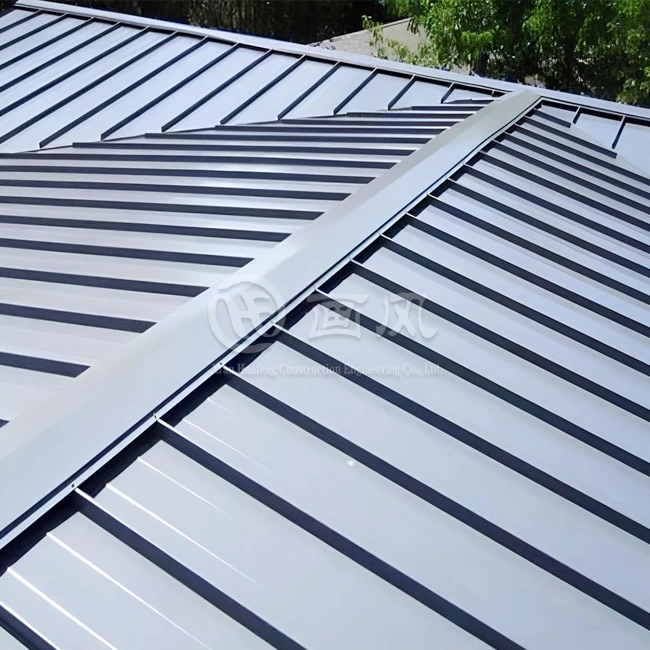
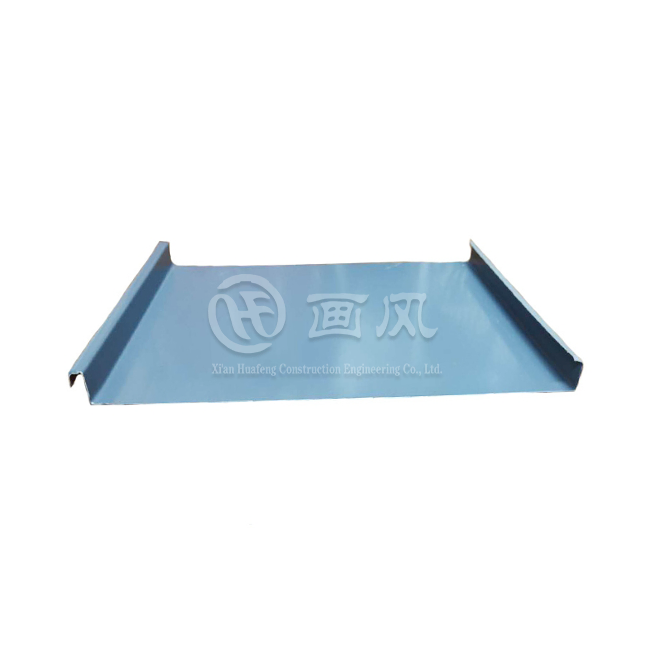
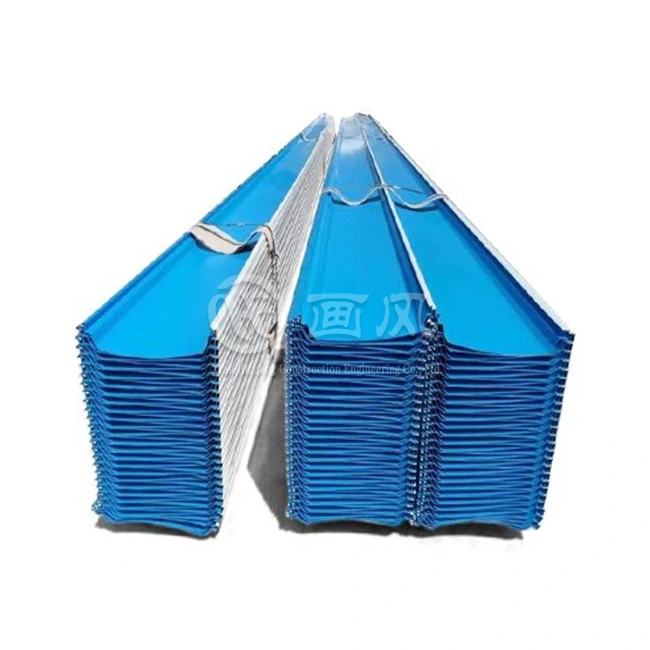
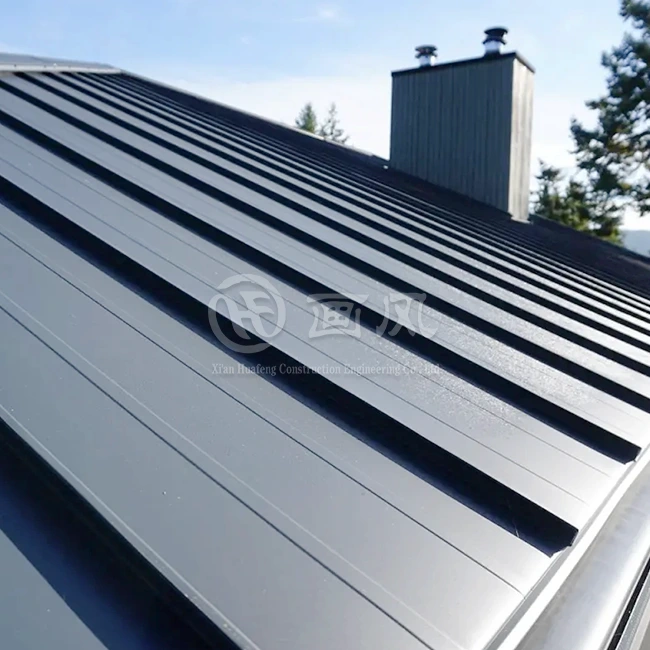
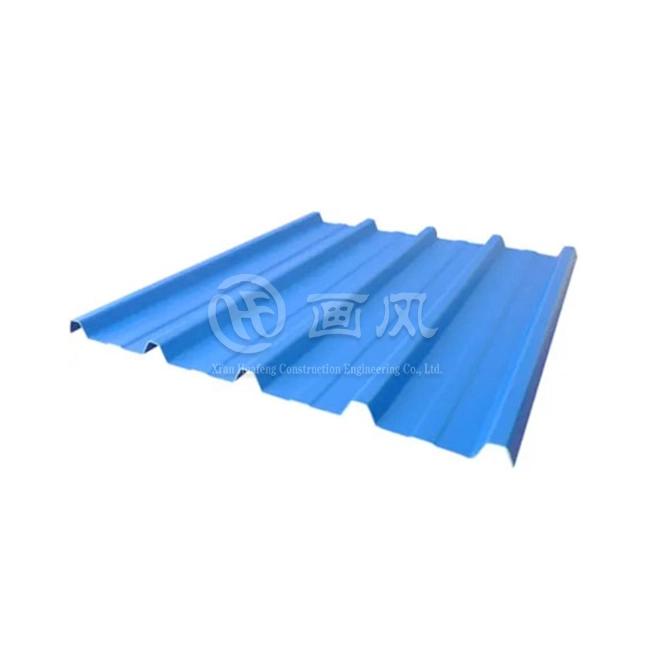
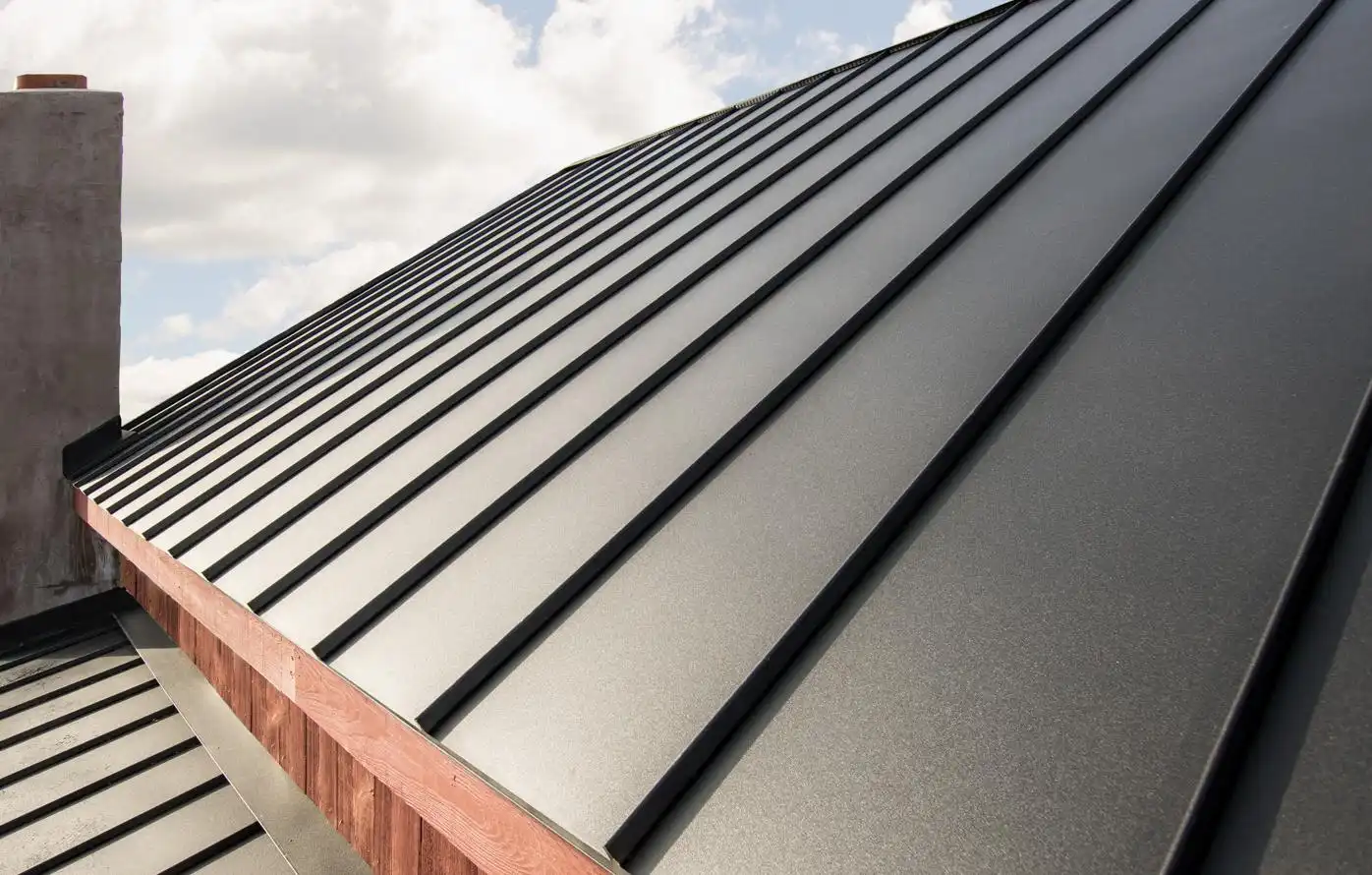
Snap lock standing seam roof systems use interlocking panel edges combined with hidden clips, eliminating the need for mechanical seaming tools during installation. The male and female panel legs connect through vertical pressure locking, securing panels onto fixed clips attached to the roof deck. This floating design allows thermal expansion and contraction without creating excessive stress on fasteners or panels. Standard seam heights usually range from 38 mm to 45 mm with panel cover widths between 300 mm and 600 mm. Hidden fasteners maintain clean roof lines while reducing installation complexity and labor requirements significantly.
Traditional Standing Seam Characteristics
Traditional standing seam roofing relies on mechanical seaming technology that folds panel edges together using specialized rolling machines. The male and female panel legs are mechanically folded into double-lock seams, typically forming 180-degree or 360-degree connections that create extremely weather-resistant joints. Installation requires trained technicians and portable seaming machines that travel continuously along roof seams. This system has demonstrated excellent long-term durability in areas exposed to strong winds, heavy snow, and severe thermal movement. The mechanical interlock provides superior structural stability, making traditional systems highly suitable for industrial buildings and hurricane-prone coastal regions.
Key Differences Between Snap Lock and Traditional Standing Seam Roofing
Installation Methodology and Labor Requirements
The primary operational difference between these systems is the installation process. Snap lock standing seam roof panels can generally be installed 30% to 50% faster because no on-site mechanical seaming is required. Workers with limited training can complete installation using standard hand tools, reducing labor costs and shortening project schedules. Traditional mechanically seamed systems require skilled technicians, specialized certifications, and portable seaming equipment to ensure proper seam engagement along each panel. Mechanical seaming also requires careful coordination of equipment movement and power supply management throughout the roof installation process, increasing labor complexity and installation time.
Durability and Weather Performance Analysis
Traditional standing seam systems generally provide superior durability in extreme weather conditions due to their mechanically locked seams. Double-lock connections improve structural integrity and resist separation under strong uplift forces. According to ASTM E1592 testing standards, mechanically seamed systems often achieve uplift ratings exceeding 3.5kN/m² when clip spacing is optimized. Snap lock standing seam roof systems usually achieve uplift resistance around 3.0kN/m² with proper clip spacing, which is suitable for most commercial applications. Both systems effectively accommodate thermal movement, but mechanical seams provide stronger long-term panel retention during severe wind events and repeated temperature cycling conditions.
Cost Considerations and Lifecycle Value
Material pricing for snap lock and traditional standing seam roofing systems remains relatively similar because costs depend mainly on substrate type, coating selection, and material thickness rather than seam design. However, snap lock standing seam roof systems offer lower total installation costs because reduced labor requirements shorten project timelines by approximately 15% to 25%. Traditional systems compensate for higher installation expenses through exceptional long-term durability and reduced maintenance requirements in harsh environments. In moderate climates, snap lock systems often provide better lifecycle value, while mechanically seamed systems are preferred for projects facing severe weather exposure and demanding long-term structural performance requirements.
Design Flexibility and Aesthetic Options
Snap lock standing seam roof systems provide extensive architectural flexibility for modern construction projects. Manufacturers such as HF offer panels made from aluminum alloy, galvanized steel, stainless steel, copper, and titanium zinc in thicknesses ranging from 0.5 mm to 1.2 mm. Available color selections include full RAL palettes and customized finishes, while premium PVDF coatings maintain appearance quality for over 20 years. Traditional standing seam systems provide similar material and coating options but usually feature taller seam profiles that create deeper shadow lines. Both systems support long panel lengths up to 13 meters, minimizing horizontal seams and improving visual consistency.
Pros and Cons Analysis: Snap Lock vs. Traditional Standing Seam
Snap Lock Roofing Advantages
The main advantage of snap lock standing seam roof systems is their installation efficiency, which allows roofing projects to be completed more quickly and with lower labor expenses. Standard construction crews can perform installations without specialized seaming equipment or advanced technical training, making the system ideal for retrofit projects and occupied buildings where minimizing disruptions is important. The floating clip design also reduces visible oil canning by allowing unrestricted thermal movement. Additionally, snap lock systems support reflective coatings with high solar reflectance values that contribute toward energy efficiency goals and sustainable building certifications such as LEED compliance requirements.
Traditional Standing Seam Strengths
Traditional mechanically seamed standing seam systems deliver maximum performance in severe industrial and coastal environments where roofing systems experience extreme wind uplift and weather exposure. Positive mechanical seam connections maintain roof integrity under conditions that may challenge clip-based retention systems. Field performance over several decades demonstrates excellent long-term durability with minimal maintenance requirements. Traditional standing seam systems can also function effectively on lower roof slopes, sometimes as low as 1:12 when appropriate underlayment systems are used. This adaptability makes them suitable for complex roof geometries and architectural projects requiring varied slope configurations and advanced waterproofing performance.
Limitations and Considerations
Snap lock systems may be more vulnerable during severe weather conditions involving wind-driven rain, ice dams, or improper panel engagement. Incomplete seam locking anywhere along a panel can reduce waterproofing performance and increase leakage risks. Traditional standing seam systems require higher initial investment because of specialized equipment, skilled labor, and longer installation schedules. Mechanical seaming also increases on-site construction time and may expose projects to greater weather-related delays during installation. Maintenance procedures for traditional systems often require specialized tools to open and reseal seams, while snap lock standing seam roof panels can usually be removed and replaced individually using standard roofing tools.
Making the Right Choice for Your Project: Decision-Making Criteria
Project Scope and Financial Parameters
Snap lock standing seam roof systems are the best option for jobs that need to be completed quickly and on a budget. When you combine faster construction schedules with lower labor costs, you get real economic benefits that make the job more profitable overall. For heavy-industrial buildings, power plants, chemical processing plants, and other places where a failing roofing system could cause accidents or the loss of operations, traditional standing seam roofing makes the most sense. These uses support higher construction costs by lowering risks and making the service last longer. Snap lock makes planning easier, so general builders don't have to schedule specialized subcontractors for roofing phases on projects with multiple buildings or phased construction. Instead, they can use teams that are already on hand.
Climate and Environmental Factors
The location and environment greatly influence technique selection. Standard standing seams, particularly those composed of non-corrosion aluminium alloys or stainless steel, provide mechanical security in coastal locations subject to salt spray rusting and hurricane-force winds. Snap lock systems can tolerate thermal movement and are quick to install, making them ideal for inland locations with large temperature variations but little wind. Both approaches are impacted by snow loads. Structure capacity is largely determined by substrate gauge and purlin distance, not seam style. Both systems contain UV-blocking PVDF coatings, which are beneficial for deserts. Snap lock's rapid installation reduces worker heat exposure and improves safety.
Supplier Reliability and Procurement Logistics
Building partnerships with producers that can regularly provide items, provide competent assistance, and give complete warranties is crucial for project success. HF's three facilities manufacture around 1,000 tonnes of commodities monthly. This allows them to dependably deliver supplies for large projects. Our 15- to 20-day delivery timelines fit for most construction layouts and may accommodate urgent demands. Our 30-year standing seam system warranty reassures purchasing teams regarding performance and manufacturer liability. We follow ASTM, DIN, JIS, BS, and GB/T standards and have ISO 9001 and ISO 14001 certifications to make the finest goods. This combination of manufacturing capacity, quality assurance, and fast customer service fits the procurement requirements of construction experts managing complex roofing demands.
Snap Lock Standing Seam Roofing: Installation and Maintenance Best Practices
Substrate Preparation and Panel Installation
A carefully prepared base is the first step to a successful snap lock standing seam roof installation. The roof deck must stay flat within a 6mm range over 3-meter lengths to avoid visual distortion. When choosing an underlayment, you should think about the climate. For example, high-temperature membranes should be used in places that get very hot, and ice-and-water barriers should be used in places that freeze and thaw. Clip placement follows designed spacing requirements, which are usually 600 mm on center for normal uses and 400 mm apart in areas with a lot of wind. As you install panels across the roof from one edge to the other, the male leg of each panel goes into the female leg of the previous panel, and you press down hard until you hear the familiar snap sound that means the panels are fully engaged. Workers should visually check the seam engagement along the whole length of the panel, looking for gaps or links that aren't full that could make the panel less weatherproof.
Proactive Maintenance Protocols
Regular check plans that go beyond once a year in harsh settings help find small problems before they get worse and cost a lot to fix. Assessors should check the soundness of the seams, the safety of the clips, and the state of the coating, writing down any problems so that they can be fixed. Cleaning on a regular basis gets rid of the buildup of dirt and grime that keeps metal surfaces wet, especially in dips and around holes where organic matter gathers. Pay extra attention to the panel end laps and transition flashings because they get a lot of water flow that can take advantage of small installation mistakes. Seasonal problems include the building of ice dams in cold places and thermal expansion stress during times of high heat. Taking preventative steps like making sure the attic has enough air flow to keep ice from building up and choosing the right clips that let the panels move enough to keep them from buckleing are important.
Energy Efficiency Enhancement Strategies
To get the best thermal performance, you need to carefully choose shiny finishes that keep the aesthetics while reducing heat absorption. Cool roof coats with high solar reflection indexes cut down on cooling loads by a large amount. This is especially helpful for factories and warehouses that don't have a lot of insulation. It is possible to get PVDF finishes on HF panels. These finishes offer great reflection and color retention, so the performance stays high over an extended service life. Putting rigid insulation systems under metal roofs creates thermal breaks that make the building shell much more efficient. This leads to less energy use and better comfort for the people who live there. If the ventilation holes between the insulation and metal walls are properly built, condensation doesn't build up, which would lower the efficiency of the insulation and speed up rusting. These combined methods save measured amounts of energy, which is balanced out by lower operating costs that cover the higher cost of materials.
Conclusion
Before choosing between snap lock standing seam roof and traditional standing seam roofing, you need to carefully think about the project's goals, such as the budget, the plan, the weather, and the expected performance. Snap lock systems have great benefits like being easy to install, saving money on labor, and giving you a lot of options for how they look. This makes them perfect for business building, home uses, and retrofit projects where finishing quickly is valuable. Mechanically seamed roofing is still the best choice for industrial buildings, coastal areas, and other places that need the most weather protection and structure security. When built to strict quality standards and put according to best practices, both devices last a very long time. By knowing these differences, buying workers can choose roofing options that will improve project results and last for a long time.
FAQ
1. What minimum roof slope works with snap lock panels?
For snap lock standing seam roof systems to work, the slope needs to be at least 3:12 so that water can drain properly and capillary action doesn't pull water through the panel seams. Installments on lower hills run the risk of getting wet when it rains or snows a lot.
2. Can snap lock systems withstand hurricane conditions?
When snap lock installations are properly designed and clip spacing is correct, they meet UL 90 wind uplift rates that are good for most hurricane zones. The choice of panel width and the distance between clips directly affect uplift resistance. In coastal situations, smaller panels and closer clip spacing give better performance.
3. How long do these roofing systems last?
If you buy good standing seam metal roofing made from stainless steel or aluminum with PVDF finishes, it should last between 40 and 60 years. HF backs up the performance of both the base perforation and the coating with 30-year promises. This shows that we are confident in the sturdiness and quality of our products.
Partner with HF for Premium Metal Roofing Solutions
Because we know a lot about standing seam metal roofing systems, we are the best company to get a snap lock standing seam roof from for jobs that need quality, dependability, and quick service. HF has three advanced manufacturing facilities with more than 40 precision machines and seven color finishing lines. This means that the company can consistently make more than 1,000 tons of goods every month. We have a wide range of materials, such as aluminum alloy, coated steel, stainless steel, copper, titanium zinc, and stainless steel. The thicknesses range from 0.5 mm to 1.2 mm, and you can choose any RAL color you want. The finishes can be high-quality PVDF or PE. Our 45mm seam height panels meet foreign standards like ASTM, DIN, JIS, BS, and GB/T. They also come with 30-year warranties and can be delivered in 15 to 20 days. Email our expert team at huafeng@hfmetalroof.com to talk about the specifics of your project and get quotes that are suited to your buying needs.
References
1. Metal Construction Association. "Guide Specification for Standing Seam Roof Systems." Technical Standards Publication, 2021.
2. Patterson, Michael R. "Comparative Analysis of Metal Roofing Performance in Coastal Environments." Journal of Building Envelope Design, vol. 18, no. 3, 2020, pp. 45-62.
3. National Roofing Contractors Association. "Metal Roofing Installation Best Practices Manual." Professional Standards Series, 2022.
4. Chen, David and Rodriguez, Maria. "Life Cycle Cost Assessment of Commercial Roofing Systems." Construction Economics Review, vol. 34, no. 2, 2021, pp. 112-128.
5. American Society for Testing and Materials. "ASTM E1592: Standard Test Method for Structural Performance of Sheet Metal Roof and Siding Systems." Annual Book of Standards, 2019.
6. Green Building Council. "Metal Roofing Contributions to LEED Certification Requirements." Sustainable Building Materials Guide, 2020.





YOU MAY LIKE