Aluminum Standing Seam Roofing vs. Steel Roofing: Key Differences
2026-05-26 18:14:59
There is a big difference between aluminum and steel standing seam systems when it comes to choosing roofing materials for big building projects. With a thickness of 0.032 inches (0.8 mm), the 032 aluminum standing seam roofing system is much better than steel options when it comes to resistance to corrosion and weight reduction. This makes it ideal for seaside areas and buildings that can't hold much weight. On the other hand, steel roofing is better for heavy-duty commercial uses because it is more cost-effective and has higher tensile strength. When sourcing managers know about these changes in materials, they can match roofing options to the needs of the project, the weather, and long-term performance goals.
Understanding Standing Seam Roofing Materials
What Defines 032 Aluminum Standing Seam Roofing
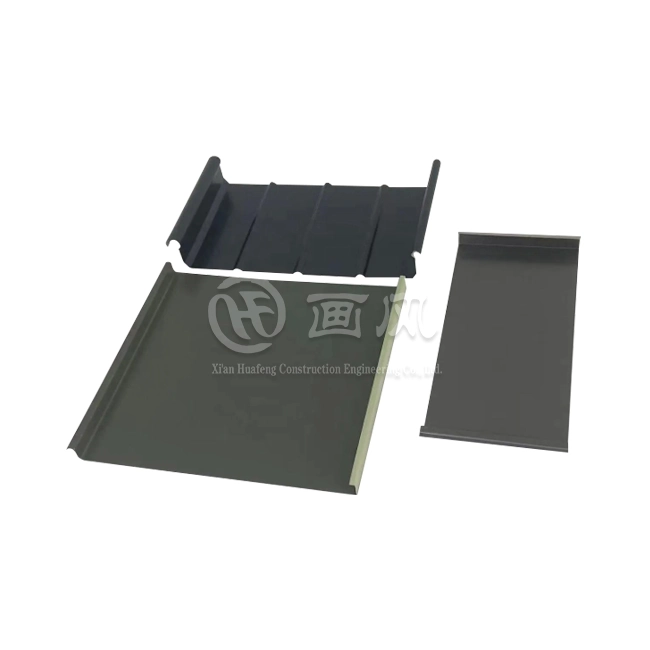
HF makes 032 aluminum standing seam roofing with 0.8 mm-thick aluminum alloy panels, which are usually made from AA3003, AA3004, or AA3005 aluminum-magnesium-manganese alloys. These metals contain magnesium and manganese, which make them stronger in tension and keep their good resistance to corrosion. The natural oxide layer of the material fixes itself when it gets scratched, so it doesn't break down over time, even in harsh settings. Our PVDF coating technology is resistant to UV light and keeps the color for more than 20 years. It meets the AAMA 2605 standards that business companies need for long-term aesthetic integrity.
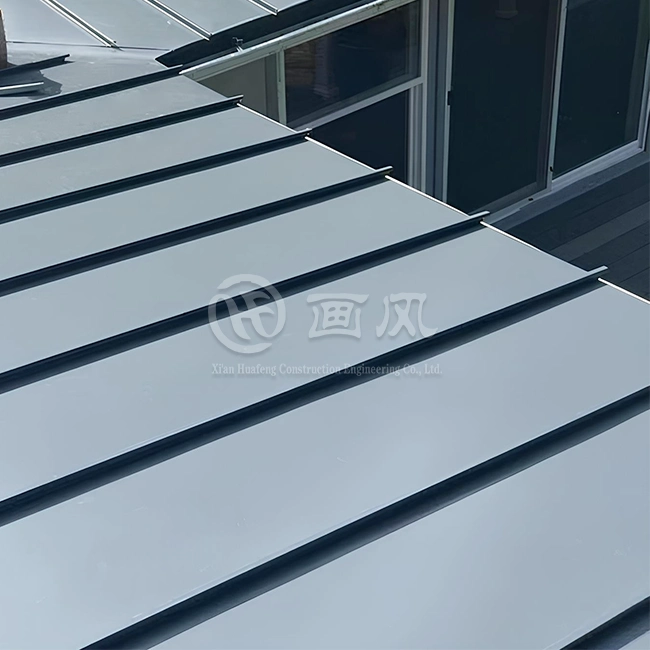
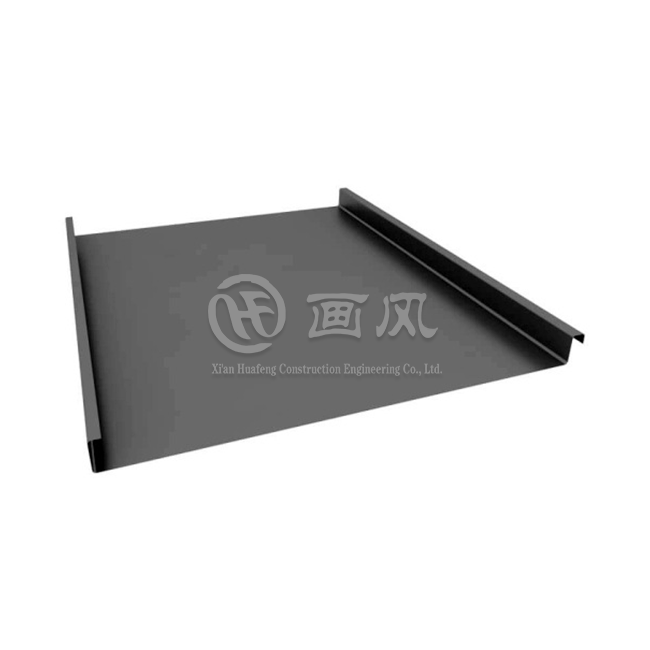
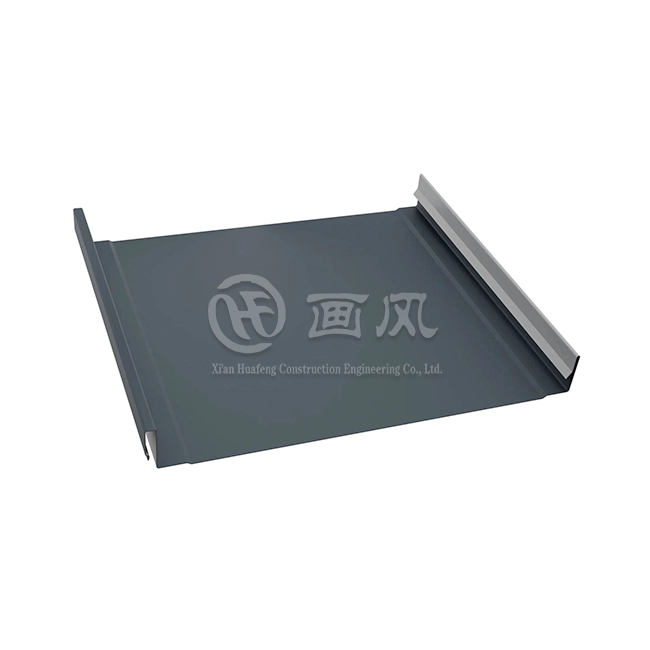
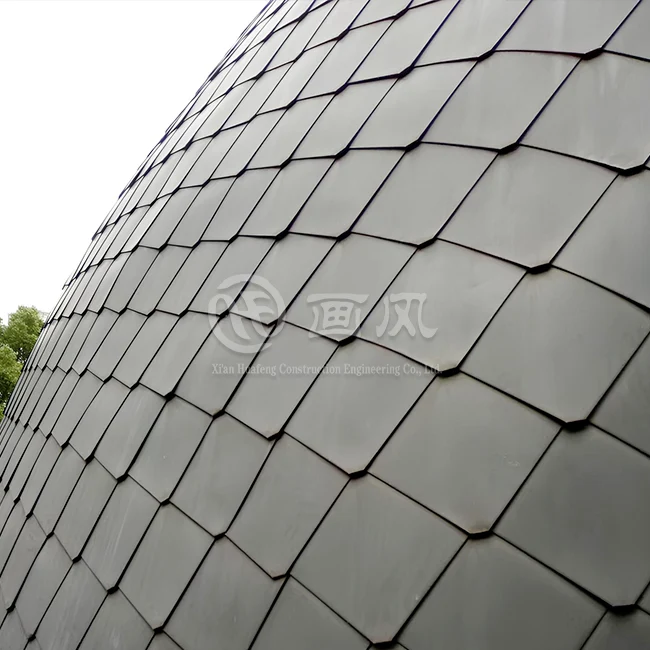
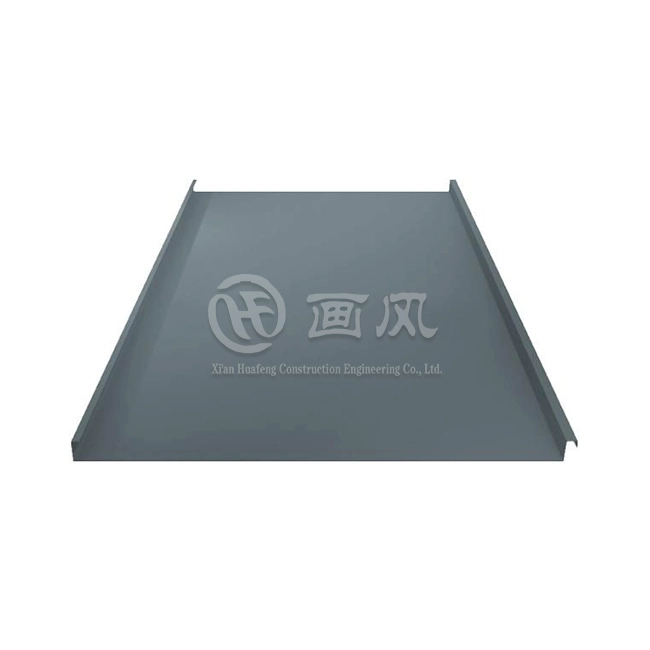
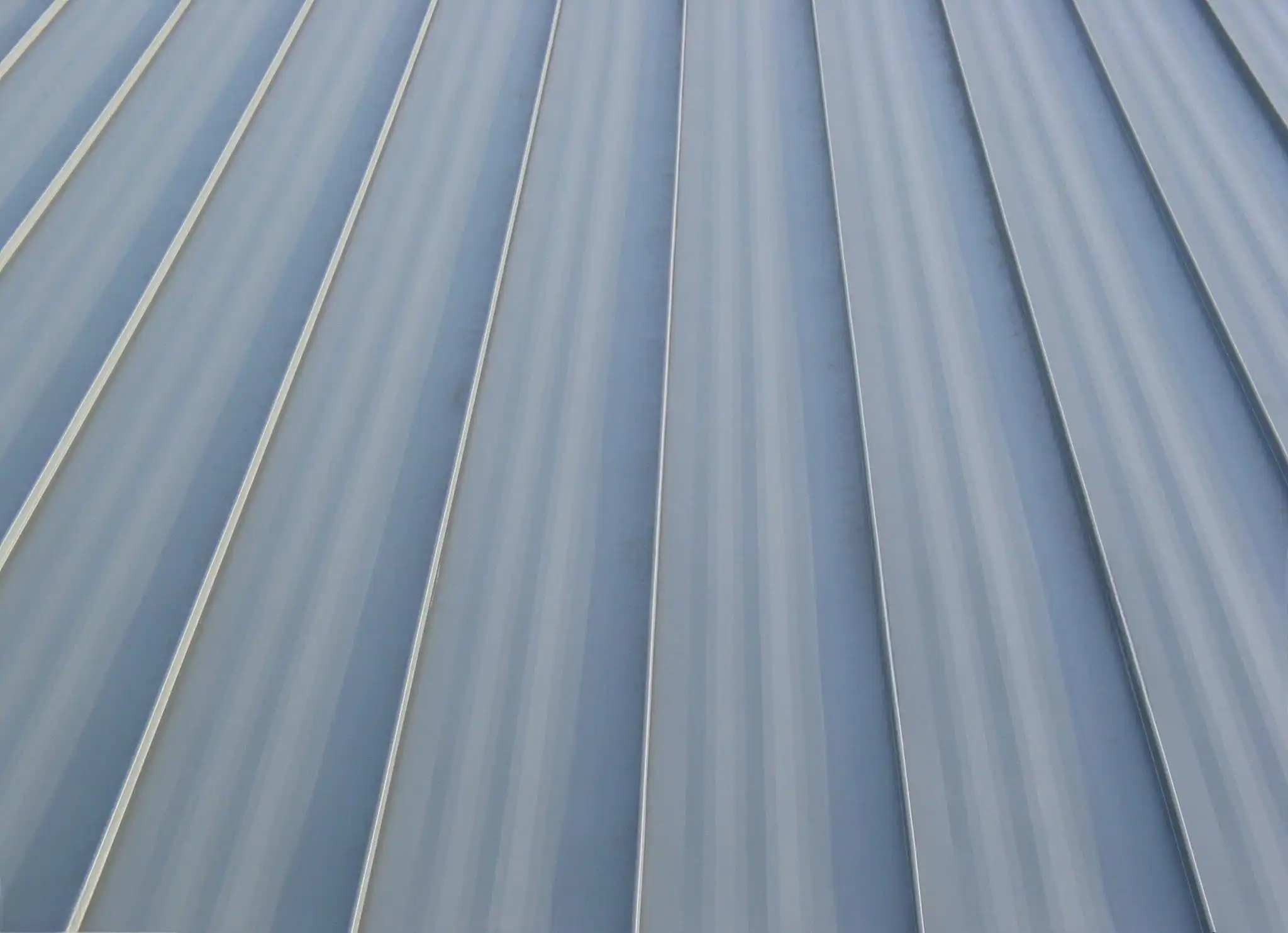
The 032 aluminum standing seam roofing shape has hidden fastening systems that get rid of the water-intrusion risks that come with having screws that are visible. HF's mechanical lock edge design uses special crimping tools to make double-lock seams, which offer great closing performance and can withstand wind pressure up to category 12 storm conditions. The panel lengths are between 300mm and 450mm, and the rib heights are between 25mm and 65mm. This means that the panels can be customized to meet specific drainage needs and artistic tastes.
Steel Roofing Overview and Common Applications
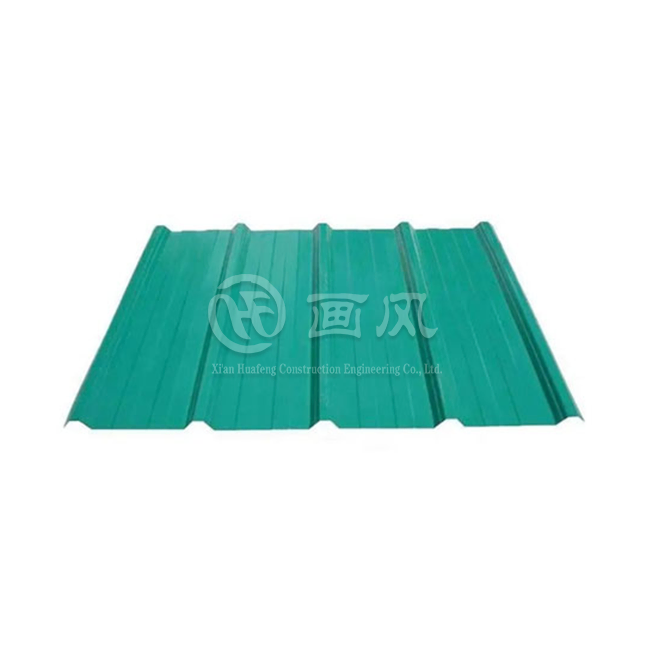
Steel standing seam roofing usually uses galvanized or Galvalume-coated steel sheets that are 24 or 26 gauges thick. It has a higher tensile strength than aluminum, and its yield strength is usually between 40 and 50 ksi, based on the grade. Steel roofing is strong, which makes it perfect for industrial stores, factories, and farm buildings where resistance to damage and structural strength are very important.
Steel roofing systems are usually used for business buildings in the middle of the country because they are cheap and easy for workers to understand. The material works well in places that don't rust and will last for decades if it is properly kept with regular paint checks and treatments that stop rusting. But steel can rust in salty or chemically polluted air, which means it can't be used in seaside places or industrial areas where airborne pollutants are a problem.
Performance Comparison: Aluminum (0.032 Gauge) vs. Steel Roofing
Corrosion Resistance and Lifespan
Due to its unique resistance to corrosion in marine settings, 032 aluminum standing seam roofing is the only choice that makes sense for homes that are close to the coast. The material doesn't rust, so it doesn't suffer from the red oxide damage that happens to steel roofs in salty environments. Because of this, HF's 30-year guarantee covers both the integrity of the substrate and the performance of the finish, even in harsh environments where steel warranties are usually null and worthless.
To keep steel roofs from rusting, it needs protective coats like zinc galvanization or Galvalume (an aluminum-zinc alloy). Although these coats work well in mild conditions, they break down more quickly near the ocean, where they often show red rust bleeding within 5 to 10 years of installation. When used in corrosive settings, steel has a much higher total cost of ownership than 032 aluminum standing seam roofing options because it needs more upkeep and replacement more often.
Weight Considerations and Structural Impact
Standing seam panels made of 032 aluminum standing seam roofing weigh about 0.45 pounds per square foot, which is about a third of the weight of similar steel systems. This huge weight loss is good for retrofitting projects where the original building parts were made for lighter roofing materials like asphalt shingles. When contractors use 032 aluminum standing seam roofing for repair projects, they don't have to pay for expensive structure reinforcement, which speeds up the projects and lowers the costs of building them.
Being lightweight also lowers the cost of shipping and makes handling easier on-site. 032 aluminum standing seam roofing panels are easier for installation crews to move around, which cuts down on work hours and makes the roof installation safer. Because of these practical benefits, building plans can be shortened, which is especially helpful for business developers who have to meet tight project deadlines and phased occupancy requirements.
Energy Efficiency and Environmental Performance
032 aluminum standing seam roofing is very good at reflecting the sun's rays; properly coated systems can hit Solar Reflectance Index numbers above 80. This high reflectivity makes it harder for heat to get in, which can cut business buildings' cooling needs by 10 to 25 percent, based on the climate zone and the building envelope's features. The energy saves help earn LEED points and support business sustainability efforts that many industrial property developers put a high priority on.
At the end of their useful lives, both 032 aluminum standing seam roofing and steel can be recycled completely. But aluminum has a higher scrap value and only needs 5% of the energy needed for initial production when it is recovered, while steel needs 25–30% more energy. This recycling efficiency is in line with green building standards and is appealing to eco-friendly builders who want to reach net-zero carbon construction goals.
Cost and Procurement Considerations
Material Pricing and Installation Expenses
Per square foot, the cost of materials for 032 aluminum standing seam roofing is usually 15–25% higher than those for steel roofing. However, this original cost advantage usually goes away when you consider the money you'll save on installation due to fewer structure changes, shorter installation times, and no more coating maintenance cycles. When you buy in bulk from well-known companies like HF, you can get volume deals that close the price gap. This is especially true for business projects that are bigger than 10,000 square meters.
The cost of installation depends on how complicated the panel outline is and how the building is shaped. 032 aluminum standing seam roofing is easier to shape than steel, which makes it easier to make curved or tapered pieces for architectural features and lowers the cost of custom production. The lighter weight of the material cuts down on the need for cranes and the cost of lifting tools. This is especially helpful in high-rise situations where lifting materials costs a lot.
Supply Chain Reliability and Lead Times
HF has three factories with a total of seven production lines and more than forty specialized tools. This makes sure that they can always meet big orders. Our normal delivery time of 15 to 20 days works for most project schedules, and our low minimum order size of 500 square meters or one metric ton makes 032 aluminum standing seam roofing affordable for medium-sized business buildings. We keep a stock of famous RAL colors and can also match colors to specific building themes for projects that need it.
When hiring roofing suppliers, procurement managers look for sellers who are clear about the supply chain and can reliably deliver. Our network of production facilities spreads out disruption risks, and we follow ASTM, DIN, JIS, BS, and GB/T standards to make sure that our 032 aluminum standing seam roofing products are accepted in all foreign markets. This compliance with global standards makes it easier for multinational building companies that work in many places to write specifications and get governmental permission.
Decision-Making Guide for B2B Procurement Managers
Selecting Materials Based on Project Requirements
Commercial buildings on the coast that are less than five miles from saltwater must have 032 aluminum standing seam roofing to protect the guarantee and avoid having to replace the roofs too soon. The fact that it doesn't rust gets rid of the long-term upkeep issues that come with steel roofs in marine environments. On the other hand, inland industrial sites that install heavy equipment may benefit from steel's better resistance to dents and lower starting costs when it doesn't have to deal with much corrosion.
032 aluminum standing seam roofing systems work best on retrofit jobs that involve older buildings that were originally made for lightweight roofing materials. The small amount of dead weight added keeps the structure's current capacity without needing expensive reinforcing. For new building projects with engineered load capability, either material can be used. This changes the selection criteria to focus on lifetime cost analysis and environmental performance.
Customization Options and Bulk Order Advantages
HF's manufacturing skills allow for a lot of customization, such as changing the panel width, choosing the rib height from 25 mm to 65 mm, and choosing from an endless number of colors that match RAL standards or unique requirements for 032 aluminum standing seam roofing. This gives builders the freedom to achieve certain aesthetic goals while still meeting the needs of structure performance. Our mechanical lock edge systems can handle different wind loads, and we offer technical support to help you find the best seam shapes for each type of exposure on your project.
Volume pricing systems that make projects more cost-effective are good for large-scale buying. Orders of 032 aluminum standing seam roofing bigger than 5,000 square meters usually get better prices and specific production schedules, which make sure that deliveries happen on time for phased building schedules. During preconstruction, our technical team works with general builders to find the best material specs, panel layouts, and installation sequences that reduce waste and speed up the process.
Installation Best Practices and Maintenance Recommendations
Quality Checkpoints During Installation
When installing 032 aluminum standing seam roofing correctly, you need to pay attention to how the roof can accommodate temperature movement. The material's temperature expansion rate is about twice that of steel, so panels longer than 10 to 15 feet need floating clip systems. These specially designed clips let the lengthwise panel move while keeping the weathertight seam integrity. This stops the fastener wear and oil canning that happen when panels are too tightly pressed together.
Aligning the 032 aluminum standing seam roofing panels and making sure the seams are engaged are important quality control points. For the weather seal to work properly across the whole roof plane, the mechanical seaming equipment needs to keep the seam height and pressure the same. Our installation directions tell workers what settings for seam engagement torque to use and what to look for during eye inspections to make sure their work meets warranty standards. The weather shield system is finished off with the right underlayment and flashing features around openings and the border.
Maintenance Protocols for Long-Term Performance
Compared to steel roofing, 032 aluminum standing seam roofing doesn't need as much upkeep. As it rains, the PVDF covering sheds dirt, so the surface stays clean without needing to be washed by hand in most situations. Every year, inspections should be done to make sure that seams are still intact, that fasteners at the eave and ridge features are still in good shape, and that roof drainage systems are still clear. These simple practices keep the 30-year guarantee in effect and, in most cases, make the service last longer than 40 years.
Steel roofing needs more frequent care, like checking the layer every three to five years and fixing any damage right away to stop rust from spreading. Touch-up painting of scratched areas and connection points is an ongoing task that 032 aluminum standing seam roofing systems don't need at all. Over the course of 30 years, the difference in upkeep costs often exceeds the starting material premium for aluminum. This supports the total cost of ownership benefit in lifecycle economic analysis.
Conclusion
Choosing between 032 aluminum standing seam roofing and steel standing seam roofing depends on the needs of the project and how much the original costs are weighed against the long-term performance and upkeep needs. Aluminum systems work well in places where corrosion is a problem, where weight is an issue, or where energy economy and low upkeep are important. Steel roofing works well for projects that need to stay within a budget and are located in safe areas where the extra weight and regular upkeep are seen as minor inconveniences. HF's production know-how and wide range of products support both material platforms, and our technical team is ready to help you make choices about specifications that will lead to the best project results and lifetime value.
FAQ
1. Which material offers better durability in coastal environments?
Due to its natural resistance to rust, 032 aluminum standing seam roofing lasts longer in coastal areas. In salty air, steel roofing rusts more quickly, and maker promises are often null and void within certain distances of the ocean. In naval settings, aluminum keeps its structure and finish quality for decades without coatings breaking down, which happens with steel systems.
2. How do the effects of energy economy vary between materials?
032 aluminum standing seam roofing has better numbers for solar reflection, especially when it is coated with Cool Roof certified PVDF. This better reflection lowers the cooling loads on buildings by 10 to 25 percent compared to steel covering that is darker or less reflective. Both materials can be used to make buildings that are environmentally friendly, but aluminum is better at keeping heat in, which saves more money in areas where cooling is common.
3. Are certified installers readily available for aluminum roofing?
There are a lot of qualified contractors in the business building market who know how to install 032 aluminum standing seam roofing. HF offers professional training and installation help to make sure that the right seaming methods are used and that thermal movement is taken into account. Our network of distributors includes qualified installation partners who can complete large-scale business projects that meet quality standards and warranty requirements.
Partner with HF for Premium Aluminum Standing Seam Roofing Solutions
Leading building companies and business developers trust HF as their 032 aluminum standing seam roofing provider for projects that need the best corrosion protection, energy economy, and long-term value. Our three factories make high-quality aluminum alloy panels with PVDF finishes that come with full 30-year warranties. We offer customized solutions with wait times of 15 to 20 days and can help with projects ranging from 500 square meters to multi-phase developments that cover more than 100,000 square meters. During preconstruction, our engineering team works together to find the best specs, panel layouts, and installation methods that keep costs low while maximizing performance. You can talk to our procurement experts about your upcoming roofing needs and get full technical specs and volume prices for your next business project by emailing huafeng@hfmetalroof.com.
References
1. Metal Construction Association. (2021). Technical Bulletin on Standing Seam Metal Roof Systems: Design and Installation Guidelines. Metal Construction Association Technical Committee.
2. American Architectural Manufacturers Association. (2019). AAMA 2605-19: Voluntary Specification, Performance Requirements and Test Procedures for Superior Performing Organic Coatings on Aluminum Extrusions and Panels.
3. National Roofing Contractors Association. (2020). The NRCA Metal Panel and Standing Seam Roof Systems Manual. NRCA Publications Department.
4. Green Building Initiative. (2022). Energy Performance Analysis of Reflective Roofing Materials in Commercial Construction. Journal of Sustainable Building Technology.
5. ASTM International. (2021). ASTM B209-14: Standard Specification for Aluminum and Aluminum-Alloy Sheet and Plate. ASTM Committee B07 on Light Metals and Alloys.
6. Cool Roof Rating Council. (2023). Comparative Analysis of Solar Reflectance and Thermal Emittance in Metal Roofing Systems. CRRC Technical Research Division.





YOU MAY LIKE