What Is 032 Aluminum Standing Seam Roofing & Why You Need It
2026-05-27 17:27:33
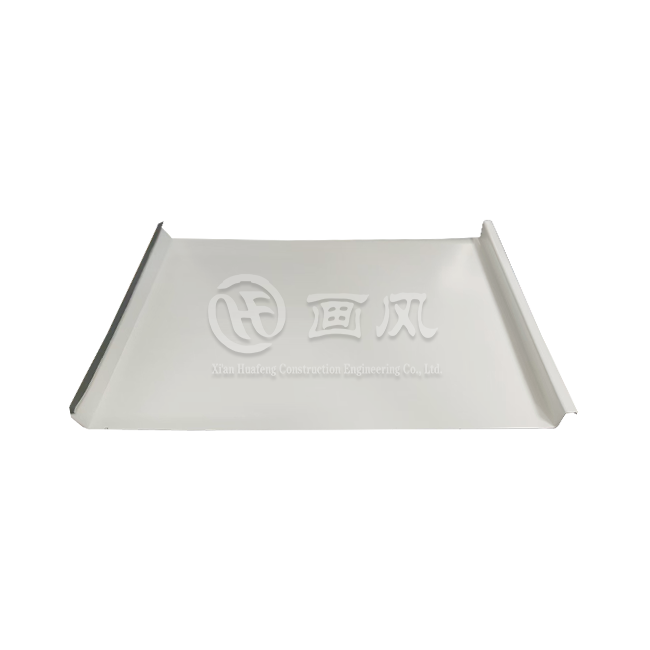
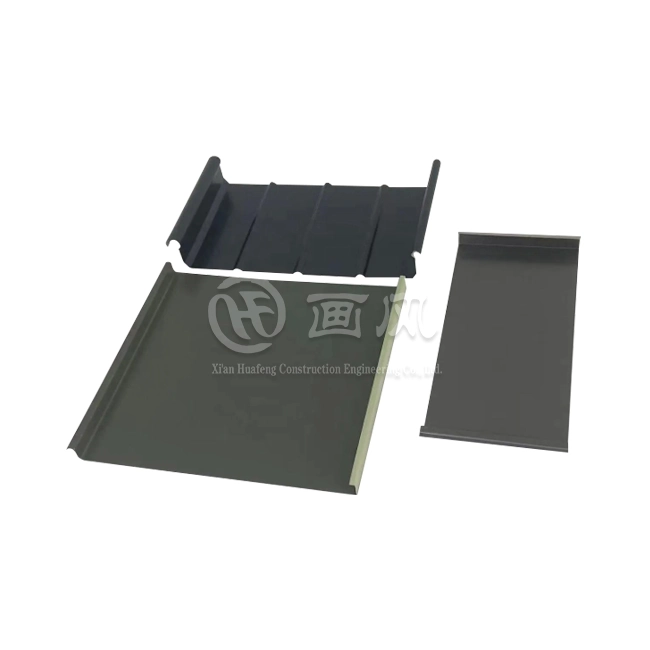
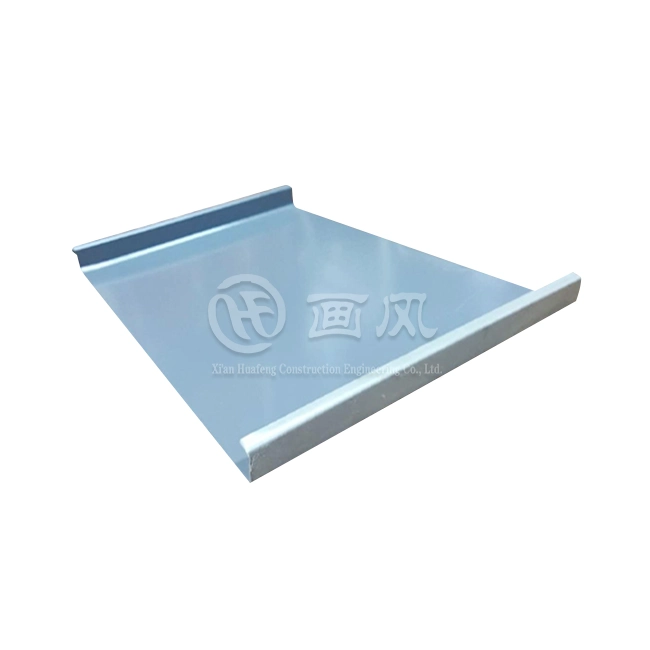
032 aluminum standing seam roofing stands out as a proven option for building companies and roofing contractors who need to choose long-lasting, low-cost materials for tough projects. This roofing system is made up of aluminum alloy panels that are 0.032 inches (about 0.8 mm) thick and have raised interlocking gaps and hidden fasteners that keep water out. In contrast to traditional exposed fastener systems, this design offers superior weather protection, especially in coastal areas where saltwater corrosion poses a threat to conventional steel roofs. At the same time, its lightweight qualities lower structural dead load.
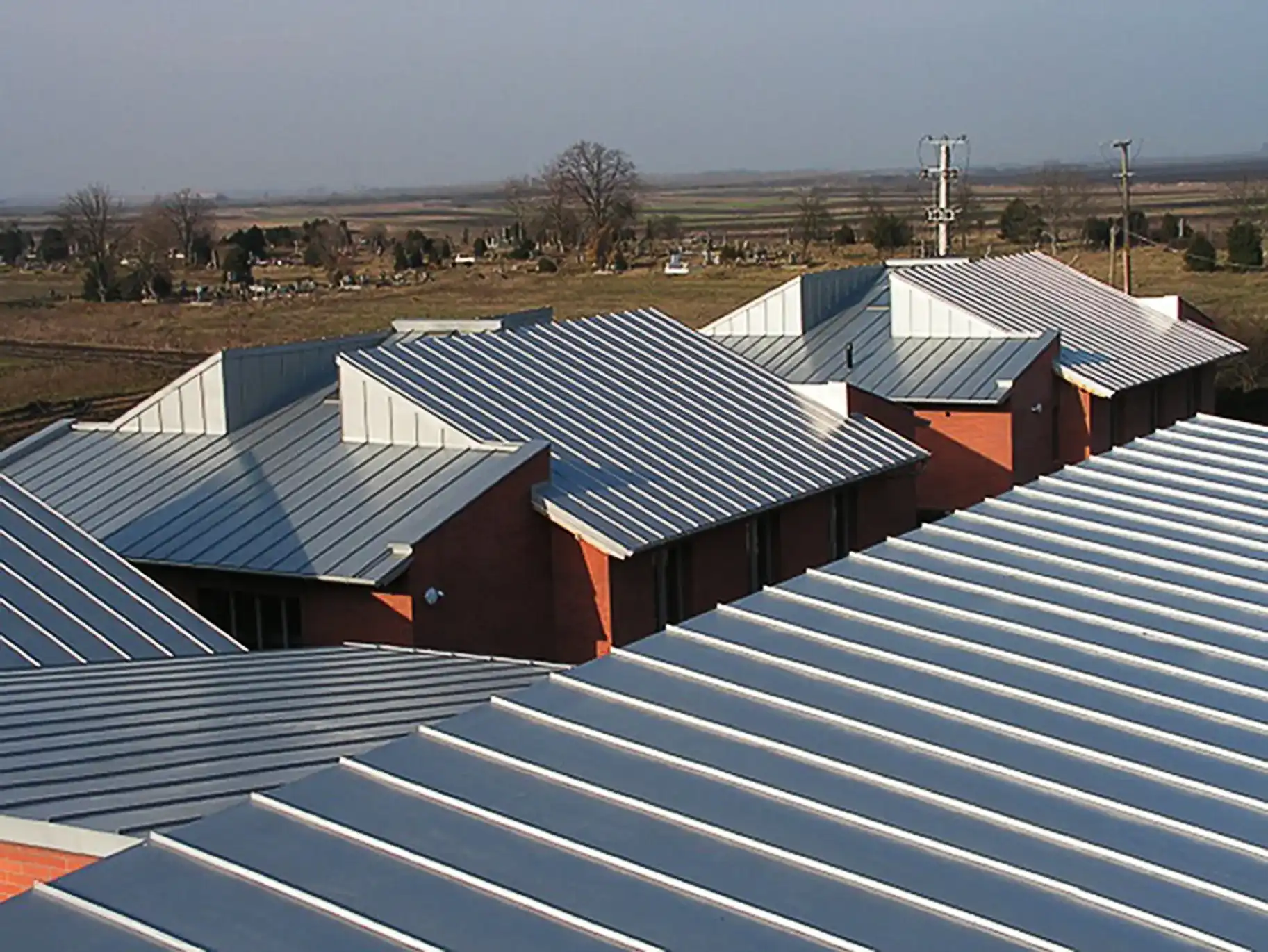
Understanding 032 Aluminum Standing Seam Roofing
In this case, "032" refers to the gauge thickness in inches, which is the best mix between material economy and structural stability. Our 032 aluminum standing seam roofing at HF is made of aluminum-magnesium-manganese alloys (usually 3003-H14 or 3105-H14), which have a self-healing aluminum oxide layer that makes them very strong and resistant to rust.
The Standing Seam Construction Method
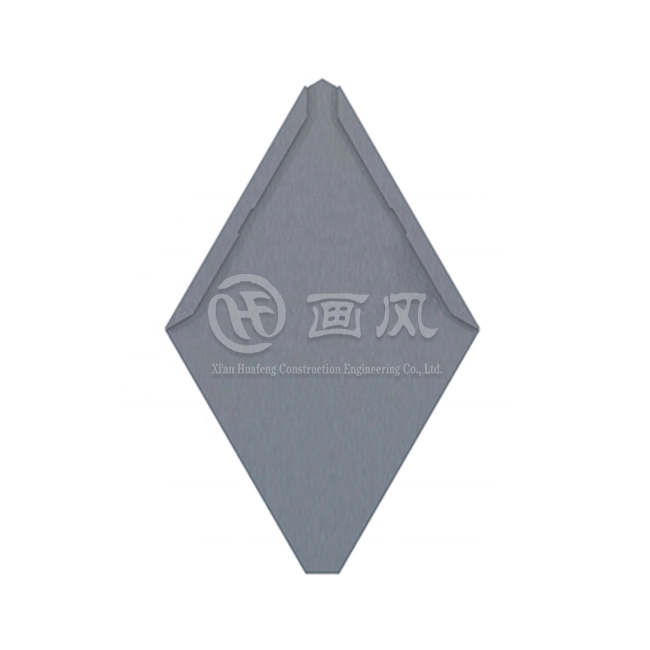
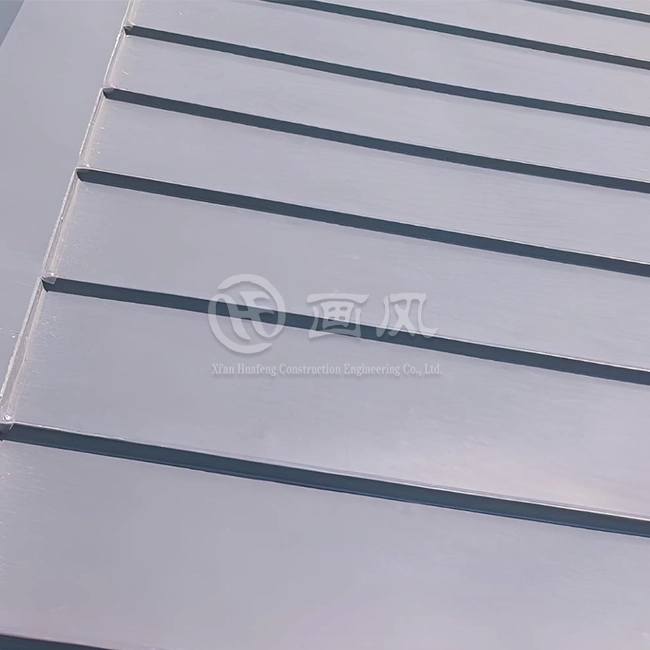
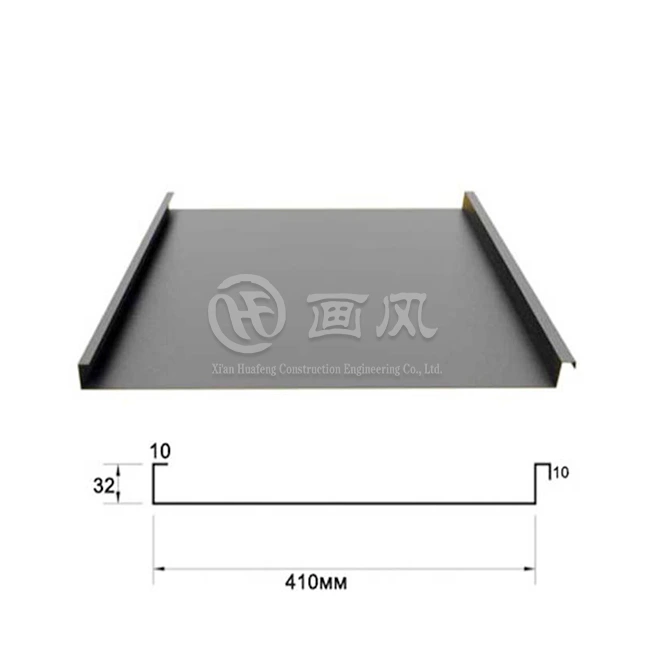
The vertical leg profiles that connect automatically without going through the roof surface with visible fasteners are what make the standing seam design unique. Our systems have seam heights that range from 25mm to 65mm (1" to 2.55"). Ribs that are higher up improve drainage and wind-lifting protection. This way of building fixes one of the most common places where standard roofing systems fail by making continuous waterproof barriers across panel gaps.
For mechanical lock seams to work, special roll-forming tools are needed to crimp the panel edges together, making double-folded links that can withstand wind speeds of more than 60 m/s. This level of accuracy in manufacturing makes sure that the quality of the panels stays the same across big business projects, where installation speed and dependability have a direct effect on budgets and schedules.
Material Composition and Alloy Performance
Before getting PVDF fluorocarbon coatings, the aluminum alloy base goes through a pre-passivation process. These coatings protect against UV light and keep their color for more than 20 years, as required by AAMA 2605 standards. This treatment on the surface guards against industrial pollutants and salt spray in marine settings. It also makes the product last 40 to 50 years, whereas regular asphalt shingles or painted steel panels need to be replaced every 15 to 20 years.
Our manufacturing method follows foreign guidelines, such as ASTM, DIN, JIS, BS, and GB/T certifications. This makes sure that the metal is consistent and the measurements are correct. When purchasing teams look at sources for multi-building projects, where the performance of materials must be consistent across thousands of square meters, these quality standards are important.
Technical Performance and Comparison of 032 Aluminum Roofing
To evaluate roofing materials, you need to know how different metals work when they are stressed in real life. The 0.8 mm width standard strikes a balance between a number of different engineering needs that affect both how quickly and how long something will last.
Corrosion Resistance in Harsh Environments
Aluminum doesn't rust naturally, but galvanizing or Galvalume steel does when the protected zinc layers wear away, forming red oxide corrosion. This chemical stability is very important in coastal areas that are within 1 to 5 miles of saltwater. Marine settings are often not covered by guarantees for steel roofs, but they are always covered for 032 aluminum standing seam roofing. Because the material is naturally resistant, there is no risk of a galvanic reaction when different metals touch each other. This makes it easier to put flashing and trim around chimneys, vents, and holes.
Using rapid weathering studies to test methods confirms this benefit. ASTM B117 salt spray testing shows that properly coated aluminum panels can survive exposure to salt spray for more than 3,000 hours without the substrate breaking down. This means that they can be used in coastal areas for decades without any upkeep.
Weight Considerations for Structural Design
032 aluminum standing seam roofing weighs about 3 kg per square meter, which is about a third of the weight of similar steel systems and a lot less than tile or slate options. Because the dead load has gone down, retrofitting projects can be done where the current trusses can't hold heavy materials without expensive structural strengthening. This feature helps warehouse growth, store improvements, and home roof replacements go forward without having to go through engineering reviews that slow things down and raise soft costs.
The fact that it's light also cuts down on shipping costs and makes organizing things on the job site easier. Contractors who install roofs like how crew members can move panels around more safely, which keeps workers from getting tired and speeds up the installation process on steep slopes or complicated shapes.
Energy Efficiency and Thermal Management
Metal roofs that have cool roof technology applied to them have Solar Reflectance Index numbers higher than 80, which means that they return most of the sun's rays instead of absorbing them as heat. This temperature efficiency lowers the amount of cooling that needs to be done by the HVAC system. This is especially helpful for big businesses that are located in hot places. The Cool Roof Rating Council's studies show that shiny metal roofs can lower surface temperatures by 50 to 60°F compared to dark asphalt shingles. This can save you money on your energy bills and help you get LEED certification points for green building projects.
Aluminum has a higher thermal expansion rate than steel. This means that designed floating clip systems are needed to allow panels to move when temperatures change from -50°C to +120°C. Our assembly instructions take this behavior of the material into account, which stops fastener wear and oil canning distortion that makes the structure look bad.
Procurement and Installation – What B2B Clients Should Know
Successful project outcomes depend on selecting qualified suppliers who demonstrate manufacturing capacity, quality control rigor, and delivery reliability. Understanding procurement variables helps construction firms avoid costly delays and performance failures.
Evaluating Manufacturer Credentials
HF has three plants with more than 40 specialized tools and seven production lines that are all used to make metal roofs. With this infrastructure, we can meet minimum order sizes of 500 square meters or one ton while still keeping delivery times of 15 to 20 days that work with building plans. Our production ability can handle both standard panel layouts and custom fabrication needs, such as matching RAL colors and making 032 aluminum standing seam roofing at non-standard heights to meet design needs.
Checking safety licenses is important when choosing materials for projects that need to be approved by the building code. Our goods come with proof that they meet the thickness limits set by ASTM B209, the coating adhesion standards set by ASTM D3359, and the wind uplift rates that have been confirmed by independent testing labs. When evaluating suppliers, procurement teams should ask for these papers to make sure the warranty is true and that inspectors accept the work.
Understanding Warranty Terms and Coverage
It's important to note that our 30-year guarantee covers both the stability of the base and the performance of the coating. It also differentiates between cosmetic issues like light scratches and structural fails like panel perforation. The warranty terms list the upkeep that needs to be done, which is usually just checks every six months and getting rid of any debris that could trap moisture. Buyers should make sure they understand what coverage doesn't cover when it comes to fitting problems, which are still the roofer's job and not the manufacturer's.
Developers who are in charge of more than one building or phase can save money by using volume price systems. When you start working with suppliers early on in the design process, you can take advantage of value engineering chances to find the best panel sizes to cut down on waste and the amount of space needed for the layout.
Installation Best Practices and Contractor Qualification
When you work with trained workers who know how to handle metal properly, you can avoid making common mistakes that void warranties. Because the material's bending strength is lower than steel's, it needs to be carefully managed during installation so that people don't step on it. To keep from damaging mechanical locks or leaving lasting marks, workers must walk on flat parts directly above solid decking instead of near raised seams.
Installing floating clip systems the way the maker tells you to lets panels move side to side while keeping seams engaged. Fixed clips only work on short panel runs of less than 10 to 15 feet. Longer runs need thermal movement accommodation to keep the panels from sagging and the fasteners from coming loose as the temperatures change throughout the day.
Making the Right Choice: Why 032 Aluminum Standing Seam Roofing Stands Out
Comparing different roofing options, you need to look at both the original costs and the costs that will come up over time. This all-around look shows why metal systems are better value, even though they cost more to buy at first.
Cost-Benefit Analysis Across Roof Lifespans
Traditional asphalt shingle roofs are cheaper at first, but they need to be replaced every 15 to 20 years, which causes ongoing costs and business problems. Steel roofing lasts about as long as other types, but it needs to be coated every so often in places where it will rust. 032 aluminum standing seam roofing has a service life of 40 to 50 years, so it doesn't need to be replaced every few years. This lowers the total cost of ownership over many years.
The fact that the material can be recycled over and over again adds value at the end of its life, which helps the circular economy goals and might even cover the costs of dumping. Aluminum scrap still has a lot of worth as a commodity, but asphalt goods cost money to dump, so aluminum scrap doesn't. Corporate real estate companies that want to achieve carbon neutrality and green building standards like this sustainable feature.
Application Versatility Across Building Types
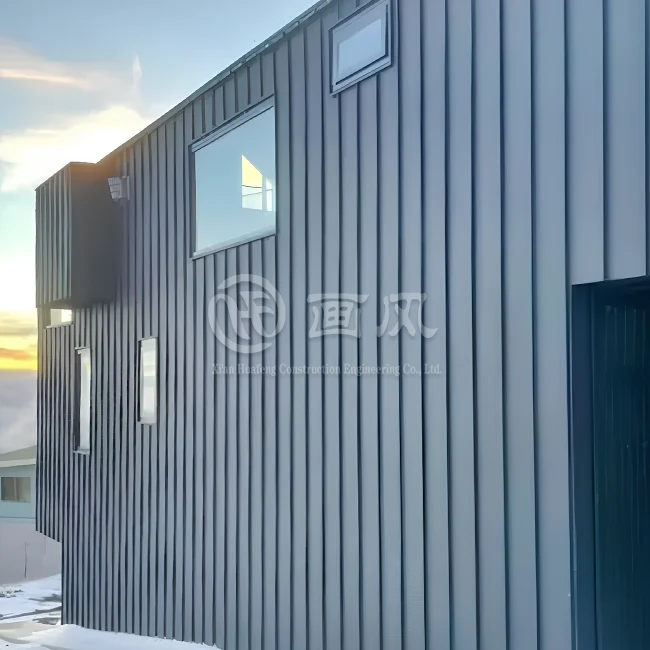
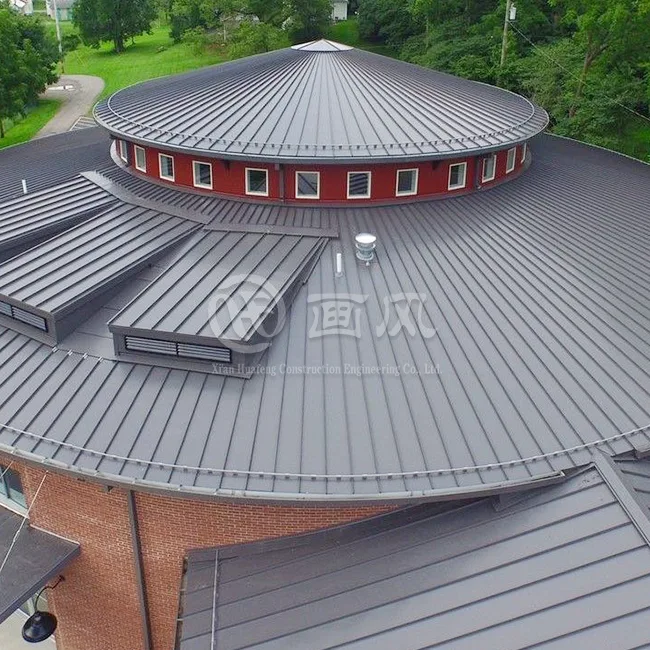
Because metal is easy to shape, curved panels can be made for barrel vaults, domes, and conical buildings without damaging the paint finish. This formability is helpful for architectural projects with complicated designs because it lets designers make unique shapes that would not be possible with harder materials. Modern business buildings, convention centers, and airport hubs often choose 032 aluminum standing seam roofing systems because the material can work with uneven surfaces and still stay waterproof.
Aluminum is non-magnetic, which makes it a good material for putting photovoltaic systems on industrial buildings that want to add rooftop solar panels without worrying about electromagnetic interference. The roof surface does two things: it generates green energy and protects the building envelope. This is a combination that is becoming more and more valuable in logistics centers and manufacturing plants that want to be more environmentally friendly.
Maintenance Tips and Long-Term Care for 032 Aluminum Standing Seam Roofing
Proactive maintenance plans get the most out of investments in roofs by finding small problems early, before they become big ones that need expensive fixes or cause the system to fail too soon.
Inspection Schedule and Protocol
Twice a year, a visible review should check the state of the coating, the engagement of the fasteners, and the integrity of the seams. Inspectors check for broken clips, panels that have come apart, and buildups of junk in slopes and behind equipment on the roof. During storm seasons, when salt spray buildup is highest, coastal systems should be checked every three months. Using dated photos to record inspection results makes maintenance records that can be used to back up guarantee claims if problems happen.
Low-pressure water washing is part of the cleaning process and is used to get rid of dirt, pollen, and salt residue that could break down coats over time. Chemicals or brushes that are too rough can damage PVDF finishes and cancel coating guarantees. Rainwater cleans properly sloped roofs naturally, but low-slope uses may need to be cleaned by hand every so often to keep the reflection and good looks.
Addressing Common Performance Issues
Most seam leaks are caused by mistakes in the fitting process, not problems with the material itself. Mechanical locks need to be fully engaged all the way along their length; only partially pinching them leaves holes where water can get in. To fix something, you have to get to the damaged seam, separate the panels, and re-engage the lock with the right tools. Fixing things without the right tools usually makes things worse, so you need to get skilled help.
Oil canning is the obvious waviness in flat panel parts. This is more of an aesthetic issue than a sign of a problem with the structure. This happens with all metal roofs because of temperature stress and treatment of the material. You can reduce exposure by choosing panels with stiffening ribs or striations or by choosing darker colors that hide surface flaws better than light finishes.
Conclusion
When choosing roofing materials, you need to carefully think about how well they will work, how much they will cost, and what suppliers can do. For building workers in charge of commercial, industrial, and high-end residential jobs, the 032 aluminum standing seam roofing system meets important needs. Because it doesn't rust, is lightweight, and lasts a long time, it has clear benefits in seaside areas, retrofitting projects, and green building efforts. By learning about the properties of materials, how to buy them, and how to keep them in good shape, you can make choices that are in line with your project's goals and your budget, and the safety will last for decades.
FAQ
1. How does aluminum compare to steel for standing seam applications?
Aluminum doesn't rust at all and is much lighter than steel, which makes it perfect for seaside areas and buildings that can't hold much weight. Steel is less expensive and less likely to dent, but it needs to be maintained more often in acidic conditions. Usually, the position of the project and the strength of the structure decide which material is best for a given task.
2. What hail resistance can I expect from 0.8mm aluminum panels?
The system gets UL 2218 Class 4 scores for damage resistance, which means that panels can handle big hail without getting holes in them. Because aluminum is not as hard as steel, it may get cosmetic dents from big hail events. This is more of an issue of looks than functionality, as the panels will still be waterproof even though they have surface dents.
3. Do aluminum roofs require special maintenance in marine environments?
Coastal sites should be rinsed every three months to get rid of salt layers, but the material itself doesn't need any extra protection. The PVDF layer adds to the surface's resistance to UV light and chemicals. It also keeps the surface's color and integrity throughout the insurance period, even in harsh saltwater exposure zones.
Partner with HF for Your Aluminum Standing Seam Roofing Supplier Needs
HF has a track record of success in making metal roofs, mixing advanced production skills with quick customer service. We make sure that the quality of our 032 aluminum standing seam roofing meets international standards by checking it carefully in three separate sites. We know how hard it is for building companies to buy things, so we offer solutions that can be tailored to your needs. Our minimum order quantity (MOQ) is only 500 square meters, and we guarantee delivery within 15 to 20 days. We offer full 30-year insurance on our PVDF-coated panels, which are backed by ISO9001 and ISO14001 standards. Get in touch with our team at huafeng@hfmetalroof.com to talk about the details of your project and find out how our production capacity can help you meet your deadlines and budget needs with materials that are both reasonably priced and built to last.
References
1. American Architectural Manufacturers Association. "AAMA 2605: Voluntary Specification, Performance Requirements and Test Procedures for Superior Performing Organic Coatings on Aluminum Extrusions and Panels." 2017.
2. Metal Construction Association. "Technical Bulletin: Design and Installation Guidelines for Standing Seam Metal Roof Systems." 2020.
3. ASTM International. "ASTM B209: Standard Specification for Aluminum and Aluminum-Alloy Sheet and Plate." 2019.
4. Cool Roof Rating Council. "Rated Product Directory: Reflectance and Emittance Values for Metal Roofing Products." 2021.
5. National Roofing Contractors Association. "The NRCA Metal Panel and Standing Seam Roof Systems Manual." 2018.
6. Underwriters Laboratories. "UL 2218: Standard for Impact Resistance of Prepared Roof Covering Materials." 2016.





YOU MAY LIKE