Modern design puts more and more emphasis on exterior articulation and material accuracy. This opens the door for cladding systems that are both visually striking and reliable. Interlocking metal panel systems, such as Flat Lock Panels, meet both of these needs because they are designed in a way that fits with current building trends.

Why Flat Lock Panels Are Perfect for Modern Architectural Designs
2026-05-18 20:06:21
Modern construction projects require attractive, functional coverings. Interlocking metal panels fit these needs well. Smooth, flat Flat Lock Panels fit modern design. They also meet technological requirements including heat movement, weather resistance, and intricate geometrical shapes. Their four-sided interlocking hem secures without visible penetrations. Clean facades are ideal for convention centers, transportation hubs and business buildings that combine brand image and durability.
Understanding Flat Lock Panels: Features and Functionality
The world of building cladding is continually evolving, yet some solutions work in many scenarios. General builders and curtain wall subcontractors that work on large public construction projects like metal interlocking panel systems because they mix high-tech with a variety of styles.
Construction and Interlocking Mechanics
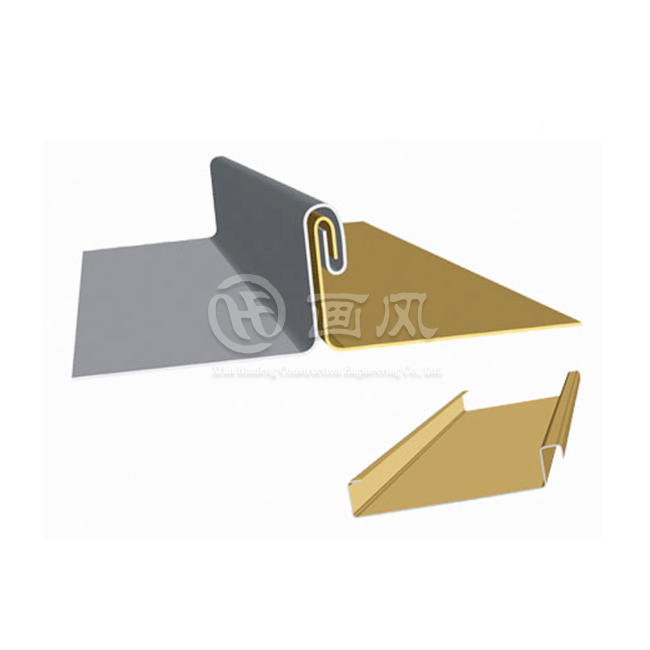
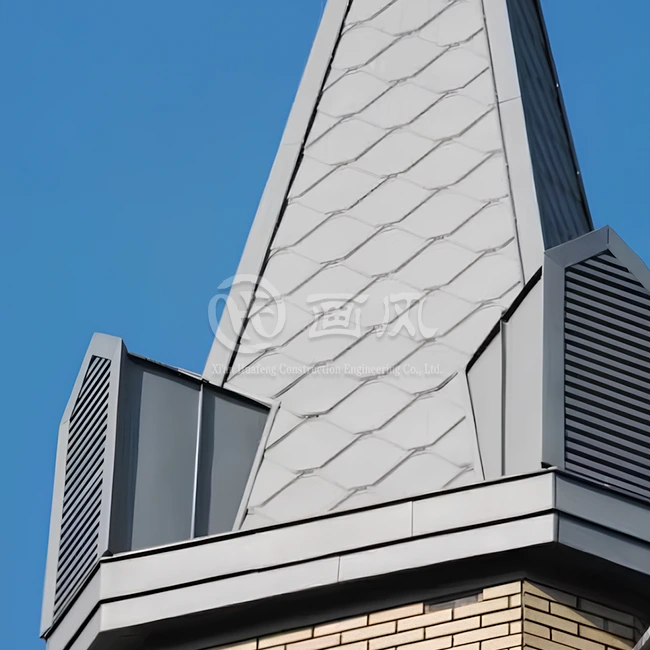
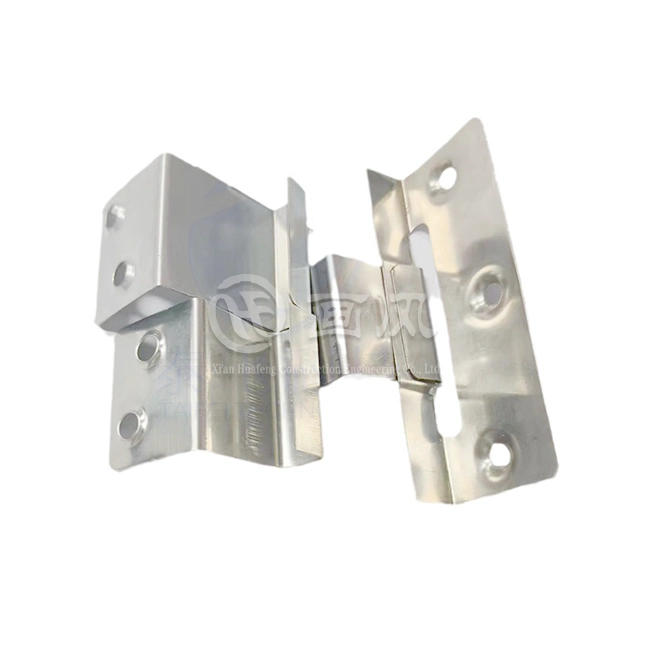
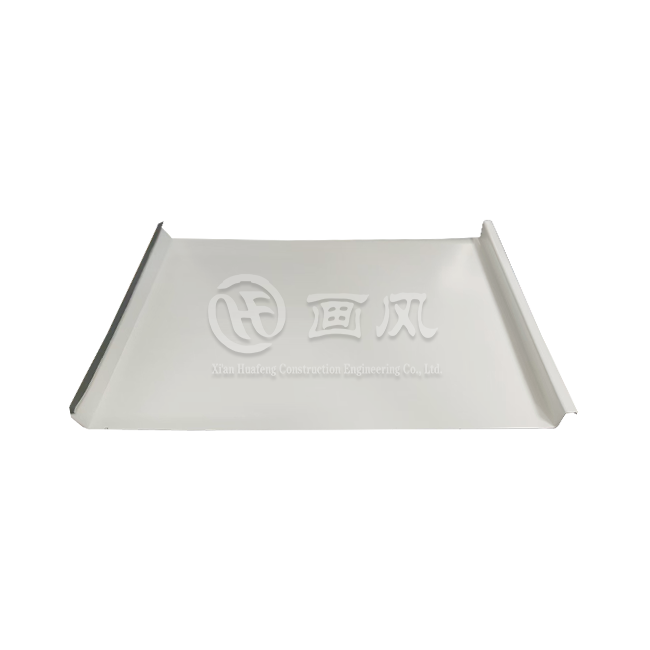
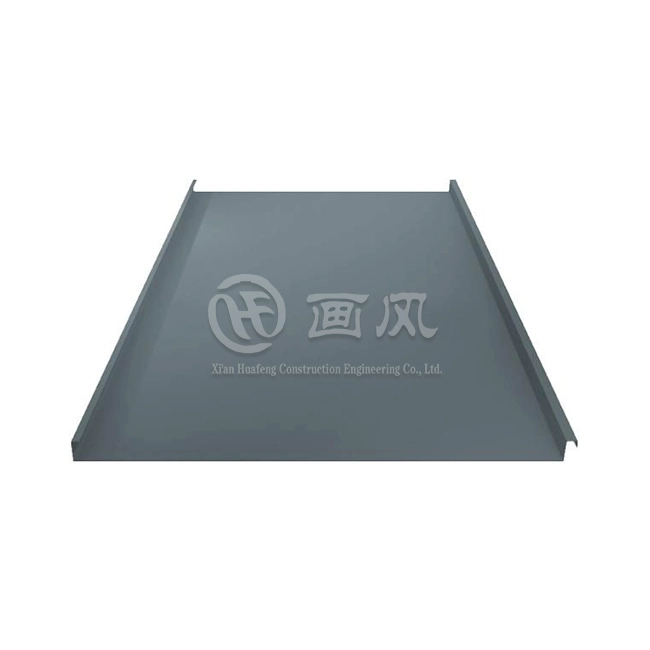
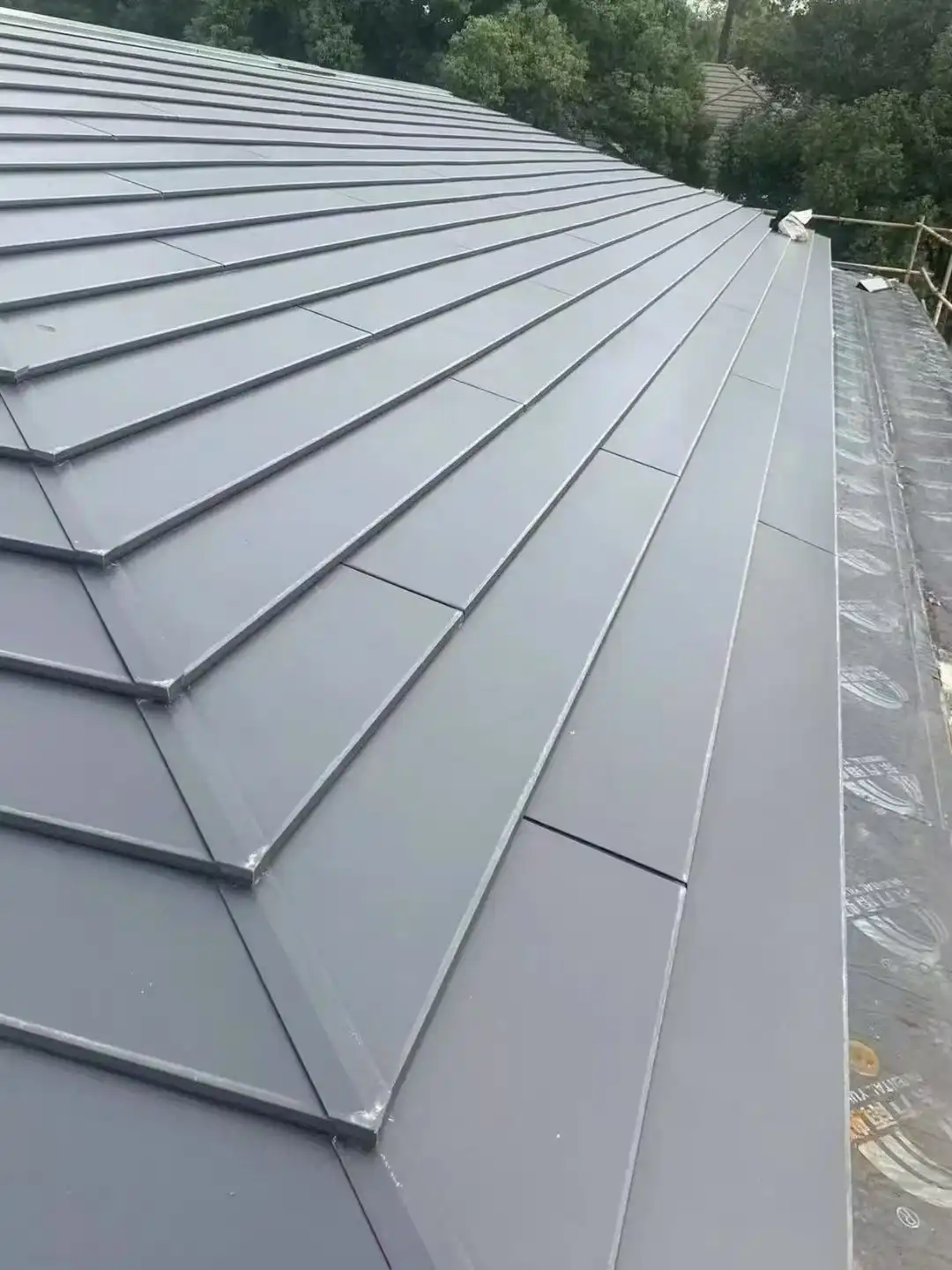
Their unusual four-sided overlapping design makes these panels stand out. This differs greatly from vertical seam systems. The folded ends of each square, rectangular, rhombic, trapezoidal, or hexagonal panel match the units adjacent to it. The skin floats and doesn't buckle under temperature variations thanks to this engineering innovation. This is crucial when working with metal surfaces in varying temperatures. Hidden clip systems replace visible fasteners during installation. This preserves the visual plane builders want in high-visibility projects. The standard panel shape is less than an inch above the base. This offers the panel a flat look while maintaining airtightness for thermal performance and moisture management.
Material Selection and Durability Profiles
Material choice impacts performance and upkeep. Zinc and titanium last. Years of use create a protective patina that repairs slight surface damage. Copper is similar but oxidises from bright to verdigris green. The naturally weathering materials fulfil green building standards and require less maintenance. Lighter aluminum-magnesium-manganese metals are structurally sound. This helps when roof load capacity is low. It doesn't rust, thus it can be utilised in coastal and industrial areas where air pollution promotes material degradation. Stainless steel variations resist wind and impact well. High-quality materials from Xi'an Huafeng Construction Engineering Co., Ltd. come in 100mm–400mm sizes and 0.4mm–0.8mm thicknesses. This specification's flexibility provides correct design matching and business construction performance goals.
Energy Efficiency and Thermal Performance
The vented rainscreen design creates air between the metal skin and base when interlocking panel systems are properly fitted. This design improves turbulent airflow, reducing summer heat accumulation and winter thermal bridging. Compared to direct-applied cladding, the building shell performs better. Surface coatings improve heat regulation. Polyester coatings block sun rays less than PVDF. In energy-intensive enterprises, this reduces cooling needs. This performance edge is especially valuable for real estate enterprises seeking LEED certification or other operating efficiency-focused sustainability models.
Maintenance Protocols for Extended Service Life
Regular maintenance protects a product's appearance and functionality throughout and after the warranty. Check seams, clips and drainage routes every three months to ensure their condition. These quick examinations catch issues before they become costly or cause water damage that destroys the building. Annual cleaning removes particulates that retain water on metal surfaces. Mild detergent and soft-bristle brushes will clean most setups without damaging protection coatings. Paying attention to flat surfaces and recessed features prevents rubbish buildup and accelerates localised rusting. When properly maintained, interlocking panels can last over 50 years, and copper and zinc metals can last over 70. This lowers the material's lifetime cost from its initial cost. This is especially useful for government-funded projects that prioritise long-term value when buying.
Why Flat Lock Panels Are Ideal for Modern Architectural Designs
Aesthetic Flexibility and Design Freedom
Flexible panels allow patterns to be modified, making building covers architectural statements. Arranging things horizontally, vertically, or diagonally creates visual rhythms. Multiple angles on surfaces offer depth and intricacy. Rectangles and hexagons provide painters more colour options than panel systems. Colour matching or RAL requirements ensures brand alignment in corporate offices and commercial ventures where look is essential. Factory-applied PVDF coatings safeguard high-end projects' aesthetics from decades of UV exposure. The low profile gives it a clean, uncomplicated look typical of modernism and contemporary design. Strangely, the secret fastening system must control movement, weather, and straighten enormous sections of alignment, making its perceived simplicity need complicated engineering.
Comparative Analysis: Panel System Selection
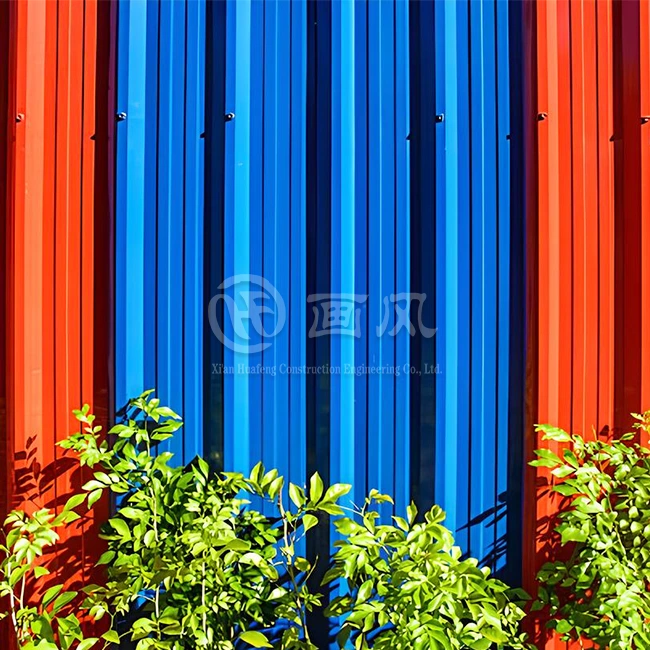
Vertical ribs give standing seam systems a strong linear focus. These ribs are good for industrial appearances or where texture is important. These bold designs may not function in building styles that emphasise geometric form over surface texture. Corrugated shapes are cheaper for simple structures, but they lack beauty for convention centers, transportation hubs and mixed-use projects where people would engage with the architecture. The wave pattern suggests industrial use, not design. Snap-lock systems are faster to install, but the fasteners are visible and the seams don't link as well as with four-sided interlocking designs. This technique may work for small facades or low-budget projects, but it rarely meets high-profile public building performance standards. Despite costing more, metal interlocking panels last longer, require less maintenance, and look better, saving property values. Business real estate investment models often have 30-year ownership costs, therefore cost-benefit analysis favours these systems.
Weather Performance and Structural Capabilities
Because the seams link, two sets of weather shields keep water out even in heavy, long-lasting rain. Each overlapped panel acts as a drainage plane, transporting water to the building's perimeter, while flashing systems keep it away from the foundations. Wind load resistance derives from clip-based fitting systems' thick fastening. Hidden clip systems distribute uplift forces across several connecting sites, unlike widely spaced holes. This reduces stress concentrations that pull fasteners or deform panels in harsh conditions. These units weigh less than 6 kilograms per square metre, making them light. This implies they don't damage the structure and survive as long as metal covering systems. Repair projects where the structure limits materials or seismic zones where reduced mass makes the building more stable during earth motion occurrences benefit from this attribute.
Procurement Considerations for Flat Lock Panels in B2B Markets
Getting the right materials, working with the right suppliers, and coordinating logistics are all important parts of a successful project delivery plan. Professional builders and workers know that choosing a cladding system is more than just choosing the right product. It also involves making sure the maker is qualified and has a good service network.
Cost Structures and Bulk Procurement
Material costs vary greatly by medium. First, aluminium alloys are cheap, then coated steel, zinc, and luxury copper systems. Prices depend on thickness, surface preparation, and finishing. Projects should budget for materials and installation based on difficulty and personnel availability. When specific projects need adequate supplies for dedicated manufacturing runs, bulk buying can save money measureably. When manufacturers develop uniform specs for large orders, they maximise material use and reduce changeover time. These savings are shared with clients through volume discounts. Standard setups take 15–20 days. For custom colours, sizes, or coatings, production times may be longer. Professional builders arrange their primary paths to supply panels and prepare the envelope at the same time to reduce storage space and weather exposure.
Supplier Qualification and Manufacturing Capability
Curtain wall and rainscreen systems are sophisticated, thus providers need the technical expertise and production infrastructure to handle large projects. Grade 1 building curtain wall certifications demonstrate compliance and technical competence for public construction projects. Grade 3 steel structure certifications allow for greater construction activity, which improves integrated project performance. Making things affects how reliably and high-quality commodities are provided. Our 200,000-square-meter Anhui plant has seven colour coating lines, ten longitudinal and crosswise shearing lines, and over 40 cutting, pressing, and producing instruments. Our production capacity enables us to manufacture high-quality commodities such as our specialized Flat Lock Panels system. This approach keeps timetables even when working on different tasks. Obtaining a high-tech business licence shows your commitment to innovative ideas and quality management methods that benefit your clients. Xi'an Huafeng Construction Engineering Co., Ltd. won this award in 2020, indicating our process and technology improvements were worthwhile. We have approximately 20 patents for novel system innovations that improve installs and performance.
Customization and Technical Support
Very few common products suit the needs of major projects. Successful providers retain engineers who can adapt systems to building features, substrate conditions, and performance. Custom widths, non-standard forms, and project-specific bindings are more like regular requests. Comprehensive sellers help install products, unlike basic sellers. Site evaluations, base preparation, and installation training by technical reps reduce risk and speed up projects. This solution is especially useful for local building teams unfamiliar with certain cladding systems. When manufacturers offer entire solutions, from design to installation, the warranty covers more than material faults. It also addresses system performance. We stand behind our materials and installation with a 30-year guarantee. It provides project participants with longer-lasting peace of mind than most building owners expect.
Comparison and Decision-Making: Choosing the Right Flat Lock Panels
For strategic material selection, performance traits, lifecycle costs, and supplier skills must be carefully looked at. When these factors are clearly considered in decision frameworks, results are in line with project goals and stakeholder standards.
Material Performance Evaluation
Zinc-titanium alloys work well in coastal and industrial areas where chloride or sulphur chemicals destroy materials. A maintenance-free self-healing patina eliminates rust within months after installation. Despite their greater initial cost, lifecycle cost modelling recommends zinc systems for 40-year deployments. Copper and zinc installations look good and work well. From shiny metals to patinas, walls look alive and change as the building ages. Copper is used in high-end residential and institutional construction due to its durability. Aluminium, magnesium, and manganese alloys maximise corrosion resistance and strength-to-weight ratio. The material expands less than steel or copper due to its lower thermal mass. Details are simplified and connecting system stress is reduced. Beaches and tropical climates suit aluminium because it resists chloride-induced corrosion. Stainless steel is good for contact-resistant or severe conditions. Transportation infrastructures, parking lots, and vandalised cities are frequent applications. The price makes it unsuitable for many applications, yet it's fine when hardness is needed more.
Brand Selection and Quality Assurance
Expert assistance, reliable quality, and project investment warranties distinguish well-known organisations. Our complete quality management, supported by ISO 9001 and ISO 14001 certifications, ensures that all goods leave our facilities meeting stated requirements and performance standards. Availability concerns include being able to get fresh panels at any moment during a building's lifespan. Suppliers' constant product lines allow future repairs or extensions to match current installations, which is impossible without original specs. Working on international projects shows you can handle varied norms and needs for success. In over 100 countries, Xi'an Huafeng Construction Engineering Co., Ltd. distributes solutions that meet local building codes and international quality requirements. This perspective aids product development for diverse applications.
Lifecycle Cost Analysis
A complete economic evaluation includes procurement, installation, maintenance, and estimated service life. Metal interlocking panels cost more than other siding, but they last 70 years or more and require no maintenance, so the initial investment is worth it. How well a structure consumes energy influences its lifetime costs. Measured cooling loads are lower with vented rainscreens than direct-applied siding. Saving money annually adds up over decades. These operational advantages should be weighted equally in financial models with building budget factors. Sustainable materials affect project decisions and product market position more. Indefinitely recyclable metal panels gain LEED credits and other green construction certifications that boost property values and rents. Recycled metal coating has value in a circular economy, unlike composite or polymer-based solutions.
Comprehensive Installation Guide for Flat Lock Panels
The success of a system relies on how well it is installed, making sure that technical principles and maker specs are followed. The right way to do something saves material investments and makes sure that the project looks good and protects against the weather, which is what project partners want.
Substrate Preparation and Layout Planning
Installation begins with checking the base for flatness, support, and moisture shield. Before installing the panels, large deviations must be rectified because the underlying faults can be heard through the metal skins and impact the weather seal. Layout planning creates panel coursing that balances appearance and installation. Because of their technical difficulties and visual significance, corner conditions, fenestration integration, and termination elements are prioritised at this phase. Horizontal control lines examined with a laser level or optical transit provide equal orientation on large surfaces. To maintain the design even when field dimensions vary, as they do on construction sites, vertical reference markings position the panels.
Panel Installation Sequence
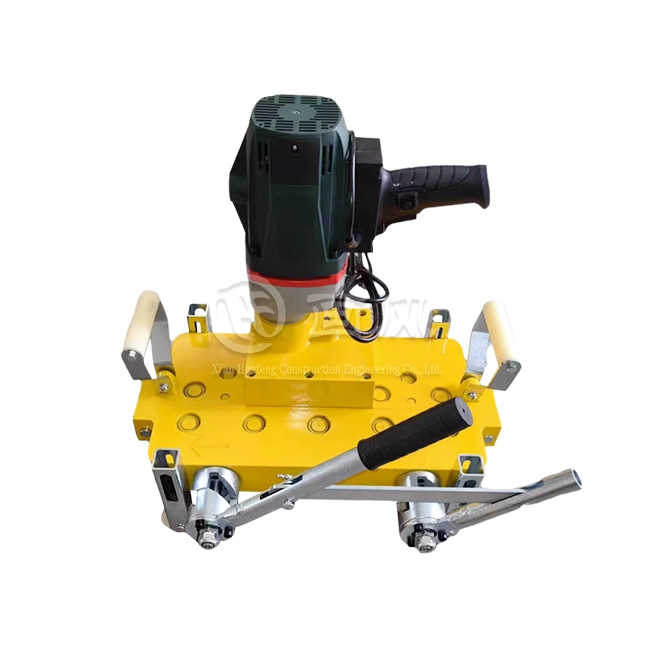
Starter trim forms the foundation for all courses. Angle deviations and alignment errors worsen as panel rows are added, thus precise configuration is crucial early on. The manufacturer recommends spacing the clip attachment 300 mm to 400 mm apart, but this can vary depending on panel size and wind force. Proper clip contact creates a mechanical relationship and allows thermal movement to prevent oil-canning or bowing. This installation methodology is a key feature of our proprietary Flat Lock Panels system Starting at designated points, panels are installed. After positioning each unit, the seams are matched and fastened. The mechanical connections can be formed after engaging one side of the four-sided link and checking its position. If you rush, the panels may get misaligned and need to be removed and reinstalled.
Quality Control and Post-Installation Verification
Field testing during installation finds and fixes issues before assembly. Checking seams, clips, and drainage routes prevents problems that can only be identified by damaging finished walls. A weather seal's performance under controlled wind-driven rain is tested in water. These tests develop trust in the building's systems before it's occupied, when addressing faults is easier than after, when repairs can disrupt operations. Final cleaning removes building trash and confirms finish. Protective layers used during manufacture must be removed within a specified timeframe to prevent adhesive breakdown, making pulling harder. Touch-ups prevent rusting in minor areas of covering damage from installation. Maintenance paperwork comprises inspection plans, cleaning instructions and technical support contacts for building owners. This information exchange ensures that good systems' long-term performance potential is realised through effective maintenance.
Conclusion
Modern architects want beautiful, functional, and long-lasting buildings. Only metal sliding panel systems such as Flat Lock Panels can meet these requirements. The four-sided interlocking design permits thermal movement and intricate designs while protecting corporate buildings from weather. Zinc, copper, aluminum-magnesium-manganese alloys, and stainless steel can be used to optimise project standards and stay within budget. A successful purchase depends on the seller's capacity to manufacture, give technical support, and accomplish similar projects. Installation following specified processes minimises material investments and maintains performance over decades of service lives, justifying higher original costs through reduced care and greater durability.
FAQ
1. What is the typical cost per square foot for interlocking metal panel systems?
Project costs vary greatly depending on materials, complexity, and location. Aluminium systems cost from low for simple setups to costly for architectural finishes. Zinc and copper standards cost more but last longer and cost less. Installation might be expensive depending on the facade's complexity and the local pay rate. Economies of scale lower major project unit costs compared to small sites.
2. Are these systems suitable for both commercial and residential applications?
Due to its technological qualities and aesthetics, interlocking panels can be employed in many building kinds. Commercial projects benefit from durability, low maintenance, and a business-appropriate style. Custom homes, which are designed differently from standard construction, provide similar performance benefits. The method works on large company facades and little house accent walls.
3. What maintenance practices ensure maximum service life?
Regular integrity and draining checks prevent small problems from worsening. An annual cleaning removes dirt and air deposits with mild soaps and brushes. Coastal areas need more frequent washing to prevent salt buildup. Fix damaged coating immediately to prevent restricted corrosion. These basic actions will preserve the structure's appearance and operation for decades.
Partner with a Trusted Flat Lock Panels Manufacturer
With expertise in design, precision manufacture, and installation, Xi'an Huafeng Construction Engineering Co., Ltd. can assist you with your next architectural project. Our Grade 1 curtain wall accreditation and high-tech firm certification demonstrate our landmark-building expertise. Our unique metal coverings meet international requirements in over 100 countries. Our 200,000-square-meter factories have over 20 patents for novel innovations. As an experienced Flat Lock Panels manufacturer, our engineering staff swiftly answers buying queries and helps you make decisions by providing product knowledge and project-specific guidance that guarantees success. Contact us at huafeng@hfmetalroof.com to discuss your project, acquire specs, or get a free sample.
References
1. American Architectural Manufacturers Association. (2021). Metal Wall Panel Design Guidelines: Engineering Principles and Performance Standards. AAMA Technical Publication Series.
2. Copper Development Association. (2019). Architectural Copper Cladding: Material Properties, Installation Methods, and Lifecycle Performance. CDA Technical Reference Manual.
3. National Roofing Contractors Association. (2020). Metal Panel Systems: Comparative Analysis of Installation Methods and Weather Performance. NRCA Construction Guidelines.
4. Sheet Metal and Air Conditioning Contractors' National Association. (2022). Architectural Sheet Metal Manual: Standards for Design and Installation of Metal Building Envelopes. SMACNA Industry Reference.
5. Whole Building Design Guide. (2020). Metal Wall and Roof Systems: Selection Criteria for High-Performance Building Envelopes. National Institute of Building Sciences Technical Publication.
6. Zinc Roofing Alliance. (2018). Architectural Zinc Applications: Technical Guide to Material Specifications and Installation Best Practices. ZRA Industry Standards Manual.





YOU MAY LIKE