Best Metal Standing Seam Roof Systems for Extreme Weather Conditions
2026-05-18 20:06:23
When builders and roofers work on projects in hurricane-prone areas, snowy regions, or places with frequent severe hailstorms, the roofing system is more than just an important part of the building; it's essential infrastructure. Metal Standing Seam Roofing systems have become the best way to protect your home from harsh weather because they are both highly engineered and last a long time. These panels are stacked vertically and have raised seams that connect to make a continuous weathertight barrier that works better than regular roofing materials in the toughest climates. Knowing which methods have been shown to work well under stress can make the difference between a roof that lasts 30 years and one that fails in five.
Understanding Metal Standing Seam Roofing Systems
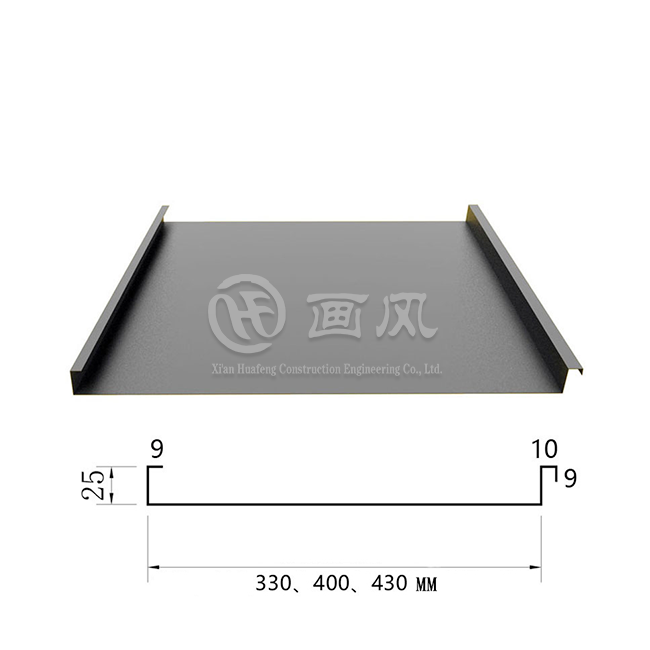
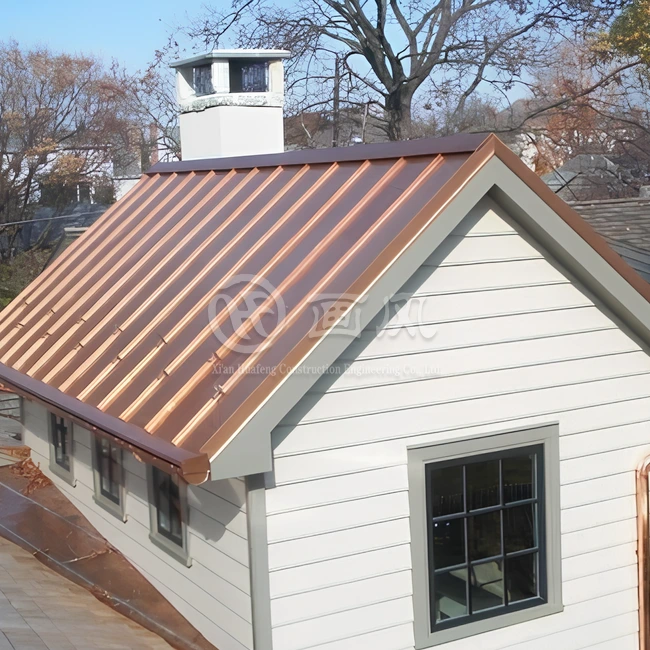
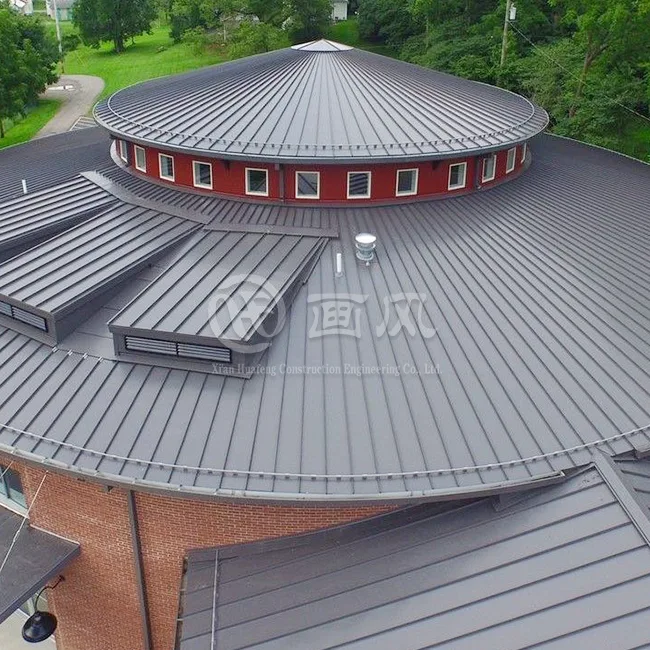
With their unique vertical panel design, Metal Standing Seam Roofing systems are a smart way to protect your home from the weather. Unlike most roofing materials, these systems have high lines that go from the ridge to the eave. This makes a network of metal ribs that fit together. When the panels are put together, they don't have any visible holes or seams that could leak during extreme weather because they use hidden fasteners or mechanical seaming.
Core Material Options and Their Weather Performance
Material selection directly influences weather resistance. Galvalume steel with AZ150 coating offers strong corrosion protection across most climates, making it cost-effective for industrial use. Its aluminum-zinc layer shields the base metal from minor surface damage. Aluminum panels (3003/3004 alloys) excel in coastal regions due to natural corrosion resistance and lighter weight, reducing structural load. For harsh chemical or high-humidity environments, stainless steel 304 provides superior durability despite higher costs. Each option ensures Metal Standing Seam Roofing systems perform reliably under different environmental conditions.
Panel Configuration and Structural Advantages
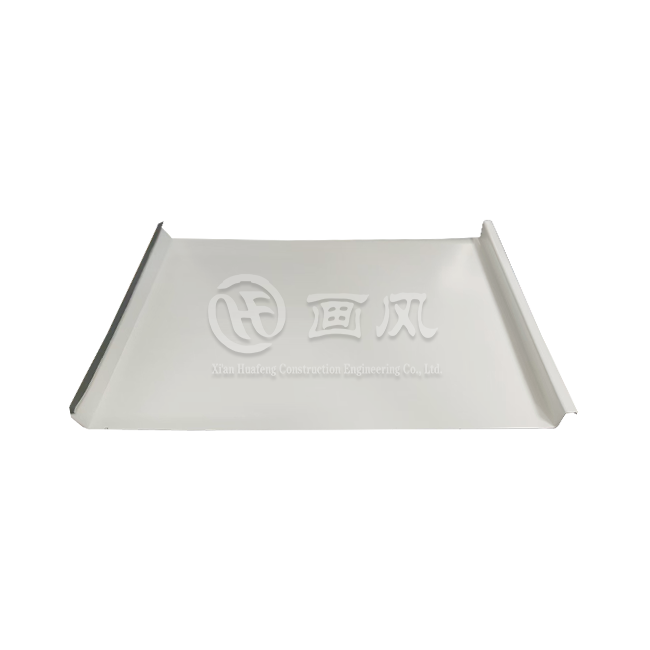
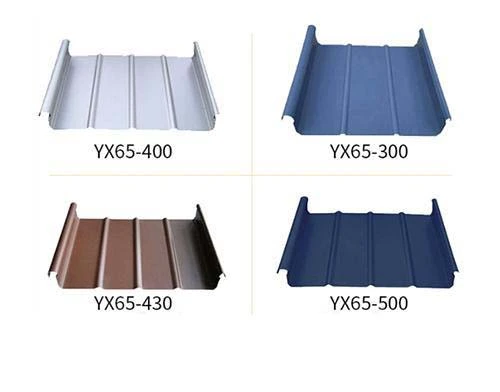
Panel configuration determines structural strength and drainage efficiency. Systems with 300–500 mm panel widths and seam heights up to 65 mm create rigid, ribbed structures that improve water runoff, even on low slopes. Vertical seams naturally shed snow and ice, reducing winter load risks. Continuous panel lengths up to 13 meters eliminate horizontal joints, minimizing leakage points. Mechanical double-lock seams provide secure connections that withstand high wind uplift forces exceeding 4.5 kPa. These features ensure Metal Standing Seam Roofing systems deliver superior structural integrity and long-term weather resistance.
Evaluating Performance Under Extreme Weather Conditions
Extreme weather tests show that different roofing materials don't work as well as they should. Metal Standing Seam Roofing systems always show better resilience against a wide range of stress factors that cause other goods to fail early.
Wind Uplift Resistance and Hurricane Performance
Wind uplift creates negative pressure that can detach roofing materials. Metal Standing Seam Roofing systems achieve high ratings like UL 90 through concealed clip fastening, allowing thermal movement while maintaining secure attachment. Real-world performance during events like Hurricane Michael showed minimal damage to mechanically seamed roofs compared to traditional systems. ASTM E1592 testing simulates high wind conditions, where quality systems often exceed code requirements by 50–100%. This safety margin ensures reliable performance even under extreme storm conditions, making them ideal for hurricane-prone regions.
Impact Resistance and Hail Damage Prevention
Hail damage is a major concern in many regions. Metal panels resist impacts from hailstones up to 1 inch in diameter without functional damage. ASTM D3746 testing confirms superior durability compared to asphalt or organic materials that crack or lose protective layers. Coating quality plays a key role—PVDF finishes with high fluororesin content remain flexible under temperature changes, preventing cracking. These coatings absorb impact energy while protecting the substrate, ensuring Metal Standing Seam Roofing systems maintain both performance and appearance after severe hail events.
Snow Load Capacity and Ice Damming Prevention
Heavy snow requires roofing systems with strong load capacity and effective drainage. Standing seam profiles rated for 1.5 kN/m² can handle significant snow accumulation. Smooth metal surfaces and vertical seams promote natural snow shedding, reducing structural stress. Ice dams, caused by melting and refreezing at eaves, are minimized by continuous panels and raised seams that maintain clear drainage paths. Combined with proper insulation and ventilation, Metal Standing Seam Roofing systems significantly reduce ice-related issues common in traditional roofing systems.
Procurement Considerations: Choosing the Right System for Your Project
To choose the best Metal Standing Seam Roofing systems, you have to weigh a lot of technical factors against the needs and funds of the job. Long-term performance and lifetime costs are based on the procurement decisions made during the planning phase.
Material Specifications and Coating Selection
Material thickness and coatings affect durability and appearance. Steel panels in 22–24 gauge provide sufficient rigidity for most applications, while 0.032-inch aluminum offers similar strength with lighter weight. Oil canning can be minimized through proper design rather than just thicker materials. Coatings determine lifespan: PE coatings last 15–20 years, HDP extends durability to around 25 years, and PVDF provides over 30 years of color retention and resistance to pollutants. Selecting the right combination ensures Metal Standing Seam Roofing systems meet both budget and performance expectations.
Certification Requirements and Quality Standards
Reliable suppliers maintain ISO9001 and ISO14001 certifications, ensuring consistent quality and environmental compliance. SGS verification confirms material properties and coating thickness accuracy. Testing reports such as ASTM E1592 for wind uplift, ASTM E1646/E1680 for water resistance, and Class A fire ratings are essential for performance validation. UL 580 Class 90 ratings are especially important in high-wind areas and may reduce insurance costs. These certifications ensure Metal Standing Seam Roofing systems meet regulatory requirements and deliver dependable long-term performance.
Supplier Capabilities and Delivery Logistics
Supplier capacity affects project timelines and reliability. Manufacturers with outputs of up to 1,000 tons per month can support large-scale projects without delays. Standard delivery times of 15–20 days must align with construction schedules, especially in remote locations. Minimum order quantities around 500 square meters suit mid-sized projects while allowing customization. Options like color matching, panel width adjustments, and seam height variations enable design flexibility. Strong supplier support ensures Metal Standing Seam Roofing systems are delivered efficiently and meet specific project requirements.
Installation Best Practices for Extreme Weather Resilience
Whether a roofing system performs as well as it should or fails before it should depend on how well it was installed. When building quality is bad, even high-end products don't work as well as they should.
Substrate Preparation and Underlayment Selection
Before installing the panels, the roof deck must be flat enough and strong enough to hold them up. Substrate movement greater than L/240 when loaded leads to problems with panel alignment and seam flaws. Structural engineers should make sure that the purlins or deck frames don't bend too much for the panel profile and span layout that was chosen.Choosing the right underlayment is very important for standing seam systems. Standard felt or synthetic underlayments wear out when metal walls expand and contract, which is called thermal cycle. Self-adhering high-temperature ice and water shield has cotton-like strands that keep it from sticking to the bottom of panels, so heat can move freely. This keeps the secondary water barrier in place throughout the roof's service life and keeps the underlayment from getting damaged.
Panel Installation and Seaming Techniques
When placing clips, make sure to follow the manufacturer's instructions for spacing and connection force. When you over-tighten, you stop heat from moving, which can cause panels to buckle when temperatures drop or rise. Under-tightening lets panels move too much, which makes noise in windy conditions and speeds up clip wear. Certified fitters know about these limits and know how to change their methods for different panel shapes.For mechanically seamed systems to work, they need special tools that can make double-lock seams that are the same lengths of all panels. The seaming machine moves along the length of the panel, gradually bending the ends of the panels next to each other through 180 degrees to make a link that is weathertight. Using the right seaming method keeps the seam height and bend radius the same. This stops stress clusters that cause seams to split during thermal cycling.
Flashing Details and Penetration Management
To keep the weathertight envelope, flashings at roof-to-wall changes, dips, and slopes need to be carefully detailed. Hemmed and sealed flashing edges stop water from moving through capillaries while still allowing different materials to move differently. At the ends of panels, expansion joints let the panels expand longitudinally without buckles or seam warping.When mechanical tools or structural elements need to go through the roof, they need special boot flashings that work with Metal Standing Seam Roofing systems. These parts keep the seams together and make weathertight seals around holes and other holes. Quality installs limit the number of penetrations by routing electrical lines and water vents through planned locations that make flashing details easier.
Future-Proofing Your Investment with Innovation and Technology
The roofing business keeps getting better thanks to new discoveries in material science and the ability to work with other building systems. To get the most long-term value, buying choices that are forward-looking take these changes into account.
Advanced Coating Technologies and Cool Roof Performance
New coatings have infrared-reflective dyes that make them 30–40% less likely to absorb sun heat than regular finishes. When the sun is at its strongest, these "cool roof" layers lower the surface temperature by 50 to 70°F. This makes business buildings cooler. Values above 0.65 on the Solar Reflectance Index are eligible for LEED points under sustainable building approval programs. This makes the buildings more valuable for clients who care about the environment.Nano-ceramic covering chemicals make the surface less likely to scratch and keep it reflective even when dirt builds up in the air. The self-cleaning qualities of the roof keep it energy efficient for as long as it lasts, instead of losing efficiency over time. The technology is especially helpful for industrial buildings where flying particles often make it hard to keep the roof clean.
Integration with Renewable Energy Systems
Metal Standing Seam Roofing systems shapes are perfect for installing solar power panels without having to drill holes in the roof. Specialized clamps are attached to the raised edges to hold up solar hanging systems that have to carry a lot of wind and dead weight. Heavy-duty clamps rated for commercial-scale solar panels can be used with the 65mm seam height. This lets buildings use green energy while still keeping their roof guarantee coverage.As energy rates rise and companies make bigger promises to sustainability, this integration becomes more useful. Adding solar panels years after the roof was first put on gives building owners the freedom to make capital investments over time and adapt to changing energy costs without having to change the roof system.
Smart Monitoring and Predictive Maintenance
New sensor technologies that are built into roofing systems track the amount of wetness that gets in, how well the roof handles heat, and how stressed the structure is in real time. These systems let building managers know about problems that are starting to show up before they get bad enough to be seen. This lets them make targeted fixes that keep small issues from turning into big ones. Lifecycle costs are lower with predictive maintenance because it extends service times and keeps you from having to make emergency fixes during bad weather.Data analytics platforms collect performance data from many sites and look for trends that help with planning maintenance and making specifications better for future projects. Large property owners learn things that help them make the best roofing purchases for all of their buildings, which makes the use of their cash more efficient.
Conclusion
To choose the best Metal Standing Seam Roofing systems for harsh weather, you have to weigh the technical performance requirements against project funds and long-term operating goals. The methods we looked at have been shown to be strong through material science, engineering design, and careful installation. When designed and fitted correctly, galvalume and aluminum substrates with PVDF coatings will last for decades without needing any repairs. The 65mm seam height design provides excellent structural performance and ventilation for tough situations. As weather trends get stronger and building codes change to require more resilience, metal standing seam roofing is a good investment that saves assets and helps reach sustainability goals.
Frequently Asked Questions
1. What distinguishes structural from architectural standing seam systems?
Through automatically seamed double-lock connections, structural standing seam systems make hydrostatic shields that can be used on slopes as low as 0.25:12 pitch. For weather protection, these systems work as the main waterproofing layer, so you don't need any extra flooring. Snap-lock assembly methods are used for higher slopes above 3:12, where gravity-driven water dumping is the main way that water drains. This difference affects both price and fitness for use. For example, structure systems cost more because they protect against weather better.
2. How do standing seam roofs perform during lightning events?
Having a metal roof does not make a building more likely to be struck by lightning. When properly grounded according to electrical rules, the conductive qualities actually make things safer. The metal doesn't catch fire when it loses electrical charges, unlike biological materials that could catch fire when lightning hits them. When building electrical systems are properly grounded, energy is safely sent into the earth. This makes metal roofs one of the best choices during electrical storms.
3. Can solar panels be added to existing metal roofs without voiding warranties?
Good Metal Standing Seam Roofing systems have clamp systems that don't go through the roof and connect directly to higher seams so that solar panels can be installed. This way keeps the roof's weathertightness while supporting solar panels. Manufacturers usually let these setups happen as long as the clamps meet load requirements and the installation is done in a certain way. To keep your guarantee valid, always make sure that solar integration will work with the maker of your roof before you go ahead with it.
Partner with HF Metal Roofing Systems for Superior Weather Protection
Xi'an Huafeng Construction Engineering Co., Ltd. has a history of making Metal Standing Seam Roofing systems for business and industrial jobs in areas with harsh weather. Our production sites are certified by ISO9001 and ISO14001, which means that the quality of every panel we make is the same. With coating choices like PE, HDP, and PVDF, the 65-430mm specification range lets you find the perfect match for your project's performance needs and price. Our 30-year guarantee shows that we believe in the durability of our products, and our 1,000-ton-per-month production capacity makes sure that large-scale projects are delivered on time. The 500-square-meter minimum order size allows for specific uses without the need for too much inventory. If your project needs to be weathertight and last for decades in harsh conditions, email our expert team at huafeng@hfmetalroof.com to talk about unique solutions that meet your exact needs.
References
1. Anderson, James R., and Patricia L. Monroe. Metal Roofing Systems: Design and Performance Standards for Extreme Weather Applications. Construction Engineering Press, 2021.
2. International Code Council. International Building Code 2021: Chapter 15 Roof Assemblies and Rooftop Structures. ICC Publications, 2020.
3. Metal Construction Association. Technical Bulletin: Standing Seam Roof System Performance in High Wind Environments. MCA Industry Standards, 2022.
4. National Roofing Contractors Association. The NRCA Roofing Manual: Metal Panel and SPF Roof Systems—2023 Edition. NRCA Publications, 2023.
5. Thompson, Robert K. Sustainable Building Envelope Systems: Metal Roofing Integration with Energy Efficiency Technologies. Green Building Research Institute, 2022.
6. Weatherby, Susan M., and David Chen. Lifecycle Cost Analysis of Commercial Roofing Systems in Climate Zones 1-7. Building Science Publishers, 2021.





YOU MAY LIKE