Why Choose Standing Seam Metal Roof Sheets for Your Home?
2026-10-09 19:19:05
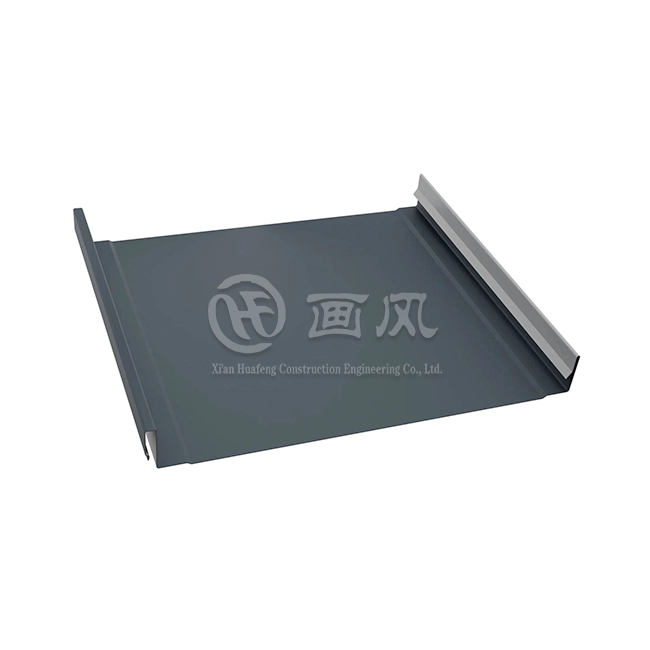
If you've been researching premium roofing options, you've likely come across standing seam metal roof sheets. These panels feature raised, interlocking vertical seams that run continuously from ridge to eave, creating a weathertight barrier without exposed fasteners. Unlike conventional roofing, the concealed clip system allows each panel to expand and contract freely with temperature changes, preventing structural stress. With a 30-year warranty, compliance with ASTM, DIN, JIS, BS, and GB/T standards, and a supply capacity of 1,000 tons per month, these panels represent a long-term investment worth serious consideration.

Understanding Standing Seam Metal Roof Sheets
How the Interlocking Seam System Works
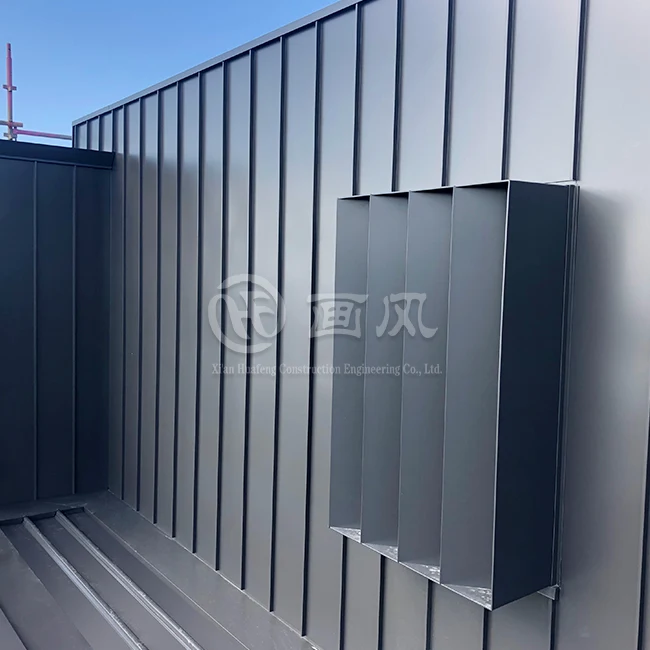
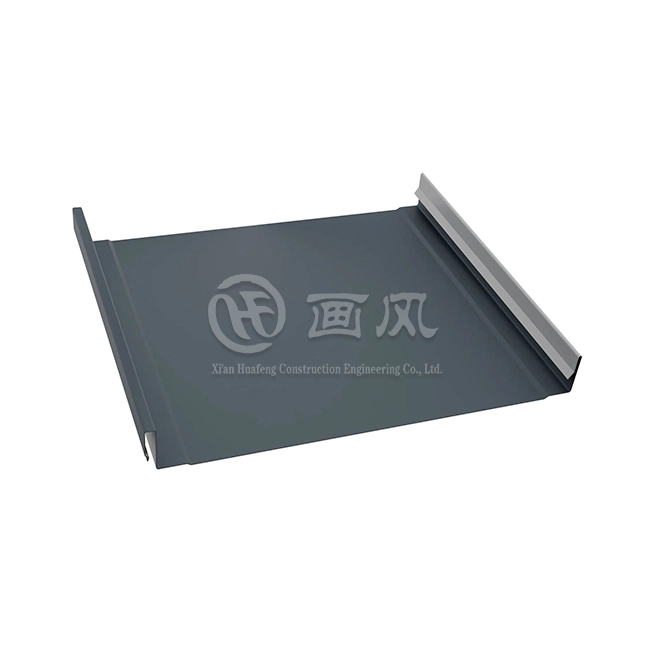
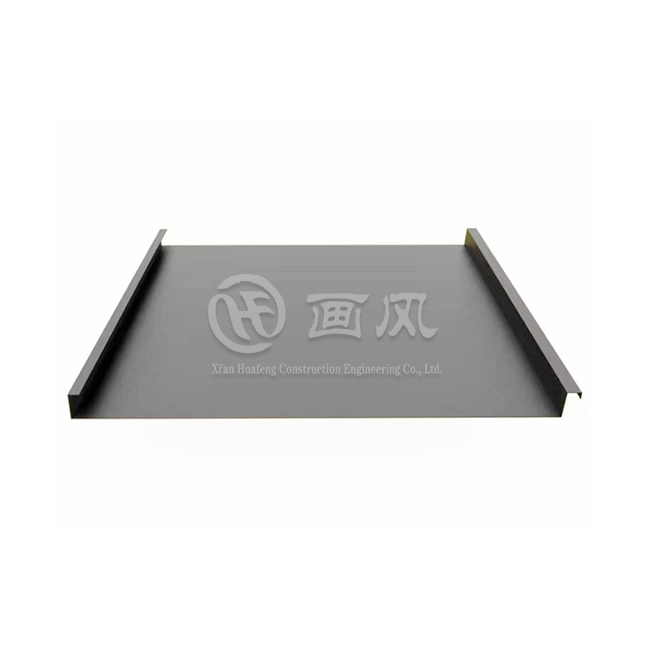
The raised seam is what makes it unique. Two panels next to each other lock together at their vertical edges, making a seam that doesn't let water in without having to cut through the metal. The screw hole is the most common place for leaks in traditional roofing, but this concealed fastener design gets rid of that problem. When manually seamed, performance stays the same even on low-slope roofs with a 1:12 pitch because water can't get in through any open holes.
Materials and Thickness Options
Galvanized steel, aluminum, zinc, or copper can be used to make panels. At HF, thicknesses run from 0.5mm to 1.2mm, which is thick enough for light household projects to heavy commercial ones. Aluminum is good for seaside areas because it doesn't rust, and high-tensile steel (G300–G550 MPa) is best for industry spans where load is most important.
Surface Finishes: PVDF vs. PE
There are two main coating technologies that can be used. PVDF (Kynar 500) is the best material for building uses because it keeps its color for 20 to 40 years and is resistant to UV light and chalk. PE (polyester) coating is a cheaper option for projects where money is the most important factor. Independent SGS testing showed that both meet the performance standards for AAMA 2605-22 coatings.
Core Benefits of Standing Seam Metal Roof Sheets for Homes
When it comes to durability, energy efficiency, and long-term cost, standing seam metal roof sheets regularly beat other materials. Knowing these benefits helps buying teams explain to project partners why they need to make the initial investment.
Here are the main performance benefits that are worth mentioning:
- Weather and wind resistance: The continuous interlocking mechanism provides exceptional resistance to wind uplift and hydrostatic pressure. Panels tested to ASTM E1592 and ASTM E1646 standards hold integrity in high-wind and heavy-rain conditions common across the Gulf Coast and Midwest.
- Energy efficiency: Reflective PVDF coatings reduce solar heat gain, lowering cooling loads in warm climates. Metal roofing is compatible with non-penetrating solar clamps (such as S-5! hardware), making it an ideal base for integrated PV installations without voiding warranties.
- Low maintenance over decades: The surface resists mold, rot, and pest intrusion. With no exposed fasteners to back out or rust, annual inspection requirements are minimal compared to asphalt shingles, which typically need replacement within 15–20 years.
The total cost of ownership goes down directly because of these performance traits. A 30-year warranty backed by SGS-certified materials means that project budgets will be more stable and there will be fewer unexpected costs.
Comparing Standing Seam Metal Roof Sheets with Other Roofing Options
Against Asphalt Shingles
Asphalt shingles are cheaper to buy, but they need to be replaced every 15 to 20 years, which means that a metal roof will only last for one repair cycle. According to the Insurance Institute for Business & Home Safety (IBHS), metal roofing does much better than asphalt in high-wind and hail conditions, which means there are fewer insurance claims.
Against Corrugated Metal Panels
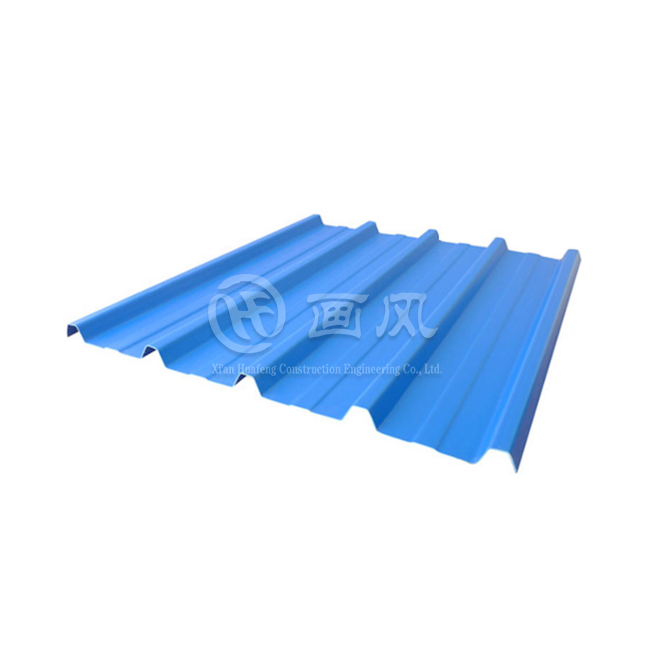
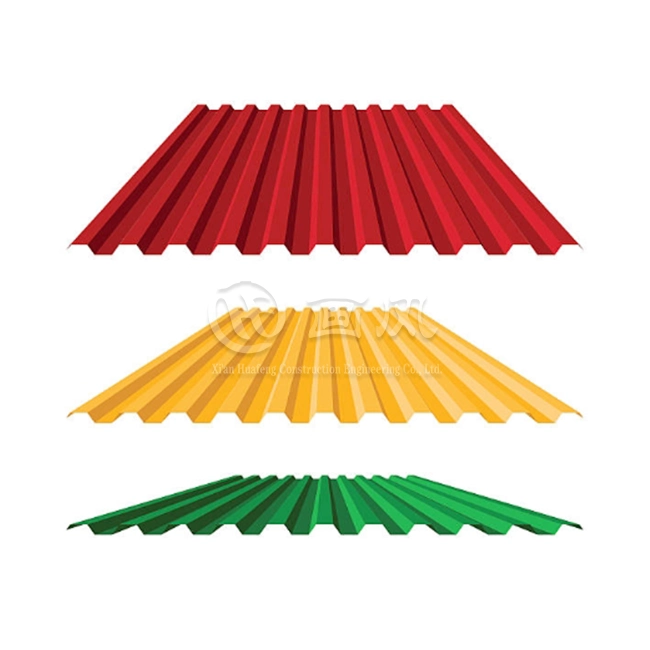
Fasteners on corrugated panels are left out in the open, which is a known weakness. Rubber washers wear out over time, and screw holes get longer due to thermal cycling, which lets water in. This is completely resolved by standing seam methods. The standing seam profile lowers warranty claims after installation, which is good for B2B distributors who sell to contractors who need a product with fewer callbacks.
Selecting the Right Metal for Your Climate
The climate should determine what materials are used for standing seam metal roof sheets. Aluminum works best near the coast, where salt air speeds up the rusting of steel. Galvanized or Galvalume steel works well in cold climates and inland areas where snow buildup can put stress on the structure. Stone-gray or dark PVDF finishes that are resistant to UV light work well in cities. In all of these areas, HF can match colors to RAL and Pantone standards to meet local building codes.
Installation and Procurement Guide for B2B Clients
Professional Installation Requirements
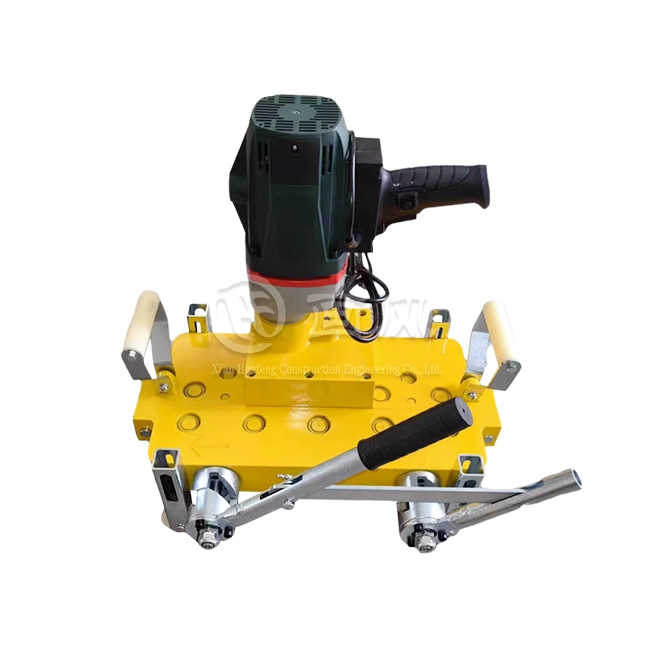
For mechanical-lock designs, standing seam roofing necessitates skilled workers who use electric seamers. It is essential to be exact with the distance between clips and the engagement of seams. If you don't, you could void the manufacturer's warranty and lower the wind uplift rating. Snap-lock profiles, which can be used on slopes above 3:12, cut down on installation time without affecting how well they work in bad weather.
HF Procurement Specifications at a Glance
In Anhui, Hangzhou, and Xi'an, HF has three plants with more than 40 processing tools and seven color coating production lines. Profiles 25-330/400/430, 32-410, 45-400, and 65-400/430 are some of the current options. Panel thickness ranges from 0.5mm to 1.2mm. The smallest amount that can be ordered is 500 square meters, which is equal to 1 ton. Delivery usually takes 15 to 20 days. The supply capacity goes up to 1,000 tons per month, which helps with programs that buy a lot of things.
Certifications and Payment Flexibility
All of our standing seam metal roof sheets meet the standards set by ASTM, DIN, JIS, BS, and GB/T. Independent SGS certifications cover how well the coating burns (AS/NZS 1530.3:1999), how well it meets EU RoHS requirements for hazardous substances, and how long it lasts according to AAMA 2605-22. We accept both TT and LC as forms of payment, and we can handle mixed-container sales that include panels, extras, and color samples to lower the cost of shipping each unit.
Why Leading Brands and Suppliers Are Choosing Standing Seam Metal Roof Sheets?
In competitive B2B markets, manufacturers who put an emphasis on quality documentation that can be checked, consistent supply, and the ability to track materials stand out. Since 2020, HF has been a Shaanxi Province High-Tech Enterprise, and it has more than 20 registered designs for roofing systems. These references show that the product is genuine, so sellers can confidently tell their clients further down the line.
In the real world, it is used in public stadiums, airports, high-end housing developments, and commercial warehouses. In all of these situations, the standing seam shape meets two needs at the same time: it provides structural integrity and a clean, modern look. This product line helps distributors improve their margins and set their brand apart in local markets by adding premium roofing categories to their SKU catalog.
Conclusion
Standing seam metal roof sheets are a good choice for both residential and commercial projects because they are technically sound, look good, and are good for the budget. These panels fix the most common problems with traditional roofing systems by using hidden fasteners, coatings that have been tested by a third party, and thermal movement that can be accommodated. For business-to-business buyers, this product category is useful because it has a flexible minimum order quantity, can be shipped in a variety of containers, can meet multiple standards, and can be supplied up to 1,000 tons per month.
FAQ
1. Can standing seam panels be installed on low-slope roofs?
Yes, mechanically seamed double-lock profiles with sealant sprayed inside the seam can be put in place on pitches as low as 0.5:12 to 1:12, as long as the maker tests them according to ASTM E1646. To keep water from siphoning, snap-lock methods need a slope of at least 3:12.
2. How do I prevent oil canning in flat metal panels?
The oil canning is just a cosmetic choice, not a structural flaw. You can lower it by asking for thicker gages, using narrower panel widths (12–16 inches), and adding stiffening ribs during production. This effect is lessened by HF's tension-leveled manufacturing process for standard profile widths.
3. Can solar panels attach without penetrating the roof?
Yes. Solar racks can be attached to the standing seam legs without cutting through the metal with non-penetrating clamps like S-5! hardware. This method protects the roof's ability to keep water out and doesn't affect the guarantee.
4. What colors are available?
You can get a full range of RAL and Pantone colors from HF in both PVDF and PE finishes. OEM and private-label sales can get colors that are perfectly matched to their brands.
5. What documents are provided for customs clearance?
For easy import processing, HF provides standard export paperwork like SGS test results, material certifications, packing lists, and compliance statements that are in line with ASTM, DIN, JIS, BS, and GB/T standards.
Request a Quote from HF — Your Trusted Standing Seam Metal Roof Sheets Supplier
HF has three plants that make certified standing seam metal roof sheets. These sheets come with a 30-year guarantee, a flexible minimum order quantity (MOQ) starting at 500 m², and wait times of 15 to 20 days. Our team offers full documentation support and mixed-container choices, whether you need a lot of standard profiles or OEM specs that are made just for you. Get in touch with us right away to talk about your project needs and prices. You can get a custom quote by emailing huafeng@hfmetalroof.com.
References
1. Insurance Institute for Business & Home Safety (IBHS). Metal Roofing Performance Under Extreme Weather Conditions. IBHS Research Center, 2021.
2. Metal Construction Association (MCA). Guide to Standing Seam Metal Roof Systems. MCA Technical Series, 2020.
3. American Iron and Steel Institute (AISI). Steel Roof and Wall Systems Design Manual. AISI, 2019.
4. Oak Ridge National Laboratory (ORNL). Thermal Performance of Metal Roofing Systems. U.S. Department of Energy, 2022.
5. ASTM International. Standard Test Method for Water Penetration of Exterior Metal Roof Panel Systems by Uniform Static Air Pressure Difference (ASTM E1646). ASTM International, 2018.
6. National Roofing Contractors Association (NRCA). The NRCA Roofing Manual: Metal Panel and SPF Roof Systems. NRCA, 2021.





YOU MAY LIKE
_1781690542318.jpg "Self-adhesive waterproof membrane")