Which Thickness Suits a Standing Seam Pitched Metal Roof?
2026-11-16 19:18:36
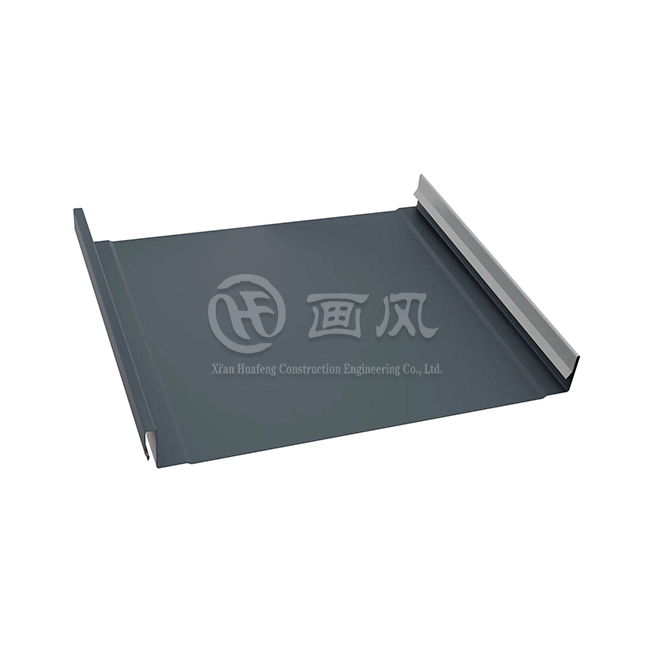
For most homes and churches with a slope of 3:12 or steeper, a medium thickness suits a standing seam pitched metal roof best. In practice, that means coated steel around 0.5 to 0.8 mm or aluminum around 0.7 to 1.0 mm. Thinner sheet saves money but shows more waviness, while heavier sheet adds stiffness for wind, snow, and long spans. Thickness is only one input, though. Clip spacing, seam type, and deck quality matter just as much. I wrote this guide to help roofing contractors and distributors pick a thickness with confidence before they place an order.

Why Metal Thickness Matters on a Standing Seam Pitched Roof
What Thickness Changes
Heavy metal panels don't bend as easily and stay flat between clips. They can also handle more foot traffic better because they are stronger. It helps when the wind blows the roof off that the seam leg gets stronger. A wave that can be seen on the flat side of a panel is called oil canning. Heavy sheets have less of it. Many people don't like how oil canning looks on light-gauge steel, but the structure is fine with it. It can help a lot of the time to switch to 22-gauge or a pan with stripes. It is also less likely to dent if it is thick, which is important for aluminum since it is a soft metal. Adding a little more body to the sheet makes roofs safer in places where there are a lot of trees or hail.
What Thickness Cannot Fix
It doesn't matter how strong the frame is if the deck is bad. The wind-uplift will be different no matter what kind of underlayment, flashing, seam closing, clip spacing, or fixings are used. ASTM E1592 tests the whole thing under air pressure, so each report is linked to a single shape, thickness, and clip pattern. If you change any of those, the answer might be different. When you make something thicker than it needs to be, it costs more to ship and weighs more. I tell builders that width should be thought of as a scale option and not as the screen itself. After making sure it does the job, test the rest of the process to make sure it works.
Gauge Numbers Versus Real Millimeters
The numbers on gages are hard for buyers to understand because they change as the metal does. An aluminum gage or a stainless steel gage can't be matched with a steel gage. A lot of the time, people talk about metal in inches.032 in, which is about 0.81 mm, or.040 in, which is about 1.02 mm. Millimeters, which can be between 0.4 and 1.2 mm, are used to talk about thickness in HF for standing seam pitched metal roof. Find out from each one what the base metal is, how thick the layer is, and the least thickness that needs to be supplied. It'll be easy to compare prices from different mills, and you won't have to pay for metal you don't get.
Common Thickness Options for Standing Seam Metal Roofing Panels
Steel, Aluminum, and Specialty Metals
Al-Mg-Mn alloy (AA3003 or 3004) is between 0.7 mm and 1 mm thick. Aluminum-zinc coated steel (AZ150 or AZ185) is between 0.5 mm and 0.8 mm thick. Zinc-titanium is between 0.7 mm and 0.8 mm thick. Copper is between 0.6 mm and 0.7 mm thick. Stainless steel is between 0.4 mm and 0.6 mm thick. Silver doesn't rust in salty air, but it is easier to bend and stretch than steel. Steel gets stiffer faster and costs less per millimeter. One source can cover the roof of both a small house and a big church because the standing seam range for HF is from 0.4 mm to 1.2 mm.
Rib Heights and Panel Profiles
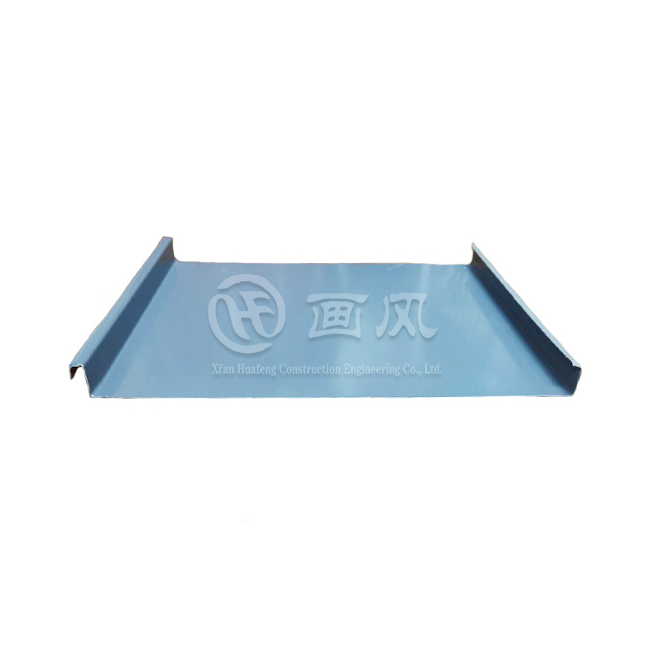
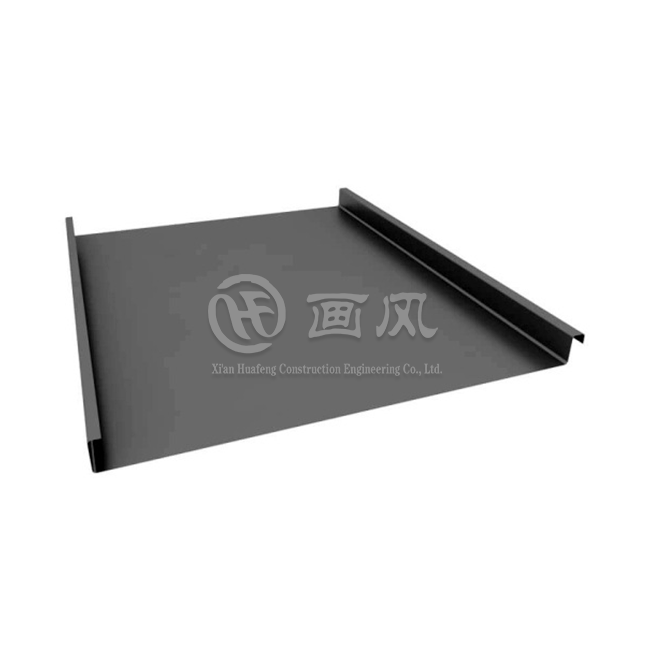
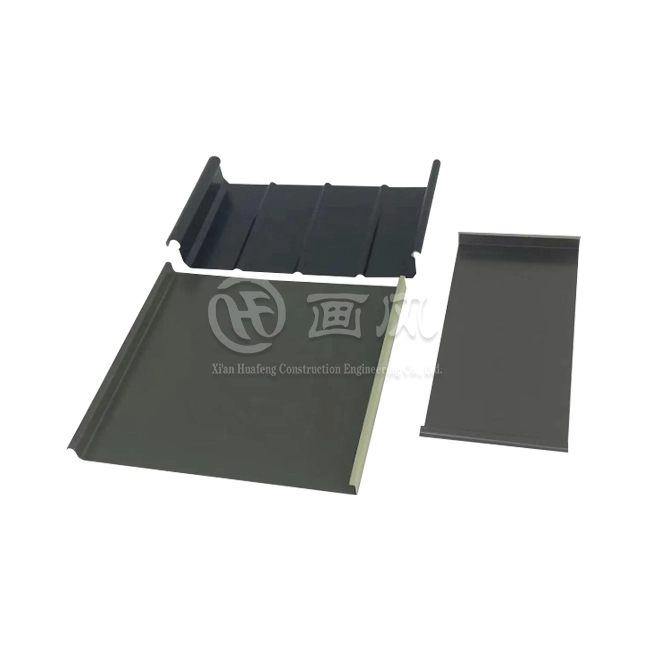
Remember that shape and thickness go together. For HF, the numbers are 25-330, 25-400, 25-430, 32-410, 45-400, 65-400, and 65-430. They measure the panels' width and height in millimeters. A 65 mm rib can span farther than a 25 mm rib of the same width because it's shaped like a small beam. Snap-lock panels work best when the wind isn't too strong and the hill is steep. Walls with metal gaps can hold more weight and keep water out better in open or flat areas. Make sure you know what kind of seams your crew and tool can best handle before you choose a thickness.
Finish and Color Options
That lets you know how long a show will be. HF uses a lot of different RAL and Pantone colors for their PVDF or PE finishes. PVDF is better for church roofs and home slopes that people can see because it doesn't fade as easily in UV light. PE can be used for jobs that don't cost much. People who work on long roofs get scared when batch color shift happens so quickly. For a single job, ask that all the panels come from the same coil lot. Before the panels are made, make sure you're happy with a real chip sample. If you want to know how well an organic coat on aluminum panels works, AAMA 2605 is the only standard that matters.
How to Choose the Right Thickness for Your Roof
Start With Project Data
Write down the building's location, type, roof area, pitch, panel length, deck type, and support spacing. Then you need to add the storm group, the speed of the wind, and the amount of snow on the ground. This code tells builders what loads to use. In Section 1507.4 of the International Building Code, it talks about metal roof panels. All cities and towns follow these rules, but some make changes. Talk to the building department about it. A business roof needs to know how much weight it can hold, but a home or church roof cares more about how it looks and how well the builder knows them. After getting the full list, there's no need to guess. A load table lets them see how light, middle, and heavy choices stack up.
Wind, Snow, and Span
Make sure the clip spacing is correct and check the elevation data. Then, strengthen the edge and corner areas because that's where the forces are strongest. They decide how far apart the clips are based on the span, width, wind load, and snow load. They are usually 300 to 1500 mm apart. Overhead supports and snow guards that clamp to the seams keep the roof safe and waterproof in places where it snows. You can make it thicker, close the spaces between the clips, or pick a higher rib as the span or load gets bigger. You should get quotes on all three before making a choice. Any dangerous spots should also be signed off by an engineer.
Coastal Air and Temperature Swings
If you live near the coast, your roof should be made of metal or a well-coated material, and the trim and screws should match. The salt spray looks at the finish, the shut-offs, and the cut edges. It doesn't matter how thick the sheet is if it doesn't protect against corrosion well. When the weather changes a lot, slide clips let panels move along their length. This takes the stress off of them and keeps them from breaking. You should make the ridge and eave so that the panel is easy to move. Long runs go faster than short ones. It's simple and inexpensive to include them. They can cover a roof just as well as measure.
Thickness, Cost, and Installation Details
Metal Versus Other Roofs and Total Cost
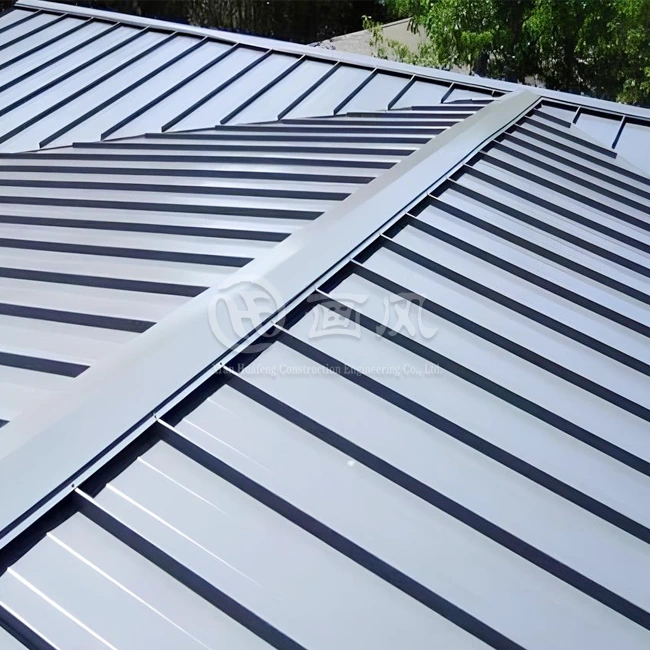
Asphalt roofs are cheaper at first, but metal roofs last longer and need to be replaced less often. They are hidden by standing seams, and there are two kinds of metal roofs. Standing seam pitched metal roofs don't have clips that can be seen, so the metal can grow the way it should. Tile is heavy and hard to move. On a long bill, the width of the part is written in one line. It lists the underlayment, trim, flashing, packing, freight, taxes, labor, and the coating, profile, clips, and fixings on other lines. It costs more than it said it would when the thickness doesn't match the specs or the tools don't match. Getting a new roof that isn't wavy or dented costs a lot more than raising the gage.
Building a Fair Quote Comparison
To get quotes from several businesses, you should use the same design. This form should have the real thickness, base metal, coating type, cover width, panel lengths, length tolerance, accessory scope, transport weight, wait time, Incoterms, and payment terms written down. Many buyers in the US are worried about how freight rates and taxes will change, so clear Incoterms help you plan how to make money. The least you can order in HF is 500 square meters, which is one ton. In 15 to 20 days, it will be sent to you. Check out what's in that window. Putting two or three jobs into one order can help you meet the minimum if one project isn't enough.
Clips, Seams, and Installation Quality
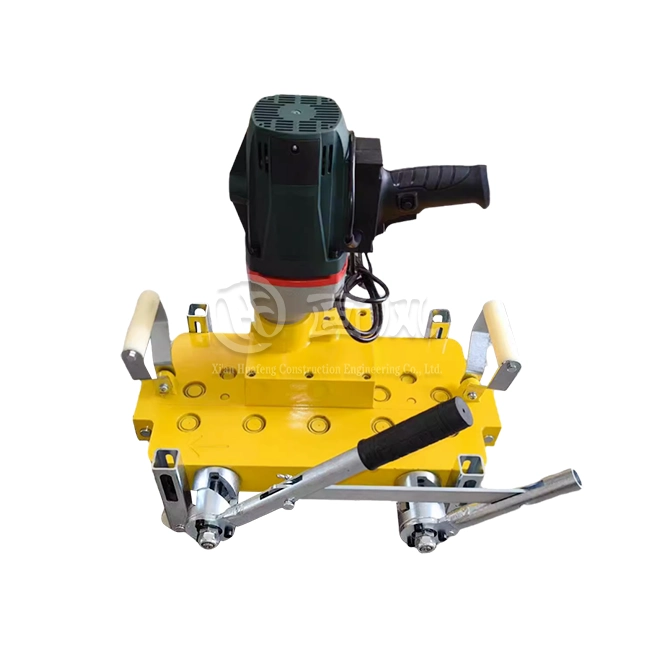
The clips that hold the panel to the purlin or deck allow it to move. After that, a machine is used to seal the hole. Before you place your order, use your own tool to do a test seam. The profile tells you which tools can be used with each other. Most leaks happen because screws are too tight or holes are only half closed. Every 20 feet, the deck should be level to within 1/4 inch so that oil doesn't pool on it too much. In places where there are peaks, dips, or holes, the flashing's metal and finish should match the panel's metal and finish. To keep long panels safe, keep them dry and handle them on their edges. Don't forget to follow the NRCA roofing manual and the SMACNA architectural sheet metal manual.
Choosing a Supplier You Can Trust
Documents to Request
Look at the records of checks to see how thick they are, written guarantee terms, and size limits. Also, ask for proof of the materials. Make sure that the PVDF-coated panels you buy have the right test results, like ASTM E1592 lifting data. Watch out for covering tests that follow the rules of AAMA 2605 as well. HF stands behind everything they make with a 30-year warranty and makes sure their goods meet ASTM, DIN, JIS, BS, and GB/T needs. You should ask for the text of the warranty so that you can read it over and give it to your customers. When a church group or an inspector wants to know what's going on, having a clean record is also helpful.
Production Capacity and Lead Time
Third, people who buy from you again need a steady supply. HF has more than forty machines, three factories, and seven lines of production. Each factory can make 1,000 tons of goods every month. It takes around 15–20 days to get there. In 2018, the Shaanxi Province business Xi'an Huafeng Construction Engineering Co., Ltd. was founded. In 2020, Shaanxi called it a high-tech company, and it has more than 20 patents for metal roofs. You can use that scale to make sure the second order is the same color and thickness as the first. This means that all of your follow-up work is safe. Tell people ahead of time how much you expect to make during the busy season.
Custom Lengths, Packaging, and Quality Systems
When you place your order, make sure you write down the panel sizes and lengths. Cutting them on-site takes time and work. Plan the packing so that long panels will stay safe in the container. Make sure that the edges won't break. These days, HF says it follows the rules of ISO 9001 and ISO 14001 and gives PVDF and PE finishes in a lot of RAL and Pantone colors. Ask to see model panels and the plan before the panels are made. This way, your technicians can make sure that the seams and clips fit well. Here are two steps that go wrong before the freight is paid for.
Conclusion
No single gage number can tell you the right thickness for a standing seam pitched metal roof. You need to look at the whole job. For many roofs with a steep pitch (3:12 or more), sheet metal that is between 0.5 and 0.8 mm thick, like treated steel, or aluminum that is between 0.7 and 1.0 mm thick work well. Stronger metal, bigger ribs, or closer clips may be needed for long lengths, heavy wind, deep snow, and air from the coast. What makes something thick is the type of metal, the curve, the seam style, the coating, the quality of the deck, and how it was put together. When you use matched quote templates, compare real millimeters, and read test reports and warranty terms, it's easier to make decisions about what to buy in the real world. To use what you've learned, all you have to do is choose based on site data and confirmed papers, then make sure the supply, color consistency, and accessories all meet your needs.
FAQ
1. Is a thicker panel always better?
No. Things that are thick cost more and weigh more, but they are stronger and less likely to dent. The best choice for each roof is different because each has its own design loads, span, shape, and local building rules.
2. What thickness do homes usually use?
In this area, where it snows and winds a lot, many homes are made of light to medium-weight materials like 24 to 22 gage steel or.032 to.040 inch aluminum. Use the guide to find out how many millimeters it is.
3. Does thickness decide total roof cost?
The price changes all the time. It costs money to hire people, pay taxes, dress, clip, shape, and ship things. It's important to look at all of the quotes, not just the first one.
4. Why do standing seam roofs leak?
A lot of lesions happen because of flashing, gaps, holes, stopped movement, or bad work, not because of how thick something is. There is less risk when there is enough space between the clips and the seam is closed all the way.
5. How can I verify thickness?
It's a good idea to read the datasheets, mill certificates, and inspection records first. Then, use a micrometer to measure a sample that was given before the whole package leaves.
Get a Project-Specific Standing Seam Roof Thickness Recommendation
Tell HF where the project is, what kind of building it is, how big and steep the roof is, how long the panels need to be, whether they need to be wind or snowproof, what color and how many you want, and when you need them by. We specialize in standing seam pitched metal roofs. Every month, our three plants can make 1,000 tons of metal. We'll also send you a clear quote after comparing the different thicknesses. Yes, we do offer a 30-year guaranty. Send your ideas and ask for models to huafeng@hfmetalroof.com or go to hfmetalroof.com right now.
References
1. ASTM International, ASTM E1592 Standard Test Method for Structural Performance of Sheet Metal Roof and Siding Systems by Uniform Static Air Pressure Difference, 2005
2. National Roofing Contractors Association, The NRCA Roofing Manual: Metal Panel and SPF Roof Systems, 2019
3. International Code Council, International Building Code, 2021
4. American Society of Civil Engineers, Minimum Design Loads and Associated Criteria for Buildings and Other Structures (ASCE/SEI 7-22), 2022
5. AAMA/FGIA, AAMA 2605-22 Voluntary Specification, Performance Requirements and Test Procedures for Superior Performing Organic Coatings on Aluminum Extrusions and Panels, 2022
6. Sheet Metal and Air Conditioning Contractors' National Association, Architectural Sheet Metal Manual, 7th Edition, 2012





YOU MAY LIKE