What Is Striated Standing Seam Roof Panel Structure and Performance Guide
2026-11-16 19:18:40
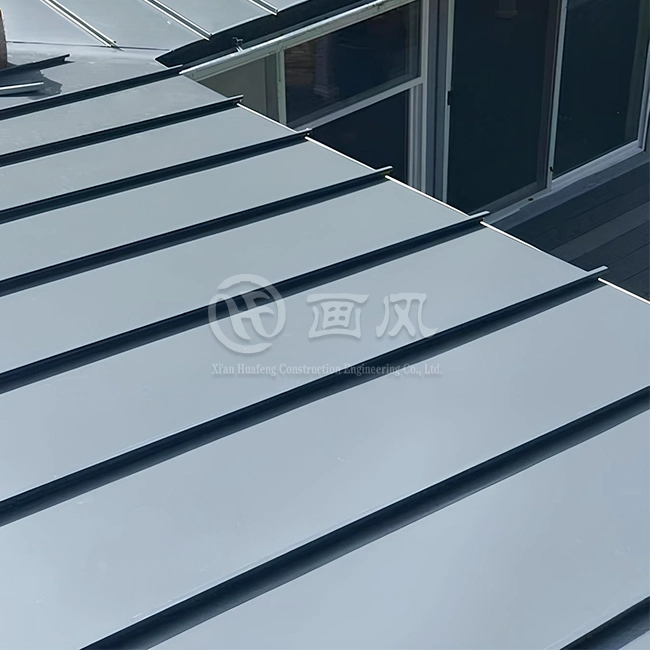
A striated standing seam roof panel is a concealed-fastener metal roofing panel with raised vertical seams and shallow, parallel grooves rolled into the flat area between them. The seams lock together and hide the fasteners. The grooves stiffen the pan and break up reflected light, which helps reduce visible oil canning. Performance depends on the metal, thickness, coating, clip spacing, and installation, not on the grooves alone. In this guide, I explain how the panel is built, what its test data means, and how contractors can specify, price, and order it with fewer surprises.

How a Striated Standing Seam Roof Panel Is Built
Definition and Core Geometry
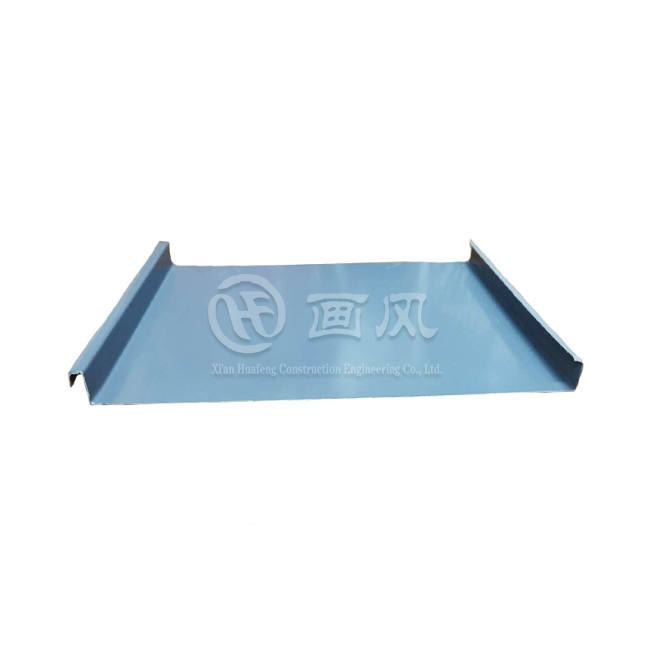
As the name suggests, a striated standing seam roof panel is made of metal and has hidden fasteners. It has raised vertical seams and shallow, parallel grooves rolled into the flat space between them. Button and zipper holes are hidden when the gaps close up. The lines make the pan stronger and break up light that is reflected, which hides the oil rings. Lines alone don't determine performance; the metal, its covering, clip spacing, and how it is put together also matter. In this guide, I explain how the panel is made, what its test data means, and how contractors can better describe, price, and order it.
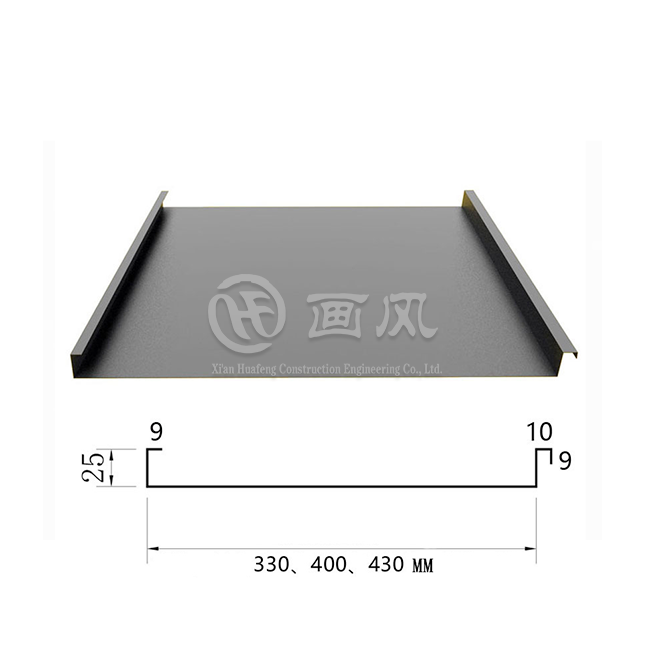
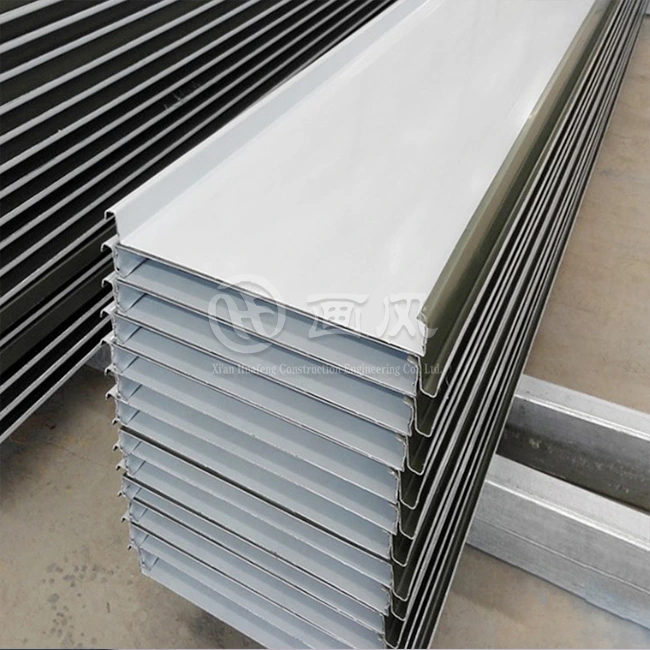
Each side has a raised leg and a flat pan. There is also a joint where the legs of two panels next to each other fit together or are sewn together manually. There are no bolts that go through the surface because the part is above water. The striated pan has small grooves that run the whole length of it. HF is putting these images out there. Between 25 and 65 mm high, the ribs cover 300 to 600 mm in width. Having taller ribs helps keep the wind out, which is important for open-air roofs like school and store roofs. Panels come in all different lengths, but most are up to 12 meters long. Longer runs are sent in pieces that are put together at the spot.
What the Striations Actually Do
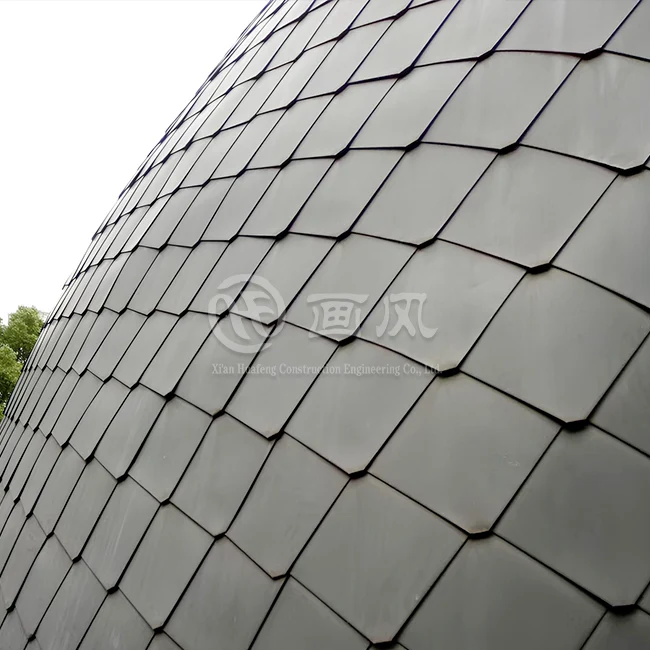
Wide, flat metal pans get wavy because they are used to can oil. This is because of the stress, forming, and movement in the coil that was left over from the heat. There are tiny lines on the pan that make it stronger. This spreads the light out so it doesn't come back as a single smooth mirror. It's getting harder to see the waves. Straight to the point: striations don't get rid of oil canning; they just make it look worse. How well the coil is split, how flat the base is, and how the clips move all play a role. For big, sunny roofs on churches and offices, architects often choose striated panels instead of flat pans, which would make every roll stand out.
Components of the Complete Roof System
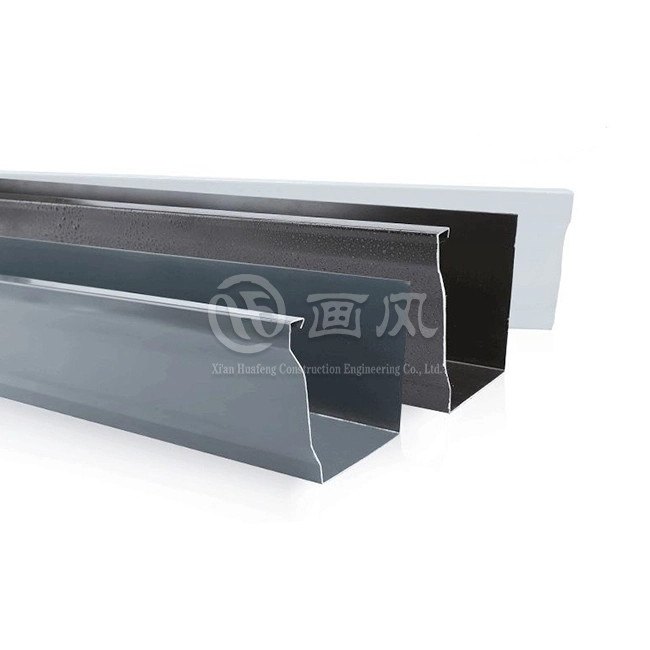
The panel is only a part of the whole thing. The different parts of a full system are the flashings at the eaves, ridges, valleys, rakes, and penetrations, the insulation, the underlayment, the closures, the sealants, and the insulation. The panel can move around because it is held in place by clips that float on the surface. It doesn't matter how good the profile is if the clips get stuck. The piece might sag or make noise. They also sell parts for roofs, so you can get panels and trim from the same store. That way, estimators only have to keep one set of information for both, which means they make fewer mistakes when the trades don't work together.
Technical Specifications and Test Data for HF Panels
Profiles, Thickness, and Dimensions
HF has the following striated standing seam roof panel profiles: 25-330, 25-400, 25-430, 32-410, 45-400, 65-400, and 65-430. The numbers give you a millimeter-level idea of the space between the ribs and the covering. In this case, 65-400 shows that the ribs are 65 mm high and the covering is 400 mm wide. It's about 0.6 to 1.2 mm thick. Gages that are about 0.6 to 0.8 mm thick are best for most home projects. Commercial roofs, on the other hand, need the thicker end more often. The span, wind zone, snow load, and local building codes will help you make the best choice. You should also have a professional look it over. Send us your question and design loads so that we can pair them with a character.
Materials and Coatings
Copper, stainless steel, aluminum alloy, Galvalume, and galvanized steel are some of the main metals we list in our product info. The surface is treated with PVDF or polyethylene (PE). Another name for PVDF is fluoropolymer finish. It is said to last 20 to 30 years and not fade in UV light. Outside, PE doesn't last as long and costs less. The PVDF film is usually 20 to 25 μm thick on the front and 5 to 10 μm thick on the back. A lot of RAL and Pantone colors are out there. For big roofs, you should get a real color sample and make sure that the same lot is used to cover both sides.
Third-Party Reports and What They Cover
We have three 2024 SGS test reports on aluminum sheet that has been coated and rolled. A 3003H24 sheet that was 1.3 mm thick and coated with PVDF was used in the AS/NZS 1530.3:1999 combustion test. There was no fire in any of the six tests. It didn't burn, spread, or give off any heat. The level of smoke was between 0 and 1. The RoHS report showed that none of the ten banned substances were found on the 5052H26 sheet at 0.72 mm or were less than the limits. Ten mg/kg of lead was more than the maximum of 1,000 mg/kg. The AAMA 2605-22 report on 3003H24 at 3.0 mm said it passed all 13 tests, with scores of 5B for bonding, 0T for flexibility, and 0.3 for color regularity. These stories only talk about coated sheets, not a whole roof system. Let us know early on if you need UL 580, FM, or Miami-Dade papers for your job. That way, we can make sure we have the right ones.
Performance Benefits and How Striated Panels Compare
Weather, Wind, and Durability
The screws that hold the striated standing seam roof panel seams together are hidden, and most of the holes are hidden. The seams are also above the water line, so rain just slides off the pan. It depends on the gage, the type of seam, the distance between clips, the height of the ribs, and the deck below. The UL 580 standard measures how hard it is to lift roof assemblies, and the ASTM E1592 standard measures how well sheet metal roof systems hold up against static air pressure. For each bid, you should ask for test results on the exact profile, gage, and clip pattern that you are interested in. Because the outcomes from a single character don't work for a different one. UV light doesn't change the color of PVDF finishes, so the color stays the same on long, sunny slopes.
Weight, Energy, and Upkeep
Metal roofs are lighter than clay tiles or slate, so they can help the house weigh less. That helps fix up the roof. Reflective coatings keep heat from absorbing, but the coating itself doesn't change the temperature. What changes the temperature are insulation, air flow, and air sealing. Metal doesn't rust or rot, and bugs and mold can't hurt it. Aluminum and steel with a cover can be recovered when their time is up. This is important for green projects. There are still things that need to be done on the roof, which I'll talk about in the section below on maintenance.
Comparing Striated, Smooth, and Exposed-Fastener Panels
Stand-up panels with a smooth seam look good with simple patterns, but their flat pans make oil canning stand out more. Streaks are mostly a roller-set variation, so they don't cost much more and make the panels look more even. Gage, metal, and coating usually have a bigger effect on price than grooves. Putting up panels with exposed fasteners is less expensive and doesn't need as much specialized work. But the screws go through the surface, and the nuts need to be replaced every so often. If you want to sew a standing seam system, you need to have the right tools and training. They also look better because they have fewer holes. There are more things to compare than just the prices of the parts. A cheap panel that needs to be fixed a lot might cost more over a few decades than a roof that doesn't need as many returns or fixes.
Choosing, Pricing, and Evaluating a Supplier
How to Choose the Right Panel
First, decide what kind of project it is: a new build, a re-roof, or a repeat supply for several sites. Then write down the type of metal, its gage, the height of the ribs, the width and length of the cover, the coating, the slope of the roof, and the loads from wind and snow. The crew will be stopped on the first day if the striated standing seam roof panel shape doesn't work with their sewing tools and clip type. Make sure the estimator agrees with the full list of materials, which should include trim and clips, and get the architect to sign off on finish samples. Some profiles that are mechanically seamed can be used on slopes as low as 1/4:12. But the slope limits change depending on the profile, so make sure you write them down before the bid day.
Cost Drivers and Order Terms
The price of a panel is based on the metal it is made of, its thickness, color, finish, length, volume, hardware, shipping, and packing. Prices for just the panel should be compared to prices for full packages that include underlayment, clips, trim, and fixings. HF can handle jobs with more than one site because it can offer 1,000 tons per month. It takes at least 500 square meters, which is one ton, to place an order. We say that delivery will happen in 15 to 20 days. The ocean trip to your port is the most important part, so allow time for freight and customs. If you're late with your deliveries, you could be fined, so set goals before you place your order. When you get the price, talk about ways to pay, such as Incoterms and letters of credit.
Evaluating a Manufacturer
It is important for a good source to offer consistent forming quality, accurate measurements, material tracking, and coating supply. For the first year, HF had a 200,000-square-meter plant in Anhui to make raw materials. They also had plants in Hangzhou and Xi'an to do process work. It can be cut, pressed, and bent by more than 40 tools, and seven color finishing lines finish the job. When it comes to quality, we follow the rules set by ISO 9001, ASTM, DIN, JIS, BS, and GB/T. HF was named a high-tech company by Shaanxi Province in 2020, and we have more than 20 roofing patents that have been filed. If you want to buy from someone, make sure they give you samples, mill test certificates, coating data sheets, and warranty text.
Installation, Maintenance, and Common Mistakes
Installation Essentials
To begin a good striated standing seam roof panel installation, you need approved shop drawings, the exact size of the roof, a flat, sound base, and a plan for how the roof will be broken. Before you move on to the next panel, use a string line to make sure the first one is straight. You should leave enough space between the clips so that the heat can move. As shown in the profile design, the seamer should be used to lock the seams all the way. Handle panels by their ribs and wear clean gloves. Cover the roof with protective film or padding to keep it from getting scratched, which leads to a lot of claims. The metal shavings rust and stain the finish, so you need to sweep them away every day.
Maintenance and Warranty Review
At least once a year and after bad weather, check the roof. Get rid of the leaves that are in the gutters and valleys, and check the trim, seams, flashings, penetrations, and lightning holes. Watch out for damage to the coating, loose parts, clogged drains, and rust where metals that don't go together should not come together. Not just fix the spot where the water is coming from, but also make sure that the sealants and parts you use are safe. Make sure you understand what the guaranty says about the base, the paint finish, the holes, and how well it keeps out the weather. Also, write down what needs to be done for installation and upkeep. We guaranty the item we're selling for 30 years. I think you should read the writing terms, limits, and claim steps before you sign.
Common Mistakes to Avoid
Some of the things that might not come with a cheap panel are the trim, clips, freight, and labor. Step two is to pick a profile. Then, check the slope, span, wind, and snow. The third mistake is not taking into account thermal movement or mixing metals that don't work well with each other, which can cause noise, buckling, or corrosion. A fourth is waiting until the last minute to design flashing. Profile drawings, finish samples, connection details, and piercing drawings all need to be signed off on by a person before they can be made. Get a skilled crew and make a shipping plan that you can stick to. When compared to extra work and missed deadlines, these steps don't cost much.
Conclusion
A striated standing seam roof panel has fine grooves, concealed fasteners, and interlocking seams that make the pan stiffer and lessen the look of oil canning, but they don't get rid of it. Performance relies on the metal, its thickness, the height of the ribs, the finish, the distance between the clips, the flashing, and how well it is put together. The SGS studies that are out there on coated aluminum sheet include data for coating, RoHS, and burning. They are not the same as wind uplift tests on a whole assembly, which each project needs to do on its own. Standing seam panels with striated lines take more skill to install than panels with smooth lines or exposed screws. However, they have better lines and fewer holes. The lowest panel price is not as important as lifecycle cost, well-written specifications, and realistic delivery schedules.
FAQ
1. Does a striated panel remove oil canning?
Striations do not hide waviness, but the result is still affected by the quality of the coil, the movement of the clips, and how flat the substrate is.
2. What thickness and finishes does HF offer?
Your panels can be as thin as 0.6 mm or as thick as 1.2 mm, and they come in a wide range of RAL and Pantone colors. The final gage should come from your engineer's work on the load estimates.
3. What are the order quantity and lead time?
At least 500 square meters or 1 ton is needed. It says that it will arrive in 15 to 20 days, plus the time it takes to get to your port by sea.
4. Can these panels go on low-slope roofs?
Some shapes that are manually seamed can have slopes as low as 1/4:12. Limits change for each profile and sealant, so make sure you know them in writing before you bid.
5. Which certificates can you provide?
SGS has given us data on the performance of coated aluminum sheet in terms of RoHS, AAMA 2605-22, and burning. Let us know if you need UL, FM, or Miami-Dade papers for your job.
Request a Striated Standing Seam Roof Panel Specification or Quotation from HF
Looking for a company that makes striated standing seam roof panels for your next business project? Please email huafeng@hfmetalroof.com with your drawings, profile, gage, color, quantity, and delivery port for HF. We can deliver up to 1,000 tons of material every month, and the minimum order size is 500 square meters. We can match a profile to your load needs and give you a quote for the whole scope of the material. For more information on this product, go to hfmetalroof.com.
References
1. National Roofing Contractors Association, The NRCA Roofing Manual: Metal Panel and SPF Roof Systems, 2019
2. ASTM International, ASTM E1592: Standard Test Method for Structural Performance of Sheet Metal Roof and Siding Systems by Uniform Static Air Pressure Difference, 2005
3. Underwriters Laboratories, UL 580: Tests for Uplift Resistance of Roof Assemblies, 2006
4. American Architectural Manufacturers Association, AAMA 2605-22: Performance Requirements and Test Procedures for Superior Performing Organic Coatings on Aluminum Extrusions and Panels, 2022
5. ASTM International, ASTM D3359: Standard Test Methods for Rating Adhesion by Tape Test, 2023
6. International Code Council, International Building Code, 2021





YOU MAY LIKE