Best structural standing seam metal roofing for Homes
2026-11-16 19:18:33
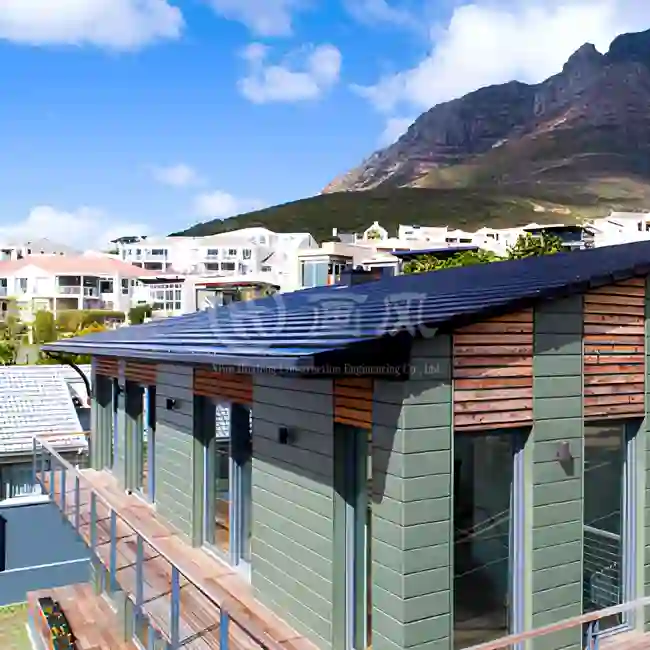
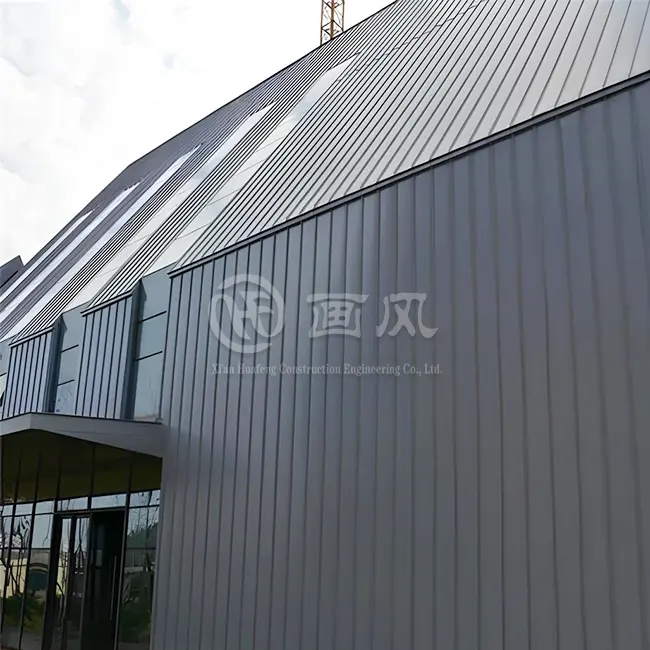
The best structural standing seam metal roofing for homes combines a tested panel profile, correct clip spacing, a corrosion-resistant metal, and a coating that suits the climate. The system uses concealed fasteners and raised interlocking seams, so it sheds water well and moves freely with temperature changes. It fits steel-frame homes, multi-home developments, and large residential projects where roof spans and wind loads matter. Below, I explain how the system works, how to choose it, what HF offers, and how to buy with confidence.

What Is Structural Standing Seam Metal Roofing and How Does It Compare?
How the System Carries Load
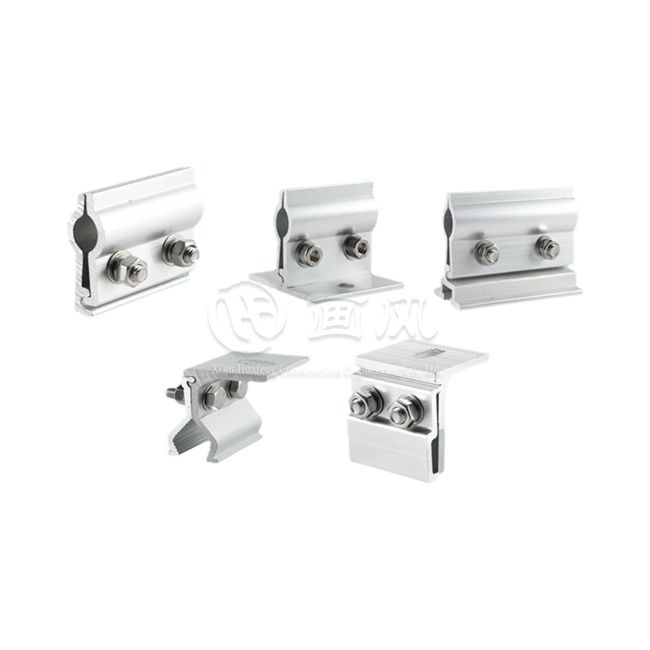
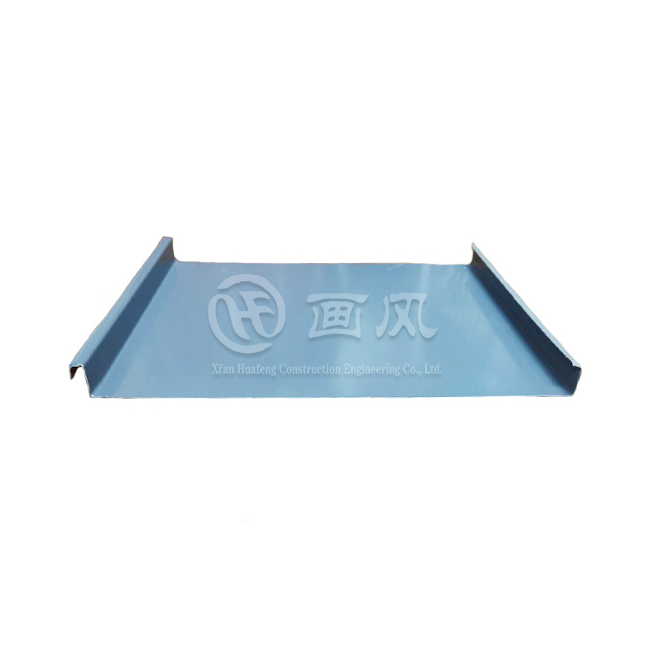
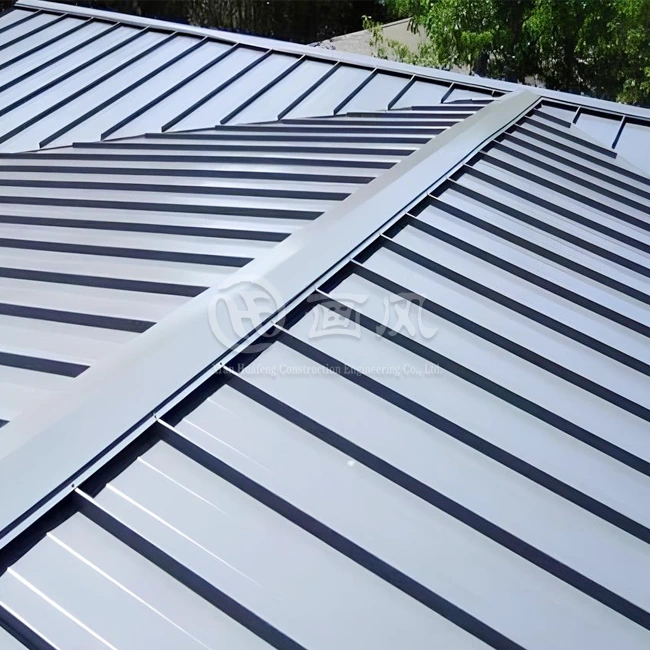
A technique called "concealed fastener" is used to create structural standing seam metal roofing. Clips are used to move the roof's weight from the panels to the purlins, rafters, and main frame. There doesn't have to be a fixed deck for the panels to span if the plans allow it. Because they are beams that can hold weight, they are strong. So that water doesn't get in, raised seams are often sealed at the mill. There are slide clips that connect to the purlin and a tab on top that locks into the seam. Now the parts are easy to move around. Parts with vents, seals, flashings, insulation, and trims are also part of a full system.
Structural vs. Architectural Standing Seam
Help makes the most difference. The profile is based on the roof's slope, span, and seam height. Wooden boards are a good choice for the base of block shelves because they don't like water. The panels run between the purlins, so there is no need for a deck. Most seams are at least 2 inches taller and are sewn together by machines to make things stronger. A lot of the gaps in buildings are about 1 to 1.5 inches wide and close up quickly. Plans can also be used on flat ground, and a 1/4:12 pitch works with a lot of them. The exact minimum will depend on the size, shape, and how the draining is set up. The roof needs to be able to drain water so that the seals stay in good shape over time. It can't just be a flat roof. It's best to check with the maker to see what the worst slope is before you place your order.
Compared with Exposed-Fastener Panels and Asphalt Shingles
There are nuts that hold the screws in place and screws that let you see through the glass. Each screw can come loose as the metal moves. There are clips hidden inside most of those holes that keep them closed. This stops a lot of leaks where they start. It costs less to buy asphalt shingles for the first time. Most of the time, metal roofs last longer, keep out fire and bad weather better, and need fewer repairs. You have to pay more up front and set up the service in a stricter way. What's best will depend on the building codes in your area, the weather, the roof type, and how skilled the installer is. If you plan to keep the house for a long time, you should look at its "term value" instead of just its market value.
How to Choose the Best Structural Standing Seam Metal Roofing for Homes
Start with Roof Geometry, Climate, and Loads
Before you pick a panel, plan the roof. Write down how far apart the supports are, how steep the roof is, if there are any holes or valleys in the roof, and any extras you want to add, like solar panels or snow guards. Put more wind where storms are likely to happen. Put snow in the north. Add salt air along the coast. That's because that's how the rules work in your area. The International Building Code (IBC) and ASCE 7-22 tell most local building codes how much weight a roof can hold. There may need to be less space between clips or purlins in places where the wind blows a lot. One way to make the negative pressure stronger would be to cut the distance from 5 feet to 2.5 feet. You shouldn't guess the last numbers; they should come from load tables that have been used.
Choose the Metal and Coating
What it's made of determines how heavy it is, how long it lasts, and how much it costs. If you cover cheap galvanized steel with zinc and aluminum, it doesn't rust, and Galvalume steel stays that way. It's easy to move iron, and it works well near water. Iron and copper are better for making things look good. Stainless steel is better when you need something rough. Copper, titanium zinc, steel, aluminum alloy, and stainless steel are all sold by HF. To finish things off, heavy-duty PVDF systems are often used since they don't chalk or fade. HF has PVDF and PE finishes in RAL colors or colors that you choose. When making bolts and flashings, don't mix metals that don't go well with each other. Rust can happen when people mix metals that don't get along.
Check Commercial Factors Before You Order
Even a good group will fail if they are late with the work. Check to see what the smallest order size is, how long it takes to get the item, what the guaranty is, how it's packed, and if you can buy anything else. Find out if shipments can be split up into groups that are right for the different stages of building if you are building more than one house. This lets the crews get the panels they need when they need them. The papers that come with the order should be read. This can be seen in things like acceptance records, load tables, models, and product data. Setting early payment goals is important if you're going to have to pay for a big order in parts or early. You might not be charged as much for being late if you use these checks.
HF Structural Standing Seam Metal Roofing Specifications
Material, Thickness, and Seam Height
HF structural standing seam metal roofing panels have seams that are 25 to 65 mm high and 0.5 to 1.2 mm thick. Aluminum alloy, steel, copper, titanium zinc, and copper alloy are some of the things that can be used. It's not enough to be big to be strong. Things like panel width, rib form, clip spacing, and support spacing can all change how much can be held. That's why I always tell people to look at both their drawings and load tables that have been checked out. The panel will clip and stay in place better if you choose both the seam height and spread at the same time. Let us know how far your loads need to be from the purlins, and we'll find a shape that works.
Finishes, Standards, and Test Reports
For the PVDF or PE finish on HF panels, you can pick any color from RAL. You can use rules from GB/T, ASTM, DIN, JIS, BS, and more. When HF works with metal that has been checked by SGS, they save it. The first one is about fire and is based on AS/NZS 1530.3: There was no fire on the six pieces of metal that had 3003H24 put on them. There was no spark, no light spread, and no release of heat. One more proves that the 5052H26 sheet being protected follows EU RoHS rules. Look at the third picture. It's made of PVDF and passed all 13 of the AAMA 2605-22 finishing tests. Get the reports that are right for the project and panel you want to work on. These articles are about metal sheets that have been changed in some way.
Capacity, MOQ, and Delivery
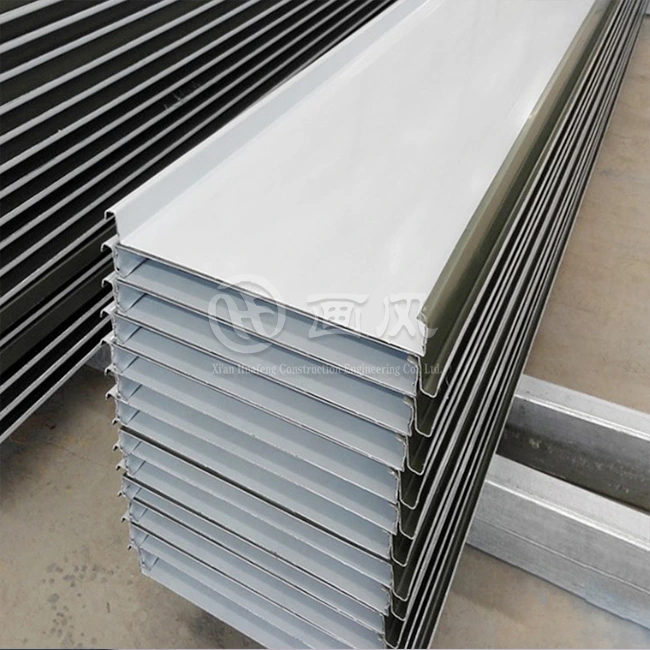
When you sell a lot of things, you need to be sure of your skills. Everyone at HF can make 1,000 tons of goods every month. There are more than 40 machines and seven work lines in this factory. One ton, or 500 square meters, is what you need to order. It will be sent to you in 15 to 20 days. For 30 years, HF will stand behind their products. If you know what lengths you need, you can have pieces cut to them. This means the field will have less waste and cutting. If you want to build the site in stages, your team can talk about shipping in groups. This will help you see how things are going. Make sure you have written proof of the final plan, Incoterms, and packing information before you send the order.
Installation, Cost, and Budget Planning
Preparation and Installation Sequence
Before you put up the first screen, you need to do some work. As soon as the plans are approved, the roof is checked to make sure it is the right size, slope, squareness, support spacing, and panel layout. The next parts are the panels next to the first one, the floor (if needed), the base flashings, the clips, the first panel, the closings, the ridge caps, and any gear that keeps the snow in place. You should be extra careful around eaves, valleys, rakes, wall joints, skylights, chimneys, and solar mounts because water can get in there. The teams only fix the eaves or tops of the panels. This lets the rest fall when the weather changes. Big panels cover more ground quickly, so they take less time to put up.
Quality Control on Site
The sides, seams, and clips should all be checked. Make sure that the width of the grid area and the width of the modules don't change. All the way through the seam should be factory sealant. If there are holes in things that look like caves, water can get in. Make sure the electric seamer was set up correctly for the panel's thickness and that the seam is fully formed. Look for rough spots on the paint, metal shavings, and drain issues. A wave in light-gauge metal is called "oil canning." The Metal Construction Association says that metal that was damaged during installation shouldn't be thrown away all the time. Buildings are often put through tests like ASTM E1592 (structural performance), E1680 (air leaks), and E1646 (water entry) to make sure they are safe.
Cost Factors and Line-Item Budgets
The price is based on the coating type, the form and size of the roof, the insulation, the flashings, the work, the engineering, the freight, the taxes, and the rules in the area. Instead of the area of the floor, you should use the area of the roof. Remember to add any other unique features, like pitch, cut waste, valleys, hips, and so on. A safety net, underlayment, insulation, clips, bolts, trims, and other things should all be broken down into separate lines. Metal roofs may cost more up front than concrete roofs, but they will save you money in the long run because they last longer and don't need as many repairs or maintenance. When you ask for prices, be sure to say how big your area is and how long it will take to send big lots.
Buying, Maintenance, and Long-Term Value
What to Include in a Supplier Inquiry
If you ask for the whole quote, you'll get it faster. You need to tell them where the job is going to be done, how high the roof is, what shape you want, what material you want for structural standing seam metal roofing, how thick it should be, what color and design you want, how much you need, how many loads, what extras you want, and where the goods need to be shipped. Then, compare makers based on how well they make things, how well they check quality, how much experience they have with shipping, custom shaping, packing, tracking, wait times, warranties, and customer service after the sale. Before you place an order, you should make sure you have the export papers, warranty terms, load tables, installation guides, samples, and information on how to pack the goods. This paper trail has the specs and dates written down so that the project managers and the buying teams can both look them over. They are both safe.
Matching the Roof to Each Decision-Maker
Different people see the same roof in different ways. Before they buy something, people think about how it looks, how long it lasts, how well it burns, and how much it costs over its whole life. CAD files, load tables, copies of the building codes, and minimum slope files are all things that architects and engineers need. It's important for purchasing managers to know how many things can be made, how fast freight moves, and how to make sure that shipping dates are met. Builders want the trims and other parts that come with the panels. They both pick the same thing most of the time, so one clear set of papers works for everyone. I think you should think about price, comfort, material, temperature fit, shipping cost, expert support, and guaranty all at the same time if you want to make a choice.
Maintenance and Durability
A simple habit can keep structural standing seam metal roofing safe, but they don't need much care. Check the roof again after bad weather. Get rid of the leaves and other junk that's in the gutters and gaps. Check out the holes and flashings. Get rid of any tiny pieces of metal that are left over after cutting them. They can rust and get stained. To keep things safe, only use seals, screws, and parts that have been approved. Also, don't mix metals that don't go well together. Damage from hail, weather, a bad cover, or a bad fit may need to be fixed more than once. When you look it over, write down what you find. This will help you quickly find small problems if you need to use your guarantee. If you take good care of your roof and build it with good materials, it can last for many years.
Conclusion
The structural standing seam metal roofing is supported by a frame, panels, and moving clips. To do this, it needs to be able to handle changes in temperature, keep leaks from hidden fasteners, and cover open supports. At first, it costs more than architectural systems, exposed-fastener panels, and asphalt shingles, but it can hold more weight and last longer. The best choice will depend on the coat of metal, the shape of the roof, the temperature loads, and the load tables that have been tried. You can have low risk if you plan well, install things well, make a line-item budget, and write a lot of papers. Performance stays high because it is checked often. Building a house with purlin framing or a big home project? It's best to make sure that the technical information, materials, and deliveries all go together with the roof.
FAQ
1. Can I install this roof on a flat roof?
No. The slope must be at least 1/4:12 so that water can drain and not sit on the seals. Find out the exact minimum by reading what the maker says about how it should fit your shape.
2. How does the roof handle expansion on long runs?
It slides along the purlin and moves a few inches above the clips that hold it in place. The panel is only attached to the eave, which is the top. This way, the roof can expand or contract without putting stress on the screws.
3. How is wind uplift performance verified?
It is important to know that clip spacing has a big effect on the rate that insurance companies charge (UL 580 or FM 4471). Before you place your order, you can get test data and load tables that work for your project.
Contact HF for the Best Structural Standing Seam Metal Roofing for Homes
Email the drawings, shipping date, and loads to huafeng@hfmetalroof.com. After that, someone from our team will look over your project's resume, clips, and other parts. HF can give you a line-item price because they make structural standing seam metal roofing and send out 1,000 tons of it every month. That's the least space they'll give you, and it takes fifteen to twenty days. To learn more about the item, go to hfmetalroof.com.
References
1. Metal Building Manufacturers Association, Metal Building Systems Manual, 2018.
2. ASTM International, ASTM E1592: Standard Test Method for Structural Performance of Sheet Metal Roof and Siding Systems by Uniform Static Air Pressure Difference, 2005.
3. ASTM International, ASTM E1646: Standard Test Method for Water Penetration of Exterior Metal Roof Panel Systems by Uniform Static Air Pressure Difference, 1995.
4. American Architectural Manufacturers Association, AAMA 2605-22: Performance Requirements and Test Procedures for Superior Performing Organic Coatings on Aluminum Extrusions and Panels, 2022.
5. International Code Council, International Building Code, 2021.
6. American Society of Civil Engineers, ASCE/SEI 7-22: Minimum Design Loads and Associated Criteria for Buildings and Other Structures, 2022.





YOU MAY LIKE