Aluminum Standing Seam Roofing Panels: What to Know
2026-11-13 19:20:36
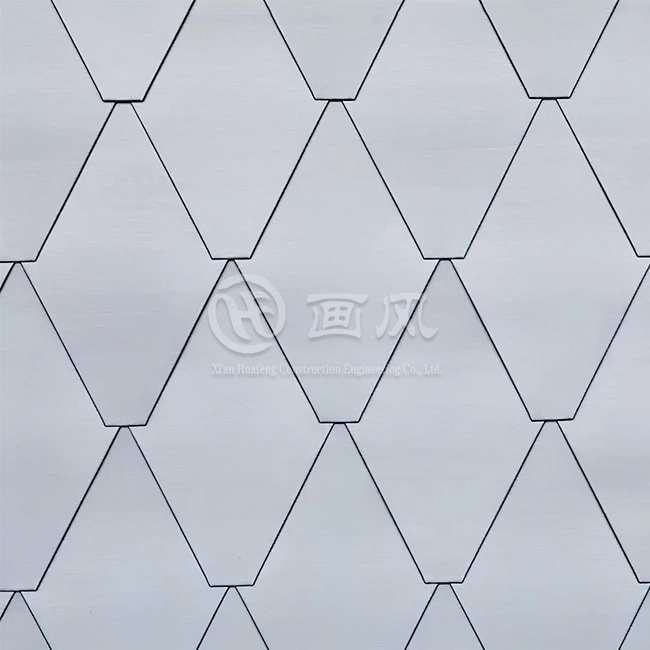
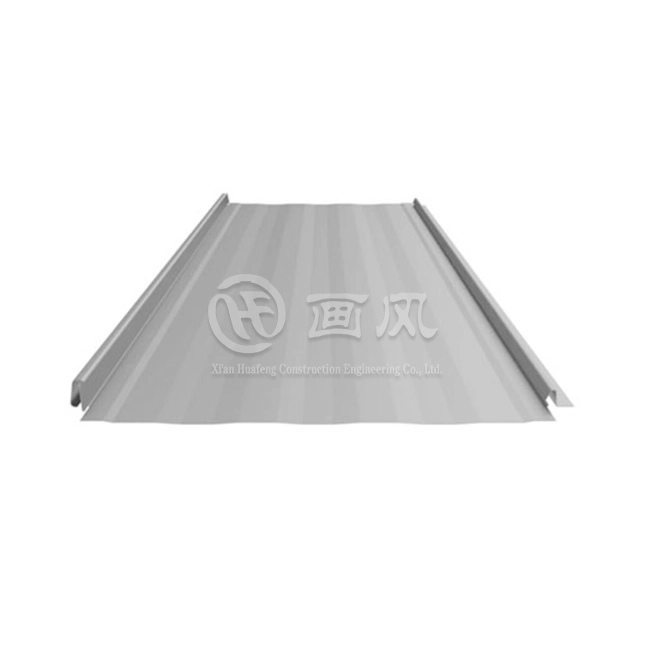
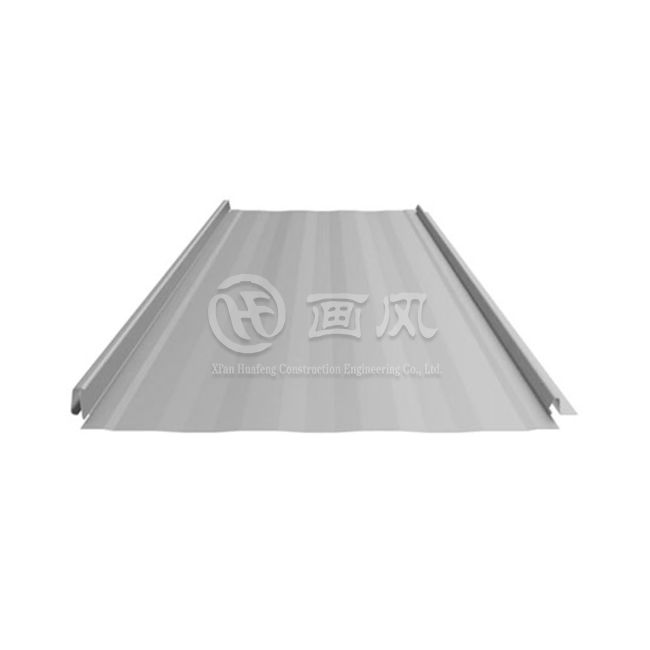
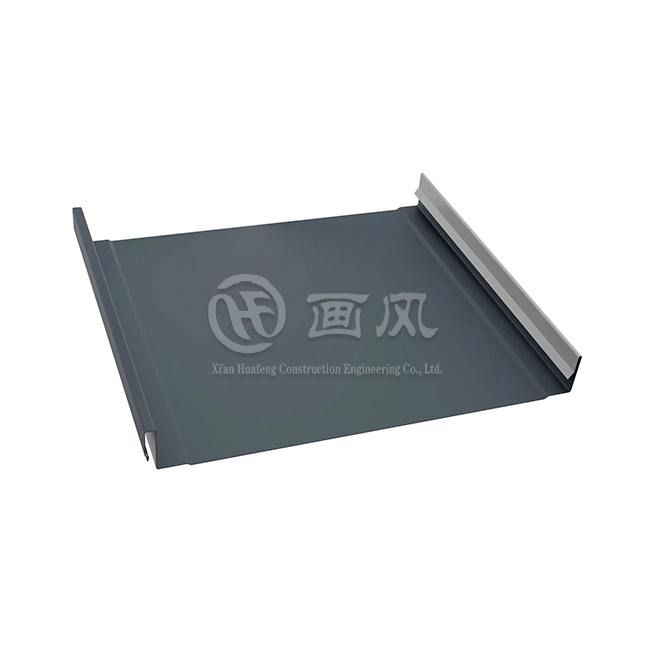
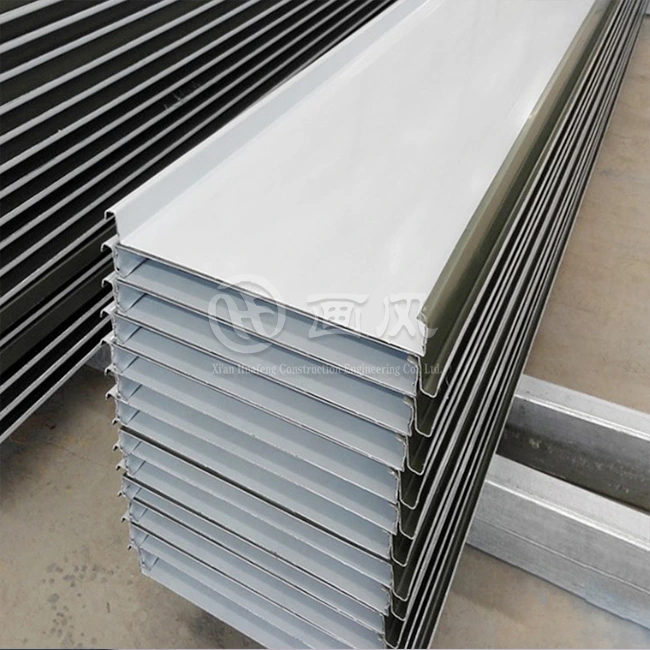
Aluminum standing seam roofing panels are metal roof panels with raised vertical seams, hidden clips, and no exposed screws on the surface. Aluminum forms a natural oxide layer, so it does not produce red rust the way coated steel can when salt air reaches a cut edge. That makes these panels a strong match for coastal homes, resorts, and hurricane-zone retrofits. HF supplies PVDF-coated panels in 0.7–1.2 mm thickness with 25–65 mm seam heights and a 30-year warranty. I wrote this guide to help contractors and procurement teams judge specifications, compare options, and request an accurate quote.

What Aluminum Standing Seam Roofing Panels Are and Why Coastal Buyers Choose Them
How the Panel System Works
There is a flat pan and a rising leg on each side of each panel. There is either a snap-lock or a mechanically seamed fold that connects the legs next to each other. There are clips under the seam that hold the roof in place. Most water leaks happen where the screw heads are, but with an exposed-fastener roof, the screw heads are no longer in the way. It's important that the clips move because aluminum grows about twice as much as steel does when the temperature changes. A panel that is fixed would squeak or buckle, but a panel that is floating moves without making a sound. The complete set also includes flashings, ridge caps, valleys, eave edges, and underlayment. Leaks often begin here instead of in the panel field.
Corrosion Resistance Along the Coast
When bare steel meets water, like when it cuts, holes in fasteners, or gets scratched, air full of salt attacks the steel. Aluminum does not behave like other metals. The metal doesn't rust red because it forms a thin oxide film that can be scratched and then put back together again. The metals AA3003, AA3004, and AA5052 are used to make HF panels. They have a PVDF fluorocarbon finish that doesn't fade or chalk. It's easier on old frames and long spans because aluminum is only about a third as dense as steel. A builder will get fewer calls about rust spots on beach homes and resort roofs, which is a good thing. Near the coast, where chloride builds up on roofs even when it doesn't rain, that edge is the most important.
Limitations to Plan For
There are four things that can go wrong with metal that I tell people who buy it. Aluminum prices are set by the London Metal Exchange, so make sure you place your order early. The metal itself costs more than coated steel. Second, aluminum dents more easily than steel, so roofs that get hit by hail or people walking on them need to be stronger. Third, you can can food in oil on wide, flat pans. This flaw can be fixed with ribs and a flat deck. It is also possible for galvanic corrosion to happen between metals that are not the same. Preservatives in some treated lumber that are made from copper can damage bare aluminum when it gets wet, so use a layer of separation and fasteners that work with aluminum. They won't stop a good job, but you need to decide what to do about each one before you place your order.
Specifications to Check Before You Order
Alloy and Thickness
The AA3003, AA3004, and AA5052 from HF have diameters that range from 0.7 mm to 1.2 mm. There are many things that manganese metal AA3003 can be used for. When you add magnesium to AA3004, it gets stronger. AA5052 is a magnesium metal that is often used in boats. Thick sheets cost more and weigh more, but they are less likely to bend and break. A mid-range gage might work for a simple roof coastal home. Your engineer should set the gage based on the design load, clip spacing, and deck when the wind speed is high or the roof is very wide. Make sure that the mill certificates list ASTM B209, which is for aluminum plates and sheets. On each certificate, ask for the metal and temper, such as H24 or H26.
PVDF Coating and Test Reports
PVDF is the finish most often seen on metal roofs near the coast because it doesn't fade, chalk, or react with UV light. You should ask for more than just a brochure. If you want an organic coat that works well on aluminum standing seam roofing panels, AAMA 2605 is the standard. As we have an SGS report, it shows that a PVDF-coated 3003H24 sample passed all 13 AAMA 2605-22 tests. These included a 5B sticking test and a 0T bend test with no cracks. Six of the six samples in a different SGS report on a 1.3 mm 3003H24 PVDF sample that was tested according to AS/NZS 1530.3 were not lit. That's not the same width as some roof orders, so check each report to make sure it fits your job. You should ask for ASTM B117 results with exposure hours for salt fog.
Seam Height, Width, and Lock Type
Different designs have seams that are 25 mm (1.55 inches) high, 65 mm (1.55 inches) high, and 300 mm to 600 mm wide. When seams are too high, water can't get through. Pans that aren't too wide also tend to be less wavy. HF makes a single snap-lock and two standing seams. The double-standing seam is crimped by a machine so that it doesn't show any screws and is better at keeping water out. It's easier to set up the single snap-lock. You can get colors in RAL shades or have them made to match your needs. Check the technical data sheet to make sure of the minimum slope before you finish the plan. The outline will tell you what it is. The price to buy starts at 500 naira, which is 1 ton. Test the tools your installers will use on a seam.
How Aluminum Compares with Other Roofing Options and How Installation Works
Aluminum Versus Steel
At first glance, steel seems like a better choice for low-cost projects in the middle of the country because it costs less and feels stronger. It costs more, but aluminum doesn't rust in salt air, is only a third as dense, and doesn't need a special finish on the sides where it will be cut. I guess how much it would cost to fix rust on a roof near salt water. Not only how much the panel costs, but also how much it costs to set up and fix. You should also read the guarantee terms carefully, as each company has different rules about what they will cover, such as UV rays, coating film, and work. Ask HF to write down the terms of its 30-year guaranty before you buy.
Standing Seam Versus Corrugated, Exposed-Fastener, and Shingles
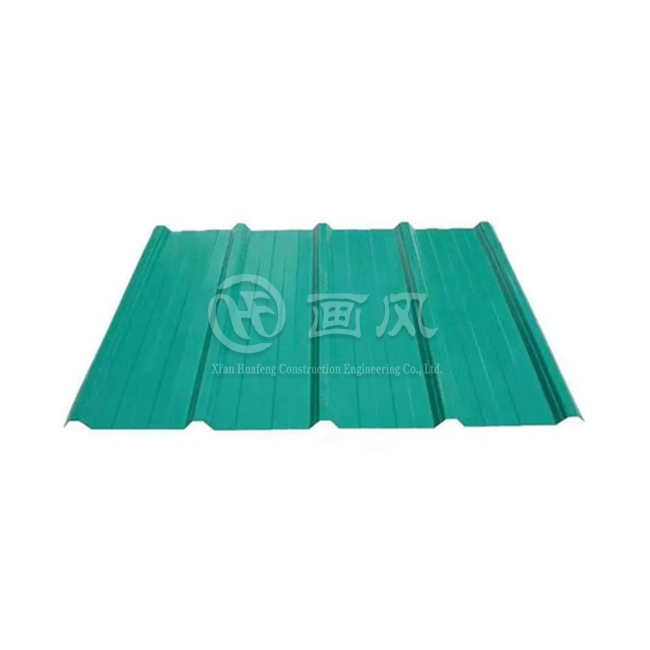
Sheets with visible fasteners and corrugations are held together with screws that go through the surface and have rubber washers on them. Screws are the most likely place for leaks to happen as the washers age in the sun and heat, so they need to be checked often. Stand seams hide the screws and make the job look better, but workers need to pay more attention to detail and be trained to do them right. Many houses use asphalt shingles because they are cheaper, but in hurricane-prone areas, the wind can lift them and cause them to lose their roofs. If the metal is still not attached correctly, how well it stands up to wind will depend on the deck, clips, spacing, and edge details of the whole thing. Find out if the part you want to put together has passed tests under ASTM E1592 or UL 580.
Installation Basics
First, make sure the slope, deck state, drainage, and local building code loads are all correct. The crews put down the underlayment and flashings, then set the clips to the engineer's spacing, locked the first panel straight, and joined each panel one at a time. There is a machine you need to sew double-lock profiles, but you can just press snap-lock panels together. Last but not least, the crews finish the details for the ridge, valley, eave, and penetration. A lot of leaks begin here. It's possible to put something over shingles after the fact, but the deck has to be sound and dry, and the local building code has to allow it. Work costs depend on how hard it is to get to the roof, how much you have to tear off, and whether you need custom trims. If you are working on a project near the coast, use stainless steel or another metal that can be mixed with aluminum. You should also keep aluminum away from treated wood and other metals.
How to Buy Aluminum Standing Seam Roofing Panels and Choose a Supplier
What to Send With Your Inquiry
A clear question makes the quote process go faster and be more accurate. Send where the project is, what kind of building it is, the area, slope, shape, thickness, metal, color, number, shipping address or port, and date you want to put it. That price should cover the flashing, fixings, underlayment, clips, trims, packing, and shipping. Ask the seller to give you this price. What if the panel price is low but doesn't include those things? It might cost more in the long run. HF's minimum order size is 500 naira, which is 1 ton. This is good for builders who need to buy a lot of stuff for a vacation phase or several roofs. You should find out how long a quote is good for and whether the price is set or based on a metal index.
Supplier Checks That Reduce Risk
Before you look at prices, make sure you check the quality of the items. The HF brand is run by the 2018-founded Xi'an Huafeng Construction Engineering Co., Ltd. It has a 200,000-yuan plant in Anhui that makes raw materials and plants in Hangzhou and Xi'an that process them. This building has more than 40 machines that cut, press, and bend metal. Seven color lines are there. They follow the rules of ISO 9001 and ISO 14001, and they have more than 20 patents. In 2020, they were named a Shaanxi high-tech business. Panels are made with rules from ASTM, DIN, JIS, BS, and GB/T. You can ask any supplier for samples, mill certificates, coating reports, and proof that the goods were inspected before they were shipped. Then, add conditions for acceptance to the purchase order.
Lead Time and Hurricane-Season Planning
From June 1 to November 30, the Atlantic hurricane season runs. Because of this, roofers in Florida and the Caribbean often need aluminum standing seam roofing panels on site before the storms and the rush to rebuild begin. It will get to you in 15 to 20 days if you order from HF. Make sure that number covers both production and shipping, and then add to it the time it takes for ocean freight, customs, and trucks. They add steps, so order early if you want custom colors and trims. Before the shipment, you should get a written and visual plan of the work that needs to be done. If crews plan ahead, they won't have to wait around while a roof is open to the weather. Once a big storm is over, there is a greater need for roofing materials and crews. To stay on schedule, place your order early.
Choosing the Right System and Avoiding Common Mistakes
Coastal Homes, Resorts, and Hurricane Zones
For projects near the coast, you need panels that won't rust, fasteners that work with them, coatings that last a long time, and flashing that can handle wind-driven rain and salt spray. The high-speed hurricane zone in Florida is made up of Miami-Dade and Broward counties. Because of this, the Florida Building Code has stricter rules about what can be offered there. Before you pick a panel, make sure you have all thes you need. Metal walls made of HF are good for homes, vacation homes, and places by the water. You can get the PVDF finish in RAL colors. Send us the permissions your area needs, and we'll let you know what papers we can give you. Take a look at how the top faces the water as well. A roof next to open water gets more salty air than a roof a few blocks out of the way.
Commercial, Public, and Distributor Orders
Airports, shops, schools, gyms, and museums are good places for things that are light and easy to clean. Food and chemical plants benefit from being resistant to corrosion and chemicals. As the building is being planned, check for maintenance, wind uplift, drains, fire safety, penetrations, and entry. We already talked about how the SGS combustion report can help with fire reviews. However, your local government sets the real test. Distributors can make custom color and trim stock profiles for customers who buy from them over and over again. Aluminum is also good for roofs that are curvy or sloped because it is easy to bend and shape without cracking as long as the radius stays within the design. We need your drawings as soon as possible so we can compare the geometry to the profile.
Common Mistakes and How to Avoid Them
People keep making the same five mistakes: picking a panel based only on price, putting together metals or fasteners that don't work well with each other, ignoring thermal movement, not paying enough attention to details around holes, and not getting a sample approved. If you have a written purchase specification that lists the size, thickness, alloy, coating, color, packaging, documents, and acceptance criteria, then these things can't happen. Before the delivery, plan how to unload, store, and get to the site. Also, make sure that the type of clip and the length of the panel allow for heat to move. Keep the panels dry and off the ground. Water that gets stuck between the sheets can stain the metal itself. When the packages get there, look them over and write down any damage you see before you sign. Picture taken at the dock backs up any claim.
Conclusion
Aluminum standing seam roofing panels have raised seams, secret clips, and a natural oxide layer that makes them water and rust proof. This is why they are often used in projects near the coast or during hurricanes. Which one is best depends on the alloy, the thickness, the PVDF coating, the seam height, the type of lock, and the whole assembly, which includes flashings, fasteners that work with the alloy, and the separation from treated lumber. Aluminum doesn't get red rust and is less thick than steel, but it costs more and breaks more easily. To get a better idea of the whole picture, compare the costs of installation and repair instead of just looking at the price of the panel. When there are test records, like AAMA 2605 and ASTM B117 results, and a written buy standard, there is less risk. Things stay on track before the storm season because orders are placed early and lead times are known.
FAQ
1. Are aluminum standing seam roofing panels suitable for coastal homes?
Yes, as long as it works with the rest of the system. PVDF doesn't fade or soak up UV light, and aluminum doesn't turn red. Metal fasteners, flashings, and other things close by should match the aluminum, and panels shouldn't be put up against wood that has been treated with copper. Every once in a while, rinse the roof to get rid of salt buildup. Get reports on salt fog and coating that are right for your order.
2. What panel thickness should I choose?
There isn't just one measure that works for all roofs. HF has between 0.7 and 1.2 mm. Thick sheets are less likely to get dents and waves. The last measure will be based on the code, wind load, span, and clip spacing that you and your expert agree on. HF should tell you what gage they think you should use for your sketch.
3. Can I install aluminum standing seam panels over shingles?
Sometimes. The area's building codes say that an overlay is okay, and the deck has to be sound, dry, and well-ventilated. Before you buy a new roof, look at the old one. The price can change based on the slope, access, and trim needs.
4. What are HF's minimum order and lead time?
Folks, HF will get to you in 15 to 20 days. The least you can buy is 500 naira, which is 1 ton. Make sure that includes shipping, and ask for a written plan of when things will be made.
Request HF Aluminum Standing Seam Roofing Panels for Your Next Project
HF will make you a quote that fits your needs if you email huafeng@hfmetalroof.com with information about your roof's size, slope, finish, and port. Our aluminum standing seam roofing panels come in RAL colors, have a PVDF finish, are 0.7 to 1.2 mm thick, come with a 30-year guarantee, and are shipped in 15 to 20 days. Go to hfmetalroof.com right away and ask for examples and test results to find out more about the product.
References
1. ASTM International, Standard Specification for Aluminum and Aluminum-Alloy Sheet and Plate (ASTM B209), 2021.
2. ASTM International, Standard Practice for Operating Salt Spray (Fog) Apparatus (ASTM B117), 2019.
3. ASTM International, Standard Test Method for Structural Performance of Sheet Metal Roof and Siding Systems by Uniform Static Air Pressure Difference (ASTM E1592), 2017.
4. American Architectural Manufacturers Association, Voluntary Specification, Performance Requirements and Test Procedures for Superior Performing Organic Coatings on Aluminum Extrusions and Panels (AAMA 2605), 2022.
5. International Code Council, Florida Building Code, Building, 8th Edition, 2023.
6. National Oceanic and Atmospheric Administration, National Hurricane Center, Tropical Cyclone Climatology, 2024.





YOU MAY LIKE
_1757558889992.webp "Metal Roofing Snowguards")