Where to Buy Vertical Standing Seam Metal Cladding in 2026?
2026-04-16 14:51:03
To find a trustworthy source for vertical standing seam metal cladding, you need to know about both the product and the buying process. In 2026, it's easier to get these building solutions from specialized makers like HF Metal Roof, who give you direct access to factory-grade materials and a lot of ways to make them your own. Construction companies need quality assurance and technical help for big commercial projects, and well-known manufacturers with ISO certifications and industry-specific knowledge can give it to them. The best methods of buying support project deadlines and budgets by combining the ability to manufacture, the efficiency of logistics, and the responsiveness of customer service.
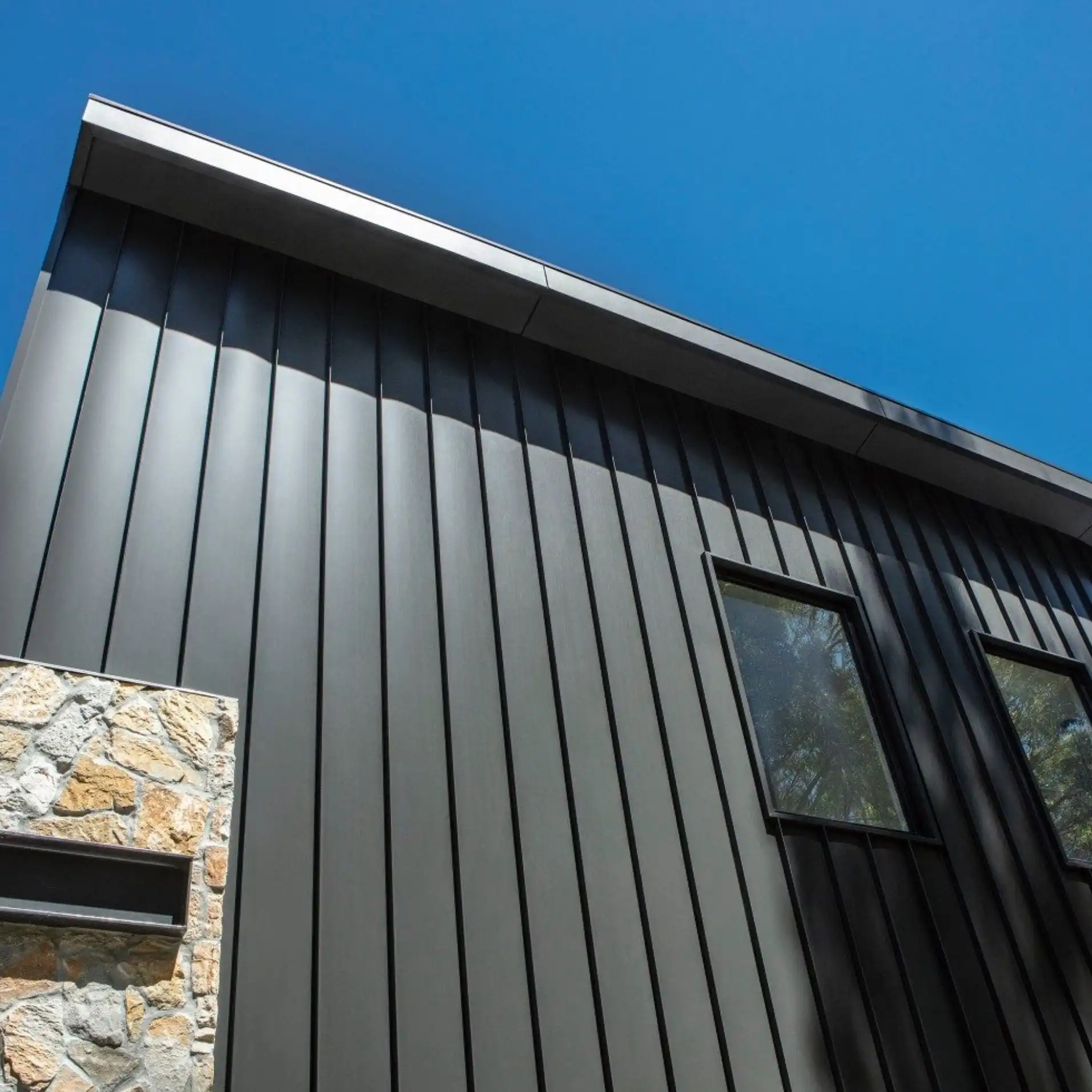
Understanding Vertical Standing Seam Metal Cladding
What Makes This System Different?
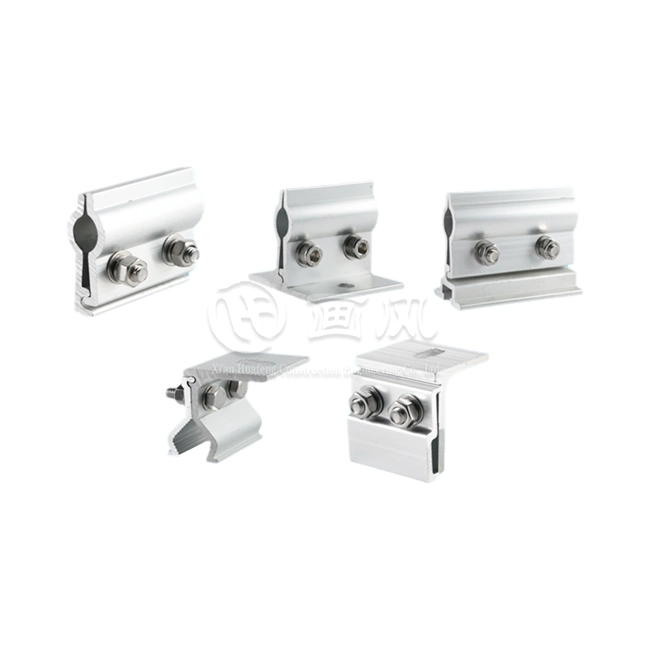
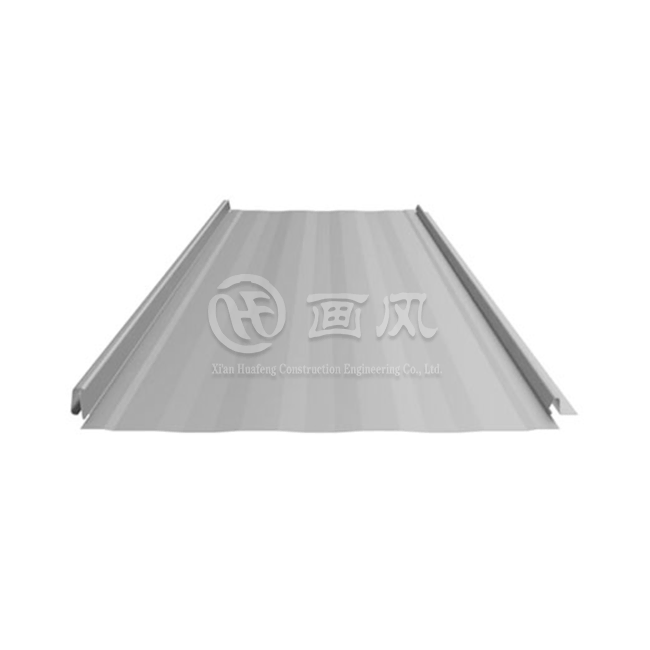
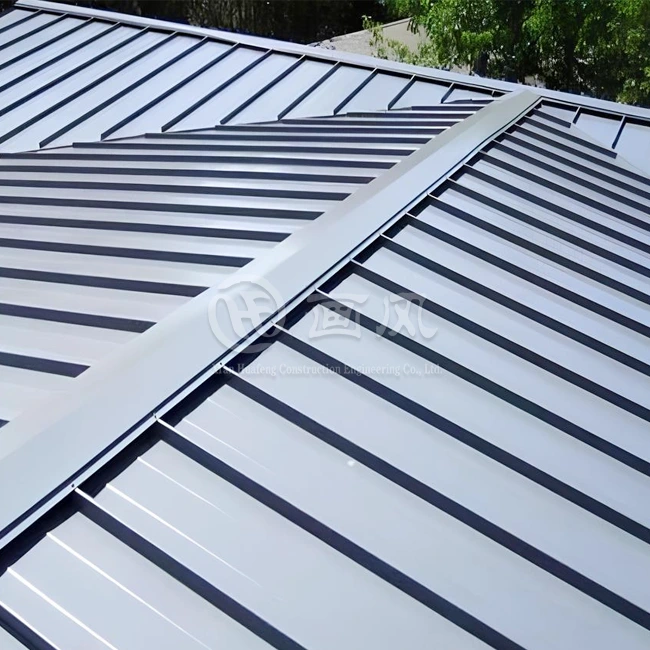
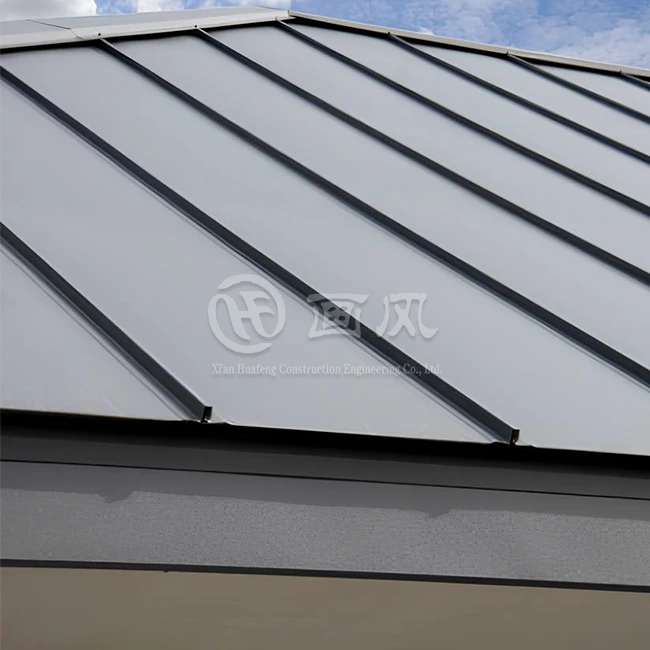
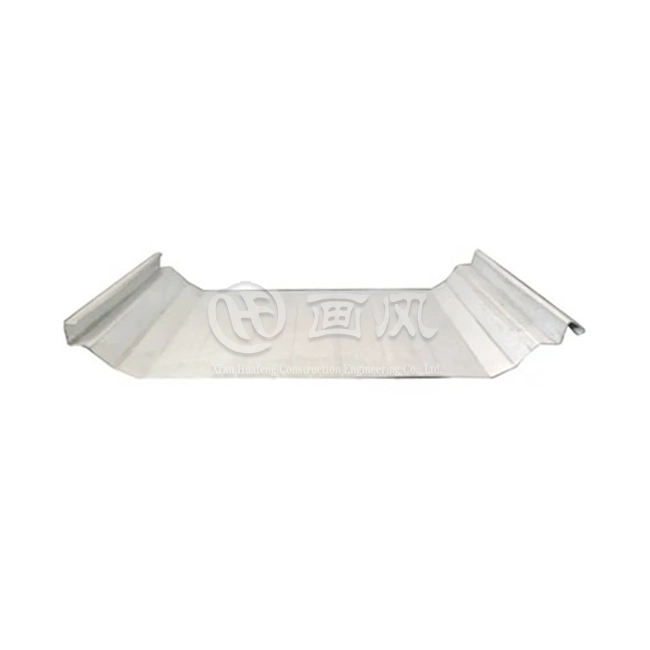
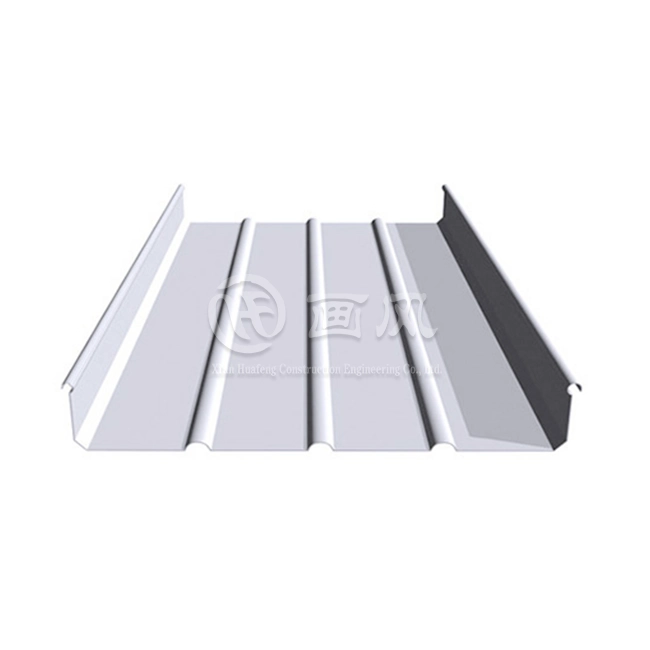
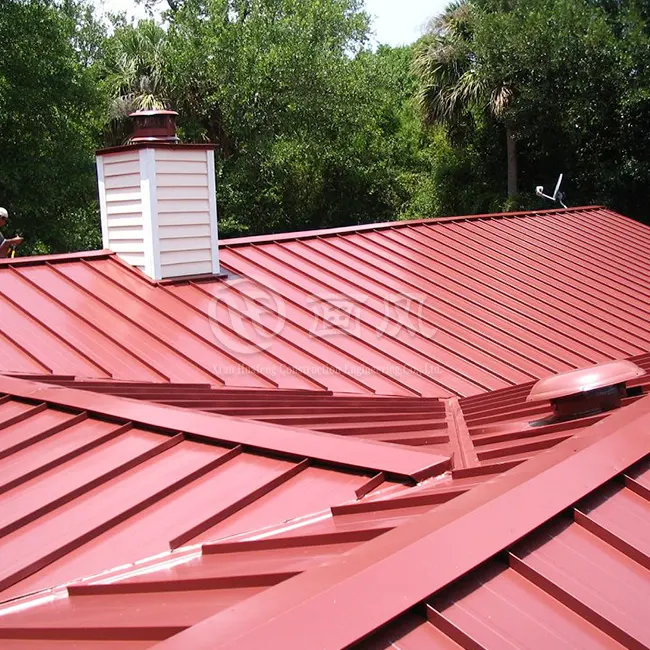
Vertical standing seam metal cladding is excellent for building exteriors. Metal panels are linked vertically from base to top by elevated seams. This siding features automatically secured joints, either single or double fold, that conceal all screws below the surface, unlike horizontal siding. This design overcomes key industrial issues. It prevents water from seeping into exposed fasteners where gaskets break down, permits thermal expansion using sliding clip mechanisms to prevent stress damage, and generates clean, unbroken vertical lines that enhance design.
Core Technical Advantages
Because of its structural performance, this cladding technology is unique. Aluminium-zinc coated steel or aluminium alloy frames have robust panels due to the standing seam form, which is normally 25mm to 65mm high depending on wind pressure. This setup supports large-span applications over 10 meters without middle support structures. Industrial and commercial buildings benefit from this. Mechanical connections allow each panel to expand and contract independently throughout temperature cycles. This prevents buckling and fastener wear in tightly coupled systems. The double-bite locking method creates a watertight barrier without seals that wear out.
Sustainability and Lifecycle Value
Metal covering systems improve green building permits since they are recyclable and energy-efficient. Aluminum and steel frames retain their worth when no longer required. This promotes circular economy concepts, which are increasingly crucial in buying choices. Using high-performance coatings like PVDF that fulfill AAMA 2605 requirements, these systems may endure over 30 years with minimum maintenance. When polished well, metal walls reflect light, reducing cooling needs in warm rooms. This reduces building operating expenses and energy use.
Key Considerations Before Buying Vertical Standing Seam Metal Cladding
Material Selection Impact
Project efficiency and cost depend on substrate choice. Even though they cost more, aluminum alloys (AA3003, AA3004, AA5052) resist rust better in coastal places where salt spray accelerates metal breakdown. Aluminum-zinc coated steel strips are robust for their weight and affordable, making them a superb option for mild-weather applications on a budget. Coating system on substrate affects lifespan. PE (polyester) finishes are good for low-cost projects and have 10- to 15-year warranties, HDP (high-durability polyester) coatings last 20–25 years, and PVDF coatings have the best UV stability and chalk resistance for high-end projects that need 30-year performance guarantees.
Installation Methodology and Timeline Implications
The way things are installed has a direct effect on how long projects take and how much work costs. When factory-made panels are delivered to job sites, they are cut to length to reduce the amount of work and waste that needs to be done on-site. This speeds up the installation process. To keep final panels from showing oil canning (waviness caused by stress), contractors must make sure that substructure tolerances stay within L/600 standards. To use the hidden clip connection system correctly, you need special training. The sliding clips must be able to move longitudinally while staying stable laterally, and the mechanical seaming tools must be able to apply consistent crimping pressure without damaging protected coatings. To lower the risk of execution, procurement managers should check with suppliers to see if they offer expert installation help and training materials for vertical standing seam metal cladding.
Budget Planning Beyond Initial Pricing
Cost studies focus at more than just supplies per square foot; they also consider the whole work cost. Large orders generally fetch better pricing. Order 500 square meters at affordable prices. Non-standard colors, patterns, and panel sizes incur customs fees dependent on complexity and order size. Logistics difficulties including freight pricing, shipment dates, and unloading influence project budgets, particularly in hard-to-reach or fast-access projects. Responsive producers provide in 15-20 days, making project planning simpler than suppliers who require 6–8 weeks.
How to Choose the Right Supplier for Vertical Standing Seam Metal Cladding
Certifications and Quality Assurance Protocols
Professionals in charge of buying things should give priority to sellers with quality control systems that can be checked. For reliable industrial results, ISO 9001 certification means that process controls have been set up, and ISO 14001 certification means a commitment to environmental management practices that are becoming more and more important for LEED and other green building certifications. Third-party testing procedures and SGS verification make sure that product specs and performance claims for vertical standing seam metal cladding are true. Manufacturers who have these qualifications have their operations regularly checked, which lowers the chance of design deviations that could lead to project delays or poor performance. Ask for proof that the tests met the requirements of ASTM E1592 for wind lifting resistance, ASTM E1680 for air infiltration resistance, and ASTM E1646 for water puncture resistance.
Capacity to make things and ability to customize
The producing potential of a supplier shows how well they can meet project deadlines without lowering quality. Businesses that can make 1,000 tons of goods every month show that they have the size to handle multiple big projects at once without any transport problems. Check out the variety of options—panel lengths from 300mm to 800mm, thicknesses from 0.7mm to 1.5mm, and seam heights from 25mm to 65mm give you options for a wide range of project needs. Customization services for colors, patterns, and shapes make it possible to carry out design visions while still meeting system performance standards. Manufacturers with multiple processing sites in different parts of the world have organizational benefits because they can ship goods over shorter distances and be more sure that they will arrive on time.
Help with technical issues and service after the sale
Because standing seam systems are so complicated, professional help from suppliers is very important during the project's completion. When manufacturers offer installation training, on-site expert support, and help with fixing problems, they lower the risk for contractors and improve the quality of the installation. Check to see how complete the product paperwork is. This includes installation guides, detail sketches, and specification sheets. Longer warranty terms of 30 years show that the maker is confident in the product's durability, but buyers should know that the guarantee only covers certain things and needs to be maintained in certain ways. Customer service teams that are quick to respond and can handle questions about specifications, changes to orders, and coordinating deliveries show that they have the organizational maturity needed for partnerships to work well on complicated projects.
Comparison of Vertical Standing Seam Metal Cladding vs Other Cladding Options
Better performance than horizontal systems
When compared to horizontal lap siding designs, vertical positioning offers better drainage. Water naturally moves downwards along the sides of panels and through seam channels. There are no horizontal breaks, so capillary action can't pull water into wall assemblies. In places where it rains a lot or near the coast, where heavy rain makes exposure conditions difficult, this trait is especially useful. The mechanical seam link makes the structure stronger than panels that are screwed together, so the vertical standing seam metal cladding system can survive wind forces higher than 3.0 kPa during a typhoon. By using sliding clips to accommodate thermal movement, panels don't warp and fasteners don't come loose like they do with tightly fastened options when temperatures change with the seasons.
Compared to traditional cladding in terms of materials
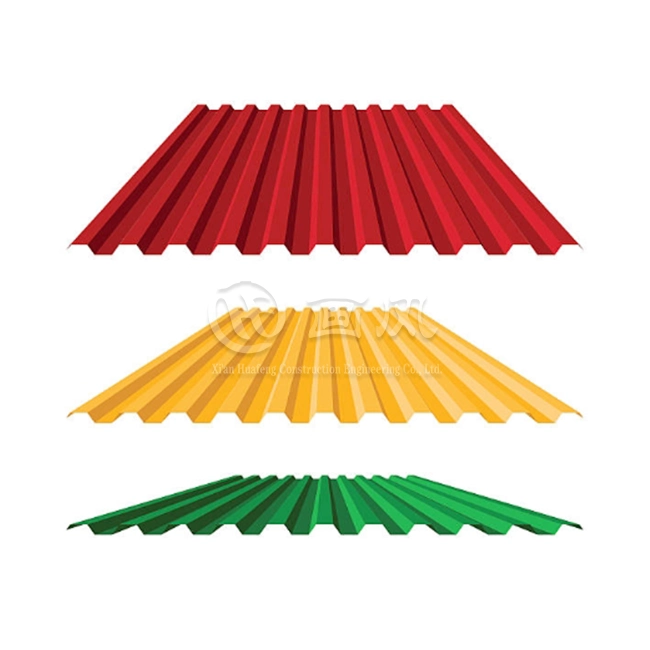
Compared to vinyl siding, metal standing seam systems have Class A fire ratings that mean they are not flammable and meet strict building rules for industrial and high-rise uses. Because metal is dimensionally stable, it doesn't bend or fade over time like vinyl does. This means that buildings will keep their design look for decades to come. Standing seam profiles have a more polished look than corrugated metal panels, making them perfect for business buildings that get a lot of attention and where architectural expression is important. The hidden fastener design gets rid of the maintenance hassle that comes with visible fastener systems that need to have gaskets replaced on a regular basis to keep water out. Aluminum alloy panels may look identical, but they can't be recycled like through-thickness metal cladding and haven't been shown to last as long.
An analysis of the total cost of ownership
When doing a lifecycle economic analysis, you should compare the original material prices to the costs of repairs and replacements over time. Standing seam systems usually cost 15-25% more at first than basic corrugated options, but they don't need to be painted or have their fasteners maintained on a regular basis, which adds up to big costs over 30-year of use. The design of the changeable panels makes repairs easier without affecting nearby areas. This lowers the cost of upkeep work compared to systems that are all one piece and need a lot of disassembly to fix small problems. Reflective finishes help save energy by lowering the need for cooling, which saves money on running costs and increases the return on investment for owner-occupied buildings. Buildings in harsh conditions get extra value from the system because it has been shown to work well in both arctic cold and tropical heat without breaking down.
Purchasing Process and Logistics for B2B Buyers
Creating specifications and asking for quotes
For buying to work well, the project specs must be very detailed. They should include panel sizes, substrate materials, coating systems, color choices, and number needs. By giving exact square meter estimates, suppliers can set the right prices and make sure that the minimum order number is met. Include expected project completion dates, shipping location information, and any site entry issues that could affect how the goods are transported. Get price quotes from several approved sources to find the most competitive prices. At the same time, look at each manufacturer's technical skills and service offers. Standardized choices from companies like HF Metal Roof, with specs like 25-330/400/430 and 65-300/400/430/500, give customers the freedom to make changes while also making production more efficient for vertical standing seam metal cladding.
Executing the order and checking the quality
Once a seller has been chosen, formalize orders by writing up buy agreements that list product details, quantities, prices, shipping dates, and guarantee terms. Set up quality control points like checking the base, measuring the coating thickness, and making sure the dimensions are correct before sending the item out. Suppliers with a good reputation do these checks as normal and include test results and certifications with every shipment. Coordinate arrival times with project plans to keep on-site storage needs to a minimum and make sure that material supply matches contractor readiness. Responsive makers offer delivery windows of 15-20 day, which allows for just-in-time operations that lowers costs and worries about site security.
Planning the installation and helping with the project
For a job to go smoothly, the suppliers of materials, the general workers, and the expert installers must all work together. Make sure that the people installing the systems have the right amount of experience with standing seam systems and can get their hands on the right seaming tools. A lot of makers have training programs for installing their products or can suggest trained contractors who know how to use their systems. Coordinate the availability of technical help during the installation phase so that questions can be answered in the field and design changes can be made in response to unexpected circumstances. Plan to check the materials as soon as they arrive to find any damage from shipping before they are installed. Make a note of any problems right away so that they can be processed as claims. Keeping lines of communication open between everyone involved in a project cuts down on delays and ensures good results.
Conclusion
In 2026, finding sources for vertical standing seam metal cladding means looking at them through a number of different lenses, including their ability to manufacture, their quality certifications, their ability to create unique designs, and their dependability when it comes to logistics. Because they are better for architecture and performance, standing seam systems should be used on projects that need to last, be resistant to weather, and hold their value over time. When procurement managers carefully look at material specs, supplier qualifications, and total lifetime costs, they set their projects up for success. Manufacturers with wide ranges of products, quick expert help, and a history of on-time delivery are the kind of partners that are needed for complicated business and industrial building projects. Strategic source selection affects not only the quality of the materials, but also how well the project is carried out and how well the building works over many years.
FAQ
1. What are the main things that affect the price of vertical standing seam metal cladding?
Foundation material, finishing, panel thickness, and quantity ordered affect price. Aluminum plates cost 20–30% more than steel but withstand corrosion better. UV-resistant PVDF coatings cost more than PE or HDP finishes and have longer warranties. Stronger, denser gauge materials cost more. Volume pricing applies to orders over 500 square meters. If vertical standing seam metal cladding is difficult and time-consuming to make, non-standard panel designs or colors may cost more.
2. How can buyers check the quality credentials of a seller before placing a big order?
SGS offers ISO 9001, ISO 14001, and testing certifications. Examine ASTM wind uplift, water entry, and air infiltration data. Contact clients with samples from similar-sized projects to evaluate delivery dependability, product quality, and technical support timeliness. Send treatment quality, seam formation, and finish consistency samples. Plant inspections show how goods are manufactured, how quality control works, and how much can be made.
3. Is vertical standing seam cladding suitable for extreme weather environments?
This method works effectively in tough settings when set up properly. The seams automatically seal to avoid driving rain and ice blockages in cold locations. Metal surfaces can resist desert and polar climates. Aluminum and zinc don't corrode near coast like salt spray. The system's grounded wind uplift resistance surpasses 3.0 kPa, making it appropriate for high-wind storm zones. Consider environmental substrate materials and coating methods for long-term performance.
Partner with HF for Premium Vertical Standing Seam Metal Cladding
Xi'an Huafeng Construction Engineering Co., Ltd. offers complete metal cladding options for tough industrial and business jobs all over North America. Our vertical standing seam metal cladding options, such as 25-330/400/430 and 65-300/400/430/500, give architects the freedom they need to use the material in a wide range of ways. Our goods meet the strictest longevity standards and support green building certifications. They come with 30-year warranties and coating options in PE, HDP, and PVDF. We are a recognized producer that follows the rules of ISO9001, ISO14000:14001, and SGS. Our 200,000-square-meter production sites have modern color coating and fabrication lines that help us provide consistent quality. Our monthly production capacity of 1,000 tons, delivery times of 15 to 20 days, and ability to customize colors, patterns, and designs will help your project stay on track. Get in touch with our team at huafeng@hfmetalroof.com to talk about your needs with an expert supplier and get detailed quotes that are made just for you.
References
1. Metal Construction Association. (2025). Standing Seam Metal Roof and Wall Systems: Design and Installation Guidelines. Glenview: Metal Construction Association Press.
2. Johnson, M. & Stevens, R. (2024). Architectural Metal Cladding: Performance Specifications for Commercial Buildings. Journal of Building Envelope Design, 18(3), 45-67.
3. American Society for Testing and Materials. (2025). ASTM E1592-05: Standard Test Method for Structural Performance of Sheet Metal Roof and Siding Systems. West Conshohocken: ASTM International.
4. Green Building Council. (2025). Metal Cladding Systems and LEED v4.1 Credit Optimization. Washington: U.S. Green Building Council.
5. Patterson, K. (2024). Lifecycle Cost Analysis of Commercial Cladding Systems. Construction Economics Review, 41(2), 112-134.
6. National Roofing Contractors Association. (2025). The NRCA Metal Panel and Standing Seam Roof Systems Manual. Rosemont: NRCA Publications.





YOU MAY LIKE