What Is Mechanical Lock Metal Roofing & How It Enhances Structural Strength?
2026-04-17 15:58:14
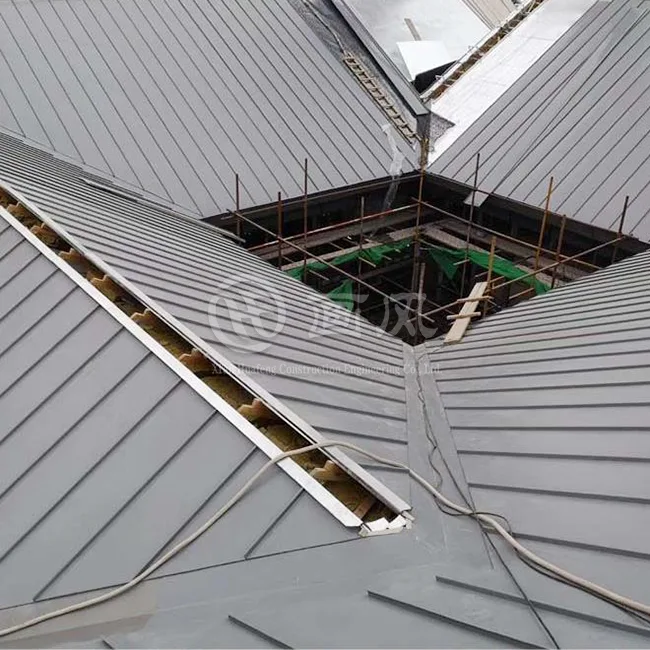
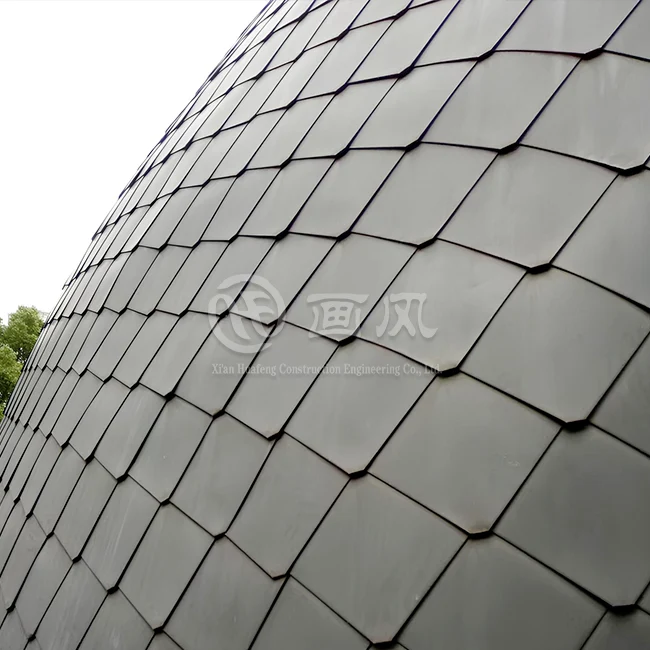
When looking at different roofing options for business or factory projects, knowing the technical benefits of each one can have a big effect on how well they work and how much they cost in the long run. Mechanical lock metal roofing is a standing seam method in which the legs of vertical panels are folded and joined together with special tools. This process makes a solid shield that is hydrostatically watertight and very resistant to wind lifting, thermal movement, and weather entry. Mechanically locked panels provide structural stability through strong mechanical attachment, unlike snap-lock systems that rely on friction connections. This makes them the best choice for demanding uses where dependability and longevity are essential.

Understanding Mechanical Lock Metal Roofing
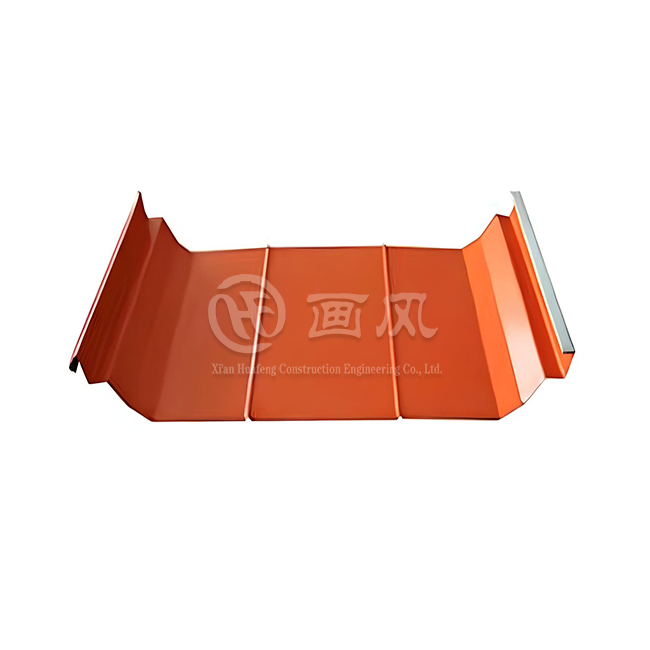
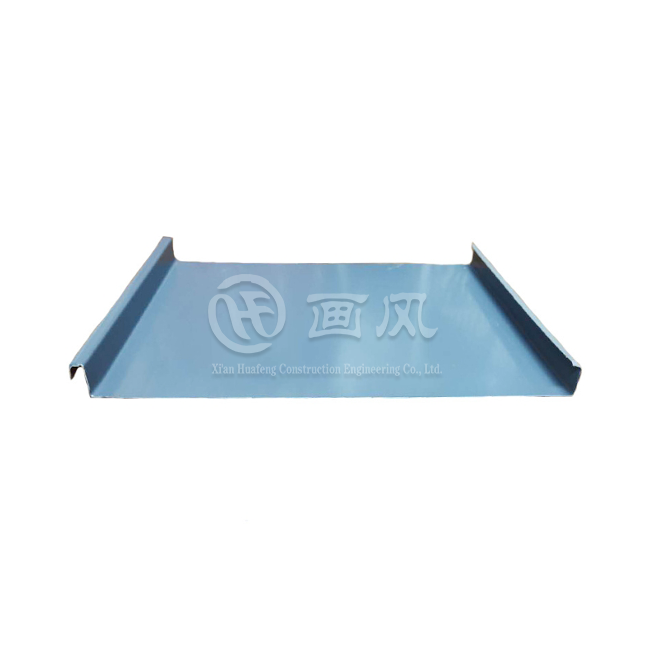
This mechanical lock metal roofing system connects panels using vertical bars in single-lock (90-degree) or double-lock (180-degree) ways. The mechanical engagement eliminates visible fasteners, which are typically weak points in standard roofing. Hidden fastening improves appearance, weather resistance, and structural integrity.
Core System Components
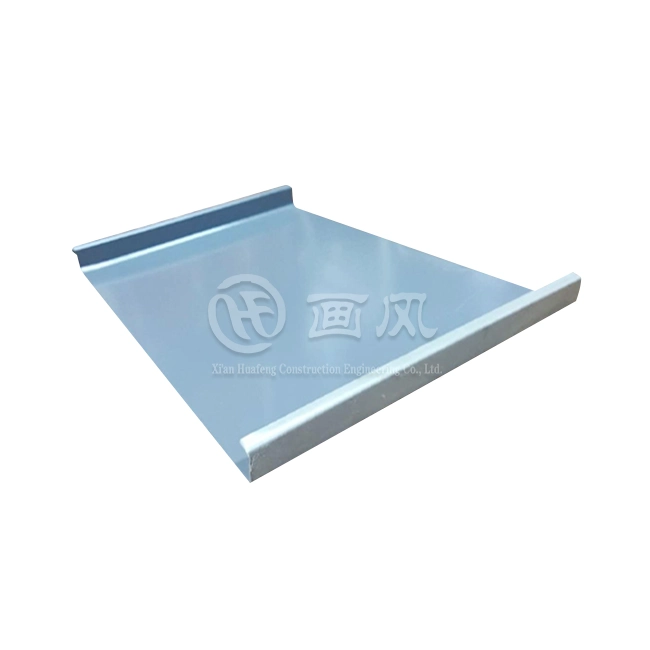
A complete standing seam system includes base materials like galvalume steel, aluminum, or galvanized steel (0.5–1 mm thick). PVDF or PE coatings provide UV protection and color stability. Panel lengths range 300–500 mm with rib heights of 25, 32, or 38 mm. Hidden clips attach directly to the base, allowing thermal movement up to 25 mm per 10 meters, preventing oil canning and fastener wear.
Mechanical vs. Snap-Lock Systems
Snap-lock panels use friction fitting for faster installation on slopes above 3:12 but offer less wind uplift and waterproofing on low slopes. Mechanical lock metal roofing requires seaming tools to crimp panel legs, creating stronger connections. It exceeds 90 mph wind resistance and works on slopes as low as 0.5:12, making it essential for hurricane-prone and coastal areas.
Material Options and Specifications
Material selection depends on project needs: galvalume steel suits diverse climates, aluminum offers coastal corrosion resistance, and copper/stainless steel serve specialty applications. Manufacturers like HF provide panel specs including 25-330/400/430 and similar sizes. Systems meet ASTM, DIN, JIS, BS, and GB/T standards with 25–40µm PVDF top coating and 10–15µm PE bottom coating.
How Mechanical Lock Metal Roofing Enhances Structural Strength
Mechanical lock metal roofing systems are better for structures than just keeping out the weather. These roofing systems are an important part of the building shell; they help the structure work well and stay in good shape for years to come.
Load Distribution and Transfer Mechanisms
Mechanical crimping makes a continuous seam that lets the roofing system act like a cushion, spreading loads across the whole roof surface instead of putting all the stress on the connection points. This ability to share the load is especially useful in places with a lot of snow, where standing loads can hit or go over 1.5 kN/m². The vertical rib design makes the structure naturally stiff, so it doesn't bend when it's under load, but it's still flexible enough to allow for structural movement.
Thermal Performance and Building Envelope Integration
Interlocking manually crimped panels create effective air barriers per ASTM E1680, reducing air loss and improving energy efficiency. The floating clip design handles thermal expansion and contraction from -40°C to +80°C without stressing fasteners or adjacent panels. This prevents buckling, distortion, and seam splitting, supporting LEED credits and green building certifications.
Corrosion Resistance and Longevity Factors
Galvalume coatings sacrifice aluminum-zinc instead of underlying steel, while PVDF coatings offer superior UV blocking. Mechanical lock metal roofing has no visible fasteners, eliminating common corrosion entry points. Traditional through-fastened roofs often fail within 15–20 years due to washer breakdown. Mechanical systems can achieve 30+ year warranties with proper maintenance, significantly lowering lifetime costs.
Performance Comparison with Alternative Systems
Mechanical lock systems provide 30–40% better wind uplift resistance than snap-lock panels and work on shallower slopes. ASTM E1646 tests confirm crimped seams stay watertight under hydrostatic pressure, unlike snap-lock on low slopes. Compared to exposed fastener panels, mechanical lock metal roofing eliminates fastener replacement every 12–15 years, preventing costly building disruptions and panel distortion.
Installation Process and Best Practices for Mechanical Lock Metal Roofing
The quality of the installation directly affects how well a mechanical lock metal roofing system works as it was meant to. To do the job right, you need skilled workers, the right tools, and to follow the manufacturer's instructions at all times.
Pre-Installation Preparation
A thorough substrate inspection is essential, ensuring the roof deck can support wind, snow, and maintenance loads. A flat, smooth surface prevents waviness and eases seaming. Proper underlayment selection and installation are also critical; high-temperature synthetic materials provide durable weather protection, while correct lapping and fixing create a continuous barrier against moisture intrusion.
Panel Installation and Seaming Operations
Roof panels are installed sequentially following a set pattern, with the first panel precisely aligned as a reference. Clips are fixed to the substrate at 300–600 mm intervals, securing the panel while allowing thermal movement. Portable electric seamers join panel legs, ensuring required seam height and thickness. Operators monitor and adjust the process to maintain uniform quality and protect the coating.
Common Installation Challenges and Solutions
Panel alignment errors compound across large roof areas, requiring string lines and regular measurement checks. Improper clip attachment restricts thermal movement, causing seam buckling. Clips must be centered and fastened without overtightening. Weather during construction matters: rain can enter unsealed seams, causing hidden corrosion. Manufacturers recommend installation between 0°C and 40°C for quality control.
Maintenance Protocols for Long-Term Performance
Mechanical lock metal roofing requires annual visual inspections for damage, seam engagement, and penetration weathertightness. Debris removal from valleys and behind penetrations is critical, as organic matter traps moisture and accelerates corrosion. Cleanings after storms preserve protective coatings. Care must be taken not to scratch panel surfaces, which would reduce corrosion resistance and shorten system lifespan.
Procurement Insights: Choosing the Right Mechanical Lock Metal Roofing for Your Project
Decisions about what to buy affect the success of a project in many ways, such as the original cost, the plan for installation, the long-term performance, and the need for maintenance of mechanical lock metal roofing. The best results come from carefully evaluating suppliers and goods.
Quality Metrics and Certification Requirements
Panel width is an important factor that affects both the strength and life of a structure. Options from 0.5 mm to 1.0 mm give you options for a variety of uses. Thickner sizes offer better protection to dents and span, but they also cost more in material. Coating standards decide how well a coating resists weathering and how long it looks good. PVDF coatings that meet AAMA 2605 standards are better at resisting fade and chalking than polyester coatings that meet AAMA 2604 standards.
Compliance badges show that a product meets certain performance standards. Wind uplift resistance, water penetration resistance, air infiltration rates, and fire resistance classes are all confirmed by tests done by approved labs. Products that meet ASTM E1592 for fire protection, ASTM E1646 for water entry, ASTM E1680 for air infiltration, and ASTM E108 for structural performance come with proof that they work as promised.
Supplier Evaluation and Partnership Considerations
The ability and dependability of manufacturers have a direct effect on project plans. big orders and tight delivery deadlines can be met by suppliers with multiple production sites and big stocks of equipment. HF runs three plants with more than 40 tools and seven production lines, which can supply more than 1,000 tons of goods every month. This system makes it possible to reliably complete even big business projects with tight schedules.
The ability to provide technical help sets strategic partners apart from commodity providers. Manufacturers that offer planning help, installation training, and support in the field help make sure that projects are completed successfully. Having access to engineering staff who know the local building rules and weather conditions is very helpful during the bidding and design stages. Support after installation, such as warranty service and upkeep tips, helps build long-term connections that go beyond the initial purchase.
Cost-Benefit Analysis and Total Ownership Considerations
Initial costs for materials and installation are only a small part of total costs over the life of the product. Total cost of ownership is made up of things like expected service life, maintenance needs, and energy efficiency. Mechanical lock systems usually cost 15–25% more than options that use visible fasteners, but they don't need to be replaced as often, which saves you $8–12 per square meter every 12–15 years. Over a 30-year working life, the money saved on repairs often more than makes up for the higher original investment.
During the building's useful life, energy economy affects how much it costs to run. Tight panel connections keep air from leaking in, which lowers the heating and cooling loads. In warm places, reflective coats keep the sun's heat from getting through, which saves even more energy. These perks help pay for themselves more quickly and give a better return on investment, especially in places where energy costs are high or where business hours are long.
Delivery Logistics and Order Parameters
Realistic project planning is possible when you know the minimum order numbers and standard shipping times. To get the most out of their production, many makers set minimum orders at 500 square meters or one ton. Lead times may be longer for custom colors and specs compared to normal configurations. HF keeps shipping times of 15 to 20 days for standard orders, making sure that work efficiency and customer service are both met.
Suppliers who can plan deliveries around installation dates instead of needing a single shipment are better for big projects that have more than one building phase. This feature lowers the need for on-site storage and handling of materials. Getting the supplier's production schedule and the contractor's installation schedule to work together helps the project's cash flow and site logistics run more smoothly.
Conclusion
Mechanical lock metal roofing has structural benefits that make it a good choice for tough industrial and business settings. The mechanically crimped seam makes shields that are hydrostatically watertight and can survive decades of weather exposure, high winds, and heavy snow loads. Better load distribution, the ability to accommodate thermal movement, and the removal of visible fastener weaknesses all lead to longer service lives of more than 30 years with little upkeep needed. When buying things, people should think about how much they will cost over their whole lifetime instead of just the initial cost. These roofing systems are a great deal because they require less upkeep, use less energy, and work well for a long time. Mechanically fixed standing seam systems are the best choice for projects where the performance of the roof directly affects the success of the business. They are strong, can keep out the weather, and can look good with a variety of colors and styles.
FAQ
1. Can mechanical lock systems be installed on low-slope applications?
For single-lock setups, these mechanical lock metal roofing systems can work with slopes as shallow as 2:12, and for double-lock systems with factory-applied sealant, they can work with slopes as shallow as 0.5:12. The manually crimped seam stays sealed even when hydrostatic pressure is applied. This stops the capillary water movement that happens with snap-lock panels on short slopes. Proper draining design is still needed to keep water from pooling for long periods of time, but the system's built-in weatherproofing lets it be used on a much wider range of slopes than other metal roofing types.
2. Does the seaming process damage the paint coating?
Because they are especially made to be flexible, high-quality PVDF finishes can handle the 180-degree folding process. These coats meet T-bend rates, which show that they won't crack or break into tiny pieces when the metal is being formed. The protective layer stays in place during mechanical crimping as long as the seaming equipment is calibrated correctly and the person knows how to use it. This designed flexibility is a big difference between high-quality finishes that can be used with mechanical locks and cheaper ones that are more likely to get damaged during installation.
3. How does the system accommodate thermal expansion in long panel runs?
The moving clip design lets the panels stretch and shrink easily along their length when the temperature changes. Clips tightly connect to the substrate and hold the panel's male leg in a way that lets it move longitudinally. This design can handle thermal growth of at least 25 mm per 10 meters of run without putting stress on the screws or panels next to them. The result is that the dimensions stay the same, and there is no bowing, oil canning, or fastener failure that happens with hard connection systems.
Partner with HF for Premium Mechanical Lock Metal Roofing Solutions
HF can help you with your roofing projects by providing a wide range of manufacturing services and scientific knowledge to your mechanical lock metal roofing applications. Our three specialized factories run seven production lines with more than 40 precise machines. They provide uniform quality across panel specs such as 25-330/400/430, 32-300/410/430, and 38-330/400/410. We keep a 1,000-ton monthly supply capacity and deliver every 15 to 20 days, so we can meet even the tightest building plans. Each panel is made to meet ASTM, DIN, JIS, BS, and GB/T standards, and comes with a 30-year warranty to show that we're sure it will work well for a long time. Whether you need standard configurations or customized solutions in specific RAL colors, our engineering team provides technical consultation throughout specification, procurement, and installation phases. Email our mechanical lock metal roofing supplier team at huafeng@hfmetalroof.com to talk about your project needs and get full technical specs that are made just for you.
References
1. Metal Construction Association (2021). Architectural Metal Roofing Design Manual: Technical Guidelines for Standing Seam Systems. Glenview: MCA Publications.
2. Herzog, Thomas & Krippner, Roland (2019). Roof Construction Manual: Pitched Roofs - Materials, Design, Construction. Basel: Birkhäuser Architecture.
3. American Society for Testing and Materials (2020). ASTM E1592-20 Standard Test Method for Structural Performance of Sheet Metal Roof and Siding Systems by Uniform Static Air Pressure Difference. West Conshohocken: ASTM International.
4. National Roofing Contractors Association (2018). The NRCA Metal Panel and SPF Roof Systems Manual. Rosemont: NRCA Publications.
5. Revie, R. Winston & Uhlig, Herbert H. (2017). Corrosion and Corrosion Control: An Introduction to Corrosion Science and Engineering. Hoboken: John Wiley & Sons.
6. Building Enclosure Council (2022). Performance-Based Design for Commercial Metal Roofing: Structural and Weatherproofing Considerations. Washington: National Institute of Building Sciences.





YOU MAY LIKE
_1768552571575.jpg "Aluminium Fascias")