Benefits of Flat Lock Panels for Roofing Systems
2026-04-17 15:58:15
When choosing an artistic cladding solution for a metal roofing system for a business complex or a high-profile public building that needs to be precise and last a long time, it determines more than just how it looks—it also determines how well it works when things get tough. By using Flat Lock Panels, you can make a stylish, low-profile metal roofing system that looks great and is very strong. These metal tiles fit together to make smooth, continuous surfaces that can handle changes in temperature, extreme weather, and complicated building shapes. For procurement workers in charge of big building projects, this roofing technology has been shown to last, is easy to install, and saves money in the long run. It comes with full warranties and meets international quality standards.
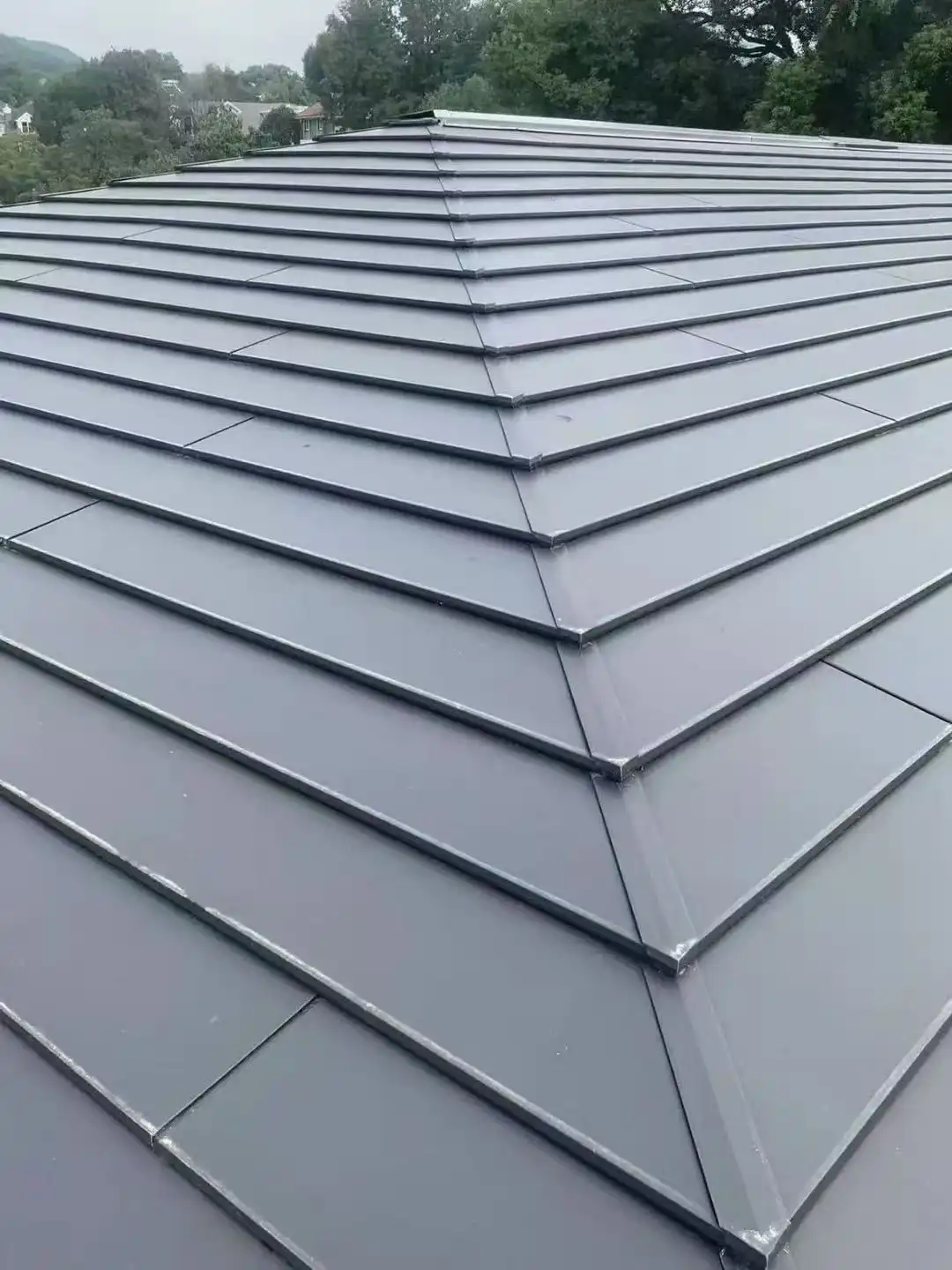
What Are Flat Lock Panels and How Do They Work?
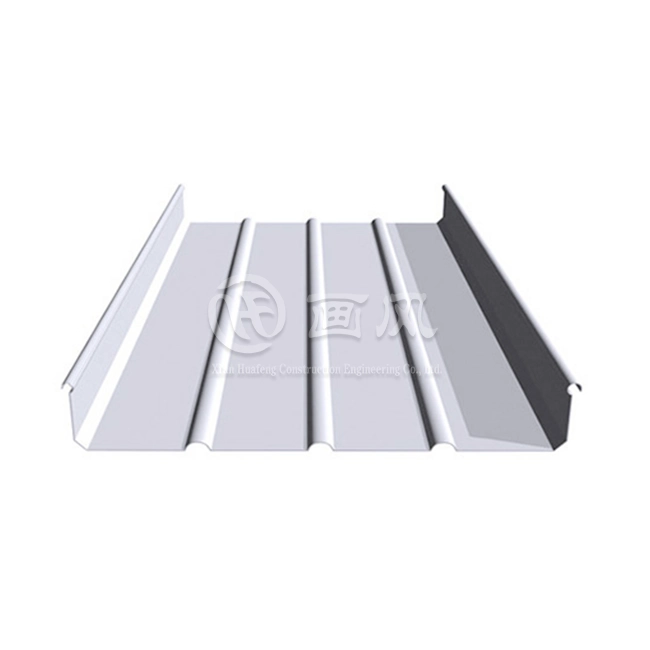
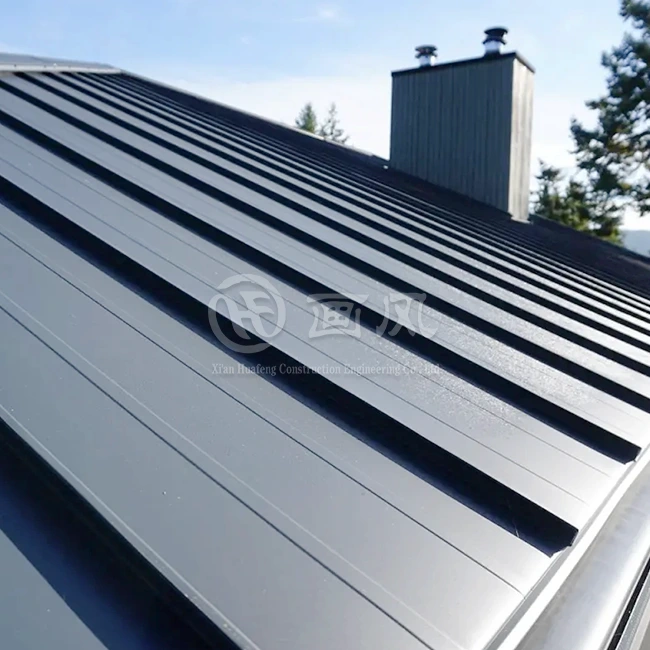
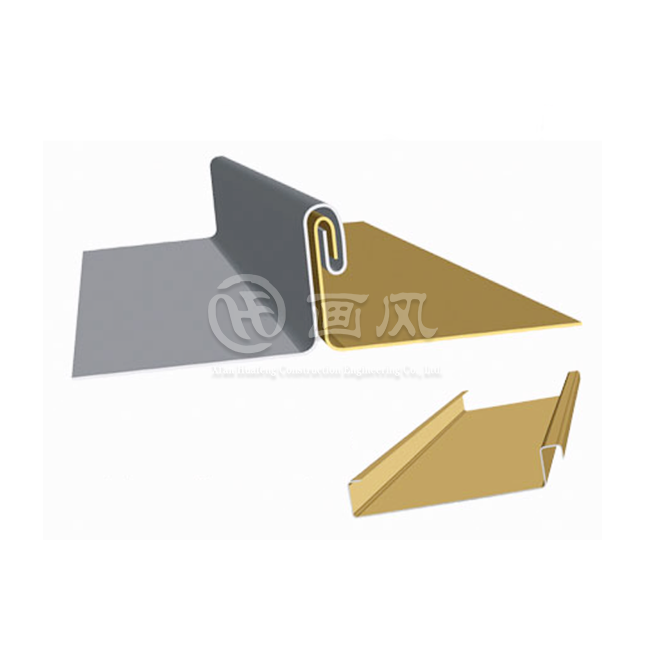
Flat Lock Panels are a special kind of building covering made up of metal tiles that fit together in a way that looks like a hem on all four sides. The tiles are usually shaped like rectangles, rhombuses, trapezoids, or hexagons. In contrast to standing seam systems, which stick out vertically from the surface, these panels lie almost flat against the base and have a profile depth of less than an inch, giving the impression of a single, uniform piece.
Core Design Principles
Flat Lock Panels use hidden fasteners, allowing panels to float independently from the substrate. This design accommodates thermal expansion in metals like zinc, copper, and aluminum, preventing stress, buckling, or deformation. The four-sided interlocking seams create strong mechanical connections, distributing loads evenly and ensuring weathertight performance without relying on exposed fasteners or sealants.
Material Selection and Specifications
Flat Lock Panels are made from materials such as titanium zinc, copper, aluminum alloys, and stainless steel, each offering unique durability and corrosion resistance. Thickness typically ranges from 0.4 mm to 0.8 mm, with wider or narrower panels affecting visual scale. Surface coatings like PVDF or PE enhance weather resistance and enable diverse color options for consistent architectural design.
Installation Process Overview
Flat Lock Panels installation begins with substrate preparation, waterproof underlayment, and a ventilated cavity system. Panels are installed sequentially, interlocking with adjacent units while concealing fasteners beneath edges. This design prevents water intrusion and allows individual panel replacement without disturbing surrounding areas, supporting long-term maintenance and performance efficiency.
Key Benefits of Flat Lock Panels for Roofing Systems
It is worth selecting this cladding technology because it improves performance in a number of areas that have a direct effect on project results and running budgets. When buying teams compare different roofing systems, these are the main benefits they look at:
Four-sided interlocking metal systems ensure superior waterproofing, durability, and over 50-year lifespan. Hidden fasteners reduce leaks, while minimal maintenance and flexible panel designs support complex architectural forms and long-term performance.
Energy Efficiency and Thermal Performance: Metals naturally radiate heat, which means they need less cooling in warm areas. The system, along with the air-filled space behind the Flat Lock Panels, makes a rainscreen arrangement that slows the passage of heat. The air gap lets convective cooling happen, which gets rid of heat before it gets to the insulating layer. PVDF coatings come in high-reflectance colors that meet cool roof standards. These coatings may help you get LEED points or lower your energy costs by 10 to 15 percent compared to darker, non-reflective roofing materials.
These performance characteristics meet the tough needs of medium- to large-sized public buildings and business centers. When technical departments, buying teams, and senior leadership all look at purchase choices together, the benefits are clear and lead to agreement on specifications that are based on value.
Comparing Flat Lock Panels to Alternative Roofing Solutions
Knowing how this cladding technology stacks up against other systems in the same field helps buying workers make smart choices that fit the needs of a particular project. Each type of roofing has its own pros and cons when it comes to how hard it is to install, how well it performs, how much it costs, and how often it needs to be maintained.
Standing Seam vs. Interlocking Tile Systems
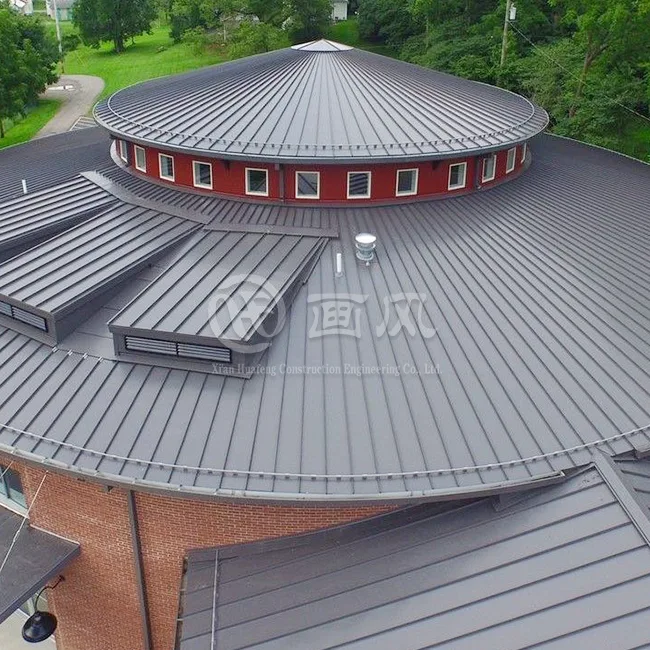
In standing seam systems, there are constant vertical ribs that make shadow lines and a very straight look. These methods work best on simple, rectangular roofs with few holes. They are cheap and easy to install on large, flat surfaces, making them great for warehouses, factories, or big-box stores where weather protection is more important than architectural detail. The connected tile method involving Flat Lock Panels has benefits when the architecture is more complicated. Individual panels that can adapt to changes in topology make it easier to work with complicated hip and valley shapes that need a lot of work to be done in the field with standing seam systems.
Corrugated Panels and Traditional Metal Roofing
Corrugated panels are the least expensive type of metal roofing. They can be used on farm buildings, light industry structures, or utility buildings where cost is more important than appearance. These systems use open fastener installation, which means that there are thousands of possible leak places that need to be fixed over the life of the roof. The industrial appearance limits application to useful structures rather than buildings where exterior design affects market positioning or community acceptance. Traditional metal roofing types, such as R-panels and PBR profiles, are in a similar position. They provide reliable weather protection at reasonable prices, but they lack the architectural refinement and long-term durability needed for commercial developments.
Asphalt Shingles and Membrane Roofing
When it comes to value, organic roofing products are very different. Asphalt shingles are cheap to buy at first, but they need to be replaced every 15 to 25 years, which means ongoing costs and a lot of trash in landfills. Damage from wind and hail often requires insurance claims and fixes right away. When it comes to business property portfolios, these lifecycle costs and operating disruptions often add up to more than the total cost of selecting metal roofing systems that last 50 years or more. Single-ply membrane systems, like TPO or PVC, work well for low-slope roofs, but they can still get punctured, fade in the sun, and have seams break.
Performance Metrics That Matter
When buying teams look at these options, they use a number of numeric factors to make decisions. Testing for wind lifting resistance shows that metal interlocking systems regularly get Class 90 ratings, which means they can withstand wind speeds of more than 110 mph without breaking. Impact strength tests show that metal panels can handle hail storms that would destroy other types of roofing materials. Class A fire resistance scores for metal systems meet strict building rules for high-rise buildings in cities and public assembly halls. When these objective performance standards are paired with lifecycle cost modeling, they help skilled buyers make decisions about what specifications to use for projects.
Selecting the Right Flat Lock Panels for Your Project Requirements
To choose the best Flat Lock Panels system for your project, you need to carefully look at the material's qualities, certifications, guarantee terms, and the supplier's abilities.
Material Grade and Certification Standards
Quality starts with material certificates that can be checked. Reliable makers give mill test results for every production batch that show the alloy makeup, coating thickness, and mechanical qualities. Getting ISO 9001 certification shows that your quality control systems are reliable. ISO 14001 certification shows that environmental management techniques are important for building in a way that is good for the earth. For foreign projects, the CE mark shows that the product meets European safety standards, and SGS testing from a third party shows that the performance claims are true.
Warranty Terms and Manufacturer Support
Warranty coverage shows that the company that made the product is confident in its performance. Full guarantees that cover flaws in the materials, wear and tear on the finish, and weathertightness for at least 30 years are a sign of real quality. Check the guarantee exclusions carefully. Some makers don't cover installation mistakes, so they put the risk on the contractors instead of taking responsibility for how well the system works. The best contracts cover both the materials and the building's ability to keep out the weather. This way, they protect building owners from both product fails and bad design.
Customization Capabilities and Bulk Procurement Advantages
Manufacturers who can change the sizes, shapes, and styles of panels to fit the needs of a large job are very helpful. Standard goods might not be able to handle specific architectural features or match the look of a current building. When a manufacturer has their own fabrication facilities, they can make unique shapes, match colors exactly, and make sure that shipping plans work with the way building is planned. Cost savings can be made when buying in bulk for schools with multiple buildings or portfolio improvements. With volume agreements, prices can be bargained, which helps projects stay within their budgets without lowering the quality of the work.
Evaluating Supplier Qualifications
When buying something, it's important to make sure that the manufacturer's qualifications meet the level of sophistication needed for both business and institutional projects. Having Grade 1 building curtain wall qualifications and Grade 3 steel structure certifications shows that you can manage complicated facade systems that go beyond just installing roofs. Having a high-tech business title means that the company spends money on research, development, and new ways of making things, which leads to new products and reliable performance. Facilities with many production lines, large stocks of equipment, and well-established transport networks can get materials to building sites on time.
Installation and Maintenance Best Practices for Optimal Performance
Realizing the full performance potential of Flat Lock Panels technology relies on how it is installed correctly and how it is maintained regularly during the building's use.
Installation Protocol for System Integrity
A thorough examination of the substrate is the first step to a successful fitting. The structural deck must not shift more than the limits set by the panel maker. If it does, seams will break and the deck will not be weathertight. The type of underlayment you choose should depend on the environment. For example, self-adhering membranes are best in cold places where ice dams can form, while lighter synthetic underlayments can be used in milder places. When using the ventilated batten system, you need to pay close attention to the hollow depth and the sizes of the air inlets and outlets. Moisture and heat get trapped when ventilation isn't good enough.
Maintenance Strategies That Extend Service Life
Even roofs that don't need much care can benefit from regular inspections. Once a year, the roof should be inspected to record its general state, make sure the drainage system works, check the integrity of the fasteners at the termination points, and find any panels that are wearing in an odd way. Keeping track of the state of the roof over time provides a baseline that can be used to predict maintenance needs and plan for future costs. Getting rid of debris protects the look and stops wear from happening faster. Leaves, twigs, and dirt buildup on metal surfaces can keep water there, which could speed up rusting on coating scratches or damaged areas.
Sustainable Practices and Lifecycle Considerations
Metal roofs fits in with companies' pledges to sustainability in a number of ways. When the materials are no longer needed, they can be recycled indefinitely. Aluminum, steel, copper, and zinc all keep their full value. This is very different from organic roofing products, which send millions of tons of trash to landfills every year. The benefits of energy saving last for as long as the building is used. Reflective materials lessen the affects of urban heat islands, which helps cities meet their environmental goals. Picking providers that use environmentally friendly ways to make things increases the benefits for the world.
Conclusion
In conclusion, for transportation infrastructure, business complexes, and institutional buildings, Flat Lock Panels meet the high standards for design complexity and engineering performance. The interlocking tile system has been proven to be resistant to weather, lasts a very long time (backed by guarantees that last for decades), and can be designed to fit a wide range of complex shapes, making it perfect for landmark projects. This tried-and-true technology has measurable benefits for procurement workers looking at roofing systems where requirements are based on lifecycle costs, aesthetic effect, and long-term dependability. Careful supplier selection based on manufacturing skills, expert support, and environmentally friendly practices guarantees project success.
FAQ
1. How do interlocking metal panels improve roofing energy efficiency?
By installing the battens higher, the method makes a space with air flow between the metal layer and the insulation layer. This air room lets convective cooling happen, which gets rid of heat from the sun before it reaches the building surface. PVDF coats in colors that reflect light better still stop heat from absorbing. When compared to direct-applied roofing systems that don't reflect light, these features can cut cooling energy use by 10 to 15 percent. The design of the floating Flat Lock Panels also stops thermal bridging through the bolts, so the insulation works well across the whole roof system.
2. What is the expected service life under harsh weather conditions?
Material choice has a direct effect on how long something lasts. Titanium zinc, copper, and stainless steel installations often last longer than 70 years, even in harsh conditions. In fact, many European installations are still working after 100 years. Most aluminum, magnesium, and manganese metals last 50 years or more. Protective PVDF finishes stay color stable and don't rust for 30 to 40 years in seaside or industrial settings. The hidden fastening system doesn't have any open holes like other systems do, so the material will stay weathertight for its entire useful life.
3. Can panel dimensions and shapes be customized for unique architectural designs?
Quality makers stand out by offering a wide range of customization options. Panel lengths can be changed from 100 mm to 400 mm or even wider for certain uses. You can add hexagons, rhombuses, or other custom geometric shapes to standard rectangular tiles to make building statements that are uniquely yours. RAL color matching makes sure that new paint colors will match perfectly with current building parts or company naming guidelines. Length customization lets you fit specific building measurements, which cuts down on the work needed for cutting and installing in the field. Reliable sources help engineers figure out how much thermal movement is needed and act as design partners.
Partner with HF for Premium Flat Lock Panel Solutions
Xi'an Huafeng Construction Engineering Co., Ltd. can help you with your next big infrastructure job because they have the right skills. Our manufacturing skills are backed by a high-tech company name and ISO 9001/ISO 14001 quality management systems, as well as Grade 1 building curtain wall and Grade 3 steel structure certifications. Our production facilities cover 200,000 square meters and have seven color coating lines and more than 40 precision fabrication equipment units. This makes sure that the quality is always the same and that we can meet tight building plans. Our Flat Lock Panels are made of titanium zinc, copper, an aluminum-magnesium-manganese alloy, and stainless steel. They come in a range of shapes and sizes, with widths from 0.4 mm to 0.8 mm and full 30-year warranties. As an established manufacturer exporting to over 100 countries, we provide free trials and shipping times of 15 to 20 days.Email our technical team at huafeng@hfmetalroof.com to talk about your project needs.
References
1. Smith, J.R., & Thompson, M.L. (2021). Metal Roofing Systems: Design, Engineering, and Performance Standards for Commercial Construction. Building Science Press.
2. National Roofing Contractors Association. (2022). The NRCA Roofing Manual: Metal Panel and SPF Roof Systems—2022. NRCA Publications.
3. Anderson, K.P., Davis, R.T., & Williams, H.C. (2020). "Lifecycle Cost Analysis of Commercial Roofing Systems: A 50-Year Comparative Study." Journal of Building Economics and Facility Management, 45(3), 287-312.
4. International Code Council. (2021). International Building Code 2021: Chapter 15—Roof Assemblies and Rooftop Structures. ICC Publications.
5. Chen, W.F., & Liu, Y. (2019). "Thermal Performance Evaluation of Ventilated Metal Roofing Assemblies in Multiple Climate Zones." Energy and Buildings Research Quarterly, 38(2), 156-173.
6. Copper Development Association. (2020). Architectural Metal Cladding: Material Selection, Installation Standards, and Maintenance Protocols for Institutional Buildings. CDA Technical Publications.





YOU MAY LIKE
_1783936484206.webp "Inside locking metal aluminum cladding panel")
(1)_1763110678300.webp "standing seam metal roof panels")