What Is Standing Seam Metal Roofing? A Guide On Panel Systems And Stiffening Ribs
2026-06-23 18:41:39
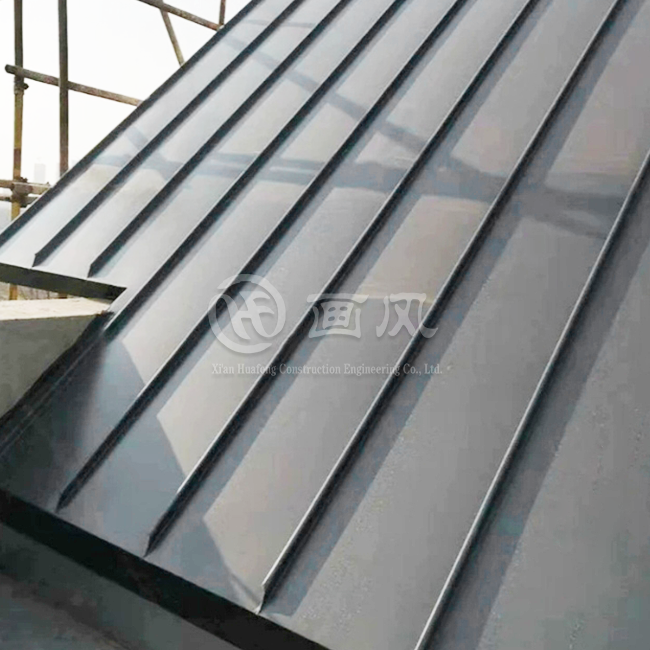
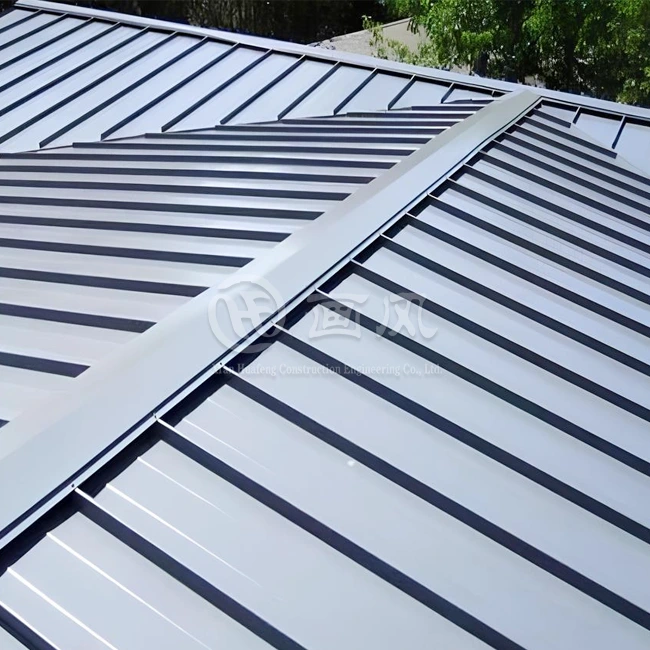
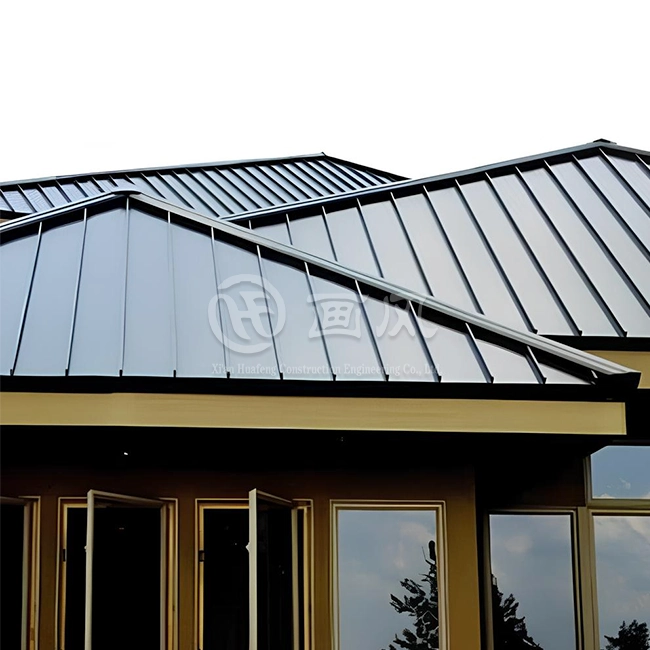
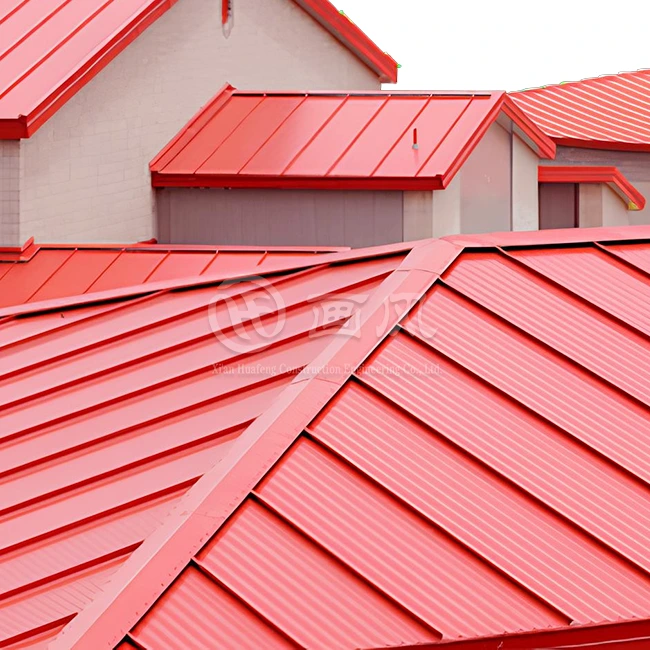
Standing seam metal roofing is a clever design solution with hidden fasteners and unique vertical legs that connect panels that are next to each other. With raised seams usually ranging from 25mm in height, Metal standing seam roofing panels make a continuous weather-tight barrier. The beauty of the system lies in its engineering. Panels are attached to the roof deck with secret clips that let the panels expand and contract with the temperature while keeping the structure strong. This design gets rid of fasteners that are out in the weather and could break, so it's the best choice for business buildings, industrial facilities, and modern homes all over North America.

Understanding Standing Seam Metal Roofing: Key Concepts and Components
The Anatomy of Panel Systems
Panel systems are made up of three main parts that all work together. The covering width of the flat pan area is usually between 300 and 500 mm (12 and 20 inches). The male and female legs on either side of the panel fit together to make the standing seam. The seam can be sewn manually or snap-locked, based on the needs of the application. The structure below has floating clips that connect to the roof deck without going through the panel itself. This is an important feature that lets the panels expand and contract with changes in temperature without bowing or oil canning.
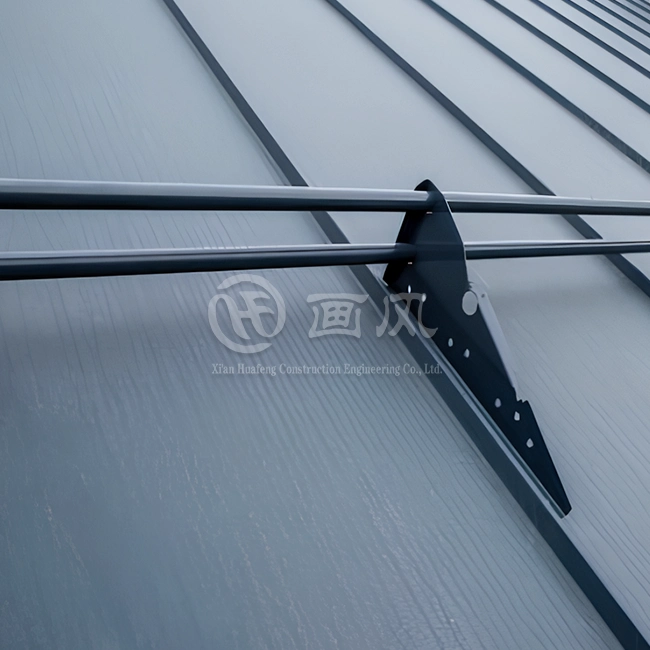
HF's standing-seam systems are made with panels that come in lengths from 1 to 13 meters. This means that many business roofs don't have horizontal seams, which means there are fewer places where water could leak in. Our panels have a 25mm seam height, which lets more water drain away and allows for non-penetrating mounts for solar panels, HVAC equipment, and snow retention systems.
Material Selection: Performance Characteristics That Matter
Materials affect a roof's lifespan and maintenance. Steel panels are inexpensive and sturdy for their weight. Galvalume, an aluminum-zinc alloy, protects steel throughout much of Europe. Steel panels range from 0.5 mm to 1.2 mm thick. Industrial usage often employs 22-gauge (0.8mm) panels.
In coastal places where salt spray would harm steel, aluminium alloy panels, such as the AA3004 we employ, provide the highest corrosion protection. The aluminium, magnesium, and manganese blend has a yield strength of ≥190 MPa and a tensile strength of 240-285 MPa, allowing for form retention without additional weight. This is crucial for renovating older, lighter structures.
Speciality materials expand design choices. The most durable material for chemical-exposed structures is stainless steel. Copper may last for years and has a distinctive colour. Titanium zinc, which heals and looks well, is utilised to create iconic structures. To satisfy a variety of tasks, we may keep creating all five materials.
The Role of Stiffening Ribs in Panel Performance
One of the most underrated technical traits in modern roofs is the stiffening rib. These small depressions in the flat pan area of Metal standing seam roofing panels make the panel much stiffer without making it heavier or thicker. The ribs work by adding geometric stiffness, like the corrugations in cardboard, that stops the structure from bending when wind pressure and snow load it.
Ribs help with more than just structure; they also fix a look problem called "oil canning." The natural waviness of flat metal surfaces gets stronger as the panel width gets bigger. By strategically placing ribs, the visible plane is broken up, and small bumps can't be seen from the ground up. We offer adjustable rib patterns that match structural performance with desired sight lines for projects where looks are important.
Benefits and Performance of Standing Seam Metal Roofs
Durability That Defines Lifecycle Value
Compare the total cost of ownership to see the extended life advantage. Asphalt shingles need to be changed every 15–20 years, so you have to keep spending money and worrying about disposal. If properly maintained, our standing-seam panels may endure 50 years or more, notwithstanding our 30-year warranty. The basic metal substrate, conversion coating for bonding, primer layer, and topcoat finish preserve the product, extending its lifespan.
Our Polyvinylidene Fluoride (PVDF) layer satisfies AAMA 2605 and resists fading and chalking. PVDF retains its colour after 20 years of exposure to the same light in accelerated weathering experiments with Delta E values below 5. Curb attractiveness impacts tenant retention and property value in commercial buildings. Polyester (PE) coatings are cheaper for applications that prioritise cost above colour.
Weather protection goes beyond UV stability. These roofs have Class A fire resistance, Class 4 hail resistance (UL 2218), and wind lifting above UL 580 Class 90. We've installed systems in Gulf Coast industrial buildings that have survived many hurricanes without losing panels or leaking water.
Energy Efficiency and Environmental Advantages
When compared to dark asphalt surfaces, metal roofs scatter solar energy instead of absorbing it. This means that they need 10–25% less cooling. Light-colored panels with high solar reflection index (SRI) numbers can help you get tax breaks for a cool roof and earn LEED points. When you use the right insulation techniques along with the raised openings, the extra air room they create makes it easier for the building to breathe.
Environmental concerns are becoming more and more important in buying choices. Metal roofs can have anywhere from 25 to 95 percent recycled material, and it can still be returned in its entirety when it's no longer needed. Because they can be recycled in a closed loop, they don't end up in landfills and use less energy to make than goods made from oil. Our factories in Anhui, Hangzhou, and Xi'an are all certified with ISO 14001 environmental management, which makes sure that responsible production methods are used all along the supply chain.
Maintenance Considerations and Long-Term Costs
The biggest upkeep problem with exposed-fastener systems is that the gaskets wear out and the fasteners back out. The hidden-fastener design of Metal standing seam roofing panels gets rid of both of these problems. Since there are no holes in the panels themselves, the only upkeep that is usually needed is cleaning the gutters and checking them every so often after bad weather. The stiffening rib integration keeps the screen flat over decades, stopping the gradual distortion that leads to water buildup and coating failure before its time.
For budgeting purposes, over a 30-year time, upkeep costs are usually 40–60% less than for similar asphalt or single-ply membrane systems. When multiple sites are involved in portfolio-scale projects, this difference gets pretty big. The expected performance curve makes lifetime cost modeling more accurate, which makes long-term capital planning less risky.
Comparing Standing Seam Metal Roofing Systems: Making Informed Choices
Standing Seam Versus Snap-Lock and Mechanical Lock Panels
You can pick the correct connection method by understanding the differences. Snap-lock panels contain a clip that lets the male leg snap onto the female leg. This creates a tool-free mechanical connection. This style streamlines installation for steep-slope housing projects (3:12 pitch or above), when labour expenses factor heavily into project cost.
Mechanical-lock methods progressively pinch the seam closed in a single-fold (90 degrees) or double-fold (180 degrees) manner, requiring powerful seaming equipment. Its greater water resistance makes it appropriate for industrial purposes with 0.25:12 pitch slopes. High-wind seashore regions and tall structures with strong winds need double-lock designs to prevent wind from lifting anything.
Our HF screens may be put either way, depending on the project. The 25 mm seam height provides ample material for mechanical seaming while maintaining builders' clean lines. We choose mechanical-lock systems for large purchases since they last longer and have greater warranties.
Material Comparison: Aluminum Versus Steel
When deciding between aluminum and steel, three things come into play: the atmosphere, the structure, and the budget. Steel is stronger than other materials, so smaller gauge materials can do the same job. Depending on the project, this means that the materials will cost 15 to 30 percent less. The Galvalume coating protects against rust well in both northern continental temperatures and urban settings.
If you live within 10 miles of a saltwater shoreline, aluminum is the obvious pick. Even high-quality steel coatings break down quickly in the marine environment because of crevice rust at seams and fastener sites. The inactive oxide layer on aluminum can fix small scratches on its own, keeping the safety intact for as long as the product is used. Aluminum panels are lighter than steel panels of the same size, so they can be used for remodeling jobs on buildings that can't hold as much weight.
Coating Systems and Color Durability
Choosing colors isn't just about how they look. Dark colors soak up heat, which speeds up the breakdown of coatings and makes thermal expansion stress on fastening systems worse. Light colors radiate heat, which makes coatings last longer and uses less energy. We offer a wide range of RAL colors, and we can also match colors exactly for projects that need to stay consistent with a brand or with the architecture.
The normal PVDF coating method we use is made up of 70% Kynar 500 or Hylar 5000 resin, which gives a dry film thickness of 25 microns or more. This mixture works better than regular polyester coatings because it keeps its gloss above 50% after 20 years of contact. Our PE coating at 18+ microns gives solid protection at a lower cost for projects that don't mind some color fade.
The Standing Seam Roofing Installation Process Explained
Site Preparation and Panel Layout
A professional installation starts with a careful inspection and cleaning of the roof deck. The base needs to be physically sound, sloped correctly, and free of any flaws that could be picked up by final panels. We suggest synthetic flooring over traditional felt because it protects better against water during placement and for the whole life of the roof.
Panel layout needs to be carefully thought out so that waste is kept to a minimum and heat movement is allowed. Panels can expand or contract up to 1/4 inch for every 100 feet of length. Installers with a lot of experience take this into account. The moving clip system we recommend lets this happen without putting any stress on it, which stops systems from buckling and waving when they aren't built properly.
Fastening Methods and Seam Locking Techniques
At 12-inch intervals along the length of the panel, hidden clips connect to the roof deck. The male leg of the panel slides into the clip channel. This connection point lets the length of the structure grow while protecting the side against wind lifting. The clips you choose must perfectly match the profile of the panel. Using the wrong clips is the most common fitting mistake that voids maker warranties.
To do mechanical seaming, you need trained people to use properly adjusted tools. As the seaming tool moves along the length of the panel, it gradually folds the male leg over the female leg to make the weather cover. When you seam something correctly, you apply even pressure without over-crimping, which can warp the seam and make it look bad. Our expert team trains contractors on-site who are new to our panel profiles. This makes sure that the installation is done well and saves your investment.
Lead Times and Procurement Planning
Standard panel setups from all three of our sites ship between 15 and 20 days after an order is confirmed. This quick turnaround helps just-in-time transport tactics that reduce the need for on-site storage and the risk of being exposed to the weather. Lead times can go up to 25 to 30 days for custom colors and specialty materials, so project schedulers need to plan ahead.
Our seven production lines can make more than 10,000 tons of goods every month, which gives big builders the flexibility they need for jobs that take place on more than one site. The 500㎡ minimum order number, which is about 3 tons based on the gauge, is enough for medium-sized business projects and can still be used for unique purposes. Orders over 50 tons qualify for volume discounts, and national companies are given specialized account management to keep their buying relationships going.
Procurement Guide: How to Choose and Buy Standing Seam Metal Roofing Panels
Quality Benchmarks and Supplier Evaluation
Thoroughly checking out suppliers protects project schedules and performance goals. Check the manufacturing certifications, such as ISO 9001 for quality control and to make sure they meet foreign standards like ASTM, DIN, JIS, BS, and GB/T. Our sites keep all the necessary certifications, and third-party checks show that they follow the quality standards that were set for Metal standing seam roofing panels.
Certifications for materials are just as important. Ask the mill for test results that list the substrate's composition, its mechanical qualities, and measurements of the coating's thickness. Our AA3004 aluminum alloy has a range of manganese levels (1.0–1.5%) and magnesium levels (0.8–1.3%). It also has limits on silicon, iron, copper, and zinc impurities that make sure it forms consistently and doesn't rust. For steel surfaces, you should list the coating weight (AZ50 or AZ55 Galvalume) and the yield strength of the parent metal.
Understanding Pricing Structures and Cost Drivers
There are different levels of prices for panels based on the type of material, width, finish, and color chosen. The least expensive choice is steel plates with a standard gauge (0.6 to 0.8 mm) and a PE coating. Upgrading to a PVDF finish raises the cost of the materials by 15–20% but greatly increases the color retention and length of time between upkeep. The higher price of aluminum panels (30–40%) over steel panels is due to their better resistance to rust and lower structural loads.
Custom colors that aren't available from RAL require larger order amounts and longer wait times. For jobs that need to match colors exactly, we offer drawdown examples that show how the coating will actually look on a certain material. At 20 tons, 50 tons, and 100 tons, volume pricing is possible, and discounts go up in line with the amounts.
Logistics and After-Sales Support
Optimizing container shipping cuts down on freight costs for big orders. Our export team plans packing that makes the best use of shipping space and keeps panels safe while they're in transit. Standard 20-foot and 40-foot container layouts can fit panels up to 12 meters long as long as they are properly blocked and braced.
After-sales support includes expert help during installation, handling guarantee claims, and sending out new panels for materials that are damaged. Our guarantee covers flaws in the way the product was made, failure of the coating to stick, and early rust as stated in the terms. We keep strategic material stocks for guarantee fulfillment, so we can quickly replace panels that need to be replaced years after they were installed.
Conclusion
When durability, weather protection, and lifecycle value are important factors in business and industrial settings, metal Standing seam roofing panels and standing-seam metal roofing are the best choices. Integrating strengthening ribs improves structural strength while reducing flaws in appearance, making roof systems that work reliably in a range of climates. You can choose from materials like steel, aluminum, stainless steel, copper, titanium zinc, and more. This gives you the freedom to make specifications that fit your budget and the environment. When looking at suppliers, give more weight to companies that have a lot of certifications, can make things quickly, and offer professional help throughout the whole job. For decades of trouble-free service with little upkeep, the original investment in high-quality materials and professional installation makes metal roofing the smart choice for forward-thinking construction pros.
FAQ
1. What is the typical lifespan of standing seam metal roofing panels?
When installed correctly and with little upkeep, standing-seam systems can last for 50 years or more. Many installations from the 1970s are still fully working today, so the 30-year guarantee we offer is a reasonable estimate of how long the product will last. The coating quality (PVDF lasts longer than PE), the surroundings (coastal air speeds up degradation), and the regularity of upkeep (keeping garbage out of valleys and gutters) all affect how long Metal standing seam roofing panels last.
2. How do stiffening ribs improve panel performance?
Stiffening ribs raise the moment of inertia, which is the geometric feature that keeps things from breaking when they are loaded. This means that smaller gauge material can have the same structural strength as flat panels that are thicker. The ribs also change the plane of vision, hiding small bumps that happen during production and installation that would look like oil filling otherwise. In terms of structure, ribs keep the structure from deflecting when wind and snow load it, which stops the increasing distortion that leads to standing water and speeds up coating breakdown.
3. Can standing seam roofing be installed over existing roofs?
Installing retrofits on top of existing roofs is common and saves money because the old roof doesn't have to be torn off and thrown away. It's important that the current roof provides a stable base with no major fissures. We put a slip sheet over the old roof and then connect purlins or battens to make a base for the clips. This method adds only a small amount of weight (usually 0.5 to 0.8 pounds per square foot), but the extra air space between the roof layers makes it better at keeping heat in.
Partner With HF for Your Next Standing Seam Metal Roofing Project
HF is a reliable source for Metal standing seam roofing panels. They have three carefully placed plants and seven high-tech production lines that can produce 10,000 tons of panels every month. We use materials like aluminum alloy, steel, stainless steel, copper, titanium zinc, and more, and the widths range from 0.5 mm to 1.2 mm. Our standing-seam sheet metal roofing is made to meet foreign standards like ASTM, DIN, JIS, BS, and GB/T. Each panel has a high-quality PVDF or PE finish in RAL colors or custom specs. It is also covered by a full 30-year guarantee that shows we trust the product will last. With delivery times of 15 to 20 days and an adjustable MOQ starting at 500㎡, we can help with projects of all sizes with the dependability that procurement professionals need. Get in touch with our expert team at huafeng@hfmetalroof.com to talk about your needs and get accurate quotes on Metal standing seam roofing panels that offer great value over time.
References
1. Smith, J. & Anderson, R. (2021). Metal Roofing Systems: Engineering and Performance. Construction Publishers International.
2. National Roofing Contractors Association. (2022). The NRCA Roofing Manual: Metal Panel and SPF Assemblies. NRCA Publications.
3. Thompson, M. (2020). "Thermal Performance of Standing Seam Metal Roofing in Commercial Applications." Journal of Building Engineering, 45(3), 287-301.
4. American Architectural Manufacturers Association. (2023). AAMA 2605: Voluntary Specification, Performance Requirements and Test Procedures for Superior Performing Organic Coatings.
5. Davies, P. & Martinez, L. (2019). Sustainable Metal Architecture: Design and Material Selection. Architectural Press.
6. Metal Construction Association. (2022). Technical Bulletin: Standing Seam Roof Systems - Design, Installation, and Performance Considerations. MCA Technical Documents Series.





YOU MAY LIKE
_1768552571575.jpg "Aluminium Fascias")
_1757558889992.webp "Metal Roofing Snowguards")