Is Seam Metal Roof the Best System for Your Building?
2026-06-24 18:20:12
When looking at roofing options for business or factory projects, it's not enough just to cover a building; you need to think about how well it will work in the long run and how well it will hold up. Seam metal roof systems do all of these things: they don't have any visible fixings, they can adapt to changes in temperature, and they keep out water for decades. The hidden clip design stops the usual problem of fastener wear that happens with screw-down systems, and the raised interlocking seams stop water from getting in. For procurement managers in charge of big building projects or repairs, these roofs have a good mix of durability, energy efficiency, and low lifetime costs. This makes them a smart choice for places that need weatherproof, reliable enclosures.

Understanding Seam Metal Roof Systems
What Defines a Seam Metal Roof System?
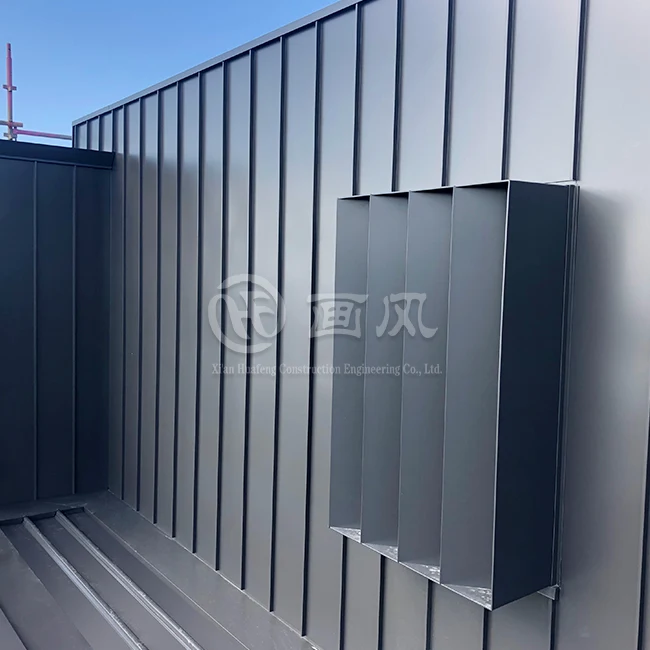
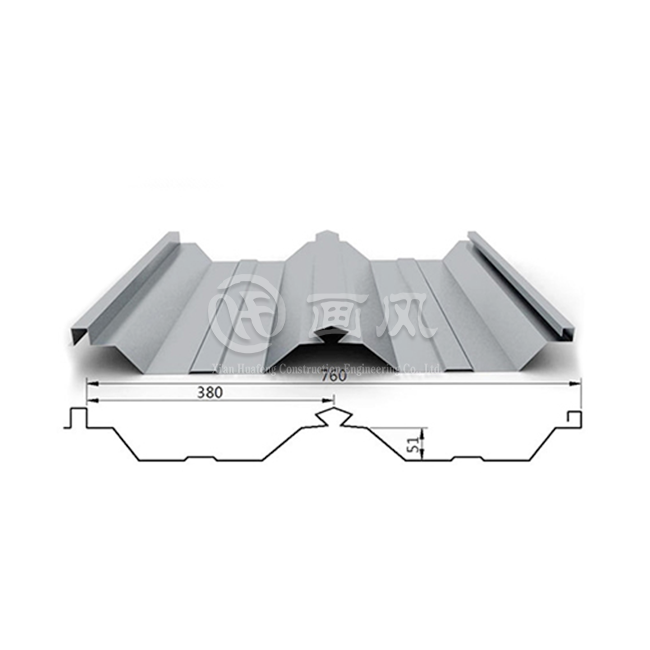
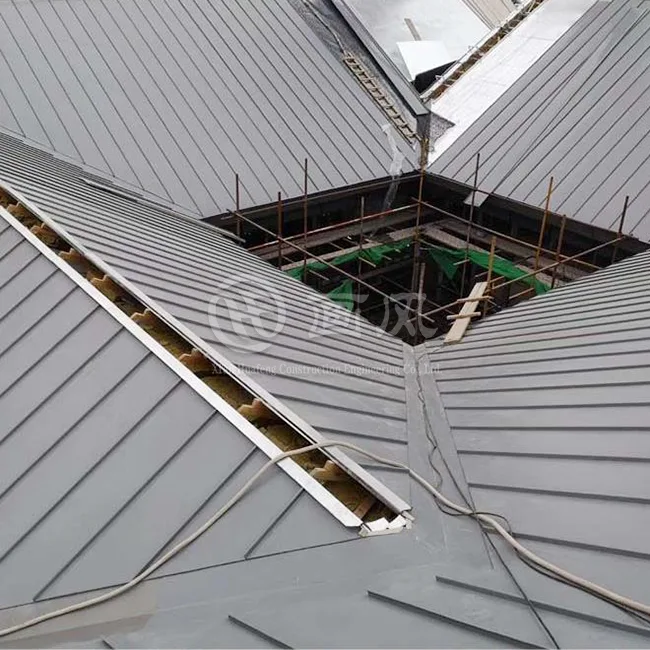
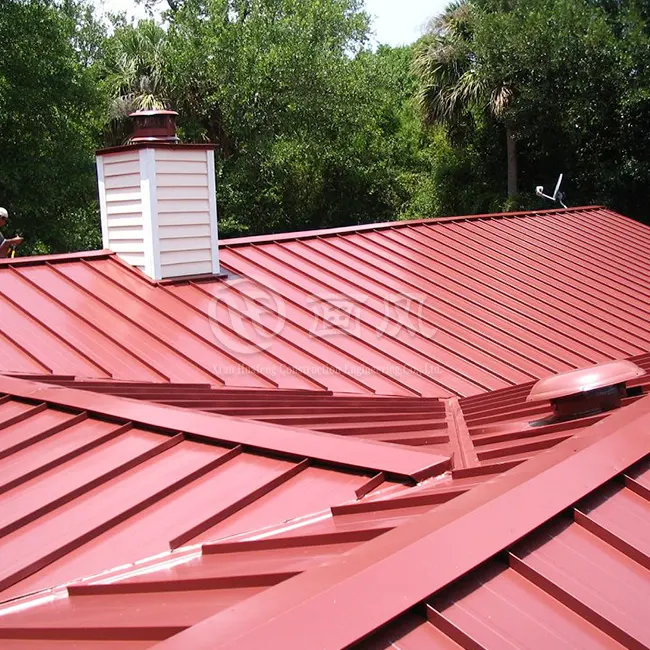
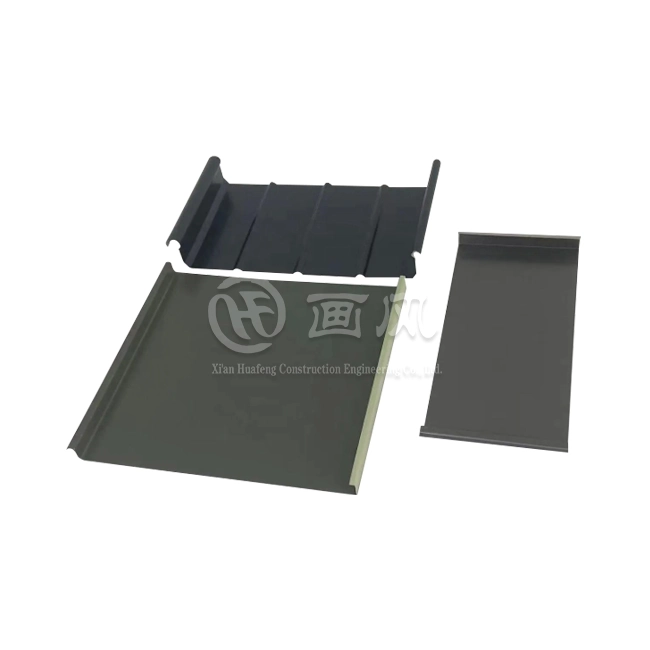
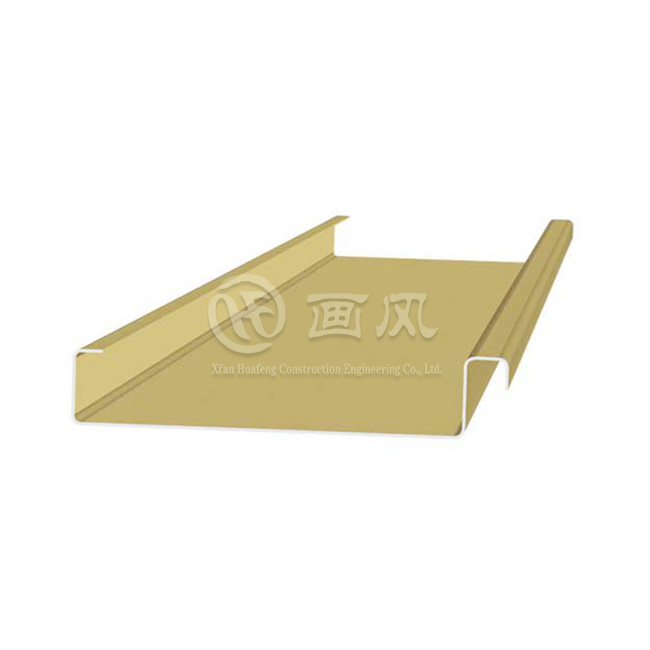
Seam metal roof systems, often known as "standing seam roofs," are artistic roofing solutions with metal panels running vertically from top to eave with elevated seams that disguise fasteners. In exposed-fastener roofs, screws penetrate panels. However, this design employs structural deck-connected concealed clips. The clips keep the panels together, creating a moving mechanism that enables them to expand with temperature without stressing the connecting points. This architecture overcomes a major issue: when temperatures vary, fastener holes in ordinary metal roofs lengthen, causing leaks and costly repairs.
This approach uses 12–24-inch panel widths and 1–3-inch seam heights, depending on form. Copper, Galvalume-coated steel, or aluminium alloys like AA3003 or AA3004 aluminium-magnesium-manganese may be used for high-end applications. Each substance has advantages. Steel is sturdy and inexpensive, aluminium resists coastal rust better, while copper lasts forever and changes colour.
Core Components and Installation Methods
A decent seam metal roof has more than visible panels. Under the surface, a waterproof and flexible fabric blocks wind-driven rain and lets moisture escape, preventing mould and condensation. Insulation layers, mainly rock wool or glass fibre, block heat and rain noise. Air barriers prevent moisture from leaving the structure. Pierced galvanised steel foundation plates keep everything together and link to roof purlins to disperse the load.
Snap-lock and manually seamed systems install differently. Manufacturer-sealed snap-lock panels are straightforward to install on moderately inclined roofs since they click together over clips. Special instruments crimp mechanically seamed seams with a 90- or 180-degree twist on-site. This double-locked connection can handle strong water pressure in low-slope circumstances. Both technologies eliminate through-fasteners, but mechanical seaming is superior at keeping water out in warehouses, factories, and distribution centres where a roof collapse ends operations.
Key Benefits for Commercial and Industrial Properties
Operational improvements follow performance gains. These roofs survive 40–50 years with minimum maintenance, unlike built-up or single-ply membranes that require constant inspection and repair. PVDF coatings reflect light and heat, reducing cooling expenses by 20–30% in warmer climates. Hidden fasteners prevent corrosion, loosening, and leaks. Thus, callbacks and guarantee claims are rare.
Repair tasks need weight consideration. Seam metal roof systems weigh 1–3 pounds per square foot, compared to 7–12 pounds for clay tiles or concrete. They can easily be put over existing structures without additional support. LEED-seeking projects enjoy the panels' 25–95% recycled components and ability to be reused. HF's standing seam metal roof items, which have PE, HDP, or PVDF coatings in sizes 65 to 300/400/430/500, exhibit these features. They're also 30-year protected. We can create 1,000 tonnes of items per month in 15–20 days, meeting project deadlines without sacrificing quality. All our goods are ISO9001, ISO14000:14001, and SGS-compliant.
Comparative Analysis: Seam Metal Roof Systems vs Alternatives
Design and Installation Intricacies
Comparing how hard an update is shows important cost and time effects. Traditional asphalt shingles are easy to put on, but they need to be completely torn off and thrown away every 15 to 20 years, which creates a lot of trash for landfills. It's faster to put single-ply membranes like TPO and EPDM than metal, but the seams need to be strong, which gets weaker over time when exposed to UV light and changes in temperature. Seam metal roof systems take longer to install than screw-down metal systems because they need skilled workers and exact clip placement. However, the investment pays off because the roof won't need to be fixed or replaced early because of leaks.
Installation requires precision engineering that cannot be overstated. Structure and wind-lifting zones determine clip distance. In fields, clips are spaced 18–24 inches apart and 12 inches along borders and corners. Panel alignment impacts appearance and functionality. Even minor misalignments may cause oil canning (visible waves) or seam stress peaks. To ensure our panels perform properly, HF prioritises competent contractors and provides professional assistance throughout the installation process.
Performance Metrics and Cost-Effectiveness
Lifecycle cost analysis clearly favours seam metal roof systems. The initial expenses are 30–50% more than asphalt shingles or built-up roofing, but the roof lasts longer and requires less maintenance, lowering the total cost of ownership. Seam metal roofs need just gutter cleaning and frequent inspections if installed properly. Single-ply membranes require seam repairs every 5–7 years, while built-up roofs need re-coating every 10 years.
Wind rise ratings indicate superior structural performance. If properly installed, UL 580 Class 90 seam metal systems can withstand 110 mph winds. ASTM E1646 water penetration testing reveals 6.24 psf hydrostatic pressure resistance. Business roofs with low slopes that gather water after heavy rain need this. Performance in a lab under controlled settings informs these evaluations. This provides procurement teams with risk data.
Material Selection and Protective Coatings
Initial cost and stability depend on material choice. Galvalume-coated steel, an aluminium-zinc alloy, is corrosion-resistant and affordable. It works for most freshwater purposes. Aluminium alloy panels are 40 to 60% more expensive but perform well near the seaside, where salt spray promotes steel corrosion. Our robust and flexible AA3004 aluminium-magnesium-manganese metal is ideal for roofs with bending and fan-shaped panels.
Choice of coating impacts colour longevity and chalking resistance over many years. Polyester (PE) coverings provide minimal security for industrial or agricultural structures with low aesthetics. HDP reduces moderate-exposure fading. PVDF coatings with 70% Kynar resin are excellent. Most are guaranteed against colour alteration and chalking for 30–40 years. All three materials are available in customisable colours, patterns, and designs from HF. This allows builders to pick performance levels that match project and budget demands without compromising quality.
Installation and Lifespan Considerations for Seam Metal Roofs
Step-by-Step Installation Process
Proper fitting begins with foundation preparation. Clean, dry, and safe roof decks are essential. The proper slope for water drainage is at least 1:12 for snap-lock systems and lower for manually seamed profiles. Place the underlayment next. This may be composed of synthetic or self-adhering membranes to protect the roof from weather during construction and life. This layer is crucial in cold climates where ice dams may drive water beneath panels.
When to trim is crucial. Installers must utilise set clips at panel start points as a reference and space sliding clips according to engineering designs. These clips can withstand thermal expansion—a 100-foot panel may change size by roughly 1 inch per season. Not allowing this movement causes buckling, seam breaking, and clip failure. Before snapping or manually sealing seams, panels are put over clips. Seams must be engaged, the finish or base must not be damaged, and fasteners must be tightened for quality control.
Factors Influencing Longevity
Climate greatly impacts service life. Seam metal roof systems may survive over 50 years without harm in warm, temperate climates with little pollution. Coastal locations require metal alloys or superior coatings since salt spray accelerates corrosion. Industries with chemical air require PVDF coatings that withstand pollution. Snowy locations require stronger gauge steel panels and tighter clamps to avoid deflection.
Commodity roofs differ from specialised systems in material quality. Durability depends on substrate width (gauge), layer weight, and alloy composition. HF's standing seam items use 0.9–1.2 mm panels for structural strength without weight. Our PVDF coatings, with actual 70% fluororesin, are applied at 25- 30 μm thickness and exceed industry requirements. Our 30-year warranty, supported by ISO9001 quality management and ISO14000:14001 environmental systems accreditation, is achievable because we focus on material science.
Cost Overview and Return on Investment
Installation costs for seam metal roof systems range from $7 to $14 per square foot, depending on panel design, material, and complexity. Architectural shingles cost $4–7 and single-ply membranes $5–9. Replacement rounds modify the pricing situation significantly. Asphalt shingles must be changed three or four times over a building's 50-year lifespan, plus removal costs. Metal roofs are installed once and need little upkeep.
Energy savings have ROI. Reflective metal roofs reduce cooling loads by 10–25%, depending on temperature zone and insulation. This implies that a 50,000-square-foot warehouse in a warm climate will save $3,000 to $8,000 a year, which will cover the metal roof's cost within 10 to 15 years while making the facility more pleasant and increasing the HVAC system's life. The 500-square-meter HF minimum order works for medium-sized commercial projects, so these advantages may be obtained without buying large volumes. Our 15–20-day delivery window fits tight development schedules and prevents costly weather delays and finance charges.
Procurement Guide: How to Source Seam Metal Roof Systems Effectively
Identifying Reputable Manufacturers and Distributors
Assessing sellers is the first step. Certificates, test results, and project portfolios demonstrate quality from reputable manufacturers. ISO9001 quality management certification shows organised process controls, while ISO14000 environmental certification shows the company's commitment to environmentally friendly goods. Third-party ASTM testing (E1592 for structural performance, E1680 for air leaks, and E1646 for water ingress) may verify performance beyond the manufacturer's claims.
Manufacturing capacity determines project deadlines. Suppliers that can't manufacture a lot at once may delay projects or prioritise larger clients, leaving your work short on supplies during critical installation periods. HF's 200,000-square-meter Anhui raw material factory and Hangzhou and Xi'an processing plants have a 1,000-ton monthly supply capability. Ten horizontal cutting lines, seven colour coating lines and one laminating line ensure this infrastructure is always accessible, even during hectic construction.
Customisation Options and Modern Procurement Channels
Panel customisation matches each project. Most use 300–600 mm panel widths, although uncommon lengths of up to 13 metres minimise horizontal lines on long roof planes, decreasing leaks and enhancing the building's look. HF's on-site profiling system adapts manufacturing parameters to project site conditions, enabling radius, fan, and curved panel designs. Customising colours beyond basic charts may promote your brand or comply with historic district limitations. PE, HDP, and PVDF coatings work best and are the cheapest.
Open, efficient digital platforms are widely used for modern purchases. Online tools deliver specifications, data sheets, and project calculators promptly. Direct manufacturer connections avoid distributor markups and give product-savvy engineering help. HF's direct B2B concept connects buying teams to plant resources. This streamlines communication and lowers coordination challenges that cause big project delays. Contact huafeng@hfmetalroof.com for 24-hour technical support from application engineers. These engineers know product capabilities and field installation.
Contractor Selection and Quality Assurance
Even the best things fail if incorrectly installed. Make sure your contractor has seam metal roof experience—shingle and membrane abilities don't transfer. Request similar-sized project samples and evaluate completion records for leak callbacks or warranties. Workers' compensation and general liability insurance safeguard your project against accidents and unreliable contractors.
Protective contracts have clear duties and strict standards. Specifications should contain manufacturer fitting instructions and industry standards like SMACNA's architectural sheet metal handbook. Substrate approval, clip installation proof, and panel completion payments encourage good work and enable workers to fix faults before they spread. Material guarantees for coatings generally 30–40 years, whereas installation warranties last 10–20. Customers should question manufacturers and workers about their jobs.
Making the Right Decision: Is a Seam Metal Roof System Ideal for Your Building?
Decision Criteria for Building Types and Environmental Conditions
Some building shapes easily fit with the strengths of seam metal roof systems. Metal can span long lengths between supports, which lowers the cost of building large business structures like warehouses, factories, and shopping malls. The hidden fastener design works best on low-slope roofs (1:12 to 3:12 pitch), where water drains slowly, and fastener entry is more likely to happen. Buildings in places with bad weather, like hurricane-prone beaches, heavy snow areas, and high deserts with big temperature changes, use metal because it doesn't lift in the wind and doesn't hold snow.
Consider the environment before selecting metal roofing. To prevent corrosion, coastal projects less than three miles from seawater must employ aluminium alloys or upgraded Galvalume with PVDF finishes. Chemical-using industries require pollution-resistant coatings. Light, glossy finishes save energy and money in warmer areas, whereas darker colours passively melt snow in cold temperatures. By customising panel specifications, coatings, and colours to your requirements, HF takes these considerations into account.
Advantages and Transparent Limitations
Low-maintenance 50-year service lifetimes save lifetime expenditures and business disruptions from roof repairs. Energy efficiency reduces utility costs and improves comfort. Sustainability requirements like high recycled content and 100% recyclability help firms accomplish environmental objectives and gain green construction clearance. Whether for industrial application or roof style, the range of appearances may fit any architectural idea. HF's seam metal roof systems satisfy ISO requirements and offer expert assistance to ensure project success.
Being truthful means admitting your boundaries. Initial costs are more than alternative systems, which might strain project funding despite its longer-term worth. Contractors may have fewer options since installation requires experienced individuals who aren't constantly available. Even with a good foundation and insulation, rain is noisier than built-up systems. Thin-gauge metal has oil canning, which looks nice on flat panels. It doesn't alter the metal's durability or water resistance. Knowing these truths enables you to choose wisely instead of getting disappointed by hopes.
Scenarios Where Seam Metal Roofs Excel
In some instances, these strategies excel. Sites with many buildings might benefit from standardising seam metal roof systems, maintenance training, and parts inventory. Metal may be retrofitted over existing roofs without additional support due to its low weight. LEED and comparable rating structures benefit from metal's recyclable material, reflectivity, and durability. Low-cost buildings prefer the set-it-and-forget-it performance that eliminates annual roof maintenance.
Occasionally, additional choices should be examined. Architectural shingles, which are cheaper and more traditional, may suit steep-pitch residential roofs exceeding 6:12. Limited budget and short control tenure (10 years or fewer) may prevent projects from collecting the metal premium before selling. Metal may not be needed for mild-weather buildings; therefore, cheaper options may be sufficient. Whether you're honest about your project's characteristics, such as the kind of structure, how weather will affect it, your budget, how long you want to own the roof, and your aesthetic objectives, you can decide whether seam metal roof systems are right for you or too difficult.
Conclusion
Seam metal roof systems have been used successfully in business and industrial settings that need long-lasting, weatherproof roofing. The hidden fastener design gets rid of the main way that exposed-screw systems fail, and the high quality of the materials and sealing technology make sure that the systems will work well for decades. When making a purchase choice, the initial investment should be weighed against the long-term operational savings. This should include things like saving energy, lowering the cost of upkeep, and not having to buy a new product. If you choose the right materials, have them installed by professionals, and buy from trusted sources, these roofs will protect your building and keep your business running without the frequent problems and costs that come with less durable options. Investing in a good roof pays off because it saves money on energy costs, lasts longer, and gives you peace of mind that your building is safe no matter what the weather is like.
FAQ
1. How do seam metal roofs handle thermal expansion without damage?
The concealed clip system lets the panels move on top of the structure deck, changing size as the temperature does. Fixed clips at the panel's starting places keep it in place, while moving clips along the length allow it to move, usually by 1 inch every 100 feet during extreme weather. This engineering stops the stress from building up that makes screw-down systems' fasteners stretch, and panels buckle.
2. What maintenance do these roofs require over their lifespan?
The only regular upkeep that needs to be done is checking the seams every year to make sure they are strong, cleaning the gutters to keep water from backing up, and getting rid of any trash that could trap moisture. If you put a metal roof correctly, it shouldn't need any repairs for decades. This is different from single-ply membranes that need seams re-welded or built-up roofs that need to be re-coated every so often. The PVDF coats we use don't need to be washed; rain cleans the surface naturally.
3. Can metal roofing accommodate complex architectural designs?
Absolutely. Modern profiling equipment produces curved panels, fan-shaped configurations, and radius sections that realise ambitious architectural visions while maintaining watertight integrity. Our AA3004 aluminium-magnesium-manganese alloy combines strength with flexibility, ideal for three-dimensional geometries. Custom fabrication adjusts to specific project requirements, ensuring design intent translates to functional reality without compromising weather protection.
Partner with HF for Your Next Roofing Project
Xi'an Huafeng Construction Engineering Co., Ltd. brings proven expertise as a seam metal roof systems supplier serving commercial and industrial projects across North America. Our manufacturing capacity of 1,000 tons monthly ensures material availability for your timeline, with 15-20 day delivery supporting even accelerated schedules. We offer comprehensive customisation—panel lengths to 13 meters, specifications from 65-300/400/430/500, and PE, HDP, or PVDF coating options tailored to your performance requirements and budget. Our 30-year warranty reflects confidence in product quality, backed by ISO9001, ISO14000:14001, and SGS certifications demonstrating systematic quality control and environmental responsibility. Contact our technical team at huafeng@hfmetalroof.com to discuss your project requirements and receive specification guidance that ensures optimal material selection for your building's unique needs.
References
1. American Society for Testing and Materials. (2021). Standard Test Method for Water Penetration of Exterior Metal Roof Panel Systems by Uniform Static Air Pressure Difference, ASTM E1646-21.
2. Metal Construction Association. (2020). Technical Bulletin: Thermal Movement Considerations in Metal Roof and Wall Design, MCA Publication Series.
3. National Roofing Contractors Association. (2022). The NRCA Metal Panel and SPF Roof Systems Manual, Rosemont, Illinois.
4. Sheet Metal and Air Conditioning Contractors' National Association. (2019). Architectural Sheet Metal Manual, 7th Edition, SMACNA Publications.
5. Cool Roof Rating Council. (2023). Rated Products Directory: Metal Roofing Systems Performance Data, CRRC Database Report.
6. Green Building Initiative. (2022). Green Globes for New Construction Technical Reference Manual: Roofing Material Life Cycle Assessment, Portland, Oregon.





YOU MAY LIKE
_1769761215912.webp "Ventilation noise reduction net")