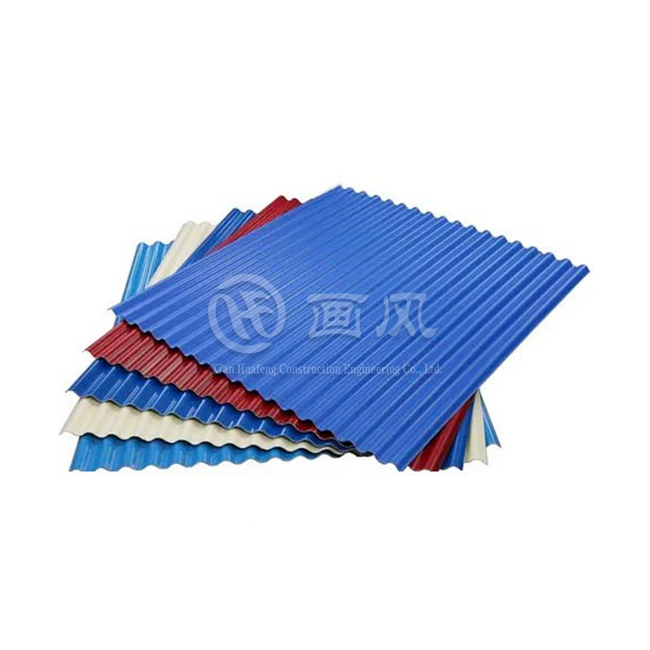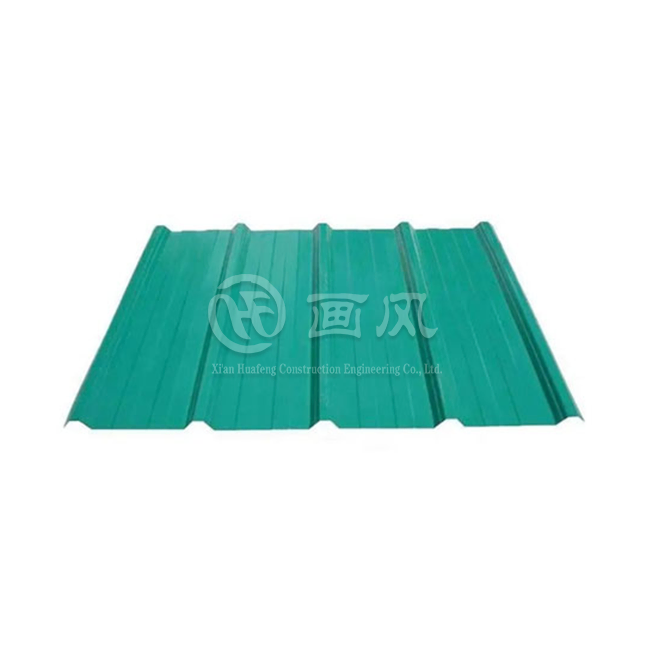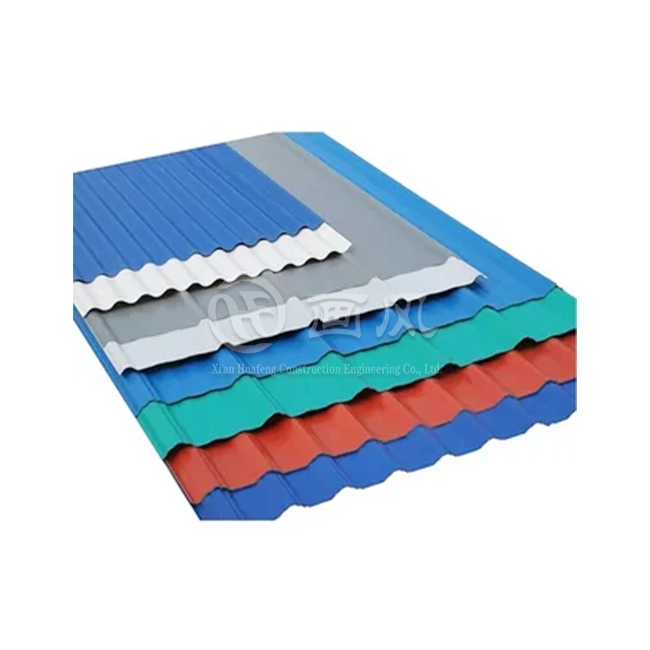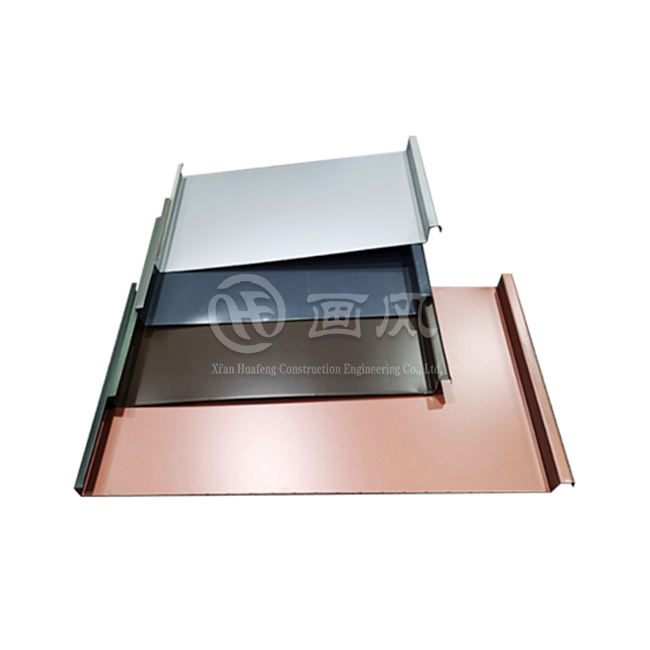
Metal Roofing Snap Lock: the popular Homeowner’s Top Choice
2026-06-23 18:41:38
The roofing system you choose will determine how long it lasts and how well it works to protect your most valuable investment, whether it's a home or a business. Snap lock technology for metal roofing has become the best option for homeowners and building workers who want dependability without sacrificing quality. This Snap-on metal roof system combines cutting-edge engineering with easy construction, making a roof that meets the main worries of durability, cost-effectiveness, and a variety of looks. Traditional roofing methods depend on exposed fasteners and a lot of work to put them together. Snap lock panels, on the other hand, have a hidden fastening system that makes them more weatherproof while cutting installation time by up to 50%. The reason this roofing technology has become the best choice for homes, businesses, and factories will be discussed in this book.

What Is Snap Lock Metal Roofing and How Does It Work?
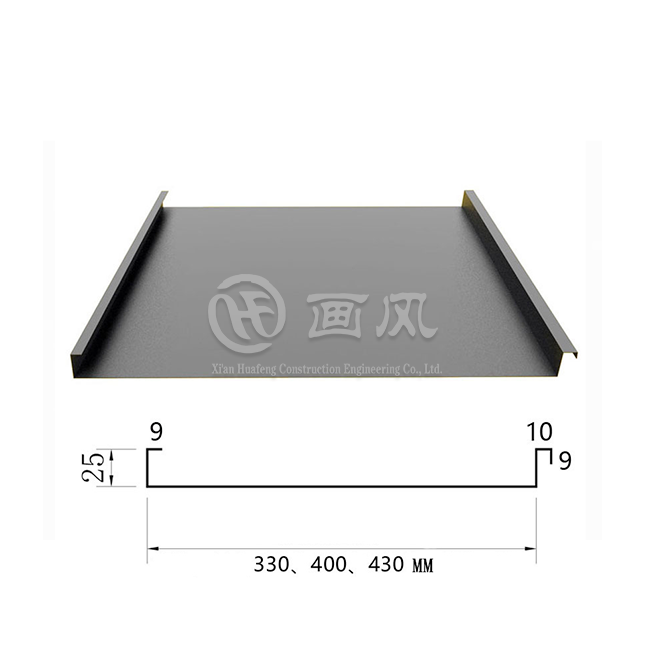
By understanding how snap lock technology works, you can see how it has changed the way roofs are installed today. The design is based on a male-female interlocking profile. This means that panels next to each other fit together by vertical compression, making a continuous weather shield that doesn't need any tools for seaming or visible screws across the roof field.
The Engineering Behind the Snap Lock Mechanism
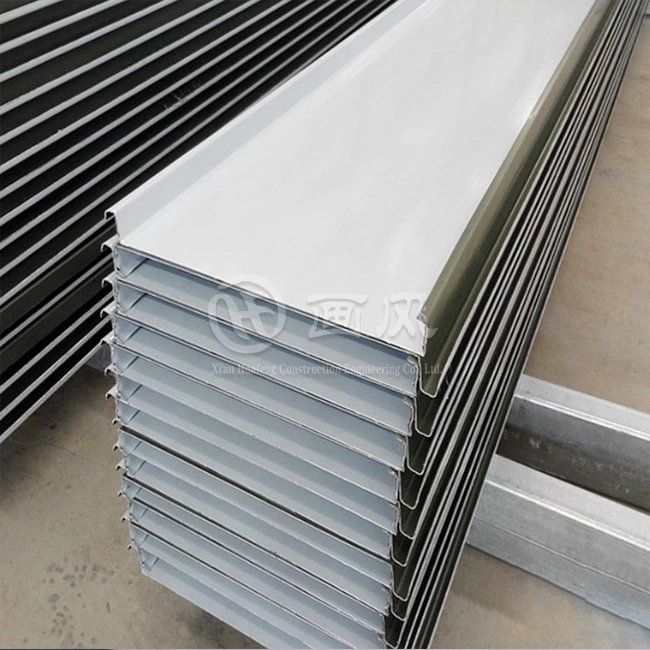
The Snap-on metal roof works with a carefully designed edge setup. One panel has a higher male leg, and the panel next to it has a female receiving channel. During installation, these sides line up and snap together, making a sound that confirms the contact is correct. This way of connecting doesn't have the thermal stress that comes with through-fastened systems, where screws go through the metal and could cause failure at places as the roof expands and shrinks with temperature changes. HF's snap lock panels are made of high-quality materials like copper, titanium zinc, aluminium alloy, coated steel, and stainless steel. Each of these materials was chosen for its ability to withstand certain weather conditions. The thickness can be changed from 0.4 mm to 1.2 mm, so it can be tailored to the needs of the structure and the weather.
Installation Efficiency and Labor Savings
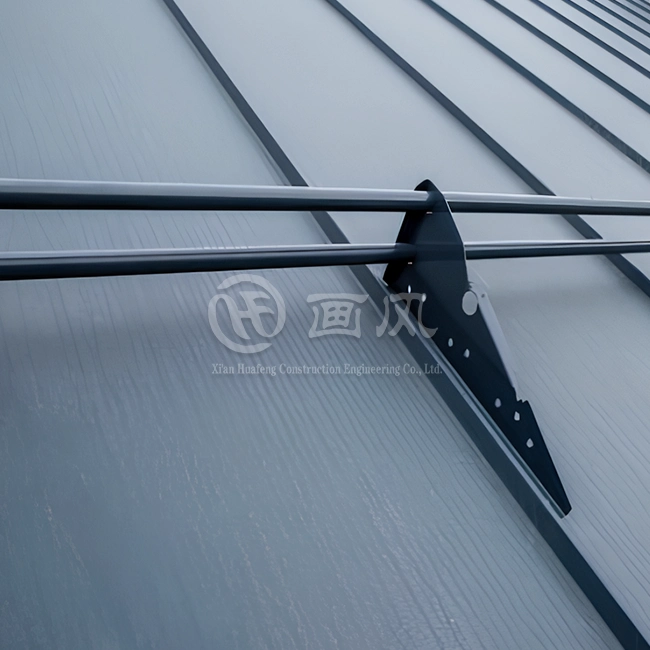
Contractors enjoy how snap lock systems speed up building. The concealed clip system or built-in slotted flange allows panels to float smoothly on top of the foundation, enabling heat to flow without weakening the framework. This design immediately addresses one of the industry's main issues: fasteners loosening after multiple expansions and contractions. Installation crews cover more square footage per day than screw-down teams. You can accomplish tasks quicker and with less labour. At least a 1:12, or 5 degrees, slope is needed for water drainage. These systems may be employed in many construction styles.
Material Selection and Environmental Performance
Base material affects efficiency and service life. Aluminium alloys resist rust, which is useful near the shore, where salt spray accelerates metal disintegration. Galvalume-coated steel is stronger for heavy-duty usage, while stainless steel is best for chemical-laden industries. Life also depends on surface treatments. HF employs PVDF and PE paint finishes that resist UV light, last decades, and reflect heat. These coatings reduce heat absorption by 25% over darker asphalt shingles. This reduces cooling expenses. Recycling the panels fulfils LEED and other environmental criteria that are becoming increasingly essential in current construction projects.
Key Benefits of Snap Lock Metal Roofing for Homeowners and B2B Clients
Snap lock technology has a lot of value because it improves performance in many ways that are important to both homes and business buying teams.
Superior Weather Resistance and Structural Performance
Snap-lock roofing systems withstand extreme weather. The connected gaps provide a hydrokinetic surface that swiftly sheds water, snow, and ice without capillary action. Wind boost rates often exceed UL 90 Class norms, reassuring hurricane-prone and high-wind residents. Impact resistance testing demonstrates these systems can protect the building below and the rooms within from hail damage that would demolish standard roofs. HF guarantees this performance for 30 years, demonstrating our confidence in our production and materials. Physical issues and performance decline are covered by this guarantee. It reduces product ownership risk and provides long-term peace of mind.
Economic Advantages Through Lifecycle Cost Analysis
Metal roofing materials may cost more upfront, but their total cost of ownership is far lower. Snap lock roofs need little maintenance over time. They don't require frequent shingle replacement, pricey fastener repairs, or component wear inspections. Over 30 years, homeowners believe metal roofs cost 60% less to maintain than asphalt shingles. Energy conservation boosts the economy. The reflective coatings and thermal properties of metal panels reduce summer cooling needs. In warm climates, this saves 15–25% energy. Commercial building managers need this performance attribute since decreased HVAC demand influences budgets and green reporting.
Aesthetic Versatility and Property Value Enhancement
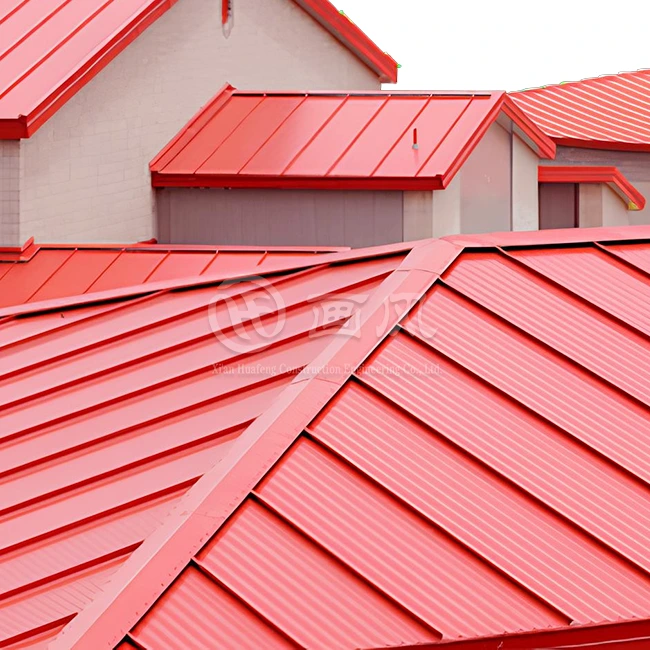
Modern snap lock systems look nothing like early metal roofs' industrial appearance. HF offers all RAL standard colours and bespoke colours to match design concepts. Panel profiles vary from 300 mm for smooth vertical lines to 600 mm for dramatic, contemporary design. Smooth, engraved, and matte coatings affect light reflection and appearance. Realtors say houses with high-quality metal roofing sell faster and for more money than those with conventional roofing. The apparent quality, contemporary style, and recognised durability help homeowners sell their house.
Snap Lock Metal Roof vs. Alternative Roofing Solutions
To make smart buying choices, you need to know how snap lock technology stacks up against other roofing systems on a number of performance levels.
Comparison with Mechanically Seamed Standing Seam Systems
In the standing seam group, both snap lock and manually seamed panels are included, but they are installed and work in very different ways. For mechanically seamed systems to work, special tools must be used to move along the roof and physically crimp the panel edges together twice. This makes the best weather seal and wind-lifting protection, which is why mechanical seaming is best in places with a lot of wind, like the Miami-Dade High Velocity Hurricane Zones. In most cases, however, the Snap-on metal roof has clear benefits. Since no seaming equipment is needed, installation goes 30–50% faster, and work costs are cut by a large amount. When a panel gets damaged, the snap link makes it easier to replace it, while mechanically seamed panels often need to be cut apart and neighbouring panels taken off. There aren't many differences in how well the two systems work in normal wind conditions, and when placed correctly on the right slopes, they protect just as well.
Performance Against Traditional Roofing Materials
Snap lock systems last longer and perform better than asphalt shingles, clay tiles, and other materials. Asphalt roofs break down practically immediately after installation; thus, they need to be rebuilt every 15–20 years. Regular maintenance is needed for granule loss, heat cycle damage, and UV deterioration. Clay and concrete tiles endure longer but are usually 10 times heavier than metal panels, requiring more support. Snap lock systems are ideal for retrofitting structures that can't support increased weight due to their lightness. Tile installation takes time since each piece must be installed independently. However, metal panels cover large surfaces fast. In terms of energy efficiency, metal roofing is best. Tile thermal mass increases cooling loads in hot environments. However, asphalt shingles absorb heat and transport it to attics. Metal is reflective and has low thermal mass, keeping buildings cooler and saving energy.
Selecting Qualified Manufacturers and Certified Suppliers
Selecting the correct partner impacts procurement security. Quality manufacturers retain stringent manufacturing standards, independent test certifications, and documented product performance records. HF's ISO9001 and ISO14001 certifications demonstrate our quality management and environmental responsibility. SGS compliance ensures international quality requirements are met. Over 20 new roofing system patents are ours. This demonstrates our ongoing product development and tech superiority. Regional access and service are crucial. HF has innovative facilities, including a 200,000-square-meter raw material facility in Anhui and processing operations in Hangzhou and Xi'an. This infrastructure makes shipping items throughout North America straightforward, and individual purchases arrive in 15–20 days. Our minimum order size of 500 square meters, or 1 tonne, may be utilised for modest household projects and large corporate installations, providing you with several purchasing possibilities.
Procurement and Installation: What B2B Buyers Need to Know
To keep track of project budgets, timelines, and quality standards, construction pros and business property developers need specific information on procurement.
Understanding Cost Structures and Pricing Variables
The cost of materials for snap lock systems depends on the substance chosen, the finishing requirements, the panel size, and the number of units ordered. Panels made of aluminium alloy usually cost more because they are more resistant to rust and lighter, but steel panels are a great deal for most uses. PVDF coatings are more expensive than PE options, but they last much longer and are more resistant to weather. This makes them worth the extra money for high-visibility areas or projects that need to last a long time. When you buy in bulk, you save a lot of money. By making production more efficient and making better use of materials, volume sales lower prices per unit. HF works closely with business contractors to set prices that are fair for the size of the job and uphold the high-quality standards that our reputation depends on. Total delivered cost is also affected by freight costs, which makes choosing a regional provider and combining packages important planning factors.
Supplier Selection Criteria and Partnership Evaluation
There is more to picking the right Snap-on metal roof provider than just comparing prices. A manufacturer's track record is important because they know the technical details that separate good performance from great results. In HF's collection, there are examples of successful installations in business buildings, factories, housing developments, and public infrastructure projects. During the specification process, our team provides expert support to help architects and builders choose the best combinations of materials for the surroundings and the project's look. The ability to help with installation is what sets qualified sources apart from simple material sellers. We keep in touch with certified installation contractors in all of the big U.S. areas to make sure that our panels are put correctly according to engineering standards. This network method protects the quality of the project and the validity of the warranty, and it gives clients turnkey solutions that make planning easier.
Delivery Logistics and After-Sales Support Framework
Material deliveries must be solid for projects to stay on plan. There are ten longitudinal and crosswise cutting lines, seven colour coating lines, and one laminating line in HF's production capacity. This means that orders can be filled quickly, even for big projects. Within our normal 15-20 day production window, we can make extras for particular projects, custom colour formulations, and special lengths. This keeps building plans on track without any material delays. Support after the sale is the last important factor in judging a product. Our guarantee lasts for 30 years and covers material flaws and performance loss. It is backed by service teams that are quick to respond to problems. This approach to a long-term relationship makes sure that building owners get value over the life of the roof system.
Maintenance and Longevity Tips for Snap Lock Metal Roofs
To get the best return on your roofing investment, you need to know how to do good upkeep and spot early signs of problems.
Routine Inspection Schedules and Cleaning Protocols
Snap lock roofing requires less maintenance than other varieties. Regular inspections keep them healthy and prevent slight issues from becoming costly ones. Once a year, seams should be visually inspected to ensure correct attachment, no loose clips or fixes at the ends, and waste-free drainage systems. Cleaning at specific times of year removes leaves, twigs, and other organic waste that traps water and accelerates rust in weak points. Low-pressure washing with a mild detergent removes dirt and grime without damaging surface coverings. Avoid hard cleaning, pressure washing exceeding 1,500 PSI, and chemical cleansers that might harm the finish. Walk on structural supports rather than unstable panel centres and use soft shoes to prevent scratching the metal roof. Safety pads should indicate roof paths in commercial buildings with many roof climbers.
Troubleshooting Common Issues and Professional Repair Services
Knowing how to handle frequent scenarios helps building owners act ethically. Oil canning—wavering on panel surfaces—is more of a stylistic concern than a structural one. Heat stress and material construction generate this appearance, which is more noticeable under certain lighting conditions. Although no metal panel can prevent oil canning, the correct fitting procedures and panel designs with strengthening ribs may reduce its visibility. Fasteners usually break when the roof meets the eaves, screws are exposed, and the ridge terminates. Regularly inspecting these fasteners and replacing worn rubber washers prevents water from entering. Even though panel separation is rare, a professional must repair it immediately to prevent failure and water damage. When hiring a professional for metal roofing repairs, deal with experienced professionals for correct analysis and efficient solutions. HF provides technical assistance and helps discover local repairmen. This maintains your warranty.
Conclusion
Metal roofing that snaps together, known as Snap-on metal roof, has become a popular choice because it has been shown to work well in a wide range of situations. The technology solves basic roofing problems like keeping out the weather, controlling temperature, making installation more efficient, and lowering the total cost of ownership over a roof's lifetime. It also offers a range of aesthetic options that raise the value of a home. Homeowners who want long-lasting security with little upkeep will find peace of mind in this roofing solution, which comes with a full guarantee. Commercial buyers and building workers can get better installation, more reliable supply lines, and work with manufacturers who are dedicated to quality and new ideas. As building rules put more emphasis on eco-friendly and energy-efficient materials, snap lock systems are flexible enough to meet these new standards while still providing the essential structural performance for maintaining the integrity of the building skin.
FAQ
1. What Is the Expected Lifespan of a Snap Lock Metal Roof?
Depending on the material used, the climate, and how well they are maintained, a good snap lock system should last between 30 and 50 years. In places that aren't near the coast, aluminium and stainless steel choices often last longer than 50 years. Steel panels with quality coatings, on the other hand, are reliable for at least 30 years. This is a lot longer than the 15 to 20 years that asphalt roofs usually last.
2. Can Snap Lock Panels Be Installed Over Existing Roofing?
It is possible to put new roofs over old ones if the structure can handle it and if local building codes allow it. This method cuts down on the time and money needed to get rid of waste. But proper base preparation is still needed to make sure there is enough airflow, and wetness doesn't build up between the roofing layers.
3. How Do Maintenance Requirements Compare to Other Roofing Types?
A lot less upkeep is needed for snap lock roofs than for regular roofs. Usually, once-a-year checkups and rare cleaning are enough. On the other hand, shingle roofs need to have damaged parts replaced, moss treated, and more frequent professional checks. The most common place for metal roofs with visible fasteners to fail is taken care of by the hidden fastener design.
Partner with HF for Your Next Metal Roofing Project
Each Snap-on metal roof job we work on at Xi'an Huafeng Construction Engineering Co., Ltd. is met with our unique knowledge and high-quality craftsmanship. Our integrated skills include design advice, custom fabrication, and installation support, making sure that everything goes smoothly from the initial request to the final finish. As a well-known high-tech company with first-level qualifications in curtain walls and third-level qualifications in steel structures, we mix new technology with tried-and-true building methods. Our large production infrastructure, which includes seven colour finishing lines and processing facilities placed in North America so they can be delivered quickly and reliably, helps us complete projects of any size with uniform quality and on time. We can help you find the right materials for your projects, whether you're a roofing contractor looking for materials for new homes, a business developer planning large-scale installs, or a procurement professional looking at snap lock metal roof providers. You can email our team at huafeng@hfmetalroof.com or visit hfmetalroof.com to talk about your unique needs, get detailed specs, or get a full project quote. We're dedicated to providing roofing solutions that go above and beyond what you expect while also helping your business succeed.
References
1. Smith, J.R. (2021). Advanced Metal Roofing Systems: Engineering and Performance Analysis. Architectural Engineering Press.
2. National Roofing Contractors Association. (2022). Metal Roofing Installation Standards and Best Practices, Technical Manual Series, Volume 8.
3. Thompson, M.L., & Richards, K.A. (2020). "Lifecycle Cost Analysis of Commercial Roofing Systems," Journal of Building Economics, 45(3), 234-256.
4. Green Building Council. (2023). Sustainable Roofing Materials: Environmental Impact and Energy Performance, Research Report No. 147.
5. Patterson, D.W. (2022). Modern Standing Seam Metal Roofing: Design, Installation, and Maintenance. Construction Technology Publishers.
6. American Society for Testing and Materials. (2023). ASTM Standards for Metal Roofing Systems: Wind Uplift, Water Penetration, and Durability Testing, Standard Reference Guide E1592-E2140.





YOU MAY LIKE