How to install a snap-on metal roof step-by-step guide
2026-06-23 18:41:36
Installing a Snap-on metal roof gives you great weather protection and long-lasting sturdiness because the panels fit together without the need for special tools for sewing. This hidden-fastener method solves the problem of thermal expansion while cutting work time by a large amount compared to options that are manually seamed. The snap-lock feature makes a waterproof barrier that can be used in business warehouses, industrial facilities, and home projects. It gives procurement professionals a cheap roofing option that has been shown to work in the past.

Understanding Snap-On Metal Roofs: Key Concepts Before Installation
What Makes Snap-Lock Systems Different?
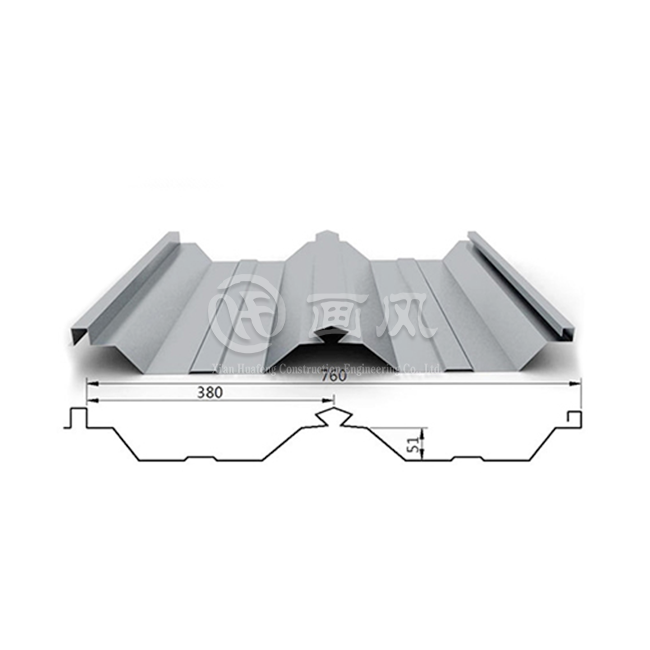
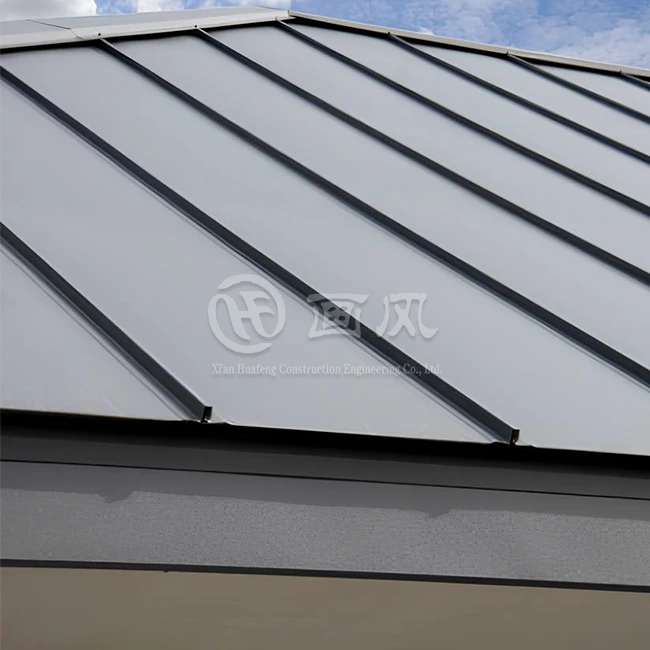
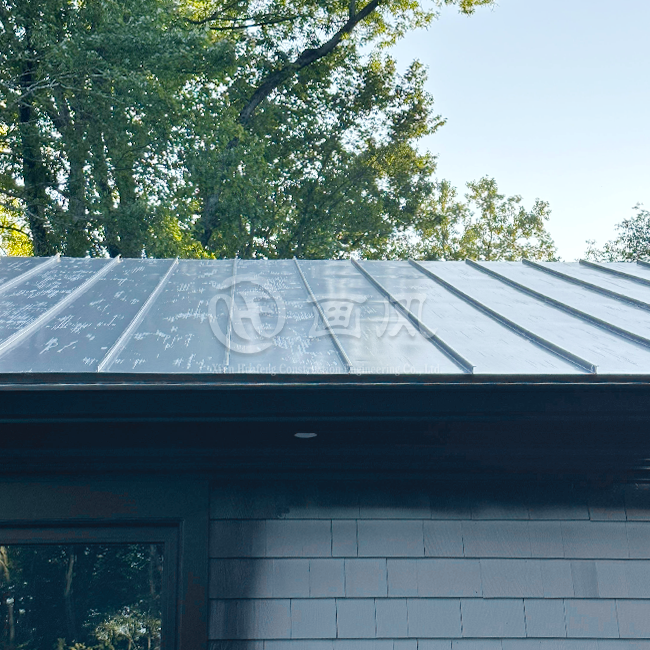
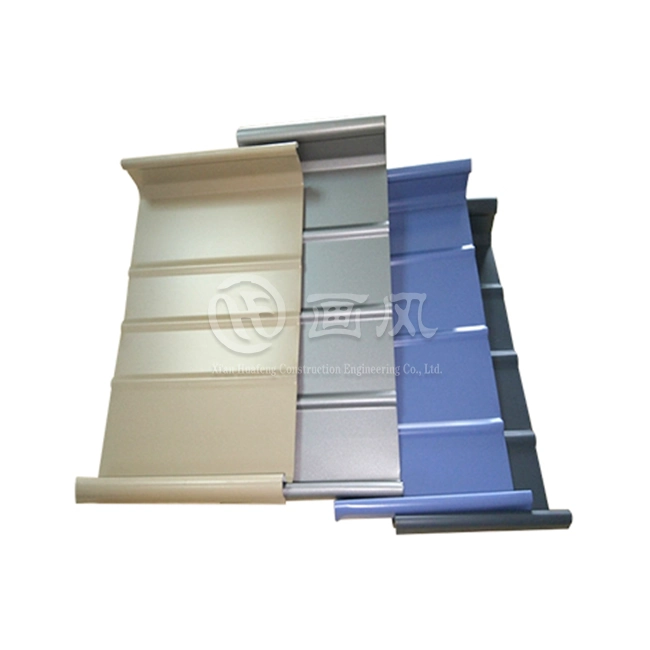
Snap-lock standing seam roofing is a big step forward in the technology of metal panels. Traditional through-fastened systems leave screws open to the weather. These panels, on the other hand, have male-female leg configurations that connect through vertical compression. This method of hidden connection stops leaks caused by fasteners and allows for thermal movement without affecting the structure's strength. The system works best on slopes of 3:12 or more because the hydrokinetic design moves water away from the surface quickly.
Material Options and Their Applications
Choosing the right base material has a direct effect on how well the system works and how much it costs over its entire life. HF makes snap-lock panels from copper, titanium zinc, aluminum alloy, galvanized steel, and stainless steel. The width of the panels ranges from 0.4 mm to 1.2 mm. Aluminum is great for coastal areas because it doesn't rust naturally, but galvanized steel is cheaper for business jobs in the middle of the country. Each material gets either a PVDF or PE finish coating that protects it from UV light and keeps the color. For projects that need a 30-year warranty, PVDF formulas offer better chalk protection.
Comparing Installation Methods and ROI
Because panels don't need robotic seamers or special binding tools to join, the snap-lock installation method can finish jobs 30–50% faster than mechanical seaming systems. When it comes to big commercial roofing jobs, this speed benefit directly means lower labor costs. When looking at the total cost of ownership, the concealed clip system lowers upkeep costs because it doesn't need to repair exposed fasteners, which is a common problem with screw-down panels. The moving panel design also lowers oil canning, which is the waviness that you see on pinned-down metal sheets, by letting the metal naturally expand along its lengthwise axes.
Preparing for Installation: Essential Planning and Procurement Steps
Conducting Comprehensive Site Assessment
A careful structural review is the first step to a successful installation. The roof decking has to hold up the dead weight of the metal panels, underlayment, and insulating layers, as well as the live weight of upkeep work. Accurate measures help figure out how many panels of Snap-on metal roof to use and keep material waste to a minimum. We've seen that measuring mistakes cause 15 to 20 percent of project delays in B2B roofing contracts. This step is very important for staying on schedule because of this. Using photos and thorough notes to record the way things are now can help find problems before the materials are bought.
Procuring High-Quality Panels and Components
Working with well-known makers makes sure that you follow industry standards and the terms of your guarantee. As required by ASTM E1592 and UL 580 Class 90, HF's snap-lock metal roofing panels are safe for use in windy conditions. Our low-cost prices allow for medium-sized business projects with a minimum order size of 500 square meters or one ton. Panels can be customized by matching RAL colors and coming in any length up to 12 meters, though shorter lengths are usually better for shipping. Delivery times of 15 to 20 days mean that building plans need to be coordinated ahead of time.
Assembling Tools and Safety Equipment
Choosing the right tools improves the efficiency of the operation and the safety of the workers. Electric metal shears, portable drill/drivers with magnetic bit holders, chalk lines, measuring tapes, and panel lifters for moving long pieces are some of the most important tools you will need. Safety rules require fall protection systems, shoes that don't slip, gloves that can handle sharp metal edges, and eye protection. Regional building codes may call for extra safety steps, especially on business projects that are taller than certain limits. Buying good tools helps keep panels from getting damaged during installation and speeds up the process of connecting snap-locks.
Step-by-Step Snap-On Metal Roof Installation Process
Inspecting and Preparing the Roof Deck
The base affects how well the whole system works. Walk along the whole roof's surface to look for damaged decks, bolts that stick out, or structural flaws. Fix any broken parts and make sure the base has a smooth, continuous surface. Thoroughly remove any trash, as stuck-on particles can send signals through metal walls or make it harder for flooring to stick. Check to see if the deck slope meets the minimum 3:12 standard for systems that snap together. When adding metal pieces to an existing roof, make sure that the added weight won't be too much for the structure.
Installing Underlayment and Insulation Layers
High-temperature synthetic flooring protects against wetness and makes the home more energy efficient. Underlayment should be rolled crosswise from the eave to the ridge, making sure that the gaps meet by at least six inches. It should then be secured with cap nails or staples, depending on the manufacturer's instructions. Pay extra attention to valleys and penetrations, where the risk of water buildup is higher. Placing hard foam or fiberglass padding under the Snap-on metal roof panels makes them more thermally efficient and lowers the noise inside caused by rain. This layer also stops condensation from forming as little as possible, which makes metal walls and structure parts last longer.
Aligning and Securing the Starter Strip
The starter strip makes sure that the whole panel field is lined up. Place it parallel to the edge of the eave, leaving about an inch of extra space on either side to send water into the gutters. Mark placement points across the width of the roof with a chalk line. Use corrosion-resistant screws with neoprene nuts to hold the starter strip in place through holes that have already been punched. Before moving on, double-check the line again, because mistakes spread to the next panel row. Some builders like to put in vertical rake trim at this point to make edge terminations stand out.
Engaging Snap-Lock Panel Connections
Panels are carefully put in place from one side of the roof to the other as part of the core installation. Place the first panel against the starter strip so that the female leg faces the direction of the installation. In order to meet wind load standards, slide clips are put into the male leg at intervals determined by engineering estimates. These intervals are usually 12 to 24 inches. The male leg of the next panel goes into the female leg of the previous panel, and then downward pressure is applied until an audible snap proves that the panels are properly engaged.
Keep the pressure on the snapping process constant to avoid making links that aren't full and that weaken the weather resistance. Panel orientation is still very important during installation. Every three to four panel courses, use string lines or laser levels to make sure the straightness. Fix the flaw right away instead of letting it build up over time and cause noticeable problems. For jobs with panel runs longer than 40 feet, use expansion clips to let the panels move with the temperature without making noise or stretching the slots.
Sealing Critical Termination Points
Even though snap-lock systems don't need as much sealing as other types of metal roofs, some places need extra protection. Ridge caps have holes that are already made for visible fasteners. They need high-quality neoprene-washer screws that match the color of the panel. Before you fix the ridge cap flanges, put butyl sealer tape under them. Valley setups usually use metal valley pans with cut edges that fit under panels next to them. Specialized trim pieces are attached to the eave and rake edges to finish off the weather shield and allow for thermal expansion.
Performing Quality Control Inspections
Instead of waiting until the project is finished, do regular checks while it is being installed. Walk along the seams of the panels to make sure they are engaged all the way along their length, and listen for hollow sounds that mean the seams aren't fully snapping. Check how tight the fasteners are—too much tightening damages the seal by crushing the rubber washers, and too little tightening lets water in. Take pictures of the problems you find to keep track of them and show that the contract is being followed. The final walkthrough with project partners confirms the quality of the work and goes over the upkeep tasks that need to be done to keep the system running smoothly.
Maintenance and Longevity of Snap-On Metal Roofs
Establishing Preventative Care Schedules
With regular upkeep, metal roofing systems will continue to work for many more years than the original 30-year guarantee period. Check the links between panels, the state of fasteners, and the integrity of the sealant every six months, timed to match the changing of the seasons. Get rid of any garbage that has built up in valleys and roof penetrations. Organic matter traps water and speeds up rusting. In workplace settings with airborne toxins, inspections should be done every three months instead of every six months. These proactive steps keep small problems from getting worse and needing expensive emergency fixes.
Addressing Common Wear Patterns
Metal roofing breaks down in regular ways that let you fix problems early. Depending on how much UV light hits the sealant, it usually starts to break down at the ridge caps and end laps after 10 to 15 years. Panel scratches from upkeep work can weaken covering protection, so touch-up paint needs to be applied. Sometimes, thermal riding in harsh conditions leads to loose clips that can be seen or heard making strange noises when the temperature changes. Fixing these problems right away keeps the weather protection and keeps the guarantee from being voided.
Optimizing Lifecycle Cost Management
Knowing when replacements will be needed helps buying managers make good budgets for building portfolios. PVDF coatings are more fade-resistant than polyester coatings, which makes up for their higher starting costs by cutting down on the need for updating. Galvanized steel needs to be replaced more often, so facilities in coastal areas with a lot of saltwater should choose aluminum or stainless steel surfaces over galvanized steel, even if they cost more. Keeping records of maintenance tasks creates useful information for lifecycle analysis, which helps people make choices about when to fix something or replace a Snap-on metal roof based on facts.
Common Challenges and Solutions During Installation
Managing Structural Irregularities
Existing roof decks aren't always perfectly flat, especially when they're being renovated. Shimming methods can even out small changes, but big undulations might need a new deck or more framing. Installation teams with a lot of experience come up with flexible ways to keep panels aligned even when the ground isn't perfect. Setting realistic goals with clients about how things will look on difficult structures keeps disagreements from happening and builds trust. There will always be some visible waviness on metal roofs, but if you do it right, it won't stand out too much.
Controlling Thermal Expansion Noise
When the temperature changes, metal walls expand and contract, making clicking sounds that make people in the building nervous. This happens much less often when clips are placed strategically and panels are engaged properly. When you use clips instead of set nailing flanges, you can move long panels without any problems. Adding soundproofing reduces the amount of sound that gets into rooms that are being used. Teaching customers about standard temperature behavior saves them money on service calls and shows that you know your stuff.
Preventing Weather-Related Installation Delays
Roofing work is limited by the weather, so project schedules need to take that into account. When the wind is strong, it's dangerous to handle big metal panels, and materials that are only partly held can get damaged. Rain makes it easy to slip and stops sealer from sticking properly. Extreme temperatures make it harder to work with sealer and slow down installers. Adding extra time to project schedules and keeping crew schedules open can help you deal with weather delays without violating the terms of business contracts. Clear communication with clients about progress that is affected by weather keeps relationships upbeat when delays are inevitable.
Conclusion
To get the weather protection and long life that make snap-lock metal roofing systems useful for business and industrial uses, they need to be installed with care, using high-quality materials and skilled labor. The concealed-fastener design solves important problems with heat expansion and makes fitting faster than options that use mechanical seams. A well-prepared spot, careful panel participation, and planned quality control throughout the process are all important for success. If procurement workers know about these technical requirements, they can choose the right materials, check the skills of the contractor, and set realistic goals for the project, all of which will lead to good results and long-lasting roof performance.
FAQ
1. How long does a typical snap-lock installation take?
Time needed for installation depends on the type of roof and the size of the crew. Assuming good weather, a normal business job that covers 10,000 square feet takes about five to seven working days with a three-person crew. The snap-lock link method cuts down on the time needed for mechanical seaming, which lets teams finish between 1,500 and 2,000 square feet every day.
2. Can you install metal panels over existing roofing?
It is possible to add new materials over old ones if the structure below can hold the extra weight and the old surface has enough connection points. Many places' building rules limit the number of roof layers, usually only letting two be used. Before starting to put the patch, an engineering review makes sure that the structure can handle it.
3. What warranty coverage should buyers expect?
Reputable companies like HF offer 30-year guarantees that cover flaws in the material, paint adhesion, and resistance to rust. Depending on the terms of the contractor, installation skill guarantees usually last between 2 and 5 years. PVDF coating methods keep colors better over time than polyester finishes, which has a direct effect on the length and scope of the guarantee.
Partner with HF for Premium Snap-Lock Metal Roofing Solutions
You can trust Xi'an Huafeng Construction Engineering as a Snap-on metal roof maker because they have advanced production tools and quick, helpful service that is tailored to the needs of businesses that buy things. We make sure that quality is checked at every step of the process, from making the raw materials to putting together the finished panels. We offer unique solutions that fit your exact project needs and budget, with thicknesses ranging from 0.4 mm to 1.2 mm in aluminum alloy, steel, stainless steel, copper, and titanium zinc. Email our expert team at huafeng@hfmetalroof.com to talk about panel samples, engineering help, and bulk prices for the roofs you're planning.
References
1. Smith, J. & Anderson, R. (2021). Metal Roofing Installation Standards for Commercial Applications. Building Envelope Institute Press.
2. National Roofing Contractors Association. (2022). The NRCA Roofing Manual: Metal Panel and SPF Roof Systems. NRCA Publications.
3. Chen, M. (2020). "Thermal Performance Analysis of Concealed-Fastener Metal Roofing Systems," Journal of Architectural Engineering, Vol. 26, Issue 3.
4. Thompson, K. (2023). Sustainable Building Envelopes: Material Selection and Lifecycle Management. Construction Industry Press.
5. American Society for Testing and Materials. (2022). ASTM E1592: Standard Test Method for Structural Performance of Sheet Metal Roof and Siding Systems. ASTM International.
6. Williams, P. & Martinez, L. (2021). "Comparative Study of Standing Seam Connection Methods in High-Wind Applications," Metal Construction News, September Issue, pp. 34-42.





YOU MAY LIKE
_1769761215912.webp "Ventilation noise reduction net")