What is Corrugated Metal Siding and How It Protects Your Building?
2026-03-13 17:23:36
How Does Corrugated Metal Siding Safeguard Your Building? With its characteristic wave-like ridges that provide remarkable structural strength and weather protection, corrugated metal siding sheets are a cutting-edge construction material. Ordinary buildings are transformed into strong, energy-efficient structures with exceptional durability that can survive harsh weather conditions thanks to this creative external cladding system. Superior load distribution is produced by the distinctive ribbed shape, which makes it the perfect option for commercial, industrial, and residential applications where dependable protection and economical performance are required.

Understanding Corrugated Metal Siding Sheets: Definition and Core Positioning
Precision Engineering and Manufacturing Excellence
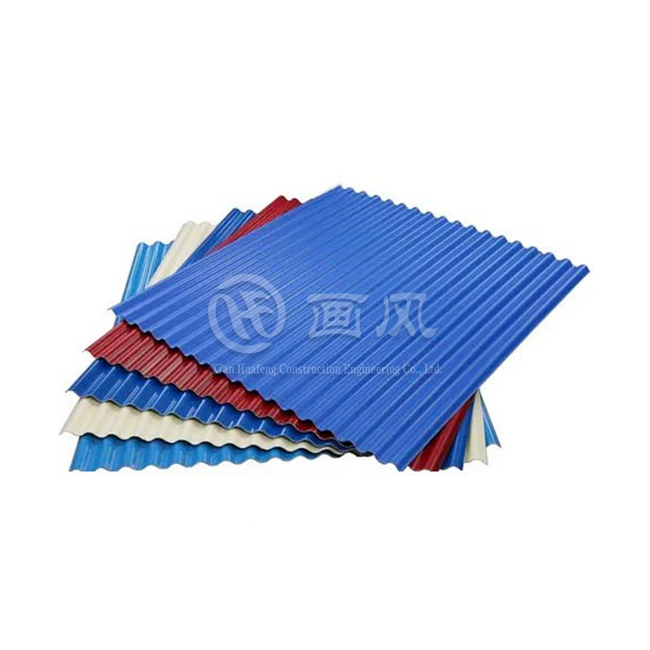
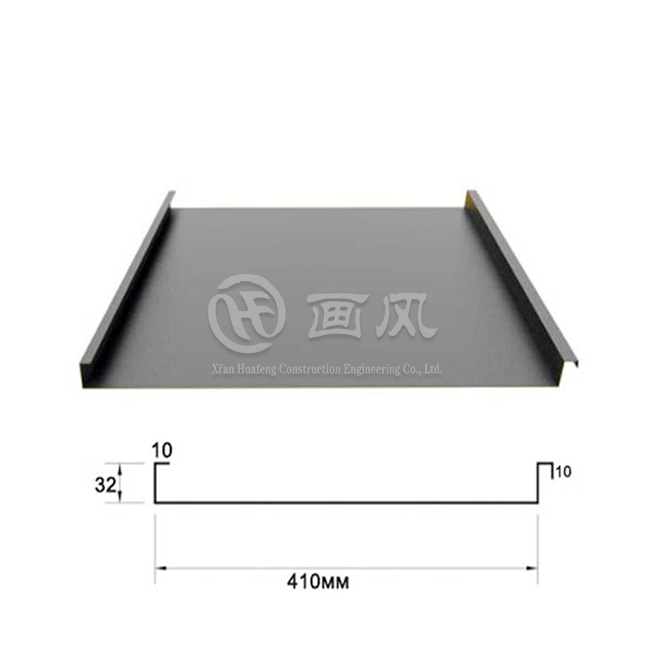
In today's construction sector, corrugated metal siding sheets are among the most reliable and adaptable building materials. Precision roll-forming techniques give these panels a unique wavy contour that improves their structural soundness and visual attractiveness. By increasing surface area and improving load-bearing capacity, the corrugated shape accomplishes a crucial technical function in addition to being aesthetically pleasing. Premium galvanized steel, aluminum, and cutting-edge coated materials are used in the production of these panels at Xi'an Huafeng Construction Engineering Co., Ltd. To make sure they satisfy international standards like ASTM, DIN, JIS, BS, and GB/T regulations, our corrugated steel panels go through a thorough quality testing process. Our three cutting-edge facilities go through many steps of forming, coating, and quality inspection throughout the production process.
Structural Integrity and Environmental Protection
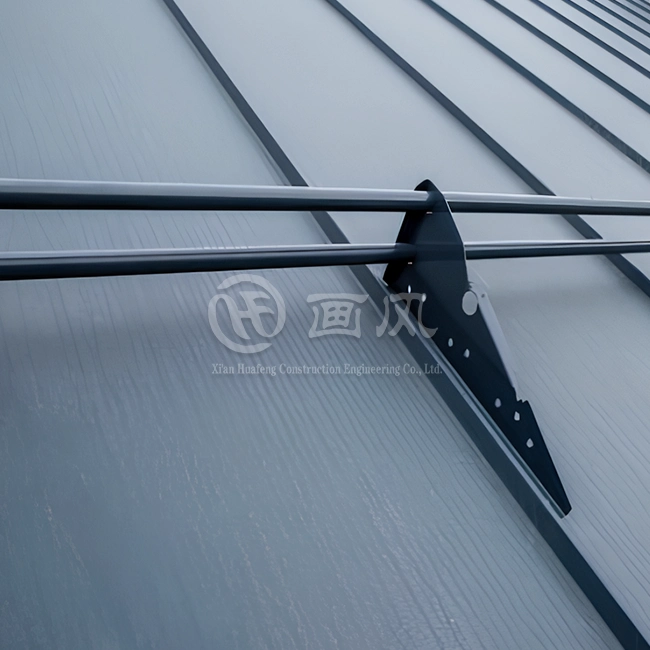
Our metal cladding solutions provide structures a protected outer layer that withstands environmental stresses without sacrificing architectural elegance. By establishing natural drainage channels, the corrugations lower the chance of moisture-related damage by preventing water buildup. Because of this design concept, corrugated siding is becoming a popular option for architects and builders looking for dependable, low-maintenance external solutions.
Customizable Specifications and Versatile Applications
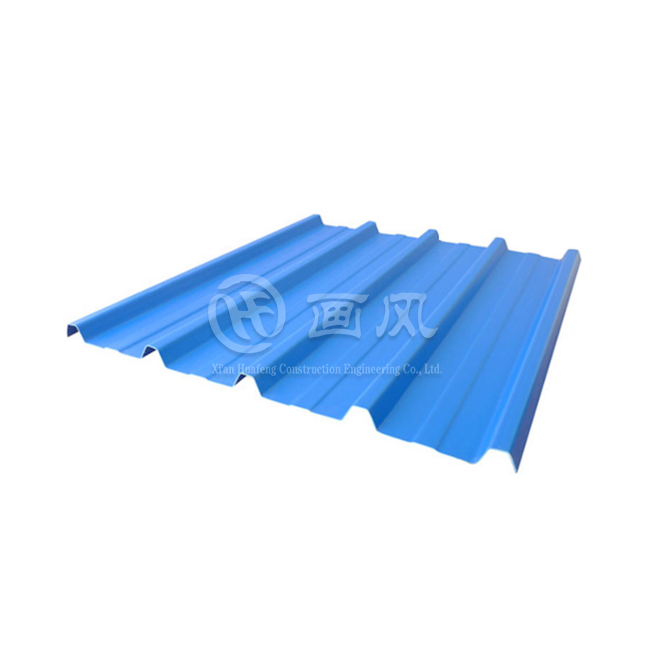
Our panels can accommodate a variety of project needs since they vary in width from 600mm to 1200mm and in thickness from 0.3mm to 1.2mm. Construction experts may choose precise dimensions, colors, and finishes that match their project concept while guaranteeing optimum performance characteristics thanks to these items' customisable nature.
Critical Building Challenges Corrugated Siding Addresses
Addressing Environmental Challenges with Advanced Siding Solutions
Numerous economic and environmental constraints on modern building need creative solutions. As climatic patterns become more unpredictable and severe weather events occur more often in structures, weather-resistant siding has become crucial. Under these circumstances, traditional siding materials often fail, necessitating expensive repairs and replacements that interfere with company operations. One of the biggest risks to the integrity of a structure is moisture intrusion. Traditional materials may let water to seep through joints, seams, or worn surfaces, leading to mold development, insulation deterioration, and structural damage. Our galvanized metal siding protects interior areas and structural parts by forming an impermeable barrier that directs water away from important building components.
Enhancing Energy Efficiency and Reducing Operational Costs
Many building owners are looking for outside systems that perform better due to worries about energy efficiency. Traditional materials' poor thermal efficiency raises heating and cooling expenses, which has an impact on long-term operating budgets. When correctly placed with the right insulation systems, metal exterior panels provide thermal barriers that save energy costs and raise interior comfort levels.
Overcoming Maintenance Challenges and Construction Demands
Over time, the maintenance needs for traditional siding materials may become costly and time-consuming. Wood siding has to be painted, stained, and repaired on a regular basis. Vinyl may become brittle, fade, or fracture when exposed to UV light. Products made with fiber cement need regular maintenance to avoid moisture absorption and cracking. Materials that install effectively and function dependably for decades are in high demand due to labor shortages and growing building expenses. Our steel wall panels solve both immediate construction issues and lifetime cost problems by streamlining installation procedures and offering exceptional durability that reduces long-term maintenance needs.
Comprehensive Feature Analysis: How Corrugated Design Works
Geometric Advantages and Structural Performance
Through clever design, the technical principles behind corrugated metal panels provide a number of performance benefits. When compared to flat materials, the wave-like design significantly improves strength-to-weight ratios by increasing each panel's effective cross-sectional area. Thinner materials may obtain greater load-bearing capability thanks to this geometric advantage. The capacity of the corrugated design to disperse loads over many contact points is advantageous for structural siding. Instead of focusing at particular stress sites, building movement, wind forces, and thermal expansion disperse over the panel surface. This load dispersion greatly increases the lifetime of the material and avoids isolated breakdowns.
Moisture Management and Thermal Efficiency Features
Our ribbed metal sheets have carefully designed drainage properties that efficiently control moisture. Runoff is directed toward specified drainage locations by the natural water channels formed by the valleys between corrugations. Water buildup that can cause corrosion, ice damming, or structural issues is avoided by this method. The increased surface area and air circulation patterns of the corrugated shape improve thermal performance. Thermal bridging effects are lessened by the insulating air pockets formed by the intervals between ridges. These features enhance building energy efficiency and occupant comfort when paired with appropriate insulation systems.
Manufacturing Precision and Installation Benefits
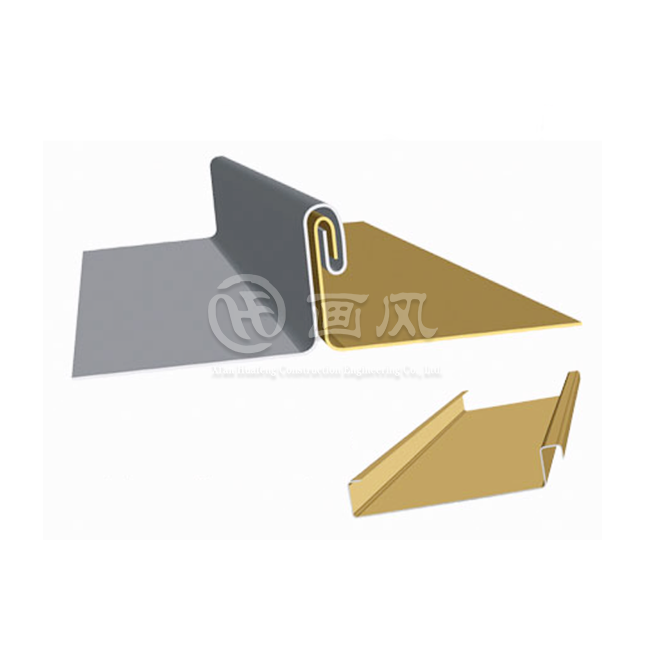
Advanced roll-forming technology used in the manufacturing process ensures that profile dimensions remain constant across production runs. To guarantee that every panel satisfies precise requirements for depth, spacing, and edge geometry, our seven manufacturing lines make use of precision tooling. Consistent performance characteristics are ensured by quality control systems that regularly check these metrics. The self-aligning characteristics of the corrugated design increase installation efficiency. Panel placement and attaching processes are made simpler by the natural guides created by the interlocking profiles. Both building owners and contractors gain from this design's improved weather seal quality and shorter installation time.
Advanced Manufacturing Technology and Material Science
Advanced Coating Technologies for Enhanced Protection
In order to provide higher performance qualities, modern corrugated metal manufacture makes use of advanced metallurgy and coating technologies. Our facilities use hot-dip galvanization techniques to produce layers of zinc-iron alloy that are very resistant against corrosion. Even in cases where the coating sustains slight surface damage, this metallurgical bond guarantees long-term protection. Systems of PVDF and polyester coatings provide for a wide range of color and finish choices while adding extra levels of protection. These polymer coatings preserve color stability for decades while fending against mechanical harm, chemical exposure, and UV deterioration. To guarantee consistent coverage and adherence, our coating application procedures make use of precise tools and regulated surroundings.
Precision Material Selection and Forming Processes
Premium steel substrates that satisfy exacting standards for mechanical properties and chemical composition are the first step in the material selection process. Before production starts, our quality assurance procedures check the steel's chemical, tensile strength, and formability properties. This focus on the quality of the basic material guarantees consistent performance of the finished product in all applications. Progressive roll-forming stations are used in the forming process to progressively form flat coil material into the required corrugated profile. To produce regular corrugations without causing material stress or coating damage, each forming station uses exact geometry and regulated pressure. Continuous monitoring of forming parameters by computer-controlled systems allows them to adapt to changes in environmental factors or material attributes.
Comprehensive Quality Testing and Traceability Systems
Dimensional confirmation, coating adhesion testing, corrosion resistance assessment from salt spray, and mechanical property validation are all included in quality testing. Our testing procedures go above and beyond industry norms to guarantee that goods function dependably in challenging situations. Documentation systems provide full traceability by tracking material attributes from the receipt of raw materials to the final dispatch.
Strategic Advantages: Performance Benefits That Matter
Durability, Longevity, and Cost-Effectiveness
The main benefit propelling the use of corrugated metal in a variety of applications is its durability. Extreme weather conditions such as strong winds, hail, temperature changes, and UV exposure are all tolerated by our panels without deteriorating. Our products' 30-year guarantee demonstrates our faith in their long-term performance potential. Longevity of materials, lower maintenance needs, and energy efficiency are some of the elements that contribute to cost-effectiveness. Lifecycle cost analysis typically favors metal siding options, even if initial material prices may be higher than those of other alternatives. Over building lifespans, significant savings are achieved via lower maintenance, repair, and replacement costs.
Installation Efficiency and Environmental Sustainability
Efficiency in installation has a major positive impact on labor costs and construction timetables. Compared to conventional materials, installing metal panels needs less specialist skills, allowing for a quicker project completion time. Steel and aluminum panels are lightweight, which lowers the need for structural loads and may enable lighter frame systems. Growing worries about the ecological effect of the building sector are addressed by environmental sustainability. Our panels are entirely recyclable at the end of their useful lives and have a high percentage of recycled material. Minimal waste is produced throughout the production process, while lightweight features and small packaging increase transportation efficiency.
Design Flexibility and Essential Safety Features
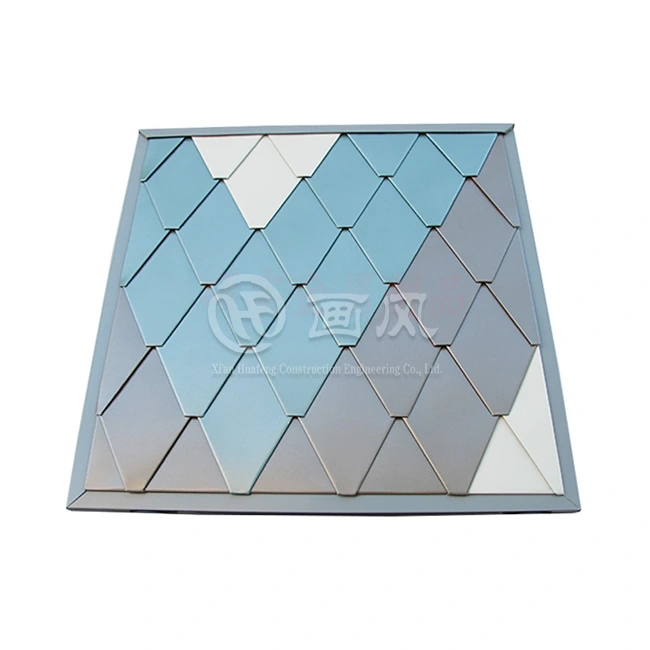
Architects and builders may accomplish a variety of aesthetic objectives while upholding performance requirements thanks to design flexibility. Different architectural styles are accommodated by a range of profile depths, panel widths, color choices, and finish textures. Capabilities for custom manufacturing provide distinctive design features that set projects apart in cutthroat marketplaces. Critical safety benefits are offered by fire resistance, especially for commercial and industrial applications. Class A fire ratings are obtained by non-combustible metal materials, assisting with insurance needs and building code compliance. As fire safety laws change, this trait becomes more and more crucial.
Important Considerations and Application Guidelines
Critical Design Considerations for Optimal Performance
Despite the many benefits of corrugated metal siding, effective applications need careful design and appropriate installation methods. In large panel installations, where temperature fluctuations result in cycles of expansion and contraction, thermal movement concerns become crucial. This movement must be accommodated by appropriate fastening methods without causing stress concentrations or weather seal failures. For certain applications, the choice of material may be influenced by acoustic factors. Because metal panels transfer sound more easily than certain other materials, noise-sensitive areas may need extra insulation or design changes. Designers are better able to propose suitable solutions for any application when they are aware of these features.
Material Selection and Fastening System Impact
The choice of color affects lifespan and thermal performance. More sun energy is absorbed by darker hues, raising surface temperatures and promoting thermal movement. More efficient heat reflection from light-colored finishes lowers energy loads and thermal stress. Our color advisory services assist customers in choosing the best finishes for their particular applications and climates. The choice of fastening mechanism has a significant impact on weather resistance and long-term performance. Water infiltration, wind uplift, and thermal stress damage are avoided with the right fastener materials, spacing, and installation methods. For every application type, our technical support staff offers comprehensive installation instructions and fastening standards.
Maintenance Requirements and Professional Installation
Even while maintenance needs are low when compared to other materials, they must be attended to to guarantee peak performance. Frequent cleaning gets rid of collected material that might discolor or hold moisture. Regular inspections spot any faults before they become significant ones that need expensive repairs. Optimal performance and warranty compliance are guaranteed by professional installation. Although installing metal panels seems simple, correct methods need knowledge of weather sealing, thermal movement, flashing details, and fastening specifications. Performance and warranty coverage are safeguarded when working with certified contractors.
Competitive Analysis: Metal Siding Versus Traditional Materials
Performance Comparison with Vinyl and Fiber Cement
Corrugated metal panels provide better impact strength, fire resistance, and longevity than vinyl siding. Vinyl materials may melt or distort when exposed to heat and can become brittle in cold weather. Metal systems provide superior long-term color stability, reduced maintenance needs, and structural integrity across a broader temperature range. Compared to metal systems, fiber cement siding options need more involved installation processes and continuous maintenance. Fiber cement materials need regular sealing to stop moisture absorption, and because of their silica content, installation calls for specific cutting tools and safety gear. Metal panels need less continuous upkeep and are easier to install using common equipment.
Advantages Over Wood and Masonry Systems
For wood siding to resist rot, insect damage, and weathering, it requires frequent painting, staining, and repair work. When maintenance, repair, and replacement costs mount up over time, wood systems' lifetime costs often surpass those of metal counterparts. Metal systems provide reliable performance and beauty without the need for constant treatment. Although concrete and masonry structures are quite durable, weight concerns need significant structural support. The price and difficulty of installation usually much outweigh those of metal alternatives. Metal panels provide for quicker construction schedules and less structural requirements while achieving comparable durability and weather resistance.
Evolution Beyond Traditional Metal Products
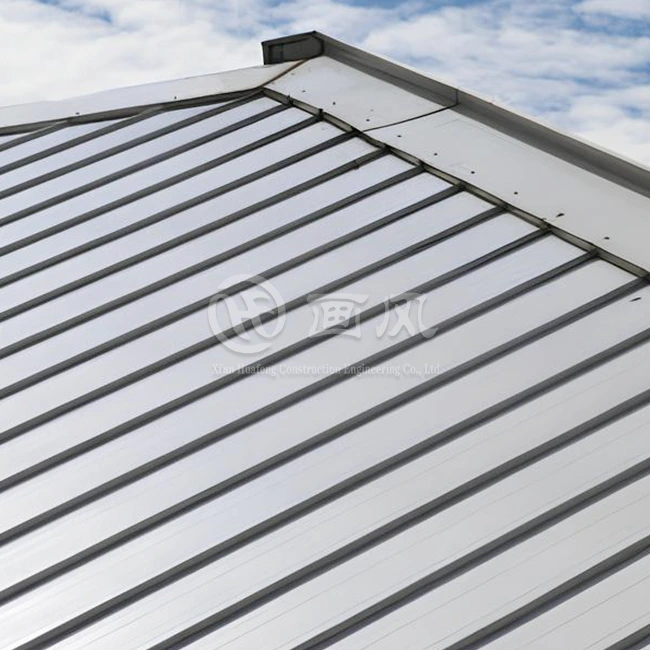
While traditional metal roofing sheets have comparable purposes, they may not be as aesthetically pleasing or as easy to install as contemporary corrugated siding systems. Our solutions enhance previous metal construction goods while preserving their core durability benefits by using advancements in coating technology, precise shaping, and fastening methods.
Target Applications and Ideal Use Cases
Commercial, Warehouse, and Agricultural Applications
Because commercial warehouse and distribution buildings need to be long-lasting, low-maintenance, and economical, they are the perfect places for corrugated metal siding. Despite the harsh weather conditions they confront, these structures need little continuous upkeep to keep operating expenses under control. Our industrial siding options assist effective building schedules while offering dependable protection. The ability of corrugated metal siding sheets to withstand moisture, chemicals, and impact damage is a major advantage for agricultural structures. Materials that can endure severe circumstances and yet be cost-effective for large-scale applications are needed for barns, equipment storage facilities, and animal buildings. In these harsh conditions, metal siding for barns has shown performance benefits over conventional materials.
Commercial, Industrial, and Manufacturing Uses
Corrugated metal siding is used in commercial and retail buildings to provide unique architectural character while yet meeting functional performance standards. Creative design ideas that set buildings apart in competitive marketplaces are made possible by the wide range of colors, treatments, and profiles that are accessible. Benefits of energy efficiency help with operational cost control and sustainability objectives. Exterior solutions for manufacturing and industrial buildings must withstand mechanical damage, fire risks, and chemical exposure while allowing for quick construction timelines. Our lightweight metal panels provide exceptional long-term performance in demanding industrial settings while lowering structural requirements and installation times.
Residential and Temporary Structure Applications
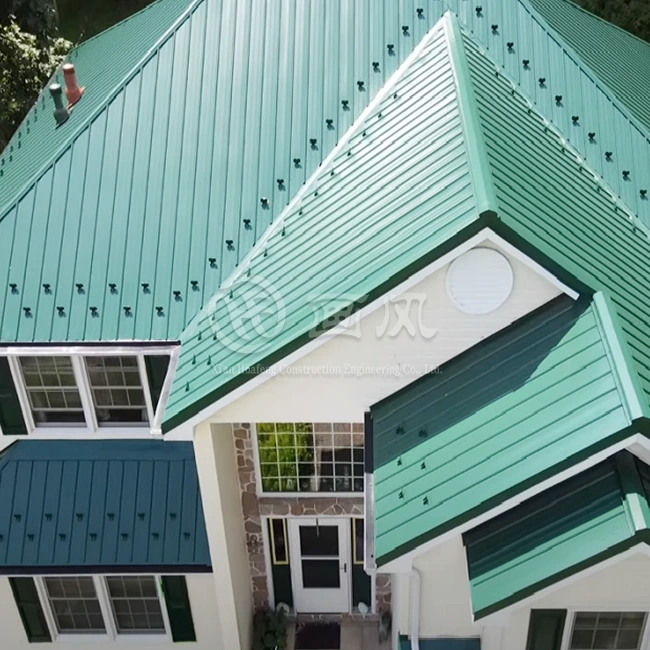
Corrugated metal siding is becoming more and more popular in residential applications because to its strength, energy efficiency, and unique look. Compared to conventional residential siding materials, these materials provide better weather resistance, lower maintenance needs, and the ability to accomplish modern aesthetic aspirations. The removability, reusability, and speed of installation of metal panel systems are advantageous for temporary and movable constructions. These materials provide dependable cover that may be moved as needed for offices on construction sites, event spaces, and emergency shelters.
Conclusion
As the construction industry's need for long-lasting, affordable, and environmentally friendly building materials grows, corrugated metal siding sheets continue to change. Even greater performance qualities and design flexibility are promised by developments in coating technologies, production accuracy, and installation techniques. Metal siding systems are well-positioned for further market acceptance due to the increased focus on environmental responsibility and energy efficiency. Future product improvements will probably be influenced by smart building integration and improved thermal performance capabilities, guaranteeing that corrugated metal siding sheets will continue to be the material of choice for demanding construction applications.
FAQs
1. How long do corrugated metal siding panels typically last?
High-quality corrugated metal siding panels typically last 30-50 years with proper installation and minimal maintenance. Our panels come with a 30-year warranty, reflecting confidence in their durability. The actual lifespan depends on environmental conditions, proper installation, and material quality. Galvanized steel and aluminum panels with premium coatings often exceed their warranty periods significantly.
2. What maintenance is required for corrugated metal siding?
Corrugated metal siding requires minimal maintenance compared to other materials. Annual cleaning with mild detergent and water removes dirt and debris that might cause staining. Periodic inspection of fasteners, flashing, and panel connections helps identify potential issues early. Touch-up paint may be needed occasionally for minor scratches, but properly coated panels typically maintain their appearance for decades without refinishing.
3. Can corrugated metal siding withstand severe weather conditions?
Yes, properly installed corrugated metal siding excels in severe weather conditions. The corrugated design provides excellent wind resistance, with properly fastened panels withstanding winds exceeding 150 mph. Metal materials resist hail impact, fire exposure, and extreme temperature variations. The drainage characteristics of corrugated profiles effectively manage heavy rainfall and snow loads while preventing ice dam formation.
Partner with HF for Superior Corrugated Metal Siding Solutions
Xi'an Huafeng Construction Engineering Co., Ltd. stands ready to support your next project with premium corrugated metal siding sheets that deliver exceptional performance and value. As a leading corrugated metal siding sheets manufacturer, we combine advanced manufacturing capabilities, rigorous quality control, and comprehensive technical support to ensure project success. Contact our experienced team at huafeng@hfmetalroof.com to discuss your specific requirements and discover how our innovative metal cladding solutions can enhance your building's performance while meeting budget and schedule objectives.
References
1. Smith, J.A. "Structural Performance of Corrugated Metal Building Systems in Extreme Weather Conditions." Journal of Construction Engineering and Materials Science, 2023.
2. Thompson, R.K. "Lifecycle Cost Analysis of Metal Siding Systems Versus Traditional Building Envelope Materials." Building Economics Quarterly, 2022.
3. Chen, L.M. "Advanced Coating Technologies for Enhanced Metal Panel Durability and Performance." International Conference on Building Materials Innovation, 2023.
4. Rodriguez, C.A. "Energy Efficiency Benefits of Metal Cladding Systems in Commercial Building Applications." Green Building Research Institute Annual Review, 2022.
5. Williams, D.E. "Fire Resistance and Safety Characteristics of Metal Building Envelope Systems." Fire Safety Engineering Journal, 2023.
6. Johnson, K.P. "Sustainable Construction Materials: Environmental Impact Assessment of Metal Siding Manufacturing and Recycling." Environmental Building Materials Review, 2022.





YOU MAY LIKE