What Are Structural Metal Panel Roofing Systems?
2026-03-13 17:23:35
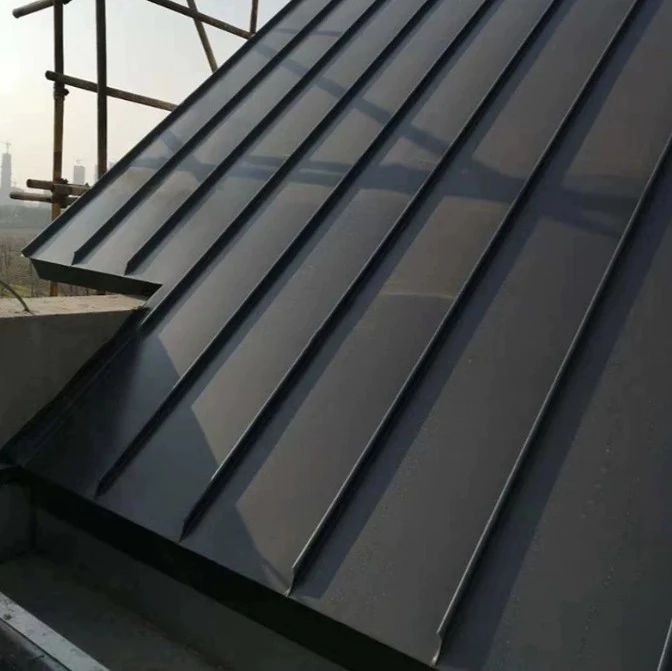
What are roofing systems made of structural metal panels? As a single, integrated system, these new roofing options join the protective roof membrane with Structural Metal Panel Roofing Systems to the building's base structure. Unlike traditional roofing, which needs its own structural decking, these metal plates protect against the weather and support the structure at the same time. This new way of doing things gets rid of the need for extra roof decking while also making business and industrial buildings stronger, last longer, and cost less. When construction workers are under more and more pressure to finish jobs faster while still meeting quality standards, the choice of roofing system becomes very important. Traditional roofing methods have caused many projects to be late, cost more than expected, and not work properly. This is exactly why it's important to know about solid metal panel roofing systems in today's building world.
Addressing Modern Construction Challenges
The Critical Problems These Systems Solve
Modern building faces problems that have never been seen before. Traditional ways of roofing often need a lot of different trades, longer installation times, and a lot of planning between contractors who work on the structure and those who work on the roof. When projects need more than one installation step, weather delays cost a lot of money. Also, building codes are calling for better performance standards for things like structural integrity and energy efficiency.
Efficiency, Durability, and Energy Performance
This is exactly what structural metal panel roofing systems are meant to do. When compared to traditional ways, they save up to 30% on material costs because they don't need separate structural decking. Because the structural support and weather shield are put up at the same time, installation time is cut down by a large amount. This efficiency means that a lot of work is saved and the project is finished faster. Another important benefit is that it doesn't get damaged by the weather. These systems work really well in tough situations, like hurricane-force winds of more than 150 mph or heavy snow. The constant panel design gets rid of a lot of the weak spots that can happen with other roofing systems. This increased adaptability gives people in areas that often have bad weather a lot of peace of mind. Many choices about construction today are based on how to save energy. When compared to other roofing materials, metal roof panels with reflective coatings can cut cooling costs by 15 to 40 percent. This performance directly helps meet the standards for LEED certification and saves building owners money in the long run.
Core Features and System Design
Standing Seam and Through-Fastened Panel Systems
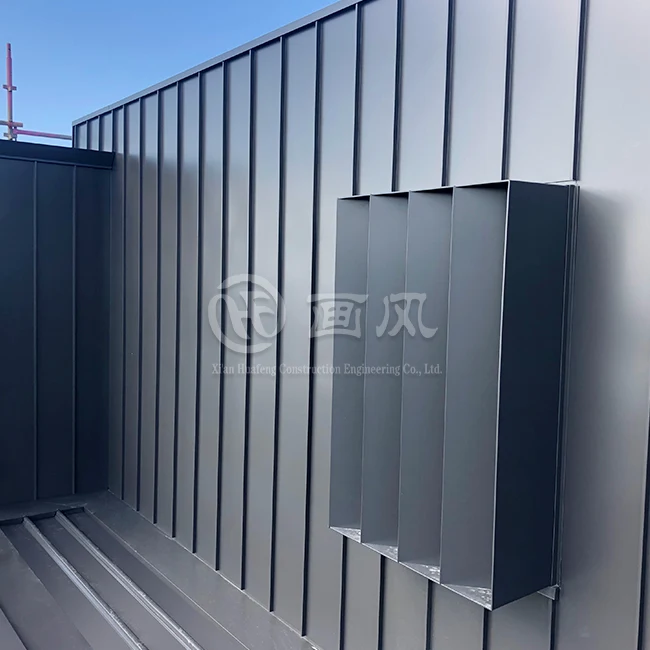
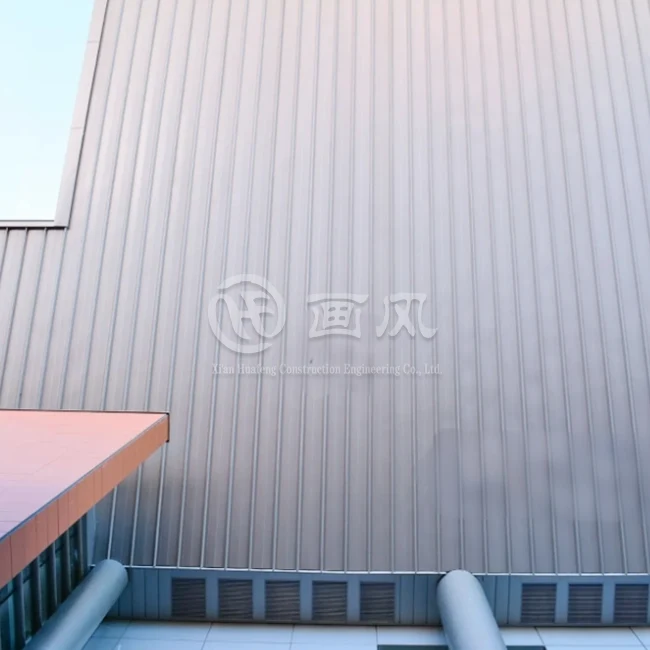
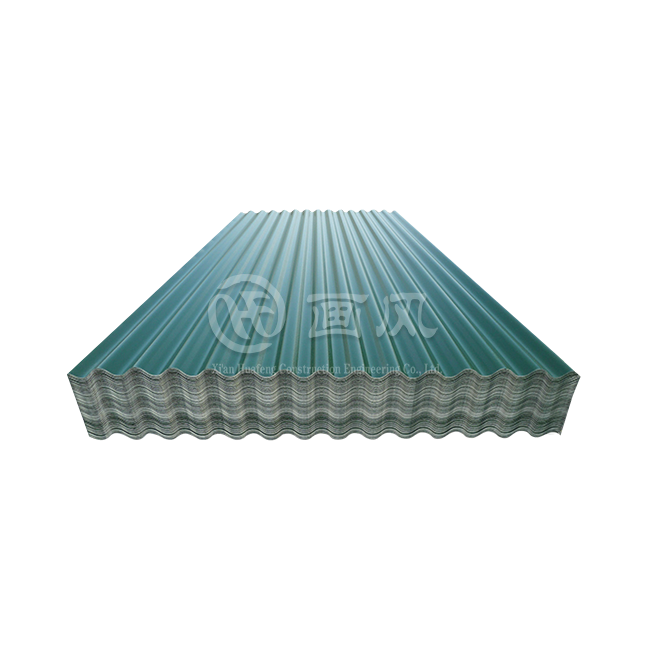
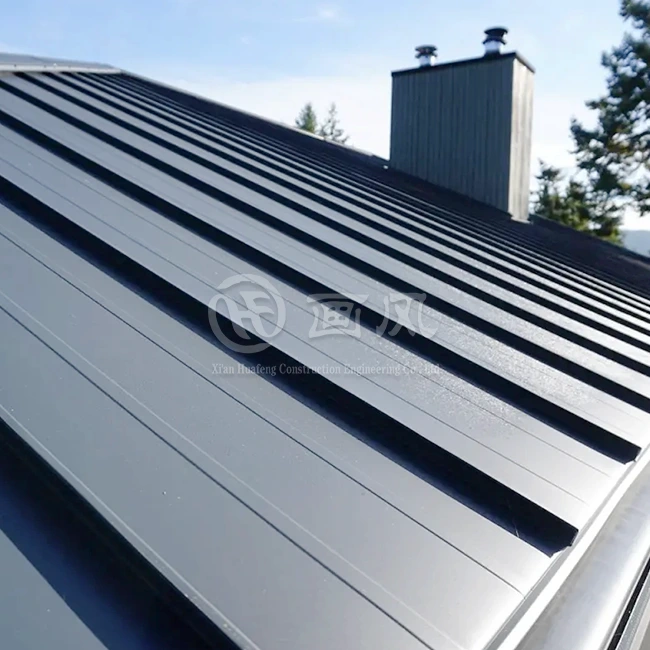
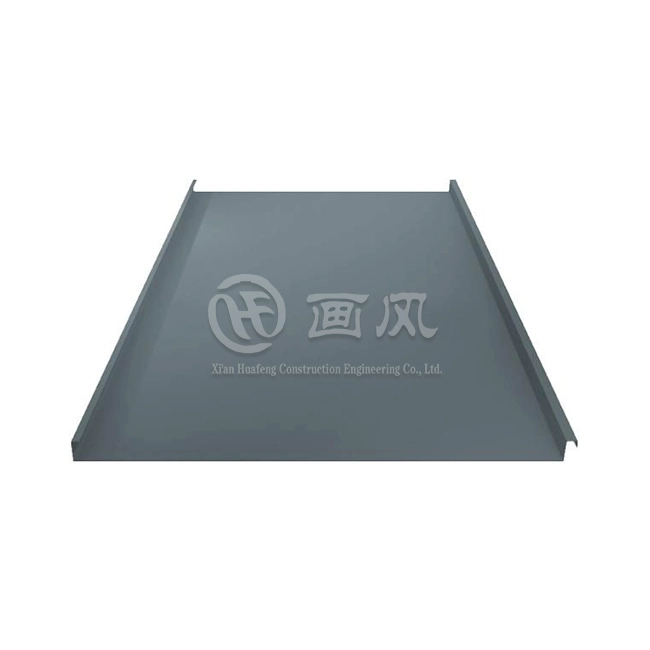
When it comes to building systems, standing seam metal roof panels are the best choice. These panels feature concealed fasteners that eliminate thermal bridging and prevent water infiltration. The form of the interlocking seams makes a continuous barrier that doesn't lose its integrity when the temperature changes. Panel widths are usually between 12 and 24 inches, which makes it easy to cover big roof areas. Through-fastened panels are a cheaper option for jobs that need to stick to a budget. Even though these systems have fasteners that are visible, current sealing technologies make them very weatherproof. The installation process is sped up even more, which makes this choice appealing for jobs that need to be done quickly.
Architectural Flexibility and Panel Dimensions
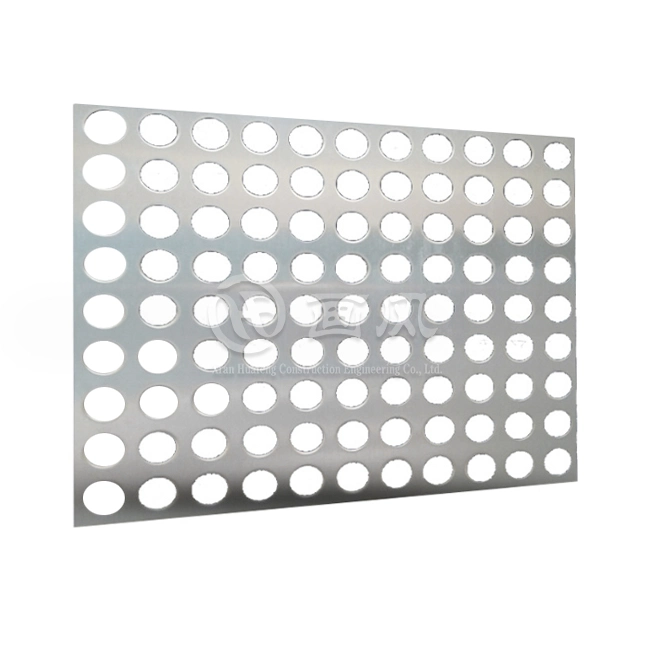
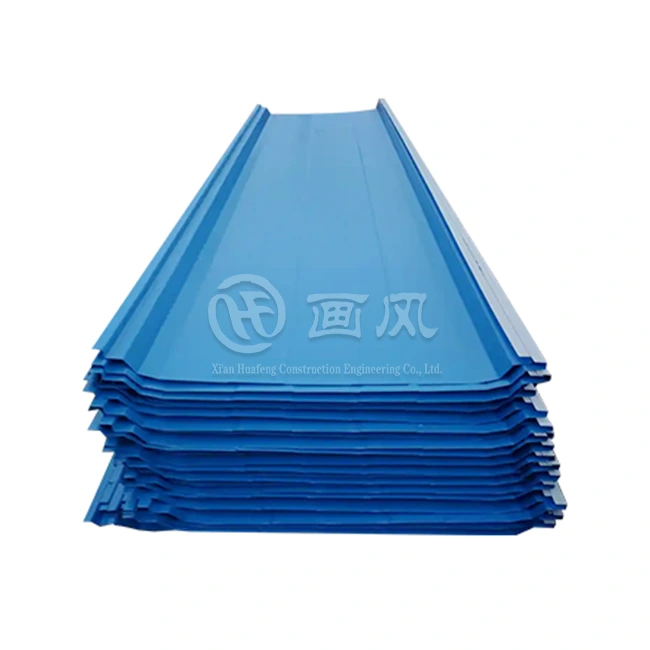
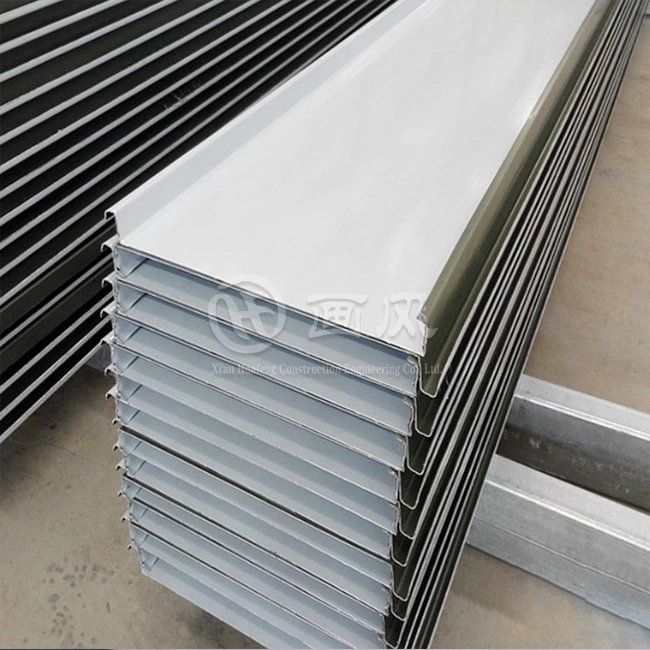
Architectural metal panels let artists be as creative as they want to be. Custom profiles, colours, and finishes let builders achieve certain looks while keeping the structure's strength. Many of these panels have high-tech coatings that keep them from fading, chalking, and rusting for decades. Panel thicknesses can be anywhere from 0.5 mm to 1.2 mm, so they can handle a wide range of load needs and spans. Longer spans between structural supports are made possible by thicker panels, which lowers the overall need for structural steel.
Structural Profiles and Performance
This adaptability helps make building plans work best for certain uses and structural metal panel roofing systems in site situations. Height shapes range from 25 mm to 65 mm, which changes both how strong they are and how they look. Deeper features make the structure stronger, and the shadow lines stand out more, which makes the structure look better. When you want to make a structural difference while keeping the visual effect to a minimum, shallow profiles are the way to go.
Engineering Technology and Material Innovation
Advanced Engineering and Computer Modeling
The engineering behind these systems involves sophisticated computer modeling to optimize panel profiles for specific loading conditions. Finite element analysis helps determine the ideal rib spacing, panel thickness, and fastening patterns for each application. This precision engineering ensures maximum performance while minimizing material usage.
Coating Technology and Manufacturing Precision
Coating technology has advanced dramatically in recent years. PVDF (Polyvinylidene Fluoride) coatings provide superior color retention and chemical resistance, backed by warranties extending up to 30 years. PE (Polyester) coatings offer excellent performance at lower cost points, making them suitable for budget-conscious projects without sacrificing quality. Manufacturing processes incorporate precision roll-forming technology that maintains tight tolerances across long panel lengths. This consistency ensures proper fit-up during installation and eliminates many field adjustment issues. Quality control systems monitor every aspect of production, from material thickness to coating application.
Material Options for Diverse Applications
Material selection extends beyond basic steel options. Aluminum alloy panels provide exceptional corrosion resistance for coastal environments. Stainless steel offers ultimate durability for harsh industrial applications. Copper and titanium zinc panels develop natural patinas that provide both protection and distinctive aesthetics. Each material brings specific advantages suited to particular applications.
Advantages for Construction Professionals
Cost Efficiency and Project Scheduling
Cost efficiency emerges as a primary driver for system adoption. Eliminating structural decking reduces material costs significantly. Labor savings compound these benefits as single-trade installation replaces multi-trade coordination. Project schedules compress, reducing overhead costs and allowing faster occupancy.
Durability and Long-Term Value
Durability exceeds traditional roofing systems substantially. Metal roof durability ratings typically extend 30-50 years with proper maintenance. Many installations from the 1970s continue performing excellently today. This longevity provides exceptional lifecycle value compared to roofing systems requiring replacement every 15-20 years. Energy-efficient roofing characteristics deliver ongoing operational savings. Cool roof technology reflects solar heat, reducing air conditioning loads substantially. In commercial applications, these savings often offset the initial system cost within 5-7 years.
Low Maintenance and Installation Efficiency
Green building certifications become more achievable with high-performance roofing systems. Maintenance requirements remain minimal throughout the system's lifespan. Annual inspections and occasional fastener tightening represent the primary maintenance activities. Unlike membrane roofing systems that require regular recoating or replacement, metal systems maintain their protective properties indefinitely. Installation speed advantages become particularly valuable in challenging weather regions. Crews can install large roof areas quickly, minimizing weather exposure during construction. This speed reduces project risk and allows for more predictable completion schedules.
Market Considerations and Competitive Landscape
Design Considerations and Limitations
Initial investment costs typically exceed conventional structural metal panel roofing systems by 15-25%. However, lifecycle cost analysis usually favors structural metal panel systems due to longevity and reduced maintenance requirements. Budget planning should account for this higher upfront investment while recognizing long-term value. Thermal expansion requires careful design consideration. Metal panels expand and contract significantly with temperature changes. Proper design accommodates this movement through appropriate fastening details and expansion joints. Inadequate attention to thermal movement can result in panel distortion or fastener failure.
Noise and Installation Expertise
Noise considerations may influence system selection for certain applications. Rain and hail create a more audible impact on metal roofing compared to membrane systems. However, proper insulation design typically mitigates these concerns effectively. Many building occupants find the sound of rain on metal roofing pleasant rather than problematic. Installation expertise becomes crucial for optimal performance. While the systems themselves are forgiving, proper installation techniques ensure maximum longevity and weather resistance. Contractor selection should prioritize experience with metal roof installation and familiarity with specific manufacturer requirements.
Comparison With Alternative Roofing Systems
Some market groups still prefer traditional built-up roofing systems because they are easier to use and cost less to install. However, these systems usually need to be replaced every 15 to 20 years, which makes the total cost of ownership much higher. The amount of maintenance needed and the chance of failure are also higher than with solid metal systems. Single-ply membrane roofing has low starting costs and has been shown to work well. When conditions are right, installation speed is close to that of metal systems. However, membrane systems don't have the structural features that get rid of the need for decks. Concerns about membrane systems' ability to fight punctures and UV damage still exist. Both TPO and EPDM coverings work well and don't cost too much. These methods work well in situations where there aren't many structural needs. But they can't compare to metal systems in terms of how long they last and how little upkeep they need. Also, energy efficiency isn't always as good as it could be with reflective metal roofs.
Applications and Future Industry Outlook
Ideal Applications and Target Markets
Commercial metal roofing applications span virtually every building type. Warehouses and distribution centers benefit enormously from the clear-span capabilities and durability. Retail facilities appreciate the aesthetic flexibility and energy efficiency. Manufacturing plants require the chemical resistance and low maintenance that metal systems provide. Industrial applications include power plants, chemical processing facilities, and heavy manufacturing. These environments demand maximum durability and minimal maintenance disruption. Structural steel roofing systems excel in these demanding conditions where other roofing types fail prematurely.
Expanding Market Segments
Agricultural buildings represent a growing market segment. Dairy barns, equipment storage, and processing facilities require corrosion resistance and easy cleaning. The ability to span long distances without intermediate supports creates more usable interior space. Institutional projects, including schools, hospitals, and government buildings, increasingly specify metal roofing systems. Budget constraints favor systems with low lifecycle costs. Sustainability requirements align well with the recycled content and energy efficiency of metal systems.
Future Outlook and Industry Evolution
Technology advancement continues to drive system improvements. New coating formulations extend color retention and corrosion resistance even further. Manufacturing processes become more precise and efficient, reducing costs while improving quality. Integration with solar technologies creates opportunities for energy generation alongside weather protection. Building codes increasingly recognize the advantages of structural metal panel roofing systems. Simplified approval processes and standardized design guidelines make specification easier. Insurance companies often provide premium reductions for buildings with metal roofing due to superior weather resistance and fire performance. Sustainability trends favor materials with high recycled content and long service lives. Metal roofing systems check both boxes while contributing to energy efficiency goals. Carbon footprint considerations also favor systems that eliminate multiple material layers and reduce transportation requirements. Market growth projections indicate continued expansion of metal roofing adoption. Construction professionals increasingly recognize the total cost advantages despite higher initial investments. As installation expertise becomes more widespread, system adoption will likely accelerate further.
Conclusion
Structural metal panel roofing systems integrate weatherproofing and structural support, eliminating extra decking to cut costs and speed up installation. They deliver exceptional durability, extreme weather resistance, energy efficiency, and architectural flexibility. Supported by advanced engineering, coatings, and material options, they outperform traditional roofing in lifespan and low maintenance. Though upfront costs are higher, long-term value, sustainability, and compliance with modern building standards make them ideal for commercial, industrial, agricultural, and institutional projects. With ongoing tech advances and growing industry recognition, they represent a high-performance, future-proof roofing solution.
FAQ
1. What is the typical lifespan of structural metal panel roofing systems?
These systems typically last 30-50 years with minimal maintenance. Many installations from the 1970s continue performing well today. The longevity depends on material selection, coating quality, and installation craftsmanship. Regular inspections and minor maintenance can extend service life even further.
2. How do these systems perform in extreme weather conditions?
Metal panel systems excel in severe weather. They resist wind loads exceeding 150 mph and handle heavy snow loads effectively. The continuous panel design eliminates many failure points common in other roofing systems. Proper installation and design ensure excellent performance in hurricanes, tornadoes, and severe thunderstorms.
3. Are structural metal panels suitable for retrofit applications?
Yes, these systems work well for both new construction and retrofit projects. Existing buildings can often accommodate metal panel systems with minimal structural modifications. The lightweight nature reduces dead loads compared to many traditional roofing systems. Professional engineering evaluation ensures proper adaptation to existing structures.
Partner with HF for Superior Structural Metal Panel Roofing Solutions
HF stands as a leading structural metal panel roofing systems manufacturer with three factories, seven production lines, and over 40 advanced machines, ensuring consistent quality. Our comprehensive range includes materials from galvanized steel to titanium zinc, with thicknesses from 0.5-1.2mm and heights from 25-65mm. Contact our technical team at huafeng@hfmetalroof.com to discuss your project requirements and receive customized solutions backed by our 30-year warranty and proven expertise.
References
1. American Institute of Steel Construction. "Design Guide for Metal Roof and Wall Systems." AISC Publications, 2019.
2. National Roofing Contractors Association. "Metal Panel Roofing Systems: Performance and Installation Guidelines." NRCA Technical Manual, 2020.
3. Building Research Institute. "Structural Performance of Metal Panel Roofing in Extreme Weather Conditions." Construction Engineering Quarterly, Vol. 45, 2021.
4. Green Building Council. "Energy Performance Analysis of Cool Metal Roofing Systems in Commercial Applications." Sustainable Construction Review, 2020.
5. International Code Council. "Structural Design Requirements for Metal Panel Roofing Systems." Building Safety Journal, Vol. 18, 2019.
6. Construction Industry Research Board. "Lifecycle Cost Analysis of Commercial Roofing Systems: A 30-Year Comparative Study." Infrastructure Economics Report, 2021.





YOU MAY LIKE