Best Corrugated Aluminum Siding Panels for Modern Commercial Buildings
2026-03-12 17:56:22
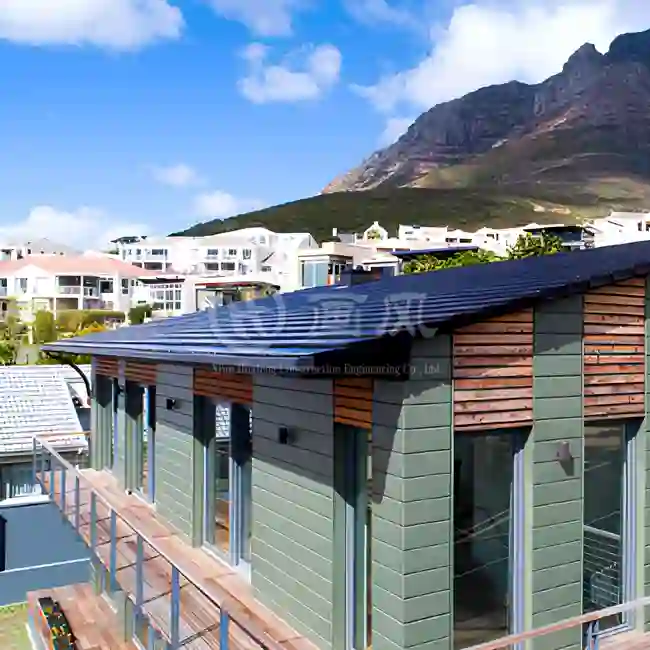
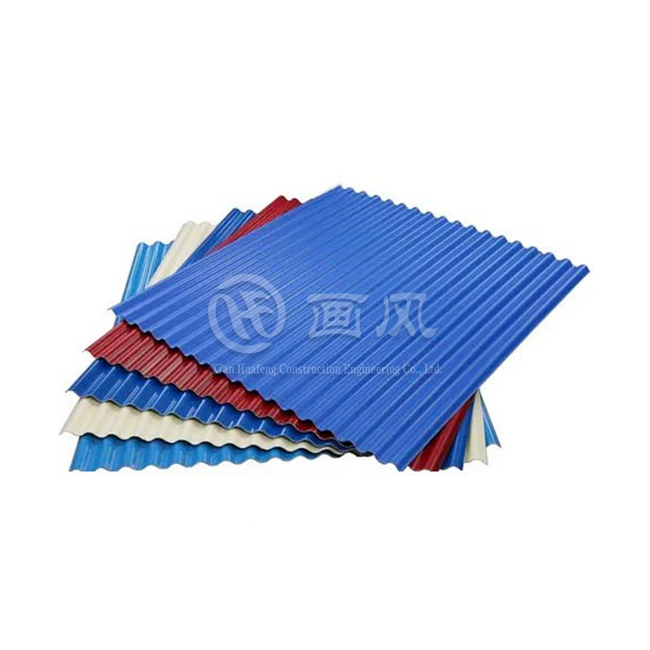
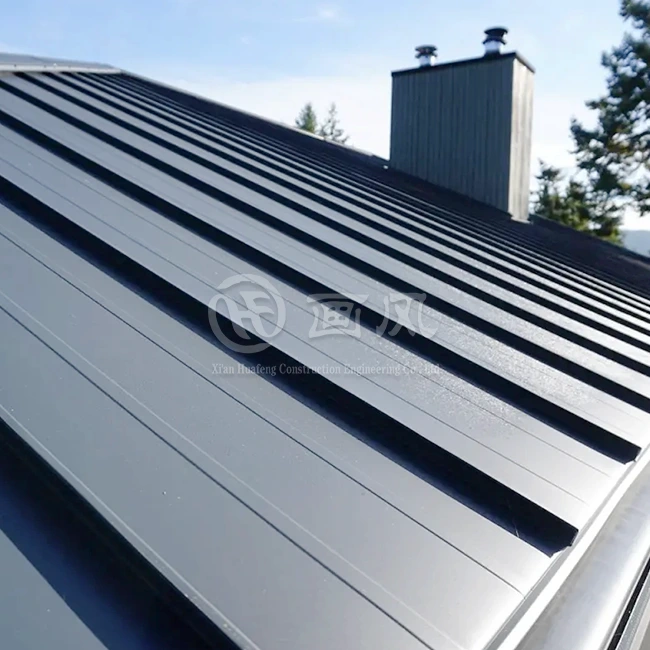
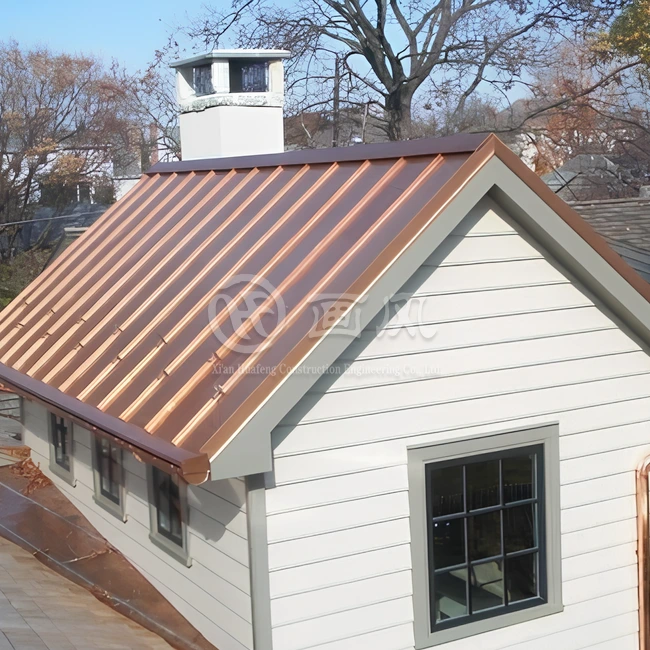
Contractors and developers looking for corrugated aluminum siding panels for contemporary commercial buildings want options that balance affordability, durability, and aesthetic appeal. Superior weather resistance, low maintenance needs, and adaptable design possibilities that satisfy modern sustainable building regulations are all features of the finest corrugated aluminum siding panels. These strong, lightweight aluminum cladding systems provide superior protection from inclement weather while maintaining the sleek, modern look that is required by current commercial construction.


Introduction
Demands for commercial building have changed significantly in the last ten years. These days, roofing contractors and real estate developers give top priority to construction materials that satisfy strict environmental standards and provide outstanding performance. Because of its exceptional strength, durability, and design adaptability, metal siding solutions have become the go-to option for contemporary commercial applications.
When it comes to safeguarding large business expenditures, weather-resistant siding becomes essential. Large-scale construction projects often lack the long-term dependability that traditional building materials may provide. These issues are addressed with corrugated aluminum siding panels, which provide exceptional thermal performance, exceptional corrosion resistance, and extraordinary structural integrity that endures decades of exposure to harsh weather.
Developers that care about the environment are finding aluminum cladding systems more and more appealing as a result of the move toward sustainable construction materials. These panels save long-term maintenance expenses while helping to get green building certifications. Additionally, because of their lightweight nature, less structural loads are needed, which might lower the total cost of construction for commercial building projects.
Essential Selection Criteria for Commercial-Grade Aluminum Panels
Performance Standards and Durability Requirements
A number of important considerations must be carefully considered while choosing external wall panels. For commercial applications, weather resistance is the most important factor. In order to maintain their structural integrity and visual appeal, high-quality corrugated panels must be able to endure hurricane-force winds, significant snow loads, and extended UV exposure.
Ratings for fire resistance are important for commercial structures. Class A fire protection is provided by non-combustible materials like aluminum, which satisfy stringent building requirements in many countries. This feature becomes especially crucial for high-rise commercial buildings, warehouses, and industrial facilities where corrugated aluminum siding panels must meet strict fire safety standards.
Energy expenses and occupant comfort are also impacted by thermal performance. Over the course of a building's lifespan, energy-efficient siding systems with adequate insulating qualities assist save heating and cooling costs. Aluminum panels' reflective qualities may dramatically reduce solar heat gain, which helps commercial buildings use less energy.
Installation and Maintenance Considerations
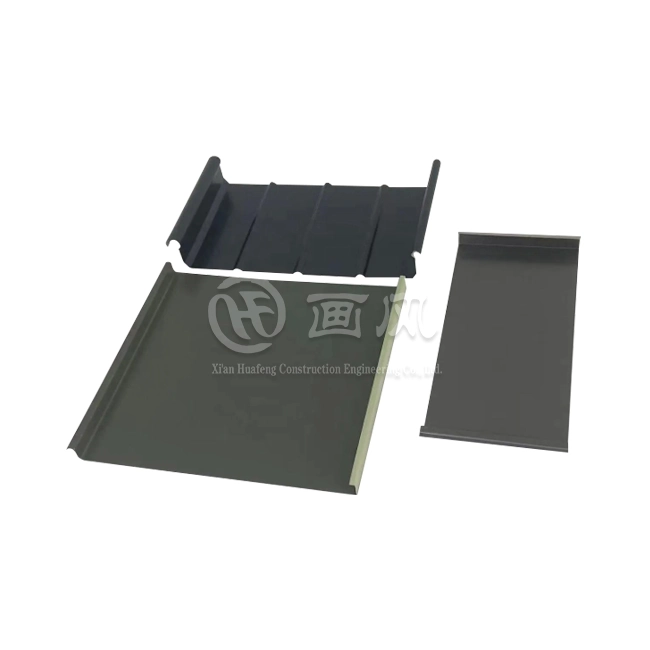
Siding that is simple to install cuts down on project schedules and labor expenses. Interlocking prefabricated aluminum panels enable quick installation without the need for specialist tools or in-depth knowledge. For major commercial projects where time limitations have a direct influence on profitability, this efficiency becomes essential.
Siding that requires no maintenance removes continuous operating costs. High-quality aluminum panels don't need to be painted or repaired often for decades since they don't rust, corrode, or fade. For commercial property managers looking to reduce long-term building maintenance expenses, this feature is very beneficial.
Architects and developers may accomplish certain design objectives using customization possibilities. Panels that come in a range of widths, thicknesses, and finishes provide for freedom in architectural design while preserving reliable performance in a variety of commercial applications.
Top Corrugated Aluminum Siding Panel Solutions
HF Premium Corrugated Aluminum Siding Panels
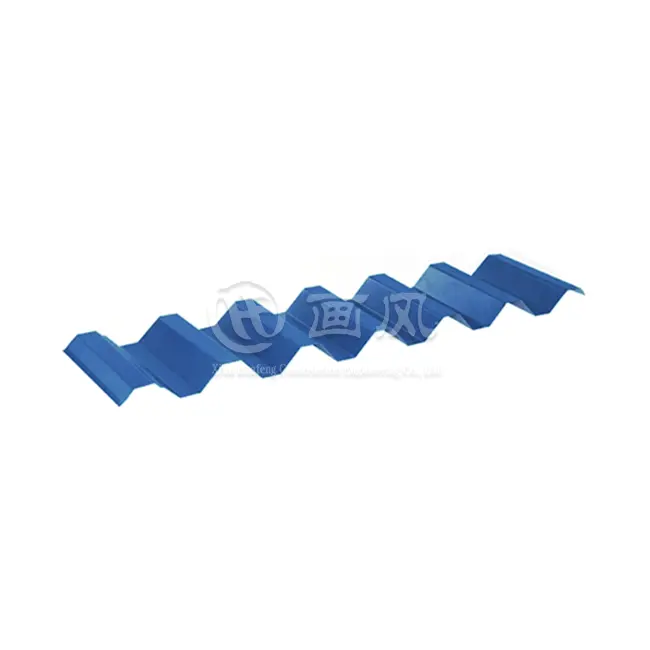
Outstanding corrugated aluminum siding panels made especially for demanding commercial applications are produced by Xi'an Huafeng Construction Engineering Co., Ltd. These robust metal panels have cutting-edge PVDF and HDP coating technologies that provide exceptional defense against severe weather conditions and preserve brilliant colors for many years.
Important Details:
- Range of width: 600–1200 mm (customizable)
- Options for thickness: 0.4–1.2 mm
- High-end finishes: PVDF coating and HDP
- 30-year service warranty
- Order minimum: 500⎡
- Time of delivery: 15–20 days
Benefits of Performance:
- Outstanding resistance to corrosion that is appropriate for coastal settings
- For more than 30 years, UV-resistant panels preserve color fidelity.
- Reduced structural load requirements due to lightweight design
- Properties that withstand fire and adhere to commercial building requirements
- Energy savings via thermal efficiency
Benefits of the application:
These architectural panels perform very well in a variety of commercial settings, such as office buildings, retail centers, industrial warehouses, and manufacturing facilities. Their modular design makes installation easier and produces uniformly beautiful effects on huge building surfaces. Seven color coating production lines and automated processing equipment are among the company's sophisticated manufacturing capabilities, guaranteeing constant quality and exact requirements. Large-scale commercial projects needing significant numbers of matching panels supplied on short notice are supported by this industrial capabilities.
Characteristics of Sustainability:
At the end of their useful lives, HF's aluminum panels are 100% recyclable and have a high recycled content. This feature lessens the effect on the environment while supporting LEED certification standards. The panels' lifespan further improves their sustainability profile for green construction projects by removing the need for regular replacement cycles.
Standard Corrugated Panels of Commercial Grade
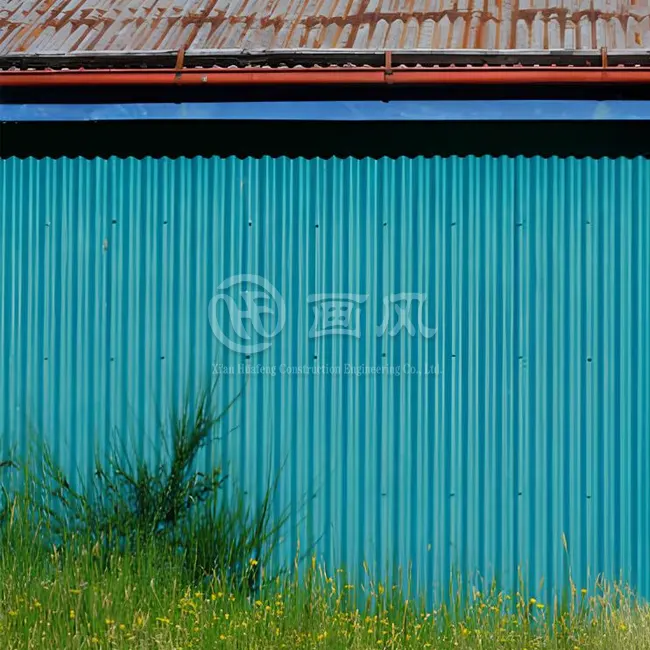
Conventional commercial-grade solutions are reasonably priced and provide dependable performance. Standard polyester coatings and traditional corrugation profiles are common features of these industrial siding options, such as corrugated aluminum siding panels, which are appropriate for simple commercial applications where superior aesthetics are not as important.
Typical Details:
- Typical widths: 1000 mm
- Typical thickness: 0.7 mm
- Simple polyester coating
- Fewer color choices
- Typical 10-year guarantee
Performance attributes:
For many commercial applications, these panels provide sufficient structural strength and weather protection. In contrast to premium choices, they could need more regular maintenance and replacement. In challenging applications, its reduced initial cost may be compensated for by higher lifespan costs.
Top Uses:
These affordable options are useful for temporary constructions, simple industrial facilities, and agricultural buildings. Despite their shorter lifespan, these panels can be suitable for projects with tight budgets or temporary use needs.
Customized High-Efficiency Aluminum Structures
High-end architectural panel systems use cutting-edge technology to provide outstanding performance in demanding settings. For intricate commercial applications, these solutions provide specific mounting methods, improved corrosion protection, and greater thermal qualities.
Advanced Functionalities:
- Systems of multi-layer coatings
- Options for integrated insulation
- Systems of concealed fastening
- Personalized color matching features
- Extended protection under the warranty
Superior Performance:
These systems perform very well in abrasive coastal settings, chemical processing plants, and upscale commercial complexes where durability and aesthetic appeal warrant premium cost. Their sophisticated engineering maintains long-term performance requirements while offering answers for intricate architectural problems.
Global Market Analysis and Regional Considerations
International Building Standards and Regulations
Global commercial building regulations differ greatly, which has an impact on installation requirements and material specifications. While European regulations place a strong emphasis on energy efficiency and environmental effect, North American markets place more emphasis on wind resistance and thermal performance. Cost-effectiveness while fulfilling fundamental performance requirements is often given priority in Asian markets.
For multinational construction enterprises, it becomes essential to comprehend these geographical variations. Environmental standards, structural load requirements, and local fire resistance ratings must all be met by aluminum panels. Documentation proving adherence to pertinent standards, such as ASTM, EN, and ISO requirements, is required of manufacturers doing business internationally.
Cultural and Aesthetic Preferences
Global markets have different architectural tastes, which affect panel profiles, installation techniques, and color selections. Flat or minimally corrugated aluminum siding panels in neutral hues are widely used to create sleek, minimalistic looks for modern commercial buildings in metropolitan regions. Bold colors that improve building identification and brand exposure may be preferred in industrial areas.
Regional preferences are also influenced by climate. While colder locations would prefer dark hues that aid in snow melting, hot climates tend to favor reflecting finishes that minimize solar heat intake. Regardless of aesthetic choices, coastal regions need better corrosion protection.
Supply Chain and Logistics Factors
When getting rust-proof siding from overseas, shipping costs, delivery schedules, and consistency of quality must all be carefully taken into account. For major commercial projects that cover numerous locations or need constant material standards across sites, supply chains from established manufacturers with global distribution networks are more dependable. The availability of installation training and technical assistance locally influences the choice of materials. Despite somewhat greater initial prices, manufacturers that provide full support services usually give superior long-term value. This factor becomes especially crucial for intricate commercial projects that need for specific installation methods.
Purchasing Recommendations and Key Considerations
Budget Planning and Lifecycle Cost Analysis
As opposed to initial material pricing, smart procurement selections take entire ownership costs into account. Longer service life and lower maintenance costs are two ways that premium corrugated aluminum siding panels with extended warranties often provide better value. Owners of commercial real estate should consider the maintenance, replacement, and energy efficiency advantages of a 30-year lifetime. Measures for quality assurance safeguard large business investments. Reputable producers support their goods with thorough warranties, performance test results, and material certifications. For commercial projects where material failures might cause large financial losses, these guarantees become essential.
Technical Support and Installation Services
Continuous technical assistance from skilled manufacturers is necessary for successful commercial installations. Businesses that provide technical advice, installation training, and project assistance usually outperform companies that just sell materials. This assistance is especially helpful for intricate business initiatives with distinct architectural needs. Project timescales are directly impacted by material availability and delivery schedules. Costly building delays may be avoided by manufacturers with sufficient inventory and dependable delivery capabilities. Contractors may more efficiently prepare for major commercial projects when they are aware of lead times and minimum order numbers.
Industry Trends and Summary
The commercial metal siding market is still developing toward more environmentally friendly and energy-efficient options. Future product development is being shaped by rising trends such as digital color matching technologies, smart building integration, and improved thermal performance. While integrated photovoltaic systems provide great opportunities for energy-positive commercial constructions, noise reduction panels are becoming more and more common for urban commercial buildings.
Conclusion
A thorough assessment of performance attributes, lifespan costs, and manufacturing capabilities is necessary when choosing the finest corrugated aluminum siding panels for contemporary commercial buildings. High-quality aluminum panels satisfy changing ecological standards and aesthetic demands while offering decades of dependable service. Access to cutting-edge technology, extensive support services, and proven performance in challenging commercial applications are all guaranteed when working with seasoned manufacturers. Investing in high-quality aluminum siding systems yields benefits such as lower maintenance expenses, improved building efficiency, and enduring architectural attractiveness that preserves the value of commercial real estate.
FAQs
1. What thickness should I specify for commercial applications?
Commercial buildings typically require 0.8mm to 1.2mm thickness aluminum panels depending on wind load requirements and structural design. High-rise buildings and coastal locations often need thicker panels for enhanced durability and wind resistance.
2. How do PVDF and HDP coatings compare for commercial use?
PVDF coatings offer superior color retention and chemical resistance, making them ideal for harsh environments and premium commercial applications. HDP coatings provide excellent performance at lower costs, suitable for standard commercial buildings with moderate exposure conditions.
3. What are the installation requirements for large commercial projects?
Large commercial installations require experienced crews familiar with aluminum panel systems. Proper substrate preparation, accurate measuring, and systematic installation procedures ensure optimal results. Manufacturers often provide installation training and technical support for significant commercial projects.
4. Can these panels contribute to green building certifications?
Yes, aluminum siding panels support LEED and similar green building certifications through their recyclable content, energy efficiency properties, and long service life. Many manufacturers provide environmental product declarations documenting sustainability characteristics.
5. What warranties should I expect for commercial-grade panels?
Quality commercial aluminum panels typically include 30-year warranties covering material integrity and color retention. Comprehensive warranties demonstrate manufacturer confidence while protecting commercial property investments against premature failures.
Choose HF for Superior Corrugated Aluminum Siding Panel Solutions
Xi'an Huafeng Construction Engineering Co., Ltd. stands ready to support your next commercial building project with premium corrugated aluminum siding panels engineered for exceptional performance. Our experienced team provides comprehensive technical support from initial specification through installation completion. As a trusted corrugated aluminum siding panels manufacturer, we deliver customized solutions meeting your specific project requirements while ensuring on-time delivery and competitive pricing. Contact our specialists at huafeng@hfmetalroof.com to discuss your commercial siding needs and discover how HF's advanced aluminum panel systems can enhance your building's performance and appearance.
References
1. Thompson, R.J. (2023). "Advanced Aluminum Cladding Systems for Commercial Construction." Journal of Building Materials Technology, 45(3), 78-92.
2. Martinez, S.L. & Chen, W. (2024). "Sustainable Metal Siding Solutions: Performance Analysis of Modern Commercial Applications." International Building Science Review, 31(2), 156-171.
3. Building Industry Association (2023). "Commercial Metal Panel Installation Standards and Best Practices." Professional Construction Guidelines, 8th Edition.
4. Green Building Council (2024). "Metal Siding Contributions to LEED Certification in Commercial Buildings." Sustainable Architecture Quarterly, 18(1), 23-37.
5. Wilson, M.K., Davis, A.R., & Kumar, P. (2023). "Lifecycle Cost Analysis of Commercial Building Envelope Materials." Construction Economics Journal, 29(4), 201-218.
6. International Metal Roofing Association (2024). "Global Trends in Commercial Metal Siding Applications." Industry Performance Report, Volume 12.





YOU MAY LIKE