What Is a Striated Standing Seam Roof Panel? Benefits Explained
2026-11-26 19:57:07
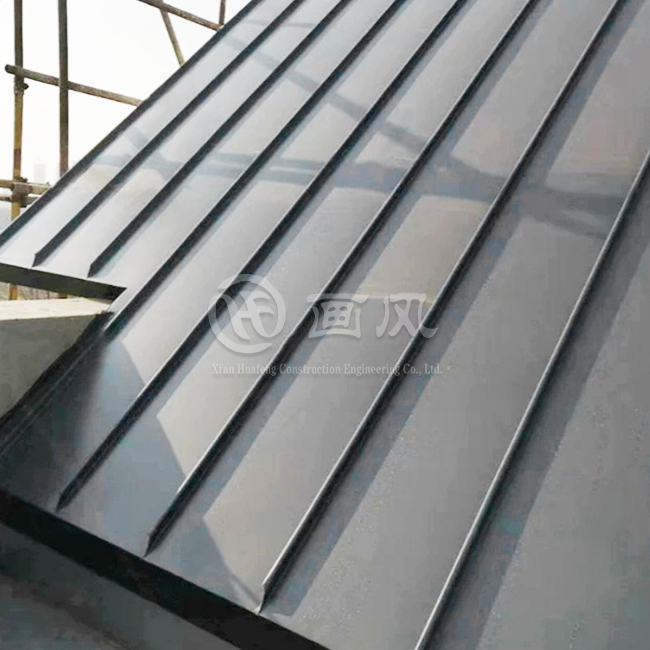
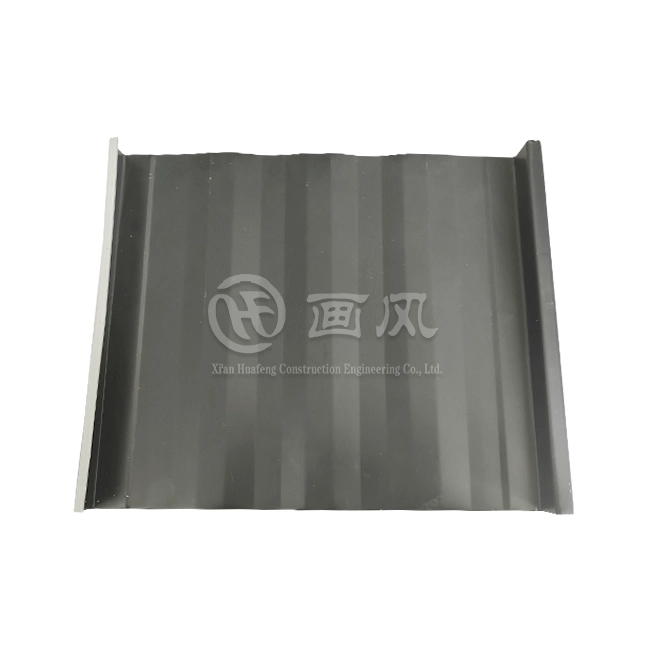
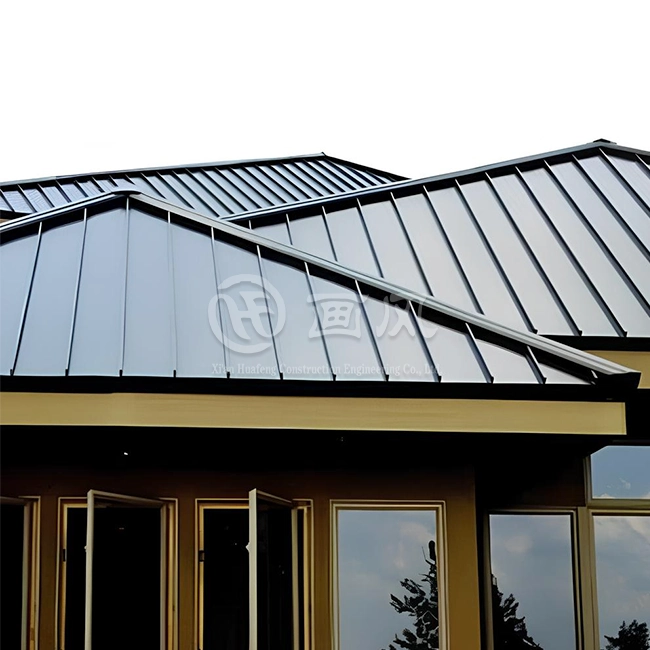
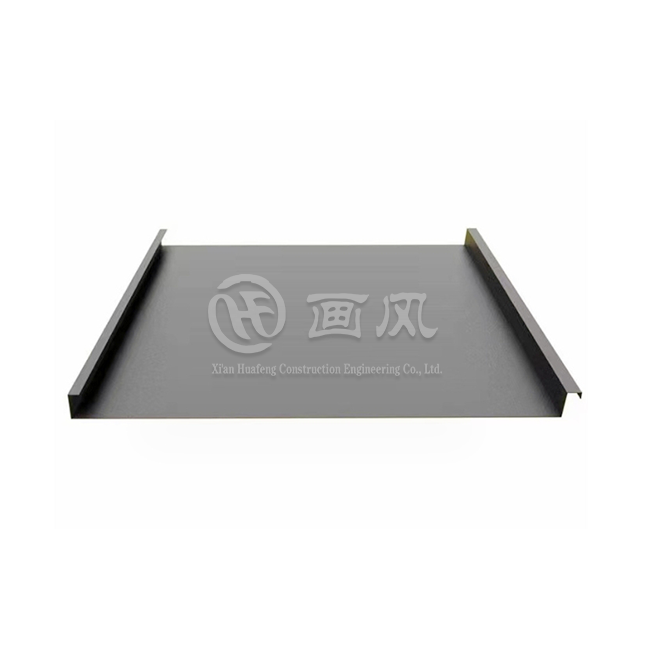
A striated standing seam roof panel is a metal roof panel with hidden fasteners that has thin, straight grooves rolled into the flat area between the raised seams that fit together. The grooves give it texture and hide small waves, which is called oil canning. Screws don't get wet because clips hold the panel to the deck. Panels can be made from aluminum, galvanized steel, or steel that has already been painted. They can be used on commercial, industrial, or institutional roofs. How are these panels made? What are their benefits? How do they stack up against other choices? What should a contractor check before placing an order?

What a Striated Standing Seam Roof Panel Is and How It Is Built
Definition and Profile Basics
There are two parts to the name. A "standing seam" is a raised vertical joint where two panels next to each other lock together. "Striated" refers to the flat pan's shallow, parallel grooves that were made between the seams. Under the seam are hidden clips that let the panel move around as the temperature changes. The screws don't touch the surface that will be seen. The seam height on our profiles is between 25 mm and 65 mm, which is 1 to 2.6 inches. Seams that are higher stand up better to wind pressure. It can be used in schools, churches, and stores because it has the same shape and can be made of galvanized steel, aluminum, and other metals. Check the technical data to make sure you understand the coverage, seam height, thickness, coating, minimum slope, and clip spacing before you place your order.
How the Panels Are Manufactured
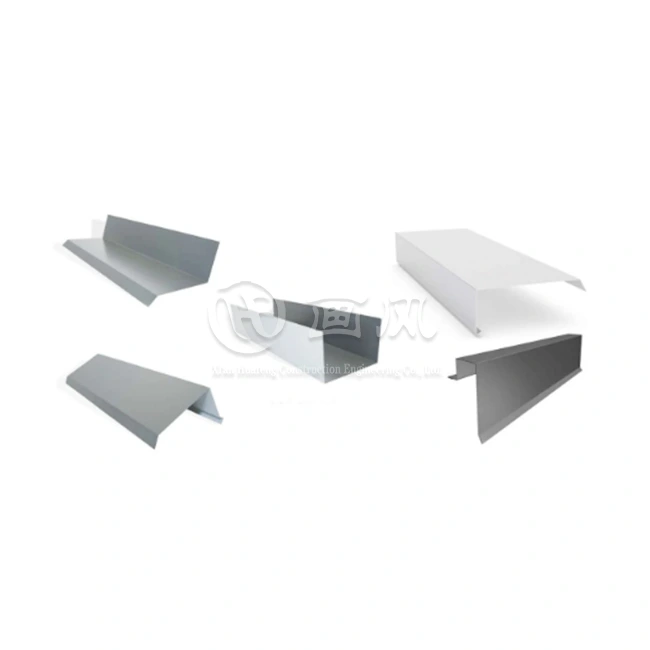
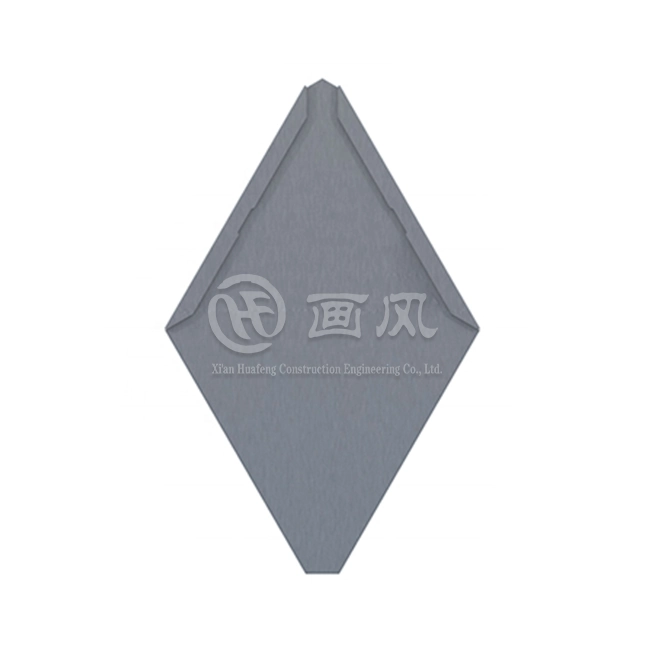
Coated steel or aluminum coil is used to start the production process. Roll forming presses the striations and shapes the seams after the material is chosen and the surface is treated. The next steps are cutting to the project length, inspecting, and protecting the goods. Our 200,000-square-meter plant for raw materials is in Anhui, and our two processing plants in Hangzhou and Xi'an make panels and other parts. There are seven color coating lines, ten slitting and cutting lines, and more than 40 machines that cut, press, and bend the material. To finish off a roof, you need sealants, closures, clips, flashings, ridge caps, valleys, and flashings that match the profile. The striations make it look better, but how well the roof works still depends on how well it was rolled and installed.
HF Specifications at a Glance
The numbers are what most estimators want first, so here they are. There are eight different sizes of our striated standing seam: 25-330, 25-400, 25-430, 32-410, 45-400, 65-400, and 65-430. These sizes are written as seam height followed by coverage width in millimeters. It is between 0.024 and 0.047 inches thick, or 0.6 mm to 1.2 mm. Coatings come in PVDF or PE, and we have a lot of RAL and Pantone colors to choose from. ASTM, DIN, JIS, BS, and GB/T are some of the standards that are covered. The monthly supply limit is 1,000 tons. You need to order at least 500 square meters, which is 1 ton, and it will be delivered in 15 to 20 days. You can read the written terms for your climate and project before you buy. We offer a 30-year warranty.
Benefits of Striated Standing Seam Metal Roofing
Visual Control Over Oil Canning
When the sun isn't shining, big, flat metal pans can show waves. The rules for the industry say that oil canning is just a look of light-gauge flat metal and not a structural failure. Since the reflection on the pan is broken up by lines, small ripples stand out less. They also make the panels stiffer while crews work on them. But we want to be clear: no panel gets rid of oil canning completely, because thermal movement and coil stress are still there. The striations hide some light waviness in large parts of the roof. This is important for architects who look at mockups and for owners who see the striated standing seam roof panel from the parking lot.
Weather Protection and Durability
Raised seams keep the joint above the water, and hidden clips keep the screw holes from showing on the pan that is being used. Those are a lot of places where leaks can happen on roofs with exposed fasteners. Weather resistance varies for galvanized steel, aluminum, and prepainted coil. Coating, climate, detailing, and maintenance can still affect how long something lasts. PVDF coating is used because it is resistant to UV light and keeps colors. Our PVDF-coated 3003H24 aluminum sample passed all 13 tests that SGS did against AAMA 2605-22. The results showed that it stuck well in 5B dry, wet, and boiling water, changed color by 0.3, and was flexible (0T). That report is for a 3.0 mm sample of aluminum, so let us know which report is right for the material you want to use.
Fire, Environmental, and Energy Data
For business buyers, test data is just as important as looks. Under AS/NZS 1530.3:1998, SGS tested a 3003H24 aluminum sample that was PVDF-coated and 1.3 mm thick. The ignition, flame spread, and heat release indices for all six samples were all 0. None of them caught fire. In a separate SGS report on 0.72 mm polyester-coated 5052H26 aluminum, all ten substances listed in EU RoHS Directive 2011/65/EU, as amended by (EU) 2015/863, were either not found or were below the limits set by the directive. The whole roof assembly affects how well it keeps heat in or out, so use reflective coatings along with the right insulation and air flow. Metal can also be reused and is lighter than tile or slate.
How Striated Standing Seam Compares With Other Roofing Options
Striated vs. Smooth Standing Seam
Some architects like the clean, simple look that smooth panels give. Most of the time, dark colors and long runs show every ripple. Striated panels give the surface some texture, which can hide small waves and reduce glare. Because the stripes are a roller set variation, the price difference between them can be small. The cost changes more because of the gage, coating, and quantity. If you need a finish that looks like glass, choose smooth. If your roof is wide, the colors are dark, or you want to change the way it looks without changing the seam, choose striated.
Standing Seam vs. Corrugated or Exposed-Fastener Panels
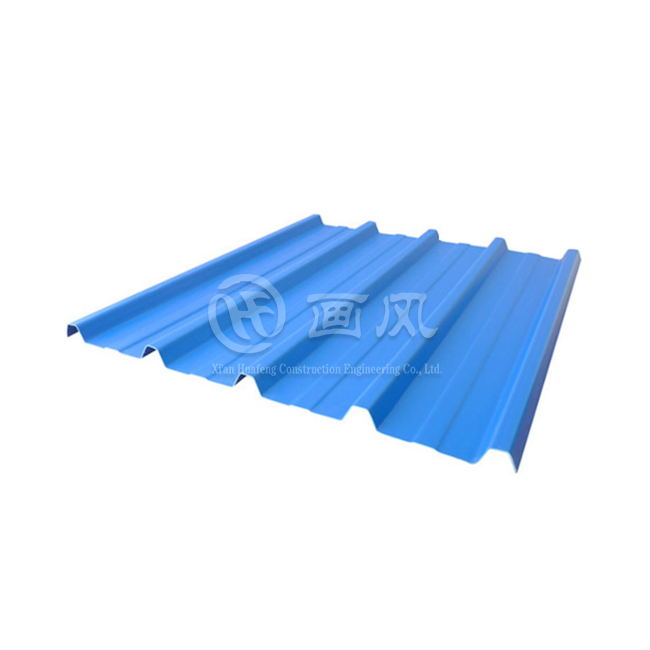
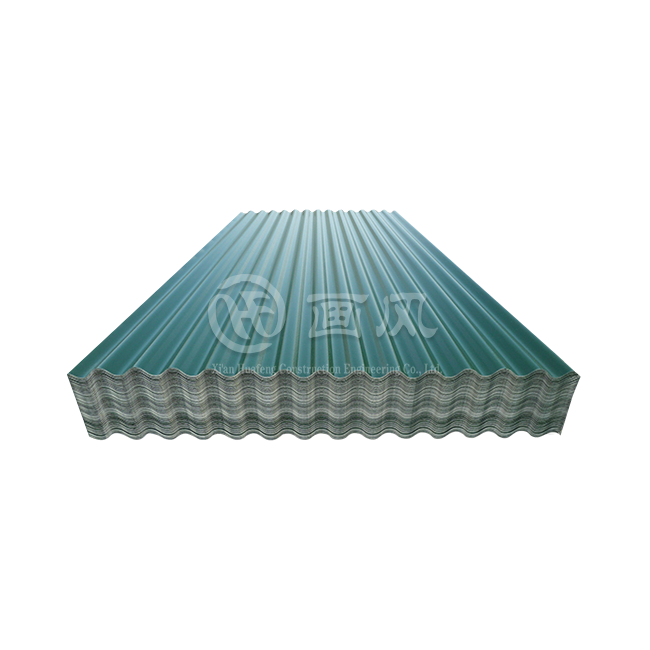
Panels with exposed fasteners cost less up front and are easy to put up. They use screws with washers that go through the panel and can come loose when the metal grows or shrinks. With a standing seam system, the clips are hidden, and there are fewer holes. With a seaming tool, it does need more attention to detail and a trained crew. You shouldn't just look at the price per square foot of the panels; you should also look at the cost of the clips, flashings, underlayment, labor, freight, and maintenance. When people plan to keep their school, church, or office roofs for decades, fewer penetrations can mean fewer service calls.
Checking Slope, Wind, and Test Ratings
"Standing seam" does not mean that the product will work well on low slopes. It has been tested to see what the lowest slope is for each profile. Field-seamed profiles can often go lower than snap-lock types. Write down the number. As for wind, make sure you get information that matches your project's rating. This could be UL 580 uplift classes, ASTM E1592 structural results, or FM approvals if the owner or insurance company needs them. Hurricane zones in Florida with high winds are covered by Miami-Dade product approval. A test report is only useful for the part that was tested. Tell us early on what kind of deck it is, how far apart the clips are, and how tall the building is, and we'll let you know what documents we can give you.
Applications, Installation, and Maintenance
Where These Panels Fit
Roofing made of striated metal works well on warehouses, distribution centers, stores, offices, schools, churches, and farm buildings. It can be used to cover walls, make soffits, and make canopies. The stripes hide any waviness on long runs, and the floating clips let the panel move with the temperature. Most custom lengths are 12 m long, which is 39 feet, so they are easy to move. Agricultural roofs may be exposed to chemicals, ammonia, or water, so the choice of coating is important. Aluminum is often found near salt air. Contractors who use the same design on multiple sites also like it when the batch records and sizes are the same from one order to the next.
Installation Steps
A good installation starts before the first panel is put up. Check the roof's size, slope, support, drainage path, and holes or openings. Follow the project engineering for clip spacing, which is based on the type of deck, the height of the building, the roof zones, and the wind uplift. Cut the first panel into a square. As you go up the roof, small mistakes add up. Use the right snap-lock or mechanical-seaming method for each seam and make sure your seamer fits the shape of the seam. Due to the high number of leaks they cause, pay extra attention to flashings and penetrations. Be careful when walking on the roof so you don't dent the pans, and store the panels dry so they don't get wet. Last, check the drainage paths, seams, clips, sealants, and coatings.
Maintenance and Repair
Check the roof at regular times and after bad weather. Check the condition of the coating, seams, flashings, penetrations, drainage holes, clips, and flashings. Remove any leaves or other debris that are stuck in valleys, as this can damage coatings if water gets there. Follow the manufacturer's instructions to fix scratches, failed sealants, and loose flashings. If you don't, the warranty could be voided. If there is a lot of corrosion, leaks keep happening, or seams are badly damaged, you should replace the panels instead of patching them. Before replacing, make sure the substrate and flashing are in good shape. Metal doesn't get mold, rot, or bugs, but it still needs to be washed and looked at carefully every so often.
How to Choose a Striated Standing Seam Roof Panel Supplier and Avoid Mistakes?
Match the Panel to Your Project
Start with the type of building, its location, climate, shape, slope, structure, appearance, code, and schedule for your striated standing seam roof panel. After that, compare the things. For businesses, galvanized or galvalume steel is a good option that won't break the bank. Prepainted coil gives you more color options, and aluminum can handle coastal air and other harsh conditions. Coating is also important. PVDF lasts longer and is more resistant to weather, but PE costs less and usually lasts about half as long. Most homes have panels that are 0.6 to 0.8 mm thick. For commercial work, thicker gages are often needed, and your engineer will decide which ones to use. For each batch of coils, ask for a mill test certificate and a written warranty on the surface.
Questions to Ask Your Supplier
A good quote includes everything about the system, like the size of the panels, the lead time, the warranty, the payment terms, the freight, the duties, and the taxes. Find out if the supplier can give you detailed drawings of the eaves, ridges, and penetrations. Find out how the packaging protects the sides and fronts, since damage often happens while being shipped and unloaded. Find out how the supplier manages color across large orders, and make sure that each roof level gets its own batch of coating. Make sure you understand how to pay, like with a letter of credit, before you sign. You can keep your project on schedule if your supplier has more than one factory and production line.
Common Mistakes to Avoid
The biggest mistake people make is thinking that all standing seam profiles, clips, flashings, and seamers can be used with any other. Each maker has their own seam shape, coverage, minimum slope, and extras. Some other mistakes people make are choosing panels before checking the roof slope, judging quality only by thickness and coating, and following general installation advice. Just as important are the tolerances for size, the adhesion of the coating, testing, packaging, and technical support. It's also important to plan for logistics, since delays can be avoided if you avoid wet packs, damaged edges, wrong labels, and rough unloading. Let enough time pass for the normal buying process, which includes the estimate, profile check, order, and production. When making final decisions, make sure to follow the project engineer's and manufacturer's instructions.
Conclusion
A striated standing seam roof panel has raised seams, concealed clips, and shallow grooves that make oil canning less obvious, but no panel gets rid of it completely. Its value is determined by how well the profile, metal, coating and slope suit the structure and how well the wind, fire and coating test results meet the demands of the project. It frequently provides texture at the same price as smooth panels. It has fewer holes in it than exposed fastener roofs but requires greater attention to detail and expert installation. It is safe since it was installed properly and will be maintained as intended, and it was packaged and shipped with care. The best picture is when customers compare whole systems, and obtain all of the documentation in writing, not just the panel pricing.
FAQ
1. Does a striated standing seam roof panel remove oil canning?
No, there is still thermal movement and coil stress. Because the lines break up the reflection, mild waviness is less noticeable. Correct roll forming and installation also lessen the effect.
2. What are the minimum order and lead time at HF?
You need to order at least 500 square meters or 1 ton. It takes 15 to 20 days to deliver, and the monthly supply capacity is 1,000 tons, which means that big business orders can be filled.
3. Which coating should I choose, PVDF or PE?
PVDF is better for big, visible roofs because it resists UV light better and keeps its color longer. PE is cheaper and works well for projects that will be exposed to weather. Tell us about the weather and the warranty you need, and we'll suggest a coating.
4. Which test documents can HF provide?
We have SGS reports on aluminum samples that show how well they meet the requirements of AAMA 2605-22, AS/NZS 1530.3, and EU RoHS. Send us the details of your project, and we'll let you know what we can do to meet UL 580, FM, or Miami-Dade standards.
Get a Quote for Striated Standing Seam Roof Panels From HF
Are you ready to get quotes on your next business roof? HF makes striated standing seam roof panels and has seven color coating lines. They can supply 1,000 tons of panels every month and deliver them in 15 to 20 days. Send huafeng@hfmetalroof.com the size, slope, thickness, coating, and color of your roof, and our team will get back to you with a suggestion that is right for your project.
References
1. UL 580, Tests for Uplift Resistance of Roof Assemblies, UL Standards, 2006
2. ASTM E1592, Standard Test Method for Structural Performance of Sheet Metal Roof and Siding Systems by Uniform Static Air Pressure Difference, ASTM International, 2017
3. AAMA 2605-22, Voluntary Specification, Performance Requirements and Test Procedures for Superior Performing Organic Coatings on Aluminum Extrusions and Panels, FGIA/AAMA, 2022
4. ASTM D3359, Standard Test Methods for Rating Adhesion by Tape Test, ASTM International, 2023
5. Metal Roofing Systems Design Manual, Metal Building Manufacturers Association, 2012
6. The NRCA Roofing Manual: Metal Panel and SPF Roof Systems, National Roofing Contractors Association, 2019





YOU MAY LIKE