Commercial Standing Seam Roof Aluminum Certification: What Buyers Should Check
2026-11-26 19:57:08
Certification for commercial standing seam roof aluminum should show that the roof you buy is the same as the one that was tested. Not just the panel, but also the whole assembly should have its alloy, temper, thickness, coil traceability, coating reports, and proof of wind, snow, and fire. For projects in the US, the profile, clips, and substrate must all have UL 580, UL 1897, or FM approvals. You should also read the warranty terms and ask what kind of technical support the supplier offers at the project level. Estimators, purchasing managers, and project managers can approve a commercial standing seam roof order with fewer surprises if they read this guide. It explains each check in simple terms.

Commercial Standing Seam Roof Types and Aluminum Material Records
Match the Seam Type to Slope and Wind
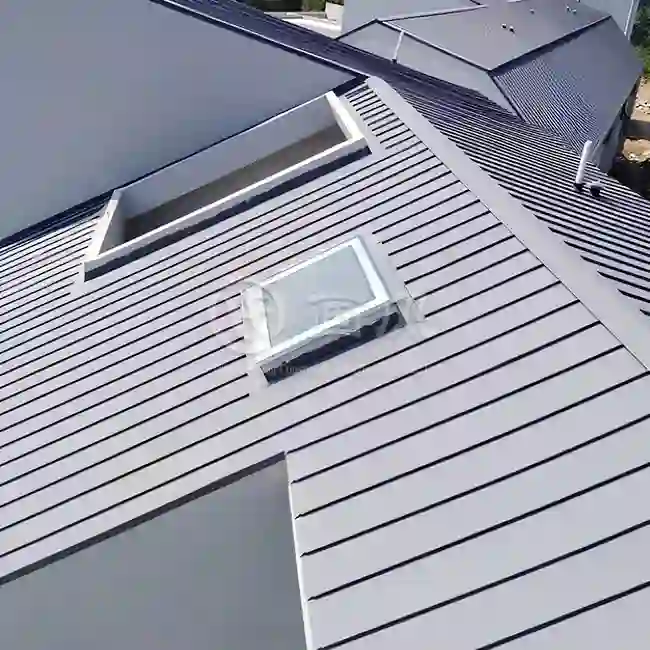
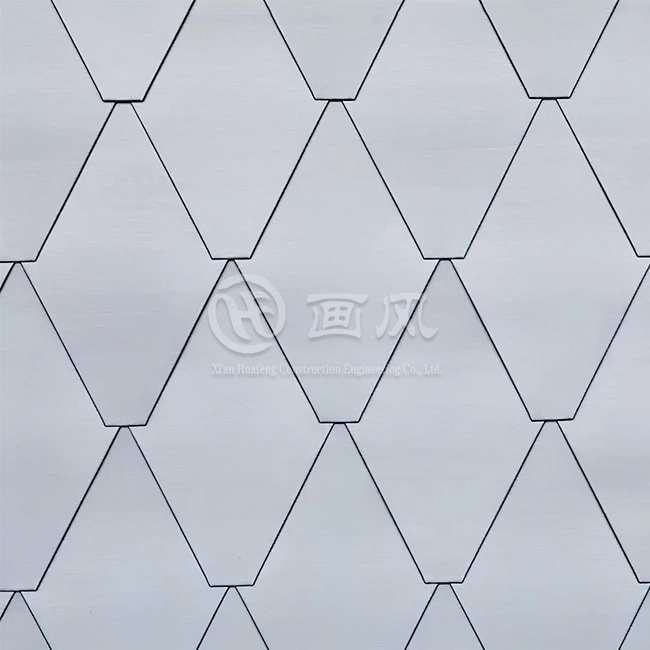
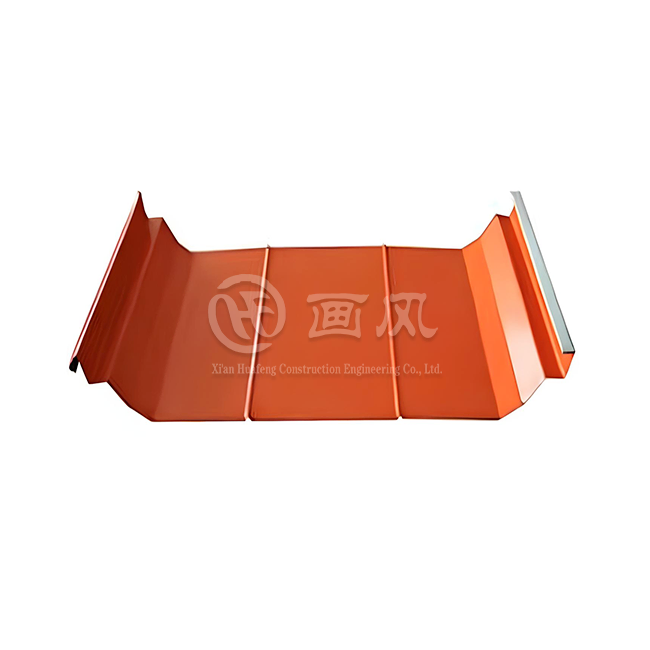
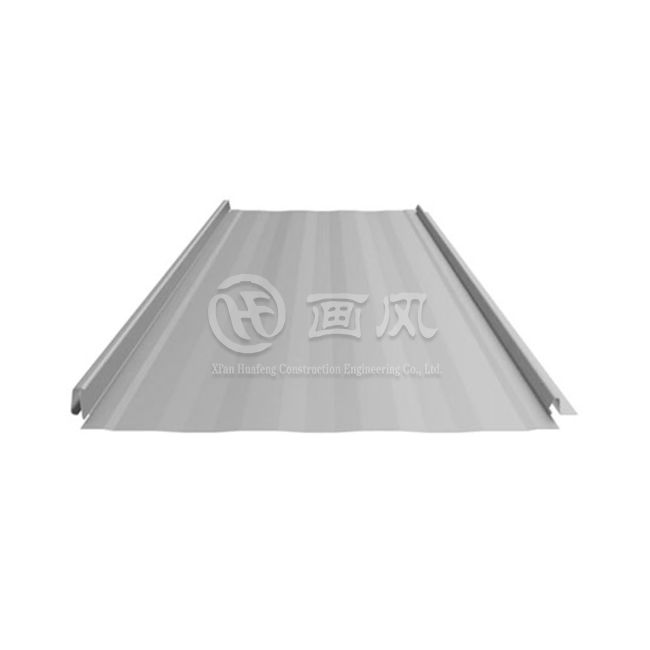
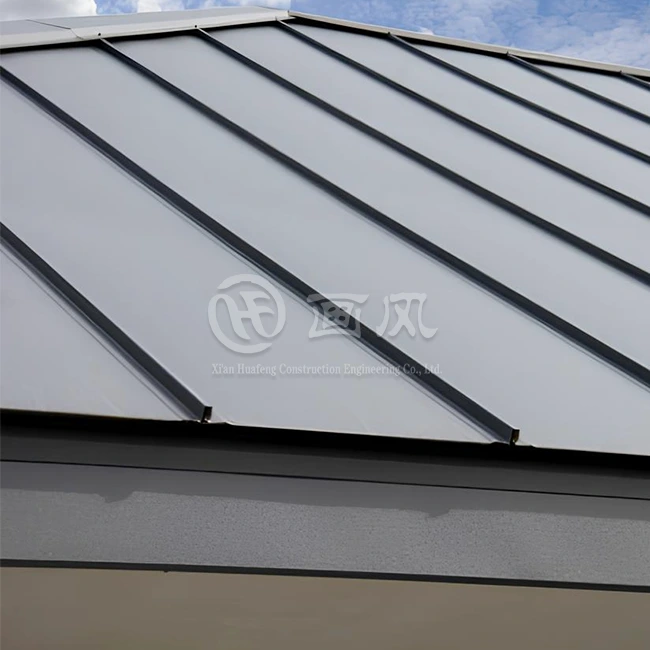
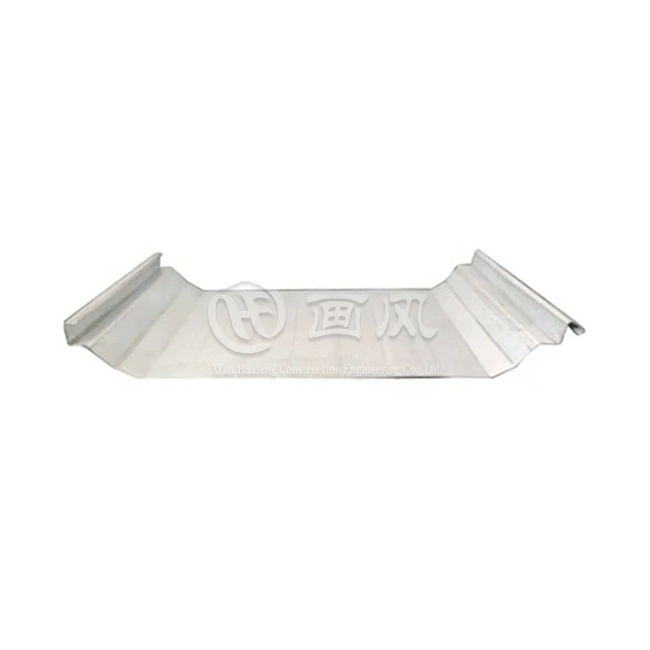
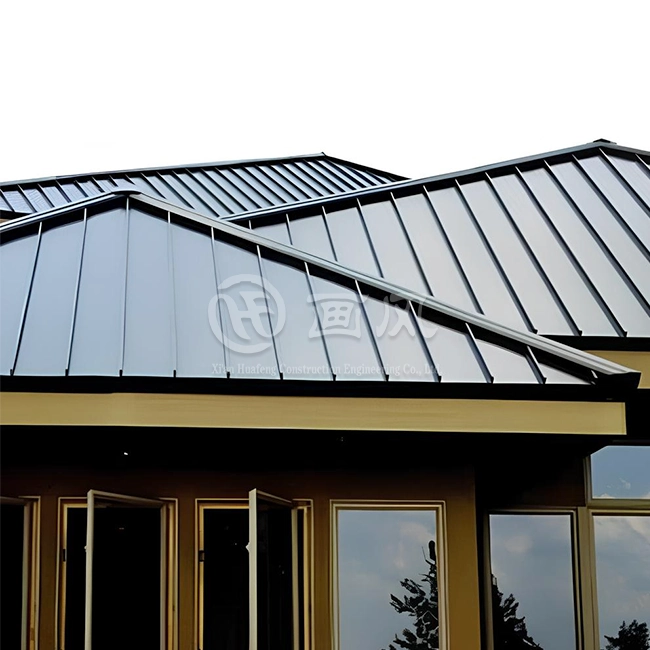
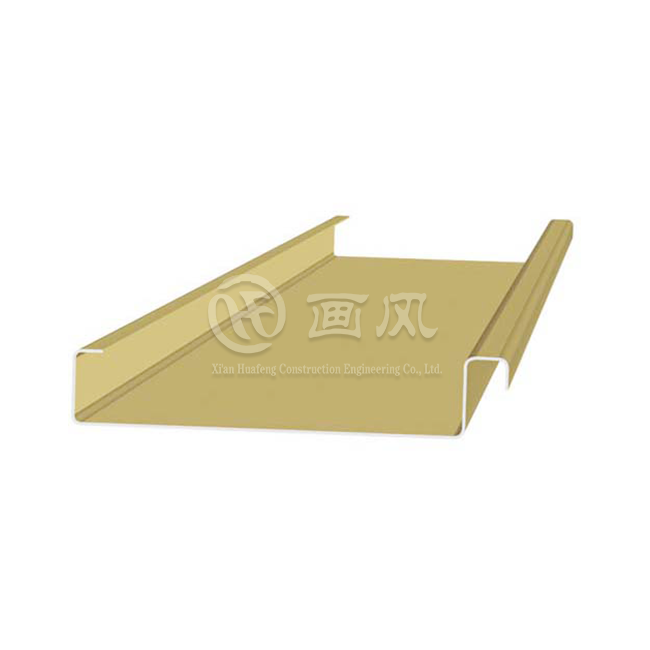
Start with the seam. Machine-seamed panels are closed in the field with a seaming machine. They work well on low-slope and high-wind roofs. When designed to, snap-lock panels can fit steeper slopes because they click together. The structural panels go between the purlins, while the architectural panels need the decking to go all the way across. The seams at HF come in heights between 38 and 76 mm (1.5 to 3 inches) and cover 12 to 24 inches per seam. Make sure you know what profile each test report covers. Our product data shows that the slope must be at least 5 degrees, or 1:12. Estimators should write down this limit right away. If your roof isn't level, you should get project-specific engineering before you set a price.
Verify Alloy, Temper, and Thickness
Next, check your approved submittal against the mill test certificate to see if the alloy, temper, and thickness are the same. The chemical make-up, mechanical properties, and coil number should all be written on the certificate. The temper, like H24 or H26, tells you how the metal was hardened, which changes its strength and how it can be shaped. The two most common architectural alloys that HF tests are 3003H24 and 5052H26. Our panels are between 0.5 and 1.2 mm thick. Take note of the SGS samples' sizes: 1.3 mm, 0.72 mm, and 3.0 mm. So, each report only talks about one sample and not all of the gages. Do not forget to ask your supplier which report supports which thickness.
Require Coil Traceability and Coating Records
Each roll-formed panel can be traced back to its original coil. On the mill certificate, look for coil or batch numbers. Then, make sure that the same numbers are on the bundle labels. Coating records should list the color, finish type, film thickness, and how well it sticks. HF has finishes in RAL colors and custom colors for PVDF and PE. Many project specs need the high-performance coating specification AAMA 2605 for PVDF finishes, so ask for the report and the layer structure. Find out the rules for cut edges and field touch-up as well. Your team can use full records to connect a color or adhesion question to a specific coil.
Certification for the Complete Roof System
Confirm the Certificate Covers Every Component
A panel report is not enough to approve a commercial standing seam roof on its own. The wind and structural tests are done on a specific assembly, which includes the panel profile, gage, clip type, clip spacing, fasteners, and substrate. Ask for drawings that show the limits of each part. Galvanic corrosion can start where aluminum meets steel, copper, or treated wood. Be sure to check those places. It's important to pay attention to all of the trims, flashings, snow guards, and penetrations. HF sells both panels and accessories for roofing systems, so your estimator can price one job instead of putting together parts from different suppliers. Reviewers will be able to match the drawings line by line if you keep them next to the test report.
Check Wind, Snow, and Fire Evidence
For US projects, wind proof usually means UL 580, UL 1897, or FM approval, along with ASTM E1592 testing for sheet metal roof systems to make sure they are structurally sound. The report needs to match your profile, clip spacing, substrate, roof zone, corners, and edges. Do not forget to look over the snow load tables, drift areas, and snow guard attachments. The fire proof needs the same match. The SGS report from HF under AS/NZS 1530.3 showed that the 3003H24 aluminum had no ignition, flame spread, or heat release indices. However, that is only an Australian and New Zealand standard. Ask for a UL 790 or ASTM E108 assembly rating by name if your code needs one. The HF product data says that it can withstand winds of up to 160+ mph, but this depends on the substructure, so check the supporting report.
Separate Product Certification from Installer Skill
Even if the crew installs a certified panel wrong, it can still leak. Certification of a product includes testing of the material, coating, and performance. Installer qualification includes training, quality work, and following the instructions from the manufacturer. When a roof is mechanically seamed, the seamer calibration is important because seams that aren't crimped enough can lose their uplift strength and seams that are crimped too much can damage the coating. It's also important that the substrate is flat. A common tolerance is 1/4 inch every 20 feet, which helps keep oil canning and seam problems to a minimum. Ask the supplier what kind of project-level support it offers, like drawings for the bid, help with installation, and answers during the first panel runs. A written scope of support keeps people on site from having to guess.
Durability, Alternatives, and Lifecycle Cost
Weigh Corrosion Resistance and Thermal Movement
It doesn't rust and is lighter than steel, which is why it's often used in coastal and humid areas. Service life still depends on the alloy, coating, drainage, maintenance, and exposure, so don't just take someone's word for how long something will last. Instead, ask for examples from similar sites. We should pay close attention to thermal movement. Aluminum grows about twice as much as steel does every time the temperature drops by one degree. Panel run length also changes how things move. Long panels can slide with floating clips, and the details at the eaves, ridges, and penetrations need to be able to do the same. When HF panels get hot, they use hidden clips that let the panel expand. This keeps the fasteners out of the way and out of the weather.
Compare Aluminum with Steel and Membrane Roofs
There are times when aluminum is not the best choice. Steel is stronger and doesn't expand as much when it gets hot, and Galvalume is good for many projects in the middle of the country. Standing seam metal is usually two to three times more expensive than TPO or EPDM at first, but membranes need to be replaced every 15 to 20 years, while metal roofs can last 40 to 60 years with little maintenance. Exposed-fastener panels are less expensive, but they use screws that can come loose when the temperature changes. Aluminum alloy, steel, stainless steel, copper, titanium zinc, and aluminum alloy are all available from HF. This way, buyers can compare materials on one profile from one supplier.
Read Warranty Terms and Total Installed Cost
Price per square foot doesn't always show the whole picture. You can add underlayment, freight, engineering, installation, maintenance, and clips, trims, and flashings. A low panel quote for a commercial standing seam roof might cost more if parts don't show up on time or paperwork is missing. HF says it comes with a 30-year warranty. As with any warranty, you should read what it covers. Break down the coverage into four groups: material, coating, weathertightness, and workmanship. Next, look at the coverage's exclusions, maintenance duties, and transferability. Also, make sure you know that the minimum order for HF is 500 m², which is 1 ton, and that the lead time is 15 to 20 days. Often, big jobs need to be shipped in stages, so find out how the loads are split.
HF Certification Evidence and Supplier Review
Read What HF's SGS Test Reports Cover
These are the three reports that SGS has made on HF aluminum:.
- Combustion test AS/NZS 1530.3:1999 Dated: 26 September 2024 Tested by: SGS Anji Branch 1.3 mm grey, roll-coated 3003H24 aluminium with PVDF coating. None of the six samples burnt. The ignition, flame spread and heat release indices were 0 and the smoke development was 0 to 1. Only a superficial discolouration was found during testing.
- Coating test, AAMA 2605-22, Nov 19, 2024: SGS Guangzhou Branch conducted testing on 3.0 mm 3003H24 aluminium with PVDF coating. The sample satisfied all 13 criteria of the standard, including 5B adhesion in dry and boiling water tests, 0T coating flexibility without breaking, and a ΔEH 0.3 result for colour uniformity.
RoHS test, EU Directive 2011/65/EU as modified by (EU) 2015/863, November 7, 2024: 0.72 mm 5052H26 aluminium with polyester coating was tested by SGS Qingdao - Branch according to IEC 62321 series. All 10 of the mentioned drugs went undetected or below limits. Lead was 10 mg/kg with a limit of 1,000 mg/kg.
In these papers they discuss the behaviour of the samples in flames, the quality of the coating and the materials that were employed. They are not a substitute for UL or FM wind-uplift approvals.
These reports talk about how the samples behaved in fires, the quality of the coating, and the materials that were used. They don't take the place of UL or FM wind-uplift approvals.
Review HF Specifications and Production Capacity
There is more to a supplier review than simply pricing. It was established in 2018 in Shaanxi province by a firm named Xi'an Huafeng Construction Engineering Co., Ltd. Designs, manufactures, sells and installs metal roofing systems. HF has three factories, more than forty machines and seven manufacturing lines. Each facility manufactures 1,000 tonnes of commodities every month. The panels are available in RAL or special colours and are manufactured according to ASTM, DIN, JIS, BS and GB/T standards. HF was recognised as a high-tech firm in Shaanxi in 2020 and today has more than 20 registered patents. Any supplier (including us) will provide you production records and sample panels so your team may verify these claims themselves.
Set Inspection Points Before Shipment
Determine where checks will be located before production begins. Things that are often evaluated include panel length and breadth, seam height, the appearance of the coating, bundle labels, accessory numbers, packing, and moisture protection. For bigger orders, schedule a factory visit or a third-party inspection and approve the first piece of the run before manufacturing starts. Photograph each lot and collect measurements. Aluminium packages kept damp may be discoloured during sea freight, thus ask for protective covering and obvious handling markings. Store test reports and mill certificates with the findings in the same file, so that any warranty claims may be completely supported. By taking these measures, your receiving staff will know what to expect when containers arrive.
Checklist and Procurement Process for Buyers
Build a Document Checklist
Every bidder is on the same level thanks to a written checklist for your commercial standing seam roof. Request the mill certificate, coating report, structural and wind-uplift reports, fire paperwork, load tables, installation instructions, guarantee and how the product was packaged. For international orders, provide certificates of origin and inspection reports. Then check that each report’s batch number, panel profile, clip type and thickness match what you put in. Provide the list to all bidders at the outset of the request for quotation. Each provider may be rated by estimators for the completeness of their job. It reduces the number of meetings to buy and offers a clear record to the project manager to pass on.
Spot Red Flags Early
Some red signs should make you reconsider. You can’t attach a certificate without batch numbers to your coils. Testing on another profile or gauge does not qualify your system. There may be ambiguous information regarding coatings or thickness, missing drawings and warranty claims with no defined conditions. If the price is very cheap, you could not receive clips, trims or flashings. If a project needs wind uplift ratings, the absence of the proper certification might kill a bid by itself. Therefore, you need to raise questions throughout the estimate phase, not after award. It’s easy to examine each flag on paper. It’s expensive to locate them on the work site. Note any revisions needed and retain the replies in your bid files.
Follow a Controlled Purchasing Process
The first step is to determine the kind of structure you have, the slope of the building, wind speed, snow load, fire requirements and whether you want only the panels or the whole system. Develop a compliance matrix containing a list of standards, tolerances, papers, and delivery dates. Prior to providing your permission, you should request samples, seam demonstrations, and submission drawings. Seam demos illustrate how effectively the closure works and samples allow you to feel the coating and judge for yourself. Check MOQ, lead time, Incoterms, container loading, payment terms and damage procedures. For large orders, approve initial item manufacturing and set up an inspection. Keep all your paperwork to aid with handover and warranty claims. By providing HF information about your project early, we can verify the profile, material and colour selections before the proposal date.
Conclusion
In order for commercial standing seam roof aluminum certification to work, buyers must look at the whole chain, including reports on the alloy, temper, thickness, and traceability of the coil, as well as proof of wind, snow, and fire damage for the whole assembly. If you are going to install anything, ensure sure the profile, clips and substrate all match the test report and the sort of seam that is going to be utilised. Aluminium is light and doesn’t rust although steel and membranes may be utilised for certain tasks. This implies warranty terms and lifespan cost are more relevant than just pricing. HF’s SGS reports showed how the samples performed in flames, how well the coatings functioned and if they were RoHS compliant. That is why each certificate must be associated with the metal and gauge it was tested on. The checklist is written down and the purchase procedure is supervised, so the checks are always the same.
FAQ
1. What certification should I request for aluminum standing seam panels?
Ask for the mill certificate, thickness, coil number, coating report, and wind-uplift report that matches your clips and profile. For projects in the US, you should ask for proof of UL 580, UL 1897, or FM, as well as load tables, drawings, and warranty terms.
2. Does a certified panel suit every building?
No, each test is limited to a certain panel, clip, fastener, and substrate combination. If you need to follow different local building codes for things like wind exposure, snow load, slope, or fire safety, you may need to get approval from a qualified engineer.
3. What coating report does HF have for aluminum?
A PVDF-coated 3003H24 aluminum sample that HF has passed all 13 of the tests found in AAMA 2605-22 is shown in an SGS report. The report is based on the 3.0 mm sample that was given, so let HF know what thickness and finish your order needs.
4. Is aluminum better than steel?
Not all the time. Aluminum is good for coastal and humid areas because it doesn't rust and is light. Steel, on the other hand, is stronger and expands less when it gets hot. See how much the whole project will cost and what the conditions are.
Request a Commercial Standing Seam Roof Specification Review from HF
HF can be reached at huafeng@hfmetalroof.com with your drawings, roof area, profile, material, color, wind and snow loads, and delivery address. We make commercial standing seam roofs and have three factories that produce 1,000 tons of roofs every month. We offer a 30-year warranty and delivery in 15 to 20 days. We will talk about the paperwork you need and give you a quote on the scope.
References
1. AAMA 2605-22: Voluntary Specification, Performance Requirements and Test Procedures for Superior Performing Organic Coatings on Aluminum Extrusions and Panels, AAMA/FGIA, 2022
2. ASTM E1592: Standard Test Method for Structural Performance of Sheet Metal Roof and Siding Systems by Uniform Static Air Pressure Difference, ASTM International, 2005
3. ASTM E1646: Standard Test Method for Water Penetration of Exterior Metal Roof Panel Systems by Uniform Static Air Pressure Difference, ASTM International, 1995
4. The NRCA Roofing Manual: Metal Panel and SPF Roof Systems, National Roofing Contractors Association, 2019
5. Aluminum Design Manual, The Aluminum Association, 2020
6. International Building Code, International Code Council, 2021





YOU MAY LIKE