What Are Flat Lock Panels & How Are They Used in Roofing?
2026-04-22 20:49:28
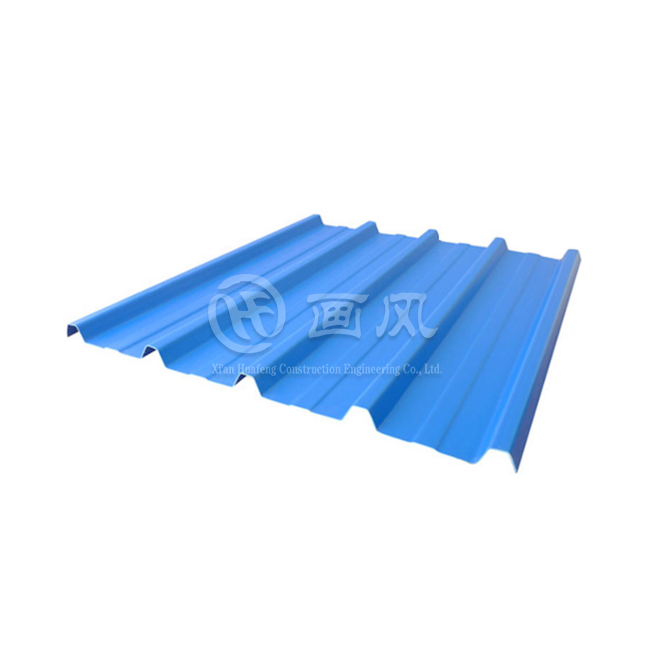
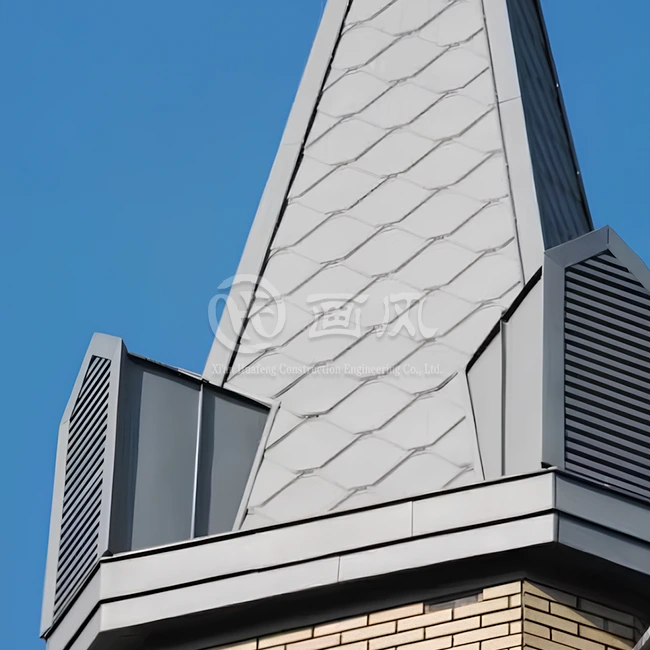
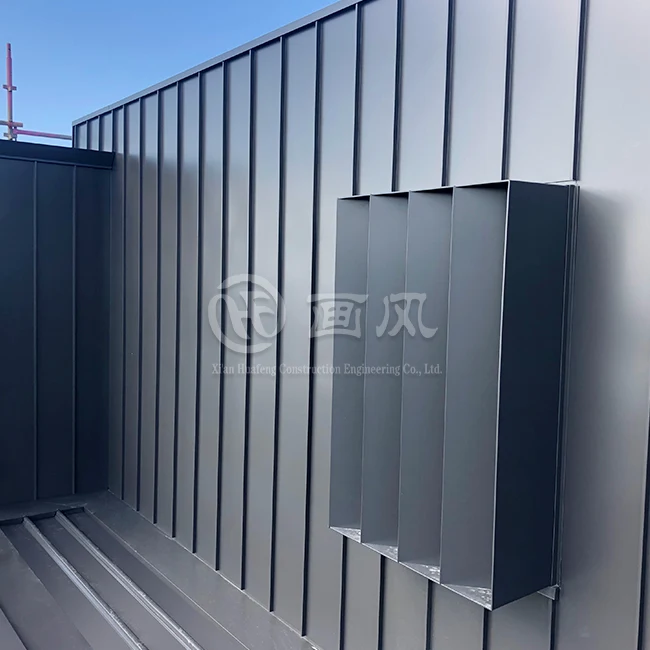
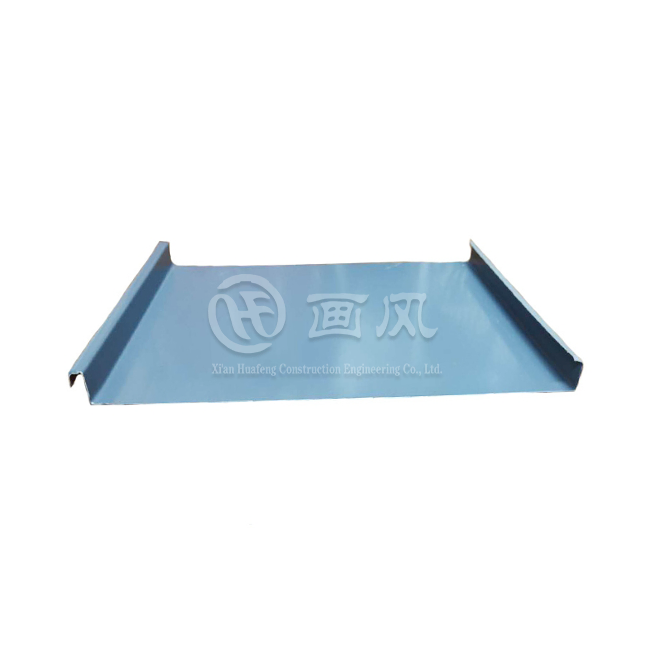
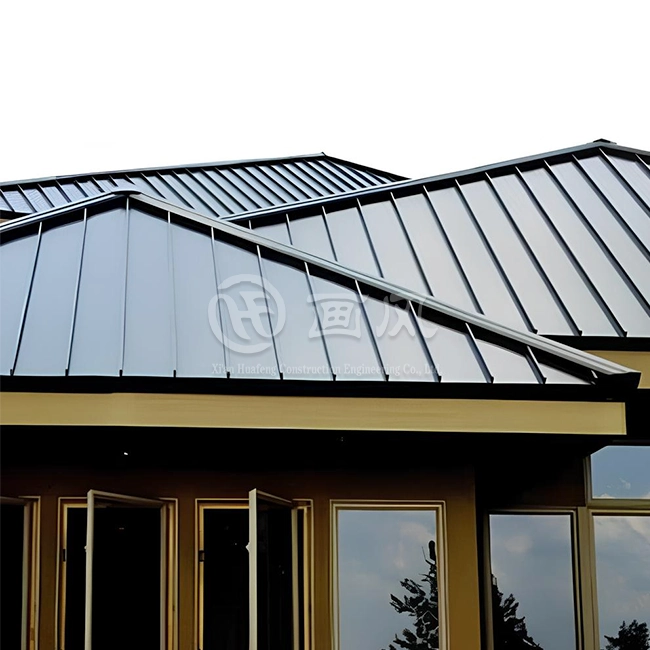
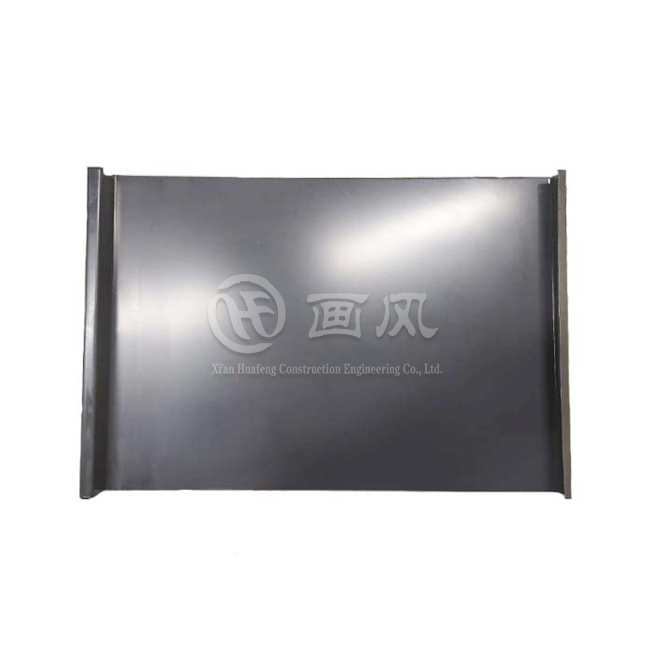
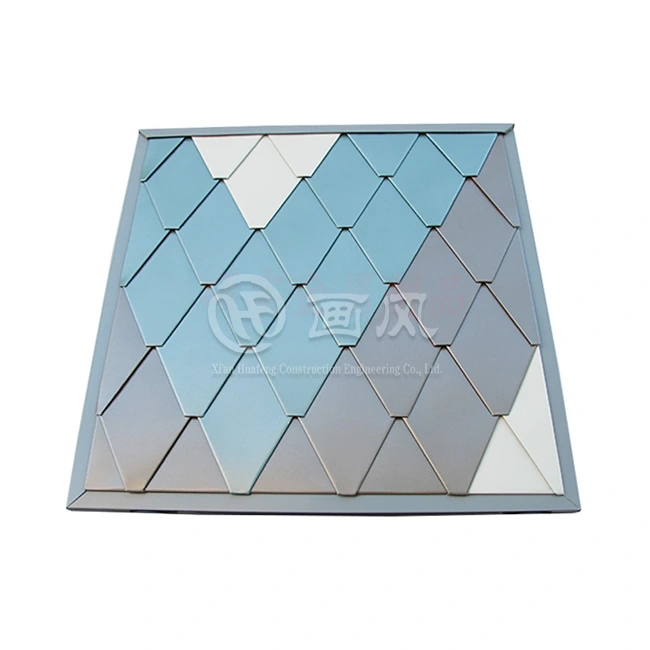
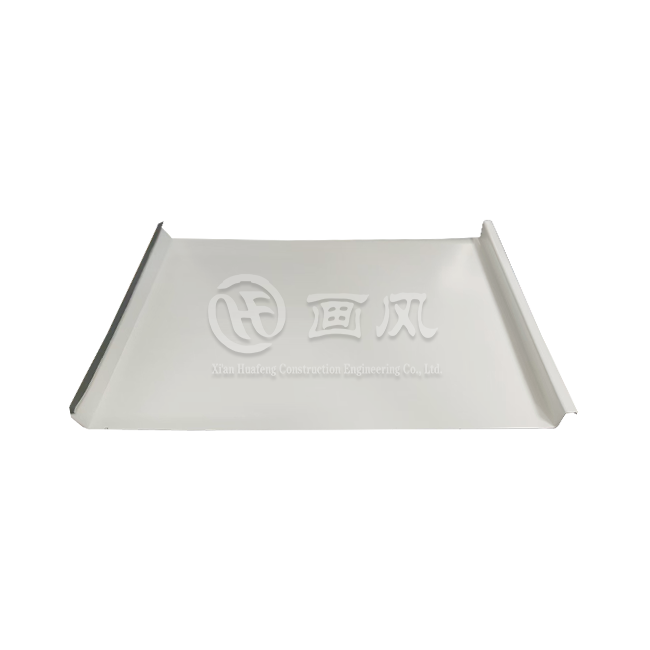
Flat Lock Panels are specialized metal roofing and cladding components characterized by a distinctive four-sided interlocking hem design that creates a flush, nearly flat surface against the building substrate. Unlike standing seam systems with vertical projections, these panels—available in shapes including rectangles, rhombuses, trapezoids, and hexagons—utilize concealed fastening systems that deliver both structural continuity and refined aesthetics. Manufactured from premium materials such as titanium zinc, copper, aluminum-magnesium-manganese alloys, and stainless steel at thicknesses between 0.4mm and 0.8mm, they address critical performance requirements in contemporary construction through superior weather resistance and thermal movement accommodation.
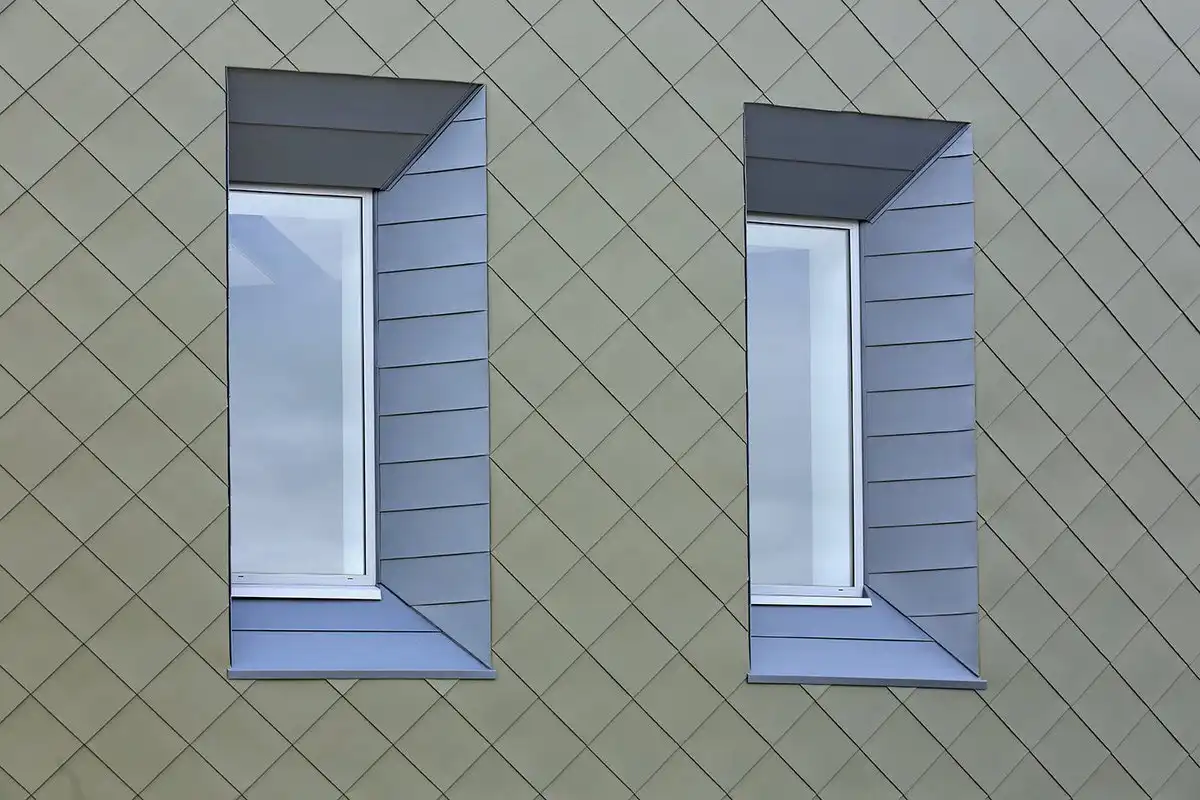
Understanding Flat Lock Panels: Definition and Core Concepts
What Defines Flat Lock Panel Construction
The main thing that makes this covering system unique is the way it mechanically interlocks. Each panel has carefully designed seams on all four edges that allow it to fold and connect with panels next to it, making a single rainscreen facade with no visible fasteners. This design is different from raised seam options because it usually sits less than an inch from the base. The hidden clip connection method lets the metal skin expand and contract on its own when the temperature changes. This is an important engineering feature that keeps materials like copper and zinc from buckling, since they have large thermal movement coefficients.
Material Properties and Selection Criteria
The choice of material has a big effect on how well it works over time and in different environments. Titanium zinc naturally patinas and is very resistant to rust near the coast, which makes it perfect for projects in salt-spray areas. Copper has a unique durability, lasting more than 70 years with little upkeep and growing a protective verdigris. Aluminum-magnesium-manganese alloys have the best strength-to-weight ratios at 5.8 kg/㎡, which means they can handle more structure load in large-scale uses. Stainless steel versions work best in industrial areas where resistance to chemicals is important. At HF, we can make panels with thicknesses ranging from 0.4mm to 0.8mm and widths ranging from 100mm to 400mm. This lets us precisely match our products to design requirements and load estimates.
The Interlocking Mechanism Explained
Precision-folded sides make both longitudinal and transverse seam contact possible, which is how the locking system works. When the panels are put up, the sides overlap and fold together in a certain order. This makes continuous waterproof shields that don't rely on sealants as their main form of weather protection. This way of joining things mechanically can handle complicated shapes like compound curves, spherical caps, and wall surfaces that rise and fall, which would be hard for fixed panel systems to handle. The floating connection system lets each panel move separately while keeping the structure as a whole strong. This successfully handles stress loads from wind lifting, thermal cycling, and building movement without affecting the seal's integrity or the building's overall look.
Benefits and Performance of Flat Lock Panels in Roofing
Modern construction projects demand roofing solutions that balance multiple performance criteria without compromise. Flat Lock Panels are architecturally flexible and can be used to solve this problem by using engineered design principles that have been tested in a wide range of temperature zones and building types.
Superior Weather Protection and Longevity
Flat Lock Panels use an overlapping zipper design that enhances drainage and resists heavy rain and strong winds exceeding 150 mph. With no exposed fasteners, leakage risks are minimized. PVDF and PE coatings improve UV resistance and color retention. They carry a 30-year warranty and can last over 70 years.
Thermal Performance and Energy Efficiency
Flat Lock Panels improve energy efficiency through high reflectivity and heat emission. Their ventilated cavity reduces heat gain and condensation, lowering HVAC costs. Thicker panels also reduce noise. Compatible with continuous insulation, they meet strict energy codes while maintaining exterior aesthetics.
Comparative Analysis with Alternative Systems
Compared to standing seam and snap-lock systems, Flat Lock Panels provide smoother aesthetics and better adaptability. They avoid dirt buildup, allow thermal movement, and reduce maintenance needs. Their flexibility supports complex shapes like curves and cones without visible joints.
Maintenance Requirements and Lifecycle Management
Routine inspections every three months help maintain Flat Lock Panels by checking seams, fasteners, and drainage. Annual cleaning prevents corrosion, especially in harsh environments. Proper touch-ups extend lifespan. Panels are recyclable up to 95%, supporting sustainability certifications and reducing lifecycle costs.
Installation Guide for Flat Lock Panels
To get the best performance from Flat Lock Panels, they need to be installed in a way that follows the manufacturer's instructions and local building rules. Doing things right during the building phase keeps repairs from being too expensive and makes sure the guarantee is valid.
Pre-Installation Assessment and Planning
Successful installation begins with a detailed assessment of roof geometry, structure, and substrate flatness. Load capacity, climate conditions, and coordination with other systems are essential. Accurate shop drawings confirm panel dimensions and ensure alignment with design and fabrication requirements.
Step-by-Step Installation Process
Installation starts with a precise starter course aligned to building grids. Clips are fixed at specified intervals to secure panels while allowing movement. Panels interlock sequentially, and proper seaming tools ensure tight connections. Regular quality checks confirm alignment, fastening, and sealing.
Addressing Complex Geometries and Thermal Movement
Flat Lock Panels can adapt to curved and complex forms through tapered fabrication. Expansion joints are required for long runs to accommodate thermal movement. Proper fastening allows controlled movement. Sealants support waterproofing but should not replace mechanical protection.
Safety Protocols and Quality Assurance
Metal roofing requires strict safety measures due to sharp edges and fall risks. PPE, fall protection, and weather controls are essential. Quality assurance includes inspections, water testing, and documentation to ensure waterproofing performance and support warranties.
Procurement Insights: Buying Flat Lock Panels for Your Business
Strategic choices about buying have a big impact on how projects turn out, changing things like costs, schedules, and the stability of long-term performance. Informed buyers choose which suppliers to work with by using structured review methods that go beyond just looking at prices.
Evaluating Supplier Credentials and Capabilities
Qualified suppliers should have certifications, technical expertise, and proven project experience. Manufacturing capacity ensures stable supply, while client references demonstrate reliability in delivery, support, and problem-solving.
Specification Development and Customization Options
Clear specifications ensure Flat Lock Panels meet project needs. Material, thickness, size, and coating choices balance performance and aesthetics. Customization reduces waste and improves installation efficiency, while engineering support helps optimize cost without sacrificing design intent.
Cost Analysis and Value Engineering
Total cost includes materials, transport, installation, maintenance, and lifespan. Bulk purchasing reduces costs, and early planning improves scheduling. Logistics, payment terms, and recycling value all influence financial performance beyond initial investment.
Streamlining the Ordering Process
Efficient procurement includes sample evaluation, detailed documentation, and clear communication. Digital tools simplify selection and coordination. Strong supplier relationships enable flexibility, helping projects adapt to changes and maintain progress during critical phases.
Flat Lock Panels in Action: Use Cases and Industry Applications
Real-world success on a variety of project types proves that properly designed and installed Flat Lock Panels are flexible and reliable. By looking at specific uses, this technology shows how it can be used to solve real-world building problems.
Commercial Building Roofing Applications
Flat Lock Panels are used in large office buildings to give them a unique look while still meeting strict performance standards. It looks smooth and solid, which goes well with modern design styles that value clean lines and simple details. A new convention center project that covered 500,000 square feet showed that the system can handle complicated roof shapes like barrel vaults and crossing planes while still staying waterproof. Transportation hubs, like high-speed train stations, benefit from the material's ability to last even when exposed to a lot of pollution and its low upkeep needs, which are important for facilities that run on a continuous schedule. Store complexes like how the design is flexible and lets them show their brand through custom colors and panel patterns that set properties apart in competitive markets.
Industrial and Manufacturing Facility Solutions
In manufacturing settings, roofs need to be able to withstand chemical contact, heat stress, and as little downtime as possible for upkeep. Corrosive environments are better for Flat Lock Panels made of stainless steel or polished aluminum than other materials. The open cavity design controls the buildup of heat in buildings that house thermal processes. This lowers the need for cooling and makes workers more comfortable. Our aluminum-magnesium-manganese alloy panels were chosen by an 800,000-square-foot plant that makes car parts because they have the best strength-to-weight ratio. This means that less structural steel is needed and base costs are lower. The system works with HVAC units, vent fans, and material handling systems that are installed on roofs, so it meets the needs of industry without sacrificing weather protection.
Specialty Applications and Custom Solutions
Architectonic sites that want to create a signature look use Flat Lock Panels in ways other than just roofing. Copper panels on museum walls develop a natural patina that changes with the age of the building, making surfaces that look like they are alive and show how time has passed. It is not possible for fixed panel systems to cover curved wall uses that go around cylindrical towers and spherical features. Custom panel shapes, such as trapezoids and hexagons, make designs that are unique and show off the institution's character. Integration with building systems makes things more useful. For example, panels can have solar laminates that make clean energy or perforation designs that let in light while keeping out the weather. These specific uses show how flexible materials are and how important it is to work with suppliers who offer engineering help during the design development process.
Future Trends in Metal Roofing Technology
Material science, sustainable methods, and digital interaction are all getting better as the industry changes. Recent developments in alloy formulations offer longer resilience with less carbon than traditional materials. Coating technologies that use phase-change materials or radiative cooling qualities actively control how well buildings keep their heat in. Digital manufacturing methods make it possible to make shapes that are more complicated while also reducing waste and keeping standards tight. The circular economy focuses on reusing materials, which affects how products are made by planning for them to be taken apart and the materials to be recovered when a building's life is over. Integration of building information modeling makes the processes of specifying, buying, and installing things easier by making them work together better. These trends show that metal roofing systems are becoming more complex building parts that help with environmental goals and people's health in ways other than just providing protection.
Conclusion
Flat Lock Panels are a sophisticated building solution that balances technical performance with a high level of aesthetic sophistication. They are perfect for challenging industrial and business settings. The four-sided connecting system protects against the weather reliably while also working with the complicated shapes and temperature changes that come with large-format metal installations. Different types of materials, like titanium zinc, copper, aluminum-magnesium-manganese metals, and stainless steel, make it possible to perfectly match the surroundings and design goals. Strategic purchasing that takes into account the skills of suppliers, their ability to customize products, and the optimization of lifetime value puts buyers in a good position to meet project goals quickly. As standards for building performance rise and demands for sustainability grow, metal roofing systems that are properly chosen and put offer measurable benefits over longer service lives.
FAQs About Flat Lock Panels
1. Can these panels adapt to different roof slopes and configurations?
Flat Lock Panels work well on roof slopes greater than 3:12, but they work best on slopes greater than 30 degrees, where gravity helps water drain off. The method for interlocking works on vertical walls, curved surfaces with convex and concave angles, and complicated shapes like spherical and conical shapes. When the base is properly prepared and the fastening designs are changed to fit the application, the performance is solid no matter what orientation it is in.
2. How do these panels integrate with insulation systems?
Different types of insulation can be used in the open space between the panels and the ground. Before the clip system supporting panels are attached, continuous hard insulation layers are put on top of the structure decking. The depth of a cavity is usually between 1 and 2 inches. This lets air flow, which controls wetness and lowers thermal bridges. Because it works with high-performance insulation, it's possible to meet strict energy code standards while keeping the slim shape that makes flat locks look good.
3. What performance can be expected in extreme weather conditions?
When systems are put correctly, they work very well in a variety of temperature conditions. When installed according to technical standards for high-exposure zones, wind lifting resistance is more than 150 mph. The amount of snow that can be loaded depends on how the base is built, not how strong the screen is. Choosing materials that are resistant to rust is best for coastal areas. For example, salt spray can't damage stainless steel or aluminum metals that have the right coatings on them. When thermal movement options are built in during installation, surface temperatures ranging from -40°F to 180°F stay within the material's performance limits.
Partner with HF for Premium Flat Lock Panel Solutions
Xi'an Huafeng Construction Engineering Co., Ltd. can help you with your most difficult jobs because they are experts in metal roofing systems. With seven color coating lines, 200,000 square meters of production space, and Grade 1 curtain wall qualifications, we can make sure that the Flat Lock Panels we give are precisely designed to meet your exact needs. We can make changes to materials, sizes, shapes, and colors, and we have ISO9001 and SGS certifications to back this up. We have served customers in over 100 countries around the world. As a reliable provider of Flat Lock Panels, we offer free samples, shipping times of 15 to 20 days, and full expert support, from helping you come up with specifications to showing you how to install them. You can talk to our team about your project needs and get a full quote by emailing huafeng@hfmetalroof.com. Find out how our dedication to quality and customer partnership gives builders, developers, and buying professionals who want the best in architecture real value.
References
1. Metal Construction Association. "Technical Guidelines for Architectural Sheet Metal Roofing Systems." Metal Construction Association Publications, 2021.
2. American Society of Civil Engineers. "Wind Load Provisions for Metal Roof and Wall Systems." ASCE Standards Committee on Metal Building Systems, 2020.
3. National Roofing Contractors Association. "The NRCA Metal Panel and SPF Roof Systems Manual." NRCA Publications Department, 2019.
4. Construction Specifications Institute. "MasterFormat Division 07: Thermal and Moisture Protection - Metal Roofing Specifications." CSI Technical Documents, 2022.
5. Whole Building Design Guide. "Metal Roofing Systems: Design Considerations and Performance Criteria." National Institute of Building Sciences, 2021.
6. Green Building Alliance. "Sustainable Metal Roofing: Lifecycle Assessment and Environmental Performance." GBA Research Publications, 2020.





YOU MAY LIKE