032 Aluminum Standing Seam Roofing: A Smart Investment for 2026
2026-04-22 20:49:29
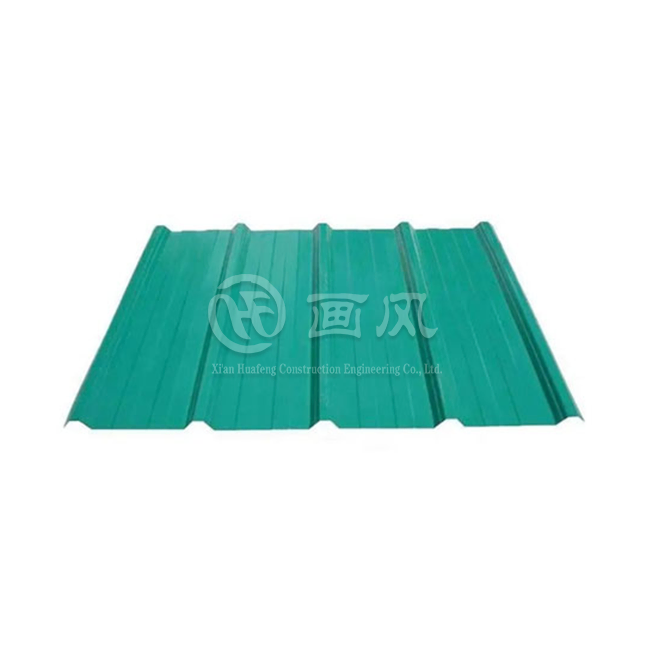
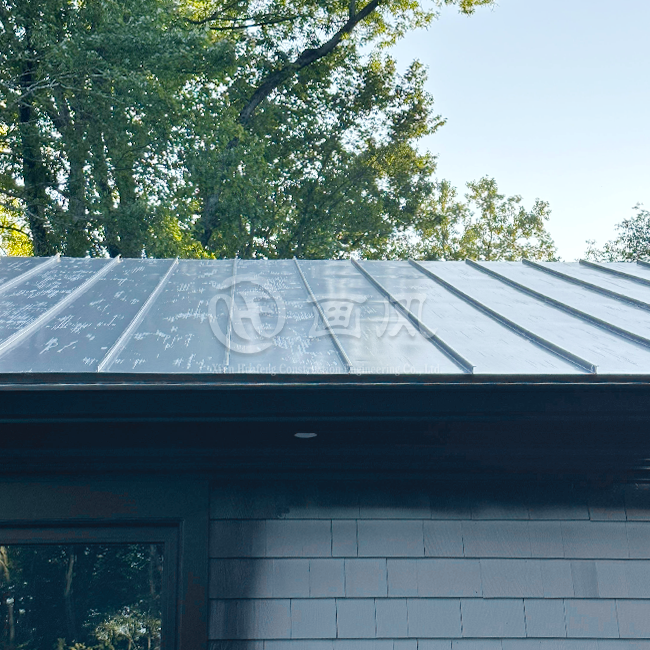
The building companies and business developers are under more and more pressure to choose roofing materials that are good at what they do, don't cost too much, and will last for a long time. The 032 aluminum standing seam roofing system is a good example of this coming together. It is made of 0.8mm-thick aluminum alloy panels with hidden mechanical connecting seams, but it is still strong. This way of covering doesn't leave any fasteners visible, which greatly lowers the risk of leaks and provides excellent corrosion protection that is needed in a variety of conditions. This roofing technology solves important procurement problems that building workers face today. It has been tested to last for decades and has energy-saving reflective qualities.

Understanding Aluminum Standing Seam Roofing: Key Features and Benefits
Modern building requires roofing systems that work reliably in a number of areas, including resistance to weather, structural soundness, lifecycle costs, and effect on the environment. These needs are met by well-thought-out engineering and material science in 032 aluminum standing seam roofing systems.
Construction and Material Composition
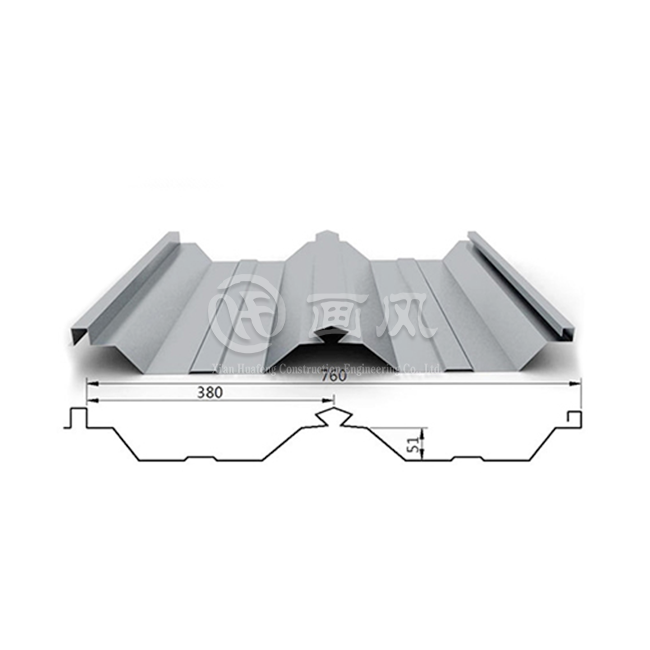
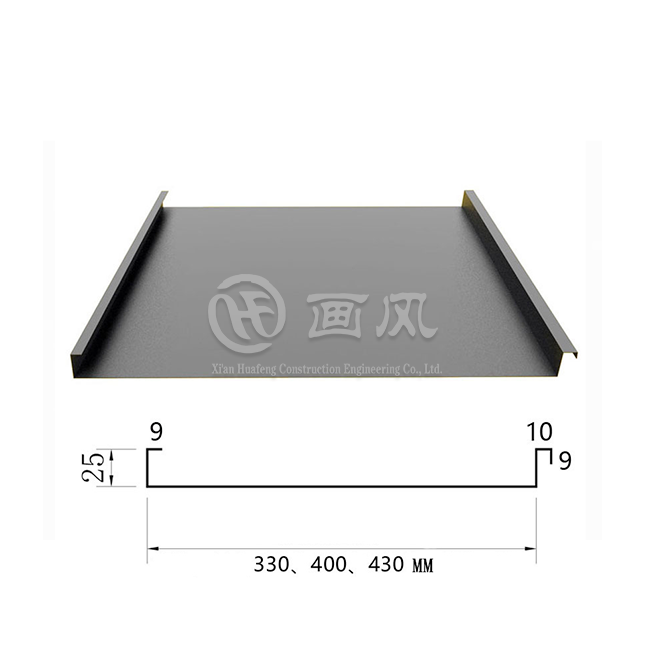
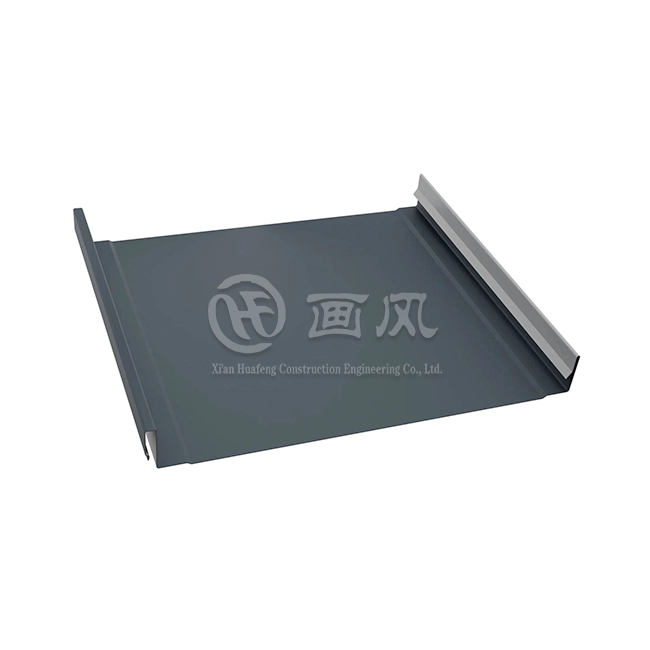
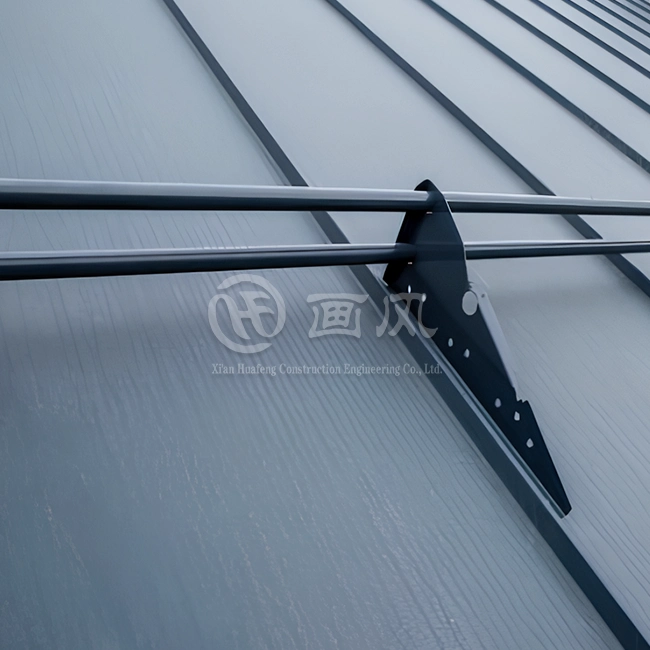
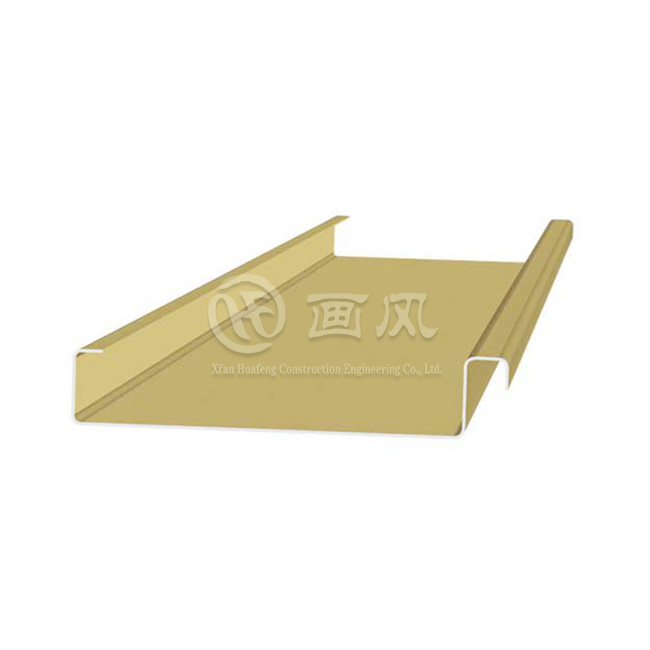
Aluminum-magnesium-manganese alloys (AA3003, AA3004, AA3005) provide strength, corrosion resistance, and lightweight benefits. At 0.8 mm thickness, panels balance rigidity and flexibility, reducing structural load. Standing seam profiles with 25–65 mm raised seams improve drainage and thermal movement. Hidden fastener systems eliminate penetration points, significantly reducing leak risks compared to traditional exposed-fastener roofing systems.
Durability and Performance Metrics
Aluminum forms a self-healing oxide layer that resists corrosion, especially in coastal environments. PVDF coatings meeting AAMA 2605 ensure color stability and UV resistance for over 20 years. Panels withstand temperatures from -50°C to +120°C. Properly installed systems resist winds exceeding 60 m/s, distributing loads effectively, making them suitable for high-rise and industrial buildings requiring strict performance compliance.
Energy Efficiency and Sustainability
Reflective aluminum surfaces reduce heat absorption, lowering cooling demand. PVDF coatings achieve Solar Reflectance Index values above 80, supporting LEED certification. Aluminum is fully recyclable without performance loss, aligning with circular economy goals. Lightweight properties reduce transportation emissions, making 032 aluminum standing seam roofing an environmentally responsible choice for large-scale sustainable construction projects.
Maintenance Requirements and Lifecycle Costs
Aluminum standing seam roofs require minimal maintenance. PVDF coatings provide self-cleaning properties, reducing upkeep costs. Hidden fasteners eliminate corrosion-prone hardware issues. HF offers a 30-year warranty, ensuring long-term reliability. Compared to asphalt roofs requiring replacement every 15–20 years, aluminum systems significantly lower lifecycle costs, including labor, disposal, and operational disruptions.
Comparing Aluminum Standing Seam Roofing with Other Popular Roofing Materials
The choice of materials has a big effect on the cost, dependability, and upkeep needs of a project. Knowing how 032 aluminum standing seam roofing stacks up against other roofing materials lets you make decisions based on facts.
Aluminum versus Steel Standing Seam
Steel offers higher tensile strength and dent resistance, making it suitable for impact-prone environments. However, it requires protective coatings that degrade over time, especially in marine conditions. Aluminum’s natural corrosion resistance eliminates this issue. Its lighter weight reduces structural load, making it ideal for retrofit projects where existing frameworks may not support heavier steel systems.
Comparison with Asphalt Shingle Systems
Asphalt shingles have lower upfront costs but shorter lifespans, typically under 20 years. Environmental exposure accelerates deterioration, requiring frequent replacement. In contrast, aluminum roofing lasts two to three times longer, reduces cooling costs through reflectivity, and minimizes waste. Over a 40-year lifecycle, aluminum provides better financial performance despite higher initial investment.
Alternative Metal Options: Copper and Zinc
Copper and zinc offer exceptional durability and unique aesthetics but at significantly higher costs—three to five times that of aluminum. While both materials resist corrosion and develop natural patinas, their expense limits use to premium projects. Aluminum provides a balanced alternative, combining durability, corrosion resistance, and customizable finishes at a more practical cost point.
The Installation Process and Quality Assurance in Aluminum Standing Seam Roofing
Installation quality determines whether 032 aluminum standing seam roofing systems live up to their supposed performance potential. Knowing the right way to put things and check the quality of what you're getting saves your procurement investments.
Site Preparation and Substrate Requirements
Successful installation begins with a stable substrate such as plywood, OSB, or metal decking. Surfaces must be clean, level, and dry to prevent oil-canning. High-performance underlayments provide moisture protection and ventilation. In cold climates, ice and water shields improve durability, although metal roofing naturally sheds snow more effectively than traditional materials.
Panel Fabrication and On-Site Assembly
On-site roll-forming produces continuous panels tailored to roof dimensions, reducing joints and leak risks. Clip spacing is determined by wind load requirements, typically 12–24 inches. Floating clip systems accommodate thermal expansion, preventing stress damage. Mechanical seaming tools create secure double-lock joints, ensuring long-term weathertight performance.
Quality Standards and Certification Compliance
Compliance with standards such as ASTM, DIN, JIS, BS, and GB/T ensures consistent material performance. Verification of mill certificates confirms alloy composition and coating quality. Third-party testing, including UL 2218, ASTM E1592, and FM 4471, validates impact resistance and wind uplift performance, ensuring roofing systems meet project-specific regulatory requirements.
Warranty Considerations
Warranty coverage varies by supplier and should be carefully reviewed. Material warranties typically cover coating performance, corrosion, and defects, with HF offering 30-year protection. Installation warranties depend on contractors. A comprehensive coverage requires certified installation. Buyers should also understand exclusions, including maintenance requirements and environmental conditions affecting warranty validity.
How to Choose Reliable Aluminum Standing Seam Roofing Suppliers and Brands
Supplier selection impacts not only material cost but also delivery reliability, technical support quality, and long-term performance accountability. Evaluating potential partners requires examining multiple capability dimensions beyond simple price comparison for 032 aluminum standing seam roofing.
Manufacturing Capacity and Technical Infrastructure
Lead times and order options are directly related to how much can be made. For big jobs that need hundreds of thousands of square feet, you need suppliers who can make a lot of things at once. HF has three plants with a total of seven production lines and more than forty specialized tools. This gives them the ability to meet large orders quickly and efficiently. Their delivery schedule of 15 to 20 days works for project planning needs while still meeting quality control standards. The technical skills go beyond just making panels. When suppliers do their own color coating, special construction, and accessory production, they make it easier to buy things and coordinate their efforts. There is investment in industrial technology that shows up as longitudinal and transverse shearing equipment, automatic punching lines, and precise bending machinery. This means that tolerances are tighter and product quality is more uniform.
Certification and Compliance Documentation
A dedication to quality management systems and consistent products is shown by international approvals. The ISO 9001 quality management certification checks that written methods for controlling the manufacturing process are being followed. The ISO 14001 environmental management certification shows that the company is concerned with using practices that are good for the environment. Suppliers that do business in multiple countries should make sure they follow the regional standards that apply to those markets. For example, ASTM standards apply to North American markets, EN standards apply to projects in Europe, and JIS standards apply to projects in Asia. Performance is confirmed by product-specific certificates. Testing records from unbiased labs that prove wind uplift resistance, fire ratings, and impact resistance provide objective proof of stated abilities. Suppliers should not be afraid to give mill certificates, test reports, and compliance statements. If they don't want to share paperwork, it could mean they are worried about quality.
Customization Capabilities and Technical Support
Non-standard methods are often needed for complicated tasks. Suppliers with technical support staff can help with creating specifications, figuring out loads, and designing details for roofs with complicated shapes. HF can make panels in heights ranging from 25mm to 65mm, offer custom colors in addition to standard RAL options, and accept minimum order amounts starting at 500 square meters or one ton. This shows freedom that is useful for a wide range of project needs. When problems need to be solved in the field, quick expert help is very important. Suppliers who keep experienced staff available during the installation process help workers deal with problems that come up without having to wait for expensive delays. In addition to providing materials, services like pre-installation talks, installation manuals, and post-installation inspections add value.
Evaluating Regional Distribution and Logistics
Global buying adds a level of complexity to transportation that needs to be carefully thought through. Total arrival costs and schedule depend on lead times, shipping costs, and customs processes. Suppliers who have built distribution networks or have shipped to target areas before show that they are good at logistics, which lowers the risk of the buying process. Professional importers are different from rare international sellers because they know how to load containers efficiently, how to package panels so they don't get damaged in transport, and how to provide accurate paperwork for customs clearance. Asking for references from clients in similar geographic markets can give you an idea of how well a provider handles deals that cross borders.
Maximizing Value: Procurement Tips and Best Practices for Aluminum Standing Seam Roofing
Strategic buying practices save money and lower risk in more ways than just negotiating prices for 032 aluminum standing seam roofing. Knowing how the industry works and what the usual mistakes are makes it easier to work with suppliers and set up contracts.
Leveraging Volume for Pricing Advantages
The cost of materials goes down a lot as the number of orders goes up. Suppliers spread the costs of setup, tools, and minimum production runs out over bigger orders, which lets them offer volume deals that make the project more cost-effective. When it comes to negotiating, projects that are close to or exceed the usual minimum order numbers have more power. For example, HF's 500-square-meter minimum is the point at which prices become more competitive compared to smaller custom orders. Multi-project buying methods make the benefits of volume even bigger. When developers are working on more than one building at the same time, they can combine their needs across projects to get better prices, even if the order numbers for individual roofs are smaller than what is recommended. Building long-term ties with providers adds value by making ordering easier, giving you access to expert resources, and giving you priority scheduling during busy times.
Specification Development and Bid Package Preparation
Clear, thorough specs keep bids from being too different and stop misunderstandings. The papers for buying should list the type of metal, its thickness, the type of finish coating and its guarantee, as well as the panel profile measurements, color options, and licenses that are needed. Specifications that aren't clear-cut allow for changes that could hurt performance or make guarantee claims more difficult. Including installation standards in the specs helps contractors understand what is expected of them in terms of quality. By describing the types of clips, seaming methods, underlayment needed, and checking processes, you can lower the chance of installation mistakes that lower the quality of the material. It's better for installation quality when contractors have to meet certain requirements, like having maker training certification or references from past projects.
Quality Verification and Receiving Inspection
When the materials are delivered, they are inspected one last time to find any problems before they are installed. It doesn't take as long to check that numbers match purchase orders, colors match accepted samples, and panel thickness is measured with calibrated micrometers than it is to fix problems that are found after installation. A surface finish check should find covering damage, scratches, or contamination that needs to be recorded and could lead to the material being rejected. Keep records for a long time is important for managing warranties. Keeping mill certificates, test reports, shipping receipts, and installation records creates a chain of proof that can be used if there are problems with performance years from now. Digital storage makes sure that documents can be found at any time during the span of a building.
Avoiding Common Procurement Pitfalls
A number of common mistakes hurt the results of roofing buying. If you only look at price when choosing a provider, you might end up with substitute products, late deliveries, or poor technical support. Avoid these shocks by evaluating things fairly, taking into account quality, reliability, and total cost. Another common mistake is not checking the installer's credentials. Even high-end products don't work well if they aren't put correctly. Protecting the material investment by making workers show relevant experience, provide training certifications, and offer installation workmanship guarantees is a good idea. Poorly written contract terms about delivery dates, payment goals, and how to settle disagreements add extra risk. Including clauses for liquidated fees for late delivery, holdbacks until the final inspection, and clear warranty terms that match what the maker offers sets up ways for people to be held accountable and get their problems fixed.
Conclusion
Starting in 2026, business and industrial buildings that use 032 aluminum standing seam roofing will benefit greatly from its many benefits. Strong yet light, non-corroding, long-lasting, and energy-efficient address procurement and project managers' biggest concerns. HF's three facilities employ PVDF finishing, modern production, and global standards. These factories enable ongoing supply, customisation, and quality initiatives for the company. Strategic procurement cuts costs and risk beyond price discussions. Negotiating bulk pricing, creating thorough specifications, appraising suppliers' knowledge, and applying quality control may make material selection competitive. Aluminum standing seam systems provide financial, operational, and environmental benefits that make them a good choice for almost any commercial roofing application as sustainability concerns grow and lifetime cost analysis becomes prevalent.
FAQ
1. What makes aluminum roofing suitable for coastal buildings?
Aluminum naturally creates an oxide layer that protects it from rusting, even in places where salt spray is present. Unlike steel roofing, which needs protective coats that can be scratched and worn down over time, aluminum roofing stays physically sound for decades after it is installed near the ocean. Because steel naturally doesn't rust, warranties cover it in coastal areas where guarantees on steel products are usually useless.
2. How does panel thickness affect performance?
The width of 0.8mm is a good compromise between strength and weight. Thick walls don't get dented by storms or maintenance workers, but they are heavier and cost more than they're worth for most uses. Thinner gauges may have problems with oil-canning (visible waves) and not being able to fight wind lifting. The 0.8mm standard meets the needs of the structure while keeping the weight benefits that aluminum has over heavier options.
3. Can these systems accommodate complex roof geometries?
Because aluminum is easy to shape, it can be used to make bent panels for barrel vaults, conical sections, and other complicated shapes without damaging paint finishes. On-site roll-forming equipment makes continuous panels with exact measurements, so even on long roof planes there are no horizontal gaps. Because they are flexible, 032 aluminum standing seam roofing systems can be used for both simple rectangle buildings and buildings with unique architecture.
Partner with HF for Your 2026 Roofing Projects
HF can meet your needs for 032 aluminum standing seam roofing by producing it, giving you technical advice, and making sure the quality is high, all of which are important for business projects. We are a well-known provider of 032 aluminum standing seam roofing. We have three specialized plants with seven production lines, and our quality always meets ASTM, DIN, JIS, BS, and GB/T standards. Our 30-year promise shows that we trust the PVDF-finished panels that were made to last for decades. Custom color matching, flexible order sizes starting at 500 square meters, and shipping times of 15 to 20 days can all be used to meet the needs and deadlines of different projects. Email our team at huafeng@hfmetalroof.com to talk about your unique needs, get technical specs, or set up samples of the material. Let us show you how working with a skilled maker can improve the results of your purchases and the success of your project.
References
1. Aluminum Association. "Aluminum in Building and Construction: Design Guidelines for Architectural Applications." Industry Standards Publication, 2023.
2. American Architectural Manufacturers Association. "AAMA 2605: Voluntary Specification, Performance Requirements and Test Procedures for Superior Performing Organic Coatings on Aluminum Extrusions and Panels." Certification Standards, 2022.
3. Metal Construction Association. "Technical Bulletin: Standing Seam Roof Systems - Design, Installation, and Performance Considerations." Professional Guidelines, 2024.
4. National Roofing Contractors Association. "The NRCA Roofing Manual: Metal Panel and SPF Roof Systems." Industry Reference Manual, Fifth Edition, 2023.
5. Green Building Council. "LEED Reference Guide for Building Design and Construction: Cool Roof Strategies and Metal Roofing Contributions to Energy Efficiency Credits." Certification Documentation, 2024.
6. ASTM International. "ASTM B209: Standard Specification for Aluminum and Aluminum-Alloy Sheet and Plate." Material Standards and Testing Protocols, 2023.





YOU MAY LIKE