Top Advantages of Angle Lock Standing Seam Roof Panels
2026-04-23 19:12:33
When choosing a roofing system for big business projects, the technical strength and long-term performance of standing seam metal roofing are things that can't be negotiated. Angle Lock Standing Seam Roof Panels are a well-thought-out answer that helps construction companies, developers, and site managers with three major issues: weather resistance, energy efficiency, and lowering costs over the life of the building. These panels have an automatically folded seam that makes a continuous, hidden fastening system. This gets rid of the risks that come with screws that are out in the open. Traditional roofing materials break down when exposed to changes in temperature or moisture. This advanced metal roofing structure, on the other hand, has a structural edge because of the way the panels interlock. When purchasing professionals look at roofing systems for transportation hubs, convention centers, or commercial complexes, they need to know about the technical benefits and performance standards of this system in order to make smart choices that balance the initial cost with years of reliable service.

Understanding Angle Lock Standing Seam Roof Panels
What Defines the Angle Lock Configuration
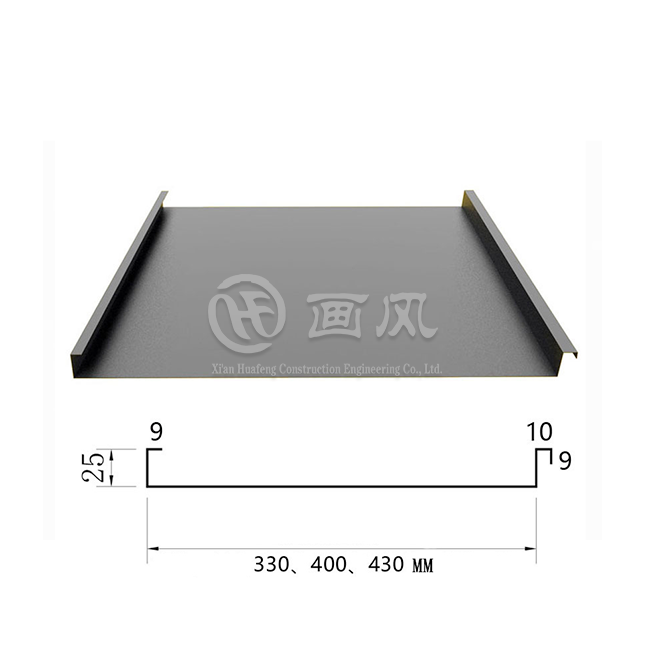
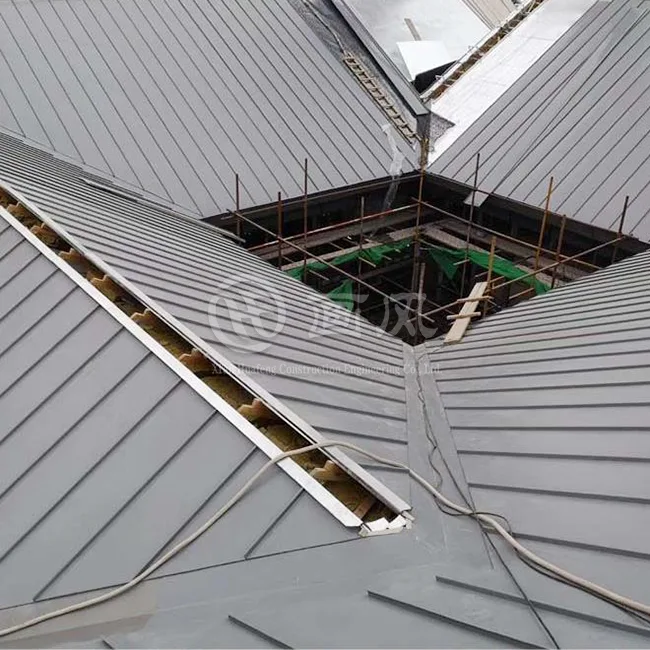
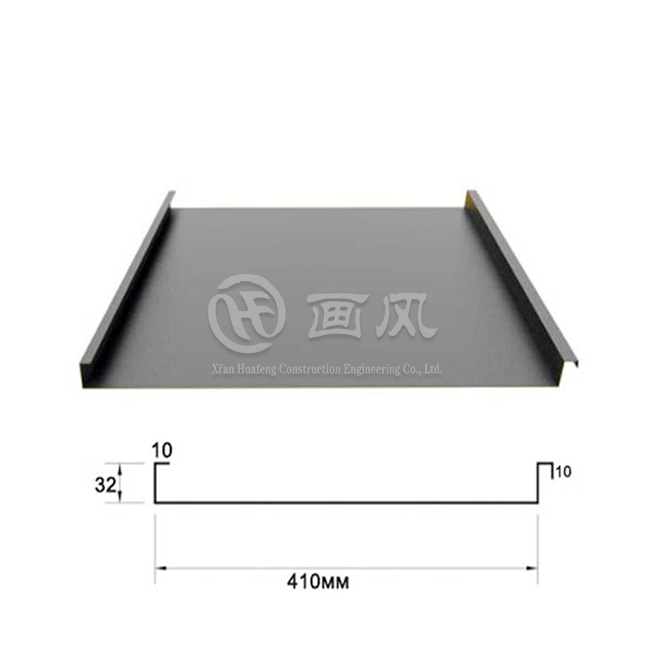
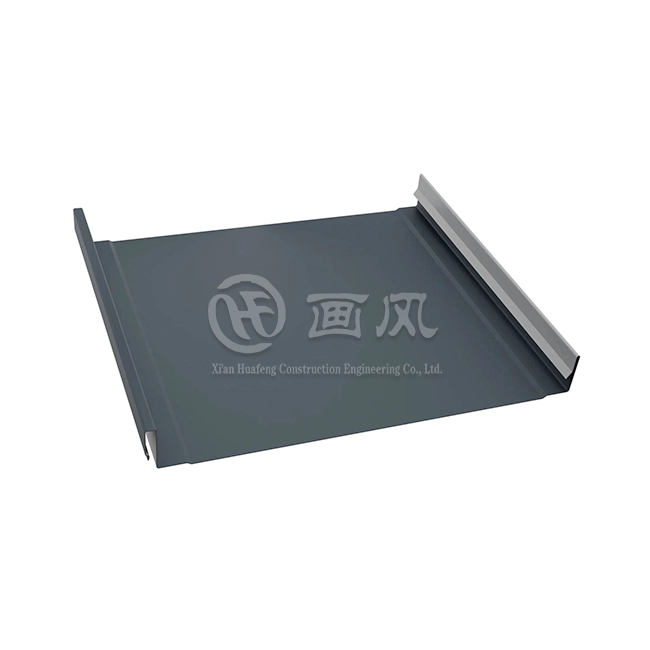
The Angle Lock Standing Seam Roof Panels shape is different because it has a 90-degree mechanical fold that makes a vertical split between panels that are next to each other. The male leg of one panel can interlock with the female leg of the adjacent panel thanks to this shape. This makes a rigid link that stops movement to the side and wind lifting. Specialized roll-forming equipment is used in the seaming process to gradually crimp the two legs together. This makes sure that the panel is compressed evenly along its entire length. This mechanical contact gets rid of the need for sealants or adhesives at the seam junction. In traditional roofing systems, these materials often fail because of UV damage or changes in temperature.
Material Composition and Structural Properties
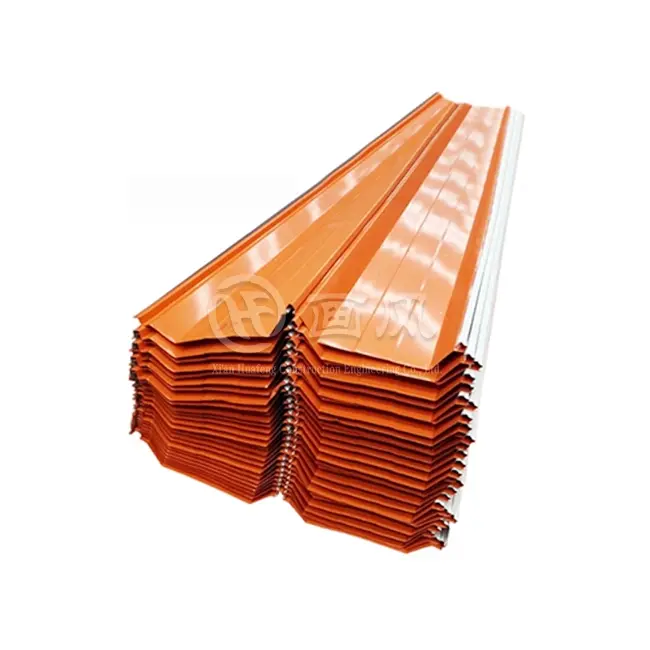
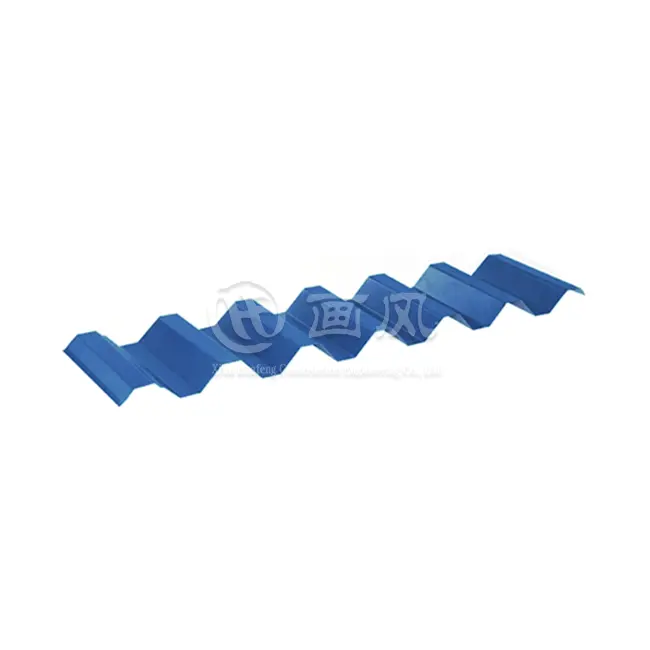
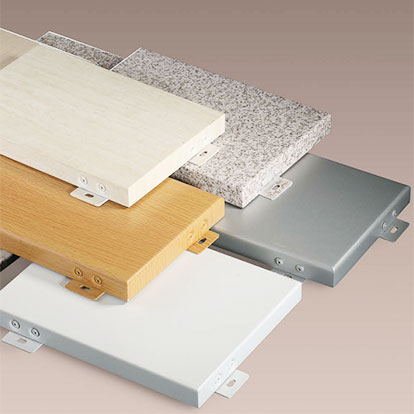
HF makes these panels with aluminum alloy (3004 and 5052 series), aluminum-zinc steel plate (AZ150 coating), and stainless steel surfaces, each chosen for its suitability to a certain setting. The aluminum choices offer great corrosion protection in coastal or industrial settings where chloride contact speeds up the breakdown of metals. The AZ150 galvanized steel is strong and durable for industrial uses in rural areas. It has a zinc-aluminum barrier that keeps the steel from rusting. The thickness of the panels is measured to meet the standards for dead load and span between structural supports. The thicknesses run from 0.7 mm to 1.2 mm. Rib heights of 50mm to 115mm make stiffening elements that stop oil canning and allow for heat expansion through clip systems that are hidden.
The Role of Concealed Fastening Systems
Angle lock systems connect to the foundation through hidden clips that engage the panel seam. This is different from through-fastened metal roofing, where screws go through the surface that is being weathered. The clips are attached to the roof deck, and the panels slide into the clip slots. Everything is then sealed together. This design lets the metal expand and contract with changes in temperature without putting too much stress on the points where it is attached, which is very important for roofs that cover a lot of space. Since there are no holes in the weathering surface, the main way that conventional metal roofs fail isn't possible. This is because fastener holes turn into water-infested routes when sealer washers wear down.
Top 5 Advantages of Angle Lock Standing Seam Roof Panels
When it comes to performance, mechanically seamed metal roofing systems directly address the concerns of building owners and construction managers. These benefits can be seen in project budgets, upkeep plans, and metrics for measuring how well a building is doing.
Superior Weather Resistance and Structural Integrity
Angle Lock Standing Seam Roof Panels resist extreme wind uplift through continuous mechanical seams and clip systems. High seams keep joints above water levels, ensuring waterproofing even in heavy rain. They meet strict testing standards and maintain integrity during thermal movement, preventing seam separation. This makes them ideal for hurricane zones and critical facilities requiring consistent weather protection.
Enhanced Energy Efficiency Through Thermal Performance
Angle Lock Standing Seam Roof Panels improve energy efficiency with reflective coatings like PE, HDP, and PVDF, reducing heat gain. Ventilated designs and continuous insulation minimize thermal bridging. Roof temperatures can drop significantly compared to traditional materials, lowering HVAC costs. These benefits are especially valuable for large commercial buildings with extensive roof areas and high energy demands.
Long-Term Cost Effectiveness and ROI
Angle Lock Standing Seam Roof Panels offer strong ROI despite higher initial costs. Their 30-year warranties and 50+ year lifespan reduce replacement cycles and maintenance expenses. Minimal upkeep and recyclable materials add financial value. Over long periods, savings from energy efficiency, reduced repairs, and extended service life make them more cost-effective than conventional roofing systems.
Architectural Flexibility and Design Appeal
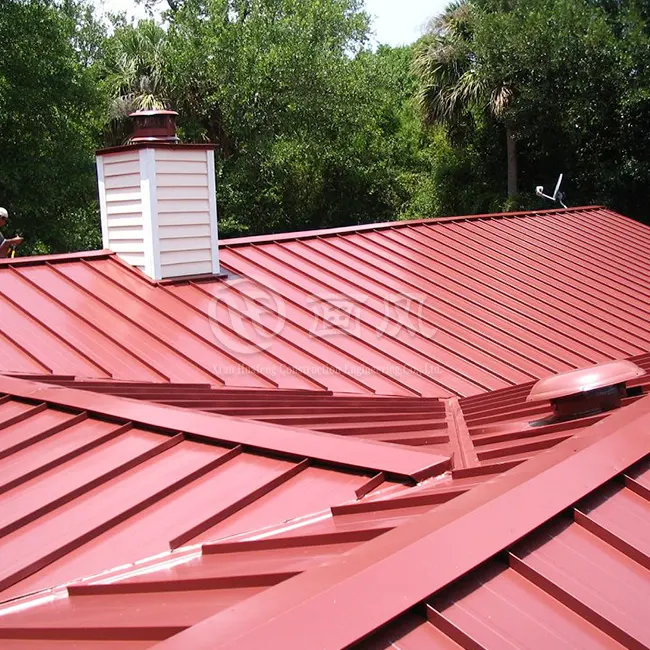
Angle Lock Standing Seam Roof Panels provide clean, modern aesthetics with customizable widths, lengths, and colors. Long panels reduce visible joints, enhancing visual continuity. Vertical seams create depth and texture, supporting contemporary designs. Suitable for various roof slopes, they allow consistent architectural expression across complex projects, including commercial, institutional, and mixed-use developments.
Streamlined Installation and Project Schedule Benefits
Angle Lock Standing Seam Roof Panels support efficient installation with predictable productivity rates. Pre-cut panels and interlocking designs reduce onsite work and alignment errors. Hidden fasteners minimize material use and labor time. Skilled crews can install large areas quickly, helping maintain schedules and control costs, which is critical for large commercial projects with tight timelines.
Angle Lock vs Other Standing Seam Roof Panels: Comparison for Informed Decisions
Mechanical Lock Strength and Security Differences
Angle Lock Standing Seam Roof Panels form stronger joints than snap-lock systems through mechanical seaming, creating durable, load-distributing connections. Unlike friction-fit systems, they maintain integrity under higher wind loads. Compared to vertical lock systems, they offer more pronounced seam profiles. Selection depends on performance requirements and design preferences, with angle lock systems excelling in demanding conditions.
Cost Analysis Across System Types
Angle Lock Standing Seam Roof Panels fall mid-range in cost, higher than snap-lock but lower than premium systems. Installation costs reflect added labor for mechanical seaming. While initial expenses exceed traditional roofing, reduced maintenance and longer lifespan improve overall value. Considering lifecycle costs, they outperform alternatives like membranes or built-up roofing systems over extended periods.
Application Suitability Across Project Types
Angle Lock Standing Seam Roof Panels are ideal for infrastructure, commercial, and large-scale projects. Their ability to span long distances and withstand thermal movement suits expansive roofs. They maintain performance in harsh climates and complex geometries. Government and high-performance projects often specify these systems due to proven durability, safety, and compliance with strict standards.
Procurement Insights for B2B Clients: Buying and Sourcing Metal Roofing Systems
Evaluating Manufacturer Qualifications and Capabilities
When sourcing Angle Lock Standing Seam Roof Panels, evaluating supplier capacity, certifications, and technical expertise is essential. Manufacturers with advanced facilities, quality certifications, and strong R&D capabilities ensure reliable products. Production capacity and regional distribution networks support timely delivery, while certifications demonstrate compliance with international standards and project requirements.
Customization Options and Minimum Order Considerations
Angle Lock Standing Seam Roof Panels offer flexible customization in panel size, rib height, material, and color. Minimum order quantities balance cost efficiency and accessibility for projects. Custom lengths reduce joints and improve aesthetics. Early coordination ensures alignment between production timelines and construction schedules, especially for projects requiring tailored specifications.
International Standards and Export Experience
Suppliers with global experience in Angle Lock Standing Seam Roof Panels understand diverse standards and certification requirements. Compliance with international regulations ensures smooth project approval and execution. Export expertise reduces delays through proper documentation and logistics management, benefiting multinational projects and developments requiring strict quality and sustainability certifications.
Maintenance and Longevity: Maximizing the Lifespan of Metal Roof Systems
Routine Inspection and Preventive Care Protocols
Every year, roofs should be checked to see how well the seams are sealed, how well the clips are engaged, and how good the finish is. This way, small problems can be found before they get worse and cause water damage or panel damage. Inspectors look at the mechanical seams for any problems like splitting or pinching. However, seam failures are very rare in Angle Lock Standing Seam Roof Panels that were put correctly. Getting rid of garbage that builds up in roof valleys or behind equipment curbs is necessary to keep water out and stop rust from starting too soon. The PVDF layer stops living things from growing, but facilities in wet areas might benefit from low-pressure washing on a regular basis to get rid of pollen or other organic matter that could stick to the metal surface and keep water in. Unlike membrane roofs, which need a lot of probing to find secret leaks, metal roof checks go quickly because problem areas can be seen. These simple upkeep needs mean lower costs for managing the building. For example, an annual inspection costs less than $0.10 per square foot, while membrane systems need more thorough evaluation procedures that cost $0.25 to $0.50 per square foot.
Environmental Factors Influencing System Performance
Coastal sites are more likely to rust because the air is salty, so choosing the right base is very important for getting the expected design life. In coastal settings, the higher cost of the aluminum alloy choices (3004 and 5052 series) is justified by the fact that they are better at resisting chloride than steel substrates. Stainless steel panels may be needed in industrial sites that make corrosive fumes or particulates because they can handle chemical contact better than coated steel systems. Snow-load areas benefit from the smooth metal surface that naturally sheds snow, but too much snow can stress clip connections if panels can't move freely. By putting in the right snow retention systems, you can spread the weight out properly and stop dangerous avalanche situations. HF's 30-year guarantee covers normal outdoor exposure. It doesn't cover unusual situations like long-term touch with corrosive chemicals or damage from equipment impacts. When facility managers know about these external factors, they can take specific safety steps when conditions on the site are different from what was expected during the planning process.
Sustainability and End-of-Life Considerations
Metal roofing can be recycled naturally, which is in line with green building certification standards and business sustainability goals. Both aluminum and steel have high scrap values. More than 90% of aluminum and steel is recycled, while only 10% of asphalt shingles and barrier systems are recovered. The material keeps its features even after being recycled many times without losing any of its performance. This makes a closed-loop device that saves resources. Recycling recovers some of the energy used to make the metal in the first place, which lowers the environmental impact of new materials. LEED projects get points for using recycled materials and having content that can be recovered. This makes metal roofs an important requirement for buildings that want to get certified. The longer service life cuts down on material use because shorter-lasting options need to be re-roofed more often, which is something that is becoming more important in lifetime environmental studies. This sustainability profile fits well with big clients and public sector projects that use environmental responsibility along with cost and performance to make purchasing choices.
Conclusion
Angle Lock Standing Seam Roof Panels have real benefits for business and industrial building projects that need long-lasting performance, weather resistance, and the lowest lifetime costs. The mechanical seaming process makes a weathertight envelope that doesn't let fasteners go through, which is a problem with most roofing systems. The hidden clip connection lets the temperature change without causing structural damage. For procurement workers looking at roofing systems for large-scale developments, the original investment premium is worth it because the systems require little upkeep, have been shown to last a long time, and can be used in a variety of ways. Because HF can make things, has foreign certifications, and has a strong technical support system, it is a good source for projects that need both high-quality products and reliable procurement.
FAQ
1. What is the expected service life of mechanically seamed metal roofing?
When Angle Lock Standing Seam Roof Panels systems are built correctly using high-quality substrates and coatings, they usually last more than 50 years of weathertight service. HF even offers a 30-year protection on the materials. The PVDF layer keeps its protective and aesthetic qualities for 30 years, which is a lot longer than other paint systems that lose their shine and color within 10 to 15 years. The choice of substrate affects how long something will last in the end. For example, aluminum alloys can last 60 years or more in marine settings, while steel substrates in mild conditions usually last 50 years.
2. How do I select between aluminum and steel substrates?
The extra 30–40% cost of aluminum is worth it for coastal projects that are less than three miles from saltwater because it is better at resisting rust. Aluminum-zinc coated steel (AZ150), which offers good security at a lower cost, is usually used for business purposes in inland areas. Even though it costs more, industrial sites that release toxic gases may need stainless steel. The choice is based on how bad the environmental exposure is, weighed against the budget. Lifecycle cost analysis usually favors more lasting materials, even if they cost more at first.
3. Can these panels accommodate rooftop equipment and solar installations?
The standing seam design lets HVAC equipment, solar panels, and fall protection systems be attached without cutting. This is made possible by special clamps that hold the seam. This keeps the roof guarantee in place and gives you safe fixing points. Equipment loads must be compared to the panel's structural ability. In high-load places, purlin gaps may need to be closer together or substrates may need to be thicker.
Partner with HF for Your Next Commercial Roofing Project
Xi'an Huafeng Construction Engineering Co., Ltd. can help you with all of your metal roofing needs, from designing the roof to installing it. They have a wide range of producing skills and professional know-how. As a well-known company that supplies Angle Lock Standing Seam Roof Panels, we keep our production at 1,000 tons per month and offer customization choices for substrate materials, coating systems, and size requirements that are special to each project. Our ISO9001 and ISO14000:14001 certifications, along with our Grade 1 curtain wall qualifications, give buyers peace of mind and professional accomplishments that they look for when evaluating suppliers. With shipping times of 15 to 20 days and minimum orders of 500 square meters, we can work around project plans while still making things quickly. You can talk to our technical team about your needs, ask for performance documentation, and get low prices for your business growth by emailing huafeng@hfmetalroof.com or visiting hfmetalroof.com.
References
1. Metal Construction Association. Architectural Sheet Metal Manual, 7th Edition. Chicago: MCA, 2021.
2. National Roofing Contractors Association. The NRCA Roofing Manual: Metal Panel and SPF Roof Systems. Rosemont: NRCA, 2020.
3. American Society for Testing and Materials. ASTM E1592: Standard Test Method for Structural Performance of Sheet Metal Roof and Siding Systems by Uniform Static Air Pressure Difference. West Conshohocken: ASTM International, 2019.
4. Building Enclosure Council. Standing Seam Metal Roof Systems: Design, Installation, and Performance. Washington: National Institute of Building Sciences, 2018.
5. Cool Roof Rating Council. CRRC-1 Standard: Product Rating Program Manual. Portland: CRRC, 2022.
6. Whole Building Design Guide. Metal Roofing Systems: Sustainable Performance for Commercial Buildings. Washington: National Institute of Building Sciences, 2020.





YOU MAY LIKE