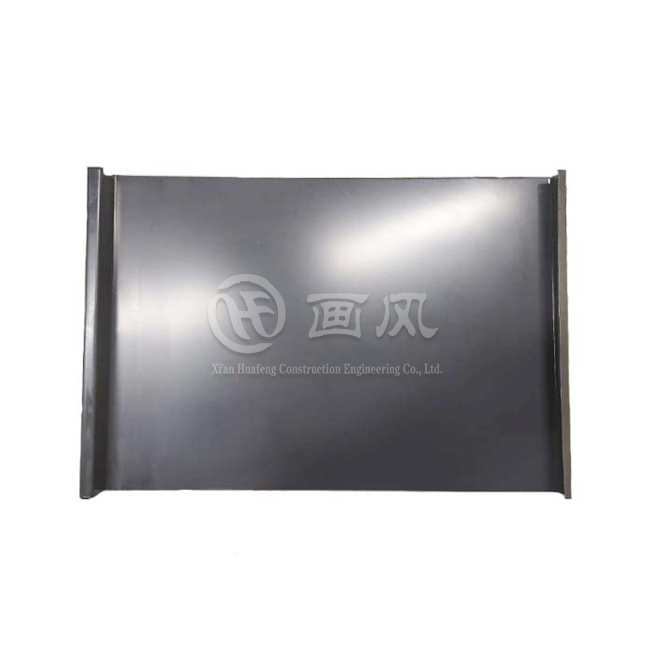
Top Benefits of Choosing Mechanical Lock Roofing Systems
2026-04-23 19:12:34
When we look at roofing options for big building projects, the choice we make often affects not only how well the building works right away but also how much it's worth in the years to come. mechanical lock metal roofing has become a top-of-the-line structural standing seam system that solves the most important problems for building companies, roofers, and industrial property developers all over the US. Unique roofing system with interlocking metal panels and mechanically folded seams. Waterproof shields may survive harsh environments and last long. This detailed review covers mechanical lock roofing system advantages. It helps buying experts weigh initial investment costs against long-term benefits. Correct roofing affects energy use, maintenance costs, green building rules, and hurricane-force wind safety. mechanical lock metal roofing is stylish, durable, energy-efficient, and noise-blocking. These traits suit modern building. Knowing these benefits may help you create a warehouse, residential complex, or industrial structure that performs well and saves money.
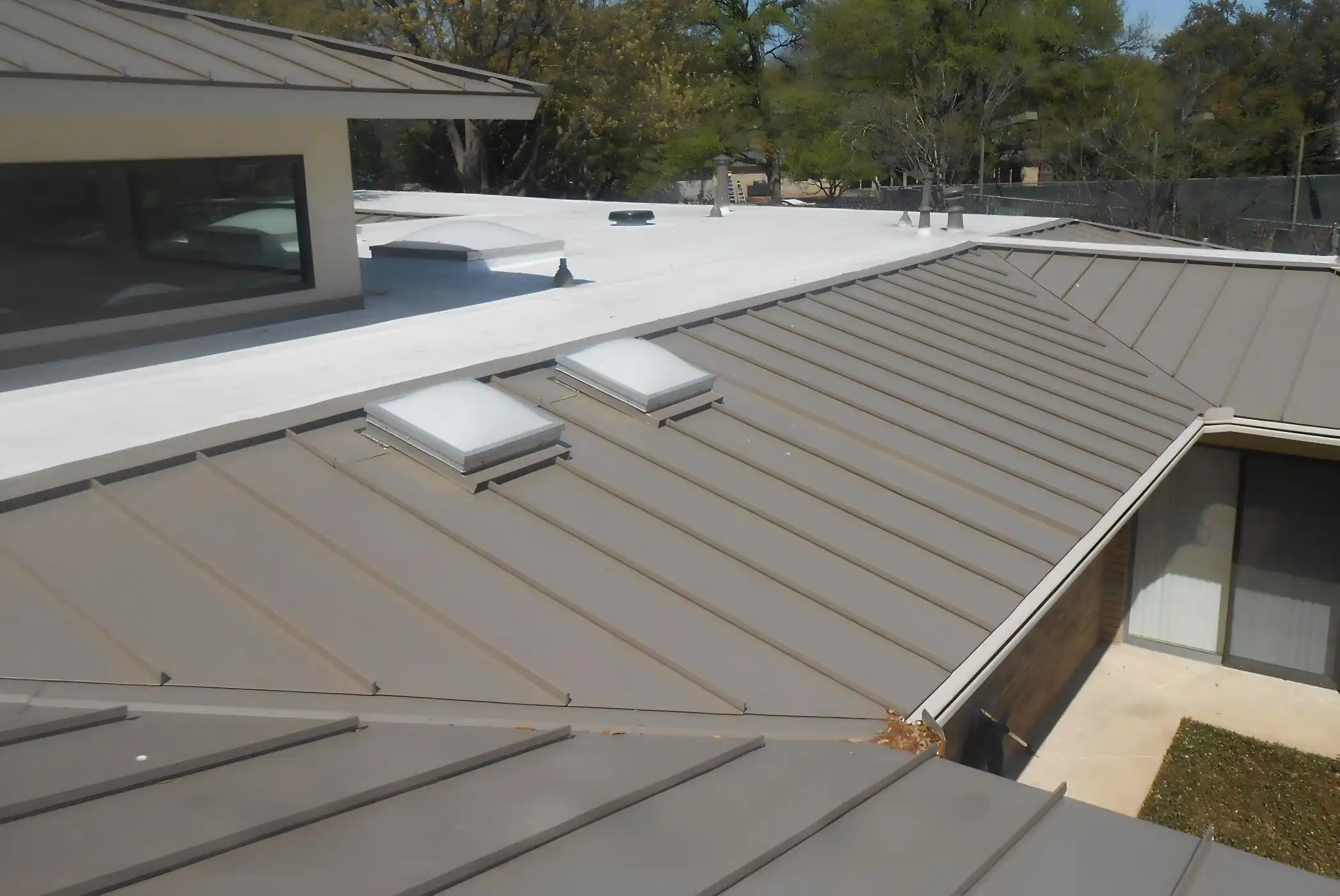
Understanding Mechanical Lock Metal Roofing Systems
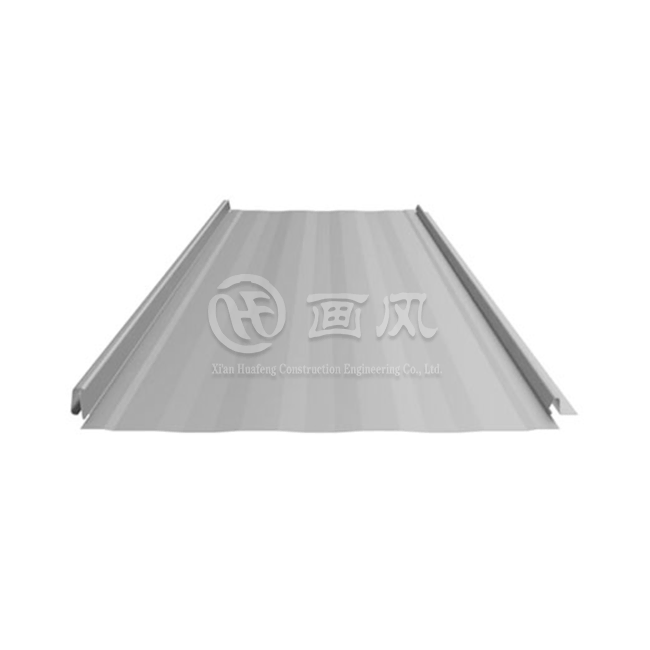
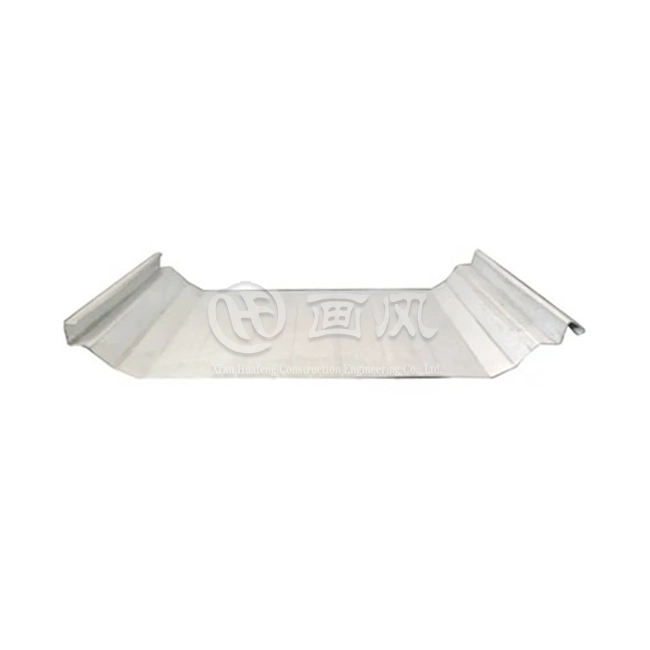
mechanical lock metal roofing works with a complex fitting system in which the vertical panel legs are folded and joined together with special measuring tools. It makes either a single-lock system with a 90-degree twist or a double-lock system with a full 180-degree crimp. Compared to friction-based methods, the mechanical connection offers much better structural stability, creating a solid shield against water infiltration, wind uplift, and thermal stress.
How the Mechanical Lock Mechanism Works
Male and female panel edges must be precisely lined up during installation. The lines are then joined together with mechanical crimping, creating a continuous weather shield. This hidden fastening method gets rid of the need for visible screws, which are a common place for traditional roofs to fail. The gaps have butyl sealer that was applied at the factory. This sealant keeps water out even when hydrostatic pressure is applied. This means that the system can be used on low-slope projects with a pitch of 0.5:12, which is where other metal roofing options would fail.
Material Options and Protective Coatings
We make mechanical lock panels from galvalume steel with a high tensile strength, aluminum, and galvanized steel. The thickness of these panels is between 0.5 and 1 mm. PVDF fluorocarbon coatings and PE polyester finishes are used to treat the surfaces. Both are made to survive the tough 180-degree folding process without breaking or micro-fracturing. These coats are compliant with ASTM, DIN, JIS, BS, and GB/T standards, which means they are resistant to UV light, keep colors bright, and prevent rusting. Our standards include rib heights of 25mm, 32mm, and 38mm, and panel widths of 300mm to 500mm, so we can meet a wide range of design needs while still ensuring structural performance.
Comparing System Types
Standing seam roofing looks clean, and snap-lock systems make installation quick. But mechanical lock setups are the most durable. When you physically pinch the panels together, you make a structural link that stops them from "unzipping" during high winds. Because of this, mechanical lock systems are the best choice for coastal places that are likely to be hit by hurricanes and other harsh weather. The hidden floating clip system in each seam lets the metal expand and contract with the weather without putting stress on the bolts. This stops the panel from bowing and oil canning that can happen with through-fastened metal roofs.
Exceptional Durability and Structural Performance
The structural benefits of mechanical lock metal roofing directly address the most important concerns of people in charge of large-scale projects. Wind resistance of more than 90 mph meets the standards of the International Building Code. This means that these systems can be used in high-velocity storm zones where building rules require proven uplift resistance. The mechanically crimped seams are much better at withstanding shear loads from moving snow and ice buildup than other designs. They also keep the seams from coming apart under heavy static loads that are common in northern and mountain climates. Mechanical lock systems achieve Class A fire ratings, high load capacity, and 30–40+ year lifespan. Galvalume steel with PVDF coating ensures corrosion resistance, UV stability, durability, and reduced lifecycle costs.
Weather Resistance Across Climate Zones
The mechanical lock metal roofing works the same way in all kinds of weather. The vertical ribs that are all one piece make it easy for water and snow to drain away, and the IPX4 grade means that there won't be any leaks even in heavy rain or pooling. The hidden fastening method gets rid of the places where water usually gets in, making an envelope that is hydrostatically sealed. Extreme heat to subfreezing temps don't damage the panel because the floating clip connection lets the panel move at least an inch without putting stress points in one place.
Energy Efficiency and Sustainability Benefits
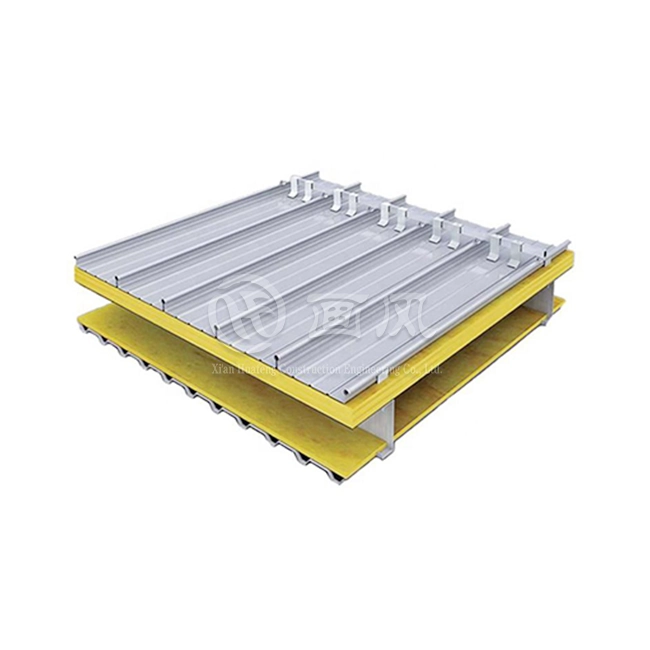
Building owners who are worried about energy costs and the environment can get a big practical benefit from thermal performance. mechanical lock metal roofing systems support better insulation integration, making thermal walls that keep heat from moving. Reflective metal surfaces, especially light-colored PVDF finishes, lower sun heat gain in the summer, which lowers the need for cooling and the electricity used for it. Mechanical lock roofs support LEED goals, reduce heat islands, and qualify for energy incentives. They allow non-penetrating solar installation, use recyclable materials, lower lifecycle impacts, and ensure efficient supply through large-scale production and strategic factory locations.
Acoustic Performance for Occupant Comfort
When choosing a roof, noise reduction features aren't always given enough thought, but sound comfort has a big effect on how happy building occupants are. When placed correctly with sound-dampening insulation layers, mechanical lock metal roofing blocks out noise from the outside caused by rain, hail, planes, and traffic. The stiffness of the panels and the continuous seam connection keep vibrations from traveling, and sound-absorbing materials soak up vibrations. Because of this, mechanical lock systems can be used in a wide range of settings, from home areas near airports to business offices in busy city streets where noise from outside would normally make the inside less pleasant.
Low Maintenance Requirements and Lifecycle Cost Advantages
When looking at the cost of roofing systems, you need to look at their total cost of ownership, not just the cost of installation. When it comes to value, mechanical lock metal roofing is unbeatable because it needs very little upkeep over its lifetime. Since there are no visible fasteners, they don't need to be replaced as often as they do in through-fastened systems, where rubber washers wear out and screws become free. The PVDF covering protects against chalking, fading, and outdoor pollutants, so the look stays the same without having to be cleaned or refinished often. Routine checks keep drainage clear and prevent debris buildup, while durable seams reduce maintenance needs. Modular panels allow easy targeted repairs, lowering costs and disruptions, supported by proactive technical guidance for long-term performance.
Installation Flexibility and Aesthetic Versatility
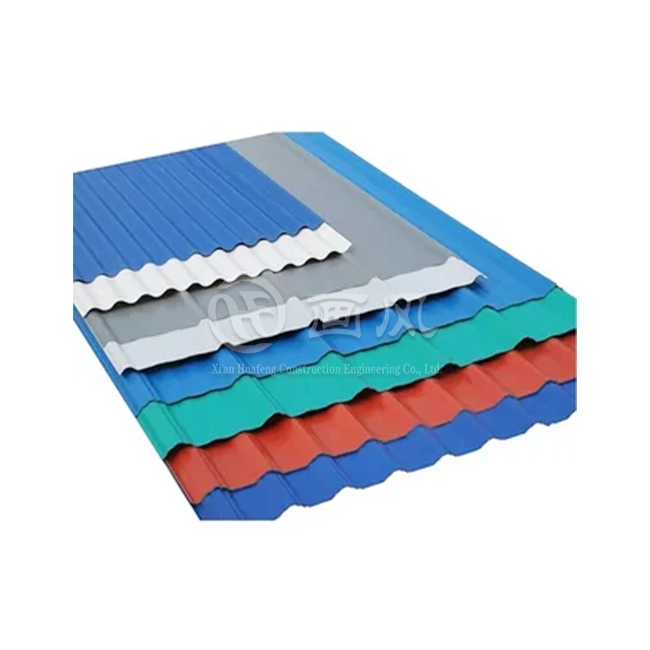
Mechanical lock systems can be customized in a lot of different ways to fit different building styles. We offer both RAL standard colors and unique color matching, which makes it easy to match to brand standards or building themes. Panel lengths of 1 to 13 meters keep seams to a minimum on long roof runs, which is what builders like: clean lines. The hidden fastening system gives a smooth look without any metal that can be seen, which works with both classic and modern design styles.
Installation adaptability includes roof shapes that are hard to work with. The system works on slopes of all kinds, from flat business roofs to steep private ones, as long as the right settings are used for each situation. The lightweight shape (about 1.5 pounds per square foot) makes it possible to install over existing roofs. This is because the structure doesn't need to be strengthened very often. By getting rid of the need to tear off and dispose of the old roof, this feature cuts down on project costs and timelines.
Comparing Mechanical Lock Roofing with Alternative Systems
People who make decisions should know how mechanical lock metal roofing stacks up against other metal roofing types and non-metal options. Standing seam systems also have the benefit of hidden fasteners, but they usually use snap-together connections instead of mechanical pinching. Snap-lock installation is quicker, but the friction-based connection lacks the mechanical contact that stops seams from falling apart under stress. This distinction is crucial in coastal and snowy places where the structure's stability cannot be compromised. Corrugated metal roofing is inexpensive, but its exposed fasteners may leak and be difficult to maintain. Through-fastened design prevents heat movement accommodation, which stresses fasteners and bends panel with time. Although cheaper, asphalt shingles and tiles must be changed more frequently than a mechanical lock metal roof. Multiple installations, removal costs, and project delays frequently exceed the lifetime cost of a mechanical lock system.
Performance Under Extreme Conditions
There are clear benefits to mechanical lock metal roofing in tough settings. Areas that are prone to hurricanes benefit from wind lifting resistance, which keeps things from falling apart completely during big storms. Because the seams are all one piece, the wind loads are spread out over the whole roof system instead of being concentrated at any one fastening point. In places that get a lot of snow, the roof needs to be able to shed snow while still holding up under static loads. This is where mechanical lock systems really shine thanks to their strong seam connections and vertical rib shapes.
Waterproofing problems can happen in low-slope business settings. The double-lock design of mechanical lock metal roofing with sealant can solve these problems. Other metal systems need at least a 3:12 slope, but properly detailed mechanical lock installations work consistently down to a 0.5:12 slope. This means that more design options are available for warehouse, industrial, and big-box retail projects.
Procurement Considerations for Mechanical Lock Metal Roofing
Effective procurement requires evaluating suppliers, products, and project needs. Certifications like ISO 9001 and ISO 14001 ensure quality and sustainability, while compliance with ASTM and international standards supports global use. Warranty terms should be carefully reviewed beyond duration, including installation requirements and exclusions. A 30-year warranty reflects durability, though actual service life is often longer, helping buyers assess long-term risks and lifecycle costs accurately.
Supplier Evaluation Criteria
Supplier capacity and reliability impact project timelines. With 1000 tons monthly output across multiple facilities, consistent supply is ensured for large and small projects. Minimum order flexibility supports diverse needs, while 15–20 day delivery aids planning. Customization options—panel length, thickness, and color—enhance design flexibility. Technical support throughout specification and installation adds value, ensuring efficient execution beyond material supply.
Practical Installation and Maintenance Guidelines
Proper installation ensures optimal system performance. Substrate preparation, underlayment application, and precise clip spacing are critical. Panels must allow thermal movement, while seaming requires skilled labor and specialized tools. Quality checks include seam engagement, sealant condition, and coating integrity. Field testing for uplift resistance ensures compliance with standards, especially in critical applications requiring high performance.
Maintenance Best Practices
Maintenance should follow manufacturer guidance and local conditions. Seasonal inspections check drainage, debris buildup, and sealant integrity. Cleaning may be required in polluted environments using gentle methods to protect coatings. Documenting maintenance supports warranty claims and enables early issue detection. Technical support ensures ongoing performance, helping owners maintain roofing systems efficiently over their lifecycle.
Conclusion
Mechanical lock metal roofing systems offer a great mix of structural strength, energy efficiency, durability, and aesthetic versatility, meeting the main needs of building companies, roofing contractors, and industrial property developers. Compared to other roofing types, the manually crimped seam technology is better at resisting wind lifting, keeping water out, and allowing for thermal movement. Quality materials, protective coatings, and precise production lead to service lives of more than 40 years with little to no upkeep needed. This makes the lifetime cost economics positive, even though the initial investment is higher.
The benefits of sustainability, such as recycled material, full recyclability, energy efficiency, and the ability to integrate solar panels, are in line with stricter environmental standards and business responsibility goals. Professionals in procurement feel more confident when suppliers have a lot of certifications, strong promises, and the skills to make sure projects stay on schedule. As building codes change and climate problems get worse, mechanical lock metal roofing is an investment that will pay off in the long run because it protects both assets and the company's bottom line.
FAQ
1. Why does mechanical lock metal roofing last longer than other types of metal roofing?
In contrast to snap-lock systems, which use friction fits, the mechanical lock system makes a physical bend that joins panel seams forever. This good mechanical connection keeps the seams from coming apart in strong winds and snow. The hidden fastening gets rid of the visible screws that cause leaks and need to be maintained in through-fastened systems.
2. How does mechanical lock metal roofing help make a building more energy efficient?
Reflective metal roofing keeps heat from absorbing from the sun, which lowers cooling costs in the summer. The method allows for continuous insulation placement without thermal bridges, which improves the performance of the envelope. Light-colored PVDF coats reflect sunlight more efficiently, which helps meet LEED and Energy Star standards.
3. Can mechanical lock systems be put on business roofs with low slopes?
Many other metal roofing systems need at least a 3:12 slope, but double-lock mechanical seam configurations with factory-applied sealing work consistently on slopes as low as 0.5:12. Proper draining planning is still needed to keep water from pooling for long periods of time.
Partner with HF Metal Roofing for Your Next Project
We, at Xi'an Huafeng Construction Engineering Co., Ltd., are experts in manufacturing mechanical lock metal roofing systems. Our goal is to provide high-quality standing seam systems that go above and beyond what construction workers in the US expect. Our three strategically placed factories cover an area of 200,000 square meters in Anhui and have additional processing facilities in Hangzhou and Xi'an. They run seven color coating production lines and more than 40 advanced processing machines, which makes sure that projects of any size get done on time and to the highest standard.
Procurement managers, engineers, and project leaders may contact our experts for customized mechanical lock roofing choices. We provide panels with thicknesses from 0.5 to 1 mm, varied rib heights, PVDF and PE finishing, and complete RAL color matching. We provide ASTM, DIN, JIS, BS, and GB/T certifications, ISO 9001 quality management, and a 30-year warranty to reassure your projects.
Email us at huafeng@hfmetalroof.com to get full technical specs, material samples, and quotes that are tailored to your project. Our monthly supply capacity of 1000 tons and delivery times of 15 to 20 days can work with your project schedule, and our low minimum order amount of 500 square meters can handle projects of all sizes. Find out how our dedication to quality, ecology, and building partnerships with our customers can improve the performance and value of your next construction project.
References
1. American Architectural Manufacturers Association. "Metal Roof Systems Design Manual." AAMA Technical Publication, 2021.
2. Metal Construction Association. "Technical Bulletin: Mechanical Seam Metal Roof Systems Performance Standards." MCA Industry Guidelines, 2022.
3. National Roofing Contractors Association. "The NRCA Roofing Manual: Metal Panel and SPF Roof Systems." NRCA Publications, 2020.
4. U.S. Green Building Council. "LEED Reference Guide for Building Design and Construction: Metal Roofing Contributions to Sustainable Performance." USGBC Technical Standards, 2021.
5. American Society for Testing and Materials. "ASTM E1592: Standard Test Method for Structural Performance of Sheet Metal Roof and Siding Systems by Uniform Static Air Pressure Difference." ASTM International Standards, 2020.
6. Construction Specifications Institute. "MasterFormat Division 07: Thermal and Moisture Protection—Metal Roofing Systems Specification Guidelines." CSI Professional Standards, 2022.





YOU MAY LIKE
_1783936484206.webp "Inside locking metal aluminum cladding panel")
(1)_1763110678300.webp "standing seam metal roof panels")