How Standing Seam Metal Roof Sheets Enhance Property Value?
2026-04-22 20:49:27
Standing seam metal roof sheets greatly increase the value of a home because they last a long time, use little energy, and look great. These high-performance roofing systems have raised seams that connect with hidden fixings. This gets rid of common leaky spots and gives the roof a sleek, modern look. When compared to standard roofing materials, they have much lower lifecycle costs because they last longer and need less upkeep. Quality metal roofing systems have reflective coats that cut cooling costs by up to 25%, which has a direct effect on running budgets. This mix of longer service life, less upkeep needs, and lower energy costs leads to much higher resale prices and more interest from potential buyers and renters.
Understanding Standing Seam Metal Roof Sheets and Their Core Advantages
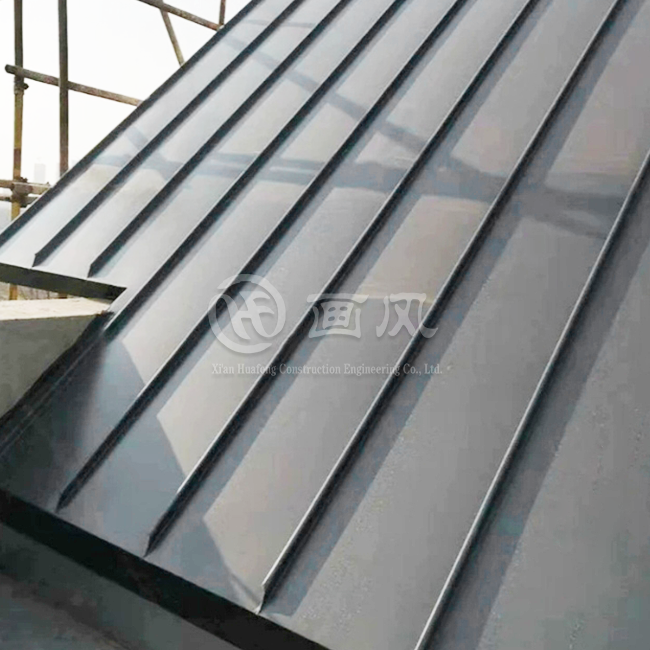
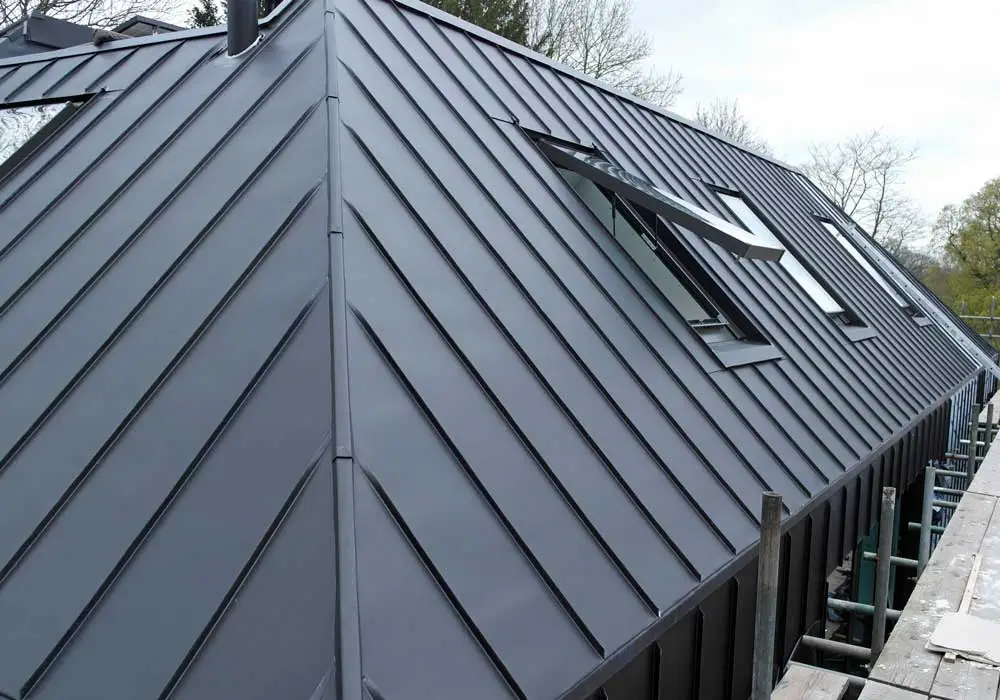
Standing seam systems are a big step forward in metal roofing technology because of how they are built. Instead of screws going through the roof, these systems use secret clips that are connected to the structural deck. This lets the metal panels naturally expand and contract as the temperature changes. In traditional roofs, screw holes get bigger over time because of changes in temperature, which lets water in. This design fixes a major flaw in that design.
Superior Weatherproofing Through Interlocking Design
The vertical seam pattern makes a constant shield against water getting in. Each panel edge has a male-female link that automatically locks into place, making a seal that keeps water out that runs the length of the roof. This gets rid of the horizontal laps where water tends to pool and finally seep through. According to ASTM E1680 guidelines, testing shows that these systems can handle wind-driven rain at pressures above 12 pounds per square foot, which is something that regular roofs can't do.
Structural Integrity and Load Distribution
The structural ribs that are raised along the lines make the wall stronger and better able to hold weight. Because of this geometric benefit, there can be more space between structural supports, which could lower the cost of frame during building. Buildings that get a lot of snow load gain the most from this better structural performance because the panels better spread weight across the supporting members.
Energy Efficiency Through Reflective Technology
High-performance finishes with Solar Reflectance Index (SRI) numbers above 70 are used on modern standing seam panels. PVDF coatings can block up to 70% of the sun's rays, which makes it much harder for heat to move into conditioned areas below. When compared to traditional dark-colored roofing materials, commercial buildings in warm areas save 15 to 25 percent on their cooling costs. These improvements in efficiency directly count toward LEED certification points in the Sustainable Sites area. This makes the property more appealing to renters who care about the environment. The thermal efficiency is more than just reflecting heat. When quality systems are built with enough air and insulation, thermal breaks are made that stop heat from escaping. This all-around approach to energy management saves consumers money on their power bills every month, which adds up to big savings over the roof's many years of use.
Acoustic Performance in Industrial Settings
The weight and rigidity of metal walls, along with properly placed insulation layers, make them very good at blocking out noise. Facilities that make things, stores near airports, and buildings in cities can all benefit from the noise-reducing features. As per ASTM E90 testing, systems can get Sound Transmission Class (STC) scores of 35 to 45, which depend on the thickness of the insulation and the gauge of the panel. This noise control makes working conditions better and might lower the risk of liability linked to noise exposure at work.
How Standing Seam Metal Roof Sheets Enhance Property Value
During evaluations and market studies, people who work with property values know that metal roofing adds a lot to the value of a building. There are several ways the real benefits of standing-seam metal roof sheets directly lead to higher home values.
Extended Service Life Reduces Replacement Costs
Standing seam metal roof sheets can last over 50 years, far exceeding asphalt roofs that require replacement every 15–20 years. This longevity reduces material, labor, and operational disruption costs. In commercial real estate, extended lifespan improves net present value by minimizing future capital expenditures, making properties more appealing to investors and supporting higher valuations and favorable financing conditions.
Energy Cost Reductions Improve Operating Ratios
Standing seam metal roof sheets improve energy efficiency through reflective properties that reduce cooling costs. Lower operating expenses increase net operating income, which directly raises property value under capitalization methods. Energy-efficient buildings also attract stable tenants willing to commit to long leases, reducing vacancy risk and enhancing financial performance and overall asset attractiveness.
Aesthetic Modernization Attracts Premium Buyers
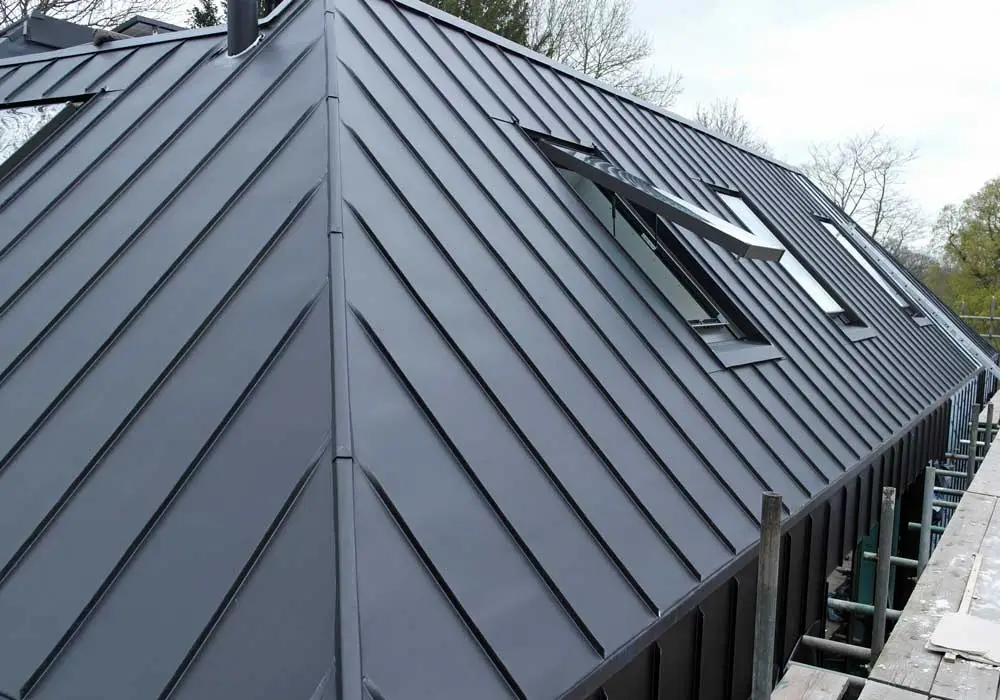
Standing seam metal roof sheets provide a clean, modern appearance that enhances building aesthetics. Updated exteriors influence buyer perception, often leading to faster sales and higher valuations. Custom color options allow alignment with branding and design goals. In competitive markets, visually appealing, well-maintained properties consistently command premium pricing and stronger buyer interest.
Insurance Premium Reductions
Because metal roofs doesn't catch fire and doesn't blow off in the wind, homes often get lower insurance rates. Underwriters look for Class A fire grades and impact protection certifications that show lower risk profiles. Depending on where you live and the terms of your insurance, you may be able to get 10–20% off your annual payment. These ongoing savings add up to a lot over time, and they also lower running costs that affect how much a property is worth.
Comparing Standing Seam Metal Roof Sheets with Alternative Roofing Solutions
To make smart purchasing choices, you need to be able to compare the performance and costs of different types of roofs in an objective way. Knowing the trade-offs between initial investment and long-term value of standing seam metal roof sheets can help partners understand why important choices were made.
Standing Seam Versus Corrugated Metal Panels
Standing seam metal roof sheets outperform corrugated panels by eliminating exposed fasteners that require frequent maintenance. While corrugated systems cost less initially, long-term expenses rise due to seal degradation and leak risks. Standing seam designs offer better durability, reduced maintenance, and improved aesthetics, contributing to higher property value and stronger long-term performance.
Metal Roofing Versus Tile Systems
Standing seam metal roof sheets are lighter than tile systems, reducing structural requirements and installation costs. Unlike fragile tiles, metal resists impact and requires less maintenance. While tiles offer traditional aesthetics, metal roofing provides better durability and performance, making it more suitable for commercial and industrial applications focused on long-term value and reliability.
Performance Comparison with Modified Bitumen
Standing seam metal roof sheets outperform modified bitumen systems in lifespan and durability. While bitumen roofs last 15–20 years, metal systems can last three times longer. They also resist water pooling and punctures, reducing maintenance needs. Over long periods, total cost of ownership favors metal roofing despite higher initial installation costs.
Procurement Insights: Sourcing Standing Seam Metal Roof Sheets for Maximum Value
To get the best results from a project, strategic buying means combining a lot of different factors for standing seam metal roof sheets. When buyers know about product specs, seller skills, and how the market works, they can negotiate better terms and make sure quality results.
Specification Alignment with Project Requirements
Standing seam metal roof sheets can be customized in seam height, thickness, and coatings to meet project needs. Thickness affects durability and cost, while coatings like PVDF enhance longevity and appearance. Proper specification ensures performance in different environments, balancing budget constraints with long-term reliability and maintaining aesthetic and functional requirements.
Supplier Evaluation and Quality Control
Reliable suppliers of standing seam metal roof sheets maintain certifications and provide third-party test results to verify performance. Production capacity and lead times impact project schedules. Strong warranties indicate product confidence. Evaluating these factors ensures consistent quality, timely delivery, and long-term reliability, reducing risks in large-scale construction projects.
Volume Procurement Strategies
Bulk purchasing of standing seam metal roof sheets improves pricing and efficiency. Consolidating orders across projects strengthens negotiation power and ensures better supplier terms. Long-term relationships with manufacturers provide consistent supply, technical support, and priority scheduling, enhancing project execution and delivering both cost savings and operational benefits.
Installation and Maintenance: Ensuring Long-Term Performance and Value
When placed incorrectly, even high-quality standing seam metal roof sheets don't work as planned. Good construction techniques and the right upkeep plans will protect the big investment and make it last as long as possible.
Professional Installation Requirements
Standing seam metal roofing requires special skills that go beyond normal building skills. Certified installers know important details like how to space clips, engage seams, accommodate thermal movement, and install flashing. The long-term weathertightness and good looks of a building are directly affected by how well the foundation is prepared, the moisture barrier is installed, and the panels are lined up. To get the right seam contact without damaging panel coatings, mechanical seaming tools needs to be properly adjusted. Seams that aren't properly crimped can let water in, while seams that are too crimped can stress the metal and damage the finish. Installation teams with a lot of experience know these differences and can change their methods to get the best results. Pay close attention to the flashing details at roof penetrations, edges, and changes. In these weak spots, water flows more slowly, and the surfaces wear out faster. Quality setups use metal flashings that are compatible with each other and are overlapping and sealed properly so that the roof stays weathertight for as long as it lasts.
Maintenance Best Practices
Being known for being low upkeep, metal roofs doesn't actually mean no maintenance. Periodic checks, ideally done every six months, find small problems before they get worse and cost a lot to fix. Inspections should record any waste buildup in valleys, the state of the fasteners on equipment that is placed on the roof, the integrity of the sealant around penetrations, and any damage to the coating from impacts or abrasion. Cleaning on a regular basis gets rid of organic matter that holds on to water and could speed up rusting. For most routine cleaning, just rinsing with water is enough. It is best not to use pressure cleaning because it can damage coats or push water under seams. Fix any scratches or damage to the coating right away with touch-up paint that was allowed by the maker to stop corrosion from starting. Buildings in industrial areas with air pollutants should be cleaned more often so that aggressive chemicals don't wear down coverings. Coastal homes should get extra care to get rid of salt deposits that speed up rusting if they are left to build up.
Addressing Acoustic Concerns
When paired with the right soundproofing, metal roofs does a good job of blocking out noise. However, when sound control is needed to be improved, extra treatments are recommended. It is possible to make the building work much better by adding layers of acoustic insulation, placing sound-absorbing ceiling systems, or putting viscoelastic damper materials between the metal panels and the roof deck. These improvements fix problems in noise-sensitive areas while keeping metal roofing's many other benefits.
Conclusion
When property owners and procurement workers look at roofing investments, standing seam metal roof sheets should be seen as strategic assets that add measured value. Exceptional durability, low upkeep needs, big energy savings, and good looks all come together to make a strong value offer that goes beyond simple cost comparisons. Quality metal roofing systems lower running costs, make properties easier to sell, and make them more appealing to tenants. These benefits are directly mirrored in property values and investment returns. The initial premium associated with standing seam systems proves minor when evaluated across multi-decade ownership horizons, with total lifecycle costs substantially favoring metal over conventional alternatives.
Frequently Asked Questions
1. What is the expected lifespan of standing seam metal roofing systems?
Quality metal roofs with full warranties usually lasts between 40 and 60 years, and many installations last longer than that if they are properly kept. Choosing the right material affects how long something lasts. For example, aluminum and covered steel systems in non-corrosive settings often last 50 years or more. This lasts a lot longer than most roofing materials, which need to be replaced every 15 to 25 years.
2. How do initial costs compare with long-term value?
Standing seam systems cost more to install at first than regular roofing materials, usually $7 to $12 per square foot compared to $3 to $6 for regular materials. Lifecycle cost study, on the other hand, shows that standing seam metal roof sheets has big benefits. Avoiding multiple replacements, lowering upkeep costs, and achieving ongoing energy savings create positive cash flow that quickly cancels out higher costs at the beginning. Most studies of business properties show that metal roofing gives a better return on investment within 10 to 15 years.
3. What customization choices meet the needs of a given project?
There are many ways to customize modern metal roofing systems. You can choose from a wide range of colors from the RAL and Pantone palettes, different panel shapes with different seam heights, thicknesses from 0.5mm to 1.2mm, and luxury coatings. This gives architects and builders the freedom to create the look they want while still meeting the performance needs of different conditions and uses.
Partner with HF for Superior Standing Seam Metal Roof Solutions
Xi'an Huafeng Construction Engineering Co., Ltd. makes high-quality standing seam metal roof sheets and has a lot of technical knowledge and dependable production capability. We have three factories with seven production lines and more than forty specialized tools. This makes sure that the quality is always the same and that we can deliver quickly, usually within 15 to 20 days. We strictly follow ASTM, DIN, JIS, BS, and GB/T standards, and we offer a wide range of customization options, such as sizes from 25 to 430 mm, thicknesses from 0.5 to 1.2 mm, and luxury PVDF/PE surface finishes in a wide range of RAL and Pantone colors. Our 30-year guarantee shows that we are sure the product will last, and our low prices (starting at 500 square meters) make luxury metal roofing affordable for projects of all sizes. As a well-known company that supplies standing seam metal roof sheets and cares about sustainable building practices and customer satisfaction, we invite procurement professionals to email our team at huafeng@hfmetalroof.com to talk about their specific project needs and find out how our solutions increase property value while meeting high performance standards.
References
1. Metal Construction Association. "Long-Term Performance Characteristics of Standing Seam Metal Roofing Systems." Technical Bulletin Series, 2021.
2. National Roofing Contractors Association. "Comparative Life Cycle Cost Analysis of Commercial Roofing Systems." Research Report, 2020.
3. Cool Roof Rating Council. "Energy Performance of Reflective Metal Roofing in Commercial Applications." Annual Conference Proceedings, 2022.
4. American Society of Civil Engineers. "Structural Performance Standards for Metal Panel Roofing Systems." ASCE Standard 7-16, 2019.
5. Building Owners and Managers Association International. "Impact of Roofing Systems on Commercial Property Valuations." Industry White Paper, 2021.
6. Green Building Council. "Metal Roofing Contributions to LEED Certification and Sustainable Building Practices." Technical Guidance Document, 2022.





YOU MAY LIKE
(1)_1763110678300.webp "standing seam metal roof panels")