Top Benefits of 032 Aluminum Standing Seam Roofing for Durability
2026-04-21 18:03:42
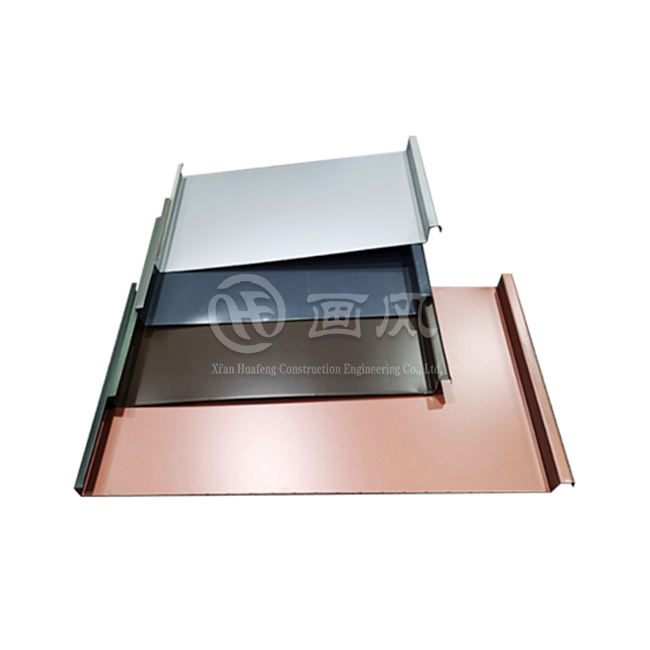
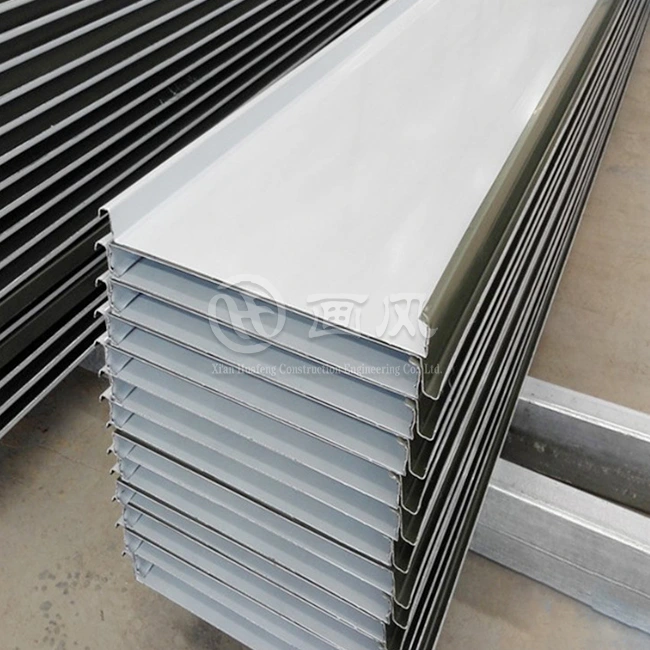
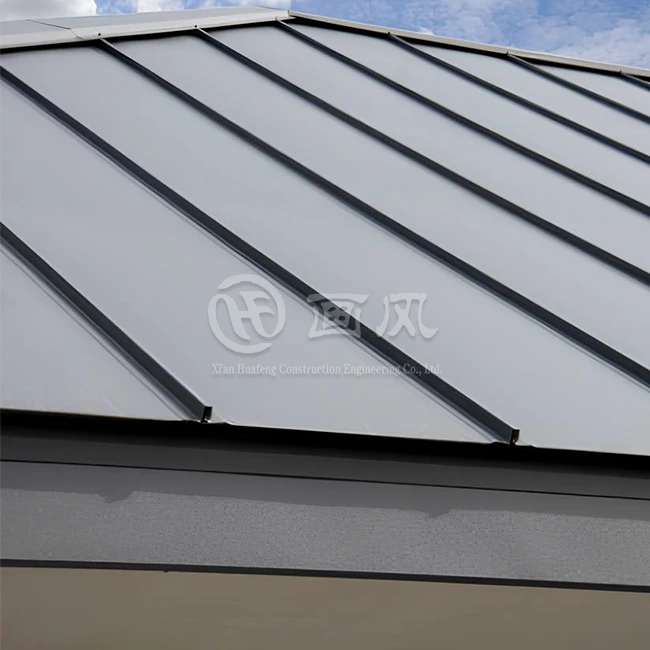
When looking at roofing options for business and industry buildings, longevity is the most important thing to think about. The 032 aluminum standing seam roofing system is a sophisticated engineering solution that directly meets the cost worries of procurement managers and construction professionals over the course of a roof's lifetime. This ornamental metal roofing solution uses aluminum alloy sheets that are 0.032 inches (about 0.8mm) thick and have hidden clip systems and seams that interlock automatically to remove places where water can get in. Unlike traditional open fastener systems, this design lasts a very long time because it stops the most common ways that traditional roofing materials fail. The aluminum-magnesium-manganese metal makeup strikes the perfect balance between strength and weight, making it the best choice for projects that need to think about both performance and building load.
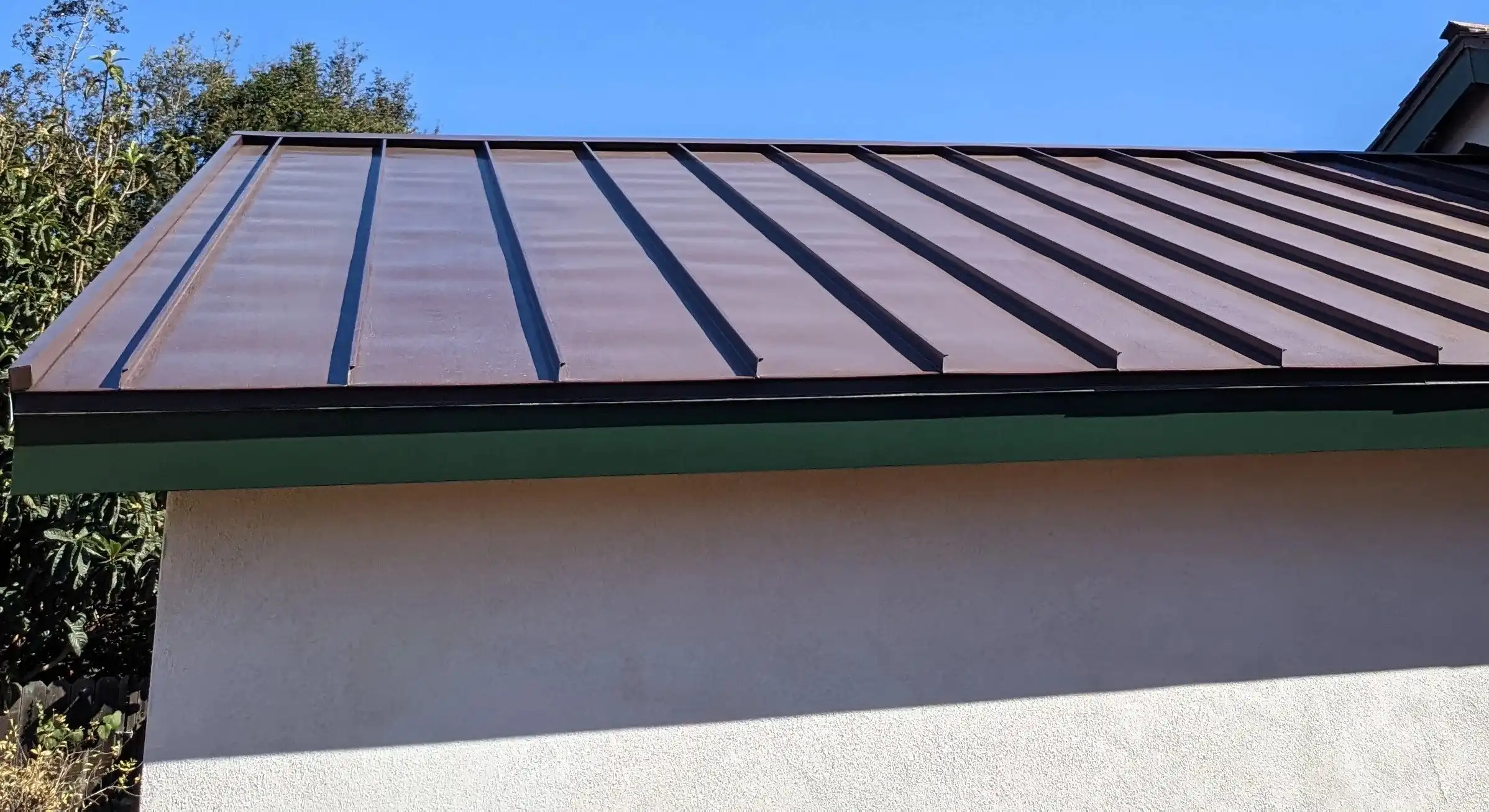
Understanding 032 Aluminum Standing Seam Roofing and Its Durability
Modern building methods have been changed by metal roofing systems, but not all metal options work as well as others. The 032 aluminum standing seam roofing designation refers to the gauge measurement, which is 0.032 inches of aluminum thickness. This is the standard measurement for industrial uses that need strong weather protection without putting too much stress on the structure.
Technical Specifications That Define Performance
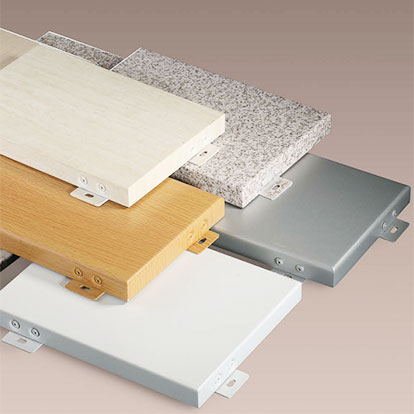
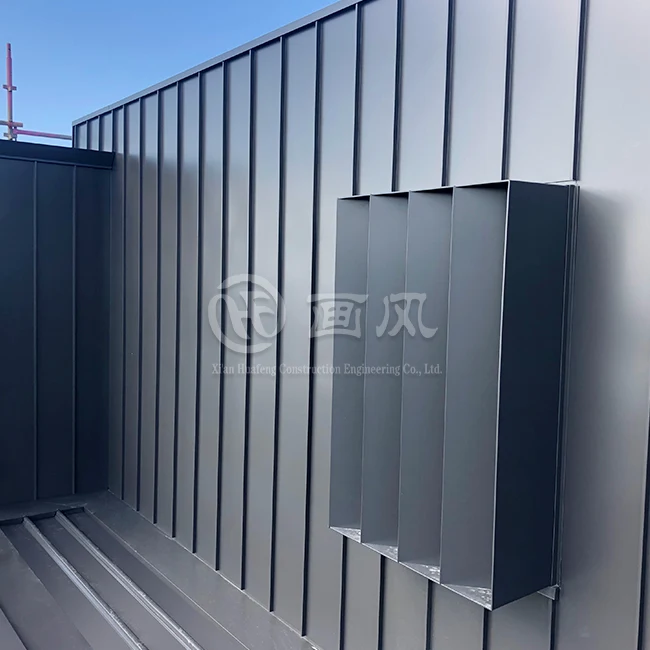
HF panels use AA3003, AA3004, or AA3005 aluminum alloys for strength and corrosion resistance. The 0.8mm thickness balances durability and weight, reducing structural load. Raised seams improve waterproofing, allow thermal movement, and enhance stiffness. Mechanical locking systems ensure reliable weather resistance even under extreme wind conditions.
Why Durability Matters in Commercial Roofing Investments
Initial material cost is only part of total ownership expenses. Durable roofing reduces maintenance, downtime, and replacement frequency. Aluminum performs well in harsh environments where steel fails, forming a self-healing oxide layer that prevents corrosion and extends service life without relying on coatings.
Top 5 Benefits of 032 Aluminum Standing Seam Roofing for Durability
When buying teams know the specific benefits of 032 aluminum standing seam roofing systems, they can make choices that are in line with the needs of the project and the budget. In terms of longevity, these are the main reasons why this roofing option is better than others.
Superior Corrosion Resistance Through Natural Oxide Protection
Aluminum forms a thin oxide layer that prevents further corrosion and regenerates when damaged. This makes it ideal for coastal and industrial environments where steel often fails. Its resistance prevents progressive deterioration, allowing aluminum roofing systems to maintain performance for decades.
Exceptional Weather and Impact Resistance
Aluminum standing seam systems distribute wind loads effectively and resist uplift. Floating clip systems allow thermal expansion without damage. They perform reliably across extreme temperatures and maintain integrity under impact, ensuring long-term weather protection even in harsh climates.
Extended Lifespan with Minimal Maintenance Requirements
Aluminum standing seam roofs last 40–50 years with minimal upkeep. Hidden fasteners reduce leak risks, and PVDF coatings maintain color and resist degradation. Compared to traditional roofing, maintenance is limited to inspections, reducing long-term costs and operational disruptions.
Energy Efficiency That Reduces Thermal Stress
Reflective aluminum surfaces reduce heat absorption, lowering roof temperatures and minimizing thermal stress. High Solar Reflectance Index coatings improve efficiency and reduce cooling demands. Lower temperatures extend material lifespan while contributing to sustainable building standards and energy savings.
Lightweight Design That Minimizes Structural Loading
Aluminum roofing weighs significantly less than steel or traditional materials, reducing structural stress. This benefits retrofits and seismic zones by avoiding costly reinforcements. Lightweight panels simplify installation and improve overall building longevity through reduced load demands.
Comparative Analysis: Durability of 032 Aluminum Standing Seam Roofing vs Other Roofing Materials
To choose the best roofing materials, performance factors must be objectively compared to the needs of the project. Comparative research shows the pros and cons of various material choices, which lets you make data-driven decisions about what to buy regarding 032 aluminum standing seam roofing performance.
Aluminum Versus Steel Standing Seam Systems
Steel offers higher strength and dent resistance but is prone to corrosion over time. Protective coatings degrade, especially in coastal environments. Although cheaper initially, steel often incurs higher lifecycle costs due to maintenance and replacement, making aluminum a more durable long-term option.
Performance Against Traditional Roofing Solutions
Traditional materials like asphalt and built-up roofing have shorter lifespans and higher maintenance needs. They are prone to weather damage and degradation. While copper is highly durable, its cost limits use. Aluminum provides a practical balance of durability, cost, and performance.
Understanding Thickness Options: 032 Versus 040 Aluminum
040 aluminum is thicker and offers greater dent resistance and spanning capability. However, 032 aluminum meets most commercial needs with better cost efficiency. It provides an optimal balance of strength, weight, and value, making it suitable for typical roofing applications.
Installation and Maintenance Best Practices for Maximizing Durability
When they are put or kept incorrectly, even the best materials fail to work as expected. In addition to choosing the right 032 aluminum standing seam roofing materials, procurement strategies should also include making sure the work is done right and coming up with upkeep protocols.
Critical Installation Considerations
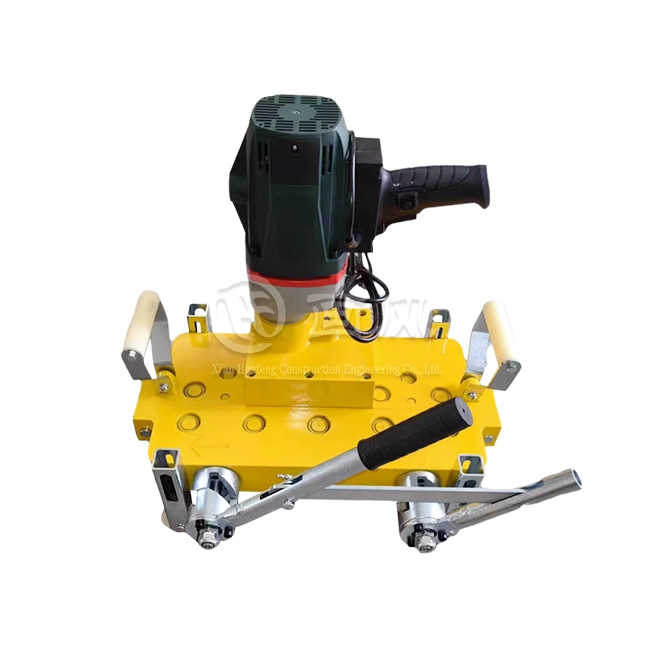
To fix a standing seam, you need to know a lot about it and have the right tools. The mechanical seaming process that connects panels needs to be done carefully. If the panels aren't engaged enough, leak paths can form, and if the crimping force is too high, it can damage the coating systems or bend the metal base. Professional workers know these factors and use calibrated seaming tools that always make seams with the right shape.
Long-term success is greatly affected by how well the substrate is prepared. The roof deck needs to be strong enough to hold up the structure and have a smooth, continuous surface. Choosing the right underlayment depends on the needs of the project. For example, high-temperature membranes are needed for metal roofs because of the way it conducts heat, which can cause the panel-underlayment interface to get hot when it's in direct sunlight.
The moving clip method is another important part of the installation process. These clips connect to the structure deck and hold the panel seam in place. They also allow the panel to move longitudinally as the temperature changes. System function is affected by how far apart the clips are, how strong the attachments are, and how much movement there is. Fixed mounts build up stress that can finally cause fasteners to break or panels to warp. When properly built and placed, clip systems can handle changes in temperature while still being resistant to wind uplift and weathertight.
Maintenance Protocols That Extend Service Life
Premium roofing systems are a big expense that needs to be protected by proactive repair programs. Inspections that happen once a year or twice a year find small problems before they get worse and cost a lot to fix. Inspection procedures should check the stability of the seams, look at the flashing features at penetrations and the edges of the roof, make sure that drainage systems are still clear, and check the state of the coating. People walking on the floor should go straight over the flat panel parts instead of the raised seams. This will keep the mechanical locks from getting damaged by chance.
Aluminum standing seam roofs still don't need a lot of cleaning. Normal rainwater is enough to clean up most sites. Buildings that are close to dust sources or under trees might benefit from low-pressure washing every so often to get rid of the dirt that has built up. You should stay away from harsh cleaning products and rough tools because they can damage the PVDF covering and make it less protected in the long run.
Warranty Provisions and Supplier Commitments
The terms of the warranty show how confident the maker is in the product's longevity. HF backs up its aluminum standing seam roofing with a full 30-year guarantee that covers both the quality of the material and the performance of the coating. This guarantee shows real trust that comes from thorough testing, proven performance in the field, and quality control during production. Professionals in procurement should carefully read the guarantee terms, making notes of what is and isn't covered, as well as any upkeep requirements. Suppliers with a good reputation back up their products with real warranties that protect against real risks, not just marketing speak that doesn't mean much in real life.
Procurement Insights: Choosing the Right 032 Aluminum Standing Seam Roofing Supplier
Quality materials aren't enough to ensure a project's success; the supplier's skills, dependability, and support systems are also very important. Strategic buying of 032 aluminum standing seam roofing includes more than just comparing prices; it also includes a full review of the seller.
Evaluating Supplier Capabilities and Credentials
The quality of manufacturing starts with having the right licenses and process standards in place. Getting ISO 9001 quality management certification shows that you can be consistent and keep getting better. If a company has ISO 14001 environmental management approval, it means that they use responsible manufacturing practices that are in line with sustainability goals. Product certificates that show compliance with ASTM, DIN, JIS, BS, and GB/T standards give you peace of mind that the products you're using will meet accepted performance standards.
When working on business projects with tight deadlines or lots of material needs, production ability is important. HF runs three dedicated plants with more than 40 specialized machines and seven production lines. This gives them the manufacturing capacity to meet large orders while keeping quality standards high. The production infrastructure allows for safe delivery times of 15 to 20 days, even for specific color requirements from the RAL palette or dimensional needs that are special to a building's design.
Key Procurement Parameters for B2B Buyers
Minimum order numbers affect how projects are planned and how material is managed. HF's 500-square-meter (one-ton) MOQ can handle projects ranging from small business buildings to big industrial complexes, and it can still be used for unique tasks. This allows for efficient production runs that keep prices competitive without having to force people to buy too much inventory, which ties up working capital.
Customization options support a range of design goals and useful needs. With panel height choices between 25 and 65 mm, designers can find a mix between how the panels look and how well they work, taking into account things like water flow and structural stiffness. The PVDF finish method can be used with almost any color standard, which makes it possible to match brands or coordinate architecture. This level of personalization, along with scientific knowledge to help make the right choices, sets capable sellers apart from basic commodity providers.
Reliability of the supply line is probably the most important but most often forgotten factor in procurement. Delays in getting materials can throw off building plans, make projects more expensive by taking longer to finish, and hurt relationships with clients. Looking at a supplier's past records for on-time delivery, contact, and problem-solving can help you figure out how reliable they are. Suppliers that have been around for a while, have proven transportation skills, and keep extra stock on hand reduce delivery risks that could delay projects.
Conclusion
For business and industrial uses, 032 aluminum standing seam roofing systems are still best known for how long they last. When you combine the natural oxide protection that metal offers with the weather-resistant standing seam shape, you get a product that lasts a very long time and costs less over its entire life. Characteristics of energy economy lower heat stress and save money on operations. A lightweight form reduces the need for structural support and makes fitting easier. Comparing aluminum to steel and other common roofing materials repeatedly shows that aluminum performs better in tough environments, especially seaside areas and corrosive industrial settings where steel systems fail early. Attention must be paid to more than just the specifications of the materials. Supplier skills, manufacturing quality, and the dependability of the supply chain are all important parts of strategic procurement that affect the success of the project and the customer's long-term happiness.
FAQ
1. What Is the Expected Lifespan of 032 Aluminum Standing Seam Roofing Compared to Steel?
When put correctly, 032 aluminum standing seam roofing usually lasts between 40 and 50 years, which is often longer than the guarantee time. In mild inland areas with little rust, steel standing seam systems may last as long, but they often fail within 15 to 25 years in marine or industrial settings where corrosion speeds up the breakdown. The benefit of aluminum is most noticeable in harsh settings where steel's defense from coatings doesn't work well.
2. Can Panels Be Customized for Specific Architectural Requirements?
A lot of customization choices meet the needs of a wide range of projects. Panel heights can be changed from 25mm to 65mm to suit different artistic tastes and practical needs. Custom formulations and color choices from the full RAL palette allow for exact architectural matching. Panel lengths can be made to fit the exact measurements of a project, which cuts down on field cutting and improves the speed of installation. The technical team at HF works with specifiers to come up with ideas that fit the needs of each project.
3. What Maintenance Practices Best Preserve Long-Term Performance?
One big benefit of metal standing seam is that it doesn't need much upkeep. Once a year, checks make sure that seams are intact and find small problems before they get worse. Periodic cleaning, usually with low-pressure water washing, gets rid of built-up dirt, but normal rain is usually enough to clean. Instead of walking along higher gaps, people should follow the lines that hold up the structure. The purity of the PVDF covering is maintained by staying away from harsh chemicals and rough cleaning tools. These simple practices keep the best performance throughout the longer service life.
Partner with HF for Reliable 032 Aluminum Standing Seam Roofing Solutions
For business roofing projects to be successful, you need more than just good materials. You also need to work with suppliers who understand your problems and provide steady support. HF adds decades of experience with metal roofing to every job, along with three factories, seven production lines, and ISO-certified quality control systems that make sure the work is done right. Our 032 aluminum standing seam roofing systems are made to meet strict ASTM, DIN, JIS, BS, and GB/T standards and can be changed to fit your projects' needs. We offer the full range of services that procurement professionals value, with a 30-year warranty, shipping times of 15 to 20 days, and expert help during specification and installation. HF provides the quality, dependability, and support that set professional sellers apart from commodity vendors, whether you're looking for materials for business properties on the coast, industrial facilities, or large-scale renovation projects. Email our team at huafeng@hfmetalroof.com to talk about your unique needs with professionals who know how to handle B2B procurement objectives. To find out how our aluminum standing seam options can improve the performance and lifecycle value of your building, you can ask for full technical specs, unique quotes based on the details of your project, or consultations.
References
1. American Architectural Manufacturers Association. "AAMA 2605: Voluntary Specification, Performance Requirements and Test Procedures for Superior Performing Organic Coatings on Aluminum Extrusions and Panels." 2017.
2. Metal Construction Association. "Technical Bulletin: Metal Roof System Design Manual for Architectural Standing Seam Applications." 2019.
3. Aluminum Association. "Aluminum Design Manual: Specification for Aluminum Structures." 2020 Edition.
4. National Roofing Contractors Association. "The NRCA Roofing Manual: Metal Panel and SPF Roof Systems." 2021.
5. Cool Roof Rating Council. "ANSI/CRRC S100: Standard Test Methods for Determining Radiative Properties of Materials." 2019.
6. ASTM International. "ASTM B209: Standard Specification for Aluminum and Aluminum-Alloy Sheet and Plate." Current Edition.





YOU MAY LIKE