Vertical Standing Seam Metal Cladding: A Durable Solution for Your Building
2026-05-12 18:28:36
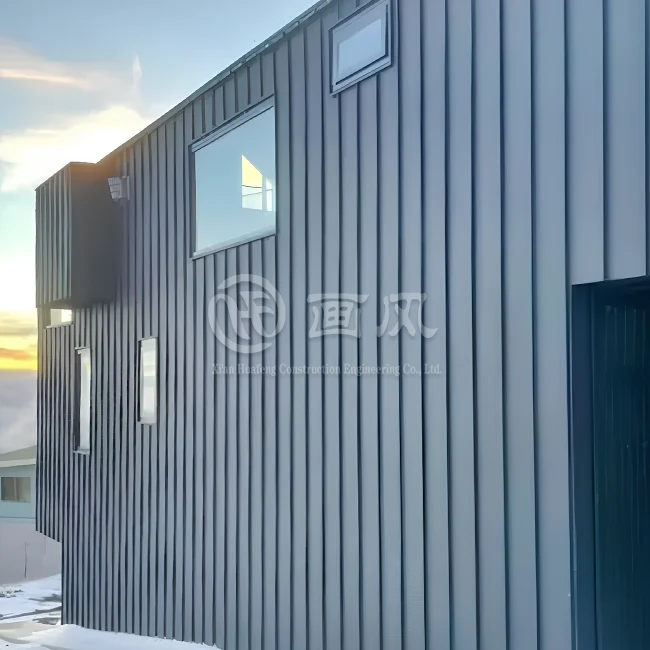
When working with construction businesses and property developers across the US, one issue always arises: which exterior cladding system is durable and elegant? Vertical standing seam metal cladding, a premium architectural envelope solution with mechanically connected metal panels from foundation to rooftop, is the answer. This high-performance technology reduces water infiltration threats from exposed-fastener systems, allows thermal movement through concealed sliding clips, and improves building aesthetics with clean, uninterrupted lines. To confidently source materials for commercial warehouses, municipal facilities, and mixed-use complexes, procurement managers and engineers must understand how this cladding technology meets real-world performance standards.
Understanding Vertical Standing Seam Metal Cladding
System Design and Materials
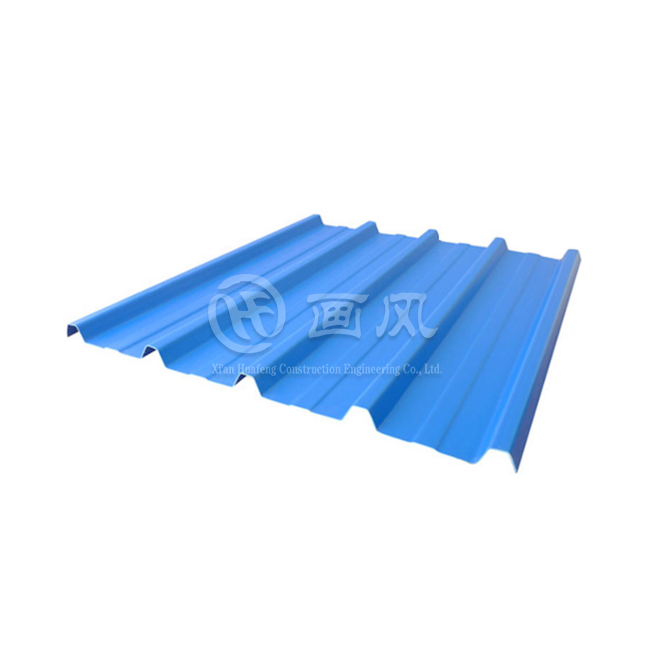
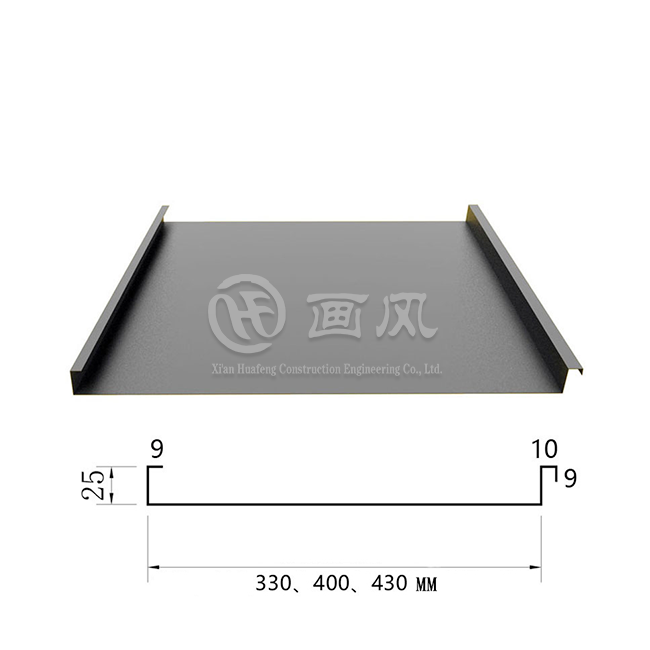
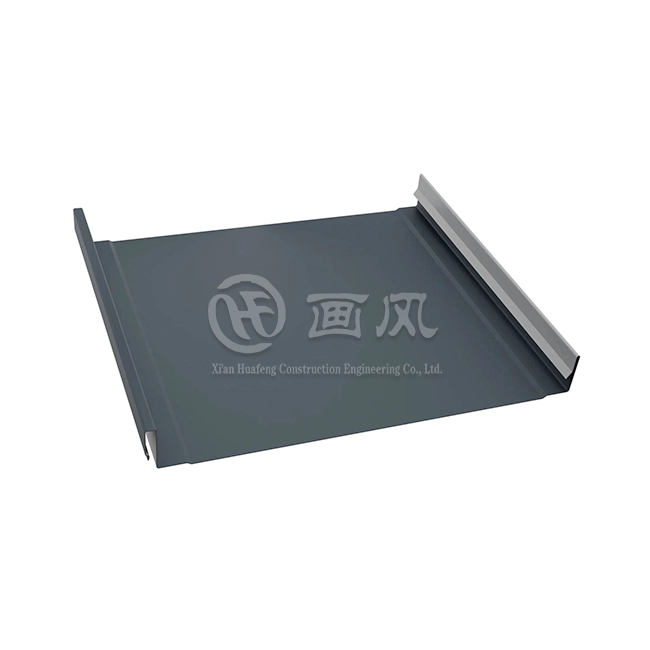
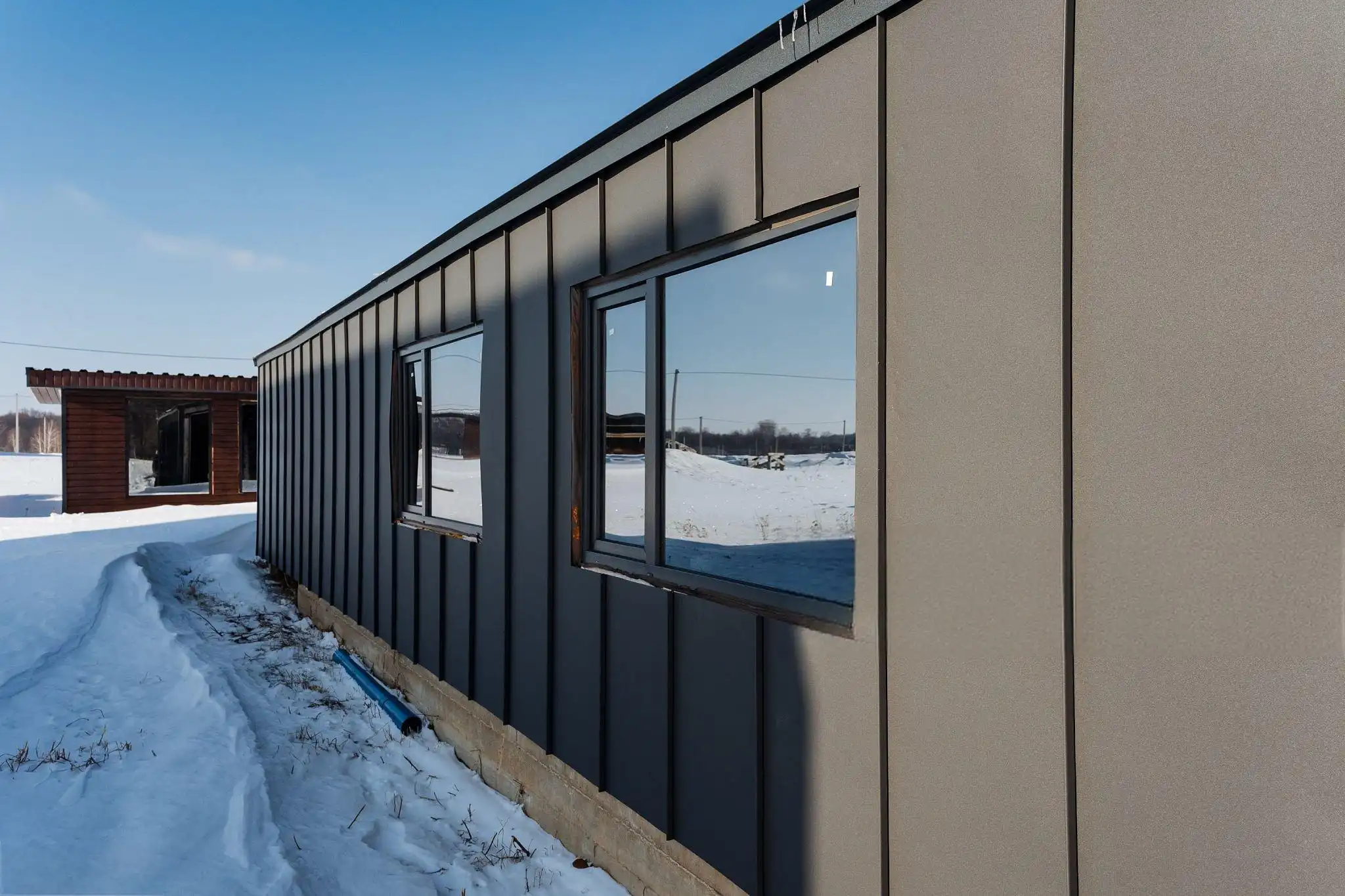
Vertical standing seam metal cladding differs from standard wall coverings. This technology creates a continuous weather shield without fasteners using interlocking panel sides, unlike horizontal lap siding or corrugated sheets. Panel frames are aluminium alloy (AA3003, AA3004, AA5052), aluminum-zinc coated steel (AZ150), or stainless steel. Rib heights range from 25 to 65 mm to meet wind load requirements.
Performance Advantages
By eliminating degradable sealants, the 360-degree mechanical lock seam improves weathertightness. Continuous insulation and moisture barriers enable high thermal performance and energy code compliance. It also meets EN13501-1 Class A fire ratings for high-rise commercial structures that require non-combustible materials.
Manufacturing Specifications and Customization
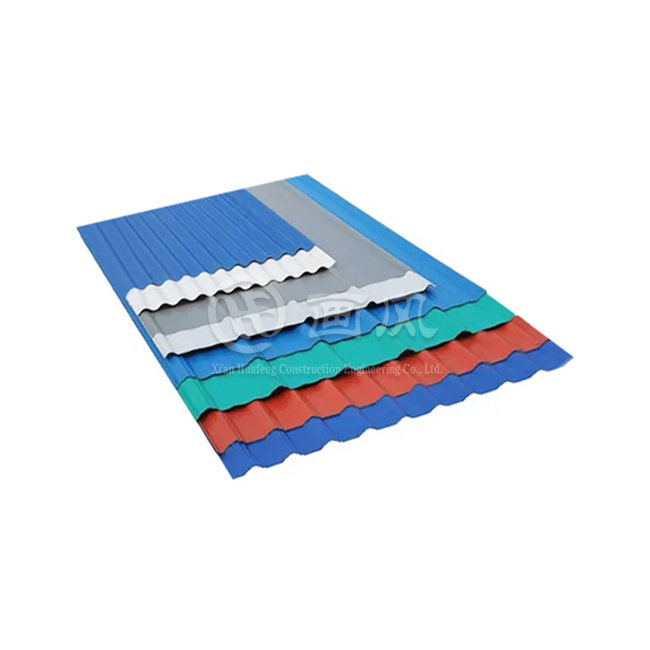
Factory-made panels are available in widths from 330 to 500 mm and metal substrate thicknesses from 0.7 to 1.5 mm. Single-panel lengths exceed 12 meters, decreasing site joints. We use AAMA 2605-compliant PE, HDP, or PVDF coatings for UV stability and chalk resistance. PVDF coatings have 30-year warranties and negligible colour deterioration, making them cost-effective. RAL/Pantone colour matching, wood grain or stone textured finishes, and architecturally customised metallic effects are available.
Installation and Maintenance Guide for Vertical Standing Seam Cladding
Pre-Installation Preparation and Installation Process
Quality assembly begins before panels arrive. Within the L/600 range, structural framing must be straight to minimise stress-related visual waviness ("oil canning"). Poor vertical standing seam metal cladding installation can damage aesthetics and weather performance, thus we recommend using educated professionals. Installation entails attaching hidden clips to the substrate at fixed intervals, inserting the first panel vertically, snapping or seaming the male leg of the next panel into the female leg of the installed panel, and repeating this sequence across the wall. Mechanical seaming tools apply consistent crimping pressure to establish a double-lock connection without destroying the protective coating, as validated by T-bend adhesion tests during quality control.
Installation Efficiency, Customization, and Curved Applications
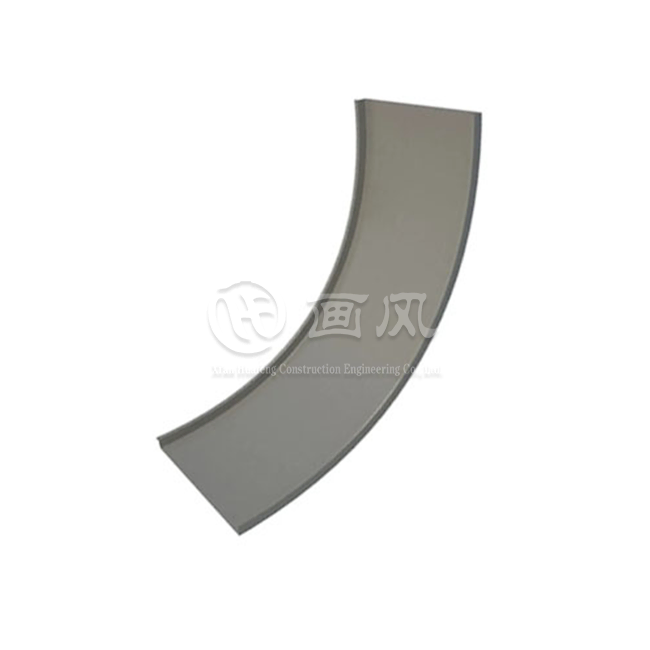
Panel installation is efficient because lengths are cut at the factory, eliminating on-site cutting. The modular design also significantly reduces labor hours compared to traditional brick veneer or precast concrete. For projects requiring curved surfaces, we can roll-form panels to fit convex or concave forms with minimum bending radii of 15 meters, enabling the realization of organic shapes for stadiums, airport hubs, and cultural institutions.
Maintenance, Repair, and Warranty Support
Over its 30–50-year service life, based on the material and how it is exposed to the environment, the cladding system needs very little maintenance. Annual checks look at how stable the fasteners are, how much debris is in the drainage paths, and how well the seams are sewn together. Low-pressure washing with light detergent solutions is used for cleaning to get rid of air pollutants and keep the coating's look. If one panel gets broken (for example, by an impact or structural movement), it can be taken out and put back on without affecting the panels next to it. This keeps repair costs low and building downtime to a minimum. Our installations come with full warranties that cover both material defects and coating performance. We also have quick-response expert service teams that can check on things after the installation is done.
Comparing Vertical Standing Seam Metal Cladding with Alternatives
Advantages Over Alternative Materials
Corrugated metal panels are inexpensive but require exposed fasteners that degrade and increase rusting. For durable buildings, vertical standing seam metal cladding uses hidden fasteners and vertical water flow, explaining its 20–30% higher upfront cost. While fire-resistant and adaptable, fibre cement siding is heavy and laborious to install. Metal cladding is cheaper over time for large commercial projects. Vinyl siding, utilised in homes, lacks stiffness and fire resistance in industrial environments. Unless specified with expensive fire-retardant cores, composite metal panels are flammable but aesthetically flexible.
Performance Superiority of Vertical Standing Seam Metal Cladding
Vertical standing seam metal cladding excels due to its superior performance in wind uplift resistance (tested to ASTM E1592), air infiltration compliance (tested to ASTM E283), and water penetration resistance (tested to ASTM E1646). These certified performance metrics are particularly crucial when selecting envelope systems for buildings in extreme environments, such as hurricane-prone or high-altitude areas, where materials are subjected to severe wind-driven rain and other stresses.
Procurement and Supply Considerations for B2B Clients
Evaluating a Vertical Standing Seam Metal Cladding Provider
When selecting a provider, factors beyond price per square meter must be considered. Certification qualifications serve as a foundational indicator. Certifications such as ISO9001 for quality management and ISO14001 for environmental standards demonstrate a company's commitment to consistent manufacturing practices and environmental responsibility.
Production Capacity and Supply Chain Efficiency
For large-scale projects requiring 5,000 to 20,000 square meters of cladding, production capacity directly impacts project timelines. A robust monthly supply capacity and swift delivery times are crucial to maintaining project schedules and minimizing costly delays. Framework agreements with significant discounts can also aid procurement managers in adhering to budgets and ensuring material consistency across multi-phase projects.
Customization Options and Pre-Purchase Evaluation
Signature projects often demand customization beyond standard color options. Full customization services, including color matching, custom hole patterns, and panel width adjustments, are essential. Obtaining real samples before finalizing specifications allows for a thorough assessment of quality differences, such as coating sheen, metal gauge stiffness, and seam profile.
Quality Control and Warranty Considerations
Quality control procedures should ideally include on-site inspections, verification of coating thickness, seam integrity tests, and monitoring of panel flatness tolerances. Third-party testing for performance metrics like wind uplift, water entry, and thermal cycles provides objective proof. Carefully reviewing warranty terms to ensure clarity on inspection processes and claims handling is also vital, with warranties covering both material defects and coating performance.
Why Choose Vertical Standing Seam Metal Cladding for Your Project?
Case Studies in Demanding Environments
Challenge projects show vertical standing seam metal cladding's strategic relevance. South Carolina's coastal logistics center used aluminum-zinc walls with a PVDF treatment to combat salt spray corrosion. Horizontal systems accumulate salt, but vertical systems drain quickly and prevent it. Facility owners have long-term budget certainty with 50-year corrosion protection.
Complex Forms and Architectural Integration
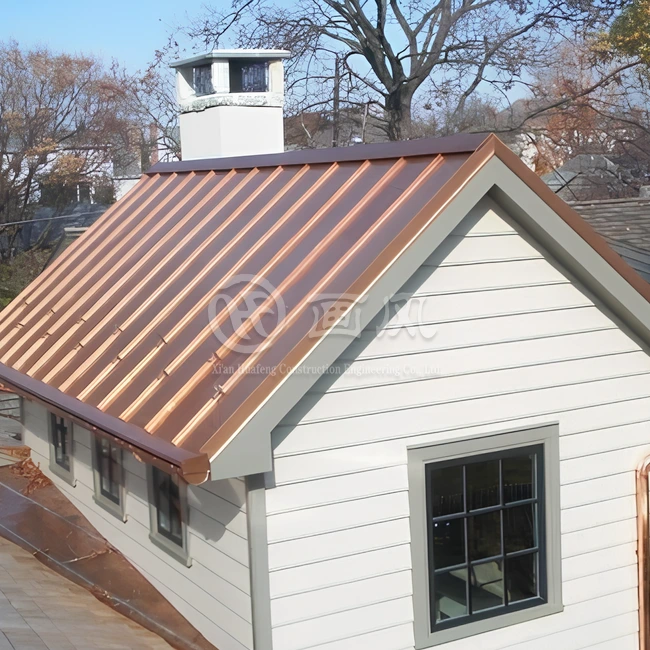
A Colorado mountain lodge's roof and walls were covered with metal cladding to create a seamless enclosure. The strong seams and smooth vertical surfaces avoid ice dams and let heavy snow shed naturally without damaging the weather barrier. Using bronze metallic finishes and radius-curved panels that followed the building's organic contours, architects created a striking visual impact. Complex cladding systems can combine high performance and artistic ambition.
Innovation Trends in Sustainability and Smart Integration
Building integration is becoming smarter and more efficient. Emerging coating technologies with photocatalytic properties self-clean surfaces and break down organic contaminants, minimising urban maintenance. Metal substrates can be recycled up to 90% without compromising structural integrity, enabling LEED certification criteria for sustainable building. We expect real-time envelope performance monitoring via integrated building management systems and embedded sensors for predictive maintenance and energy efficiency.
Life-Cycle Economic Advantages
Metal cladding outperforms other materials in 30-year total cost of ownership analyses. Its minimum maintenance—no painting, rot repair, or pest damage—provides long-term savings that offset higher initial material prices during the first decade. The envelope's exceptional thermal integrity improves energy performance and lowers HVAC operational costs, which is important for temperature-sensitive operations like food warehouses and process industries.
Conclusion
Vertical standing seam metal cladding gives procurement professionals the long-lasting, weather-resistant, and design-friendly options they need for business and industrial building projects. The mechanically linked seam technology gets rid of places where water could get in, and the hidden clip systems allow for thermal movement. This wall option has long-term value that makes the investment worthwhile because it meets ASTM testing standards for performance, comes with a 30-year warranty, and doesn't need much upkeep. Our production skills, which include the ability to customize products, reliable delivery within 15 to 20 days, and ISO-certified quality systems, allow us to help with projects from the initial design phase to the final installation. Vertical standing seam metal cladding has been used for decades and has been shown to work perfectly on building shells.
Frequently Asked Questions About Vertical Standing Seam Metal Cladding
1. What lifespan can I expect from vertical standing seam cladding?
Depending on the base material and covering choice, metal cladding systems usually last between 30 and 50 years. Aluminum with PVDF coats comes with a 30-year finish warranty, while zinc naturally forms patinas that protect it for more than 80 years. Our goods come with 30-year guarantees and are carefully checked for quality.
2. Can this cladding accommodate complex building geometries?
The method can work with curved facades, walls that are at an angle, and custom building shapes. Panels can be rolled into convex or concave curves with radii of at least 15 meters, and unique sizes from 300 mm to 800 mm can be made to fit the needs of different modules. We help with design to make sure that panel setups work best for complicated shapes.
3. How does fire resistance compare to other cladding materials?
According to EN13501-1 standards, metal siding is Class A non-combustible, which means it can be used for high-rise buildings and other places that need to be very safe from fire. Solid metal surfaces don't have any worries about flame spread like composite panels with flammable cores do.
Partner With HF for Your Vertical Standing Seam Metal Cladding Requirements
Choosing the right vertical standing seam metal cladding supplier is important for making sure that your project meets its performance and appearance goals. HF (Xi'an Huafeng Construction Engineering Co., Ltd.) is a factory that is both ISO9001 and ISO14001 approved and offers a wide range of customization options for color, pattern, and design. Our monthly production capacity of 1,000 tons, delivery times of 15 to 20 days, and 500-square-meter minimum orders make us a good choice for projects ranging from regional offices to multi-building industrial complexes. Procurement managers and building companies are welcome to ask for samples of our materials and talk to our technical team about their unique project needs. Email us at huafeng@hfmetalroof.com to learn more about how our vertical standing seam metal cladding systems can help your next building project with its longevity, compliance certifications, and design freedom. Working with a reliable metal siding provider who is dedicated to quality and quick service is a plus.
References
1. American Architectural Manufacturers Association. (2020). AAMA 2605: Voluntary Specification, Performance Requirements and Test Procedures for Superior Performing Organic Coatings on Aluminum Extrusions and Panels. Schaumburg, IL: AAMA.
2. Brock, L. (2019). Designing the Exterior Wall: An Architectural Guide to the Vertical Envelope. Hoboken, NJ: John Wiley & Sons.
3. Metal Construction Association. (2021). Technical Bulletin: Standing Seam Metal Roof and Wall Systems – Design, Installation and Performance. Glenview, IL: MCA.
4. National Roofing Contractors Association. (2018). The NRCA Metal Panel and SPF Roof Systems Manual. Rosemont, IL: NRCA.
5. Patterson, M. R. & Mehta, M. (2017). Architectural Metal Surfaces: Characteristics, Finishes, and Maintenance. Journal of Architectural Engineering, 23(4), 45-58.
6. Vigener, N. & Brown, M. A. (2016). Building Envelope Design Guide – Metal Wall Systems. Washington, DC: Whole Building Design Guide, National Institute of Building Sciences.





YOU MAY LIKE
(1)_1763110678300.webp "standing seam metal roof panels")