Cost-Efficient Options for Mechanical Lock Metal Roofing in 2026
2026-05-13 11:00:00
When evaluating cost-efficient options for mechanical lock metal roofing in 2026, procurement teams should recognize that this standing seam system delivers exceptional value through reduced installation labor, enhanced weather resistance, and extended service life. Unlike exposed fastener alternatives, these interlocking panels create hydrostatically sealed connections that minimize maintenance costs while meeting rigorous performance standards for commercial and industrial applications. The combination of advanced coating technologies, flexible material selections, and streamlined installation processes positions mechanical lock systems as strategic investments for budget-conscious construction projects.
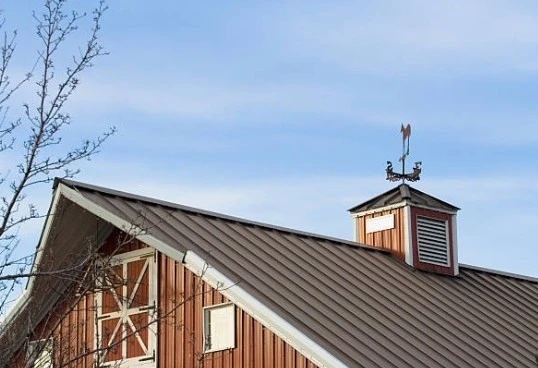
Understanding Mechanical Lock Metal Roofing and Its Cost Benefits
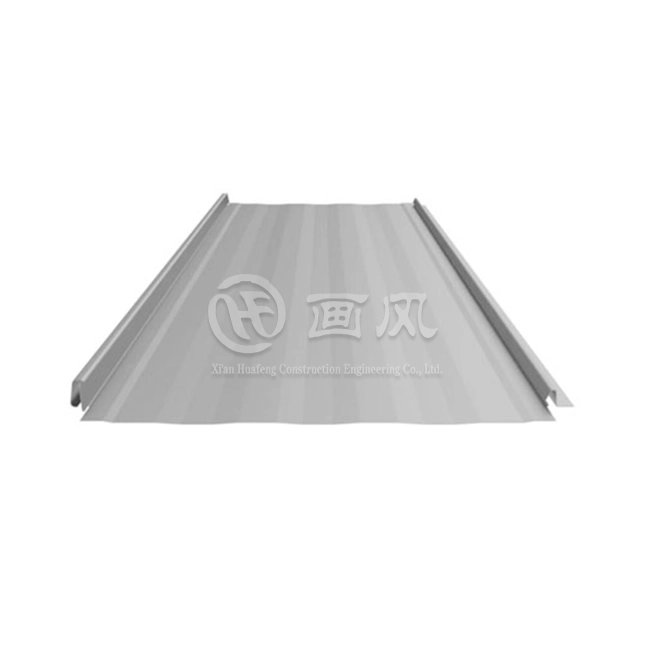
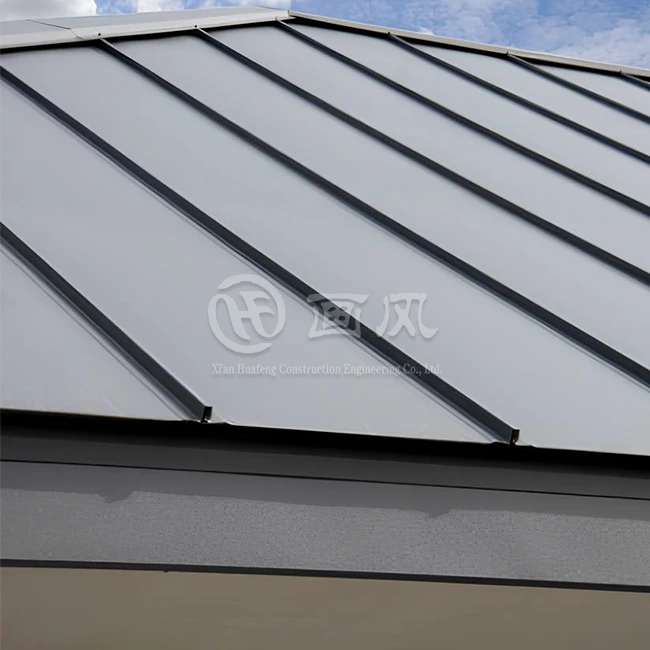
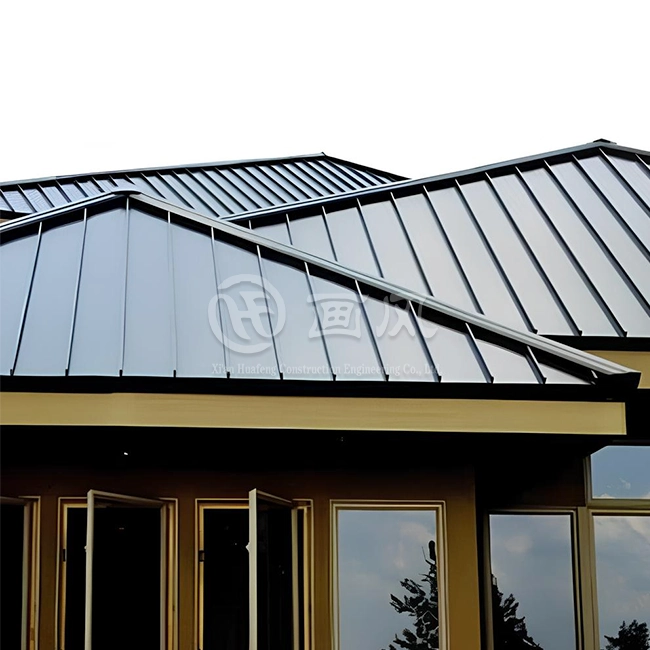
Learn about mechanical lock metal roofing and how it can save you money. Using special seaming tools, this technology takes standing seam technology to a new level by directly folding and crimping the ends of the panels together. This method is very different from snap-lock systems because it makes lasting joints that are held together physically instead of using friction to connect parts. The design allows for thermal movement with hidden moving clips, and the structure stays strong even when temperatures change.
Key Design Variants for Commercial Projects
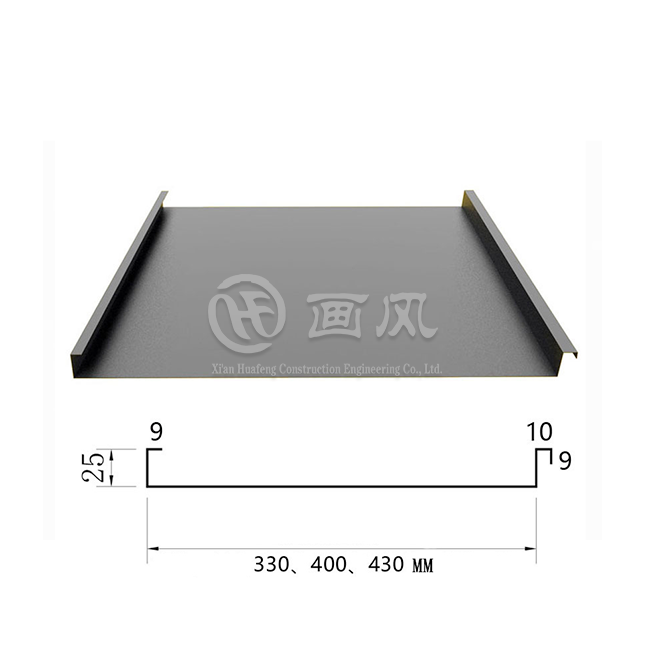
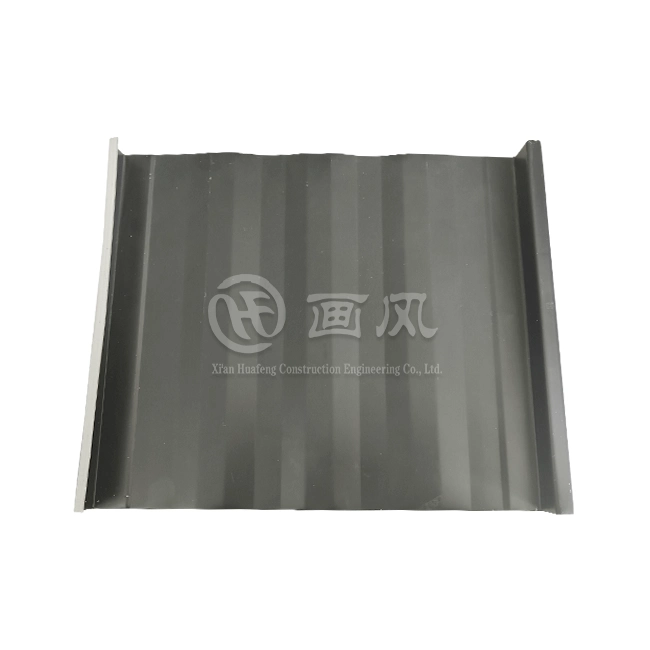
When automatic seams are used on a standing seam metal roof, it usually comes in three different profile heights that can be chosen based on draining needs and personal taste. The 25mm rib height is good for moderate-slope situations where appearance is important, and the 32mm shapes strike a good mix between performance and cost-effectiveness. When projects need to shed as much water as possible, 38mm ribs are often used. These work great in low-slope situations down to 0.5:12 pitch when they are double-locked with sealing beads.
Material Selection Impact on Total Project Costs
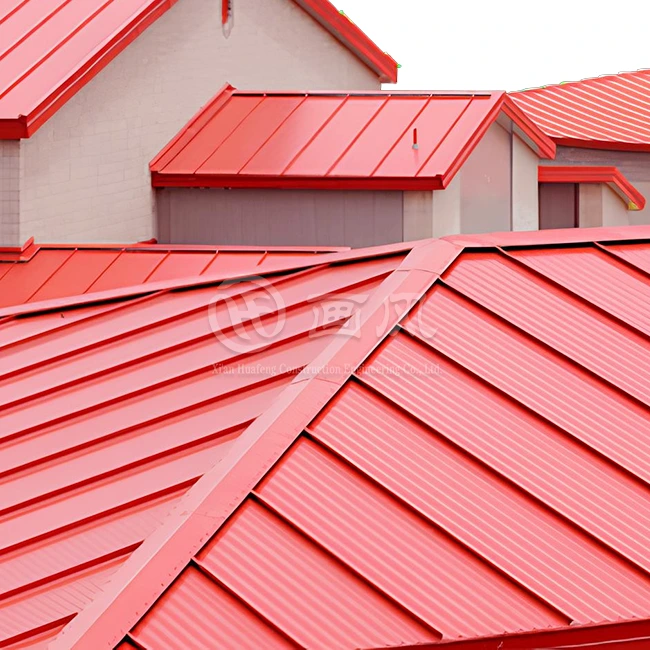
Commercial standards mostly use galvalume steel because it doesn't rust and has a good cost-to-performance ratio. Panels with thicknesses ranging from 0.5mm to 1.0mm can be used for a variety of structural loads. For high-traffic upkeep areas, thicker gauges offer better dent resistance. Aluminum choices are lighter for retrofitting, while copper and titanium-zinc are better for special jobs where the patina look is worth the extra cost.Surface processes have a big effect on both the initial cost and the costs over the course of the product's life. When applied at a thickness of 25 to 40 microns to uncovered surfaces, PVDF coatings are more resistant to UV light and keep their color better than polyester coatings. This means that it doesn't needs to be recoated as often, which saves money on long-term upkeep costs. For projects that want to get 30-year service guarantees, PVDF finishes are usually required to make sure that the performance will be predictable.
Quantifiable Cost Advantages Through System Engineering
The ease of installation turns out to be a major cost driver. When you use concealed fastening, there are no penetration-related leak risks or guarantee claims. Also, once teams get into a rhythm, mechanical seaming goes quickly. In big warehouses and distribution centers with continuous panel runs that reduce the number of seams, workers are much more productive. The secret clip connection method allows for thermal expansion without putting stress on the fasteners, which keeps them from breaking too soon, which can happen with through-fastened setups.Energy efficiency leads to real cost savings in operations. In mild areas, reflective surfaces that meet ENERGY STAR standards lower the need for cooling, and low-emissivity finishes make it easier to control radiant heat. When paired with the right insulation methods, these roofs help meet the standards for LEED certification, which could lead to incentive programs that cover the initial cost of the project.
Comparing Mechanical Lock Metal Roofing with Other Roofing Systems for Budget Optimization
For strategic buying to work, the costs of all the different roofing systems must be carefully compared. Even though the materials for mechanical lock metal roofing are more expensive than basic corrugated panels, the real value must be determined by how hard they are to install, how often they need to be maintained, and how long they last in terms of performance.
Upfront Investment Versus Lifecycle Economics
Traditional built-up and modified asphalt roofs cost less initially but require replacement every 15–20 years. In contrast, mechanical lock metal roofing meeting ASTM wind uplift and water resistance standards can last 30+ years with minimal maintenance, improving lifecycle value. Snap-lock systems install faster and suit slopes above 3:12, but lack the structural strength of mechanically seamed joints. For hurricane-prone or high-wind regions, double-lock seams provide superior durability, validated by strict testing standards, ensuring long-term structural reliability and reduced risk.
Performance Differentiators Affecting Hidden Costs
Installation complexity varies widely across roofing systems. Single-ply membranes demand skilled welding and strict quality control, increasing risk of early failure. In contrast, mechanical lock metal roofing uses automated seaming, reducing installer variability and callbacks. Hidden fasteners eliminate thermal bridging, improving insulation efficiency. Maintenance is minimal compared to tile or coated systems requiring frequent repairs. Metal roofs also offer Class A fire resistance, natural snow shedding, and strong climate adaptability, reducing long-term operational risks and hidden maintenance expenses.
Cost-Effective Installation Practices for Mechanical Lock Metal Roofing
To get the most out of your installation budget, you need to plan your process and use your resources strategically. Experienced builders know that how well they plan and organize their work has a direct effect on how profitable the project is and how well it meets its deadlines for mechanical lock metal roofing projects.
Essential Equipment and Workforce Configuration
Successful installations rely on calibrated electric seamers that ensure consistent 180-degree double-lock joints for watertight performance. Adjustable tools accommodate varying panel profiles without delays. Skilled crews familiar with clip placement and thermal movement maximize productivity, typically completing 30–40 squares daily on standard projects. Efficient material staging and prefabricated components reduce handling time and on-site fabrication errors. These practices streamline workflows and enhance installation quality for mechanical lock metal roofing systems.
Customization Strategies to Reduce Material Waste
Accurate panel length planning minimizes waste and improves cost efficiency. Continuous panel lengths up to 13 meters allow precise fitting, eliminating excessive cutting. Bulk orders enable cost-effective customization, including RAL color matching without premium charges. Minimum order quantities around 500 square meters balance affordability and production efficiency. Early coordination with suppliers ensures delivery timelines of 15–20 days align with construction schedules, optimizing procurement for mechanical lock metal roofing projects.
Leveraging Regional Supply Networks
Working with manufacturers operating multiple facilities reduces logistics risks and delivery delays. Suppliers with high production capacity and redundant systems ensure consistent supply, even during peak demand or equipment downtime. Monthly outputs exceeding 1,000 tons support large-scale projects. Local technical support ensures compliance with regional codes and environmental conditions. Adherence to global standards like ASTM, DIN, JIS, and GB/T ensures compatibility across international markets, strengthening procurement strategies for mechanical lock metal roofing.
Maintenance and Longevity Strategies to Maximize ROI
Protecting investments in roofing through regular care increases the life of the object and keeps the money coming in. Compared to other technologies, mechanical lock metal roofing doesn't need much maintenance, but paying close attention to certain parts can keep them from breaking down when they don't need to.
Routine Inspection Protocols
Annual inspections should assess panel condition, seam integrity, and fastening systems. Coastal environments require more frequent checks due to corrosion risks. Double-lock seams maintain waterproofing for decades when properly installed. Early detection methods, such as thermal imaging, identify moisture intrusion before structural damage occurs. These proactive practices ensure long-term reliability of mechanical lock metal roofing systems.
Corrosion Prevention and Coating Maintenance
Galvalume substrates with PVDF coatings resist corrosion through protective and sacrificial mechanisms. Periodic cleaning removes pollutants that accelerate coating degradation, especially in industrial areas. Compatible touch-up systems repair minor damage and prevent localized corrosion. Manufacturer warranties often cover performance for up to 30 years when maintenance guidelines are followed. These measures preserve both durability and asset value for mechanical lock metal roofing installations.
Energy Efficiency Upgrades and Insulation Optimization
Advancements in reflective coatings now achieve solar reflectance above 0.70, improving building energy efficiency. Retrofitting coatings on existing metal roofs reduces cooling demand, particularly in large facilities. Hidden fastener systems allow insulation upgrades without compromising waterproofing. Identifying thermal bridges through building envelope testing improves performance. These upgrades enhance energy savings and extend the functional benefits of mechanical lock metal roofing systems.
Choosing the Right Supplier and Brand for Cost-Effective Mechanical Lock Metal Roofing
Choosing the right supplier has a big impact on the success of a project because it affects product quality, shipping efficiency, and the availability of long-term support. When looking for partners that they can work with for decades to supply mechanical lock metal roofing, procurement teams should look at more than just price quotes.
Manufacturer Credibility and Technical Capabilities
Companies that have been around for a long time in the metal roofing market usually keep their manufacturing methods and quality control systems up to date. Getting ISO 9001 and ISO 14001 certifications shows that a company is dedicated to consistently high product quality and caring for the environment. Suppliers who are qualified to work with building curtain walls and steel structures have the engineering knowledge to support complex design uses.Patent files that include new roofing systems show that money is being spent on product development and technical differences. Companies with more than 20 approved patents have been focusing on research and development for a long time, which usually leads to better product features and easier installation. Software certificates for computational design tools allow for accurate performance models and material optimization during the planning stages of a project.
Warranty Terms and After-Sales Commitment
Institutional investors and REITs need comprehensive guarantees that cover both material flaws and finish performance to lower their risk. Thirty-year guarantees offer the best coverage in the business when backed by financially sound companies with clear ways to handle claims. The people in charge of buying things should make sure that the guarantee can be transferred and know what the limitations are when it comes to upkeep and environmental exposure.Technical support after the sale is very helpful for startup issues, fixing problems, and improving efficiency. When suppliers give field reps for important seaming tasks, they cut down on the time it takes for contractors to learn how to do them and make sure they follow the specifications. This hands-on work keeps expensive rework from having to be done again and builds user trust in product systems.
Procurement Strategies for Cost-Performance Balance
Dealing directly with manufacturers can often get you better prices than going through distributors, especially for jobs bigger than 10,000 square meters. When you commit to a certain amount of goods, you can save money on production runs. This lets you negotiate better terms and reserve specific production times. The way payments are made should balance the supplier's need for cash flow with the buyer's need to handle risk. For example, shipping and installation progress should be tied to milestone billing.Managing lead times involves planning production and logistics in a reasonable way. Rush orders come with extra fees that cut into project budgets, and keeping too much goods on hand wastes capital. Coordinating the arrival of materials with the availability of the installation crew makes the best use of working capital and reduces the need for storage on-site.
Sustainability Considerations for 2026 Projects
Green building requirements are having a bigger effect on purchasing choices. ESG investment models require metal roofing systems to contain recovered materials and be fully recyclable at the end of their useful life. This is in line with the principles of the circular economy. Low-VOC paint systems and manufacturing methods that don't use solvents help earn LEED Material Ingredients points, which help meet certification requirements without sacrificing design.Energy modeling shows that highly shiny metal roofs lowers the effects of urban heat islands and the carbon footprints of buildings that use them. Standing seam systems are an important part of projects that aim for net-zero energy performance because they have a long service life that makes sure the benefits of reducing carbon emissions last throughout the lifespan of a building.
Conclusion
In conclusion, cost-effective mechanical lock metal roofing options for 2026 balance the original investment with the performance over the lifetime. They provide better value by lasting longer, requiring less maintenance, and saving energy. A thorough system review that includes material specifications, installation methods, supplier skills, and long-term support promises is necessary for successful procurement. By focusing on products that meet international standards like ASTM, DIN, and GB/T and working with manufacturers that offer strong warranties and technical support, construction professionals can protect investments in roofing assets for decades while also helping to meet sustainability goals.
FAQ
1. What is the typical lifespan of mechanical lock metal roofing in commercial applications?
If you install standing seam systems correctly and use PVDF finishes, mechanical lock metal roofing should last between 30 and 50 years in most climates. Because they are exposed to salt, systems may only last 25 to 35 years in coastal areas, but in dry conditions, they usually last longer than 40 years. When upkeep instructions are followed, warranties usually cover both the stability of the substrate and the performance of the finish for 30 years.
2. How do mechanical and snap lock systems differ for industrial buildings?
Specialized seaming equipment is needed to physically crimp the panel edges into permanent joins. This makes the panels more resistant to wind uplift and waterproof, making them good for low-slope uses. Snap lock systems use friction-fit links that make installation faster on higher roofs, but they don't offer as much structural security in places with a lot of wind. Mechanically seamed designs are required for industrial buildings that are at risk of hurricanes or other harsh storms.
3. Can installation proceed during winter months in northern climates?
Installing metal roofs is still possible when the temperature stays above 0°C, but it takes longer and is less productive than when the temperature is warmer. Sealant materials used in double-lock openings need to be applied at a certain temperature, usually between 5 and 10°C, so they stick properly. Contractors should not do repairs when it is raining or when ice is building up and making it unsafe for workers and lowering the quality of ground preparation.
Partner with HF for Your Mechanical Lock Metal Roofing Needs
Xi'an Huafeng Construction Engineering Co., Ltd. has a track record of success as a seller of mechanical lock metal roofing that meets the needs of businesses around the world. Our industrial infrastructure includes three dedicated facilities with seven coating production lines and more than 40 specialized tools. These facilities can produce 1,000 tons of goods per month, and lead times are between 15 and 20 days. We make standing seam panels that meet ASTM, DIN, JIS, BS, and GB/T standards. The panel sizes we offer are 25-330/400/430, 32-300/410/430, and 38-330/400/410, and the thicknesses range from 0.5mm to 1mm. The PVDF/PE surface treatments are also available. Each system comes with an ISO 9001 and ISO 14001 guarantee that lasts for 30 years. You can choose from a wide range of RAL colors, and the minimum order size is just 500 square meters. Our engineering team offers full technical support, from writing specifications to helping with installation. This makes sure that your projects are cost-effective without sacrificing performance. Email us at huafeng@hfmetalroof.com to talk about your unique needs and get full catalogs of products that are made to fit your buying goals.
References
1. American Society for Testing and Materials. (2022). Standard Test Method for Structural Performance of Sheet Metal Roof and Siding Systems by Uniform Static Air Pressure Difference. ASTM E1592-17.
2. Metal Construction Association. (2023). Technical Bulletin: Design and Installation Guidelines for Standing Seam Metal Roof Systems. Metal Construction Association Technical Services.
3. National Roofing Contractors Association. (2024). The NRCA Roofing Manual: Metal Panel and SPF Roof Systems—2024 Edition. National Roofing Contractors Association Publications.
4. Building Envelope Research Institute. (2023). Lifecycle Cost Analysis of Commercial Roofing Systems: A 30-Year Comparative Study. Journal of Building Envelope Design, Vol. 18, Issue 3.
5. Cool Roof Rating Council. (2023). Energy Performance Metrics for Reflective Metal Roofing in Commercial Applications. CRRC Technical Report Series.
6. International Code Council. (2024). International Building Code 2024: Chapter 15 - Roof Assemblies and Rooftop Structures. International Code Council Publications.





YOU MAY LIKE