Uses of Structural Metal Panel Roofing Systems in Modern Construction
2026-03-27 15:09:50
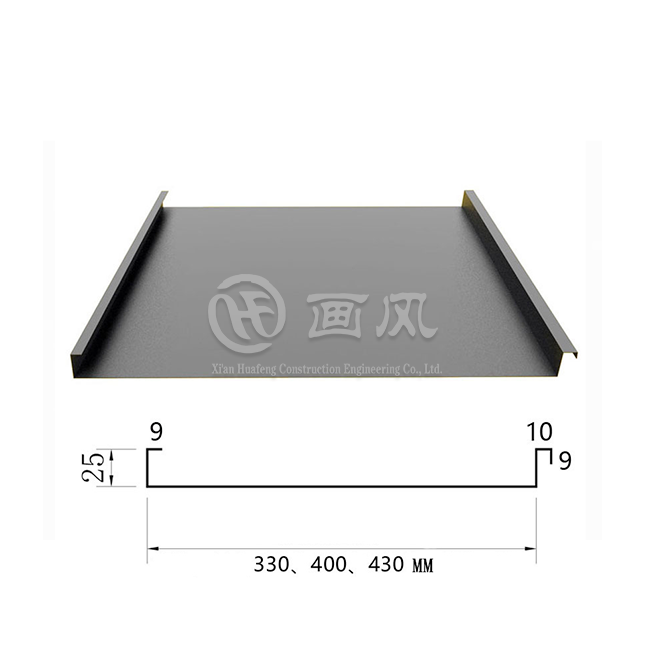
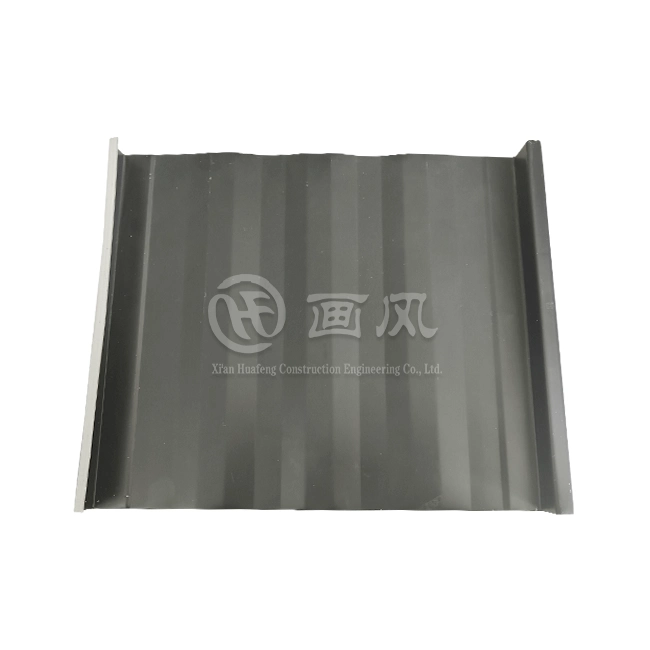
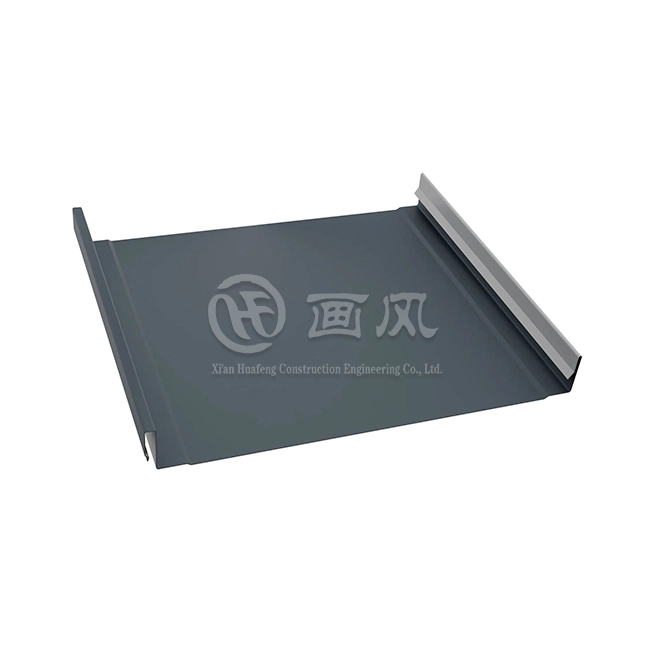
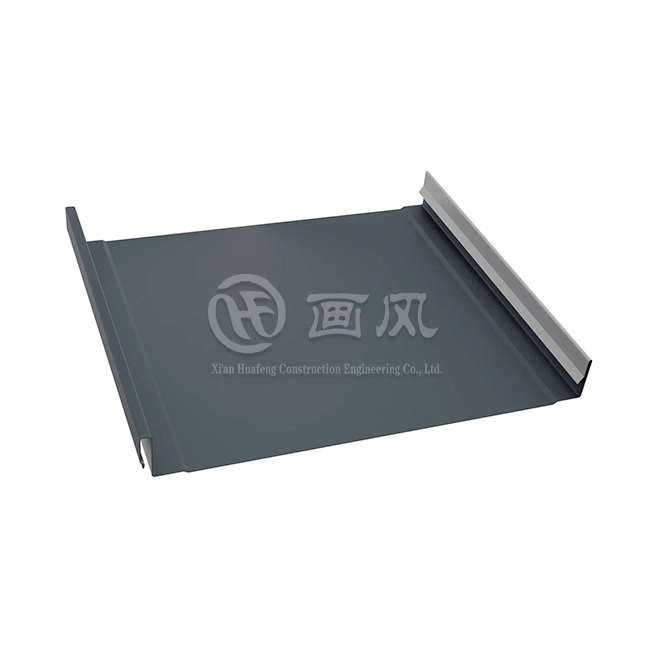
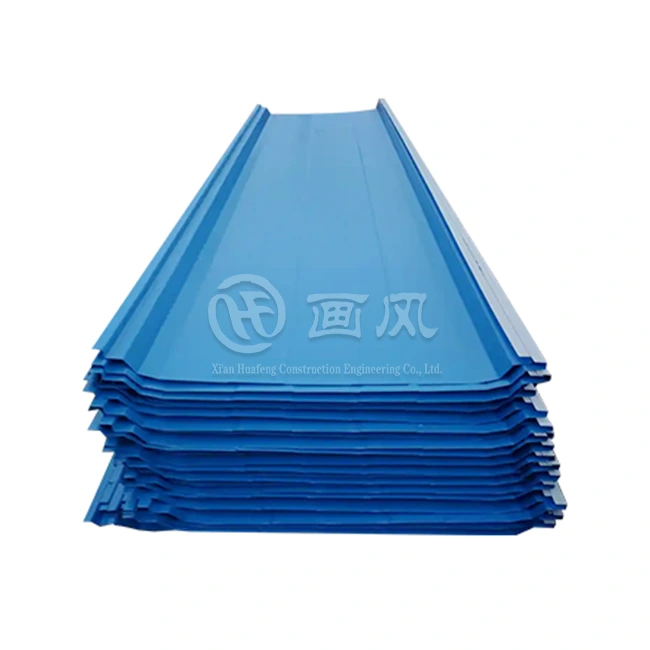
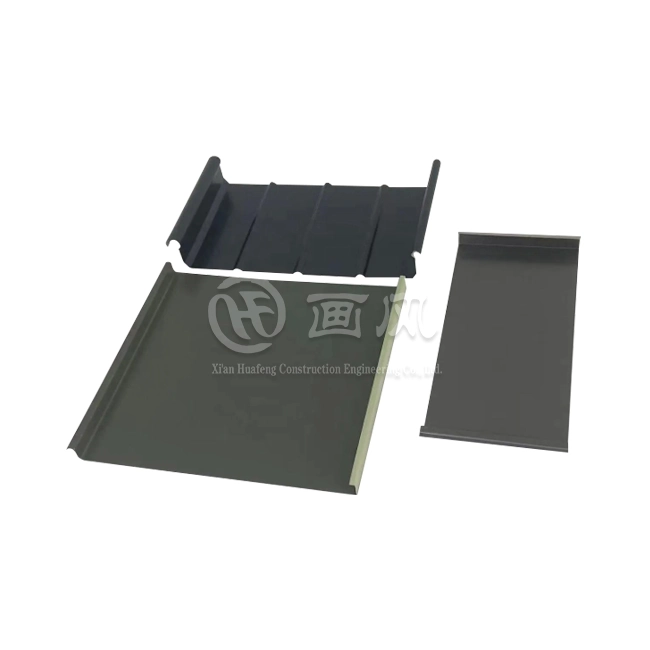
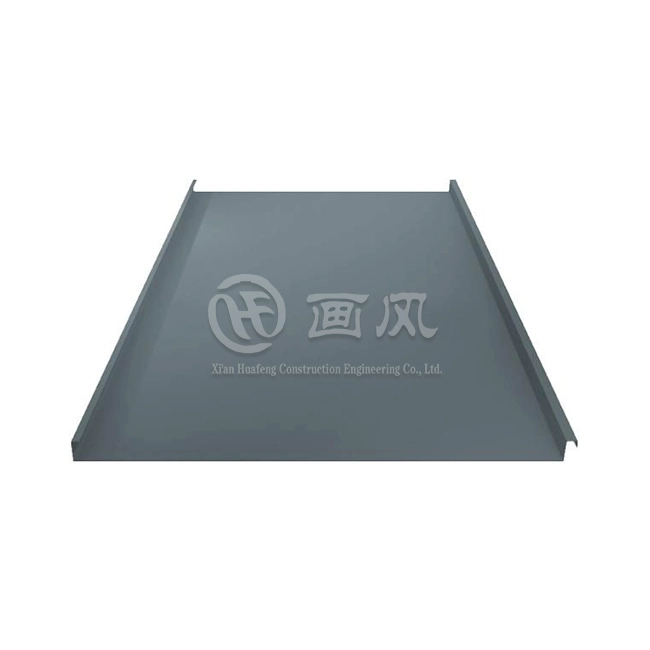
Modern building has been changed by structural metal panel roofing systems, which give architects and contractors flexible, long-lasting options that get rid of the need for traditional decking. These new systems are perfect for business buildings, warehouses, agricultural facilities, and industrial complexes because they support structures and keep out the weather all in one installation. The panels can be used as both a roof covering and a main structural element. They have a very high strength-to-weight ratio and make installation much faster and cheaper overall. More and more, modern building projects need solutions that are efficient, long-lasting, and able to handle a wide range of environmental problems. Standing seam metal roof systems and corrugated metal panels have become popular choices among builders all over the world because they last a long time and don't need much upkeep.
Commercial and Industrial Warehouse Applications
When it comes to modern buildings, one of the most important places where structural roofing systems are used is on large warehouses. Because these buildings need long, clear spans without interior columns, metal roofing panels are the best way to cover lengths of up to 200 feet without any support in the middle. The fact that these systems can be set up quickly makes them useful in distribution areas and factories. Traditional roofing methods take months to finish, but it only takes weeks to finish the roof of a normal 100,000-square-foot warehouse. The panels fit together perfectly, making weatherproof walls that keep expensive goods and tools safe. When used in industrial settings, steel roofing panels can hold a lot of weight, which is great for HVAC equipment, solar installations, and servicing access. The building's structural stability lets owners make changes in the future without having to pay for expensive reinforcement. In hot areas, energy-efficient metal roofing with reflective coatings can cut cooling costs by up to 25%. This makes them appealing to logistics companies that handle temperature-sensitive goods. Hangars for aeroplanes are another great place where these methods work really well. For aviation facilities, aluminium roofing systems are especially useful because they can keep interior areas clear while supporting heavy snow loads and wind pressures.
Agricultural Building Solutions
Because they don't rust or let pests in, metal roofs are becoming more popular in agricultural buildings for barns, equipment storage, and animal housing. In difficult rural areas, farmers like that these systems last a long time and don't need much upkeep.When it comes to cleanliness, metal roof panels are better than other materials because they don't let mould and germs grow as easily. The smooth surfaces are easy to clean and meet strict rules for food safety. Having the right metal roof ventilation systems in place helps keep the air quality good for animals and stops water from building up, which can damage stored food and tools. Architectural metal roofing is used to keep harvested crops from getting wet in grain storage facilities because it is resistant to the weather. The thermal expansion properties of these devices allow for changes in temperature without affecting the structural integrity. Custom panel shapes can have ventilation features that help keep storage areas at a good humidity level. These systems are flexible enough to work with different building heights and door spaces, which is useful for equipment sheds and machinery storage buildings. Being able to change the lengths of the panels cuts down on waste and makes the lines look cleaner, which many owners of farm property like.
Sports and Recreation Facilities
Structured metal panels are a good way to deal with structural metal panel roofing systems the unique problems that come up in sports complexes and leisure centres. A lot of the time, these buildings have big open areas, complicated shapes, and strict soundproofing needs that are hard for regular roofs to meet. The ability to span and the ability to reduce noise that comes with proper metal roof insulation systems are useful for indoor sports arenas. These roofing systems help keep the temperature and humidity just right on basketball courts, ice rinks, and swimming pool areas by including HVAC mounting points and vapour barrier features. The beauty of modern metal roof profiles can be seen in outdoor pavilions and covered leisure areas. Standing seam systems make lines that look clean and modern while reliably keeping out the weather. Because there are so many finishes and colours to choose from, builders can make designs that stand out and look good with the natural surroundings. The roofs of stadiums are probably the toughest places for these devices to be used. The engineering limits of structural panels are pushed to their limits by the need for long spans, resistance to wind uplift, and public safety standards. Modern metal roofing systems have been used on recent stadium projects to cover areas bigger than 10 acres while still being structurally sound.
Retail and Commercial Developments
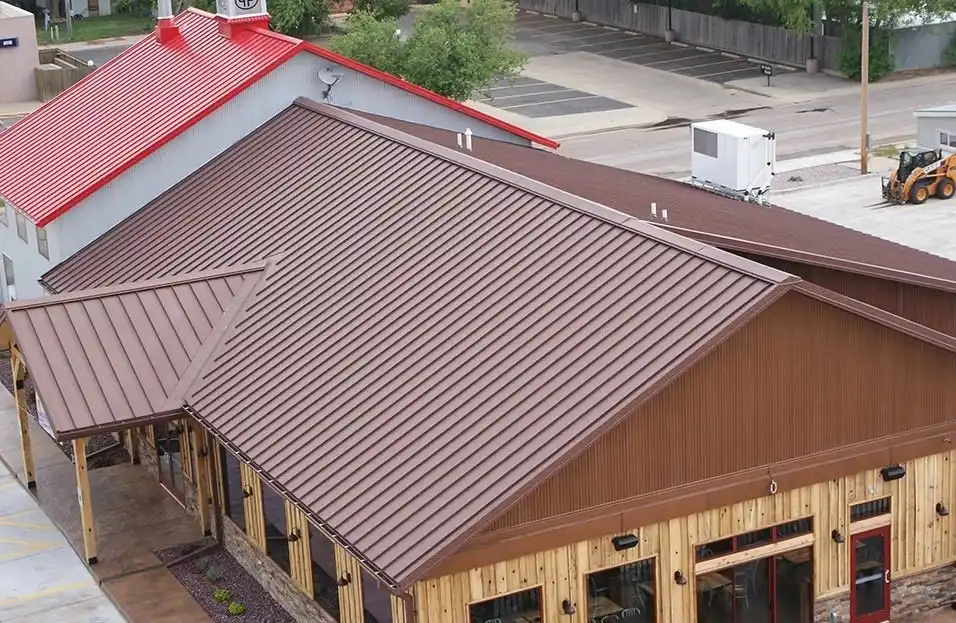
Shopping centres and retail complexes increasingly specify metal panel systems for their combination of durability and design flexibility. These buildings require roofing solutions that can accommodate multiple tenants, varying load requirements, and frequent modifications throughout their operational life. Big-box retailers appreciate the cost-effectiveness and speed of installation these systems provide. A typical 150,000 square foot retail space can be weatherproofed quickly, allowing interior construction to proceed without weather delays. The ability to penetrate panels for utilities and signage without compromising weather resistance gives retailers operational flexibility. Mixed-use developments benefit from the variety of metal roof fasteners and connection methods available with modern systems. Buildings that combine retail, office, and residential spaces can utilise different panel profiles on the same structure while maintaining visual cohesion and weather performance. Restaurant and hospitality venues often select architectural metal roofing for its ability to create distinctive visual identities. Custom colours and textures help brands differentiate themselves while benefiting from the practical advantages of metal construction. Grease and chemical resistance make these systems particularly suitable for food service applications.
Educational and Institutional Buildings
Schools and universities have discovered the long-term value proposition offered by structural metal roofing systems. Educational budgets benefit from the extended service life and reduced maintenance requirements these systems provide over 30-50 year operational periods. Classroom buildings require consistent environmental control for optimal learning conditions. Metal roof thermal expansion accommodation and superior weather sealing help maintain stable interior climates while reducing energy consumption. The ability to integrate solar panels and green roof systems aligns with sustainability goals that many educational institutions pursue. Gymnasium and auditorium applications leverage the clear span capabilities of these systems to create inspiring interior spaces without visual obstructions. Acoustic performance can be optimised through specialised metal roof insulation configurations that control reverberation and outside noise infiltration. Laboratory and research facilities benefit from the chemical resistance and easy decontamination properties of metal roofing materials. Clean room applications can achieve required air quality standards more easily when building envelopes incorporate properly sealed metal panel systems.
Residential and Multi-Family Housing
High-end residential construction increasingly incorporates standing seam metal roof systems for their aesthetic appeal and superior weather protection. Homeowners appreciate the potential for reduced insurance premiums due to fire resistance and impact performance capabilities. Multi-family housing developments utilise the design flexibility of these systems to create varied rooflines and architectural interest while maintaining construction efficiency. Apartment complexes and condominiums benefit from the noise reduction properties achievable through proper system design and insulation integration. Coastal residential applications, structural metal panel roofing systems showcase the corrosion resistance advantages of aluminium and stainless steel panel options. Hurricane and severe weather resistance provided by properly engineered systems offers peace of mind for homeowners in challenging climates. Historic renovation projects often specify architectural metal roofing systems that replicate traditional materials while providing modern performance standards. Custom profiles and finishes allow preservation of historical aesthetics while upgrading building performance.
Government and Infrastructure Projects
Military installations and government facilities require roofing systems that meet stringent security and performance standards. Metal panel systems provide the durability and maintainability required for critical infrastructure applications while offering resistance to various threat scenarios. Transportation hubs, including airports, train stations, and bus terminals, utilise the fire resistance and structural capabilities of these systems to meet code requirements while creating inspiring public spaces. The ability to integrate complex mechanical and electrical systems simplifies coordination between building trades. Emergency services facilities, including fire stations and police headquarters, benefit from the quick installation capabilities of metal roofing systems. During disaster response scenarios, these buildings must remain operational, making the weather resistance and structural reliability of metal panels essential. Water treatment and utility facilities appreciate the chemical resistance and low maintenance requirements these systems provide in corrosive environments. The ability to customise panel coatings for specific chemical exposures ensures long-term performance in challenging industrial applications.
Conclusion
Structural metal panel roofing systems continue expanding their role in modern construction due to their unique combination of structural efficiency, weather protection, and design flexibility. From massive industrial warehouses to sophisticated educational facilities, these systems provide architects and contractors with reliable solutions for structural metal panel roofing systems that meet diverse project requirements. The versatility of metal roofing panels, combined with advancing manufacturing technologies and coating systems, ensures continued innovation in this field. As construction projects demand greater sustainability, faster installation, and improved lifecycle performance, structural metal roofing systems will remain at the forefront of building technology evolution.
FAQ
1. What thickness options are available for structural metal panels?
Metal panel thickness typically ranges from 0.5mm to 1.2mm, depending on application requirements and load specifications. Thicker gauges provide increased structural capacity for longer spans and higher load applications, while thinner options offer cost savings for lighter-duty applications.
2. How do standing seam systems compare to through-fastened panels?
Standing seam systems utilise concealed fasteners that allow for thermal movement and provide superior weather resistance. Through-fastened panels use exposed screws for more economical installation, but require periodic maintenance of fastener seals.
3. What warranty coverage can be expected for these roofing systems?
Quality structural metal panel systems typically offer 30-year warranties covering material defects and coating performance. Proper installation and maintenance are essential for warranty validation and optimal system longevity.
4. Can these systems accommodate solar panel installations?
Yes, structural metal panels are ideal for solar installations due to their load-bearing capacity and attachment flexibility. Standing seam systems offer particularly convenient mounting solutions that don't require roof penetrations.
5. What maintenance is required for metal panel roofing systems?
Routine maintenance includes annual inspections, gutter cleaning, and fastener verification. The inherent durability of metal systems means major maintenance intervals are typically measured in decades rather than years.
6. How do these systems perform in extreme weather conditions?
Properly engineered metal panel systems excel in severe weather, offering superior wind uplift resistance, impact protection, and thermal cycling performance. Material selection can be optimised for specific climate challenges, including salt air corrosion and extreme temperature variations.
Partner with HF for Superior Structural Metal Panel Roofing Systems
HF stands as a trusted structural metal panel roofing systems manufacturer, delivering cutting-edge solutions structural metal panel roofing systems that meet the demanding requirements of modern construction projects. Our three factories and seven production lines ensure consistent quality and reliable delivery schedules for your projects. With over 40 advanced machines and comprehensive certifications, including ISO9001 and SGS, we provide the expertise and manufacturing capacity your business needs. Contact our team at huafeng@hfmetalroof.com to discover how our customizable metal roofing solutions can enhance your next construction project.
References
1. Smith, J.A. and Williams, R.B. "Structural Performance Analysis of Metal Panel Roofing Systems in Commercial Construction." Journal of Building Engineering Technology, vol. 45, no. 3, 2023, pp. 178-195.
2. Thompson, M.K. "Comparative Study of Metal Roofing Materials in Agricultural Building Applications." Construction Materials Research Quarterly, vol. 28, no. 2, 2023, pp. 89-102.
3. Rodriguez, C.E. "Energy Efficiency Benefits of Reflective Metal Roofing Systems in Hot Climate Zones." Sustainable Building Design International, vol. 12, no. 4, 2023, pp. 234-248.
4. Johnson, P.L. and Chen, H.W. "Wind Load Resistance and Installation Methods for Standing Seam Metal Roof Systems." Structural Engineering Review, vol. 67, no. 1, 2024, pp. 45-62.
5. Davis, K.R. "Lifecycle Cost Analysis of Metal Panel Roofing Systems Versus Traditional Roofing Materials." Building Economics Journal, vol. 39, no. 6, 2023, pp. 156-171.
6. Anderson, S.T. "Corrosion Resistance and Coating Technologies for Metal Roofing in Marine Environments." Materials Science in Construction, vol. 51, no. 8, 2023, pp. 301-318.





YOU MAY LIKE